REVIEW · CUSCO
Cusco: Half-Day City and Nearby Archaeological Sites Tour
Book on GetYourGuide →Operated by LimaTours · Bookable on GetYourGuide
Cusco in five hours needs a plan. This half-day tour strings together Coricancha and the uphill fortress of Sacsayhuaman, so you quickly get what makes Cusco feel like an Inca and Spanish layered city. I especially like how the stops are arranged in a way that helps you understand the big ideas, not just see stones and buildings. One important consideration: you’ll need to get the Cusco Tourist Ticket (BTC) in advance to cover the archaeological-site visits.
I also like the value math here. At $49 per person for a 5-hour outing with pickup and drop-off, plus admission to Coricancha and the Cusco Cathedral, you’re paying for guided time and the key entrances instead of just a driver and a loose map. And yes, the terrain has a bit of that classic Cusco uphill feel.
The tour works smoothly when your guide is on top of the details. You’ll have a live guide speaking English, Spanish, Portuguese, or French, and guides like Fred and Jose have been praised for being attentive and clear. If you’re strict about what’s included, you should still double-check what you’ll need that day, since one group reported a mix-up that the guide then corrected.
In This Review
- Key highlights you’ll actually notice
- Cusco in 5 Hours: what this half-day tour covers
- Coricancha to Cusco Cathedral: Inca foundations under Spanish walls
- Sacsayhuaman: the uphill fortress that makes you think about engineering
- Quenqo: religious space with a quieter vibe
- Puka Pucara: Red Fortress, baths, plazas, and a rest story
- Price and value: what you’re paying for, and what you must budget
- Pickup, timing, and small logistics that can make or break your day
- What the guide adds: turning stones into a story
- Who this tour suits best (and who should think twice)
- Should you book Cusco Half-Day City and Nearby Archaeological Sites?
- FAQ
- How long is the Cusco Half-Day City and Nearby Archaeological Sites Tour?
- What sites are included in the itinerary?
- Is the Cusco Tourist Ticket (BTC) included in the price?
- Does the tour include admission fees?
- Where does the pickup happen?
- What languages are the guides available in?
- What should I bring and wear?
Key highlights you’ll actually notice
- Coricancha’s layered story: Inca Temple of the Sun becomes the foundation for the Santo Domingo Convent.
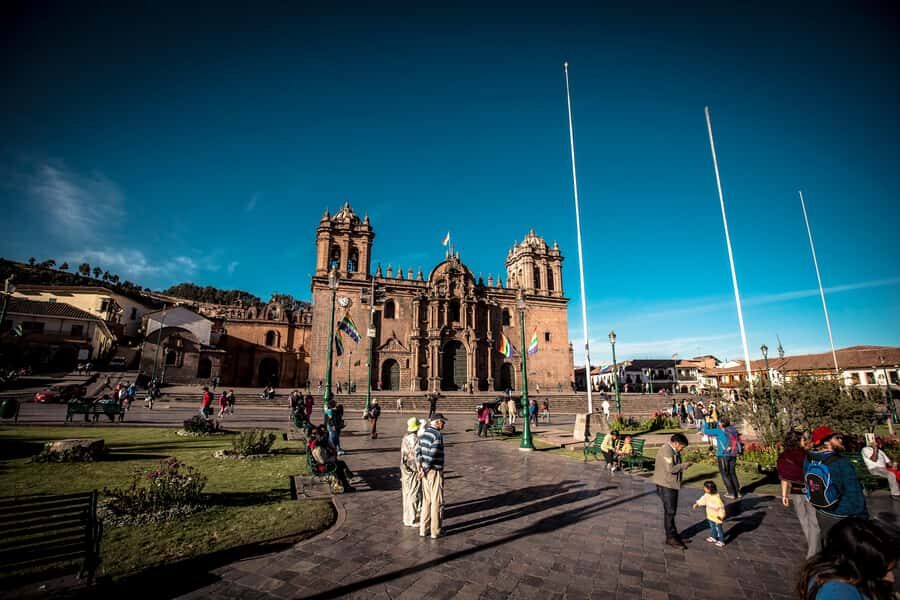
- Cathedral time in the Main Square: a grand colonial anchor right where Cusco life happens.
- Sacsayhuaman’s stone puzzle: massive walls and a mystery about how the stones were transported.
- Inti Raymi on June 24: the reenactment connects what you see to a living calendar moment.
- Quenqo and Puka Pucara: religious complex and the Red Fortress with plazas, baths, aqueducts, walls, and towers.
- Guide help matters: past guides like Fred and Jose were singled out for practical explanations and support.
Cusco in 5 Hours: what this half-day tour covers
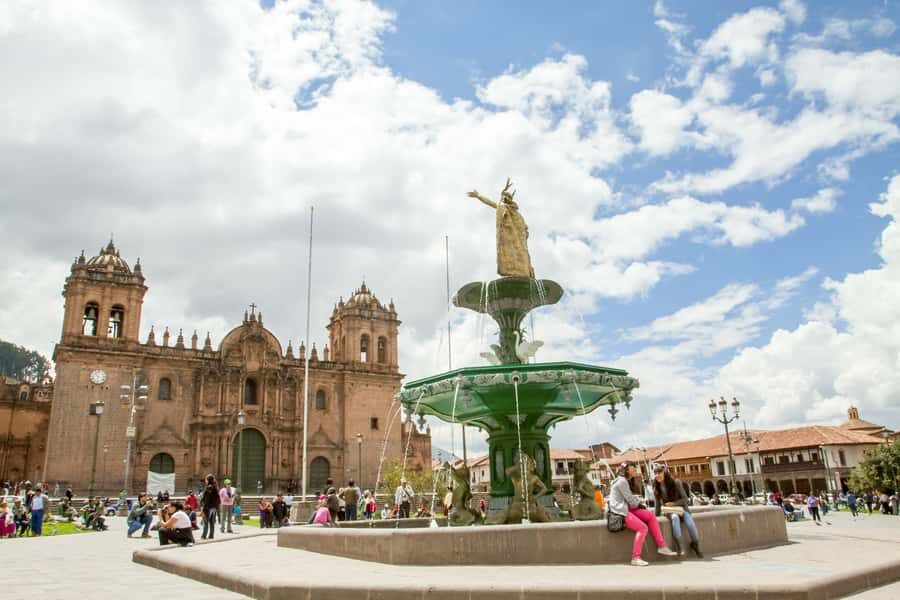
This is a tight, well-packed introduction to Cusco and the nearby archaeological complexes. You’ll start in the historic center, then head outward and uphill through sites connected to the Inca world—while also hitting the colonial highlights that replaced earlier spaces.
You’re not wandering for a full day, which can be a good thing. In Cusco, time can disappear fast because distances are real and elevations are not negotiable. A 5-hour tour lets you get oriented, learn the names and purposes of key sites, and then decide what you want to revisit later at your own pace.
The basic flow goes like this: Coricancha → Cusco Cathedral → Sacsayhuaman → Quenqo → Puka Pucara. The guide explains what each place likely meant to the Inca, and you’ll also see how Spanish builders reused and reshaped sacred space.
You can also read our reviews of more city tours in Cusco
Coricancha to Cusco Cathedral: Inca foundations under Spanish walls
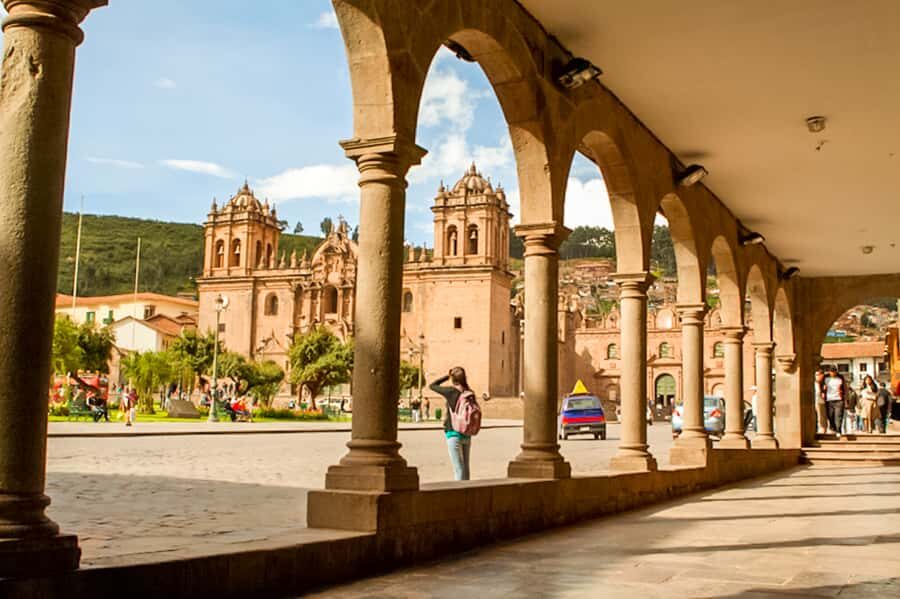
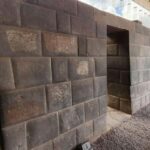
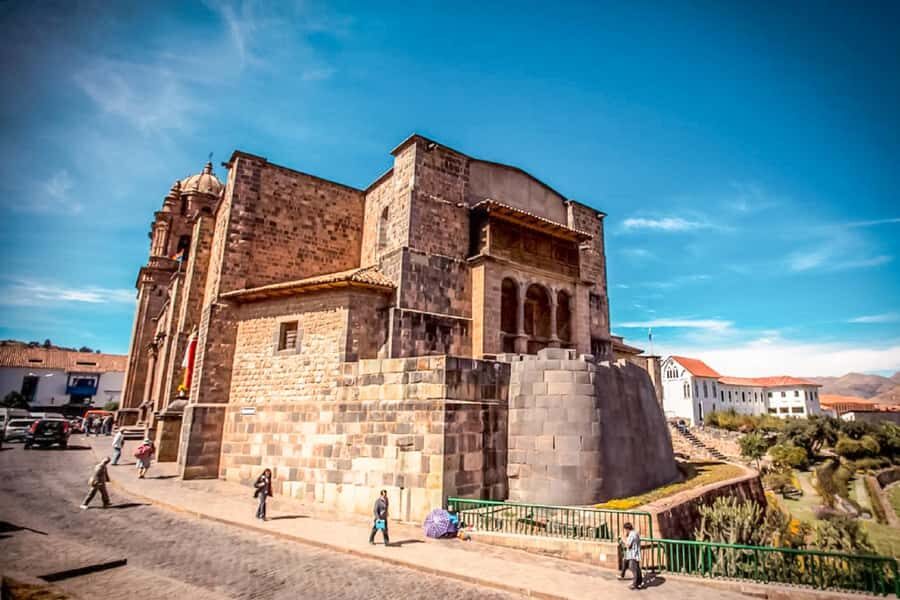
Your first stop is Coricancha, also known as the Temple of the Sun. The Inca built it under Pachacutec, and it’s famous because it shows the kind of power the Inca concentrated in religious architecture. Coricancha wasn’t just a building. It was a statement: the empire’s spiritual center, placed in the middle of Cusco.
There’s also a practical and fascinating “layers” element here. When the Spaniards arrived, the Coricancha area became the basis for building the Santo Domingo Convent. So as you look at what’s there today, you’re looking at overlapping eras—Inca sacred design underneath, and colonial structures above.
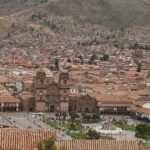
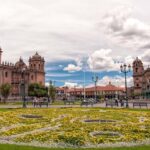
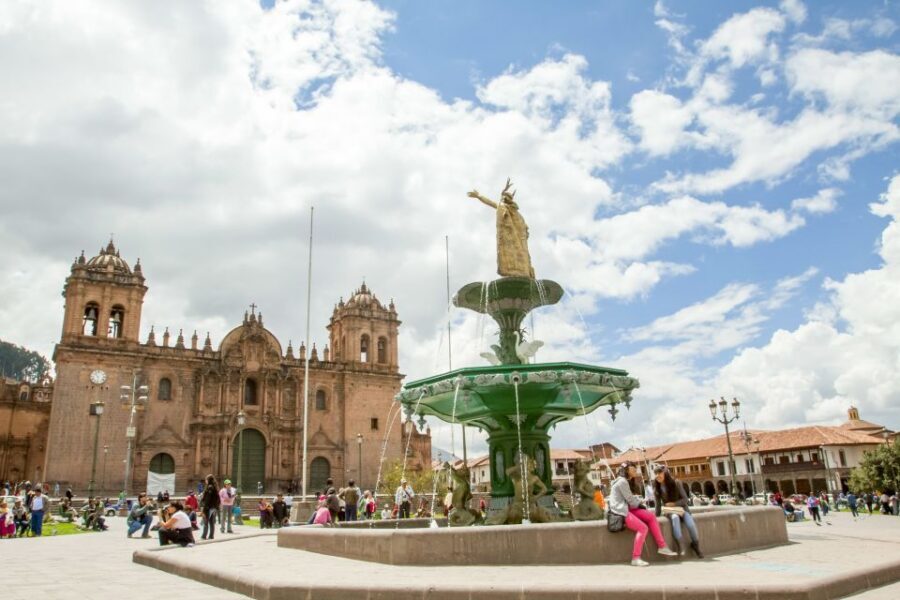
After that, you move to the Cusco Cathedral in the Main Square. It’s described as the most imposing monument in the square, and that’s exactly the point. The cathedral isn’t trying to be an Inca site. It’s a visual reminder that power shifted—and that Cusco’s topography made it ideal for both religious worlds.
What I like about stacking Coricancha and the cathedral back-to-back is that you start seeing the city’s story like a timeline, not as separate attractions.
Sacsayhuaman: the uphill fortress that makes you think about engineering
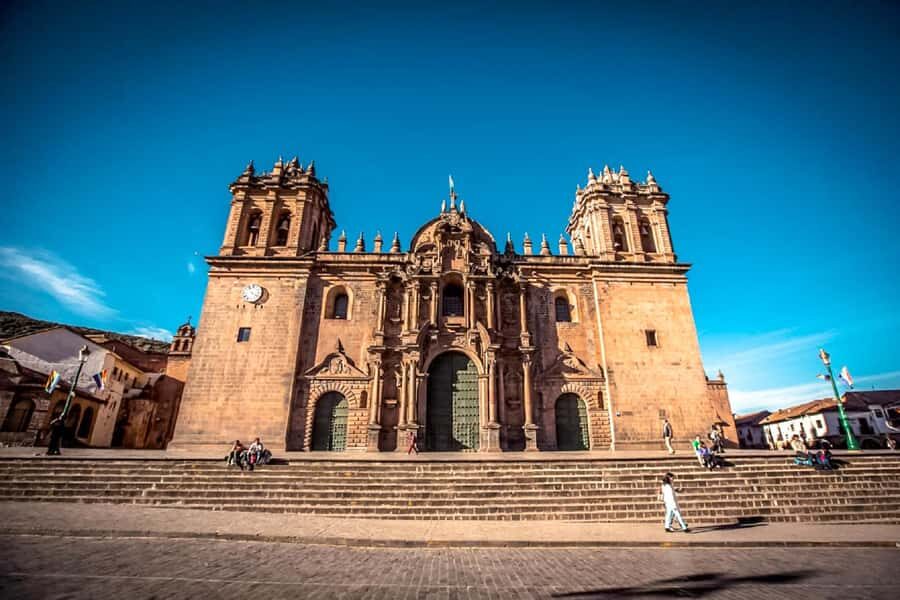
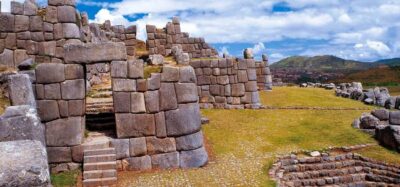
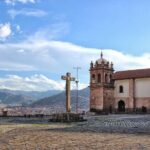
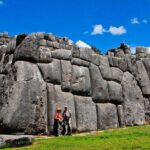
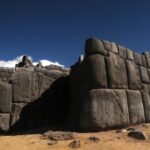
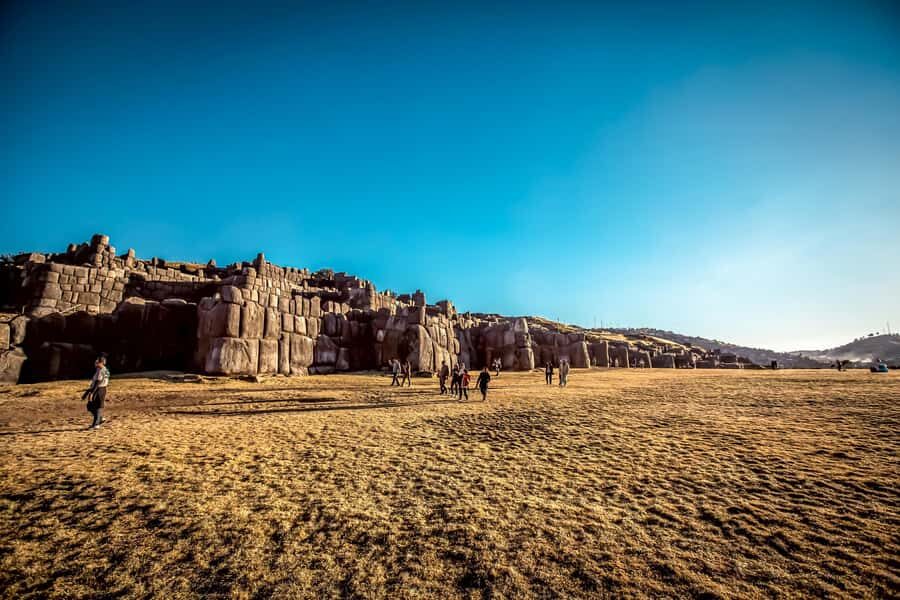
Next comes the climb to Sacsayhuaman, one of the most emblematic Inca fortresses from the 15th century. If Coricancha helps you grasp religious focus, Sacsayhuaman helps you grasp scale, defense, and planning.
The fortress is known for its huge stonework—big stones fitted together in a way that still leaves questions about transportation. The tour doesn’t give you a neat “here’s how they did it” answer, which is honestly better. When you see the mass of the walls, the mystery feels real.
There’s also a cultural connection that turns it from architecture into living tradition: each year on June 24, the feast of Inti Raymi is recreated here, with the sun worshipped as part of the ceremony. Even if you’re not there in late June, the reenactment detail helps you interpret the place as more than a military site.
Practical note: expect uphill walking and uneven terrain at archaeological stops. Bring comfortable shoes and keep your pace steady. This tour isn’t built for slow sightseeing with long breaks at every photo spot.
Quenqo: religious space with a quieter vibe
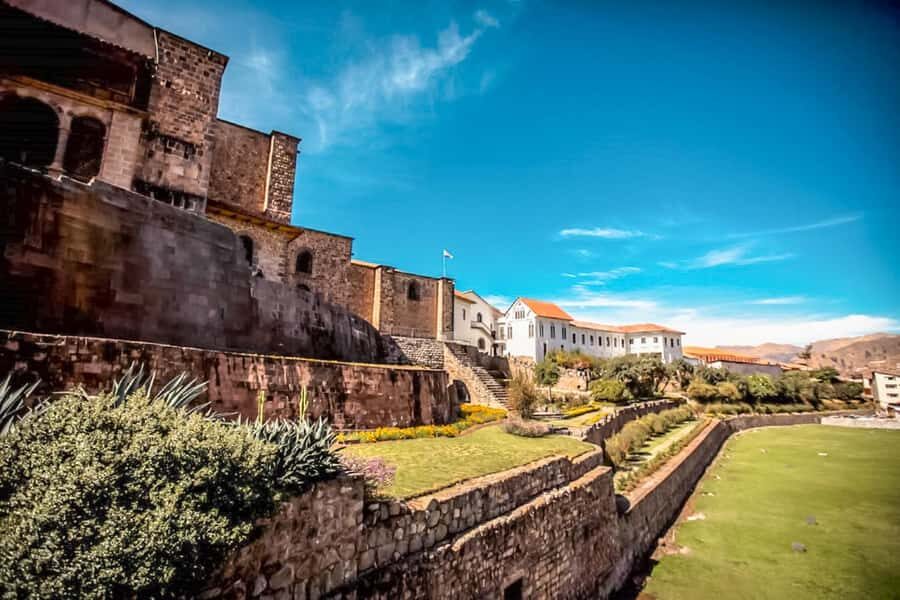
After Sacsayhuaman, you’ll head to Quenqo, an archaeological complex used mainly for religious purposes. This is the kind of stop that’s easy to overlook if you only expect “big walls,” but it’s worth paying attention.
Why? Because Quenqo helps balance your mental picture. You’ve already seen monumental power at Sacsayhuaman. Quenqo shifts the focus back toward spiritual function—spaces designed for ritual rather than spectacle.
The tour experience here is mostly interpretive: your guide ties the shapes and layout to religious use, which helps you look beyond the obvious stone structures. If you’ve only come for the famous fortress, this stop is the reminder that Inca architecture also worked in subtler ways.
Puka Pucara: Red Fortress, baths, plazas, and a rest story
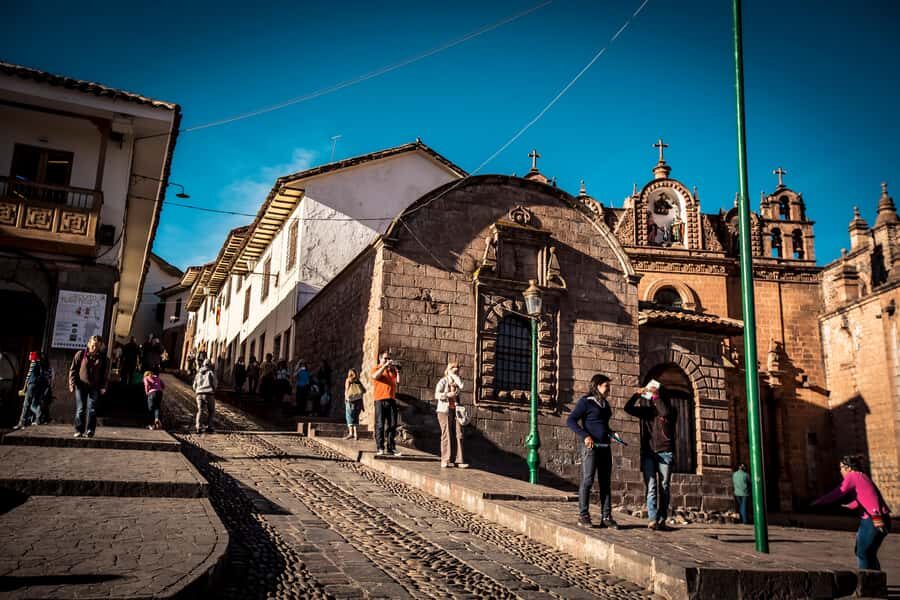
Finally, you reach Puka Pucara, which means Red Fortress. The tour describes it as an architectural complex with alleged military use, but it also points out a broader purpose. There are multiple spaces, plazas, baths, aqueducts, walls, and towers.
The strongest narrative detail is the rest connection: it’s believed the entourage of the Inca used it while they rested in Tambomachay. That matters because it reframes how you see the site. Even if a complex has defensive traits, it can still function like a staging or recovery point in a larger system of movements and stays.
If you’re the type who likes to connect the dots, Puka Pucara gives you that. You finish the tour with the feeling that the Inca were managing people, ceremonies, and travel logistics—not only fighting battles.
You can also read our reviews of more tours and experiences in Cusco

Price and value: what you’re paying for, and what you must budget
At $49 per person for a 5-hour guided tour, this lands in a sensible mid-range price bracket—especially because several admissions are included. You get pickup and drop-off, a professional guide, and admission to Coricancha and the Cusco Cathedral.
Here’s the part you should plan for in your budget: the tour info makes it clear you need the Cusco Tourist Ticket (BTC) to visit the four archaeological sites. Even with Coricancha’s admission included, you still have to come ready with your BTC for the set of archaeological stops. This is the biggest “value condition” of the tour.
Also note what isn’t included: food and drinks, photo options, personal expenses, and gratuity. None of those are unusual extras in Cusco, but it helps to think about them so you don’t feel surprised halfway through.
One more pricing nuance included in the tour details: taxes may be handled differently depending on your residency status and how long you’ve been staying in Peru. If you fall into the category where sales taxes aren’t included in the total, you may need to pay that locally. If you’re unsure, ask the operator when you confirm.
Pickup, timing, and small logistics that can make or break your day
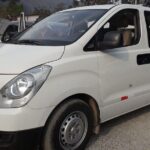
This tour includes roundtrip pickup from hotels located in the Historic Center of Cusco. If you’re staying outside that zone—like in a private residence such as an Airbnb—you’ll need to coordinate a meeting point with the operator a few days before.
That detail matters because it affects how smoothly your morning starts. A half-day tour has less room for delays than a full-day plan, so you want to be where pickup is designed to happen.
For packing, keep it simple. The tour says it’s not for large bags or luggage, and pets aren’t allowed. You also can’t bring unaccompanied minors. If you’re traveling light, you’ll have a much calmer experience.
Finally, the guide language is flexible—English, Spanish, Portuguese, and French—so pick what you’re most comfortable listening to. Past guide experiences highlighted that the right level of explanations makes a big difference, especially when sites blend Inca purpose with later Spanish changes.
What the guide adds: turning stones into a story
A big reason to take this tour instead of just buying tickets and going solo is the way the guide connects the dots.
Your guide’s job is to give you handles:
- what Coricancha was used for under the Inca,
- how Spanish occupation transformed the area through building on top of older foundations,
- why Sacsayhuaman’s stones matter and why people argue about their movement,
- how Inti Raymi’s June 24 recreation ties a calendar ritual to a specific location,
- and how Quenqo and Puka Pucara fit into religious and rest-use narratives.
And it’s not just theory. In the feedback tied to this tour, guides such as Fred and Jose were praised for being attentive, willing to explain, and helpful during the day. One group also noted a confusion about what was included between operator and guide, but the guide stepped in and fixed it. That’s the kind of competence you want on a short schedule.
Who this tour suits best (and who should think twice)
This half-day tour is ideal when you want a structured first look at Cusco without spending hours planning your route. It’s also a strong choice if you like learning the meaning behind places rather than only collecting photos.
It’s especially good for:
- first-time visitors who want an orientation to Inca architecture and colonial Cusco,
- people who plan to do more archaeology later and want a foundation of key names like Coricancha, Sacsayhuaman, Quenqo, and Puka Pucara,
- and anyone who appreciates that Inca sites can have both monumental and ritual roles.
It may not fit if:
- you need wheelchair access, since it’s noted as not wheelchair accessible,
- you don’t want to handle advance ticket requirements like the BTC,
- or you prefer fully slow sightseeing with lots of time inside each site. This is efficient.
Should you book Cusco Half-Day City and Nearby Archaeological Sites?
If you’re planning your Cusco days and you want a fast, guided hit of the most important names, I think this is a solid book. For $49 you get real guided time, plus entry to Coricancha and the Cusco Cathedral, and you’ll walk away with a clearer mental map of how Cusco grew from Inca sacred space into a colonial city.
Just be strategic: get your Cusco Tourist Ticket (BTC) in advance, wear shoes for uphill uneven ground, and confirm what you need for the archaeological stops so there’s no last-minute scramble. If you do those basics, this tour does what a good orientation tour should do: it helps you understand Cusco fast, then lets you choose what to chase next on your own terms.
FAQ
How long is the Cusco Half-Day City and Nearby Archaeological Sites Tour?
The tour lasts about 5 hours.
What sites are included in the itinerary?
You visit Coricancha (Temple of the Sun), the Cusco Cathedral, Sacsayhuaman, Quenqo, and Puka Pucara.
Is the Cusco Tourist Ticket (BTC) included in the price?
No. The BTC is not included. The tour information notes that you need the BTC to visit the four archaeological sites.
Does the tour include admission fees?
Admission to Coricancha and the Cusco Cathedral is included. Other archaeological-site access requires the BTC.
Where does the pickup happen?
Pickup is available from hotels in the Cusco Historic Center. It does not include pickup from private residences like Airbnb, so you must coordinate a meeting point.
What languages are the guides available in?
Guides are available in Spanish, English, Portuguese, and French.
What should I bring and wear?
Bring comfortable shoes, sunscreen, and comfortable clothes.