REVIEW · CUSCO
Private 4 Day Inca Trail Trek Tour to Machu Picchu
Book on Viator →Operated by Incatrekkers Day Tours · Bookable on Viator
Machu Picchu feels like a finish line. What makes this private 4-day trek special is the build-up: local guides and porters and a trail pace that lets you actually notice what’s around you. I love how the included support covers the hard parts (like sleeping pads, tents, and porters for up to 6kg of personal gear), so you can focus on walking. The tradeoff is real: you start early (around 5:00am), hike 6–8 hours a day, and you’ll hit high passes like Warmiwañusca at 4,215m.
You’re also not just ticking off ruins. Along the way, you’ll move through Sacred Valley towns, cloud forest, and Inca sites, with chances to pause for birds, plants, and stories tied to the people who live here now. If you want the Inca Trail to feel intense but guided and well-managed, this format fits.
In This Review
- Key highlights before you go
- The start: Cusco early, then the Sacred Valley track to Wayllabamba
- Day 2’s big climbs: Tres Piedras, cloud forest, and Warmiwañusca
- Day 3 through cloud forest: Runkurakay, orchids, Conchamarka, and the Inca tunnel
- Day 4: the Sun Gate approach (Inti Punku) and your guided Machu Picchu visit
- What’s included on this trek, and why it’s not just “stuff”
- Price and value check: what $1,250 buys you on the Inca Trail
- Local crew energy: guides like Juve, Cesar, and Frank (and why it matters)
- Who should book this private 4-day Inca Trail trek
- Should you book this tour?
Key highlights before you go
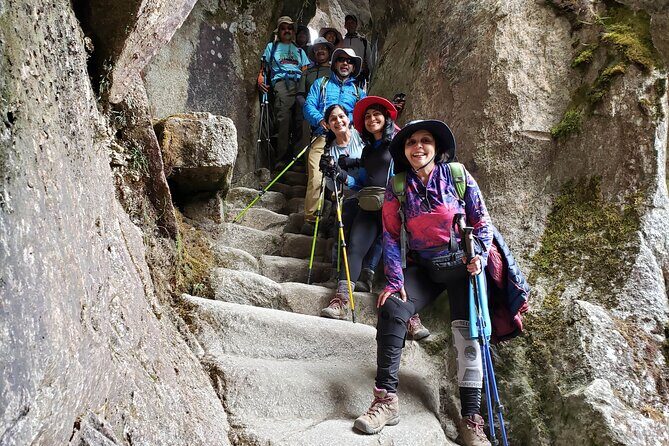
- Local-run feel with in-person guiding: your guide and crew are from the region, and they set the tone on the trail.
- Classic Inca Trail route to the Sun Gate: you reach Inti Punku and then descend into Machu Picchu with a guided visit.
- Altitude peaks you’ll earn: Warmiwañusca (4,215m) and Runkurakay (3,950m) are part of the challenge.
- Lighten your load: porters handle food and camp gear, plus personal belongings up to 6kg each.
- Meals and water included: breakfast, lunch, dinner, snacks, plus warm and drinking water during the trek.
- Safety built in: first aid kit and an oxygen tank are included.
The start: Cusco early, then the Sacred Valley track to Wayllabamba
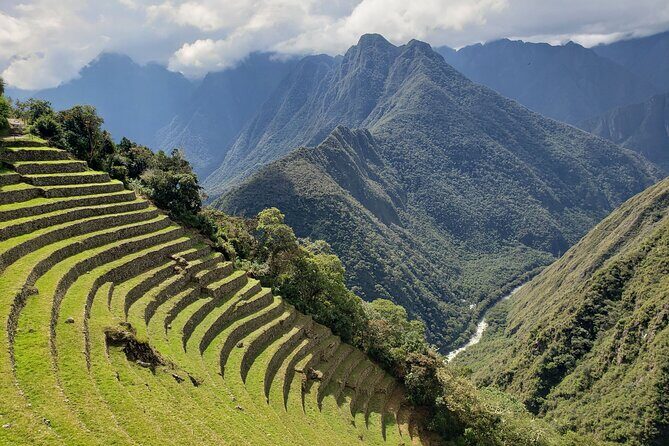
This trek begins in Cusco and then shifts into the Sacred Valley mood right away. You leave on a scenic route that passes through places like Chinchero, Urubamba, and Ollantaytambo, so the trip doesn’t feel like an abrupt jump from city life to jungle mud.
From there, you start walking at km 82, cross the Urubamba River, and move through sections that give you quick flashes of ancient Inca landscapes. The route includes stops like Wilka Rakay, with panoramic views toward Patallapta and the Kusichaca Valley. Day 1 is usually the “get your legs working” day, ending in Wayllabamba for the night after a descent toward the Kusichaca River.
What I like here: you’re not wasting the first hours. You get those big valley views early, then you settle into camping logistics with time to adjust before the big climbs.
What to consider: even Day 1 is still a trekking day. Expect that you’ll be active for around 6 hours, and you’ll want to treat the first day as warm-up rather than a sprint.
You can also read our reviews of more private tours in Cusco
Day 2’s big climbs: Tres Piedras, cloud forest, and Warmiwañusca
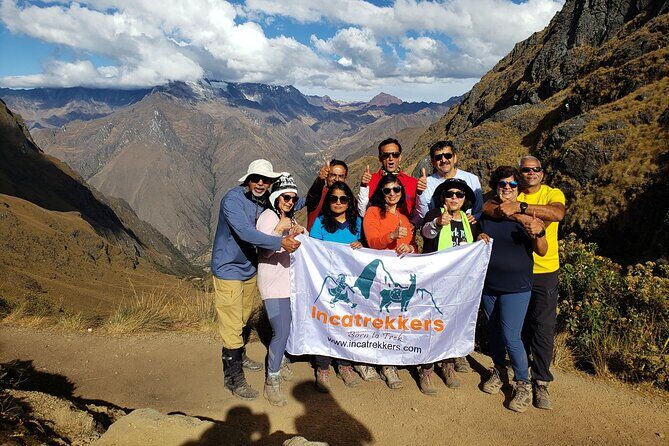
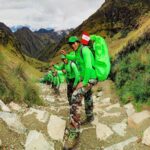
Day 2 is where the Inca Trail turns into the Inca Trail. After breakfast, you hike toward Tres Piedras (The Three Stones). It’s a classic checkpoint area, and you’ll feel the altitude working its way into your breathing long before the highest pass.
Then you enter the cloud forest. This is the part many people remember most because the scenery changes from open valleys to tight, misty green. You reach Llulluchapampa at about 3,800m, take a break, and then continue toward the main triumph of the day.
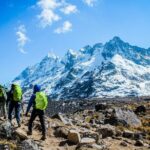
The crown jewel climb is Abra de Warmihuñusca at 4,215m. Standing on that pass is a milestone moment: you’ve earned the high-altitude views, and you’re now committed to the descent into your next camp, Pacaymayo.
Why this day matters for your trip: it’s not just “hard hiking.” The trail rhythm teaches you how to manage pace. If you try to walk like you’re on a flat city sidewalk, you’ll pay for it later. The guided approach (and the crew support) helps you keep moving without turning the day into misery.
What to consider: Warmiwañusca is the highest point on your route, and you should be ready for that. Even if you’re fit, the altitude can slow you down. Plan to breathe slower than you think you need.
Day 3 through cloud forest: Runkurakay, orchids, Conchamarka, and the Inca tunnel
Day 3 often feels like the “best of both worlds” day: big elevation still in play, but with constant visual payback.
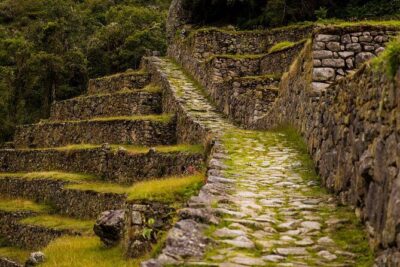
Starting from Pacaymayo Valley, you hike to the second pass, Abra Runkurakay at 3,950m. The trail then drops back down through cloud forest, and this is where your guide’s attention can really change the experience. One big advantage of a private group is that you can actually pause. You’re more likely to notice things like orchids, moss, ferns, and native flowers instead of just power-walking past them.
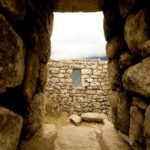
The route also includes Inca ruins along the way, including Conchamarka. After lunch at Chaquicocha, you keep going toward Phuyupatamarka Pass, and you’ll pass through an impressive Inca tunnel before reaching Wiñayhuayna for the night, close to Machu Picchu.
What I like here: this is the day that makes the trail feel like archaeology plus nature, not just exercise. When your guide is tuned to local birds and plants (you may hear detailed bird and ecology talk if your guide has that focus), the hike becomes more than scenery. It becomes learning with your feet on the ground.
What to consider: Day 3 is longer, roughly 8 hours. Even with breaks and crew support, you’ll want good trekking shoes and a realistic mindset that this isn’t a casual walk.
Day 4: the Sun Gate approach (Inti Punku) and your guided Machu Picchu visit
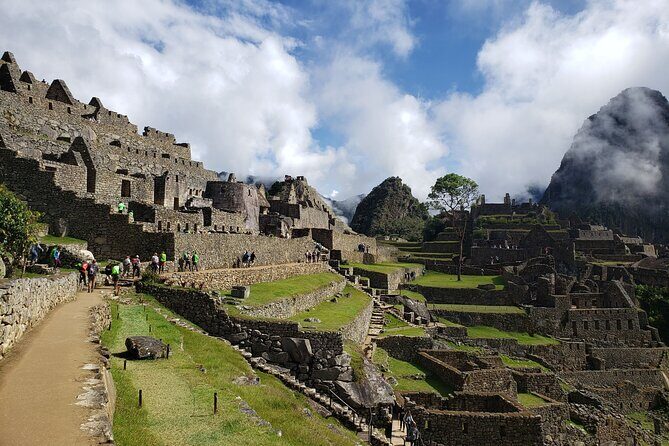
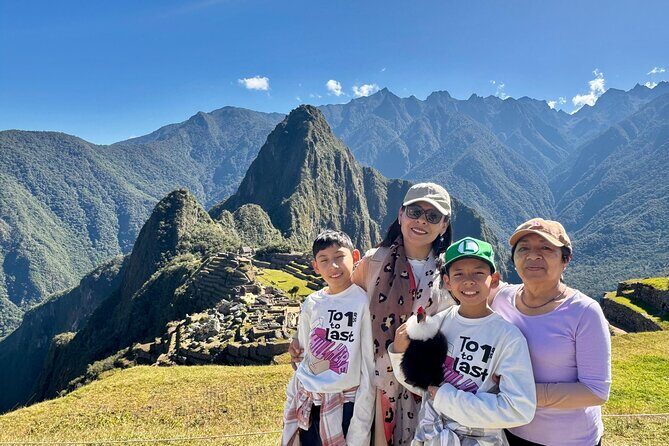
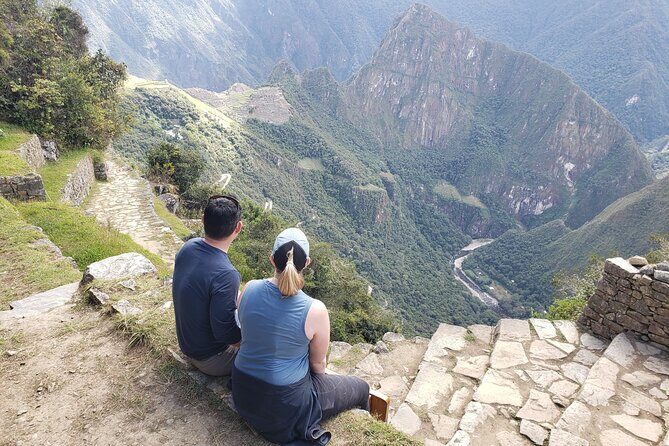
On the final day, you’ll wake up close to Machu Picchu and hike toward the dramatic viewpoint route. From Wiñay Wayna, it takes about an hour to reach Inti Punku (Sun Gate). This is the moment many people wait for. You’re not just entering the site; you’re arriving at it the way the route is designed to reveal it.
After reaching the Sun Gate, you’ll take a 40-minute descent that brings you into Machu Picchu for the guided portion. The tour includes a guide-led visit so you can connect what you’re seeing to how the place worked and why it’s arranged the way it is.
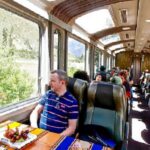
Once the guided time on-site is done, you head by bus down to Aguas Calientes for lunch. Then the group gathers at a restaurant before you move on. Later, you take the train back to Ollantaytambo (Expeditions tourist class), and from there you’re privately transported back to Cusco.
Why this plan is valuable: Machu Picchu feels less rushed when you’re arriving via the Sun Gate approach. You get a sense of how the site is revealed, and the guided time helps you not miss the bigger patterns.
What to consider: your day includes transport connections at the end of a long trek. You’ll want to keep your energy up after the hike, especially on the walking-to-meals-to-train flow.
What’s included on this trek, and why it’s not just “stuff”
The big win with this tour is how much essential trail logistics are handled for you. Here’s what’s included, and what it means in plain terms:
- Permits and entrance fees for both the Inca Trail and Machu Picchu. These are mandatory costs that can be a headache when you try to DIY.
- Porters for personal belongings up to 6kg per person, plus a duffel bag system for that personal porter load. You still carry what you need, but the weight becomes manageable.
- Porters for food and camping equipment, which is the work most people underestimate. This keeps your day focused on hiking.
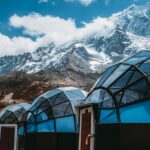
- Inflatable sleeping pad per person and camping equipment using 4-man Eureka tents used for 2 people. That setup matters because nights at altitude can be rough if you’re sleeping directly on the ground.
- Meals throughout: breakfast, lunch, dinner, and snacks, plus warm water and drinking water along the trek.
- Safety gear: first aid kit and an oxygen tank.
- In-person guide in English and Spanish.
- Transportation and major ticketing: pick up and drop off, bus tickets from Machu Picchu to Aguas Calientes, plus train tickets (Expeditions tourist class) back to Ollantaytambo.
In other words, you’re paying for an operation that’s meant to keep the trek running. That’s not glamorous, but on the Inca Trail it’s the difference between “a trek” and “a trek that stays fun.”
One thing to remember: tips for the crew are optional and not included. If you feel your guide and porters did a great job, plan to tip.
You can also read our reviews of more hiking tours in Cusco

Price and value check: what $1,250 buys you on the Inca Trail
At $1,250 per person for a 4-day private trek, this isn’t a budget hike. But it also isn’t just paying for a guide to walk beside you.
You’re covering major, non-trivial costs that add up fast if booked separately:
- Inca Trail permits and Machu Picchu entrance fees
- The guided experience at Machu Picchu
- Trail meals and water
- Porter support (for both personal gear up to 6kg and camp/food logistics)
- Camping gear like tents and sleeping pads
- The last-day transport pieces, including bus to Aguas Calientes and train back to Ollantaytambo, plus private transfer back to Cusco
This kind of “all-in support” is what you’re really buying. The Inca Trail is regulated. The schedule is tight. The altitude is real. Having the operation handle permits, gear, and food means you can spend your brain on hiking decisions instead of logistics.
Possible drawback for value: if you already have trekking experience, gear, and you’re comfortable managing complex logistics yourself, you might feel the price is heavy. Still, most people end up valuing the crew workload once they see how camp setup and porter carry actually work.
Local crew energy: guides like Juve, Cesar, and Frank (and why it matters)
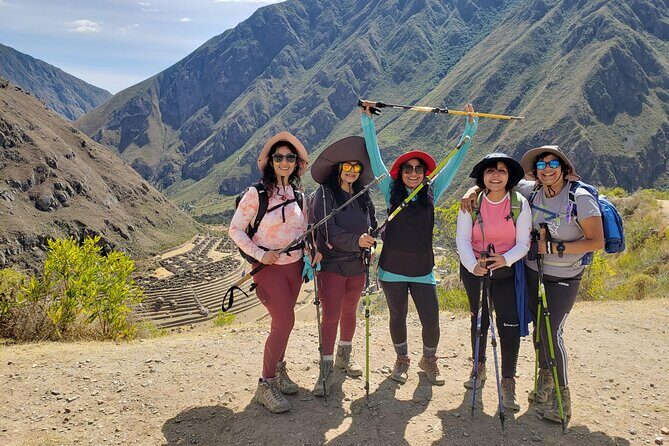
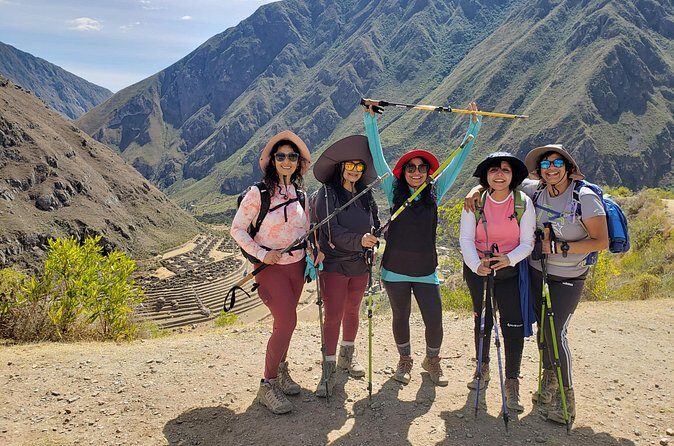
The tour brand here is built around local staffing. That shows up in how the hike feels: more personal, more place-based, and often more flexible with your pace.
In past groups, guides including Juvenal (often called Juve) and Cesar were praised for letting the group take its time and for storytelling that connects the Inca sites to real people. Another guide named Frank also came up, especially for pacing different fitness levels in mixed-age groups.
One theme in the experiences shared is how guides bring the trail to life through flora and fauna, including bird spotting. If your guide has that style, you may spend time stopping to identify plants and watch birds instead of just trudging on.
Why this matters for you: on a challenging trek, your mental energy is as important as your physical energy. A good guide keeps it moving without pushing too hard, and they make breaks feel intentional.
What to consider: “private” means you’re responsible for the group’s vibe too. If you want a fast, minimal-stop approach, you should say so. A tour like this can be tuned toward your pace.
Who should book this private 4-day Inca Trail trek
This is a strong choice if you want:
- A moderate fitness trek with real guidance and solid structure
- A private experience, so you can go at your group’s pace
- A guided Machu Picchu visit rather than a quick walk-through
- Comfort support: sleeping pads, organized camping gear, and included meals
- An operation run locally, with crew attention that feels more personal
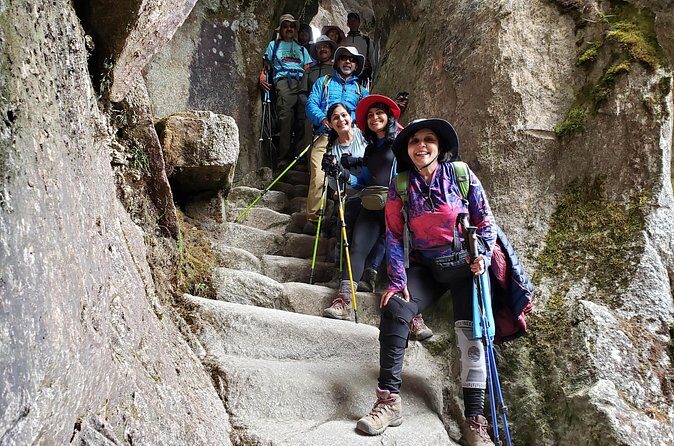
It’s especially worth it if you’re in a mixed group. Past parties included a wide age range (teenagers through older adults), and guides adjusted timing so different walkers could stay together.
Not ideal if: you’re looking for a totally rugged, gear-self-sufficient adventure with no guidance. This is set up as a supported trek.
Should you book this tour?
I’d book it if you want Machu Picchu to feel earned through the Inca Trail, without turning your trip into logistics homework. The value isn’t just the scenery. It’s the included structure: permits, porters, meals, tents and pads, and the Sun Gate-to-site flow.
Book it if you like the idea of a local team guiding you with history, plus nature moments like birds and cloud forest plants. Your hike becomes more than a workout.
Skip it if you want the cheapest possible way through the Inca Trail, or if you’re the kind of traveler who hates early starts and high-altitude passes. Day 2 and Day 3 will feel like real work, and you should be ready for that.
If you’re unsure, measure your comfort with altitude and long hike days. If you can handle that, this private format is set up to make the experience memorable for the right reasons.