REVIEW · CUSCO
Half-Day City Tour of Cusco Including Tambomachay
Book on Viator →Operated by Willka travel Cusco · Bookable on Viator
Five hours, and Cusco’s Inca core clicks into place. This half-day route strings together the heart of the historic center and several standout ruins just outside town, with your guide putting the pieces together so it feels less random and more meaningful.
I love the historic-center hotel pickup and drop-off because it keeps you from wasting time figuring out buses and meeting points. I also love the Qorikancha stop, where you can see the Inca layout and Catholic layers side by side while your guide explains what you’re looking at.
The main drawback to plan for is the extra cost: entrance fees are not included, so you’ll want Peruvian soles ready for tickets on the day.
In This Review
- Key Highlights You’ll Actually Feel During This Tour
- A Half-Day Cusco Circuit That Works as Your First Real Orientation
- Cusco Cathedral and Plaza de Armas: Downtown Start, Ticket Reality
- Qorikancha (Temple of the Sun): The Inca-and-Catholic Contrast You Came For
- Sacsayhuamán: Where Inca Stone Gets Serious
- Q’enqo, Puka Pucara: Short Stops, Good Variety
- Q’enqo (Temple of the Labyrinth)
- Puka Pucara (Small Circular Fortress)
- Tambomachay: The Temple of Water to End the Day Calmly
- Timing and Transport: How to Keep the Day Smooth
- Price and Entrance Fees: What $18 Really Means
- Guide Style, Group Size, and Photo Moments
- Who This Tour Suits Best (And Who Might Want More Time)
- Should You Book This Half-Day Cusco Tour?
- FAQ
- Where is the meeting point?
- What time does the tour start?
- How long is the tour?
- What is included in the tour price?
- Are entrance fees included?
- How much should I budget for entrance fees?
- Can I cancel for a refund?
Key Highlights You’ll Actually Feel During This Tour
- Small group size (up to 10) helps you move as a unit and ask questions.
- Hotel pickup in the historic center saves you from any mid-route logistics stress.
- Qorikancha is the wow moment for understanding how Inca and Spanish eras overlap.
- Big-stone engineering at Sacsayhuamán gives you a fast, memorable sense of Inca scale.
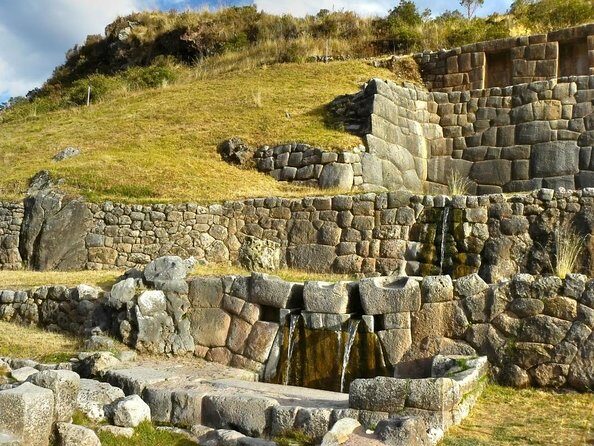
- Tambomachay closes the loop with the Temple of Water, a calmer finish after louder ruins.
- Some guides use audio gear (ear pieces and a mic) so you can follow the story even on the move.
A Half-Day Cusco Circuit That Works as Your First Real Orientation
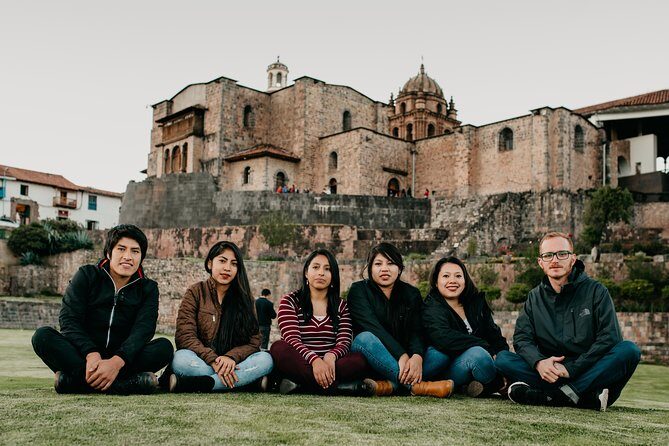
If this is your first time in Cusco, this kind of half-day loop is a smart move. You get to see key downtown landmarks, then shift to the surrounding Inca sites without having to plan transport or route order yourself. It’s also paced like a real introduction: enough variety to feel like you’re getting the big picture, but not so long that you’re wrecked before dinner.
The tour runs for about 5 hours, usually starting mid-afternoon with hotel pickup around 12:30 p.m. Your day ends back in the main square area (center of Cusco), which is ideal if you want an easy plan for lunch or a late coffee afterward.
You can also read our reviews of more city tours in Cusco
Cusco Cathedral and Plaza de Armas: Downtown Start, Ticket Reality
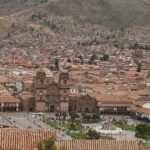
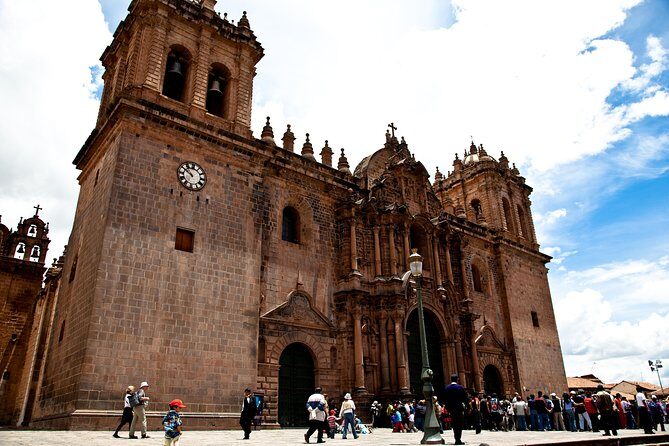
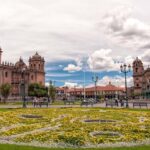
You start at Cusco’s Plaza de Armas, with a stop at the famous Cathedral first. Your schedule includes time to visit the cathedral, but the important part is that the cathedral ticket is not included. The pricing notes list a cathedral entrance fee of 40 PEN, while another part of the schedule mentions 25 soles—either way, treat this as an extra cost and confirm what’s being charged the day of your visit.
Why this stop is worth your time: Cusco’s cathedral isn’t just a church visit. It’s part of the same “layering story” you’ll see later at Qorikancha, just told in a bigger, downtown setting. It also gives you an easy way to orient yourself before you zoom out toward the ruins.
One practical note: Plaza de Armas is listed with an entrance fee in the price notes (shown as 70 PEN). Even if you’re only “passing through” visually, the tour framework expects you to handle those separate tickets. Bring soles and keep them accessible.
Qorikancha (Temple of the Sun): The Inca-and-Catholic Contrast You Came For
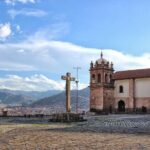
Then you move to Qorikancha, the Temple of the Sun. This is one of the best stops on the route because it’s not just about seeing ruins—it’s about seeing how history was rewritten on the same ground.
The tour includes guided explanations of:
- why Qorikancha mattered to the Inca (it was a central temple and a hub where routes departed)
- how the Inca and Spanish architecture differ
- the visible juxtaposition between Inca worship space and Catholic presence
Time on site is about 45 minutes, which is enough to get oriented, ask questions, and not feel rushed like you’re sprinting through. One thing to expect: inside the church sections, photo rules can be uneven. Some visitors reported that photos were restricted in certain areas, even when other groups appeared to be taking pictures. Don’t argue—just follow what staff request in the moment.
Also, Qorikancha entrance is listed as 15 PEN and is not included in the tour price. If you’re already carrying a Cusco tourist ticket, you might find some sites accept it, but don’t count on that for every stop. Build in the assumption that Qorikancha will still require payment unless your ticket clearly covers it.
Sacsayhuamán: Where Inca Stone Gets Serious
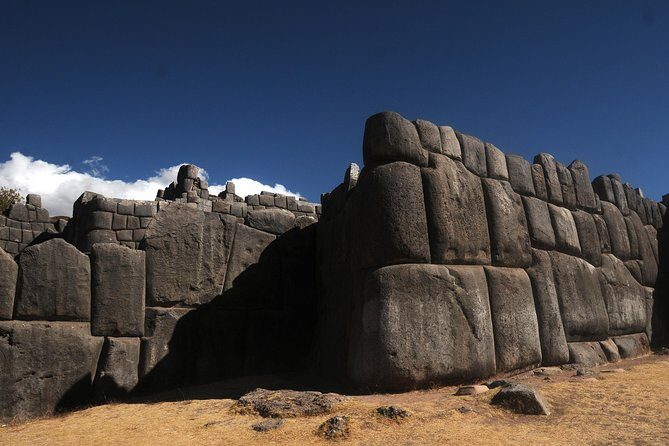
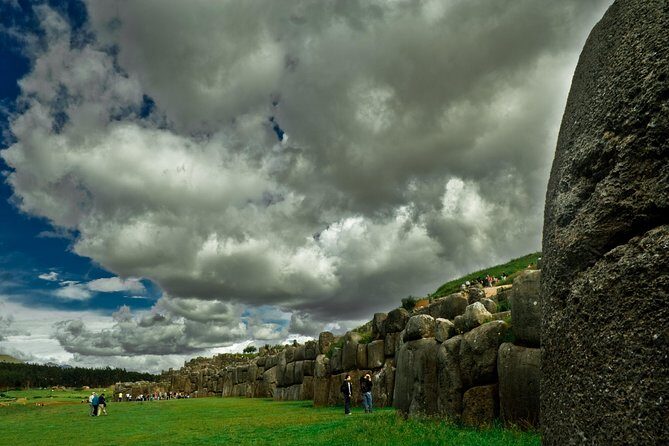
Next comes Sacsayhuamán, one of the big-name Inca sites on the Cusco circuit. You’ll ride there by bus for around 25 minutes, then get about 1 hour with your guide.
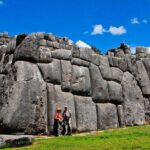
This stop matters because Sacsayhuamán isn’t subtle. It hits you with scale first, then structure: massive stonework, steep angles, and a layout that feels designed to intimidate enemies and impress allies. Your guide is the difference-maker here—several people highlight guides who are quick with clear explanations and keep the group moving.
There’s also a cultural detail worth filing away: the site is described as important because it’s tied to a major yearly celebration party for the Sun. Even if you’re not visiting during that festival, knowing that this place remains part of local meaning makes it feel less like “old rocks” and more like a living landmark.
Q’enqo, Puka Pucara: Short Stops, Good Variety
After Sacsayhuamán, the tour heads to two smaller sites that add texture to the day: Q’enqo and Puka Pucara.
You can also read our reviews of more tours and experiences in Cusco

Q’enqo (Temple of the Labyrinth)
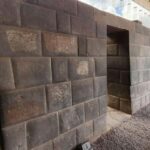
You drive a short distance to Q’enqo for about 25 minutes. The name comes from Quechua, described as meaning labyrinth or zig-zag, and the tour focuses on a distinctive rock feature: a crooked canal cut out of the stone.
One extra detail you might hear from the guide: Q’enqo includes areas that people connect with ritual activity. Some visitors specifically mentioned seeing a cave space used for sacrifices. Even if that’s not your guide’s emphasis, expect Q’enqo to feel stranger than the “big monument” sites—more symbolic, more about place.
Puka Pucara (Small Circular Fortress)
Then you go to Puka Pucara, roughly 25 minutes. This stop is described as a small circular Inca military fortress. The key benefit here is tempo. Because it’s shorter and more focused, it breaks up the heavier “big wall” energy of Sacsayhuamán.
If you like archaeology but also like not being in the sun all day, these two stops are a good balance.
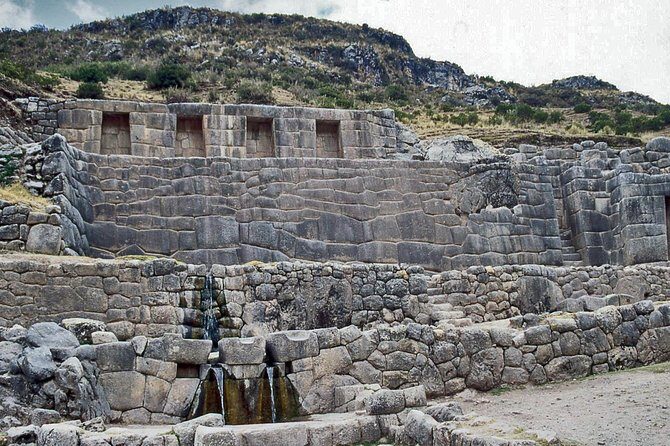
Tambomachay: The Temple of Water to End the Day Calmly
You finish at Tambomachay, the Temple of Water. This is the last major site on the route, with about 30 minutes on site.
This stop works as a softer landing after the military and ritual vibe of the earlier ruins. It also gives you a different angle on Inca engineering, where water management and sacred landscape aren’t separate topics—they’re part of the same idea of how the world should work.
When the tour wraps, you’ll drive back to Cusco’s main square area. That drop-off timing is handy because it leaves you enough energy to continue the trip independently—dinner, a museum, or just walking the streets while the altitude and day’s walking start to calm down.
Timing and Transport: How to Keep the Day Smooth
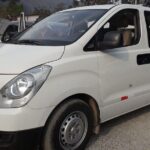
This tour moves by air-conditioned vehicle, which is a big deal in Cusco when the weather shifts from mild to sunny fast. The route is built around short rides between stops, and the guide keeps the group together through walking segments.
A few schedule realities you should plan for:
- Pickup is described around 12:30 p.m. and the tour runs about 5 hours.
- The tour includes multiple ticketed stops, so you’ll want to avoid delays at the counter.
- Because it’s a maximum group size of 10, waiting for people can slow the whole rhythm.
Also, bring your patience for crowds. Stops like Plaza de Armas and Qorikancha can have lots of visitors, and time matters. If your group needs to regroup, it’s usually because someone is late—or because a ticket line is moving slowly.
One detail that can make you feel safer: one visitor reported that the vehicle had an oxygen setup for altitude emergencies. It’s not something to count on, but it’s comforting when it’s there. If you’re altitude-sensitive, this is exactly the kind of small comfort that can help.
Price and Entrance Fees: What $18 Really Means
The tour price is listed as $18 per person, and that’s actually the bargain part. What you’re paying for is the guided route, the vehicle, and the convenience of pickup/drop-off in the historic center.
What’s not included are the ticket costs for major sites:
- Plaza de Armas: listed as 70 PEN
- Cusco Cathedral: listed as 40 PEN (and another schedule note shows 25 soles)
- Qorikancha: listed as 15 PEN
That means your final spend depends on what you already have (like any tourist ticket you’ve purchased) and how the operator handles each entrance at the time you arrive. One visitor estimated a total of about 95 soles in cash for the entry fees and said there was no credit card option—so even though the exact total can vary based on what you already hold, it’s still wise to bring enough soles to cover the separate admissions.
Value test for you: if you’d otherwise spend time organizing transport plus paying for guide time plus trying to guess which entrances require what, $18 is a solid deal. If you already have everything planned and you prefer to wander at your own pace, it might feel tight for the cost once the tickets pile on.
Guide Style, Group Size, and Photo Moments
The biggest pattern in feedback is that the guide can make or break the experience. When the guide is strong, you get clear explanations, good pacing, and plenty of chances to stop and look closely instead of rushing past.
You might meet guides including names like Victor, Fidel, Richard, Marco Antonio, Nildo, Wilfredo, or Walter. Multiple people specifically mention excellent English and strong storytelling from guides like these. One also mentioned the use of personal audio devices with a mic and ear piece, which is a nice quality-of-life upgrade in windy or busy sections.
For photos, the rule is simple: don’t fight for pictures in places where staff are setting restrictions. If you hit a “no photos” moment, use it to listen instead. The best photos at Qorikancha often come from stepping back and catching the Inca and Spanish layers in the same frame—your guide can point out the spots that make that happen.
Who This Tour Suits Best (And Who Might Want More Time)
This half-day tour is ideal if you want:
- a fast start to Cusco’s Inca highlights
- a guided explanation that helps you connect sites instead of treating each one as unrelated
- a schedule that ends back in the center so you can keep your day flexible
It’s also a good fit for solo travelers who don’t want to figure out transport between ruins. A maximum group size of 10 helps keep it more personal than the huge bus tours.
You might consider something longer or more flexible if:
- you hate ticket lines and don’t like handling cash admissions
- you want lots of free time at each site for slow wandering
- you’d rather cover fewer sites with deeper stops (this one is designed to cover the essentials)
Should You Book This Half-Day Cusco Tour?
Book it if you want a reliable “first Cusco day” that hits the major Inca story points: Qorikancha, Sacsayhuamán, then the smaller-but-interesting ruins before finishing at Tambomachay. The pickup/drop-off in the historic center and the short, organized pacing make it feel efficient without feeling like you’re being dragged through everything.
Skip or consider an alternative if the idea of separate entrance fees will stress you out. Bring Peruvian soles, plan a little extra time for ticketing, and be at the pickup point early. Also keep your phone handy and your expectations realistic: the whole experience depends on smooth timing between stops, and one late arrival can ripple through a tight half-day schedule.
FAQ
Where is the meeting point?
The meeting point listed is the Regional Historical Museum of Cusco (C. Garcilaso, Cusco 08002, Peru). If your hotel is in the historic center, hotel pickup is included.
What time does the tour start?
Hotel pickup is described as starting around 12:30 p.m., with the first stop at the Cusco Cathedral from there.
How long is the tour?
The duration is approximately 5 hours.
What is included in the tour price?
The tour includes hotel pickup (historic center), an air-conditioned vehicle, guided visits to the listed sites (Cathedral, Qorikancha, Sacsayhuamán, Q’enqo, Puka Pucara, Tambomachay), and drop-off in the center of Cusco.
Are entrance fees included?
No. Entrance fees for Plaza de Armas, Cusco Cathedral, and Qorikancha are not included.
How much should I budget for entrance fees?
Entrance fees listed are: Plaza de Armas (70 PEN), Cusco Cathedral (40 PEN), and Qorikancha (15 PEN). You’ll pay these separately in soles.
Can I cancel for a refund?
Yes. You can cancel up to 24 hours in advance for a full refund.