REVIEW · CUSCO
From Cusco: Moray, Maras Salt Mines & Chinchero Weavers Half-Day
Book on Viator →Operated by Apu Ausangate Trek · Bookable on Viator
Terraces and salt pools make Cusco feel unreal. This half-day Sacred Valley tour strings together Chinchero’s weaving market, Moray’s stepped agricultural bowl, and Salineras’ thousands of salt pans, with hotel pickup and a bilingual guide.
I love the Chinchero stop, where you’ll see Quechua-style bartering and a real textile workshop, including how natural materials become dye colors. I also love Moray and the salt mines because you’re looking at Inca-era problem-solving and a living salt tradition that still runs on hot-spring water.
The trade-off is a packed 6–7 hour schedule, and there’s no breakfast or lunch included, so bring snacks and plan to refuel back in Cusco.
In This Review
- Key things that make this tour work
- Getting out of Cusco fast: the Sacred Valley morning rhythm
- Chinchero market and weaving workshop: bartering, dyes, and photo moments
- Moray terraces: the Inca’s agricultural testing ground
- Salineras and Maras Salt Mines: working salt pans from hot springs
- Who your guide is changes the day: stories, pacing, and bilingual help
- How long it really takes: the 6–7 hour trade-off
- Price and value: what you pay, what you don’t
- What to bring so the day feels easy
- Should you book this Cusco loop to Moray and Maras?
- FAQ
- How long is the tour?
- What time does pickup happen in Cusco?
- Where do we return in Cusco?
- What’s included in the tour price?
- Which entrances cost extra?
- Is breakfast or lunch included?
- What should I bring for the day?
- What’s the cancellation policy?
Key things that make this tour work
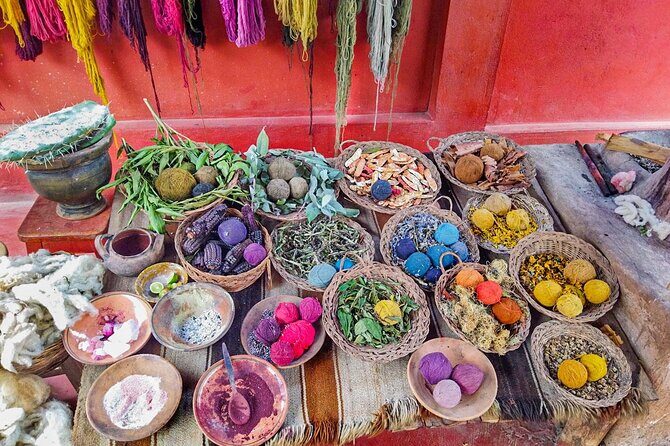
- Chinchero weaving + natural dyes: see how colors come from plants, and you can get photo-ready in Andean clothing
- Moray’s terrace “bowl”: a complex irrigation setup thought to test crops across different microclimates
- Salineras salt pans: around 3,000 small pools fed by hot springs and used for generations
- Maras Village on the way: thin-stone colonial buildings that make a quick roadside stop worth it
- Small-group feel: capped at 16 travelers, with bilingual guiding built in
- A timed return to Cusco: you’re back around 3:15 pm, handy if you’ve got evening plans
Getting out of Cusco fast: the Sacred Valley morning rhythm
Pickup is between 8:20 and 8:40 am. That early start matters here because you’re stacking three major sites in one day: Chinchero first, then Moray, then Salineras, with a return near Plaza de Armas around 3:15 pm.
You also climb fast. Chinchero sits at about 3,762 meters, and Moray is roughly 3,450 meters, so your body may need a little settling-in time. If you’re coming from sea level or you’re still adjusting after arriving in Cusco, take it easy at the first stop and hydrate.
The upside of this timing is that you avoid a full-day slog. This is the kind of half-day format that lets you see real “Sacred Valley” highlights without losing your entire afternoon.
You can also read our reviews of more tours and experiences in Cusco
Chinchero market and weaving workshop: bartering, dyes, and photo moments
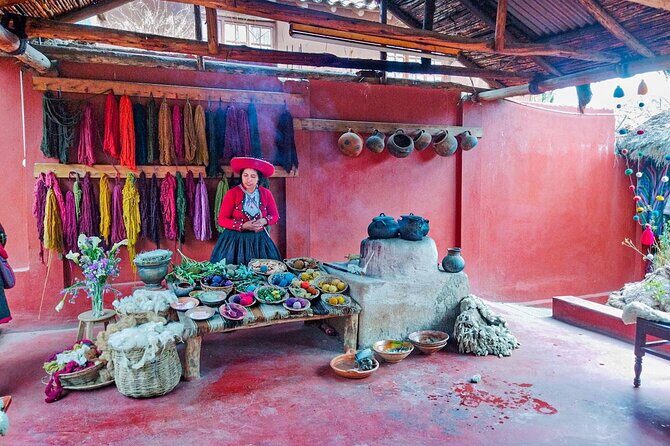
Chinchero is where the tour slows down just enough to feel human. You’ll see the traditional market vibe, including bartering in action. Even if you don’t shop, watching people bargain tells you more than a plaque ever will.
Next comes the textile side. The weaving workshop focuses on the Quechua tradition, showing how the process works and where dye colors come from natural plants. This is one of the best parts of the day because you’re not just watching finished products—you’re seeing the work behind them, from fibers to color.
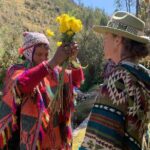
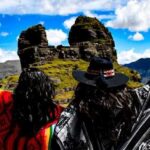
Photos are easy here. You can take pictures dressed in Andean clothing, which is fun but also practical. It helps you frame what you’re seeing and makes the cultural stop feel less like a quick tourist detour.
A heads-up for shopping: some sellers are transparent about materials, and you might encounter products that combine alpaca with acrylic. If you care about fiber content, ask directly instead of guessing based on color or softness.
Moray terraces: the Inca’s agricultural testing ground
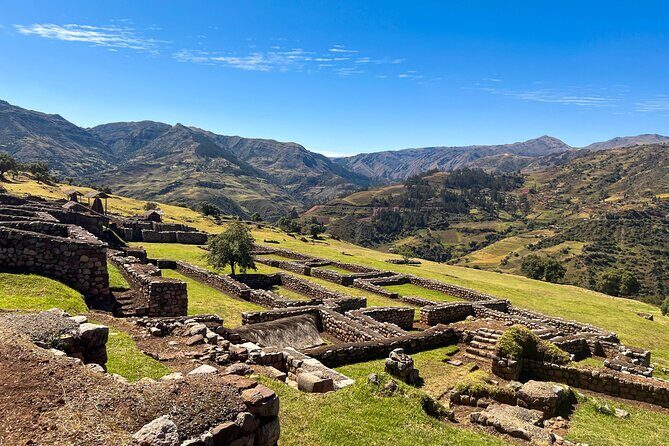
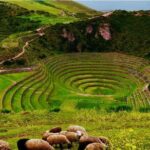
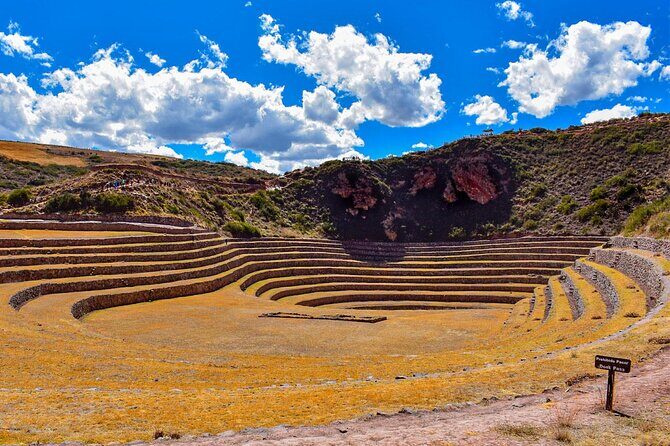
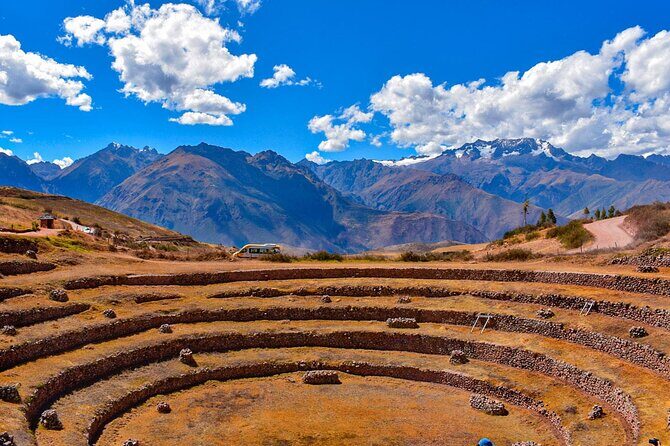
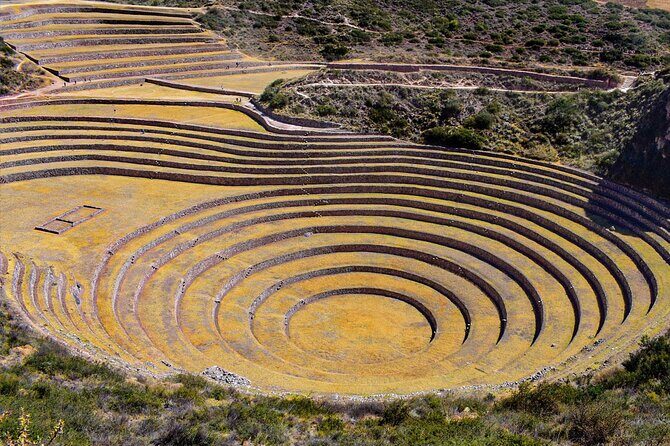
Moray is the visual star of the tour for many people, and it’s easy to see why. You’re looking at terraces carved into a massive bowl shape, with a complex irrigation system. Different levels sit at different conditions, which is the point.
The common interpretation is that the Incas used Moray to figure out optimal growing conditions for crops. Think of it as a giant farming experiment: a way to create microclimates in a place where altitude would normally make certain crops harder to grow. The result is a kind of natural “greenhouse,” built out of stone and water control.
You’ll spend about an hour here. That’s enough time to walk the perimeter and really take in the geometry, even if you don’t know what you’re looking at yet. The guide’s job is to connect the dots—terraces aren’t just pretty; they’re a technical system.
One more practical note: Moray’s admission isn’t included, so plan for the cost upfront. If you’re budgeting tight, decide early whether Moray is a must, because it’s one of the two paid sites on this route.
Salineras and Maras Salt Mines: working salt pans from hot springs
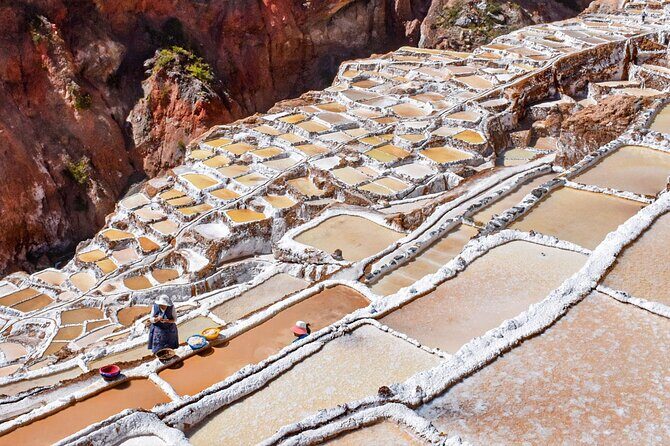
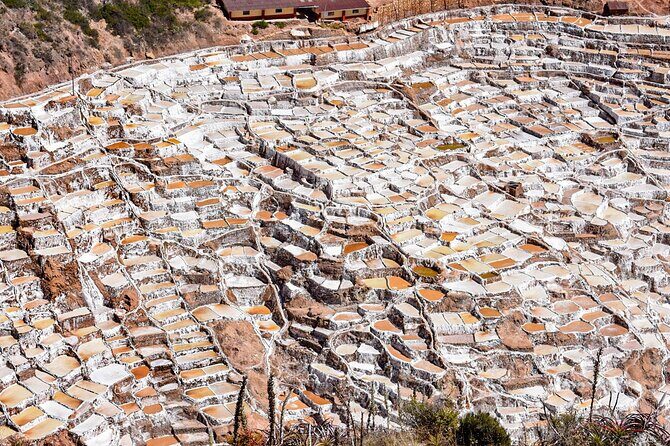
Then it’s on to Salineras, the salt mines also known as the salt pans at Maras. The scale is the first wow factor: it’s made up of around 3,000 small pools.
What makes it feel different from other “scenic” stops is the ongoing process. During the dry season, workers fill the pools with salt water every three days. The water comes from natural hot springs, and over time it evaporates, leaving salt behind. This place has been working since pre-Inca time and continues today, which is a big reason it doesn’t feel like a dead museum.
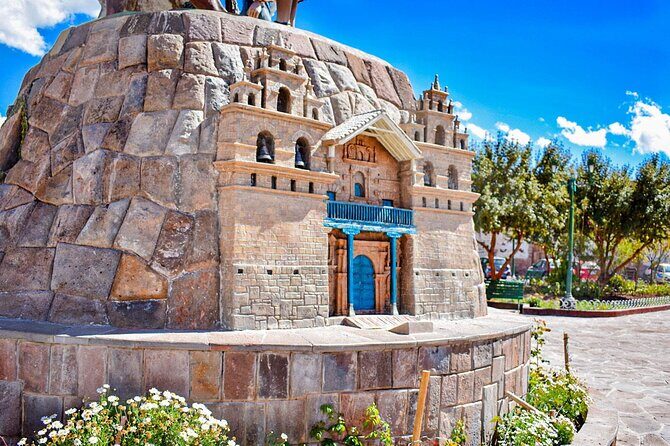
You’ll see Maras Village along the way too. On the drive, you get a glimpse of the thin-stone colonial architecture that’s still preserved. It’s short, but it’s a nice reminder that these are communities, not just photo stops on a route.
The tour also explains what happens to the salt after it’s collected—how it’s ground, treated with iodine, packaged, and distributed to markets in the region. That extra step matters. It takes you from “cool visuals” to “how the local economy actually works.”
Salt mines admission isn’t included either, so keep cash or card readiness in mind. Also, Salineras can be visually intense in bright light. If you’re the kind of person who takes a lot of photos, you might want to bring sunglasses and protect your eyes.
Who your guide is changes the day: stories, pacing, and bilingual help
This is one of those tours where the guide affects your whole experience. The tour includes a bilingual guide, and the best guides connect history, daily life, and practical details in plain language.
In particular, guides on this route often share stories that make modern Quechua culture and historic Inca engineering feel linked instead of separated. You may also get small cultural touches like trying coca leaves, depending on the guide and group flow.
Because the day is time-pressed, clear guidance helps with pacing. You’re moving between sites, and each stop has a time window, so it helps to have someone point out where to look and when to photograph.
Group size is capped at 16 travelers, which is great for questions and photo timing. Still, comfort can vary depending on how full the vehicle gets. One common caution: if a mini-bus is crowded, the ride can feel uncomfortable, especially for longer stretches.


How long it really takes: the 6–7 hour trade-off
The schedule is built for efficiency: pick up in the morning, three sites, then back to Cusco by mid-afternoon. Even though it’s called a half-day tour, plan for a real day—especially if you’re sensitive to altitude.
The sequence is logical:
- Chinchero first (market and weaving)
- Moray second (terraces and irrigation)
- Salineras last (salt pools and working co-op story)
- Back to Cusco around 3:15 pm near Plaza de Armas
What this means for you: you’ll want to treat lunch like a back-up plan. Lunch and breakfast aren’t included, and you won’t get a sit-down meal built into the day. Some people get hungry fast, so snack strategy makes a difference.
Price and value: what you pay, what you don’t
The base price is $15.20 per person, and that includes:
- pickup from your hotel
- transportation
- a bilingual tour guide
Where the math changes is admissions. Moray entrance is not included and costs $19 (or 70 soles). Salt Mines entrance is not included and costs $6 (or 20 soles). Chinchero admission is free on this route.
So in practical terms, you’re mostly paying for two attractions on top of the tour fare. If you’re budgeting in dollars, think roughly $40+ total before tips, with the exact final amount depending on your currency and any rounding.
Is it good value? For many people, yes, because you’re getting:
- guided explanations at multiple sites
- transportation out and back
- a cultural stop in Chinchero that goes beyond snapping pictures
- time-efficient access without organizing buses yourself
The only reason to hesitate is if you don’t care about either Moray or the salt pans. This tour works best when you want the full combo.
What to bring so the day feels easy
Because meals aren’t included, I strongly suggest you bring snacks and a bottle of water. Even a simple snack helps your energy, especially at the higher elevations.
Wear layers. Temps can shift in the Andes, and you’ll be in and out of sun. Comfortable shoes matter for walking around terraces and salt pools, where surfaces can be uneven.
If you’re planning to shop at Chinchero, bring small bills and be ready to ask about fiber content. Some items are clearly labeled about materials, and it helps to confirm before buying.
And for photos: bring your phone or camera charged and ready early. The first views at Chinchero and the first big sight of the salt pans are when you’ll want clear shots.
Should you book this Cusco loop to Moray and Maras?
Book it if you want a smart, guided way to hit three standout Sacred Valley experiences without losing your whole day. The big strengths are the mix of Inca engineering thinking at Moray and the living salt tradition at Salineras, plus the culture-forward weaving stop in Chinchero.
Skip it or reconsider if you hate rushed schedules or you’re expecting a meal break. This is efficient travel, not a slow lunch-and-stroll day. Also, if you’re newly arrived and altitude hits you hard, take it seriously: you’ll be above 3,400 meters.
Finally, check the weather. The tour requires good weather, and if conditions are poor, you’ll be offered a different date or a refund. If you’re flexible, that’s a fair trade for seeing these places at their best.
FAQ
How long is the tour?
The tour runs about 6 to 7 hours.
What time does pickup happen in Cusco?
Pickup is scheduled between 8:20 am and 8:40 am.
Where do we return in Cusco?
You return around 3:15 pm, near Plaza de Armas.
What’s included in the tour price?
The price includes hotel pickup, transportation, and a bilingual tour guide.
Which entrances cost extra?
Moray and the Salt Mines have separate entrance fees (Moray: $19 or 70 soles; Salt Mines: $6 or 20 soles). Chinchero is listed as free on this route.
Is breakfast or lunch included?
No. Breakfast and lunch are not included.
What should I bring for the day?
Since meals aren’t included, bring snacks and water. Comfortable shoes and layers also help.
What’s the cancellation policy?
You can cancel for a full refund up to 24 hours before the experience starts. If the tour is canceled due to poor weather, you’ll be offered a different date or a refund.