REVIEW · CUSCO
Machu Picchu: 4-Day Inca Trail Trek with Panoramic Train Ride
Book on Viator →Operated by TreXperience · Bookable on Viator
Machu Picchu begins before sunrise. This 4-day Inca Trail trek threads through Andean villages, big passes, and Inca ruins, finishing with an early arrival at the Sun Gate and guided time inside Machu Picchu.
I love two things most: the small-group size (max 16) and the real, practical support that keeps the focus on your legs, not the logistics. In my experience reading the guidance and vibe from recent trips, the guide/porter teamwork stands out, along with the little comforts like coca tea delivered to your tent and chef-led meals that show up at exactly the right time.
One thing to consider: this is high-altitude hiking with early starts (pickup at 4:30 a.m.), so if you don’t already train or you know you’re sensitive to altitude, you’ll need to pace yourself from day one.
In This Review
- Key highlights to know before you go
- Entering the Inca Trail at 4:30 a.m.: The Real Start in Cusco
- Day 1 From Ollantaytambo to Ayapata: Villages, Ruins, and Camp Comfort
- Day 2 Dead Woman’s Pass and the High Ruin Day That Tests You
- Day 3 Cloud Forest Steps and Wiñay Wayna’s Magic Finish
- Day 4 Sun Gate, Machu Picchu Time, and a Vistadome Recovery Ride
- Price and Logistics: Why This Costs What It Costs
- Small-Group Trekking and the Crew That Makes It Work
- Panoramic Train Ride: Don’t Skip the Window Time
- How to Prepare: Altitude, Boots, and Your Day-One Pace
- Who This Trek Suits Best (and Who Might Need a Different Plan)
- Should You Book This Inca Trail Trek?
- FAQ
- What time does pickup start in Cusco?
- How many people are in the group?
- Is Machu Picchu included, and how do you get there?
- What’s included in the price?
- What gear is not included?
- What if weather affects the experience?
Key highlights to know before you go
- Dawn view via Intipunku (Sun Gate): You’ll get your first Machu Picchu sight right after the gates open.
- Dead Woman’s Pass day: The toughest hiking day tops out at about 4,200m, with serious scenery and a traditional Apus ceremony.
- Porters and chefs are built into the rhythm: You hike while the team handles camping and food, with a 7-kilo duffle limit for porters.
- Inca ruins on the way matter: You don’t just pass through—sites like Willkaraqay, Runkurakay, Sayacmarca, Intipata, and Wiñay Wayna are part of the story.
- Panoramic train ride back: Vistadome (or 360°) gives large windows for views through the Sacred Valley.
- Guides who actively manage safety and pace: In many write-ups, people call out guides stepping in when altitude or stamina slows someone down.
Entering the Inca Trail at 4:30 a.m.: The Real Start in Cusco
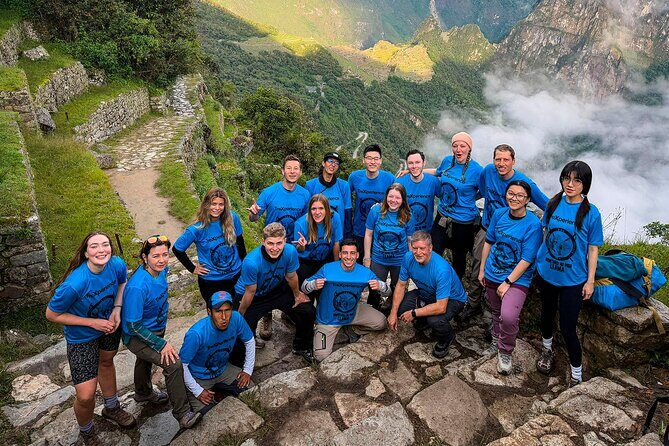
The itinerary kicks off early—pickup is set for 4:30 a.m. in Cusco. If you’re staying in the Sacred Valley (like Urubamba or Ollantaytambo), they’ll adjust the pickup time (around 6:00 a.m.). Either way, you’re aiming to be moving long before the daylight crowds and tour buses.
After a 2.5-hour drive to Km 82, the trek feels official. You’ll stop first in Ollantaytambo for breakfast, which is more important than it sounds. You’re about to spend days walking at altitude; breakfast is your fuel, not an optional extra.
Then comes the “team moment”: you’ll meet the chefs and porters at the trailhead area. This matters because the trek is run like a moving campsite. Your job is to hike, hydrate, and keep a steady pace. The crew’s job is to keep food and camp ready when you arrive.
You can also read our reviews of more hiking tours in Cusco

Day 1 From Ollantaytambo to Ayapata: Villages, Ruins, and Camp Comfort
Day 1 is about finding your footing—physically and mentally. You’ll arrive at Km 82 around 8:00 a.m., then head into the first stretch of the trail.
Patallacta is your first big hike segment, about 3 hours. Along the way, you pass through small villages and get Andes views that gradually open up as the trail climbs. You’ll also stop at Willkaraqay, with a special viewpoint angle that lets you see the Llactapata ruins from a distance. It’s a good day for your “I get it now” moment: the Inca Trail isn’t just a highway to Machu Picchu. It’s a chain of places with meaning.
Around the Hatunchaca area, your chefs take care of lunch. That lunch stop isn’t just about eating—it’s also where you reset your pace for the afternoon. After lunch, you hike about 2 hours toward Ayapata.
By late afternoon (aiming for around 5:00 p.m.), you reach camp at Ayapata. This is where comfort starts showing up. Tents are set, and you’ll get hot drinks and snacks. One of the nicest details is the tea time ritual—popcorn, coffee, and cookies before dinner. After dinner, you’re basically turning in for sleep, because tomorrow is the big day.
What I like about Day 1: it balances hiking with enough breaks to keep your altitude stress from snowballing.
Possible drawback: early starts don’t slow down. If you’re not used to waking very early, Day 1 can feel like you’re sprinting to catch up—so drink water early and don’t save your energy for later.
Day 2 Dead Woman’s Pass and the High Ruin Day That Tests You
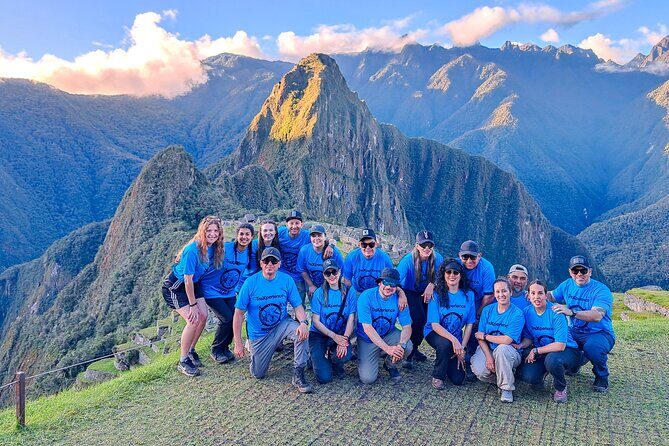
Day 2 is the day most people remember. It’s also the day that makes the whole trek feel “real.”
You start with a hot cup of coffee or coca tea delivered to your tent. That small detail helps because it’s timing, not novelty—you’re gearing up while you’re still waking up, before you lose momentum.
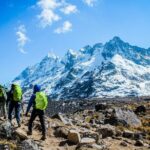
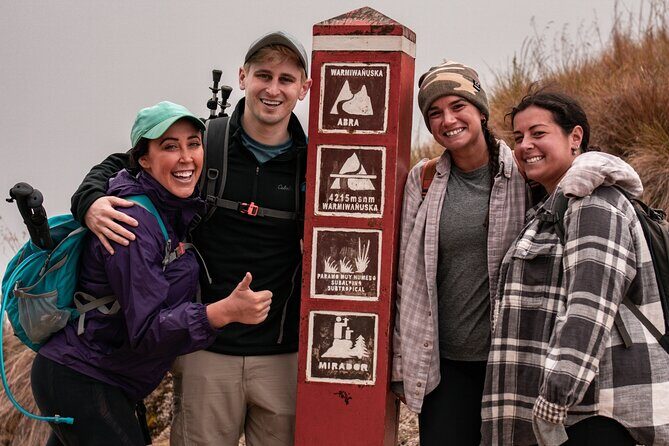
Then you tackle the steep climb: about 4 hours up to Dead Woman’s Pass (around 4,215m / 13,829 ft). The top is the payoff. At that height, the air changes and the views hit with a blunt force. Here’s where the tour adds cultural texture: your guide performs a traditional ceremony honoring the mountain spirits, known as Apus.
After the pass, you descend about 2 hours into the Pacaymayo Alto Valley, where lunch is waiting. This is smart pacing. The day isn’t just “go up, then go down.” You’ll get a proper reset before the next pass and ruins.
In the afternoon, you hike to Runkurakay Pass (about 4,000m / 13,123 ft) for around 2 hours, then descend for another 2 hours. During the descent, you can explore Runkurakay ruins, and your guide brings context to what you’re seeing.
Next comes Sayacmarca, another downhill segment. You’ll explore this site and take in the views, then head to camp. The day ends at Chaquicocha (about 3,600m / 11,811 ft). Expect sunset over the Vilcabamba mountain range, dinner, and time under a star-filled sky.
I like this day because: it combines the toughest altitude effort with “earned” site visits. You’re not just walking for views—you’re also walking through Inca places in the order your guide explains them.
Day 3 Cloud Forest Steps and Wiñay Wayna’s Magic Finish
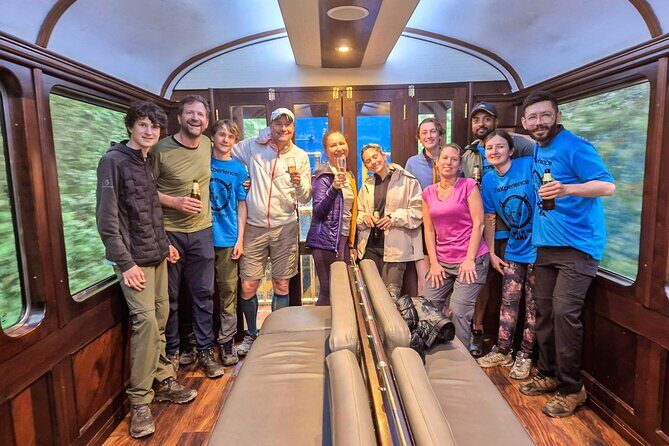
After Day 2, Day 3 feels like a breath—still rewarding, but less punishing. You’re told the hiking time is around 5 hours, which gives you more time to look around without worrying about the clock every minute.
You’ll leave camp with coffee or tea, then walk through cloud forest sections and open stretches with views toward the Salkantay Mountain area. The scenery shifts enough that your brain stops treating this as one long grind.
One standout stop is Phuyupatamarca, often called the “City in the Clouds.” You reach it after about a 30-minute walk segment in the plan. From here, the perspective opens: you can see the Urubamba River below and catch a distant view of Machu Picchu Mountain. It’s one of those spots where you feel the geography of Peru, not just the photos.
Then you head to Intipata, known for expansive agricultural terraces. You get time to rest, take in the quiet, and look closely at how the terraces functioned in Inca farming. Your guide ties the terraces to the broader story of the Inca’s engineering.
In the early afternoon, you arrive at the final campsite: Wiñay Wayna Camp. After lunch, you’ll have time to relax or explore the area, and you’ll visit the Wiñay Wayna Inca site with your guide. Then you return to camp for dinner and a farewell surprise to mark finishing the trek.
This is where many people say the emotional weight lands. The hardest day is behind you, and Machu Picchu is close enough that it stops feeling abstract.
Day 4 Sun Gate, Machu Picchu Time, and a Vistadome Recovery Ride
Day 4 starts at an intensity that’s hard to fake: you’ll go to the checkpoint and wait for the gates to open at 5:30 a.m. Once they open, you begin the final stretch.
The first big milestone is Intipunku (Sun Gate). From there, you’ll see Machu Picchu for the first time in the early morning light. That initial sight is one of the main reasons people take this route instead of a day trip.
After the Sun Gate moment, you hike down to Machu Picchu and spend about 3 hours exploring the ruins with your guide. You’ll learn about the site’s architecture, Inca culture, and the mysteries surrounding the location. This is where having a guide helps: you’re not just walking among stones; you’re learning what the layout likely meant and why certain angles matter.
After Machu Picchu, you descend to Aguas Calientes, where you’ll have lunch and a bit of downtime. This is a practical break—your body will thank you for not rushing.
In the afternoon, you board a panoramic train: PeruRail Vistadome (or sometimes 360° depending on what’s assigned). Large windows turn the ride into the gentle part of your day. You’ll return through the Sacred Valley toward Ollantaytambo, then catch private transportation back to Cusco, arriving around 7 p.m.
You can also read our reviews of more tours and experiences in Cusco
Price and Logistics: Why This Costs What It Costs
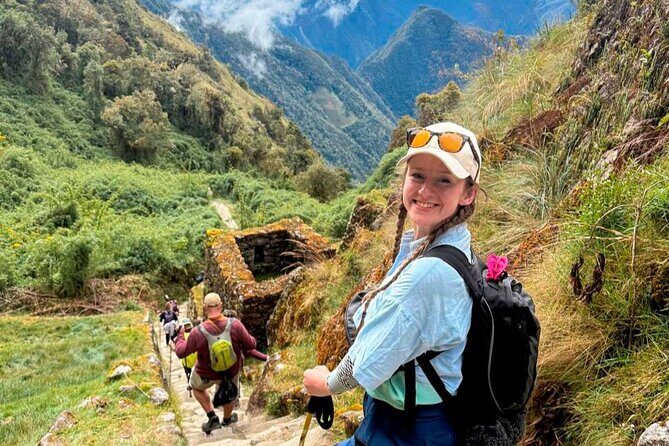
At $756.50 per person, this trek isn’t cheap. But it’s also not just “a hike with a view.” The price stacks up because several costly pieces are handled for you:
- Hotel pickup and all key ground transport during the trek
- Camping for 3 nights with comfortable equipment (and you’re told extra gear like sleeping bag/air mats/poles can be rented)
- Professional guides plus a full team of chefs and porters
- Entrance tickets to the Inca Trail and Machu Picchu
- Bus down to Aguas Calientes
- Panoramic train ride (Vistadome or 360°) back through the Sacred Valley
- Meals across the days (breakfast four times, plus lunches and dinners where listed)
What you’re really paying for is reduced decision-making while you’re already dealing with altitude and fatigue. The trek is structured down to meal timing and camp arrival, and that structure is what keeps the experience from feeling chaotic.
You should also factor in what’s not included: trekking-support gear like sleeping bag/air mats/poles, Huayna Picchu tickets, and travel insurance. If you want Huayna Picchu, you’ll need to arrange it separately.
Small-Group Trekking and the Crew That Makes It Work
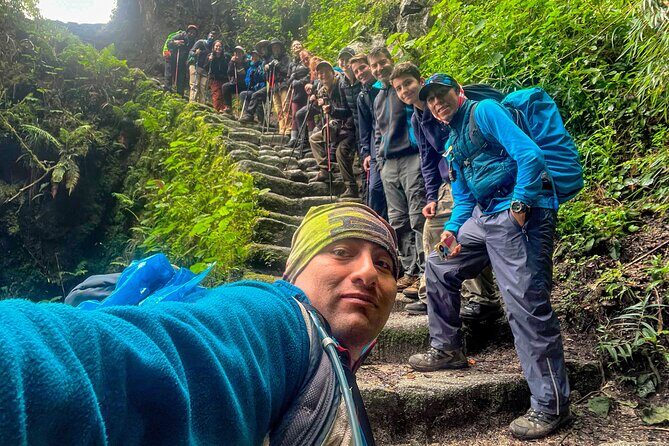
One of the most praised parts of this style of Inca Trail trek is the human layer: the guide, the porter team, and the chef team running a tight operation. The tour caps at 16 travelers, which is a big deal on a route this physically demanding.
Smaller groups usually mean:
- easier communication on the trail
- quicker assistance if someone needs to slow down
- more personal explanations at ruins and viewpoints
In multiple recent experiences, people singled out guides such as Jose and Peppe, plus others like JJ, Alex, Johnny, and Iza, for staying attentive to safety and pace. There’s also a recurring theme of the support feeling genuinely caring, not just procedural. Second Cusco opinion: Full Day Private Guided Tour.
Porters and chefs also come up again and again. People highlight that the food quality is strong even in remote conditions, and you’ll often hear how much the crew “made it possible.” That’s not hype—it’s the core reality of multi-day high-altitude trekking with camping.
Panoramic Train Ride: Don’t Skip the Window Time
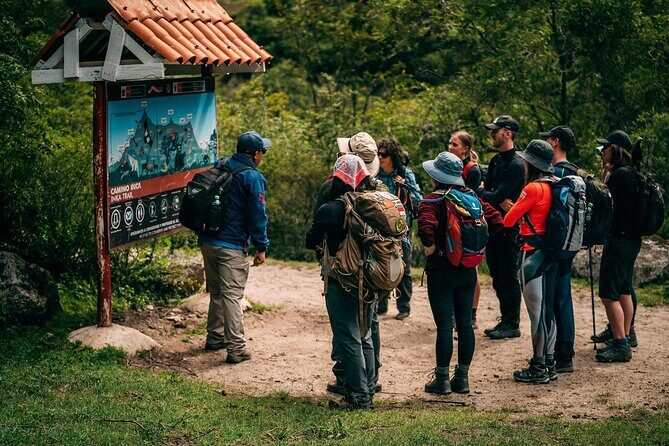
When you’re done with Machu Picchu, you might think the train ride is just transport. But Vistadome (or 360°) matters because it turns your recovery into sightseeing.
After hiking and walking for days, the train gives you:
- a chance to sit and breathe
- consistent views through the Sacred Valley
- a smoother end to a day that could otherwise feel like an all-day sprint
It’s also one of the best times to notice what you walked through. Your legs are tired, but your eyes can finally map the region.
How to Prepare: Altitude, Boots, and Your Day-One Pace
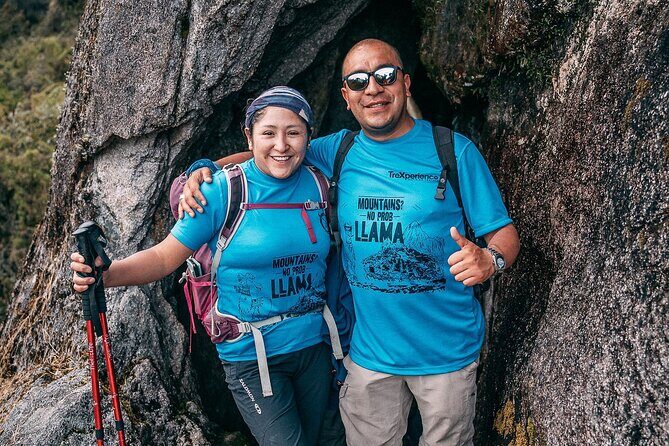
The trek is described as slightly strenuous, about 26 miles (42 km) over 4 days, reaching up to around 13,800 ft (4,200 m). The exact number of miles sounds simple on paper. Altitude does not behave politely.
Here’s what I recommend based on the structure of the trek:
- Start slow on Day 1. You’re not racing. The body needs time to acclimate.
- Hydrate early. Don’t wait until you feel the effects.
- Plan for very early wake-ups. You’ll be up before the sun most days.
- Bring proper boots. One practical tip that keeps showing up: a good pair of hiking boots is essential.
- Use what’s available for gear. The tour states sleeping bag/air mats/trekking poles aren’t included, but can be rented from them. If you don’t already have the gear, ask early so you aren’t scrambling last-minute.
If you know you struggle with altitude, tell your guide on day one. The whole route is physically demanding enough that you’ll want support early, not after you’re already drained.
Who This Trek Suits Best (and Who Might Need a Different Plan)
This is a great fit if you want:
- the classic Inca Trail experience with a structured small-group format
- guided ruin stops across multiple days, not just a single Machu Picchu visit
- camping with a crew that handles tents, cooking, and key logistics
- a finish that includes Sun Gate, ruins time, and a scenic train recovery
It’s a tougher fit if you:
- hate early mornings (pickup is 4:30 a.m. in Cusco)
- can’t handle high elevation and steep climbs
- expect a relaxed pace all four days
Also, if you’re dreaming of Huayna Picchu, know that tickets are not included here, so you’ll need a separate plan.
Should You Book This Inca Trail Trek?
I’d book it if you want the full Inca Trail package: multi-day walking, serious mountain days, and an organized finish at Machu Picchu that doesn’t leave you guessing what comes next. The value feels strongest when you compare what’s included—meals, camp setup, guides and porters, trail and Machu Picchu access, and the Vistadome-style panoramic return.
I’d think twice if you’re unprepared for altitude or you want Machu Picchu without early starts and high passes. This trek isn’t built for “easy vacation walking,” even though the team support helps you get there safely.
If you do have the fitness level and you’re ready to commit to the schedule, this is the kind of trip that leaves you staring at the sky at night later, because you’ll remember those starry camp skies from Day 2.
FAQ
What time does pickup start in Cusco?
Pickup is scheduled for 4:30 a.m. in Cusco. If you’re staying in the Sacred Valley (like Urubamba or Ollantaytambo), pickup is around 6:00 a.m..
How many people are in the group?
The tour has a maximum group size of 16 travelers.
Is Machu Picchu included, and how do you get there?
Yes. You’ll have entrance ticket(s) to Machu Picchu, hike to the site (after arriving at Intipunku/Sun Gate early), and then take a bus down to Aguas Calientes afterward.
What’s included in the price?
The tour includes hotel pickup, transport during the trek, entrance tickets to the Inca Trail and Machu Picchu, camping for 3 nights with comfortable equipment, guides plus chefs and porters, duffle bag portering up to 7 kilos, meals (listed as breakfast/lunch/dinner across the days), and a panoramic train ride (Vistadome or 360°).
What gear is not included?
A sleeping bag, air mats, and trekking poles are not included, but you can rent them from the tour.
What if weather affects the experience?
This experience requires good weather. If it’s canceled due to poor weather, you’ll be offered a different date or a full refund.