REVIEW · CUSCO
Ausangate Trek 5 Days
Book on Viator →Operated by Vidal Expeditions · Bookable on Viator
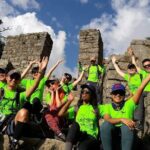
If you like mountains with meaning, this fits. The Ausangate Trek is a 5-day route above Cusco that mixes big Andean views, hot springs breaks, and moments tied to the Apu Ausangate spirit. I love the small-group feel (max 10) and how the whole team keeps the trip moving without turning it into a cattle line.
I also like the all-inclusive rhythm: breakfasts, lunches, and dinners are handled for you, plus camping gear and horse support for equipment. My one watch-out is altitude and cold—this itinerary reaches 5,200m, and the sleeping bag isn’t included, so plan for chilly nights.
In This Review
- Key highlights to know before you go
- The Ausangate Trek’s Real Advantage: Small-Group Pace That Feels Human
- Cusco Morning Setup: The 5:00am Start and Ride to the Trail
- Day 1: Upis Village, Hot Springs, and Your First Apu Ausangate Views
- Day 2: Arapa Pass, Puqa Q’ocha Lagoons, Apacheta, Then Ausangate Qocha
- Day 3: Palomani Pass at 5,200m and a Ceremony for Apu Ausangate
- Day 4: Deep Blue Lagoons, Pacchanta Valley, and the Final Hot Springs Soak
- Day 5: Local Food and Weaving Traditions, Then Back to Cusco by Bus
- Meals, Horses, and Camp Support: Why You Don’t Feel Like You’re Doing Everything
- Price and Value: What $660 Buys on This High-Altitude Route
- What to Pack for Ausangate: Cold Nights and Pass-Day Effort
- Who Should Choose This Trek (and Who Should Think Twice)
- Should You Book This Ausangate Trek with Vidal Expeditions?
- FAQ
- What time does the Ausangate Trek start?
- How high does the trek go?
- What’s included in the price?
- What should I bring since it’s not included?
- How many people are in the group?
- Can I cancel for a full refund?
Key highlights to know before you go
- Small group size (max 10) with a guide plus a full support crew
- Apu Ausangate ceremonies included on the high pass day
- Hot springs soaks at Upis and again at Pacchanta
- High passes and bright lagoons, including Arapa, Apacheta, and Palomani
- Meals built into the plan (camp meals from the cook team, not just snacks)
The Ausangate Trek’s Real Advantage: Small-Group Pace That Feels Human
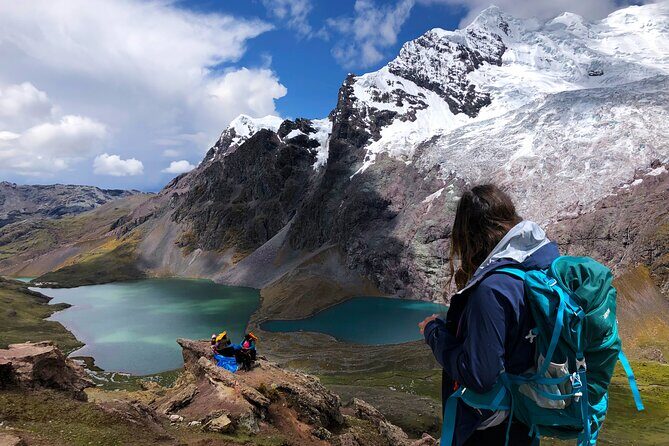
The best thing about this trek is the size. With a maximum of 10 people, you get less waiting, more attention, and a trail pace that’s easier to manage when the air gets thin.
You also get a real support setup. There’s a guide, a cook team, and a horse driver moving equipment. That matters because it keeps your focus on hiking and breathing, not on hauling your whole camp on your back.
Yes, this is still a serious trek. Distances range from about 8 km to 15 km in a day, and the hikes can run long—especially on the day with two major passes. But the route is paced with stops that actually help you recover and keep going.
You can also read our reviews of more hiking tours in Cusco
Cusco Morning Setup: The 5:00am Start and Ride to the Trail
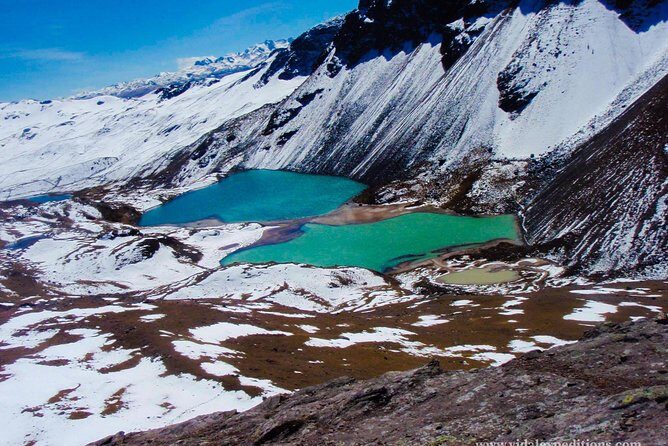
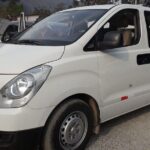
The day begins early. The meeting point in Cusco has a start time of 5:00am, with private transportation to Tinke.
Once you’re en route, there’s a stop to grab last-minute items and even have breakfast before the hiking begins in earnest. Then you move onward to Rondoca, where you connect with the rest of the trekking team—cook and horse driver included.
Why this matters: starting early helps you start cooler, reach higher points before conditions shift, and keep the schedule from turning into an all-day scramble.
Day 1: Upis Village, Hot Springs, and Your First Apu Ausangate Views
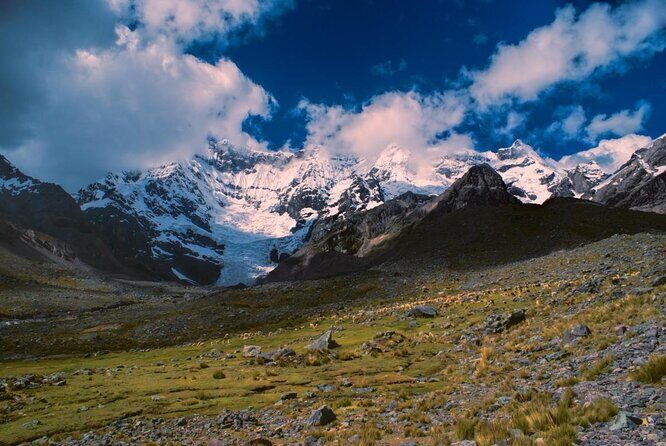
Day 1 is the trail’s “settling in” day, even if you feel the altitude. You hike about 8 km (3 miles) with an elevation range around 3,800m to 4,200m, then camp at roughly 4,200m.
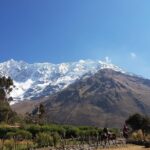
You begin hiking after a short team check-in, and within the first portion you get the kind of views people come for with Ausangate. The plan includes lunch along the hike with Apu Ausangate in sight, then a continuing walk toward your first campsite.
The highlight is arriving at the village of Upis and taking a soak in the hot springs. You also get coca tea as you relax your muscles before dinner.
Possible drawback: you’re only hiking a few hours, but it’s still a first exposure to high elevation. If you tend to get winded easily, go slow early, drink water, and don’t try to “fix” your pace by pushing at the top.
Day 2: Arapa Pass, Puqa Q’ocha Lagoons, Apacheta, Then Ausangate Qocha
Day 2 is a full day—around 8 hours and about 12 km—with multiple altitude milestones. You start after waking up to hot coca tea, then breakfast before the climb.
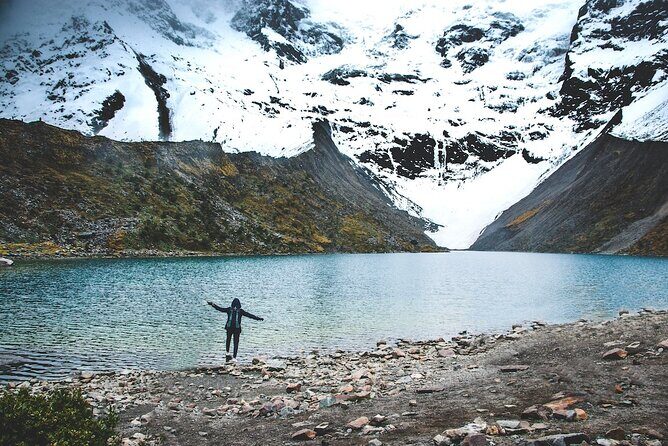
First big moment: crossing the Arapa Pass (4,850m). From there, the route drops down through a valley where you pass the green lake of Puqa Q’ocha.
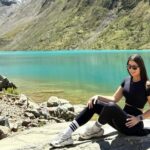
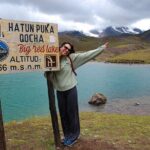
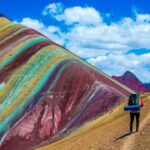
Then the color show hits. You continue toward the turquoise Jatun Puqa Q’ocha, with lunch at the lake’s border and views of Ausangate Mountain behind it. After exploring and taking photos, you tackle the second major crossing: the Apacheta Pass (4,980m).
From Apacheta you descend toward Ausangate Qocha, camping for the second night around 4,630m.
What makes this day worth it: you’re not just walking up and down. You’re moving through a sequence of glacial-feeding lagoons that look different as the light changes, then topping it off with a dramatic pass-and-view combo.
What to watch: 7 hours of hiking time is listed for this day, and you’re dealing with high passes. Build in slow breathing and steady footing. If you rush, you’ll pay for it later.
Day 3: Palomani Pass at 5,200m and a Ceremony for Apu Ausangate
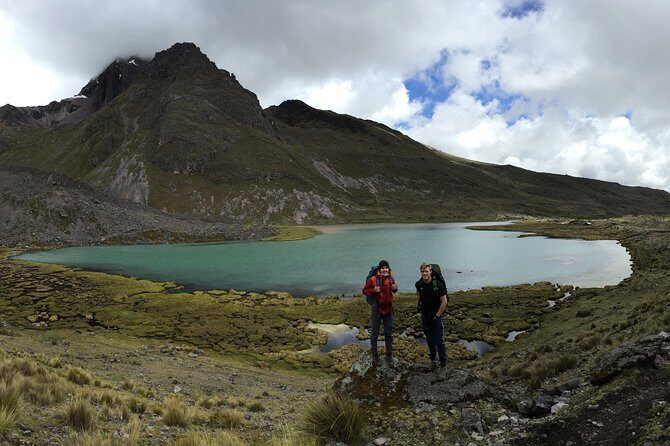
Day 3 brings the trek’s highest pass: Palomani Pass at 5,200m (17,060 ft). The day is listed at about 7 hours, covering roughly 13 km and moving from about 4,600m up to 5,200m, then down toward 4,300m for lunch and beyond.
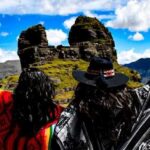
After breakfast, you climb for about 2 hours to the pass. This is where the experience becomes more than scenery. Your guide leads a ceremony for Apu Ausangate, and the goal is that you feel the energy of the deity as part of the crossing.
After that emotional and physical peak, you descend for about an hour to Uchuy Phinaya for lunch. In the afternoon you hike a couple hours to reach the next campsite.
This camp sits around 4,500m.
My practical take: if you’re the kind of person who likes a plan and clear pacing, you’ll appreciate this day. The climb is shorter in time than some other days, even though it’s higher. The ceremony also gives the pass crossing a purpose beyond getting to a number on a map.
You can also read our reviews of more tours and experiences in Cusco
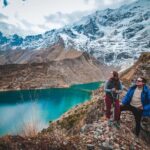
Day 4: Deep Blue Lagoons, Pacchanta Valley, and the Final Hot Springs Soak
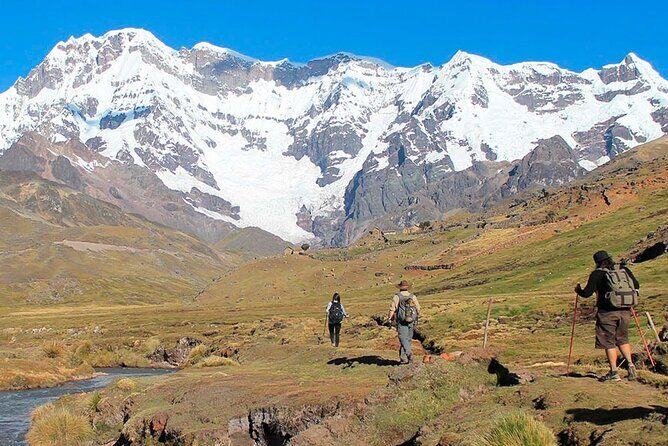
Day 4 is listed at around 6 hours with about 15 km of hiking. The route crosses only one pass, which gives you time to enjoy the lakes and slow down.
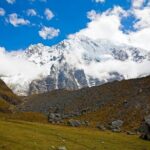
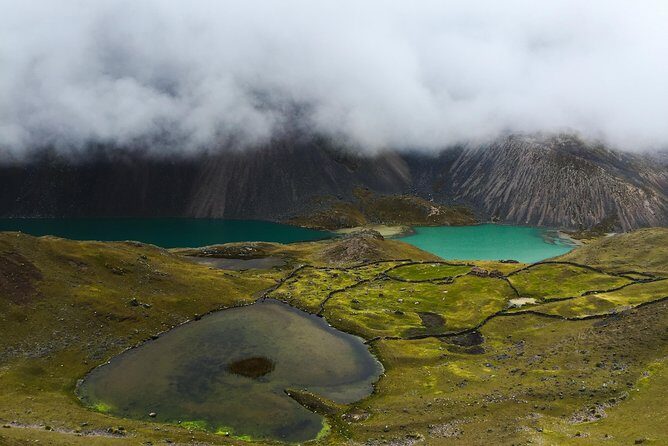
Along the way you’ll see deep blue lagoons and glacial-toned lakes, plus views of Pacchanta Valley. The itinerary even notes that if you’re brave, you can jump in for a quick cool-off.
Your main goal is the hot springs of Pacchanta. You arrive, soak, and take in the Ausangate views from a new angle. Then you camp again, with a camp elevation around 4,300m (the day includes some descending).
What to consider: jumping in water at altitude is not “mind over matter.” If you’re unsure, skip the jump and just enjoy the warmth of the soak. Your body will thank you for it.
Day 5: Local Food and Weaving Traditions, Then Back to Cusco by Bus
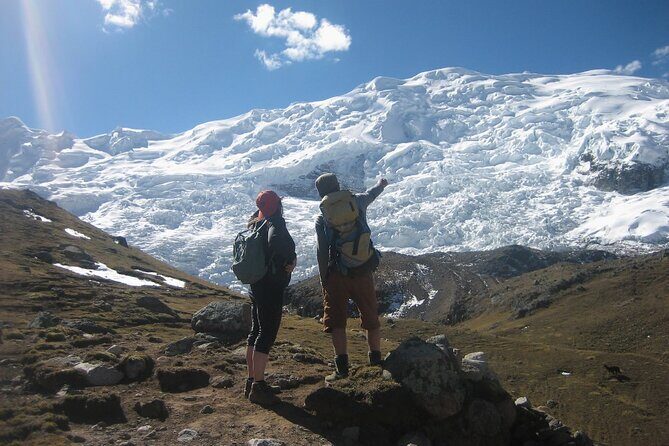
Day 5 starts after completing the hike around Ausangate Mountain. After breakfast, the day shifts from trail time to culture time.
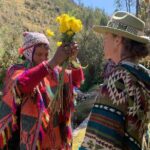
You’ll have a ceremony with a local family focused on traditions: preparing local food, learning about their culture, and getting into weaving techniques. It’s a reminder that this region isn’t a theme park. People live here, work here, and keep cultural knowledge alive.
After the cultural session, you take the bus back to Cusco, with the drive taking around 3 hours.
Meals, Horses, and Camp Support: Why You Don’t Feel Like You’re Doing Everything
This trek is built around an efficient camp setup. Included with the tour are camping equipment, horses for equipment, and a full meal plan.
Meal inclusions listed:
- Lunch: 5
- Dinner: 4
- Breakfast: 4
You’ll also feel the difference between “food included” and “food that actually keeps you going.” In the feedback for Vidal Expeditions, the cook team is repeatedly praised for producing consistently good meals at camp, not just survival rations. Names that come up include Benigno (chef), Euden (assistant cook), and Angel (horseman/driver). Your guide names show up as well—Chino, Urbano, and Guillermo.
So what does this mean for you? When meals are well-run, you stay warmer, you recover better, and your hiking pace stays steadier. Also, horse support for equipment makes a difference on a multi-day route. Your energy is spent on walking, not on fighting your pack.
Two items not included:
- Entrance fee (listed as 20 soles)
- Sleeping bag
That last one is important. Multiple accounts point out cold conditions in the evenings and overnight at these altitudes. Bring the warmest mountain sleep gear you can manage.
Price and Value: What $660 Buys on This High-Altitude Route
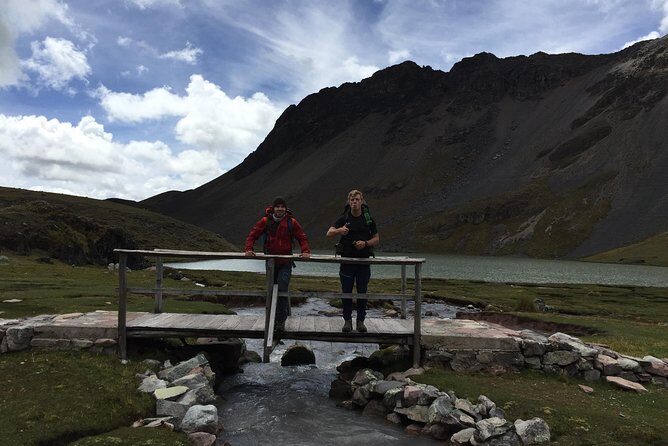
At $660 per person, you’re not paying for a generic guided walk. You’re paying for a coordinated mountain operation: a small group limit, trained guidance, horse support for equipment, and full camp meals.
When you compare that to a DIY approach, the cost starts to make more sense. Going independently means you’d need to figure out guides, permits/fees, camping logistics, food supply at altitude, and reliable gear transport. Even if you do it cheaply, you still spend time and energy managing details that this trek assigns to the team.
What you’ll still need to handle yourself:
- Sleeping bag
- Entrance fee (20 soles)
That’s a fair trade-off. If you show up with your own sleeping bag and warm layers, you get a smooth, structured trip where you can focus on the high pass day and the hot springs breaks.
What to Pack for Ausangate: Cold Nights and Pass-Day Effort
I can’t guess your personal cold tolerance, but the route elevations and the feedback you’re likely to encounter point to one clear theme: plan for real cold after hiking.
At a minimum:
- A sleeping bag rated for cold conditions
- Layering system (base + mid layer + outer shell)
- Warm hat and gloves for camp time
- Good hiking boots with traction for uneven ground
- Sunglasses and sunscreen (high elevation sun can be intense)
- A way to keep water accessible and drink regularly during climbs
Also, expect that you’ll start early and spend long hours on your feet. Pack smart for comfort and function, not for looking good in photos.
Who Should Choose This Trek (and Who Should Think Twice)
This is a good fit if you:
- Have moderate physical fitness
- Want a route that includes real high passes, not just a casual walk
- Like cultural moments tied to place (the Apu Ausangate ceremony and the local family food and weaving time)
- Appreciate all-inclusive meal support and camp structure
You might think twice if you:
- Are not comfortable with altitude changes up to 5,200m
- Don’t have cold-weather sleeping gear
- Prefer shorter hikes with less pass-time
The trek is labeled as challenging but manageable, and that matches the structure: some long hiking days, then hot springs and rest.
Should You Book This Ausangate Trek with Vidal Expeditions?
Yes—if you want a small-group Ausangate circuit with the full support package and a guide who brings cultural context into the day. The combination of passes, hot springs, and planned meals is exactly what makes this route feel less like work and more like a real mountain journey.
Before you book, do two quick checks:
- Confirm you have a warm sleeping bag, since it’s not included.
- Be honest about your fitness for long days around passes near 4,850m to 5,200m.
If those boxes are checked, this trek is the kind of Peru trip that leaves you with more than photos. You come away with stories—hot springs soaks, pass ceremonies, and a sense of how people live and move through this high country.
FAQ
What time does the Ausangate Trek start?
The meeting point in Cusco starts at 5:00am.
How high does the trek go?
The highest point is Palomani Pass at 5,200 meters. The route also includes Arapa Pass (4,850m) and Apacheta (4,980m).
What’s included in the price?
Included items are camping equipment, horses for equipment, 5 lunches, 4 dinners, and 4 breakfasts.
What should I bring since it’s not included?
You’ll need to bring a sleeping bag. An entrance fee of 20 soles is also listed as not included.
How many people are in the group?
This trek has a maximum group size of 10 travelers.
Can I cancel for a full refund?
Yes. You can cancel up to 24 hours before the experience start time for a full refund, and poor weather can also lead to a different date or a full refund.