REVIEW · CUSCO
2 Days Inca Trail to Machu Picchu with Camping
Book on Viator →Operated by MACHU PICCHU VIAJES PERU · Bookable on Viator
Two days on the Inca Trail feels perfectly focused. I love the hassle-free transfers and the way tickets and entrance fees are wrapped into one plan, so you’re not scrambling. I also love the small group vibe (up to 8) with a bilingual guide, and the standout Domingo can keep the walk fun and personal. The main catch is simple: you need moderate fitness and you’ll start very early.
On night one, the trip swaps stress for comfort. You hike during the day with a guide, porters, and chef, and you sleep at Puente Ruinas next to the Urubamba River, with tea time and dinner included.
For many people, the best part is what the package covers for the price. At $750 per person, you’re paying for the heavy logistics, plus camping gear and even an oxygen bottle and first aid kit. Just note that lunch on day one and breakfast on day two are not included, so plan for that.
In This Review
- Quick Hits: What Makes This 2-Day Inca Trail Camping Trip Special
- Why This 2-Day Inca Trail Package Works: Transfers, Permits, and Camping Gear
- Price and Value at $750: What’s Included (and Why It Matters)
- Cusco to Ollantaytambo: The Early Start That Sets the Tone
- Day One on the Inca Trail: Km. 104 to Wiñaywayna and Inti Punku
- Night at Puente Ruinas: Urubamba River Views and Chef-Prepared Dinner
- Day Two Sunrise Plan: 6:00 am Machu Picchu Arrival and a Guided Route
- Lunch, Aguas Calientes, and the Train Back to Cusco
- Who This Trek Is Best For (and Who Should Rethink It)
- The Guide and Food Factor: Why Domingo and the Chef Change the Experience
- Tips That Actually Help Before You Go
- Should You Book This 2-Day Inca Trail Camping Trip?
- FAQ
- What time do I need to be ready in Cusco?
- How many days is the trek?
- Is the tour private?
- How physically demanding is it?
- What’s included in the price?
- What is not included?
- Is camping gear provided?
- Can I cancel and get a refund?
- What about safety support?
Quick Hits: What Makes This 2-Day Inca Trail Camping Trip Special

- Small group size (max 8) keeps the pace and explanations more flexible
- Domingo-style guiding: detailed, entertaining, and responsive to guest needs (English-Spanish)
- Camping gear included: tents, dining tent, mattresses, sleeping bags, hiking poles, and pillows
- Big views built into the route: Wiñaywayna, then Inti Punku (Puerta del Sol), then the descent to Machu Picchu
- Machu Picchu at sunrise timing: early start aims for a 6:00 am citadel arrival
- Safety supports: first aid kit and oxygen bottle included in the group setup
Why This 2-Day Inca Trail Package Works: Transfers, Permits, and Camping Gear
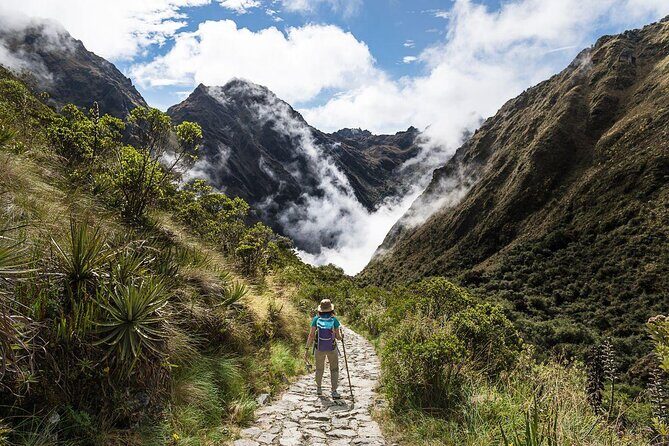
This kind of trip lives or dies on logistics. Here, you get private round-trip transfers from your Cusco hotel, plus the train parts, buses, and entrance tickets are included—so your day doesn’t turn into a scavenger hunt.
I also like how “camping” doesn’t mean you’re hauling a backpacking nightmare. You get the basics you need: personal tents, a dining tent, tables/chairs, mattresses, sleeping bags, hiking poles, and pillows. That’s a real value move if you’re traveling light or don’t want to deal with buying and then storing gear.
The last practical win is that you’re not doing the trek alone. A professional bilingual guide leads the hiking and history, porters help carry what they can, and a chef handles food. That combination matters on the Inca Trail, where pacing and energy can make or break your mood.
You can also read our reviews of more tours and experiences in Cusco
Price and Value at $750: What’s Included (and Why It Matters)
$750 per person sounds like a chunk of money until you list what’s inside. You’re covering:
- Train tickets (Ollantaytambo to Km. 104, and Aguas Calientes back to Ollantaytambo)
- Bus ticket from Machu Picchu to Aguas Calientes
- Entrance access to the Inca Trail and Machu Picchu
- Full board during the trek (dinner plus tea time on day one; breakfast and included parts on day two)
- Camping equipment and food prep by the chef
- On-the-ground support (guide, porters, first aid kit, oxygen bottle)
If you tried to piece all of that together yourself, the costs and headaches usually stack fast. This package also helps because it’s timed around a schedule you don’t control—train departure windows and the Machu Picchu morning plan.
Two small items are not included: lunch on day two and breakfast on day one. That’s worth planning for so you don’t end up hunting for food at the wrong time.
Cusco to Ollantaytambo: The Early Start That Sets the Tone
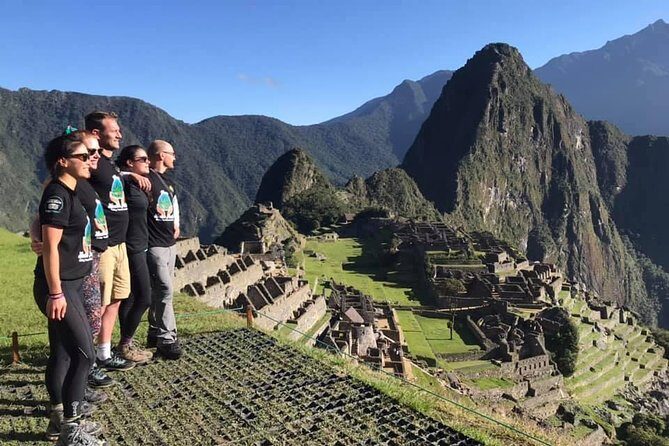
The day begins with a pick-up from your Cusco hotel around 5:00 am, with the listed start time at 5:30 am. After the transfer to the train station in Ollantaytambo, you board the 7:00 am train that heads to Km. 104.
This is one of those “good stress” setups. You’re not improvising transit at altitude. You’re already moving toward the trail before daylight distractions take over, and that usually leads to a smoother first day.
The train portion also gives you a chance to settle in. You’ll see the route change from city to trail country, and by the time you reach Km. 104, you’re ready to start walking without feeling like the day began at 2:00 am.
Day One on the Inca Trail: Km. 104 to Wiñaywayna and Inti Punku
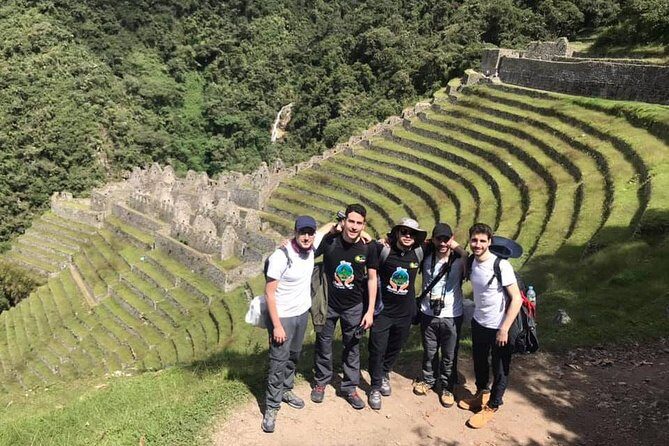
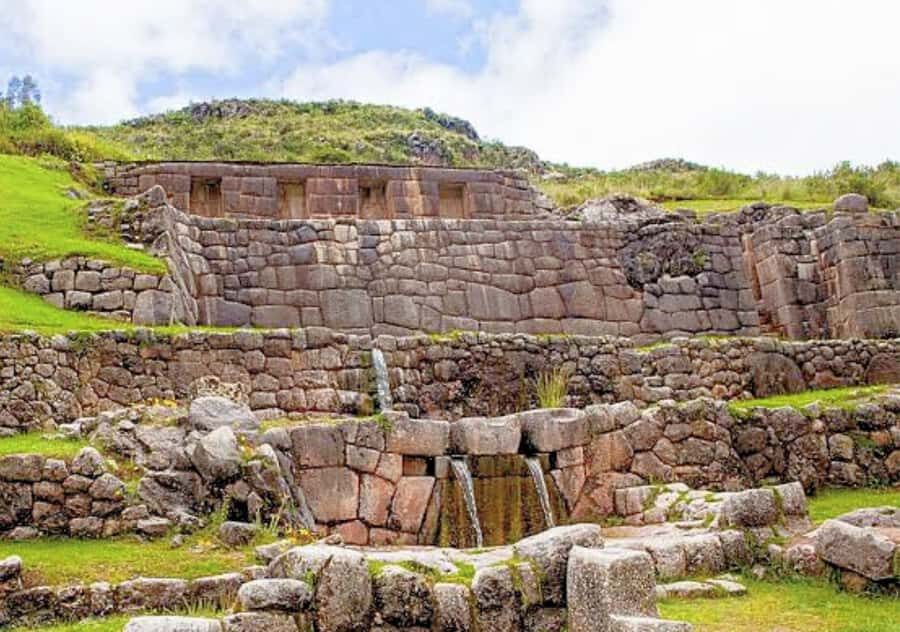
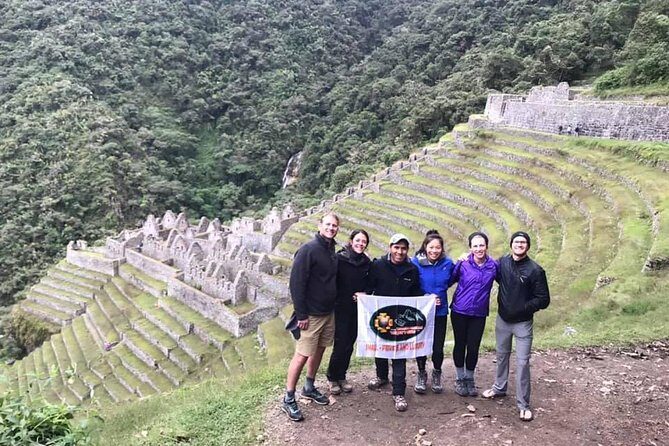
After boarding at Km. 104, you start hiking and build into the classic Inca Trail rhythm. After about 3 hours, you reach Wiñaywayna, and that stop is more than a checkpoint. It’s a strong example of how Inca engineers used farming across the slope—terraces, water control, and layout that made agriculture work in tough terrain.
You’ll pause for a box lunch there, then continue through the next segment toward a Wiñaywayna control point. Controls can feel official and a little tense, but in practice they help keep the route organized, and they keep the trekking schedule consistent.
Then comes the harder-feeling stretch: about 2 hours through an Andean plateau, with stone stairs. This section sets up the payoff at Inti Punku, also known as the Puerta del Sol. From there, the view can be the moment you remember during the rest of the trip—the sightlines back toward Machu Picchu and the surrounding mountains are what make the effort feel worth it.
After the panorama, you descend for around 30 minutes down to Machu Picchu, then take the bus to your campsite at Puente Ruinas near the Urubamba River.
What I like here: the route balances viewpoints with real walking. You don’t spend the whole day staring at the ground, and you’re not rushed from one big moment to the next.
A consideration: you start with substantial hiking time before your first real rest. If you’re even slightly unsure about your stamina, consider that the day already includes several hours of effort before you get to camp.
Night at Puente Ruinas: Urubamba River Views and Chef-Prepared Dinner
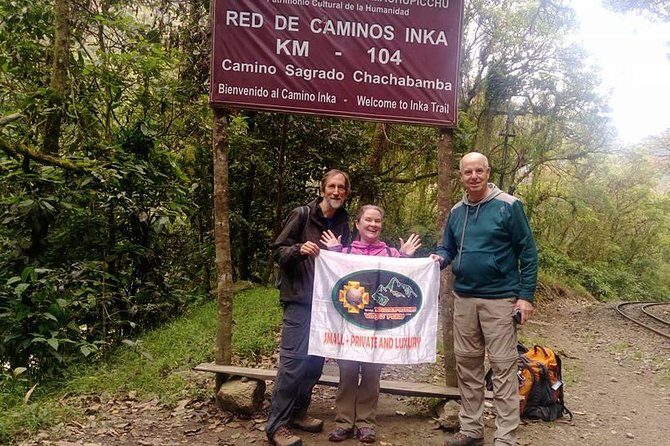
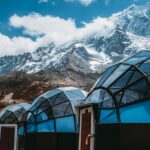
Your first night is at Puente Ruinas. The location matters because being near the Urubamba River helps the atmosphere feel calm instead of isolated. You’ll still be tired, but it won’t feel like you’re sleeping in the middle of nowhere with no rhythm.
Camp is handled in a way that keeps you from doing “camp math.” You get the camping setup (tents, dining tent, mattresses), so you can focus on recovery. In the afternoon you’ll have tea time, then dinner is prepared by the specialized cook.
This is where the trip can feel surprisingly civilized. A good chef setup can turn a rough trek into a memory you want to relive, and the food is one of the most praised parts of this experience.

Day Two Sunrise Plan: 6:00 am Machu Picchu Arrival and a Guided Route
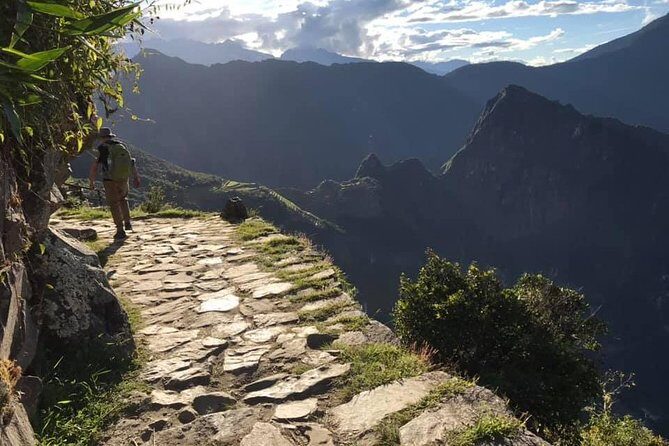
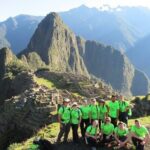
You’ll get up early for breakfast prepared by the chef, then you hike about 30 minutes to arrive at Machu Picchu at 06:00 am. That timing is designed for the sunrise experience, which is when many people feel like Machu Picchu is most alive—light rolls across the stone and the shadows make details pop.
At 6:00 am, you get a guided tour of about 2 hours and 30 minutes. The tour focuses on major sites so you don’t feel lost in the maze of terraces and plazas. You’ll visit highlights like the Royal Mausoleum, the Temple of the 3 Windows, the Main Temple, the Sacred Plaza, and the famous Intihuatana.
Intihuatana is the one that rewards attention. The guide connects it to the winter solstice in June, when the Incas tied the sun through the solstice cycle. Even if you don’t care about astronomy, the explanation helps you read what you’re seeing instead of just collecting photos.
After the guided part, you get free time to explore on your own. This is important because it lets you follow your curiosity: a quieter corner, a better angle for pictures, or simply taking a slower lap when the crowds feel too intense for your pace.
Lunch, Aguas Calientes, and the Train Back to Cusco
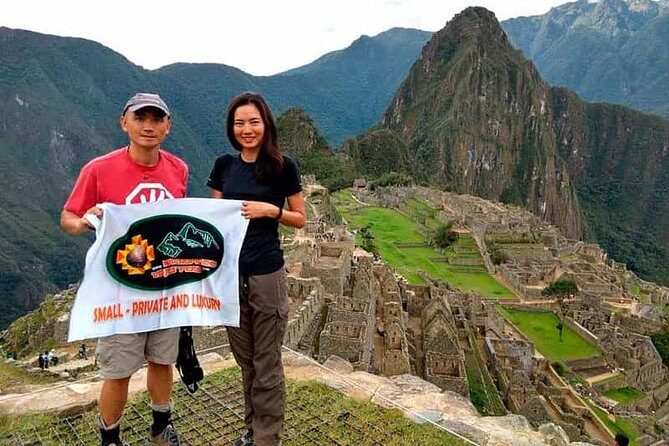
After your time in the citadel, you’ll board the bus from Machu Picchu down to Aguas Calientes. You’ll have time for lunch there, and then in the afternoon you catch the train back to Cusco.
Arrival back in Cusco is listed as about 7:00 pm, and the tour ends with a transfer back to your hotel. That late-afternoon finish is one reason people like this style of trip: it doesn’t leave you stranded with more transit at the end.
What to plan for: lunch on the second day isn’t included. Aguas Calientes has options, but you’ll want to factor in time to eat and rehydrate before boarding.
Who This Trek Is Best For (and Who Should Rethink It)
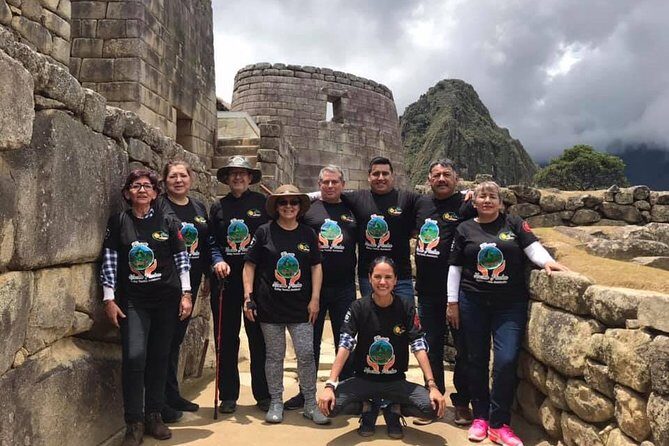
This trip fits travelers with moderate fitness who want a structured, supported trek without going fully self-supported. If you can handle several hours of hiking and stairs at altitude, you’ll likely enjoy the experience more than you dread it.
It’s also a good match if you want history and context, not just scenery. The guided route covers the major areas, and a strong guide can make a huge difference when you’re walking and learning at the same time.
If your biggest goal is maximum comfort, note that you’re still camping and hiking. This isn’t a luxury lodge walk. Still, the included sleeping gear and the presence of porters and a chef make it feel far more manageable than a solo trek.
Finally, if you’re traveling as a couple or with friends, the minimum of 2 people per booking can make this easier to book than some private options that require larger groups.
The Guide and Food Factor: Why Domingo and the Chef Change the Experience
One detail that stands out is the human side of the trip. Domingo is highlighted for strong English, detailed explanations, and a sense of humor that keeps the hike from feeling like a lecture. He also adjusts to guest wishes and needs, which matters when people are at different fitness levels or just want the pacing changed.
Food plays the other huge role. A trek can turn into survival if you eat poorly or inconsistently. Here, dinner and the tea time setup on day one, plus breakfast on day two, are chef-prepared. When the group eats well, you usually feel better on the second day sunrise push.
That combination—guide energy plus consistent meals—is why people give this trip top marks.
Tips That Actually Help Before You Go
You have most of the gear covered, but there are a few things that make the experience smoother:
- Bring your original passport, since it’s recommended for the trip
- Plan on a very early morning for day one and an even earlier start for Machu Picchu sunrise
- Aim for steady pacing on the stairs rather than speed
- If you’re sensitive to altitude, take the altitude supports seriously and follow the guide’s guidance during breaks
If you’re deciding what to pack, focus on being comfortable on cold mornings and during the hike. Even with included sleeping gear, you’ll still feel temperature shifts across nights and early mornings.
Should You Book This 2-Day Inca Trail Camping Trip?
If you want a well-run Inca Trail experience with less logistical stress, I’d lean yes. The biggest strengths are practical: transfers from Cusco, small-group size, porters and chef support, camping gear provided, and an early plan that aims to get you into Machu Picchu for sunrise.
You should book if:
- You want the classic route with key sites like Wiñaywayna and Inti Punku
- You prefer a guided structure rather than figuring it out alone
- You like the idea of sunrise at Machu Picchu plus free time afterward
You might pass if:
- You’re worried about early starts or moderate fitness demands
- You want all meals included (lunch day two and breakfast day one are not included)
Overall, this is the kind of trip that turns the hard parts into something you manage, rather than something you fight.
FAQ
What time do I need to be ready in Cusco?
Pick-up is around 5:00 am from your Cusco hotel, and the listed start time is 5:30 am.
How many days is the trek?
It’s a 2-day experience, with day one focused on the Inca Trail route and day two on Machu Picchu.
Is the tour private?
Yes. It’s described as a private tour/activity, and only your group participates.
How physically demanding is it?
You should have moderate physical fitness level. The itinerary includes multiple hours of hiking and stone stairs.
What’s included in the price?
The price includes hotel pick-up and transfers, train tickets (Ollantaytambo to Km. 104 and Aguas Calientes to Ollantaytambo), bus ticket from Machu Picchu to Aguas Calientes, entrance fees to the Inca Trail and Machu Picchu, a bilingual guide (English-Spanish), porters and chef, camping equipment, and meals such as dinner and breakfast (with lunch on day one included as a box lunch).
What is not included?
Lunch on the second day and breakfast on the first day are not included.
Is camping gear provided?
Yes. Camping equipment is included, such as personal tents, a dining tent, tables and chairs, mattresses, sleeping bags, hiking poles, and pillows.
Can I cancel and get a refund?
You can cancel up to 6 days in advance for a full refund (cancel at least 6 full days before the experience’s start time). You can also receive a 50% refund if you cancel 2–6 full days before.
What about safety support?
A first aid kit and an oxygen bottle are included.