REVIEW · CUSCO
Full day tour of Qeswachaca Inca Bridge
Book on Viator →Operated by Inti Sun Trek · Bookable on Viator
A rope bridge built by hand in Peru. This full-day trip from Cusco brings you to Q’eswachaka, the last remaining Inca suspension bridge, plus scenic stops that explain how people live in the Apurímac canyon.
What I like most is the easy day logistics: hotel pickup and drop-off, transport, and included meals so you’re not figuring things out at altitude. I also really enjoy the bridge-focused guidance—you don’t just stand on a viewpoint, you go down to cross, then you get a short history and construction talk from the attendant on site.
One consideration: it’s a long, early day (roughly 12 hours) with a steep descent and a swaying crossing moment. If you have vertigo, the bridge isn’t a great fit, and there’s also no toilet on the bus—just planned breaks.
In This Review
- Key things that make this Q’eswachaka day trip worth it
- Q’eswachaka Inca Bridge: why this full-day trip feels different
- Getting out of Cusco: long day math, altitude, and pacing
- The road stops that make it more than the bridge
- Cusipata breakfast: fueling up before the canyon
- Combapata viewpoint: seeing the rivers where stories start
- Descending toward Q’eswachaka: the moment you’ll remember
- The bridge attendant talk: more useful than a museum plaque
- How the grass-rope bridge is built each year
- Lunch, mini volcano stop, and scenic breaks that slow the day down
- Lunch on the route
- The mini volcano: a small stop that’s oddly fun
- Bonus stops when time allows
- Price and value: what you’re really paying for
- Group size, guide style, and the human touch
- What to pack and how to be comfortable
- Who should book this Q’eswachaka day trip (and who shouldn’t)
- Should you book Q’eswachaka with this full-day Cusco tour?
- FAQ
- What time does the Q’eswachaka tour start?
- How long is the full-day Q’eswachaka bridge tour?
- What’s included in the tour price?
- What is not included?
- Can I cross the bridge?
- What’s the maximum altitude on this tour?
Key things that make this Q’eswachaka day trip worth it
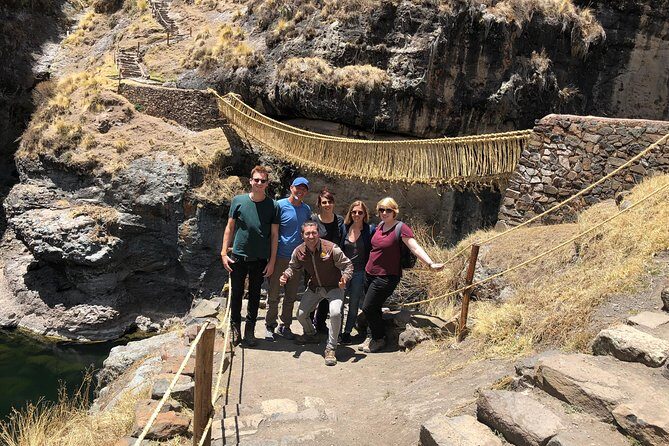
- Last Inca suspension bridge crossing: you’ll actually cross the 28-meter rope bridge (about 1.2 meters wide).
- Breakfast + lunch are included: semi buffet breakfast in Cusipata and semi buffet lunch on the route.
- Pro guide in fluent English: you get context on Inca engineering and local life during the drive.
- Apurímac canyon viewpoints: Combapata lookout and canyon stops make the road part of the experience.
- Small group size: the tour caps at 20 travelers for a less-chaotic feel.
Q’eswachaka Inca Bridge: why this full-day trip feels different
Q’eswachaka is one of those places where the story is the attraction. Instead of looking at ruins from a distance, you’re moving with the people who understand the terrain—down a steep path, across a bridge made of grass rope, and then up again with a new sense of what “Inca engineering” really means.
I like that the day is structured around the bridge, not around rushing between tickets. The drive out of Cusco includes viewpoints and small town stops that make the canyon feel real, lived-in, and practical. You’ll also get time to take photos from safe angles before you go down for the main event.
You can also read our reviews of more tours and experiences in Cusco
Getting out of Cusco: long day math, altitude, and pacing
This is a full-day outing that runs about 12 hours, and it starts before sunrise. Your pickup is listed for 4:30 am, and the overall schedule is described as an early departure with a return around 7:00 pm, which means you should plan to treat it like a whole-day commitment, not a quick “add-on.”
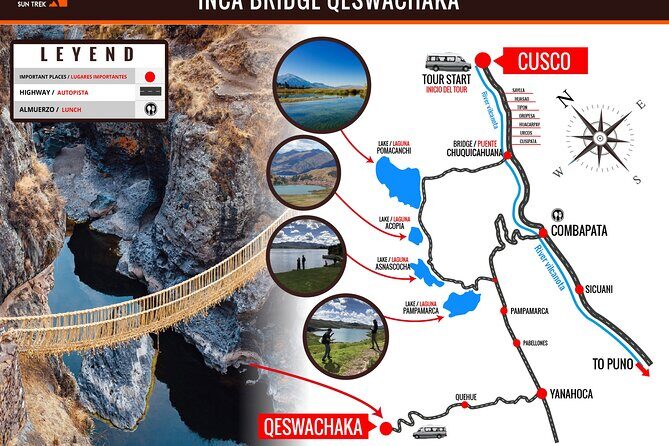
You’ll be traveling roughly four hours by car from Cusco to the canyon area. The maximum altitude on the trip is listed at 3,800 m / 12,468 ft, so pace yourself on the early driving portions and don’t try to “power through” just because you’re excited.
You’re not left alone if altitude hits. The tour includes a first aid kit with emergency oxygen, and it carries oxygen cylinders and altitude tablets for treatment. Still, if you’re prone to altitude sickness, I’d pack your own usual meds too, just in case.
One more practical note: the bus does not have a toilet. That’s not unusual for day tours here, but it changes how you plan fluids and snacks. You’ll get toilet breaks during the day, so use them.
The road stops that make it more than the bridge
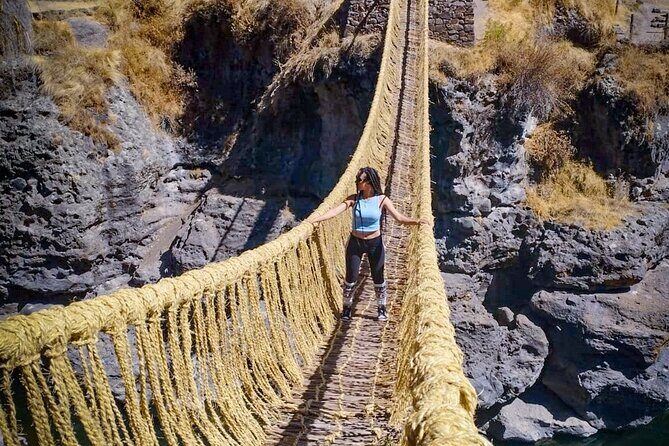
A lot of bridge tours can feel like, drive, viewpoint, bridge, back. This one gives the day shape with stops that help you understand where the bridge fits into the canyon’s geography and communities.
Cusipata breakfast: fueling up before the canyon
You start with a one-and-a-half-hour van journey to the town of Cusipata, where you’ll have a semi buffet breakfast. It’s not just about eating early—it’s about buying time. A solid breakfast helps because you’ll be on the move for hours, and Q’eswachaka is not the kind of stop you want to do on an empty tank.
Cusipata also sets the tone: you’re out of the Cusco bubble and into smaller-town Peru, where daily life and markets sit at the edge of big views. Even if you mostly care about the bridge, you’ll feel the difference by the time breakfast is over.
Combapata viewpoint: seeing the rivers where stories start
After Cusipata, you drive about 30 minutes to the Combapata viewpoint to enjoy the scenery and see where the Salcca River meets the Vilcanota River—described as the Sacred River of the Incas. This is a good “orientation stop,” the kind that helps your brain map what you’ll later experience below.
Plan for a short walk around viewpoint areas and photo spots. The stop itself is brief, but it’s worth it because it connects the engineering moment at Q’eswachaka to the canyon’s water and route logic.
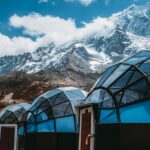
Descending toward Q’eswachaka: the moment you’ll remember
As you approach Canas province’s countryside, the route shifts from highway comfort to canyon roads. From Yanaoca, you’ll drive about 30 minutes to the Q’ewe district, and you’ll get your first real glimpse of the ancient bridge suspended between steep rock cliffs.
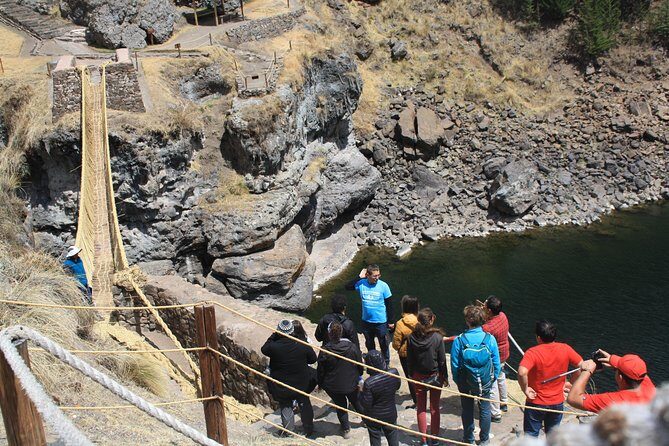
Then comes the part that needs the most physical planning: you leave the car and descend a steep path to a viewpoint for photos. From there, the crossing happens together—so you’re not just wandering. It’s organized, guided, and built for people to move carefully as a group.
The crossing is not recommended if you have vertigo, and I’d also say it’s not a great fit if you’re uncomfortable with heights even when you feel otherwise “okay.” The bridge is narrow (about 1.2 meters) and sways, so you’ll want steady footing and a calm focus.
The bridge attendant talk: more useful than a museum plaque
Once you reach the bridge, you’ll cross it with guidance. On the far side, a bridge attendant greets the group and gives a brief demonstration of the bridge’s history and construction.
This is where the experience turns from scenic to educational. You learn that Q’eswachaka isn’t a static monument—it’s renewed using ancestral weaving knowledge and community work. One guide-style detail that really stuck with me from similar explanations is how maintenance is treated as a community responsibility, not a one-time project.
How the grass-rope bridge is built each year
You can treat this as “just crossing,” but the bridge makes more sense when you know how it’s made and why it survives.
The bridge is approximately 28 meters long. The grass-rope method described for Q’eswachaka includes strands made from grass blades that are soaked, pressed, woven into strands, and then formed into ropes. Each family is responsible for at least one strand, and there’s an overseer or chief engineer-like role who oversees the balance and checks the final setup.
The annual rebuild cycle described is also specific: it takes three days to gather strands from participating families and reconstruct the new bridge, and the old bridge is cut free from its rock supports for the river to carry away. On the fourth day, the process ends with a community celebration.
Why this matters to you: once you understand that the bridge is renewed by local work, you stop seeing it as a “tourist attraction” and start seeing it as infrastructure. That changes how you approach the crossing—more respect, less thrill-seeking, more awareness.
Lunch, mini volcano stop, and scenic breaks that slow the day down
After the bridge, the day keeps going. You’ll recross the ravine area by road and head back, with several stops that break up the long drive and add variety.
Lunch on the route
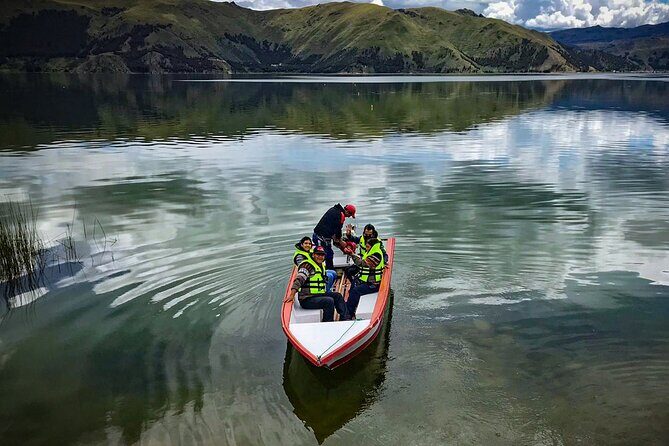
Lunch is included (semi buffet). Depending on the day’s timing, it’s often eaten near scenic water areas—some runs include a picnic-style meal by lakes/lagoon zones, where you can watch locals and wildlife from a quiet perch.
This is one of the practical perks of a guided day tour: you’re not hunting for a meal at the exact moment you get hungry, and you’re not stuck eating something random because everything else is far away.
If you need a vegetarian option, you can request it when you book.
The mini volcano: a small stop that’s oddly fun
There’s a stop at a mini volcano. The entrance fee for the mini volcano is not included, so bring cash or be ready for payment as requested on the day.
The mini volcano stop is quick and physical in a low-stress way. You’re not hiking for hours, but you do get a chance to get out, stretch your legs, and see something unusual that’s part of local geography rather than a big show.
And yes, it’s the kind of stop you might not find on your own unless you already know where to look.
Bonus stops when time allows
Some days include extra stops that add to the day’s variety—like an archaeological-site add-on described in one experience. These are not guaranteed in a strict sense from the core plan, but the takeaway is good: the day isn’t only about one photo spot. It’s about stitching together a broader sense of Canas province.
Price and value: what you’re really paying for
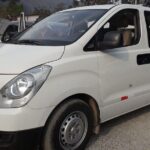
The tour price is listed at $40.00 per person, and that’s fairly strong value for a full-day organized trip outside Cusco. The reason is what’s included: hotel pickup and drop-off, transportation, an English-fluent professional guide, semi buffet breakfast, and semi buffet lunch.
It also includes a first aid kit with emergency oxygen. In a place with high-altitude exposure and a steep descent to the bridge, that’s not just a checkbox—it’s peace of mind.
What you pay extra for: entrance fee for the Q’eswachaka bridge and the mini volcano. Those add-ons matter when you calculate the final price. If you’re budgeting, I’d treat the published price as the “base tour,” then add expected local entrance fees on top.
In practical terms, you’re paying to remove friction: you don’t have to find transport out to Q’ewe and back, you don’t have to translate or negotiate stops, and you don’t have to figure out the flow of the day while managing altitude.
Group size, guide style, and the human touch
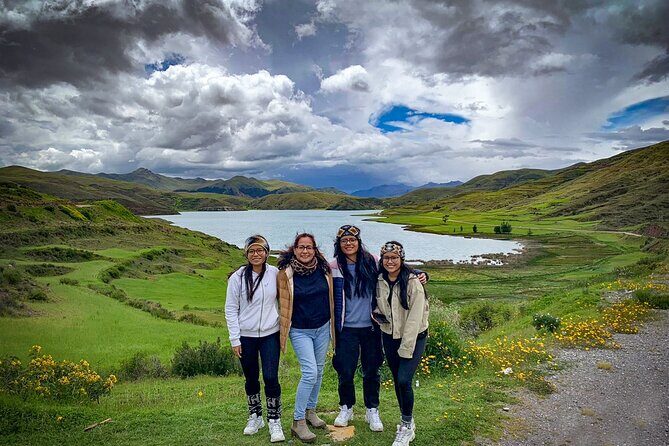
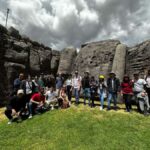
The tour caps at 20 travelers, which keeps it from feeling like a cattle call. Smaller groups help at the bridge crossing too—when everyone’s moving together, it’s easier for the guide and the bridge attendant to manage pacing and safety.
Guide quality is a big part of this experience. One name that comes up often is Jesus Villafuerte, described as both knowledgeable and attentive, and the driver experience is also praised in multiple accounts (including a driver named Willy). You may not get the exact same people every day, but the consistent message is that the team runs the day with organization and care.
If you want more than facts—if you want stories that connect bridge engineering to local life—this is the right type of tour. The way the stops are timed and explained helps you enjoy the road as much as the endpoint.
What to pack and how to be comfortable
You’ll be outside for long hours, on steep paths near the bridge, and at viewpoints. The tour asks you to wear comfortable clothes and shoes with grip. That’s not a casual suggestion—it’s about keeping you steady during the descent and while crossing.
Here’s what I’d prioritize:
- Comfortable walking shoes with traction for uneven ground near the bridge descent
- Layers for early morning cold and later-day warmth
- Water and a light snack for between-meal gaps (since bus comfort varies and the day is long)
- Cash for the bridge and mini volcano entrance fees
- If you’re altitude-prone: bring your usual altitude medicine in addition to what’s provided
One more reality check: this is mostly a bus tour, but you do need a moderate physical fitness level. You’re not hiking all day, but you are going down a steep path to the crossing area.
Who should book this Q’eswachaka day trip (and who shouldn’t)
This tour suits you if you:
- Want a full-day, out-of-town experience that feels like real Peru, not just a single attraction
- Like guided explanations and practical context, not only photo stops
- Are okay with an early start and long driving day
- Can handle a moderate descent and walking on uneven terrain
Skip it or think twice if:
- You have vertigo or a strong fear of heights
- You struggle with altitude, especially if you’ve had trouble at similar elevations in the past
- You’re expecting a relaxed, late-morning plan
If you’re traveling with a service animal, it’s allowed, which is good to know if accessibility planning is part of your trip decisions.
Should you book Q’eswachaka with this full-day Cusco tour?
If you want the chance to cross the last remaining Inca suspension bridge and you’re willing to commit to an early, long day, then yes, I think this is worth booking. The value math works because the price covers transport, meals, an English-speaking guide, and safety gear like oxygen support.
Book it with confidence if your ideal day looks like: early start, viewpoints that help you understand the canyon, a guided crossing moment, and a calm return with included food. Don’t book if you’re looking for a low-effort walking day or if vertigo/height anxiety is likely to take over once you see the drop below the bridge.
If you want, tell me your travel dates and whether you’re altitude-prone or have vertigo concerns, and I’ll help you decide how to plan your day in Cusco around this trip.
FAQ
What time does the Q’eswachaka tour start?
The tour start time is listed as 4:30 am, and the full-day schedule is described as running an early start with a finish around 7:00 pm.
How long is the full-day Q’eswachaka bridge tour?
It runs about 12 hours on average.
What’s included in the tour price?
You get hotel pickup and drop-off in Cusco, a professional English-fluent guide, tourist transportation, semi buffet breakfast, and semi buffet lunch. A first aid kit is included with an emergency oxygen tank.
What is not included?
Entrance fees for the Q’eswachaka bridge and the mini volcano are not included.
Can I cross the bridge?
Yes. All visitors are welcome and encouraged to cross the bridge, but it is not recommended for visitors with vertigo.
What’s the maximum altitude on this tour?
The maximum altitude is listed as 3,800 m (12,468 ft).