REVIEW · CUSCO
Cusco City Tour Four Ruins in Half-Day
Book on Viator →Operated by Andes Peru Tour & Adventure · Bookable on Viator
Cusco on a timeline sounds tough, but this half-day loop is built for quick context. You’ll get a guided run through major Inca-era sites like Qorikancha (Coricancha) and Sacsayhuaman, then finish with a hands-on stop at the alpaca sanctuary. Two things I really like: the small group size (up to 15) and the hassle-free hotel pickup/drop-off in Cusco City Center. One thing to plan for: the $18 admission fee is not included, so budget extra cash for entry.
You’ll also want to be honest with your body. The route includes several archaeological areas with some walking (and you’ll be at elevation), so if you want a perfectly chill afternoon, this may feel like more effort than you expected.
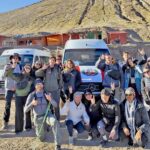
From the guide names that show up again and again—Jose, Tito, and Jesse—I get the sense the best results come from a guide who can connect the stone details to real Cusco life. Add a courteous driver (often Richard or Christian), and the day runs smoothly even when you’re a bit jet-lagged.
In This Review
- Key highlights worth knowing
- Cusco in five hours: a smart half-day plan
- Pickup, group size, and the pace you’ll feel
- Qorikancha (Coricancha): the Inca temple you can feel
- Sacsayhuaman: precision stonework and fortress drama
- Q’enqo and Puka Pukara: ritual stonework and a red fortress view
- Tambomachay: water worship, aqueducts, and spring-fed fountains
- Manos De La Comunidad alpaca sanctuary: wool lessons and animal time
- Cost and tickets: the real budget math
- Weather, altitude, and how to make the day feel easy
- Who should book this Cusco half-day tour
- Should you book this tour?
- FAQ
- How long is the Cusco City Tour Four Ruins in Half-Day?
- What’s included in the $40 price?
- How much are the admission fees?
- Which sites will I visit during the tour?
- Is the tour group small?
- Where does the tour start?
- What language is the guide?
- Do I need good weather for this tour?
- What’s the cancellation window for a full refund?
- When will I receive confirmation after booking?
Key highlights worth knowing
- Small group (max 15) keeps the stops conversational instead of assembly-line.
- Pickup and drop-off in Cusco City Center means you don’t waste your energy figuring out logistics.
- Five major Cusco-area Inca stops: Qorikancha, Sacsayhuaman, Q’enqo, Puka Pukara, Tambomachay.
- Manos De La Comunidad alpaca sanctuary adds a cultural craft angle plus animal time.
- Short, steady viewing times help you pace for altitude and still see a lot.
Cusco in five hours: a smart half-day plan
If you only have part of a day in Cusco, you usually face a choice: either DIY and spend more time commuting than learning, or take a tour and hope the timing feels right. This one is structured to do the learning without dragging you all over town for hours.
The day is about about 5 hours total, including round-trip transportation. That time window matters in Cusco because you’ll likely want energy left for dinner, a market stroll, or an easy acclimation walk. The route also leans toward the sites closest to Cusco, which is ideal if you’re doing bigger plans later (like the Sacred Valley or Machu Picchu).
And yes, the name says four ruins, but what you get is more of a focused Cusco history circuit: major Inca sites plus the alpaca sanctuary. It’s a good mix if you like seeing the patterns—temple design, water worship, fortress views—rather than just ticking boxes.
You can also read our reviews of more city tours in Cusco
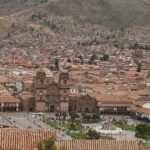
Pickup, group size, and the pace you’ll feel
This tour stays small: maximum 15 travelers. In practical terms, that means you’re less likely to get that lost-in-the-crowd feeling. You’ll also tend to get quicker answers, and it’s easier for the guide to adjust when someone needs an extra minute at a viewpoint.
You’ll also get hotel pickup and drop-off in Cusco City Center. The pickup start point listed is Triunfo, Cusco 08002, Peru, and the tour ends back at the meeting point. Translation: you’re not hunting for a bus at the last second.
On pacing, I’d plan for a “see-and-explore” style, not a museum-stroll. Archaeological sites can involve uneven stone and some uphill. Even when the planned stop times are short, you’ll likely walk more than you think—especially around Sacsayhuaman and the viewpoints near Puka Pukara. If you’re early in your acclimation, it’s worth taking the day gently and letting the guide’s pace do the work.
Qorikancha (Coricancha): the Inca temple you can feel
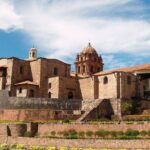
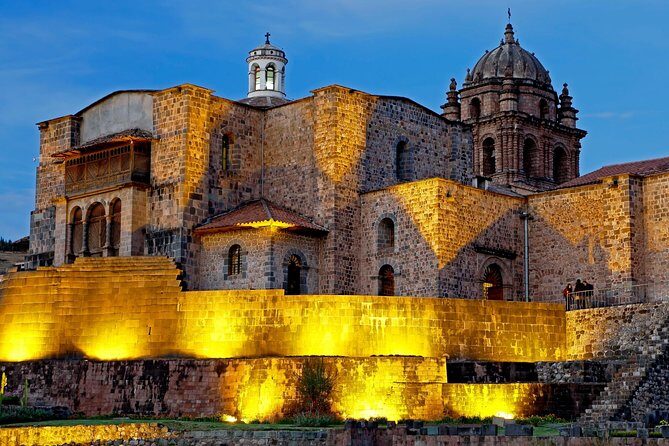
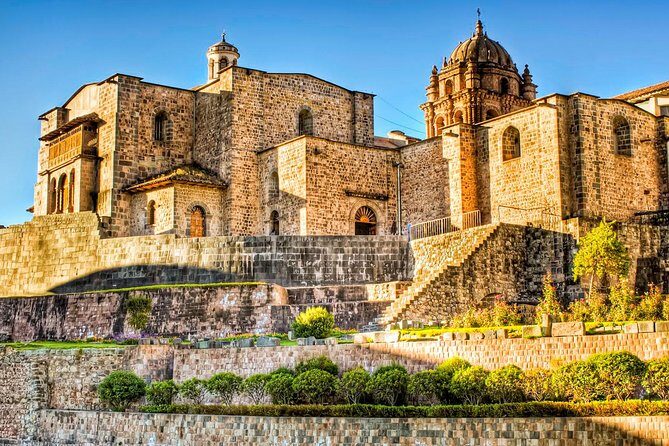
Qorikancha is the starting point, and it sets the tone fast. This was the Inca’s most important temple, tied to the sun. Inside, you’ll see smaller temples dedicated to the sun, moon, and stars, all resting on the original stone foundations. That detail matters: you’re not just looking at a ruin—you’re seeing how Inca builders laid their base and shaped later use on top of it.
Outside, the temple grounds include gardens and fountains. The guide should help you notice how the Inca treated space as something functional and symbolic at the same time: worship in one zone, movement of water and living space in another.
Plan tip: Qorikancha can feel like a “prime real estate” stop—popular, central, and photographed to death. If you can, focus on the stone edges and alignments first, then enjoy the views and photos after.
Sacsayhuaman: precision stonework and fortress drama
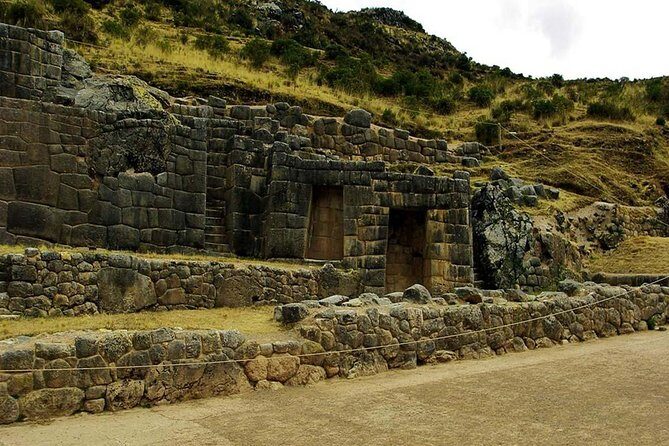
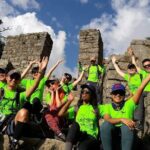
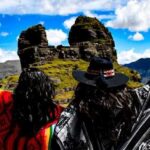
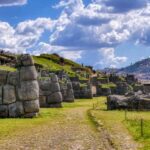
Next up is Sacsayhuaman, one of the most striking sites around Cusco. The headline here is enormous carved rocks and the kind of stone cutting that’s so exact it still blows people’s minds. You’re not looking at random boulders. You’re seeing engineered blocks placed with extreme care.
The site is built on three overlapping platforms overlooking Cusco, with big mountain views around it. Even when you’re not into architecture, this stop gives you a sense of why this area was strategic. It’s not just pretty; it’s commanding.
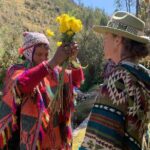
There’s also a cultural note the guide typically brings up: during Inti Raymi, locals perform offerings connected to Mother Earth using sacred coca leaves. Even if you’re not in Cusco during that festival, it’s a helpful way to understand why certain sites keep their ceremonial importance.
Plan tip: Sacsayhuaman involves walking and some climbing. If you’ve arrived recently or feel winded easily, slow down early and let your body catch up. You’ll still get the key story without rushing.
Q’enqo and Puka Pukara: ritual stonework and a red fortress view
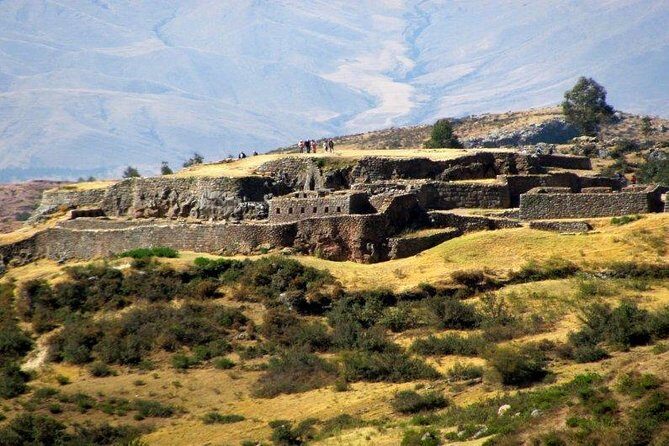
Q’enqo is carved into rock and functions like an outdoor ceremonial space. You’ll see zigzag channels on top and small trapezoidal niches inside. The design is the point: the shapes guide how people approached and moved through the space, and the channels connect the stone layout to ritual and symbolism.
This stop is often a favorite for people who enjoy details. It’s not just “big stones.” It’s a designed surface with meaning baked in.
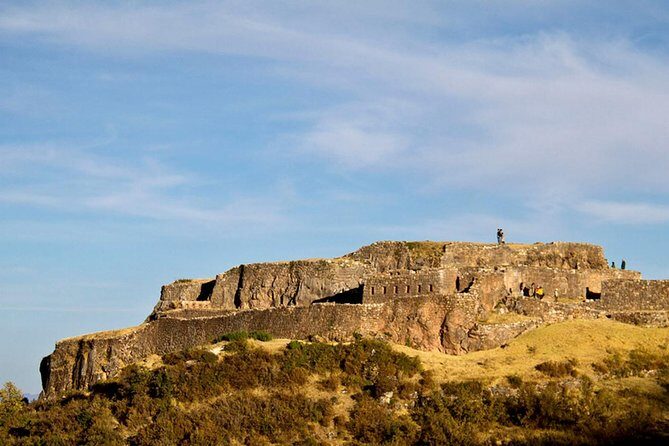
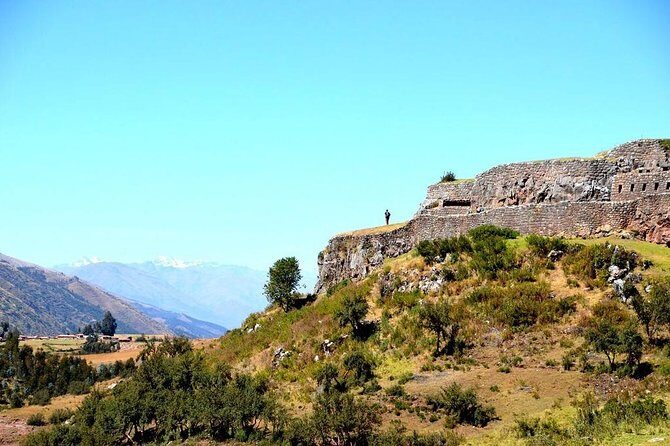
Then you’ll reach Puka Pukara, often described as a red fortress. That color comes from the high iron content in the rocks. Beyond the look, the site served as a military control center, and the layout supports that purpose: you’re getting panoramic views, which makes sense for monitoring movement and territory.
Stop-time reality: Puka Pukara is shorter—about 20 minutes in the schedule—so you’ll want to pick what you want most: the wide view first, or the stone details first. If you like photography, arrive ready to pause for a few minutes without the pressure to keep moving.
You can also read our reviews of more tours and experiences in Cusco

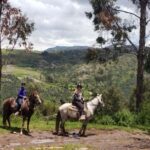
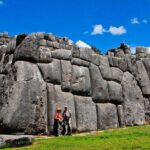
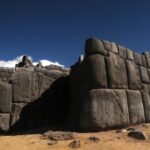
Tambomachay: water worship, aqueducts, and spring-fed fountains
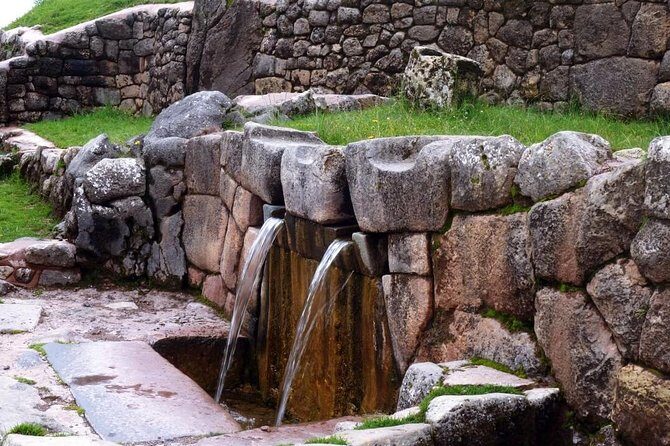
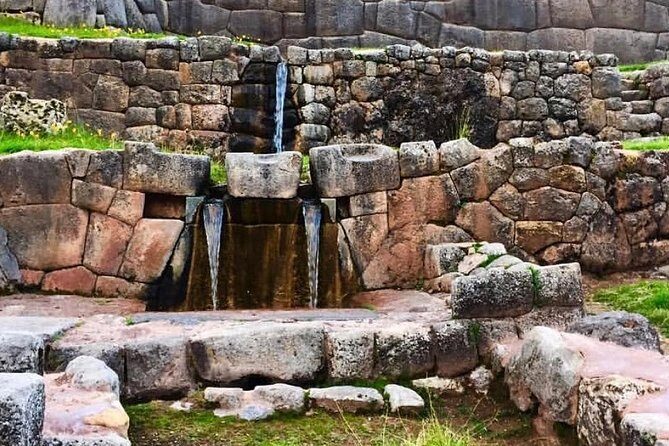
Tambomachay is where the tour’s theme turns from stone power to water meaning. You’ll see aqueducts and water fountains that come from nearby springs. The idea isn’t just that the Incas had irrigation—it’s that water was treated as something worthy of attention and reverence.
The site is described as a center of adoration and worship of water. That framing helps you read the structure differently. Instead of “old plumbing,” you see it as a physical expression of belief.
If you’re the type who likes taking breaks, this is one of the better stops to slow down. Water tends to draw you in, and the guide can connect the design to why water mattered so much in the Andes.
Manos De La Comunidad alpaca sanctuary: wool lessons and animal time
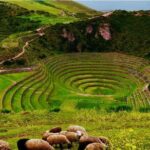
The ending stop is the Manos De La Comunidad alpaca sanctuary. This is where you shift from archaeological stone to living culture.
What you’ll do here:
- Visit an alpaka and llama farm
- See an exhibition about recognizing baby alpaca wool fiber
- Learn about vicuña wool, described as the finest wool in the world
A nice bonus: you may get a chance to interact more than just watch. Some visitors report being able to hold a baby alpaca, and others enjoyed feeding the animals. If you’re traveling with kids, this part often turns a good history tour into a memorable afternoon, because it mixes education with hands-on animal time.
One practical reality: if you’re strictly ruins-only and hate souvenir stops, keep your expectations flexible. There are vendors, and it’s normal in this kind of experience. I’d treat any shopping as optional. The tour value is the farm and the explanation, not a forced purchase.
Cost and tickets: the real budget math
The tour price is $40.00 per person, duration about 5 hours. That’s a solid value for Cusco, because you’re getting:
- English or Spanish guide
- Round-trip transportation
- Hotel pickup/drop-off in Cusco City Center
- A structured route through multiple sites
But you also need to plan for the extra entry fee: $18.00 per person is not included. The itinerary also states admission tickets aren’t included for the sites.
Cash tip: at least some entry fees are reported as cash only, so I’d come prepared. Don’t gamble with your last ATM withdrawal at altitude.
What I’d bring besides money:
- Comfortable walking shoes (archaeological stones are not forgiving)
- A layer for wind (Cusco weather can change fast)
- Water, especially if you feel altitude quickly
- A little patience—these stops are short, and you’ll get the most by listening even if you’re eager to take photos
Weather, altitude, and how to make the day feel easy
This tour requires good weather. That matters because visibility can make Sacsayhuaman and Puka Pukara much better. If conditions are poor, the tour may be rescheduled or refunded.
Altitude matters too. Even though this is a half-day, you’re still above sea level, and some stops involve stairs and uneven ground. A smart strategy is to go a touch slower than you think you should at the first major climb. If you start winded, it usually helps to take water breaks early instead of waiting until you feel awful.
Also, packing light helps. You don’t want a heavy daypack tugging your shoulders while you’re trying to enjoy the view.
Who should book this Cusco half-day tour
This is a great fit if you:
- Want a short, guided overview of Cusco-area Inca sites
- Prefer small groups and clear explanations
- Have limited time and want efficient transportation
- Like a mix of history and culture at the end (alpaca sanctuary)
It might be less ideal if you:
- Want only ruins and zero farm time
- Have mobility limitations and prefer a very flat itinerary (there is walking and some climbing)
- Hate any chance of extra costs once you arrive (because entry fees are separate)
If you’re starting your Cusco trip, this is a smart “set the map in your head” day. The sites tie together themes: sacred space, stone precision, ritual rock carving, water worship, and living knowledge about wool.
Should you book this tour?
Yes—if you want a well-paced way to understand Cusco’s big Inca themes without spending half a day figuring out transportation. The small group size, pickup convenience, and guide-led storytelling are the main reasons it works.
Just go in with two expectations: bring enough cash for entry, and be ready for some uneven walking and altitude effort. If you handle those two points, you’ll come away with a clearer sense of why these places mattered, and you’ll still finish the day with something fun and human at the alpaca sanctuary.
FAQ
How long is the Cusco City Tour Four Ruins in Half-Day?
It’s listed at approximately 5 hours.
What’s included in the $40 price?
Hotel pickup and drop-off in Cusco City Center, an English or Spanish tour guide, and round-trip transportation.
How much are the admission fees?
The admission fee is listed as $18.00 per person, and it is not included.
Which sites will I visit during the tour?
You’ll visit Qorikancha, Sacsayhuaman, Q’enqo, Puka Pukara, Tambomachay, and Manos De La Comunidad (alpaca sanctuary).
Is the tour group small?
Yes. The maximum group size is 15 travelers.
Where does the tour start?
The meeting/start location is Triunfo, Cusco 08002, Peru.
What language is the guide?
The guide is available in English or Spanish.
Do I need good weather for this tour?
Yes. The experience requires good weather, and if it’s canceled due to poor weather, you’ll be offered a different date or a full refund.
What’s the cancellation window for a full refund?
Free cancellation is available up to 24 hours in advance for a full refund.
When will I receive confirmation after booking?
Confirmation is received at the time of booking.