REVIEW · CUSCO
From Cusco: Moray, Maras Salt Mines & Chinchero Weavers Tour
Book on GetYourGuide →Operated by Apu Ausangate Trek EIRL · Bookable on GetYourGuide
Cusco can feel intense. This tour slows things down with Inca farming at Moray and salt pools at Maras—all in one packed day. You’ll also stop in Chinchero to see the Quechua weaving tradition up close, including natural plant dyes used for Andean color.
Two things I especially like: the weaving workshop is hands-on and practical, and the day keeps a relaxed pace with time to look, not just pose. One thing to plan for: the big site entrances aren’t included (Moray and the Salt Mines), and you’ll do a couple of outdoor walks in sun—so you’ll want the right hat and shoes.
In This Review
- Key things to notice before you go
- Cusco to the Sacred Valley: a smart “highlights” route
- Picking up from your Cusco hotel (and not losing time)
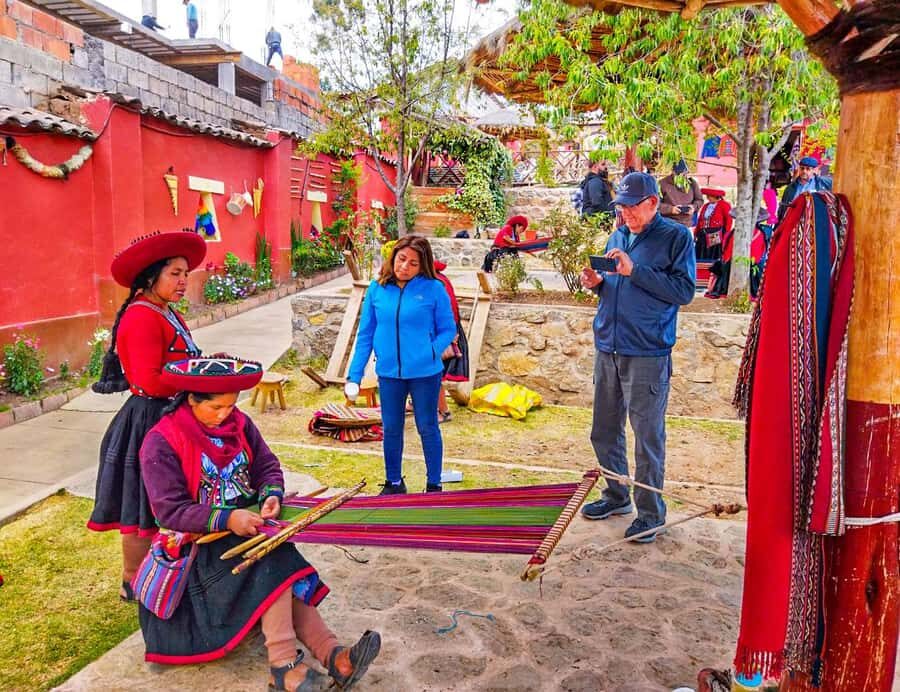
- Chinchero Weavers workshop: Quechua textiles and plant dyes
- Moray terraced fields at 11,318 feet: an Inca “testing station”
- Maras village: colonial stonework and a quick cultural pause
- Salineras Salt Mines: 3,000 active pools and real production
- Price and logistics: $15 is the start, not the whole number
- Altitude, sun, and what to bring for the day
- Guide quality and group pace: what makes this tour feel worth it
- Who should book this Cusco highlights route?
- Should you book it? My practical take
- FAQ
- What’s included in the tour price?
- Do I pay entrance fees separately?
- How long is the tour?
- Will the tour run in bad weather?
- What languages is the guide?
- Where do I get picked up and dropped off?
- What should I bring?
Key things to notice before you go
- Hotel pickup from Cusco means you start stress-free, and you’re back in town in time for lunch
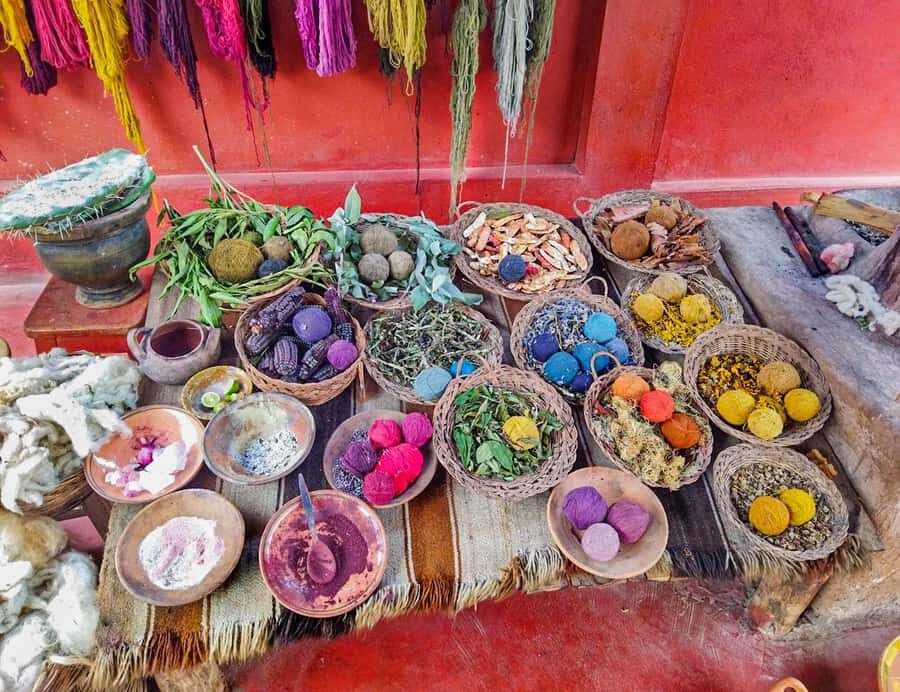
- Chinchero weaving workshop uses natural plants for dye—real craft, not just a demo
- Moray’s terraced irrigation system explains how the Inca tested crops at high altitude
- Maras Salt Mines with 3,000 pools are active and still producing salt
- Rain or shine operation keeps the schedule moving, so pack for weather you can’t control
- Money matters: Moray and Salt Mines entrance fees are extra, paid on-site
Cusco to the Sacred Valley: a smart “highlights” route
This is one of those Cusco tours that actually feels efficient. You don’t need a full day to get the Sacred Valley’s three headline experiences: Chinchero’s textile culture, Moray’s agricultural engineering, and Maras’ salt production.
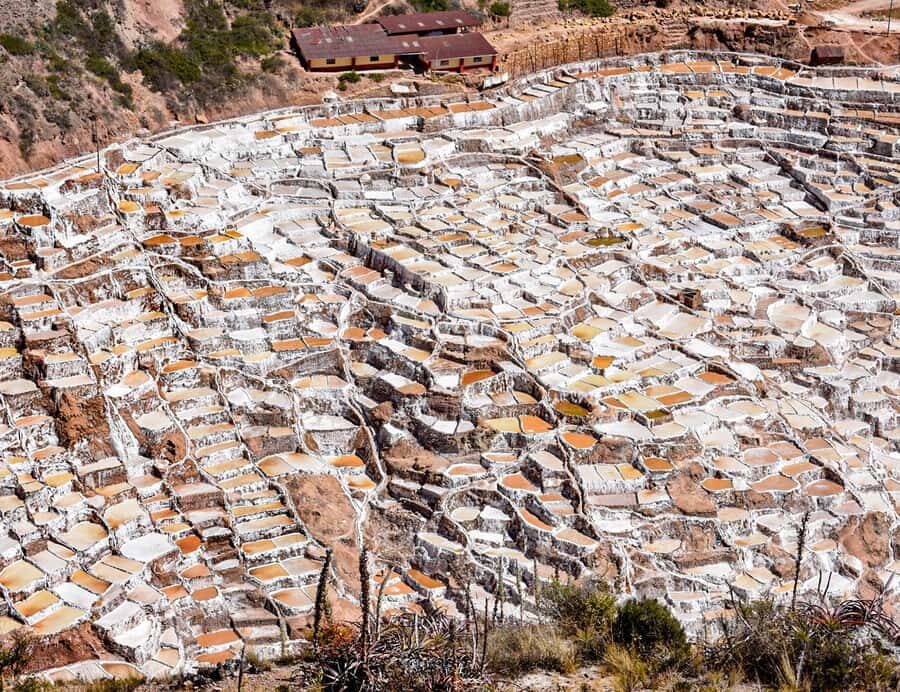
The route also gives you a built-in contrast. Chinchero is all about craft and color. Moray shows how the Incas thought about climate and farming. Maras is a working site—salt pools spread out like a grid you can almost count by eye.
If you like seeing several iconic places without spending the entire day in transit, this works. If you hate car time or sun walks, you’ll still enjoy it—but you’ll want to prepare.
You can also read our reviews of more tours and experiences in Cusco.



Picking up from your Cusco hotel (and not losing time)
You’ll be picked up from your hotel in Cusco, with multiple pickup options in the Centro Histórico area. If your pickup is outside the Centro Histórico, you’ll wait in your hotel lobby about 10 minutes before the scheduled time.
That sounds small, but it matters. Cusco is busy, and timing here is everything. A smooth pickup helps you arrive calm at the first stop instead of scrambling to catch the van.
You’re also not stuck for hours after the final site. The tour returns to the city with time for lunch on your own, and you’re dropped off at central locations like Plaza Regocijo or Centro Histórico.
Chinchero Weavers workshop: Quechua textiles and plant dyes
Chinchero sits at about 3,762 meters, so even your first stop comes with that crisp, higher-altitude air. The visit starts with a photo stop and then moves into the weaving workshop.
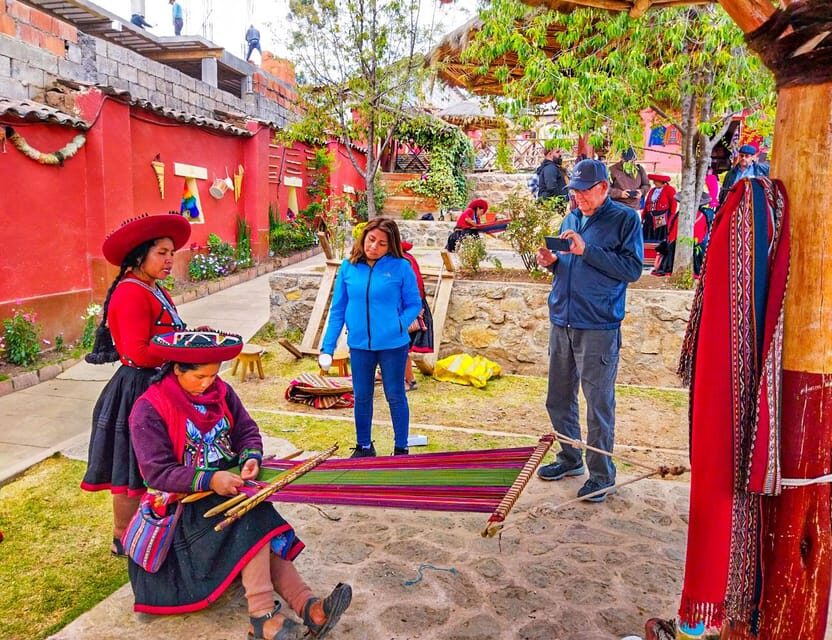
What makes Chinchero special on this route is the focus on how the tradition stays alive. You’ll learn how local artisans continue the Quechua weaving craft and how they use natural plants to extract colors for Andean textile art. That “color story” tends to be what most people remember, because it connects the final product to everyday natural materials.
You’ll also have time for shopping in the Chinchero area. This is where you can look for scarves, hats, and other handmade items you actually have a reason to value—because you just saw the dye and weaving process.
A small consideration: textile shops can move fast. If you want to browse slowly, bring patience and a clear budget. Also, keep some cash handy—handmade items are usually easiest to pay for on-site.
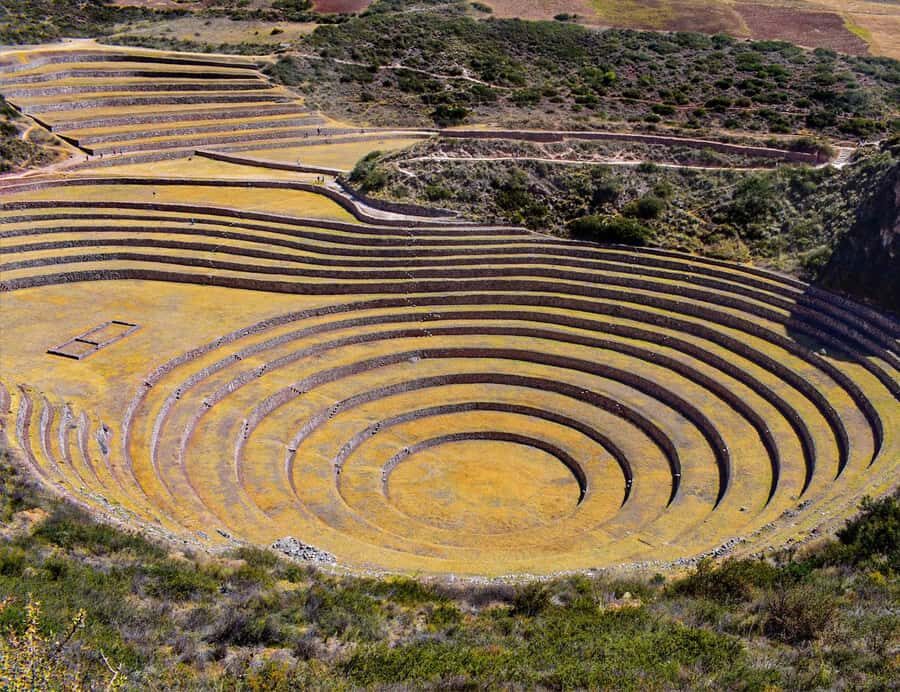
Moray terraced fields at 11,318 feet: an Inca “testing station”
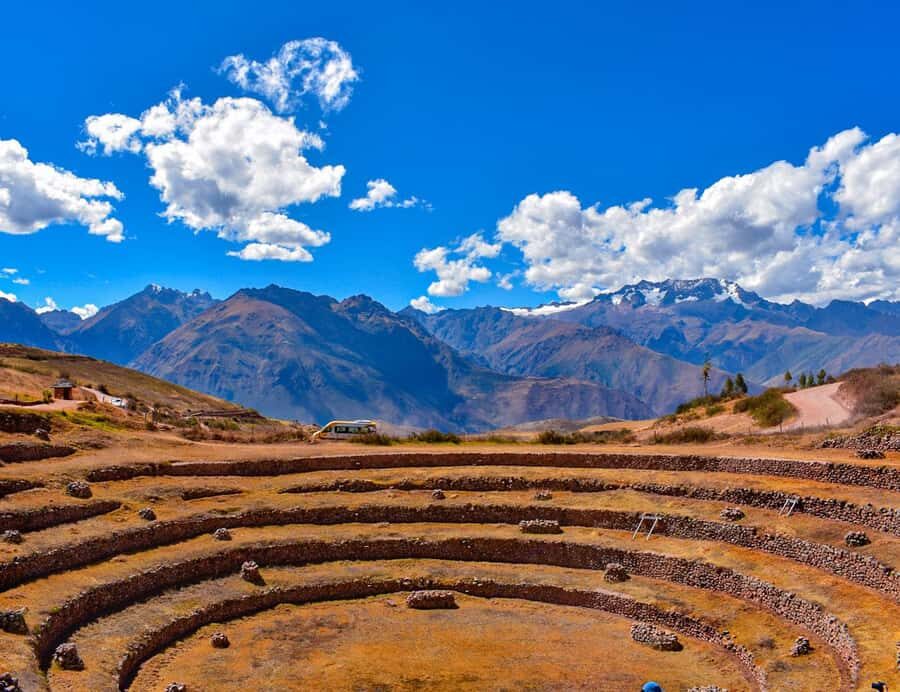
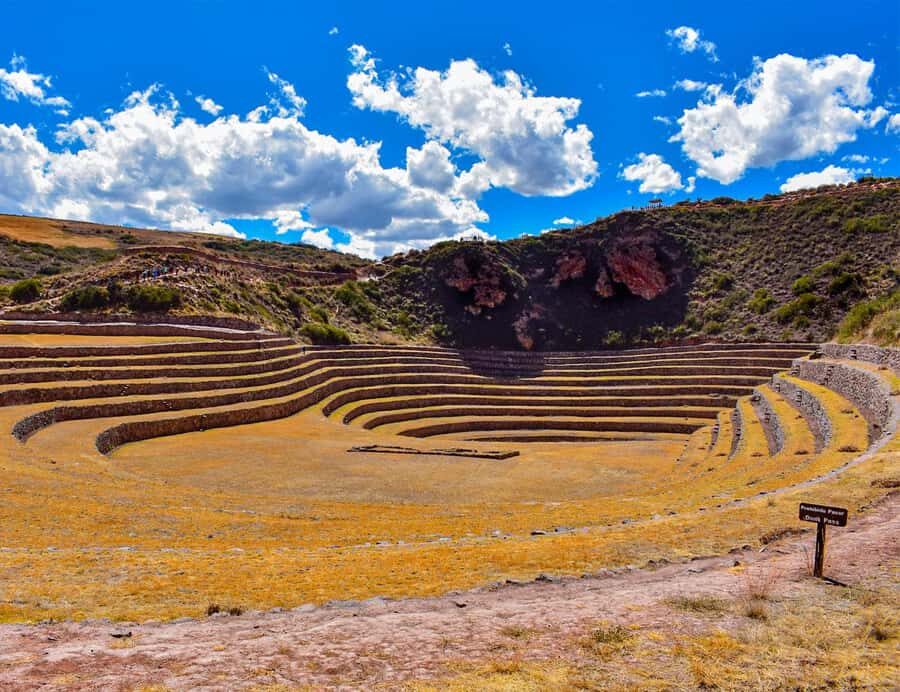
Next comes Moray, around 3,450 meters (about 11,318 feet). This is the stop where your brain starts doing geography and math at the same time. The terraced bowls and irrigation system look like a puzzle laid out for you to solve.
The guided tour and the walk (about 40 minutes) are your chance to understand what you’re seeing. Moray is famous for its ancient agricultural experimentation—terraces create different microclimates, letting crops thrive under varying conditions. Even if you don’t remember every explanation word-for-word, the physical design makes the idea click.
Moray can also be a heat problem. The terraces are open to the sun, and the air gets thin at altitude. Bring what you were told to bring—sun hat, sunscreen, comfortable shoes—and don’t plan on shade.
If you’re sensitive to altitude, take it slow during the climb from parking areas. This isn’t a long hike, but you will feel the altitude shift while you’re outside.
Maras village: colonial stonework and a quick cultural pause
After Moray, you head to Maras Village. This stop is shorter and more flexible, with time for photos and free time—plus shopping and another workshop moment (about 20 minutes of workshop time on the schedule).
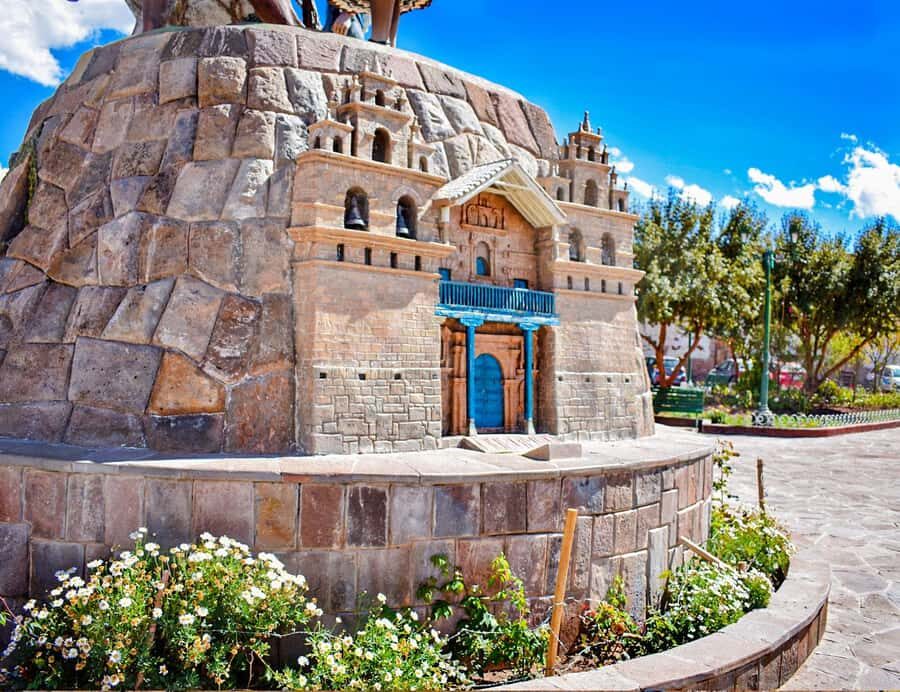
The key point here is the setting. Maras Village is described as having preserved colonial architecture and thin-stoned buildings. It’s a different vibe from the Inca-focused stops. You get a sense of how later periods shaped the region’s building style.
This is also a good mental reset. After Moray’s engineered terraces and open high-altitude conditions, Maras offers a more village-style pace.
One practical note: this part of the day mixes “look around” time with some shop time. If you want photos without constant errands, decide in advance what you want to see here, then move efficiently.




Salineras Salt Mines: 3,000 active pools and real production
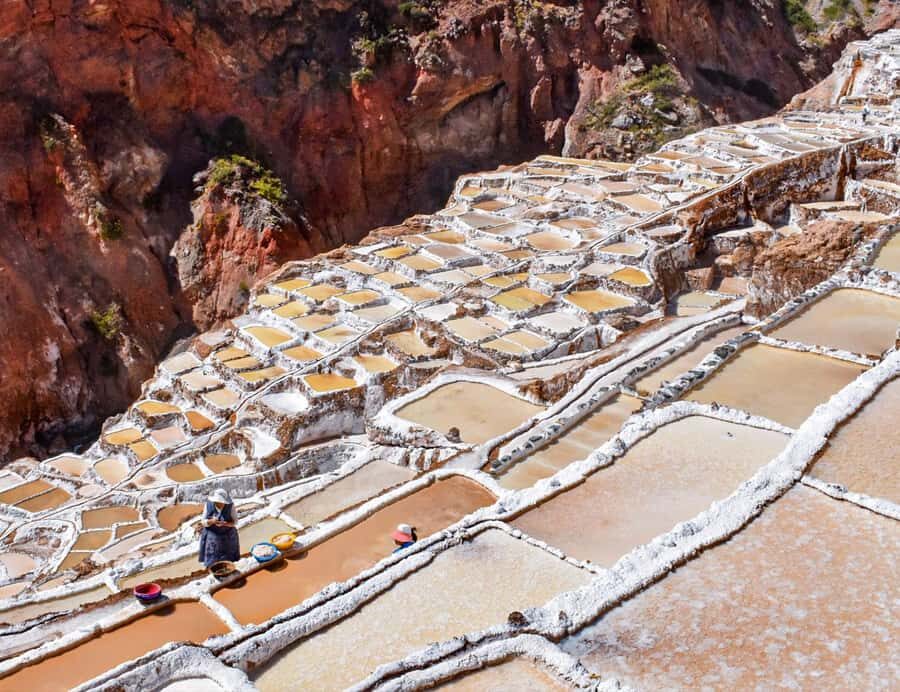
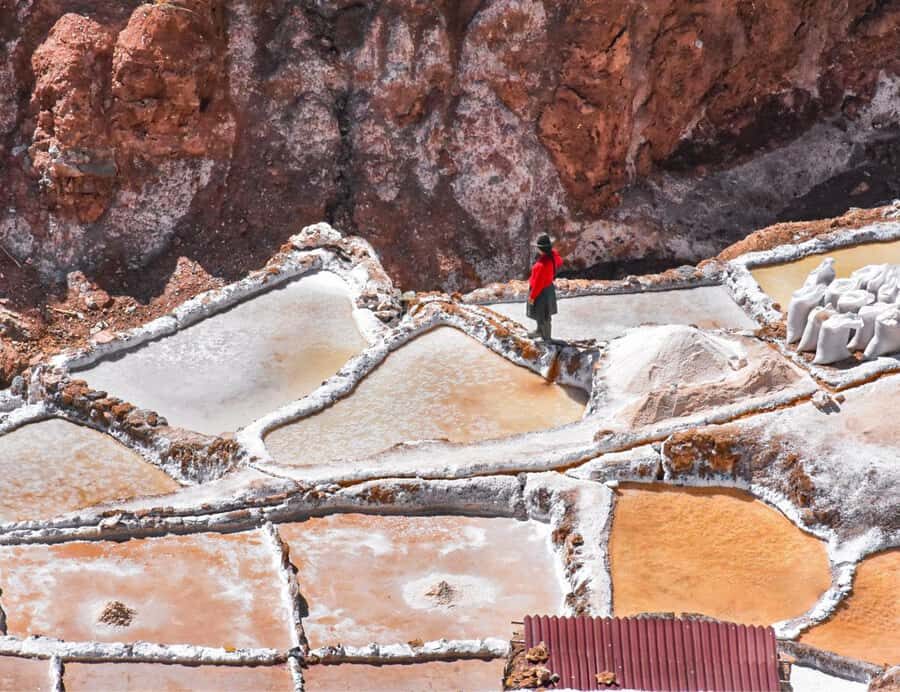
The highlight for many people is the Salineras salt mines, with roughly 3,000 small salt pools. This isn’t a museum display. It’s a historic site that continues to produce salt, and you can see the scale of production spread across the area.
You’ll get a photo stop, a guided tour, and a walk (around 40 minutes). That’s enough time to understand the process at a basic level and still move at a comfortable pace. The guide’s role matters here because the working system can look chaotic if you’re just looking with your eyes.
Also, this is where the “mountain views” pay off. You’ll be looking over a grid of pools backed by dramatic terrain. It’s one of those places where your camera will feel too small—so take breaks and just watch for a minute.
A comfort tip: the roads and paths can be narrow. One driver experience shared in the tour feedback praised careful navigation around the approach to the mines. If you’re prone to motion sickness, this is one of those days where taking it easy in the van helps.
Price and logistics: $15 is the start, not the whole number
The tour price is listed as about $15 per person. That’s strong value for a day that includes hotel pickup, transportation, and a bilingual guide.
But two entrance costs aren’t included:
- Moray entrance: 70 soles
- Salt Mines entrance: 20 soles
So your real day cost is closer to $15 plus site fees, depending on the current currency conversion and how you handle on-site payments. Still, even with those extras, you’re paying for guided time at three major stops plus pickup and transport.
One more logistics detail: hotel drop-off isn’t included. You’ll be returned to central drop-off points like Plaza Regocijo or Centro Histórico. Plan lunch around where you’ll land, not around a long ride back to the far edges.
Altitude, sun, and what to bring for the day
This tour takes place rain or shine, so it’s smart to plan for wet ground and unexpected sun. The good news is the walking segments are short: photo stops plus about 40 minutes of walking at Moray and about 40 minutes at the salt mines.
Bring:
- Sun hat and sunscreen (seriously)
- Comfortable shoes for uneven paths
- Camera
- Cash for entrances and shopping
- Passport
I also recommend adding a bottle of water to your day pack, especially because the day is described as hot for many visitors and outdoor sun time is real. Reapply sunscreen at least once if you’re out in the open for long stretches.
Altitude is the other factor. Chinchero and Moray are high—think 3,700 meters and up. Take your time. Breathe normally. Don’t treat every stop like a sprint.
Guide quality and group pace: what makes this tour feel worth it
This route tends to work when your guide is clear and relaxed. In the feedback for this tour, guides such as Felipe, Julio, Edi, Roy, and Rehider are repeatedly praised for friendly explanations and for answering questions without rushing you out the door.
That matters because each stop has a “story layer”:
- Chinchero is culture and craft you’ll want explained so you can buy with confidence.
- Moray is science-like explanation without needing a textbook.
- Maras salt is a process you’ll appreciate more with context.
The schedule also seems built to avoid the most annoying problem on Sacred Valley tours: feeling hurried. Stops like Moray and the salt mines have guided time, while Maras village includes free time and shopping without turning the whole day into a shopping march.
Who should book this Cusco highlights route?
This tour is a strong match if you:
- want a half-day to most-of-a-day format without a full trek day
- care about cultural meaning, not only photos
- like having a guide explain how things work (weaving dyes, terrace logic, salt production)
It can also be good for solo travelers because pickup + organized transport reduces navigation stress. You’re not stuck figuring out how to get between high-altitude sites and active working areas.
It’s less ideal if you:
- hate any outdoor walking in sun
- need long seated time with minimal stepping around
- can’t handle the altitude shifts between Cusco and high Sacred Valley sites
Should you book it? My practical take
If you’re trying to fit the best of the Sacred Valley into limited time, I think this one earns a booking slot. You get three iconic stops that connect: craft (Chinchero), farming experiments (Moray), and working production (Maras salt).
Just do the math on the extra entrances. Then pack for sun and altitude, not for a comfortable indoor museum day. If you show up ready—hat, sunscreen, good shoes, cash—you’ll spend the hours outside seeing things that look “too big” to understand until someone explains the pattern.
If that sounds like your kind of day in Peru, book it and keep lunch flexible around your central drop-off.
FAQ
What’s included in the tour price?
Pickup from your hotel, transportation, and a bilingual tour guide are included. A private tour option may be available if you select it.
Do I pay entrance fees separately?
Yes. Entrance to Moray is listed as 70 soles, and Salt Mines entrance is listed as 20 soles. These are not included in the tour price.
How long is the tour?
The duration is listed as 390 minutes.
Will the tour run in bad weather?
Yes. The tour takes place rain or shine.
What languages is the guide?
The guide is bilingual, with English and Spanish.
Where do I get picked up and dropped off?
Pickup options include locations in and around Centro Histórico, Cusco. Drop-off options include Plaza Regocijo and Centro Histórico.
What should I bring?
Bring your passport, sun hat, camera, sunscreen, comfortable shoes, and cash. The tour involves walks outdoors.