REVIEW · CUSCO
Cusco: City Tour | Half-Day Tour to 4 Archaeological Sites
Book on GetYourGuide →Operated by www.iziperu.com · Bookable on GetYourGuide
Cusco’s ruins feel close today. This half-day circuit is interesting because it strings together five major archaeological stops with a bilingual guide who helps you make sense of Inca and colonial layers. I like the hotel pickup and the fact you return to the city center with time for dinner. The main drawback: entrance costs for sites like Qoricancha and the required tourist ticket are not included, and you’ll need to plan for cash and tickets.
I also appreciate how this route is built for first-timers who don’t want to bounce around alone. You’ll get a clear story arc: ceremonial power at Qoricancha, defense at Sacsayhuamán, ritual at Qenqo, surveillance at Puca Pucara, and water worship at Tambomachay. Bring layers for the cooler end of the day, and you’ll be comfortable.
One more practical thought: timing can vary a bit depending on crowds and group flow. On the tour, the guide keeps things moving, but you should still leave your evening plans flexible.
In This Review
- Key highlights and what to notice
- The 4-hour Cusco circuit: what $29 really buys you
- Starting at the Imperial City: Cusco’s Inca-and-Spanish mix
- Qoricancha: Temple of the Sun meets Santo Domingo’s layers
- Sacsayhuamán: fortress walls built from 350-ton stone
- Qenqo amphitheater: ritual space and carved pathways
- Puca Pucara: a military surveillance and entry-control post
- Tambomachay: water worship and the eternal youth legend
- Timing, transport, and how the group day usually feels
- Tickets and cash: the one part you must plan
- Who will like this tour (and who should skip it)
- Small comfort and etiquette tips that help a lot
- Should you book this Cusco City Tour to 4 archaeological sites?
- FAQ
- What’s included in the Cusco City Tour?
- Is the entrance to Qoricancha included?
- Do I need a tourist ticket?
- Which archaeological sites are visited?
- How long is the tour?
- Is there a cathedral visit?
- What languages will the guide speak?
- Is free cancellation available?
Key highlights and what to notice
- Hotel pickup from Cusco Centro Historico saves you the hassle of figuring out meeting points
- A bilingual guide (English/Spanish) means the explanations should land for both language groups
- Qoricancha’s Temple of the Sun under Santo Domingo gives you instant Inca-versus-colonial contrast
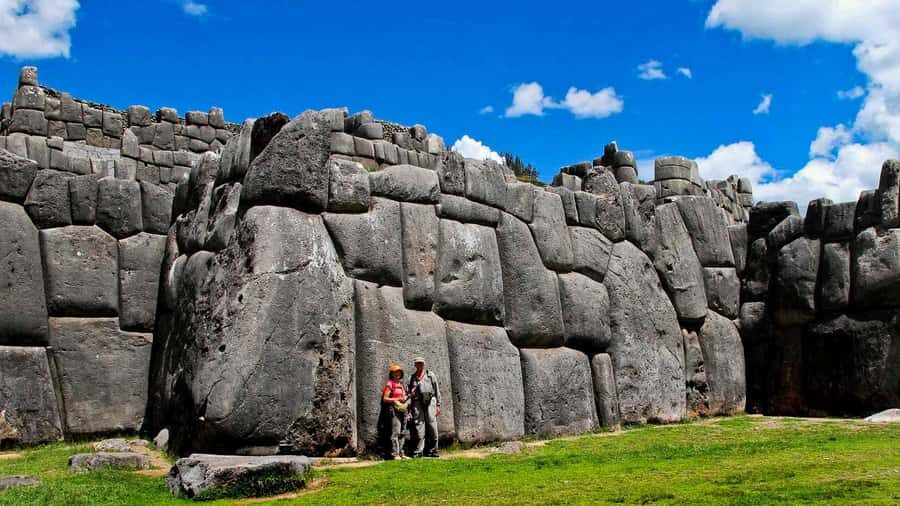
- Sacsayhuamán’s giant stones include blocks around 9 meters tall and over 350 tons
- Tambomachay ends the loop with water-worship ruins and, on later departures, an extra city-view moment
The 4-hour Cusco circuit: what $29 really buys you
For $29 per person, you’re paying for three things: transport, a bilingual guide, and a structured route through some of Cusco’s most visited archaeological areas. In a place where altitude and time matter, the value is that you don’t have to plan a route, line up, or guess the order of what you’re seeing.
Do note the title can be a little confusing. The itinerary describes four archaeological parks plus Qoricancha, and in practice you should expect five key sites in this half-day plan. That matters, because you get more variety than a simple “one fortress” outing.
The tour itself is designed to feel efficient: you start at the main square area, tour the sites in sequence, and then head back to Cusco Centro Historico for dinner. That rhythm is ideal when you’re only in town for a short stay.
You can also read our reviews of more city tours in Cusco
Starting at the Imperial City: Cusco’s Inca-and-Spanish mix
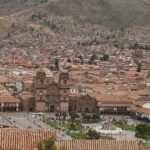
The tour begins with pickup from your hotel, then it connects to the main square of Cusco, which is a live example of Andean and Spanish-era architecture. This is a smart warm-up. You’re not jumping straight into ruins without context—you get a quick orientation to how layered Cusco really is.
From there, you’re ready for the first major stop: Qoricancha. The guide’s job here is crucial. Inca sites can look like “big stone structures” unless someone points out what mattered to people at the time.
Qoricancha: Temple of the Sun meets Santo Domingo’s layers
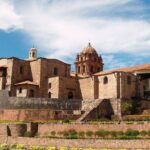
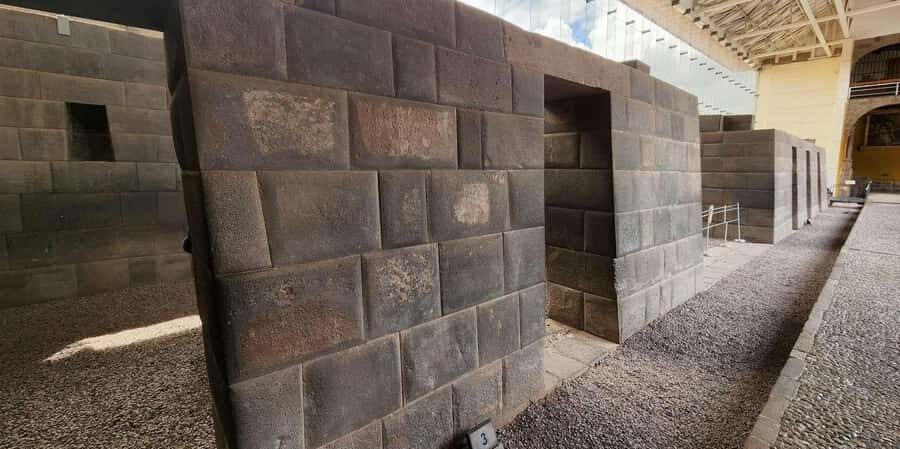
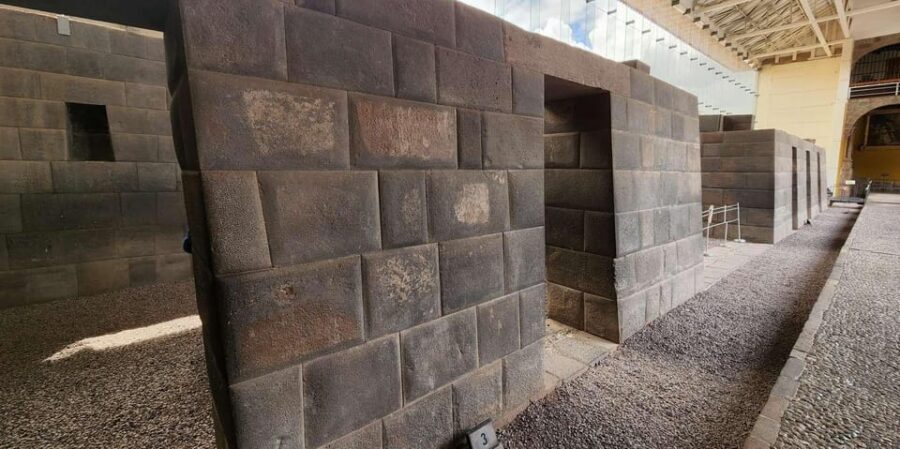
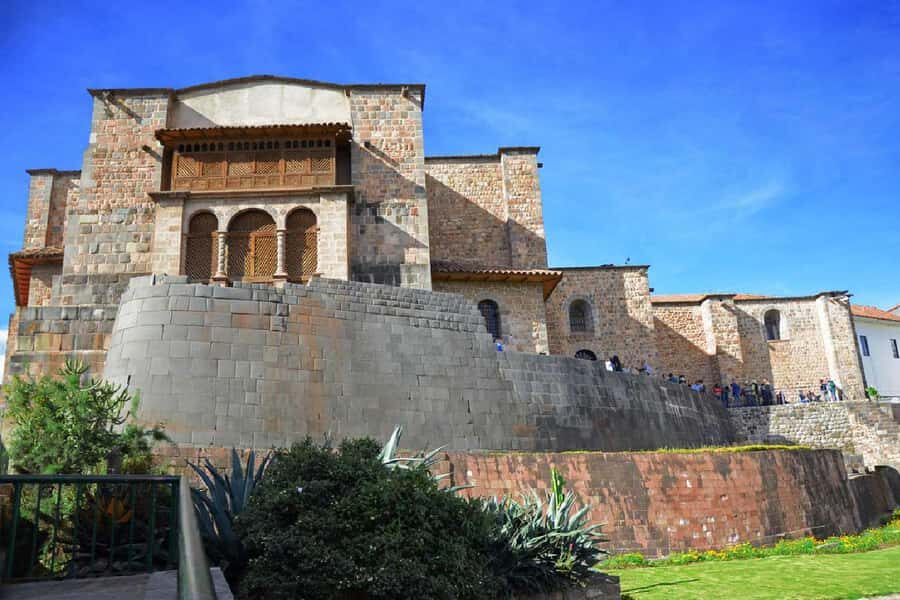
Qoricancha is described as the Temple of the Sun, and it was the most important temple in Inca times. What I like about this stop is the engineering vibe. The stonework is not random. It’s precise, built to last, and it helps you understand why the Incas were so respected as builders.
You’ll also notice the colonial overlay. Qoricancha is also known as the Temple of Santo Domingo, so you’re seeing how Spanish-era religion used (and reused) a powerful sacred space. Inside, the tour mentions paintings housed from the Cusquenian School, which adds another “layer” of art and meaning beyond the stones.
Practical catch: the entrance ticket to Qoricancha is not included (listed as 20 soles). You’ll want to budget for that in your day plan. If you don’t, you risk losing time at the exact moment you want to be focused.
Sacsayhuamán: fortress walls built from 350-ton stone
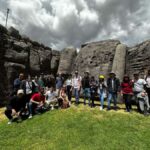
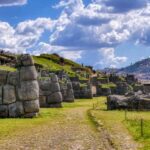
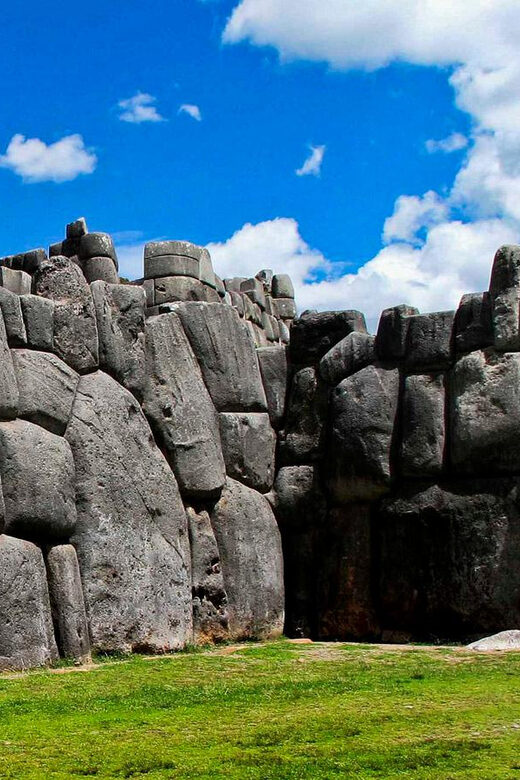
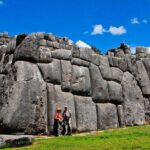
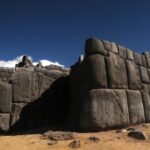
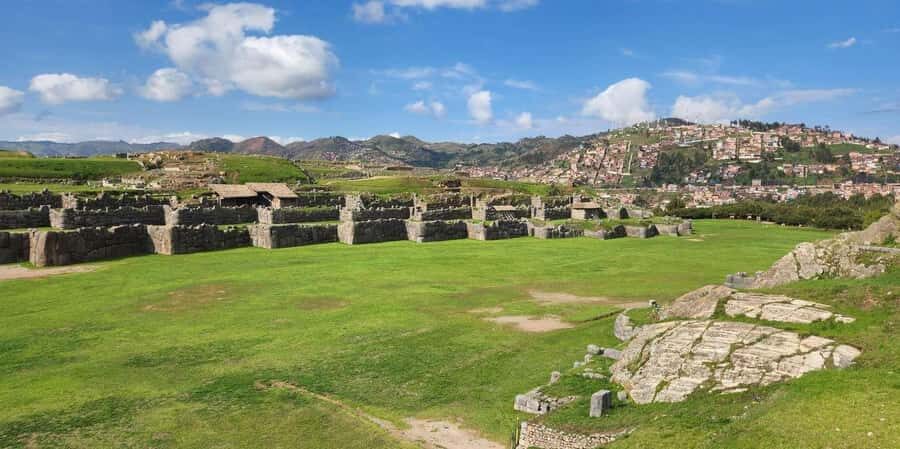
Next up is Sacsayhuamán, one of the most visually dramatic sites in the Cusco area. The tour framing is defense and scale. You’re looking at platforms and temples in a ceremonial fortress that’s famous for its rock-based construction.
Here’s the detail worth paying attention to: some stones are about 9 meters (30 feet) high and weigh more than 350 tons. Even if you’re not into engineering, the sheer mass forces you to slow down and think about logistics—how did they move and place blocks like that?
Sacsayhuamán also connects to the calendar. The tour notes that it’s associated with Inti Raymi, the Party of the Sun, celebrated every June 24. That gives the fortress a living-feelings angle, not just a “photo spot.”
The only note I’d add for your visit: it can get crowded since this is one of the most popular stops. A guide who explains while you walk helps you enjoy it rather than just stand in a line.
Qenqo amphitheater: ritual space and carved pathways
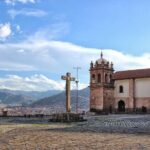
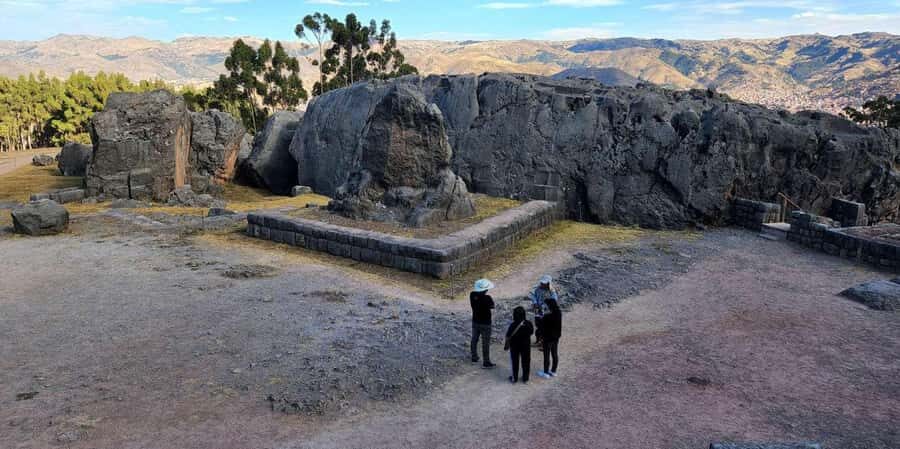
Then you head to Q’enqo, described as an amphitheater-like ceremonial and religious center in Inca times. The tour also explains that sacrifices used to take place there. That’s a heavy topic, so you’ll get the most out of this stop if your guide gives context on how Inca ritual connected to place and sky.
What makes Qenqo interesting is the physical feeling of movement. Rocky promontories and labyrinthine paths can make it feel like the site is guiding your attention. You’re not just looking outward. You’re navigating inward—through channels and carved features.
If you’re the type who likes to ask questions, this is a good time. The guide’s job is often easiest here: the site is confusing enough that thoughtful explanations help you find the logic.
You can also read our reviews of more tours and experiences in Cusco

Puca Pucara: a military surveillance and entry-control post
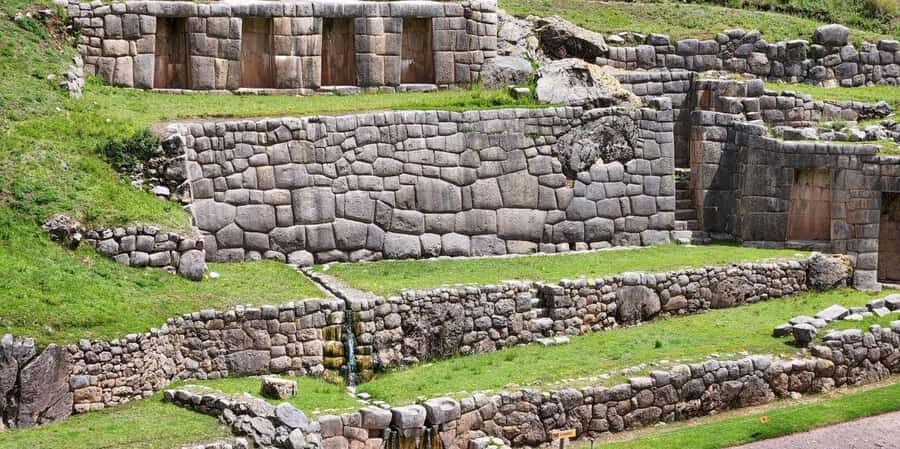
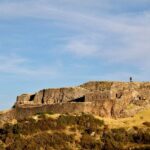
After Qenqo, the tour continues to Puca Pucara, described as a former Inca surveillance post and entry control to the capital. That background changes how you see the structures. You start asking different questions: where would they watch from, where would they control access, and how did this position fit into a wider defense plan?
This is also where the tour leans into “walls, terraces, and stone steps,” which is a good change of pace from the more fortress-like feel of Sacsayhuamán. Terracing and stepped access help you read the site as functional, not just monumental.
In terms of energy, Puca Pucara is usually a nice midpoint: you’ve seen something ceremonial, you’ve seen a massive fortress, and now you get the practical angle of managing movement into Cusco.
Tambomachay: water worship and the eternal youth legend
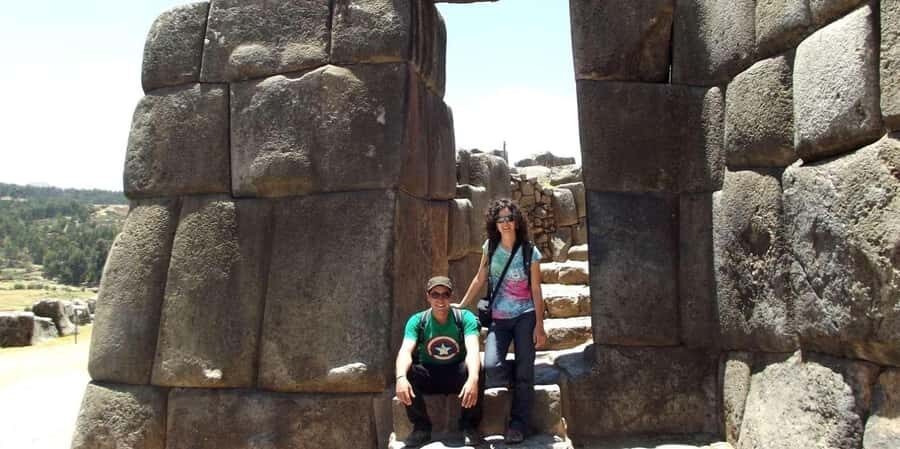
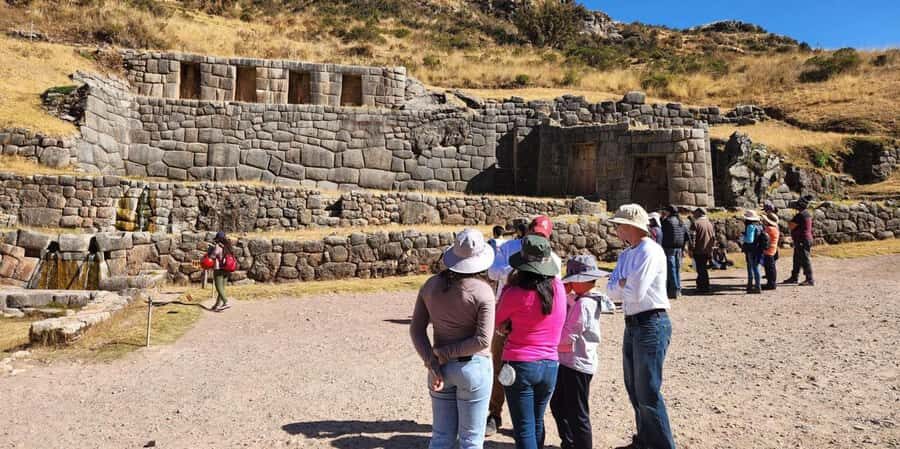
Finally, the route reaches Tambomachay, described as a water temple where the worship of water took place. The tour adds a leisure element to the story, which is interesting because it suggests ritual wasn’t only about serious ceremony. It was also part of everyday sacred experience.
Tambomachay is also known as the place of the waters of eternal youth. You don’t have to take legends literally to enjoy the emotional point. It tells you what water meant to people here: life, renewal, and continuity.
One practical note: because it’s the last stop, the light can be different depending on your departure time. Some guides manage the pacing so you can still enjoy the views as you head back toward Cusco. If you’re doing a later slot, you might be in for that extra “look back over the city” moment the day often creates.
Timing, transport, and how the group day usually feels
The official duration is 4 hours, but real-world tours can run a little long or adjust due to crowds. That’s not a dealbreaker, but it is something to plan around. I’d avoid locking in something tight right after the tour.
Transport is included, and the route usually involves short movements between sites rather than long hikes. That’s a big plus in Cusco, where walking can feel harder than it does at sea level.
Also, the tour notes an express security check experience. It’s the kind of small operational detail that saves minutes. Minutes matter when you want to enjoy the actual places, not just the waiting.
Tickets and cash: the one part you must plan
Here’s where you can easily lose time if you assume everything is included. The tour specifically lists:
- Qoricancha entrance ticket: 20 soles (not included)
- A tourist ticket for sites, listed as S/70 to 120, or you can show a ticket you already purchased with another tour
In practice, that means you should have a plan the day before. If you’re buying a tourist ticket through an office, do it early and keep proof with you. If you already bought it for another activity, bring whatever receipt or card evidence you have so the guide can help you use it.
The tour also lists an optional visit: the Cathedral of Cusco. If you want that add-on, ask early so you don’t end up making a decision when everyone is already moving.
Who will like this tour (and who should skip it)
This is a strong pick if:
- You’re on a tight schedule and want multiple sites in one half-day
- You prefer structure over figuring out transport and entrances
- You want a bilingual guide for explanations in English and Spanish
It’s less ideal if:
- You hate crowds and want long, quiet time at each site
- You’re the type who needs everything spelled out precisely, with uncertainty clearly labeled. Some guides are confident and others are more cautious, and you’ll feel that difference depending on who leads your group.
- You want a super flexible itinerary. This route is planned. The best-case scenario is small adjustments for weather, not a full rewrite.
From the guide names that show up on this route, you might meet people like Luis, Maribel, Jonathan, Joel, Yenny, or Louie/Louis. The common thread is that the guide is doing real explanation work while also managing a group in two languages.
Small comfort and etiquette tips that help a lot
If you want this day to feel smooth, here are the practical things I’d do:
- Bring layers. The tour can end in cooler conditions, and it’s common to feel that chill near the last stops.
- If you don’t want photos taken, you can politely say so. Some guides can take lots of pictures during the walk-and-talk moments.
- If you’re in a bilingual group, ask your question when it’s your language’s turn to be addressed. The tour format can mean Spanish and English get handled in separate passes.
- Keep an eye on your priorities. One review noted “side-hustling” can be a bit too present, so decide what you’re okay with before the day starts.
Should you book this Cusco City Tour to 4 archaeological sites?
I’d book it if you want a fast, logical Cusco orientation with major ruins you’ll recognize. It’s a good first-day activity, especially if you’re trying to build context before you spend more time on your own.
I’d think twice if you’re already set on a self-guided day and you’re confident handling entrances and tickets without help. Also, if you strongly dislike crowds, this route is built around the places most people visit.
My recommendation: book it for the structure, the guide explanations, and the value of getting several sites connected in one half-day. Just budget for the Qoricancha ticket and the tourist ticket, and give yourself a little breathing room for timing. Then you’ll walk away with a clearer sense of how Cusco’s Inca power, colonial layers, and sacred spaces fit together.
FAQ
What’s included in the Cusco City Tour?
Pickup from your hotel in Cusco Centro Historico, tourist transport, and a bilingual guide (English and Spanish) are included.
Is the entrance to Qoricancha included?
No. The entrance ticket to Qoricancha is listed as 20 soles and is not included.
Do I need a tourist ticket?
Yes. The tour lists a tourist ticket of S/70 to 120, or you can show a ticket you already purchased with another tour.
Which archaeological sites are visited?
The route includes Qoricancha (Temple of Santo Domingo / Temple of the Sun), Sacsayhuamán, Q’enqo, Puca Pucara, and Tambomachay.
How long is the tour?
The duration is listed as 4 hours.
Is there a cathedral visit?
Cathedral of Cusco is listed as optional, not included automatically.
What languages will the guide speak?
The guide is bilingual, speaking English and Spanish.
Is free cancellation available?
The tour offers free cancellation up to 24 hours in advance for a full refund.