REVIEW · CUSCO
Cusco: Half-Day City Tour with Sacsayhuaman and Qenqo
Book on Viator →Operated by Machupicchu Adventour · Bookable on Viator
Cusco in one tight half day. This tour strings together several major Inca sights around town, starting at Qorikancha and rolling outward to carved-rock worship sites, red-fortress views, and water shrines.
Two things I like a lot: you get a fast, structured intro to the area’s Inca-era power (with stops that feel different from each other), and the guides can make the history click. I’ve seen groups led by folks like Luis or Victor, and it shows in how smoothly they keep moving.
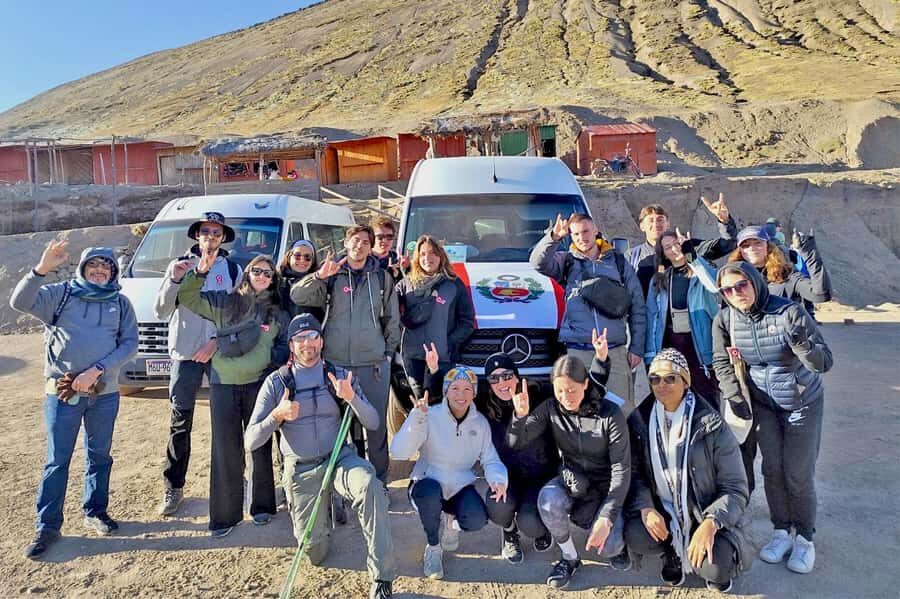
You’ll also appreciate the practical setup: hotel pickup in the Plaza de Armas area and round-trip transport, with a small group cap of 18. In a city where timing matters, that comfort is part of the value.
One drawback to weigh: the schedule is packed, and the bilingual format can lead to the same story twice—plus some time can be spent on the alpaca sanctuary stop (which may feel more commercial if that’s not your style). If you like long wandering pauses, you might feel rushed.
In This Review
- Key Highlights Worth Your Time
- Why This Cusco Circuit Works for First Timers
- Price and What You Still Need to Pay: Qorikancha and the Park Ticket
- Starting at Plaza de Armas: Pickup, Timing, and Staying With the Group
- Stop 1: Qorikancha Sun Temple and the Sun-Moon-Stars Focus
- Stop 2: Sacsayhuamán’s Precision Blocks and Overlapping Terraces
- Stop 3: Q’enqo’s Zigzag Channels and Rock Niches
- Stop 4: Puka Pukara Red Fortress Views With Military Clues
- Stop 5: Tambomachay Water Worship and the Alpaca Sanctuary Stop
- Bilingual Tours: What You Might Hear Twice
- Getting the Most Out of 5–6 Hours (Without Burning Out)
- Who Should Book This Tour
- Should You Book This Cusco Half-Day Tour?
- FAQ
- How long is the Cusco half-day city tour?
- Where does the tour pick up and drop off?
- What’s included in the price?
- Which stops are included?
- Are entrance fees included?
- What is the maximum group size?
- What languages will the guide use?
- What if the weather is bad?
- Is the tour suitable for most travelers?
Key Highlights Worth Your Time
- Plaza de Armas pickup plus a compact 5–6 hour route that keeps you from spending your day figuring out logistics
- Qorikancha’s sun, moon, and star temples built on small, original stone foundations
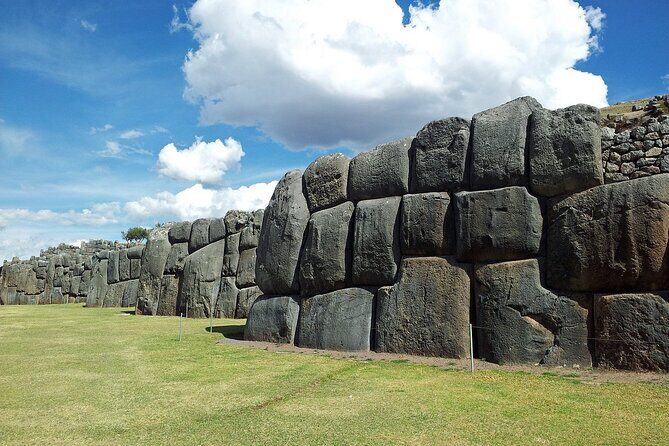
- Sacsayhuamán’s massive carved blocks and its three overlapping platforms over Cusco
- Q’enqo’s zigzag channels and rock-cut niches that still look purposeful and intentional
- Puka Pukara’s red fortress look from iron-rich rocks, with panoramic viewpoints
- A community alpaca/lama farm stop featuring wool-fiber education tied to Wallarcocha
Why This Cusco Circuit Works for First Timers
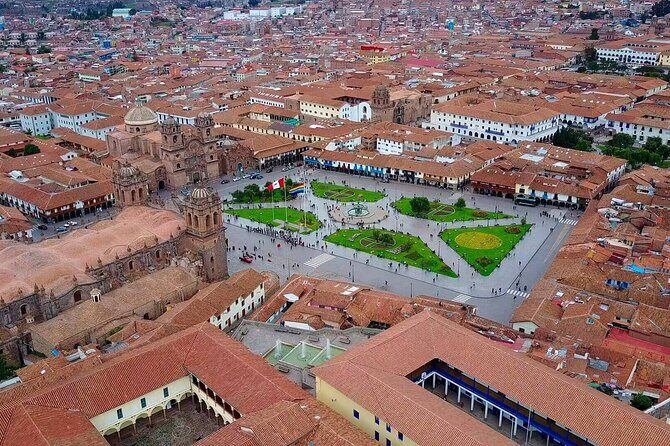
If you’re in Cusco for a short stay, this kind of half-day tour is a smart way to get your bearings fast. You hit the city’s most famous Inca landmarks in a single loop, so you’re not bouncing between far-apart sites on your own.
The other win is variety. Qorikancha is about ritual space and stone foundations; Sacsayhuamán is about engineering and scale; Q’enqo and Puka Pukara shift into rock-carving and defensive viewpoints; and Tambomachay brings the focus back to water worship. That mix helps you understand how the Incas used the Cusco region, not just where the ruins are.
You can also read our reviews of more city tours in Cusco
Price and What You Still Need to Pay: Qorikancha and the Park Ticket
The headline price is $15 per person, which is why this tour pulls people in fast. But entrance fees aren’t included, so you should budget for them or you’ll feel surprised when you arrive.
Here’s what you can expect based on the provided pricing:
- Qorikancha entrance is S/20 soles.
- The archaeological parks along the rest of the circuit use a partial ticket I for S/70 soles, described as covering 4 parks including Sacsayhuamán, Q’enqo, and Puka Pukara, and another site that appears on this route (your itinerary also includes Tambomachay).
So the realistic value math is: cheap guide + transport, then add entry costs on top. If you were going to pay for a guided visit anyway, the ticket costs still stack up—but the big advantage here is that you’re not paying separately for transportation between multiple sites.
Starting at Plaza de Armas: Pickup, Timing, and Staying With the Group
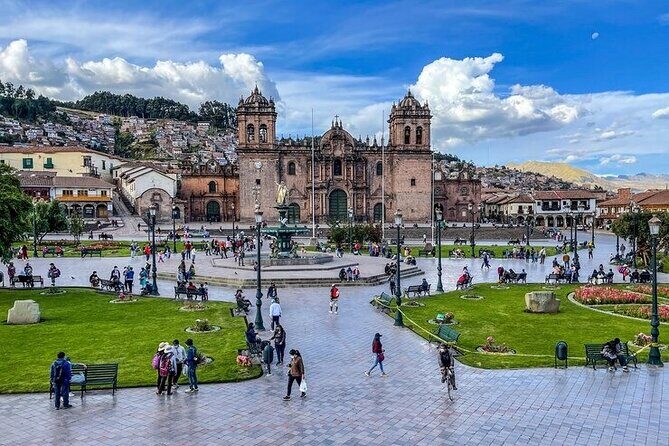
The tour starts at Plaza de Armas (Cusco) and uses hotel pickup in the center of town. That matters because Cusco’s center is where most visitors are staying, and you avoid the hassle of meeting somewhere awkward on the edge of town.
The meeting point is also one of the reasons I suggest arriving early. Even with a small group limit of 18, Plaza de Armas can feel busy with multiple operators gathering vans at once. Do the simple things: have your booking info ready, and double-check you’re with the right tour name and guide when the group forms.
Transport is round-trip, and people have mentioned a comfortable bus with seatbelts. In practice, that can be the difference between enjoying the day and arriving at ruins already tired.
Stop 1: Qorikancha Sun Temple and the Sun-Moon-Stars Focus
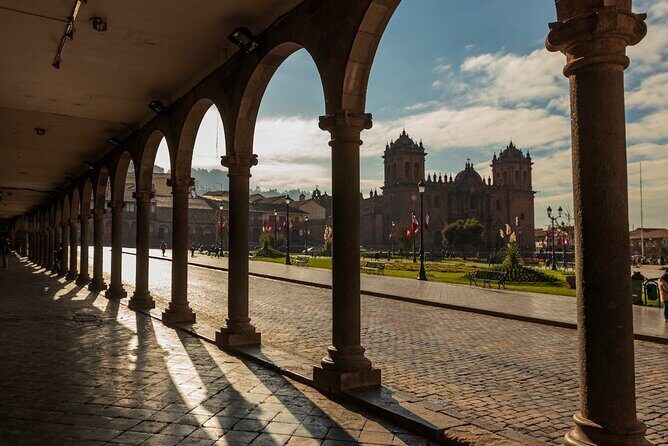
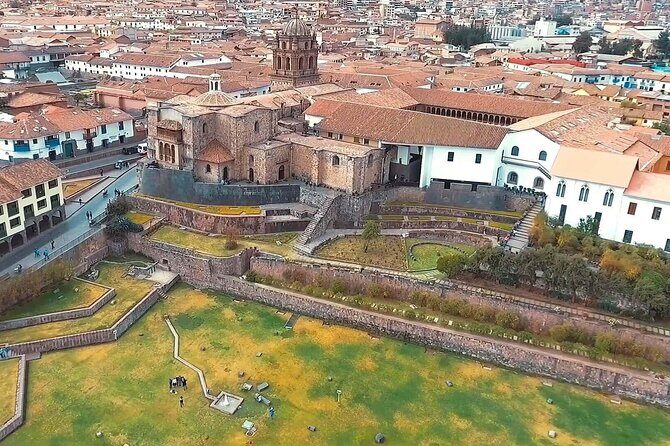
Your first stop is Qorikancha. Inside, you’ll see small temples dedicated to the sun, the moon, and the stars, built on original stone foundations. Outside, there are gardens and fountains in the grounds of the sun temple.
This is a good opening stop because it connects the dots fast: it’s not just ruins for pictures, it’s a story about how sacred space was organized. Even if you’re not an archaeology nerd, the idea of dedicated areas for celestial bodies is clear.
The potential downside is pacing. One theme I’d plan around is that Qorikancha can feel talk-heavy once you’re inside. If you prefer to take in places at your own speed, you may want to keep an eye on how long the guide stays in detailed explanation before moving you back out.
Stop 2: Sacsayhuamán’s Precision Blocks and Overlapping Terraces
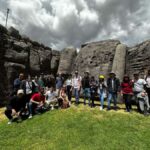
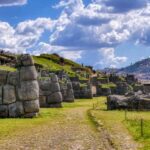
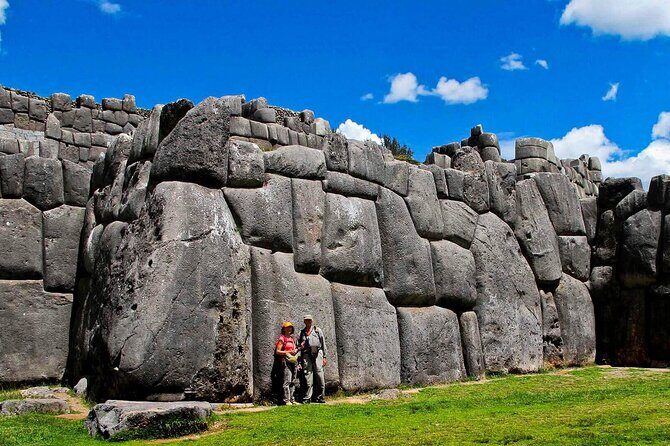
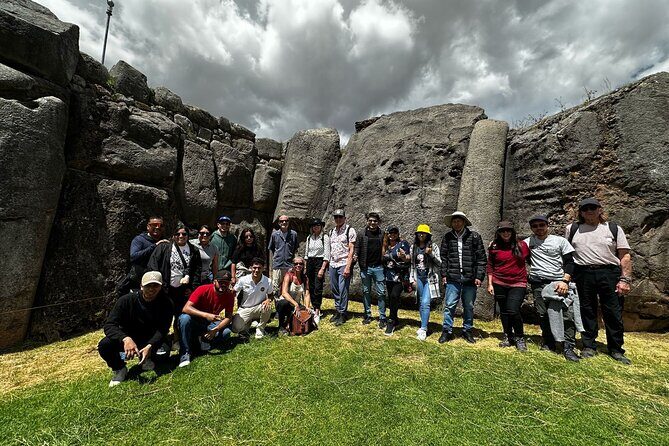
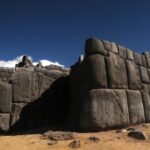
Next comes Sacsayhuamán, where you’ll see huge carved rocks and how precisely the blocks were cut and placed. It’s known for three overlapping platforms overlooking Cusco, plus surrounding mountain views.
What I like about starting here is that it answers a common question people have in Cusco: how did they build this kind of precision without modern tools? The scale hits you quickly, and the stonework does most of the persuasion for you.
The tour also includes a cultural note tied to Inti Raymi: during that time, locals offer to Mother Earth using Sacred coca leaves. If your dates line up with that season, you might see a small ritual moment rather than only architecture.
The drawback to consider is time. Sacsayhuamán is allocated about 2 hours, and that can be plenty if you enjoy the full guided narrative. If you’d rather roam the upper terraces longer, you could feel like you’re getting only a partial taste.
You can also read our reviews of more tours and experiences in Cusco

Stop 3: Q’enqo’s Zigzag Channels and Rock Niches
Q’enqo is a center of Inca ceremonial worship, carved directly in rock. At the top, you’ll spot zigzag channels, and inside there are small trapezoidal niches.
This stop tends to be more visually “active” than it sounds on paper. The zigzag channels and niche shapes make you look twice because they feel engineered, not random. If you like ruins that spark questions, Q’enqo usually does that job.
One practical caution: the time here is about 1 hour. If you want a longer look at rock-cut details, you may wish you had extra minutes for slow wandering after the explanation.
Stop 4: Puka Pukara Red Fortress Views With Military Clues
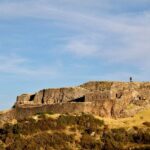
Then you’ll head to Puka Pukara, a site described as a military control center used by the Incas. You’ll get a panoramic view while you’re there, and the rocks appear red because of a large amount of iron in the stone.
The phrase military control can sound abstract, but the panoramic viewpoint helps it make sense. You’re looking out over the area, which makes the function easier to grasp even without a long lecture.
You’ll typically spend about 50 minutes here. That’s enough time for the key photo points and the main explanation, but if you’re the type who loves slow view-sitting, you’ll probably want to come back later or add extra free time another day.
Stop 5: Tambomachay Water Worship and the Alpaca Sanctuary Stop
After Puka Pukara, the route includes Tambomachay. Here you’ll see aqueducts and water sources coming from nearby springs, and the site is tied to worship and water worship.
Water sites in Cusco help balance out the “stone and altitude” feel of many ruins. It’s a reminder that sacred geography wasn’t only about temples and walls—it was also about water management and sacred use of natural sources.
You’re allotted about 35 minutes for Tambomachay, so this is a short stop by design. If you enjoy the storytelling around water, you might wish this were longer, but it works within the tour’s half-day structure.
The final stop on this tour is the 6 Manos De La Comunidad Alpaca Sanctuary, a community alpaca and llama farm stop tied to Wallarcocha. You’ll visit the farm and get an exhibition on recognizing baby alpaca wool fiber and vicuña wool, described as the finest wool in the world, connected to that community.
This part can be a win if you want something beyond archaeology. It gives you a different lens on local knowledge and how camelid products are understood. It can also feel less purely “ruins-focused,” so if your heart is only on stones and carvings, keep your expectations aligned with a mixed cultural stop.
Bilingual Tours: What You Might Hear Twice
The guide is listed as operating in English or Spanish. In real life, bilingual delivery can mean you hear the same core facts more than once if your group includes multiple languages.
That’s exactly the tradeoff you should plan for. If you hate repetition, aim for the language option you prefer (when offered). If you don’t mind it and want the extra chance to catch details, the bilingual format can actually help you follow along even if your language skills are still growing.
Also, remember that the goal here isn’t slow museum-style learning. The goal is to cover multiple sites in one half day, which tends to create a rhythm: explanation, quick look, move on.
Getting the Most Out of 5–6 Hours (Without Burning Out)
This tour can be a great choice because it compresses a lot into 5 to 6 hours, with several short timed stops. That compression is also what creates the biggest “feel” issue: your freedom time can be brief after the guide talk.
Here’s how to make it work for you:
- Budget for quick site viewing. Each stop moves on a timer, so you’ll get the highlights, not a deep, slow dig.
- Bring your focus to details. When you’re at places like Q’enqo’s zigzag channels or Sacsayhuamán’s block-cutting, try to pick one thing to notice rather than absorbing everything at once.
- Don’t get stuck with the crowd. If you want photos, look for angles that show structure first, scenery second.
- Know the entrance-fee reality. The visit includes major sites, but you’ll still pay entry separately for Qorikancha and the park ticket option for the rest.
The vibe is often positive and energetic, and the small cap of 18 keeps it from feeling like a cattle call. Still, you should go in expecting movement.
Who Should Book This Tour
This is a strong fit for you if:
- you’re short on time and want a guided orientation around Cusco’s key Inca sites
- you like structured explanations even if they come fast
- you want transport sorted, so you’re not figuring out routes between sites
It may not be the best fit if:
- you hate repetition and want only one language
- you want lots of free wandering at each ruin
- you’re strongly against any community or product-related stop, since the alpaca sanctuary portion includes an education exhibition and you may spend time around that environment rather than pure archaeology
Should You Book This Cusco Half-Day Tour?
I’d book this if you want a practical, guided sampler of Cusco’s Inca highlights, especially at the $15 price point where transport and a guide are included. The entrance fees are extra, but the route is efficient and the stops are varied enough to feel worth your time.
If you’re the kind of traveler who wants to linger, read every stone like a detective, and move at your own pace, then you might be happier doing fewer sites per day and extending your time on the ruins. But if half-day efficiency is your priority, this tour gives you a clear Cusco overview without requiring you to build a plan from scratch.
FAQ
How long is the Cusco half-day city tour?
It runs about 5 to 6 hours.
Where does the tour pick up and drop off?
Pickup is from the center of Cusco near Plaza de Armas, and the tour ends at Calle Plateros.
What’s included in the price?
Hotel pickup and drop-off in the Plaza de Armas area, a guide in English or Spanish, and round-trip transportation.
Which stops are included?
The tour includes Qorikancha, Sacsayhuamán, Q’enqo, Puka Pukara, Tambomachay, and a visit to the 6 Manos De La Comunidad Alpaca Sanctuary.
Are entrance fees included?
No. Qorikancha entrance is listed as S/20 soles, and a partial ticket I (S/70 soles) covers entry for multiple parks along the route.
What is the maximum group size?
The tour has a maximum of 18 travelers.
What languages will the guide use?
The guide works in English or Spanish.
What if the weather is bad?
The experience requires good weather. If it’s canceled due to poor weather, you’ll be offered a different date or a full refund.
Is the tour suitable for most travelers?
The tour states that most travelers can participate.