REVIEW · CUSCO
Cusco: Half-Day City Tour
Book on GetYourGuide →Operated by Peru Andes Top · Bookable on GetYourGuide
Cusco can feel like a sprint. This half-day tour is a smart way to see Inca engineering up close and understand what the stones were built to do, with Qenqo and Sacsayhuamán leading the way. I also like that you get a bilingual guide and a real run of highlights without spending your whole day in transit. One thing to plan for: you’ll pay extra for the Cathedral and Coricancha if you’re on an afternoon departure, and there may be a quick textile stop that’s not everyone’s favorite.
You’re picked up from the historic center, then whisked by van to the major sites around town. The pace is active but doable, as long as you wear good shoes and bring water. If you’re short on time but want a solid start in Cusco, this tour hits that sweet spot.
In This Review
- Key things that make this Cusco tour worth your time
- The big picture: what this 6-hour tour actually delivers
- Getting picked up in Cusco’s historic center (and why it matters)
- Qenqo: a rock-formed temple and the start of the story
- Puca Pucara: military ruins, guard posts, and a different side of the Incas
- Tambomachay: water-shaped stones and possible purification rituals
- Sacsayhuamán: the limestone blocks and the solar shrine theory
- Coricancha and the Cathedral: the afternoon add-on that changes the tone
- Coricancha: perfect stone temple of the Inca Empire
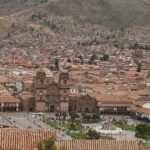
- Cusco Cathedral: built in 1560
- Price and value: how $17 can become more once fees hit
- What the guides add: stories, energy, and a calmer pace
- Logistics, walking, and what to bring (so your day stays pleasant)
- A word about the extra stop: textile shops and time management
- Who this tour fits best (and who should choose something else)
- Should you book Cusco: Half-Day City Tour?
- FAQ
- How long is the Cusco half-day city tour?
- Where is pickup located?
- What does the tour include?
- What is not included in the price?
- Which sites are visited on morning tours?
- Are the Basilica Cathedral and Coricancha included on every departure?
- Do I need to bring anything?
- Are video recordings allowed?
- Are pets allowed?
- Can I cancel and get a refund?
Key things that make this Cusco tour worth your time
- Four Inca-era stops in the morning: Qenqo, Puca Pucara, Tambomachay, and Sacsayhuamán, with guided time at each
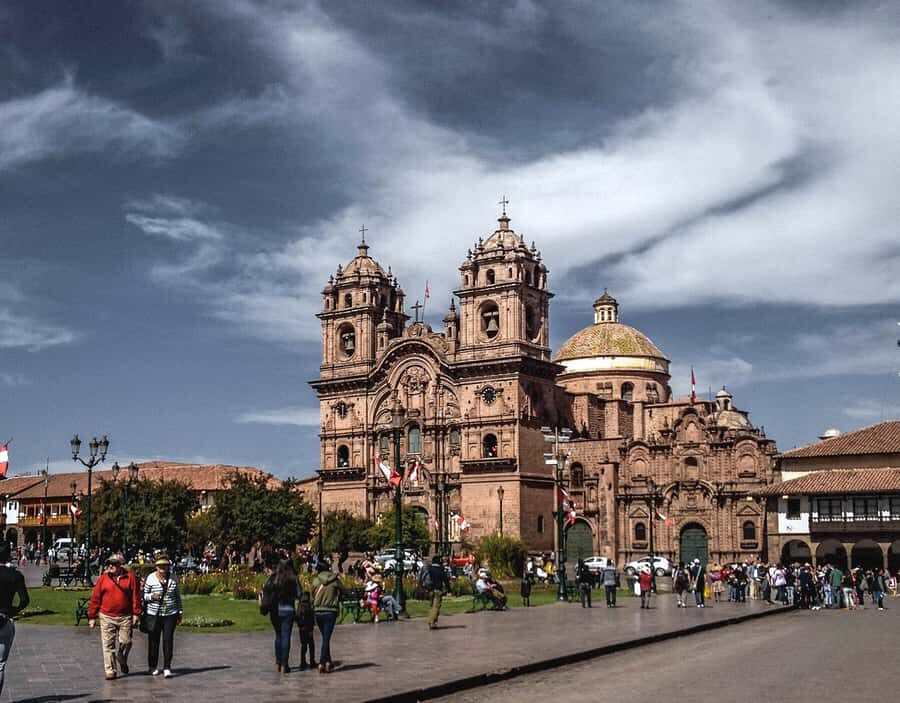
- Optional big finale in the afternoon: Cusco Cathedral (built in 1560) and Coricancha, one of the Inca Empire’s most important temples
- Engineering explanations, not just sightseeing: you’ll hear how stone construction was meant to protect and serve ceremonial purposes
- Small, efficient feel: it’s organized to keep you moving, and the guide is there to make transitions easy
- Good value for $17: transport and a bilingual guide are included, while you only pay the site fees that aren’t covered
- Real-world pacing: you’ll get around via van and do short guided walks at each complex, so you’re not stuck in a long, slow crawl
The big picture: what this 6-hour tour actually delivers
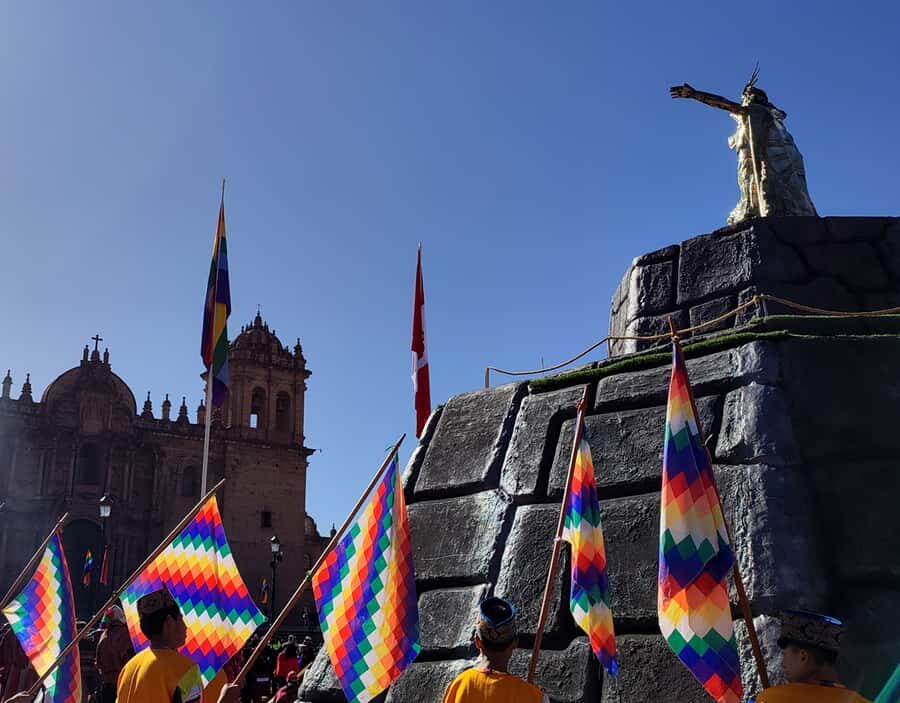
This is a structured Cusco intro wrapped in a half-day schedule. You start in the Centro Histórico area, then spend the day working your way through major archaeological complexes and ceremonial sites outside (and around) the city.
The payoff is how much meaning you can fit into a few hours. Instead of only looking at stone walls, you get the story behind the layout: ceremonial centers carved from rock, military-style ruins and guard posts, stone architecture designed for protection, and water-related rituals at Tambomachay. That turns a “checklist day” into a “why it mattered” day.
The tour is also built for flexibility. If you book a morning departure, you focus on the Inca sites. If you book an afternoon departure, you add the Basilica Cathedral and Coricancha for a bigger cultural mix.
You can also read our reviews of more city tours in Cusco
Getting picked up in Cusco’s historic center (and why it matters)
Pickup is included from your hotel in the historic center. If your place isn’t reachable by vehicle, you’ll get assigned to the nearest meeting point.
This is more than convenience. Cusco’s center is where most hotels cluster, and starting there keeps you from spending time figuring out buses, taxis, or where the best trailheads are. You also avoid the “how do I get there on my own with no local map” headache.
You’ll ride in a van for transfers. The tour is designed so you spend time on-site with a guide, not stuck in traffic with nothing to show for it.
Qenqo: a rock-formed temple and the start of the story
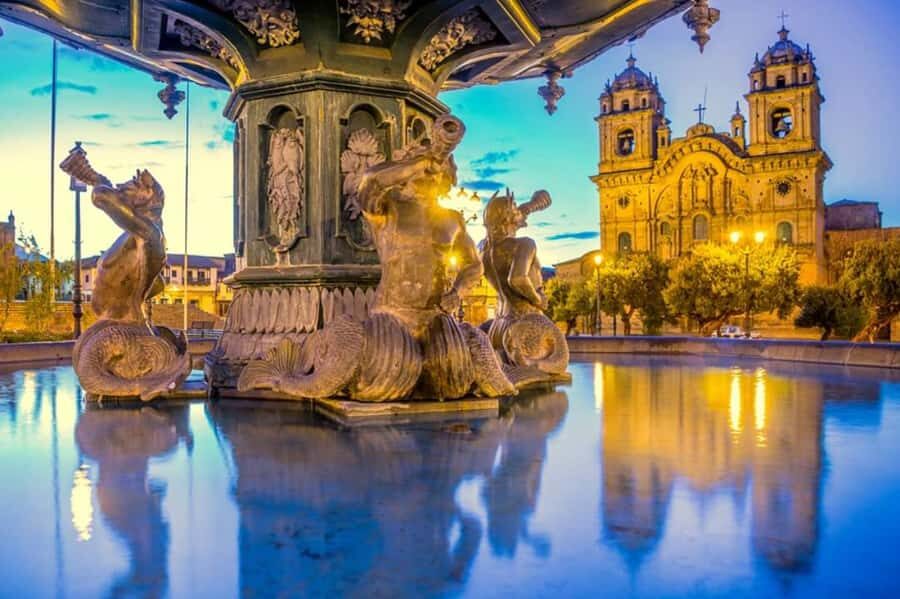
Your first major stop is Qenqo (Q’enco) Archaeological Complex with a guided visit of about 40 minutes.
Qenqo is known for a natural rock formation that became a ceremonial center. The value here is the way it demonstrates Inca thinking: they didn’t just build on empty land. They adapted what was already there, then shaped it into a place for ritual and gathering.
Practical tip: Qenqo is the kind of site where a guide’s explanation really helps. You’ll get more out of the visit if you listen for how the stonework and layout relate to ceremony, not just what the site looks like at first glance.
Plan for some walking and uneven ground, so comfortable shoes aren’t optional. The tour also asks you to bring a water bottle, and I agree you should take that seriously in Cusco’s sun.
Puca Pucara: military ruins, guard posts, and a different side of the Incas
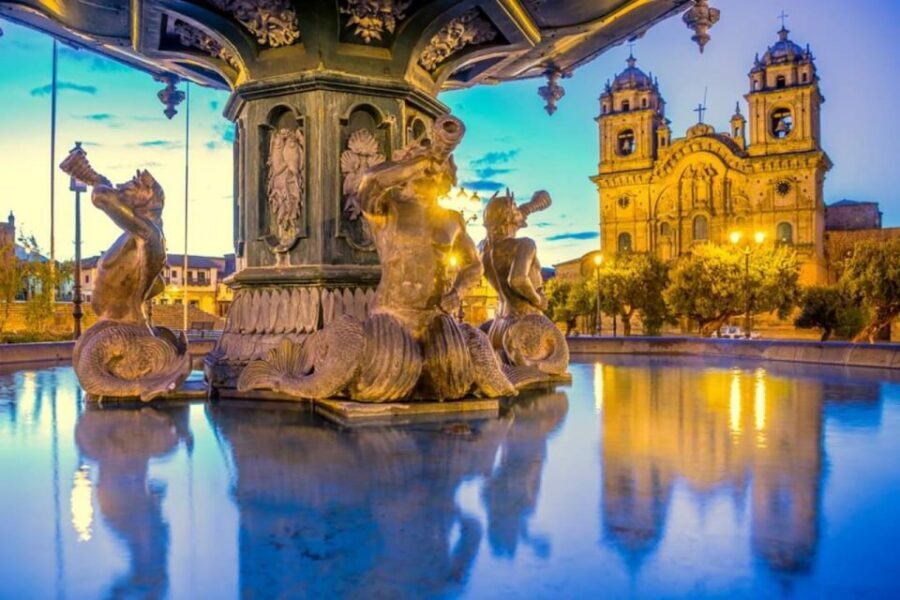
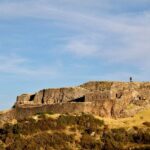
Next up is Puca Pucara with about 40 minutes of guided time.
This is where the tour changes gears. Puca Pucara is described as a site of military ruins, including remnants of guard posts, staircases, streets, houses, and courtyards. In other words, you’re no longer just looking at ritual space. You’re seeing the infrastructure of control—places where people likely watched routes, defended territory, and managed daily life connected to security.
The site’s appeal is contrast. After Qenqo’s ceremonial vibe, Puca Pucara gives you a fuller picture of how the Inca world included practical planning alongside worship. Even if you don’t call yourself a “military history person,” it’s a strong stop for understanding how these complexes fit together.
Tambomachay: water-shaped stones and possible purification rituals
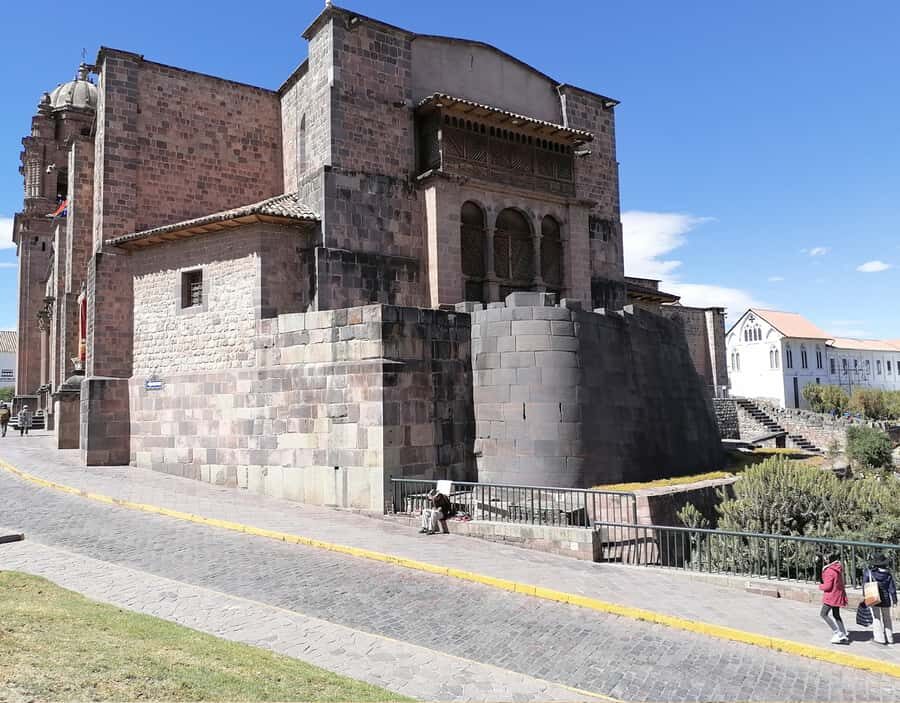
Then you head to Tambomachay, guided for about 40 minutes. It’s about 9 kilometers outside of Cusco and is known as the baths of the Incas because of the shape of its water source.
The tour also frames Tambomachay as something possibly tied to the cult of water and purification. That’s the kind of detail I like on short tours: it gives you something specific to look for while you’re there. Instead of wandering, you can focus on how the water features appear to be designed and used.
Even if you’re not 100% sure what the Incas believed at Tambomachay, the “why does water matter here” question is a useful lens. It changes the way you read the site.
Bring a waterproof jacket or raincoat, too. If clouds roll in, you’ll be happy you packed for it.
You can also read our reviews of more tours and experiences in Cusco

Sacsayhuamán: the limestone blocks and the solar shrine theory
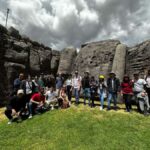
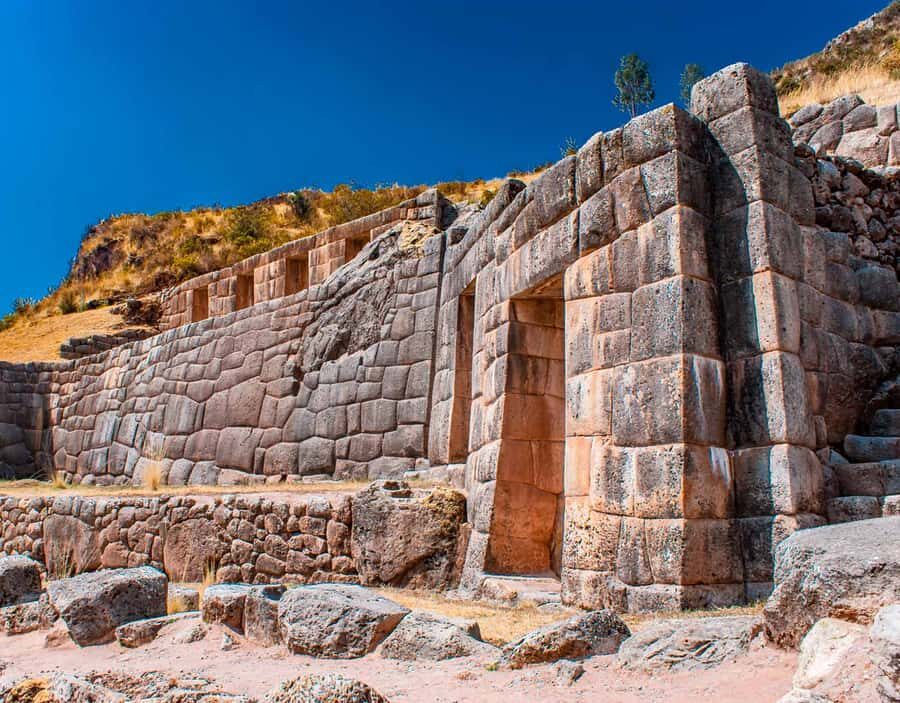
Your next guided stop is Saksaywaman (Sacsayhuamán) for about 40 minutes.
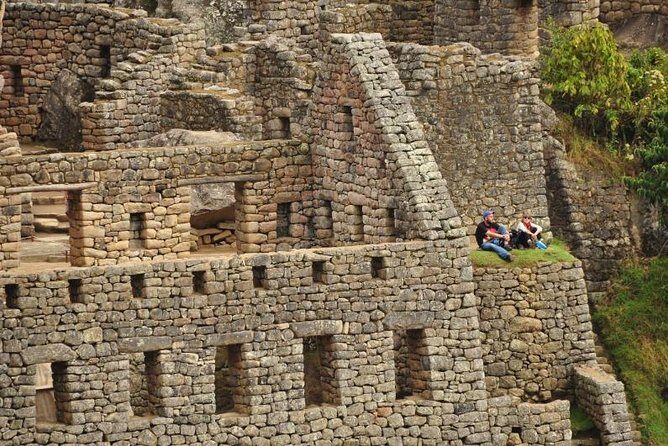
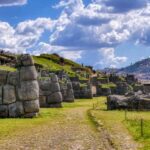
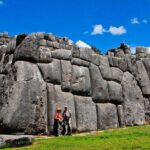
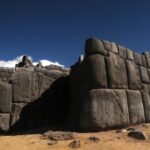
Here’s the big idea the guide will point you toward: chroniclers believe it was a solar shrine built by the last dynasties of the Incas. It’s made with large limestone blocks and is described as being built to protect the city from attacks coming from the East or Antis.
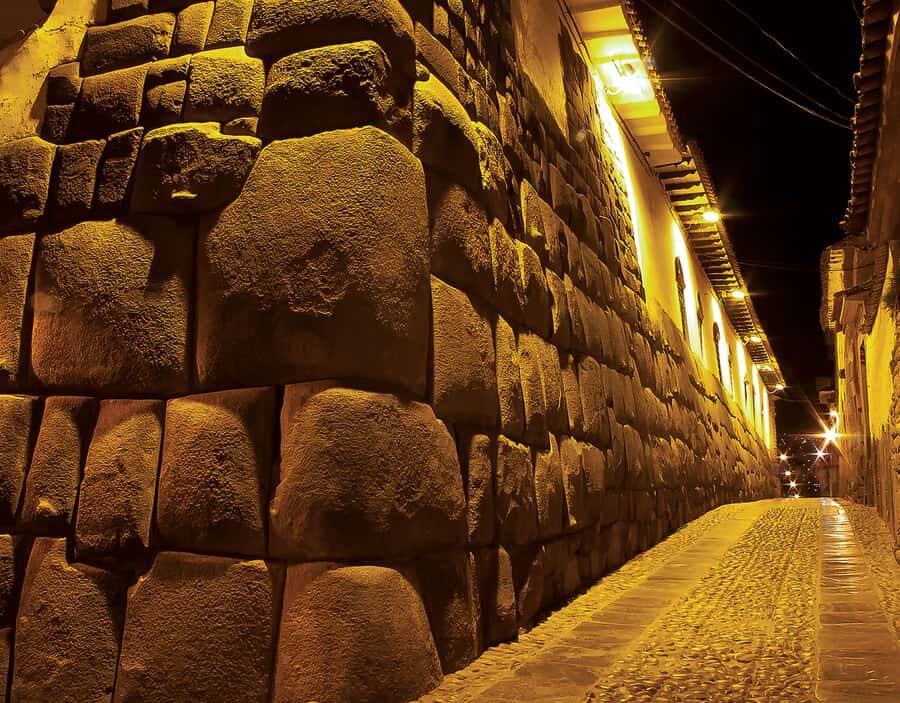
This is one of those places where you feel why people talk about Inca engineering. Those massive blocks aren’t random. The scale makes you think about labor, organization, and purpose—exactly what you want from a short Cusco tour.
What to watch for: the way stones meet, the effort it must have taken, and how the site overlooks the area. Even without getting lost in architectural jargon, you’ll “get it” faster when your guide connects the stones to protection and ritual.
Coricancha and the Cathedral: the afternoon add-on that changes the tone
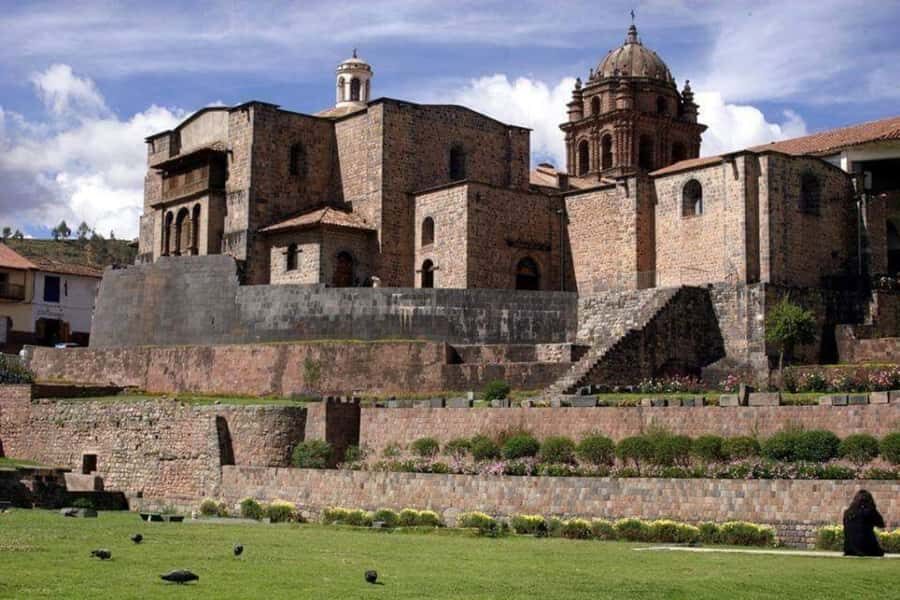
If you’re on an afternoon departure, you’ll also visit Coricancha and the Basilica Cathedral.
Coricancha: perfect stone temple of the Inca Empire
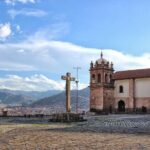
Coricancha is guided for about 1 hour, and it’s UNESCO-listed. This was the most important temple of the Inca empire, and the tour highlights its perfect architecture and stone construction.
Coricancha is powerful because it’s a meeting point between worlds: Inca stonework meets later religious layers. The guide’s job is to help you read what’s Inca and what came later, so you don’t just experience it as a single big building.
Cusco Cathedral: built in 1560
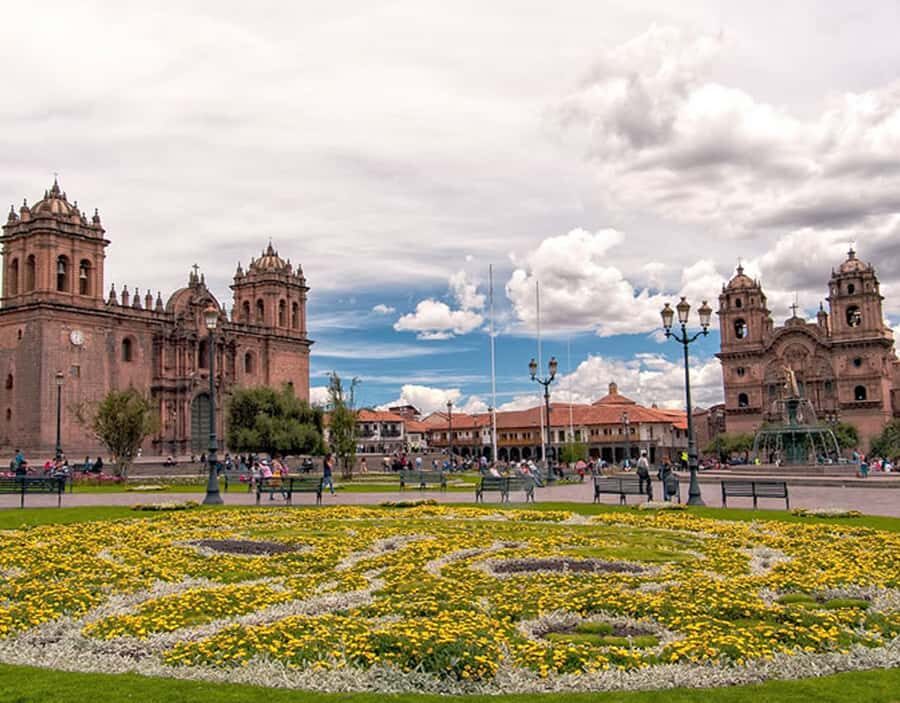
Then comes the Cusco Cathedral, with about 40 minutes of guided time. It was built in 1560, and it’s a major part of Cusco’s colonial-era story.
This stop shifts the mood from outdoor ruins to an indoor setting. If you’ve been thinking about stone engineering all morning, the cathedral offers a different kind of craftsmanship—different materials, different symbolism, same city.
Important: entrance fees are not included for the cathedral and Coricancha, and you should expect to pay on-site or have cash ready.
Price and value: how $17 can become more once fees hit
The headline price is $17 per person, and that’s genuinely strong for what you get. You’re paying for tourist transportation plus a professional bilingual guide (Spanish/English).
But the real cost depends on your departure time and which sites you’re required to access.
Not included:
- Cathedral entrance fee: 40 soles
- Coricancha entrance fee: 15 soles
- Tourist ticket for archaeological sites outside the city: 70 soles
How to think about value:
- If you book a morning tour, you’ll likely pay the archaeological ticket for the outside-city sites, since Tambomachay is outside the city and the tour includes sites beyond central Cusco.
- If you book an afternoon tour, budget for the cathedral and Coricancha entrance fees on top of the archaeological ticket.
My practical advice: treat the $17 as the price of organization and guidance, then plan a separate “site-fees budget.” One bonus: the tour is well run, so you’re not paying for chaos. You’re paying for a guided route that hits multiple major complexes without you having to stitch the logistics together yourself.
What the guides add: stories, energy, and a calmer pace
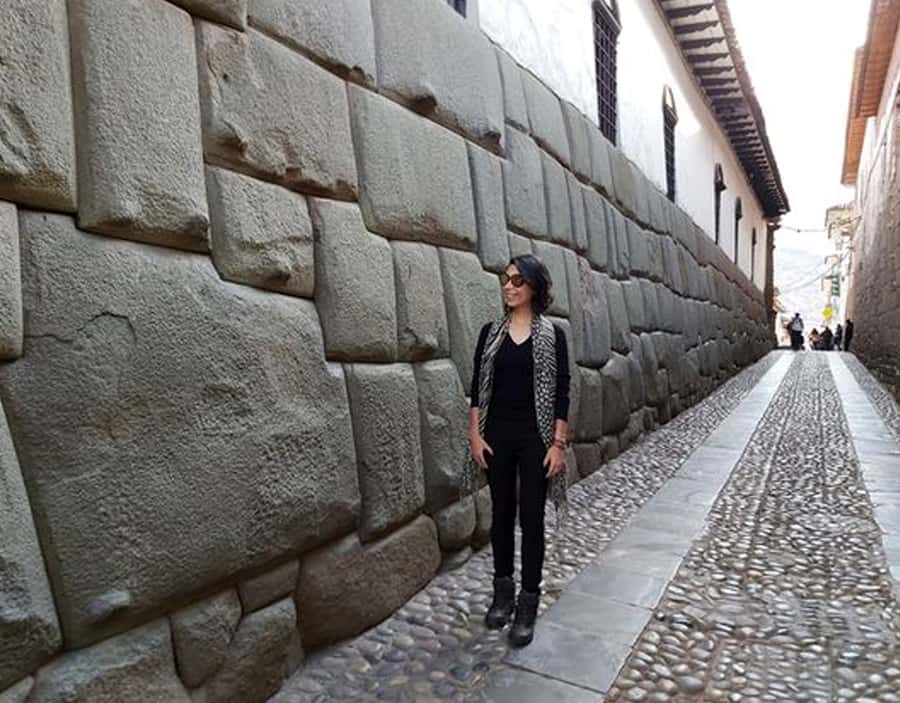
A good guide can turn quick stops into real understanding. This tour is set up for that, and the guide experience tends to be consistently strong.
I’ve seen names like Silvia, Clara, Janet, and Wally associated with the tour’s English/Spanish guiding. The common thread in their style is that they keep things moving and explain with detail. One guide was noted as patient with kids, which is a great sign if you’re traveling with family and need someone who can handle questions without rushing.
Even the organization during vehicle changes matters. One account described the driver and guide handling transport smoothly even when two vehicles were used. That’s a relief on a day where you want to focus on the sites, not logistics.
If you’re the type who likes explanations, this tour rewards you.
Logistics, walking, and what to bring (so your day stays pleasant)
This tour asks you to bring:
- Comfortable shoes
- Water
- Passport
- Cash
- A sun hat and long pants are recommended
And it asks for weather prep:
- A waterproof jacket or raincoat
- Sunscreen with 30+ SPF
Also note the rules:
- No pets
- No luggage or large bags
- No video recording
Why I care about these details: archaeological sites are not where you want to discover your shoes are wrong or you forgot sun protection. And if you’re planning to buy entrances and tickets, having cash ready saves time and stress.
A word about the extra stop: textile shops and time management
One downside shows up in feedback: a stop at a textile store that some people felt was unnecessary for a ruins-focused tour.
If you don’t want shopping interruptions, handle it early. Stay polite, but be clear you want to focus on the sites. Use the time to grab water and reset your pacing. Then refocus when the guide calls you back to the main route.
Who this tour fits best (and who should choose something else)
This tour is a great fit if:
- You want a fast Cusco orientation with multiple major Inca sites in a single day
- You like guided explanations about why buildings were built
- You’re traveling with kids or want a guide who can handle a range of questions
- You’re short on time and want a route that doesn’t feel random
It’s less ideal if:
- You hate paying extra for entrances and tickets once you arrive
- You strongly prefer outdoor archaeology only and would rather skip the cathedral/coricancha indoor stops (for morning tours, you can avoid that part)
- You dislike shopping stops and want a strictly ruins-only itinerary
Should you book Cusco: Half-Day City Tour?
Book it if you want a structured, guide-led taste of Cusco that balances ritual sites, defensive ruins, and major architecture. The included transportation and bilingual guiding are a solid deal at $17, and the itinerary is packed in a way that makes sense for first-timers.
Skip or rethink it if you’re not comfortable paying site fees on top of the base price, or if shopping stops would derail your day. If you’re budget-minded, bring cash and sunscreen, and plan the extras into your spending from the start.
Overall, this is one of those tours that earns its money by being organized, fast, and explanation-heavy—exactly what you want when Cusco is calling and you have limited hours.
FAQ
How long is the Cusco half-day city tour?
The total duration is 6 hours.
Where is pickup located?
Pickup is included from your hotel in the historic center of Cusco. If your hotel can’t be reached by vehicle, you’ll be given the nearest meeting point.
What does the tour include?
It includes tourist transportation and a professional, bilingual guided tour in Spanish and English.
What is not included in the price?
Entrance fees are not included for the cathedral (40 soles) and Coricancha (15 soles), and you also need a tourist ticket for archaeological sites outside the city (70 soles).
Which sites are visited on morning tours?
Morning tours visit Sacsayhuaman, Qenqo, Puca Pucara, and Tambomachay.
Are the Basilica Cathedral and Coricancha included on every departure?
No. They’re included on afternoon departures, along with the cathedral visit and Coricancha.
Do I need to bring anything?
You should bring comfortable shoes, water, passport, and cash. Long pants and a sun hat are recommended, and a waterproof jacket or raincoat is also recommended.
Are video recordings allowed?
No. Video recording is not allowed.
Are pets allowed?
No, pets are not allowed.
Can I cancel and get a refund?
Yes. You can cancel up to 24 hours in advance for a full refund.