REVIEW · CUSCO
Peruvian Cooking Class Cocktails and Market Tour in Cusco
Book on Viator →Operated by Peruvian Cusco Flavors · Bookable on Viator
San Pedro Market has a way of turning food into a story. This 4-hour Cusco class starts with shopping for real Peruvian ingredients, then moves to a tidy cooking studio to make ceviche and pisco-based cocktails step by step.
I especially like that you’re not just watching. You’re cooking three classic dishes, learning what each ingredient is doing, and getting recipes to recreate it all at home.
One thing to plan for: the whole experience can feel long, and the format is more group “stations and instructions” than total one-on-one cooking control.
In This Review
- Key highlights at a glance
- San Pedro Market: choosing ingredients that make Cusco food taste like Cusco
- Cooking studio setup: hands-on, timed, and small-group friendly
- What you’ll cook, and how the pace feels
- Course 1: ceviche made the Cusco way
- Course 2: causa limeña and the art of mashed-potato texture
- Course 3: quinoa tamal and Peru’s hearty side
- Two cocktails with pisco and local fruit: shaking up real flavors
- Dessert time: picarones and why the last bite matters
- Price and value: why $57 can actually make sense
- Who should book this cooking and cocktail class in Cusco
- Before you go: small tips that make the night smoother
- Should you book Peruvian Cusco Flavors?
- FAQ
- What does the class include?
- Where does the tour start?
- How long is the experience?
- Are cocktails included?
- Is this class good for vegetarians or people with allergies?
- How big is the group?
- What do I get to take home?
- What if I need to cancel?
- Is it near public transportation?
Key highlights at a glance
- San Pedro Market shopping for potatoes, fruit, and local staples you’ll use right after
- Hands-on cooking for ceviche, causa limeña, and quinoa tamal
- Two pisco cocktails built with Peruvian flavors and native fruits
- Small group size (max 12) for a more personal vibe
- Picarones dessert to end the meal on a sweet note
- Recipes to take home so you can repeat the dishes and drinks
San Pedro Market: choosing ingredients that make Cusco food taste like Cusco
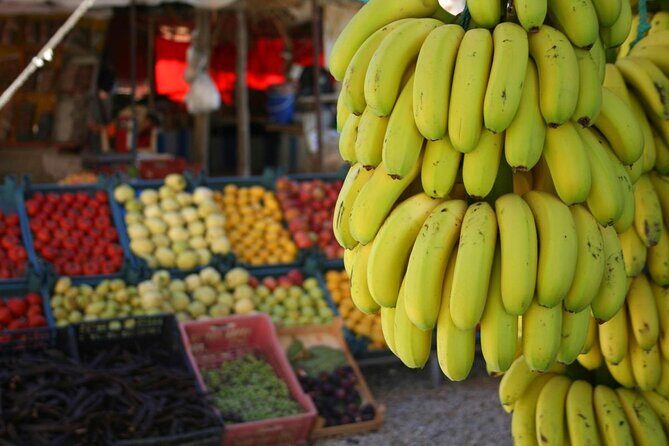
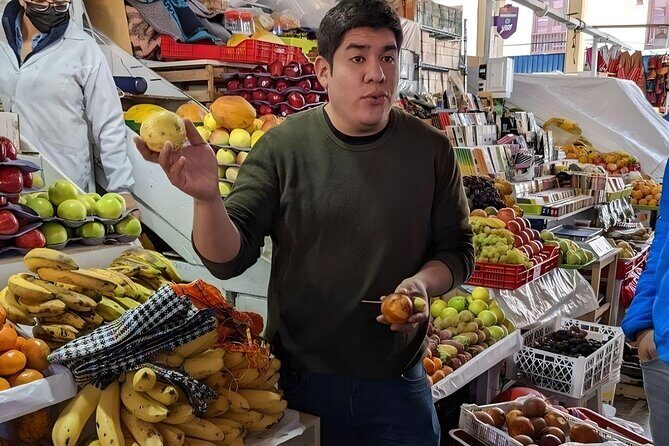
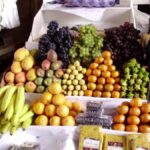
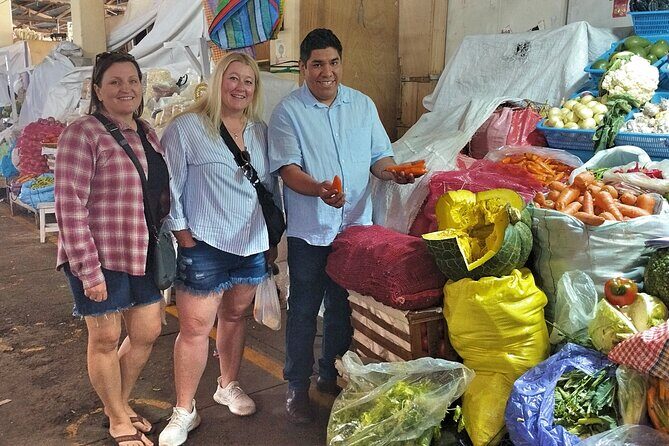
If you like eating your way through a place, this tour starts the right way: at Mercado Central de San Pedro. You’ll get introduced to a wide range of Peruvian ingredients, including different types of potatoes, plus fruit and pantry basics that show up in classic Cusco cooking.
Here’s what I think makes the market portion valuable: it explains the logic behind the dishes. Instead of memorizing a recipe blindly, you learn why certain ingredients work together. That matters for things like ceviche, where freshness and acidity drive the flavor, and for causa limeña, where potatoes form the foundation of the whole taste.
You’ll also do some tasting along the way, which is a smart way to connect names on a menu to what they actually taste like. If you tend to get overwhelmed by new foods, the sampling helps you understand what you’re aiming for before you cook.
You can also read our reviews of more shopping tours in Cusco
Cooking studio setup: hands-on, timed, and small-group friendly
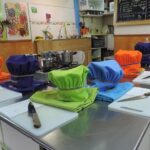
After the market, you head to the cooking studio in the heart of Cusco. The class is built around a simple flow: ingredients come from the market, you prep at stations, and a professional chef leads the process.
The small group limit of up to 12 travelers is a real advantage. It’s not a massive crowd where you feel lost or rushed. Most people can see what’s going on, ask questions, and keep pace without waiting forever.
I also like the “organized and timed” approach. You’re learning multiple dishes in one evening, so having the staff keep things moving prevents the usual chaos of cooking classes. A few notes to keep in mind: some people felt the seating/stools could be upgraded, and the class format can feel a bit “school-like” if you’re expecting a lot of independent cooking at your own burner. In other words, you cook with direction, not in full isolation.
What you’ll cook, and how the pace feels
You’ll work through three traditional courses and two cocktails, plus dessert. The total time is about 4 hours, so it’s not a quick bite-and-go activity. Plan to arrive ready to stay engaged and keep up with the steps.
Course 1: ceviche made the Cusco way
Ceviche is one of those dishes that sounds simple until you try to make it correctly. This class has you preparing it as one of the main courses, which is a great choice because it teaches you technique you can actually reuse later.
What you’ll learn is the balance between freshness and seasoning. Ceviche isn’t only about cutting and mixing. It’s about timing, flavor control, and how ingredients interact as they sit. Once you understand that rhythm, you can adjust at home for what you like and what you can easily find.
There’s also practical value here: you’ll see how the chef explains the ingredients you picked earlier at the market. If you’re the kind of traveler who loves the “why,” this is where it clicks.
One more helpful point: the experience notes vegetarian options/allergies/food restrictions. And in the feedback, there were mentions of fish alternatives being offered when someone didn’t want fish. So if you’re picky or have dietary limits, it’s worth telling the team so they can guide you to a workable version.
Course 2: causa limeña and the art of mashed-potato texture
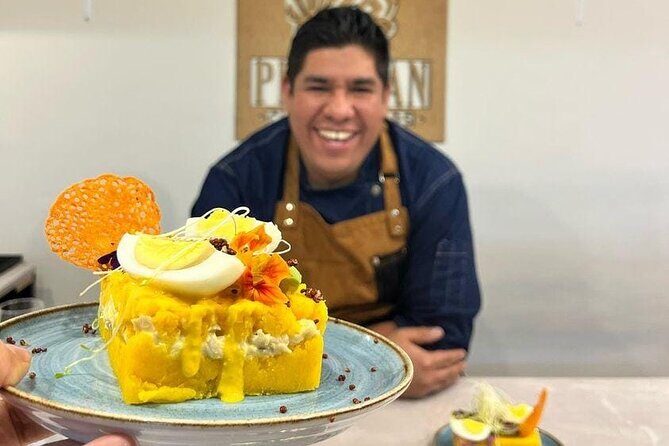
Causa limeña is the kind of dish that surprises people. You expect it to be “just potatoes,” but it’s really about texture and structure. In the class, you’ll prepare it as a signature course, so you’ll learn how to get that smooth, flavorful potato base and build the dish properly.
Potatoes are the star here, which connects neatly back to the market. Peru’s potato variety isn’t a marketing trick. It’s part of why the food tastes the way it does, and why the same “idea” can become different dishes across regions and cooking styles.
When you learn causa limeña hands-on, you also learn a pattern you can reuse: make a base, season it well, then assemble it so it holds shape. That’s useful whether you recreate it for guests or just want something more interesting than plain mashed potatoes at home.
You can also read our reviews of more tours and experiences in Cusco
Course 3: quinoa tamal and Peru’s hearty side
Quinoa tamal rounds out the savory lineup with a dish that feels both comforting and distinctly Peruvian. You’ll make it as the third traditional course, and that’s a smart way to round out your learning because it’s not just citrus-and-sauce cooking. It pushes you toward ingredients, texture, and careful assembly.
Quinoa brings a different kind of body than potatoes, and tamal style cooking tends to reward attention to prep. You’ll get more than one taste of the “Peru in one bite” experience here: it’s filling, it’s flavorful, and it’s not something you can easily fake without learning the method.
This is also where the recipes you take home become extra valuable. If you try to recreate quinoa tamal later without guidance, you’ll probably run into consistency questions. Having the class notes makes it far easier to succeed.
Two cocktails with pisco and local fruit: shaking up real flavors
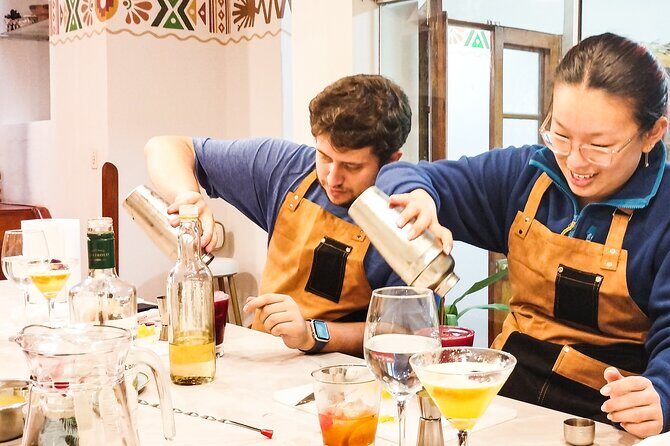
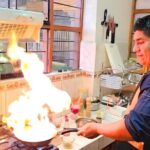
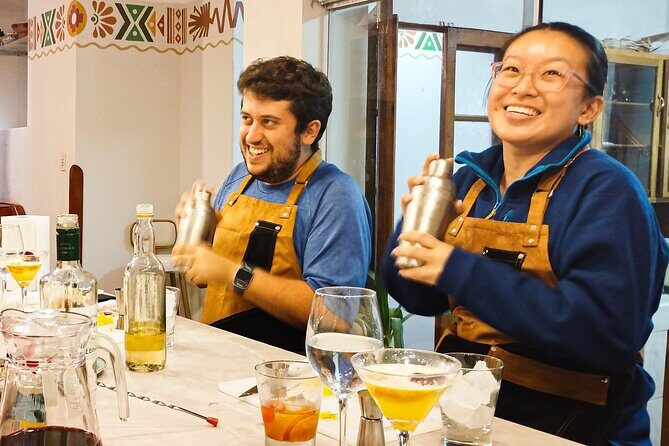
Now for the part many people remember most: the two cocktails. You’ll learn how to make drinks using pisco and local fruits, which is a fun way to connect Peruvian cooking with Peruvian taste culture.
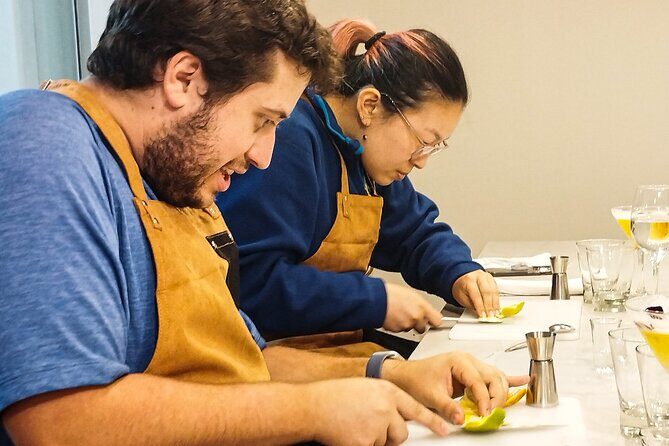
Cocktail learning is different from cooking. The technique is more about balance: fruit sweetness versus acidity, pisco strength versus what mixes soften or brighten it. Since you’re making two drinks in one class, you’ll get a sense of how flavors shift from one recipe to the next.
And because you’re using local fruit ingredients, it doesn’t feel like generic bar mixology. It feels like Peru, translated into a glass.
At the end, you also get recipes to take with you. That’s the difference between a fun night and a skill you can repeat. If you like hosting, these drinks give you an instant “I learned this abroad” party trick that doesn’t require fancy equipment.
Dessert time: picarones and why the last bite matters
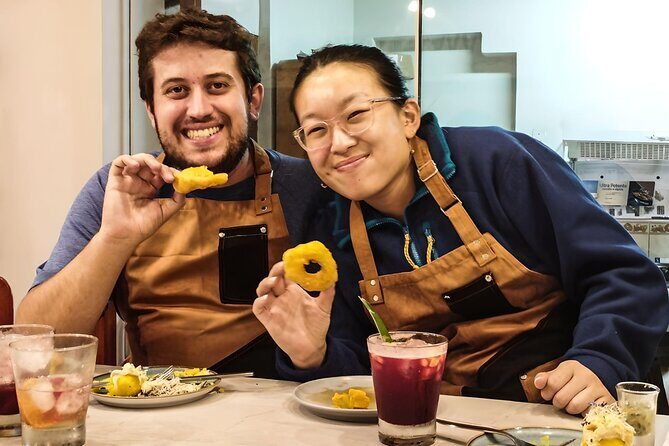
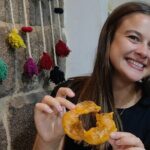
Every good meal ends with something that feels like it belongs to the place. Here, that’s picarones. It’s included in the meal, and it’s a great closer because it shifts you from savory and citrus notes into warm, sweet comfort.
Dessert also finishes the story you started at the market. You’re tasting a range of textures and flavors across the whole experience, not only the dishes that are easiest to talk about.
If you’re worried you’ll leave hungry, don’t. People consistently describe leaving full because the class includes three dishes, two cocktails, and dessert.
Price and value: why $57 can actually make sense
At $57 per person for roughly 4 hours, the value comes from the package, not just the price tag. You’re getting:
- Three traditional courses (ceviche, causa limeña, quinoa tamal)
- Two cocktails
- Picarones dessert
- Bottled water
- All necessary equipment
- Recipe handouts so you can repeat it later
For Cusco, that’s a lot of “included food and drink” for one ticket. The market tour also adds value because it’s not only sightseeing. You’re using what you buy and tasting what you’re learning about, which makes the cooking part easier to understand and remember.
Also, the timing can work well for many itineraries. One common use case is doing it early in your trip. It’s a social activity, you get fueled with food and drink, and it can help you get oriented without needing to navigate a complicated plan on your own.
Who should book this cooking and cocktail class in Cusco
This is a strong fit if you want an active, food-first experience with a clear structure. I’d especially recommend it for:
- Couples who want a date-night style activity that’s not just dinner
- Small groups and friends who like learning together
- Solo travelers who want a built-in way to meet people
- Food lovers who enjoy market-to-kitchen learning
It’s also a good choice if you care about dietary flexibility. The class offers vegetarian options and can accommodate food restrictions/allergies with modifications, so you’re not stuck with a one-size-fits-all menu.
If you’re the type who prefers total independence in the kitchen, you might find the station format a bit less freeform than expected. But if you want guidance, step-by-step instructions, and a reliable outcome, this style is a win.
Before you go: small tips that make the night smoother
A few practical things will help you enjoy the experience more:
- Wear shoes you can stand in comfortably. You’re walking in the market and cooking after.
- Come hungry. The class is designed so you eat what you make, and the portions add up.
- Use the start address when routing: Plazoleta San Pedro, C. Sta. Clara 497, Cusco 08002, Peru. Some people reported trouble finding the exact meeting point with navigation apps.
- If altitude affects you, pace yourself. The activity is still food and drink focused, but you’ll be on your feet in phases.
Finally, if you have fish concerns or other dietary needs, tell the team ahead of time. That’s how you’ll get the best substitution rather than doing guesswork during the class.
Should you book Peruvian Cusco Flavors?
If you want a hands-on way to understand Peruvian food in Cusco, I think this is an easy yes. You get real ingredient education at San Pedro Market, then you cook three classics and make two pisco cocktails, finishing with picarones and take-home recipes. It’s fun, it’s practical, and it gives you something you can recreate instead of only photos.
Skip it only if you strongly prefer a shorter experience or want lots of solo control at your own cooking setup. This class is structured, guided, and timed. For most people, that’s exactly what keeps it from turning into a frustrating “kitchen chaos” night.
FAQ
What does the class include?
You’ll cook three traditional Peruvian dishes (ceviche, causa limeña, and quinoa tamal), make two cocktails, and have picarones for dessert. Meals and one dessert are included, along with the cocktails and bottled water.
Where does the tour start?
The meeting point is Plazoleta San Pedro, C. Sta. Clara 497, Cusco 08002, Peru.
How long is the experience?
It lasts about 4 hours.
Are cocktails included?
Yes. Two cocktails are part of the class and are included.
Is this class good for vegetarians or people with allergies?
The experience offers vegetarian options and can accommodate allergies or food restrictions with modifications.
How big is the group?
The maximum group size is 12 travelers.
What do I get to take home?
You receive recipes so you can recreate the dishes and the cocktails later.
What if I need to cancel?
You can cancel for a full refund if you cancel at least 24 hours in advance. If you cancel less than 24 hours before the start time, the amount paid will not be refunded.
Is it near public transportation?
Yes, it’s near public transportation.