REVIEW · CUSCO
City Tour Cusco Qoricancha Sacsayhuaman y Tambomachay
Book on GetYourGuide →Operated by World Explorer Peru · Bookable on GetYourGuide
Cusco hits you fast. In five hours, you get a guided sweep of Inca sacred sites and fortresses, plus the Spanish layer at Qorikancha. You’ll also walk, ride, and stop for photos in the exact places that help you understand why Cusco still feels like the center of the old world.
I especially love how the tour connects the Temple of the Sun (Qorikancha) to the Sacsayhuamán fortress in one flow, so you can compare religion and power. I also like that you’re not just staring at stones—you get explanations from a professional guide, with English and Spanish support via an audio guide.
One thing to keep in mind: the tour includes both English and Spanish, but in mixed-language groups you might find English is less dominant. Also, there are some travel stretches by shared coach, so bring patience for the minutes between sites.
In This Review
- Key highlights worth your time
- Getting Started at Plaza de Armas (and why it matters)
- Cusco city orientation: from main square to the Sun Temple
- Qorikancha: Inca stones under the Santo Domingo Convent
- Sacsayhuamán fortress: massive stones and a big-sky Cusco
- Qenqo: altars, underground passages, and ritual rock forms
- Pucapucara: military control and a resting stop for travelers
- Tambomachay: the Inca Baths and the water channels that still run
- Puka Pukara photo stop and scenic drive back into town
- Timing your shift: morning vs afternoon for best results
- How the $13 price works (and what you must budget for)
- What to bring (and what to avoid) for a smooth day
- Guides, language support, and how to get the most out of it
- Should you book this Cusco city tour?
- FAQ
- What time does the morning shift run?
- What time does the afternoon shift run?
- Where do I meet the group, and where does the tour end?
- Are entrance tickets included in the price?
- What language options are available?
- Is the tour wheelchair accessible?
- Can I cancel for free?
Key highlights worth your time
- Qorikancha first: see the Inca temple foundations under the Santo Domingo Convent
- Sacsayhuamán views: massive stonework plus open sightlines over Cusco
- Ceremony stops: Qenqo’s altars, underground passages, and ritual rock formations
- Water worship at Tambomachay: channels and fountains still running
- Puka Pukara photo time: another archaeological complex with scenic viewpoints en route
Getting Started at Plaza de Armas (and why it matters)
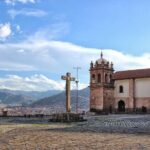
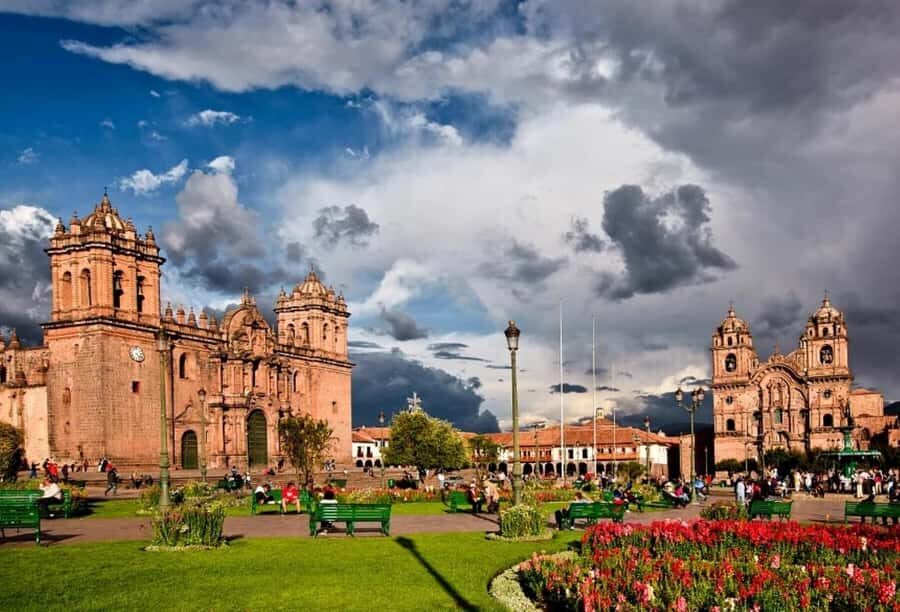
Your day begins right in the heart of Cusco at Plaza de Armas, next to the central fountain. The meeting point is easy to find, and showing up about 10 minutes early helps you start calm rather than stressed. The tour runs for about five hours, in two shifts: a morning option and an afternoon option.
Why I like starting here: it gives you orientation fast. If this is your first day in Cusco, you get a sense of where major streets and viewpoints sit relative to the historic center. And at altitude, that first day “let me figure this out” feeling matters.
You can also read our reviews of more city tours in Cusco
Cusco city orientation: from main square to the Sun Temple
After a short introduction from your professional local guide, the group heads to Qorikancha (Temple of the Sun). Expect a mix of walking, guided explanation, and photo time. You’ll spend about 40 minutes on the site area, which is enough to see the key features without turning it into a rush.
Quick practical note: you’ll be outside and in strong sun during parts of the day, so sunglasses and sunscreen are not optional. A daypack helps too, especially if you plan to bring cash for any onsite purchases. Bring your ID or passport as well, since the tour requires it.
Qorikancha: Inca stones under the Santo Domingo Convent
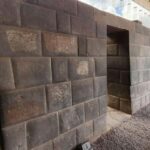
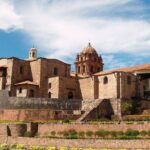
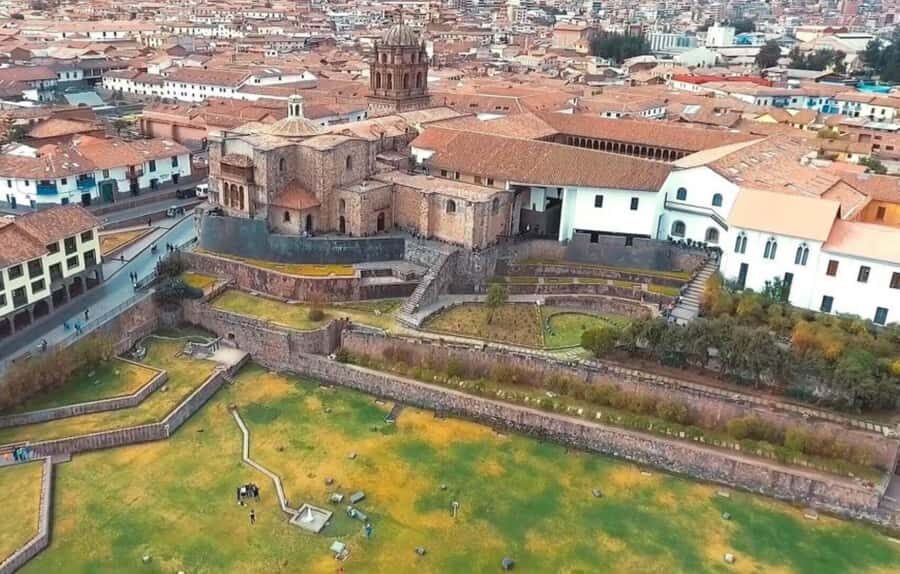
Qorikancha is the religious site tour guides point to when they want to explain Inca spirituality. You’ll learn about its ceremonial purpose and you’ll get a close look at the finely crafted stone walls. The big “wait, how did that happen” moment is that the Santo Domingo Convent was built on the foundations of the Inca temple.
That overlay matters because it shows a real pattern: Cusco didn’t just replace the Inca past—it layered it. When you stand in places like this, it’s easier to understand why ruins here often look like more than ruins. They’re history piled on top of history.
You’ll also get photo stops built in. If you’ve ever struggled to take decent pictures in a crowd, this helps because you’re not forced to shoot while you’re listening at the same time.
Sacsayhuamán fortress: massive stones and a big-sky Cusco
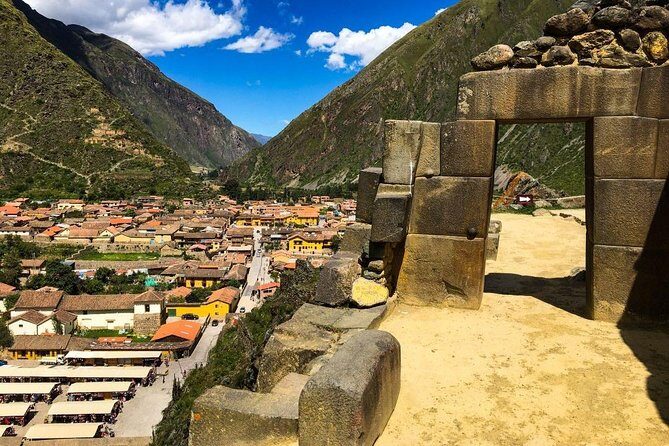
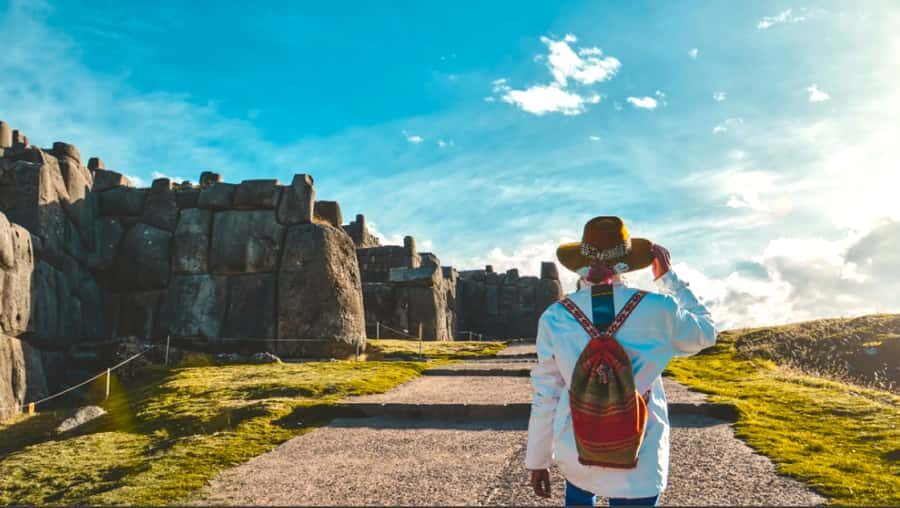
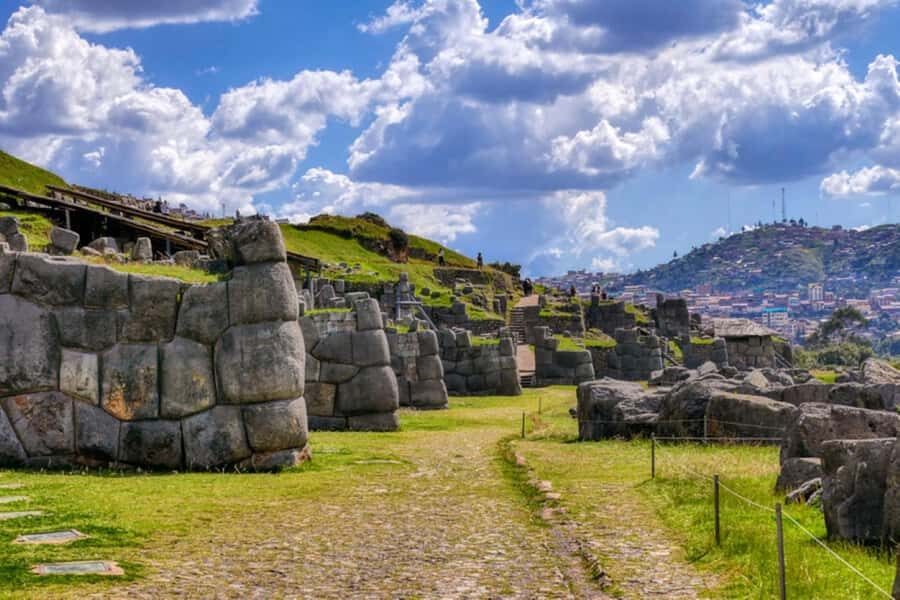
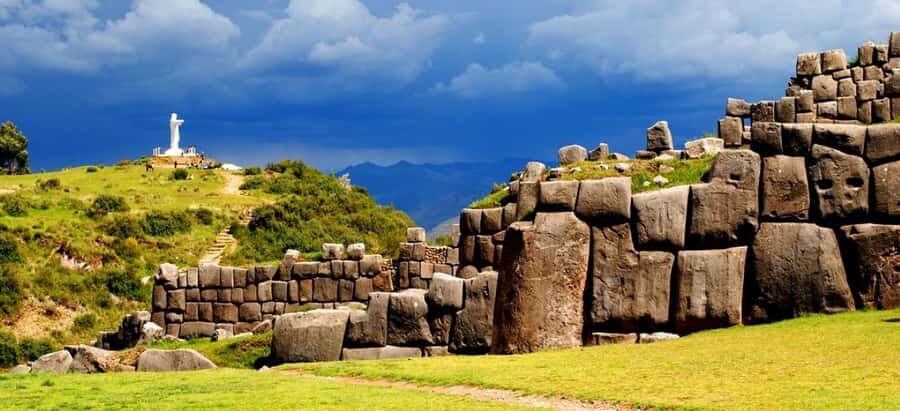
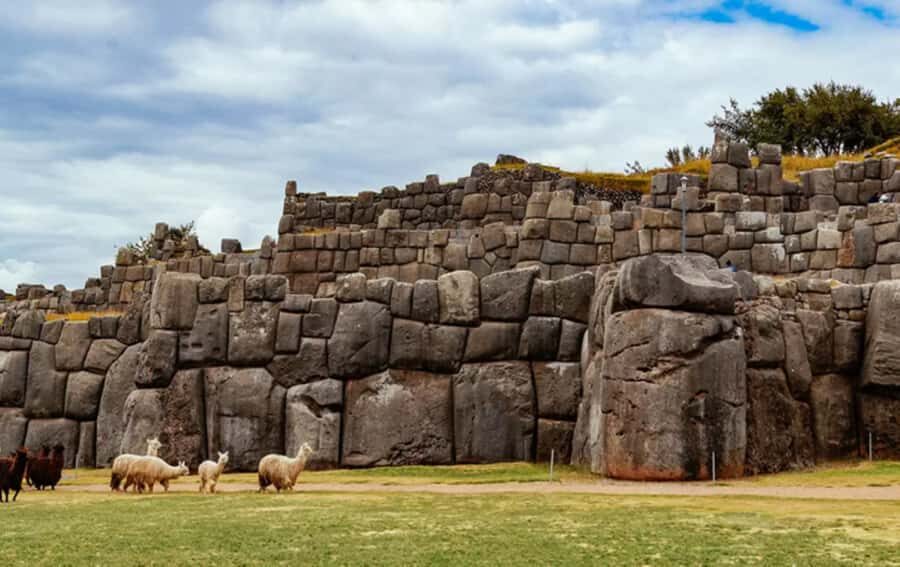
Next comes the ride out toward Sacsayhuamán, a fortress known for huge stone blocks and its strategic and ceremonial importance. The tour schedule gives you both structure and flexibility here: a guided visit plus free time for your own wandering and photo breaks. You’ll also get panoramic views of Cusco, which is often the part that makes people understand why Cusco was worth defending.
The strategic layout is the key takeaway. You’re not just looking at “cool rocks.” You’re looking at a place designed for control and ceremony, set where you can see far. That makes Sacsayhuamán feel less like a distant stop and more like the backbone of the city.
If you’re sensitive to altitude, use the free time wisely. Catch your breath, hydrate, and take short pauses. The tour is built with breaks, but you still need to manage your own pace on the high stone surfaces.
Qenqo: altars, underground passages, and ritual rock forms
After Sacsayhuamán, you’ll continue toward Q’enco (Qenqo). Here you get a different tone from the fortress: Q’enco is described as a ceremonial center, with altars and underground passages, plus rock formations used for religious rituals.
The tour time at this stop is shorter than Sacsayhuamán, roughly 25 minutes including photo time and guided sightseeing. That makes it a “make it count” stop. When you arrive, look for what the guide points out first: altars, passages, and the specific rock features tied to ritual use. Then use the remaining time for photos.
Also, expect the group to move at a steady pace. If you like to linger, ask your guide to point out where the best angles are before you step away for photos.






Pucapucara: military control and a resting stop for travelers
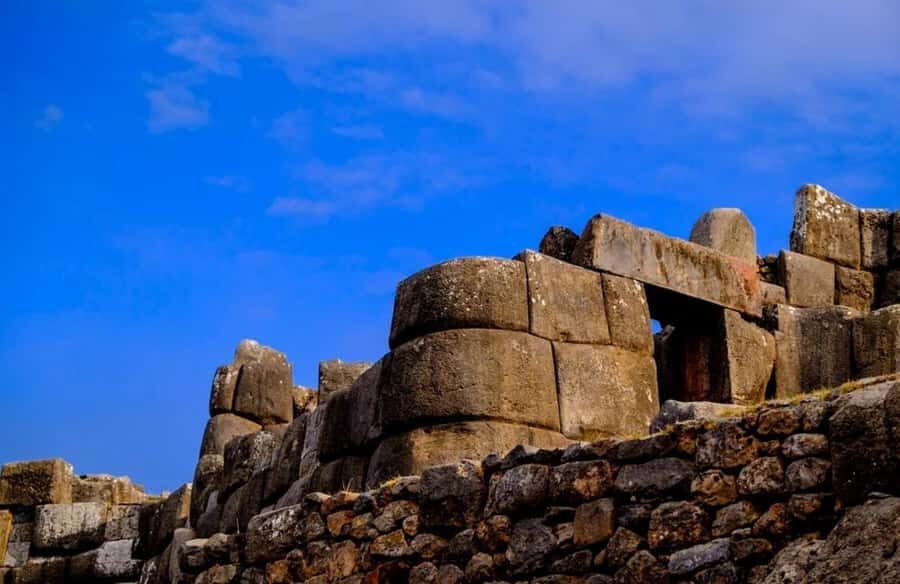
From Q’enco, you go to Puka Pukara in the route, but the tour also references a site called Pucapucara as an ancient military and control post. The description here is unusually practical: it served both as defense and as a resting place for Inca travelers, with terraces and defensive structures.
In other words, this isn’t only about kings and temples. It’s also about movement—how people traveled, where they waited, and how the empire managed routes and safety. Even if you don’t know the background before you arrive, the guided explanation helps you connect the site to travel logistics of the Inca world.
You’ll get photo stops and guided sightseeing time here too. If you want your own photos without rushing, treat this as one of your “pause and shoot” points rather than a “see everything quickly” stop.
Tambomachay: the Inca Baths and the water channels that still run
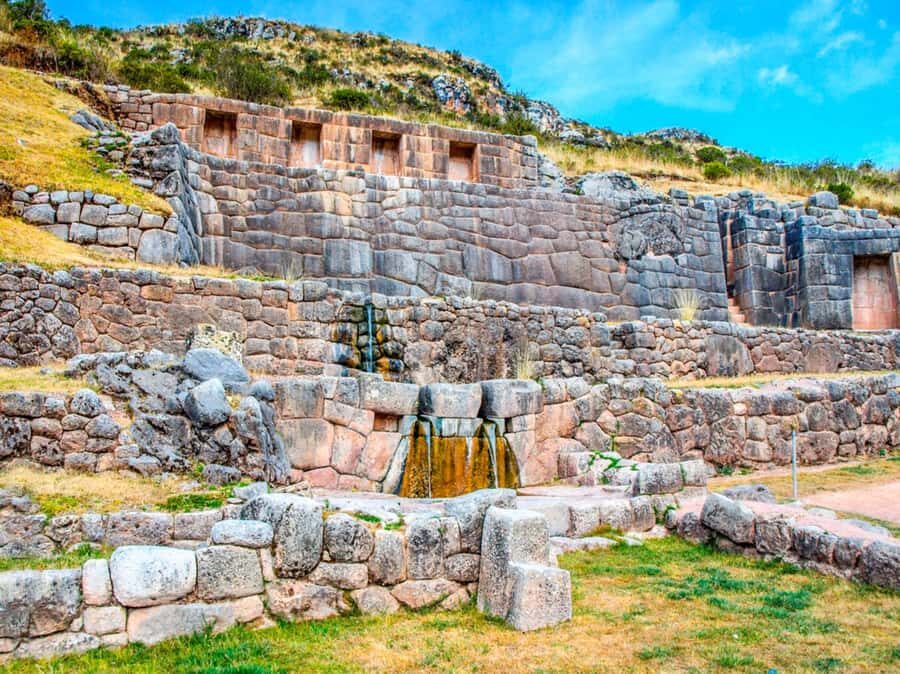
The tour then moves to Tambomachay, often called the Inca Baths. This is where the emphasis shifts toward water. The site is described as dedicated to worship of water, and it includes channels and fountains that still flow today.
I like Tambomachay because it balances the hard geometry of stone fortresses with something more sensory. Water adds a calming rhythm, and the fact that channels and fountains still run gives you a sense of continuity rather than total abandonment.
The time on site is about 20 minutes including break time and guided visit. It’s long enough for a guided explanation and a few minutes of quiet looking. If your stomach handles altitude better than your lungs, this is a great stop to slow down and reset.
Puka Pukara photo stop and scenic drive back into town
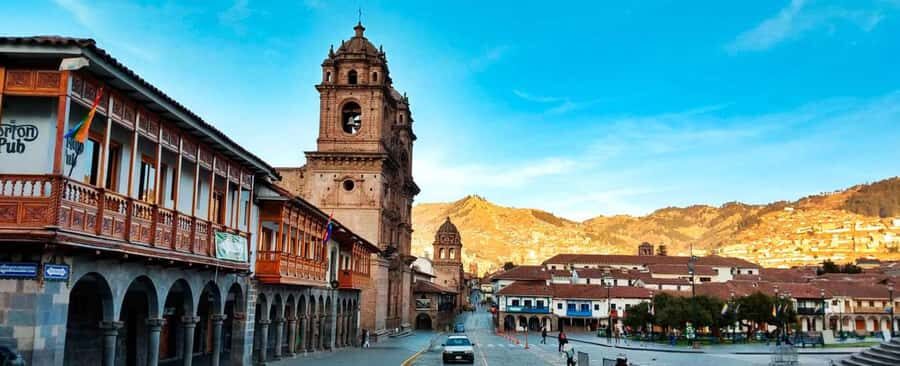
After Tambomachay, the route includes Puka Pukara as an archaeological complex with a photo stop and guided sightseeing. You’ll also pass scenic viewpoints along the way, which is a nice way to break up the day without adding another long hike.
You’ll ride back toward the historic center and finish at Plaza Regocijo or a nearby point in Cusco’s old town. Ending here is smart. It keeps you near restaurants and the streets you’ll likely want to explore afterward.
If you’re planning dinner, this is the moment to pick somewhere close. You’ll be saving energy for later instead of making your final minutes an extra commute.
Timing your shift: morning vs afternoon for best results
You get two options:
- Morning shift: starts at 9:00 AM and runs to about 2:00 PM
- Afternoon shift: starts at 1:00 PM and runs to about 6:30 PM
If you want the smoothest start, the morning shift often helps you get more done before the day gets tiring. If you’re still feeling the altitude on your first day, you might prefer the afternoon shift as a gentler entry into a full day.
One practical tip: don’t schedule anything exhausting right before your tour. Cusco can be a shock. Build in rest so your legs and head can handle the walks and the steps around ruins.
How the $13 price works (and what you must budget for)
The headline price is $13 per person, and that’s where the value comes from. You’re paying for a guided city/ruins circuit, plus shared transportation and professional local guiding. For five hours, that’s a lot of structure compared with DIY planning—especially when you want someone to explain what you’re seeing at each stop.
But you should budget for two key extra costs that are not included:
- Qorikancha entrance ticket: S/ 20.00 soles
- Cusco Tourist Ticket: S/ 70.00 soles (not included)
This is the part that changes the final cost. If you’re trying to keep the day budget under control, confirm which ticket you truly need for the sites you’re visiting. The tour includes guided visits, but ticket requirements can make a big difference in your total spend.
What to bring (and what to avoid) for a smooth day
Cusco is sunny and cool at the same time, so pack for the outdoors. Bring:
- Passport or ID card
- Sunglasses and sunscreen
- Sun hat
- Comfortable clothes and a daypack
- Cash (useful for any optional stops or costs)
- Camera
The tour rules also mention clear “no” items: no drones, no alcohol or drugs, no littering, no weapons or sharp objects, and no fireworks or similar items. If you want a quieter experience, remember there are also rules about making noise and about certain types of clothing behavior.
Guides, language support, and how to get the most out of it
This tour includes a professional guide and also an audio guide in English and Spanish. In practice, the guide’s spoken language can vary with the group, so if English is your priority, arrive early and make sure your guide knows you want the explanation in English as much as possible.
The strongest guide-related pattern in past bookings is that guides keep the stories organized and answer questions instead of rushing past them. Some guides also use visuals, like photo examples, which helps a lot when you’re trying to connect stone walls, ritual spaces, and Spanish-era additions into one mental picture.
If you’re shy about asking questions, go for it anyway. This route covers a lot of sites in a short time, and questions are the easiest way to turn a “seen it” tour into a “now I get it” tour.
Should you book this Cusco city tour?
Book it if you want an efficient, guided orientation to Cusco’s major historic sites in about five hours, with stops built around the themes of religion, power, ceremony, and water. It’s also a solid choice for your first couple days in Cusco because it helps you learn the layout of the historic center and the surrounding ruin areas.
Skip it or switch your approach if you dislike mixed-language groups, because you may experience more Spanish than English depending on who joins. Also, if your goal is pure, uninterrupted ruin time with zero extra pauses, ask your guide what the day’s breaks look like before you commit.
If you’re okay with a structured circuit, some sunlight, and the occasional ride between sites, this is a strong value way to understand why Cusco still feels like a living map of the Inca world.
FAQ
What time does the morning shift run?
The morning shift starts at 9:00 AM and runs to approximately 2:00 PM.
What time does the afternoon shift run?
The afternoon shift starts at 1:00 PM and runs to approximately 6:30 PM.
Where do I meet the group, and where does the tour end?
Meet at Cusco’s Main Square, Plaza de Armas, next to the central fountain (coordinates: -13.516772, -71.9787231). The tour ends at Plaza Regocijo or a nearby point in Cusco’s historic center.
Are entrance tickets included in the price?
No. The Temple of the Sun (Qorikancha) entrance ticket costs S/ 20.00 soles and is not included.
What language options are available?
The live guide and the included audio guide are available in English and Spanish.
Is the tour wheelchair accessible?
The activity info lists wheelchair accessibility, but it also states it is not suitable for wheelchair users. You should confirm with the provider before booking.
Can I cancel for free?
Yes. There is free cancellation up to 24 hours in advance for a full refund.