REVIEW · CUSCO
Classic Inka Trail: 4-Day, 3-Nights
Book on Viator →Operated by Peru Andes Top · Bookable on Viator
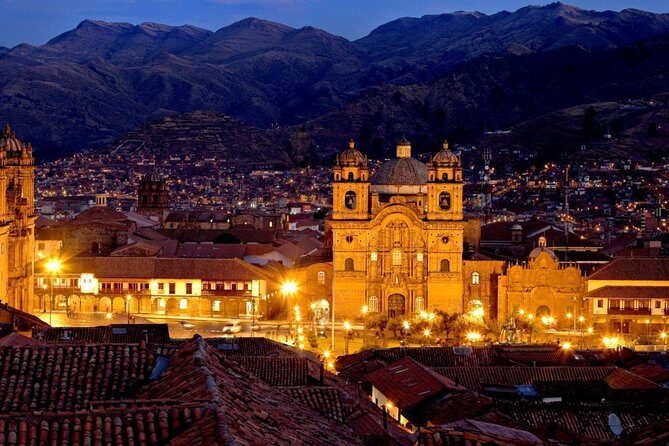
This trek is a slow-burn route that ends at Machu Picchu with a head start. What makes it interesting is the combination of a guaranteed Inca Trail permit + Machu Picchu ticket and the early-morning push that helps you reach Inti Punku at sunrise. I also like that your day-to-day needs feel handled for you: transfers, camping setup support, and meals are included. One thing to watch: logistics and last-mile drop-off details can be easy to misunderstand, so confirm the exact pickup and return location before you go.
You’ll start early in Cusco (meeting at 6:00 am) and spend three nights camping while your guide team moves you from pass to pass at high altitude. The good part is the structure: English-speaking official guides, a crew with a chef, and hot water + boiled water for basic hygiene and refills. A fair consideration is that there’s no sleeping bag included, so you either bring one or plan to rent one.
In This Review
- Key things I’d focus on before you book
- Why the Classic Inka Trail still feels like a real journey
- Price and what you actually get for $740
- Day 1: Early bus to the trailhead, Ollantaytambo stop, then Wayllabamba camp
- Day 2: Dead Woman’s Pass (Warmiwañusca) at 4,250m
- Day 3: Runkurakay, Sayacmarca, Phuyupatamarca, and Wiñay Huayna
- Day 4: Inti Punku sunrise, two hours inside Machu Picchu, then train to Cusco
- Gear that actually matters (and what you can skip)
- Who should do this trek, and who should think twice
- Should you book the Classic Inka Trail trek?
- FAQ
- What time does the tour start in Cusco?
- How long is the trek?
- Is the Inca Trail permit and Machu Picchu entrance included?
- Are meals included during the trek?
- Do they provide vegetarian or special meals?
- Is a sleeping bag included?
- What train is included for the return trip?
Key things I’d focus on before you book
- Guaranteed Inca Trail permit and Machu Picchu entry are built into the price, not an add-on you scramble for.
- Sunrise timing at Inti Punku is the big payoff moment on Day 4.
- Camping with personal tents gives you a more comfortable base than “ultralight” trekking setups.
- Meals, snacks, and water support reduce the usual hiking stress of figuring it all out.
- English-speaking official guiding with a second guide for groups over 8 helps keep pace and explanations clear.
- Small group size (max 15) can make the trek feel less crowded on trail and at camps.
Why the Classic Inka Trail still feels like a real journey
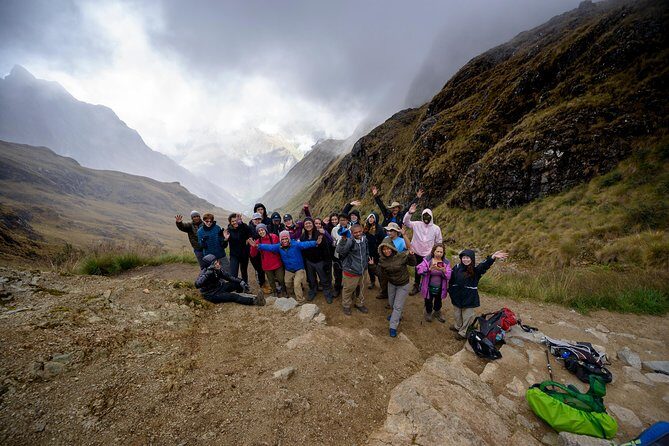
The Inka Trail has a reputation for being scenic and historic, but the part that makes it work on your body is the pacing. You’re not just doing a hike; you’re doing a multi-day route that gradually climbs, crosses major passes, then drops you into the cloud-forest zone where the air changes and the view shifts from open peaks to thicker green.
What I like about this version is that it’s built around flow. You start with an early private bus transfer to the trailhead area, then spend the next three days moving from one named section to the next, with your guide taking time for archaeological stops and the best viewpoints. That matters because the trail is not one long grind; it’s a series of moments. You get a planned lunch at the right time, camp at a set altitude each day, and a guided rhythm that keeps you from rushing through the good parts.
There’s also a very practical advantage to how the trek ends. Machu Picchu on the itinerary is approached by sunrise timing at Inti Punku, then a guided circuit for about two hours inside the complex. That turns your arrival from a mad scramble into a guided walk you can actually enjoy. The extra bonus: you then have free time to wander on your own, which is where you usually find the views you care about most.
One more value point: your travel logistics are bundled in the big pieces. You’re covered for the Inca Trail permit and Machu Picchu entrance, plus the train back to Cusco (from Aguas Calientes). This is the kind of trip where “missing one ticket” can ruin your timing. Here, it’s already handled.
You can also read our reviews of more tours and experiences in Cusco
Price and what you actually get for $740
At $740 per person, the most important thing to check isn’t just the number. It’s what you’re not paying separately.
This package includes:
- Inca Trail Permit + Machu Picchu entrance fee
- Train ticket from Aguas Calientes to Cusco (Expedition Service)
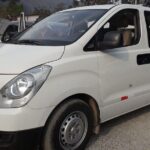
- Transfers to/from the trail start area and the train station in Cusco via transfer
- Camping support with personal tents and group cooking setup (chef + equipment)
- All meals on the trek (3 breakfasts, 3 dinners, and lunches where listed) plus a daily morning snack
- Water support (boiled water for bottles and hot water for washing)
- First-aid kit with emergency oxygen
When a trekking package includes the Inca permit and Machu Picchu ticket, it automatically improves value because those are often the hardest items to plan around. Add in tents, cooking, and meals, and you’re not spending your time managing daily supplies.
There are still a couple of costs you might choose later:
- Sleeping bag (not included, but rentable)
- Optional upgrades like Vistadome train (one way) and entry to Huayna Picchu or Machu Picchu Mountain
- Optional hiking poles rental
My practical take: if you’re the kind of traveler who hates surprise fees and wants the trip to run like clockwork, this price makes sense. If you already own the full gear and know exactly what upgrades you want, you may compare against DIY options. But for most people, bundling the key permits and food-and-camp system is what keeps the trek enjoyable.
Day 1: Early bus to the trailhead, Ollantaytambo stop, then Wayllabamba camp
Day 1 is all about getting moving while keeping you from burning out too early. You’ll be collected from your hotel very early in Cusco and transferred to the starting point area (Km 82 / Challacancha). The bus ride itself is part of the fun because you’re watching the Peruvian Andes roll by before you even put your boots on.
Before the hike fully begins, there’s a brief stop in Ollantaytambo (about 20 minutes). This is short, but it gives you the psychological switch: you’ve left the city behind, and you’re now entering the Inka Trail zone.
Then you get the trail start prep: you unpack, get ready with your guide and trekking team, and you’ll want your passport on hand for the formalities. This is one of those small details that can create delays if you forget it—easy to solve if you prepare early.
The hiking on Day 1 includes roughly three hours of walking, plus a lunch stop later near a lookout point where you can see Llactapata in the mountains below. That’s a classic Inka Trail rhythm: walk, look, eat, then start moving toward your first real camp.
Your first campsite is Wayllabamba, around 3,000 meters. It’s a good altitude for your first night because it gets you acclimated without turning the whole day into a redline effort. Dinner is at the camp, and the day feels like it sets the tone: not easy, but not crushing either.
If you’re planning your gear, Day 1 is where you’ll want your packing system nailed. You’re allowed one duffle/bag with a maximum of 6 kg per person, so keep Day 1 items lightweight and easy to access. Anything you need every hour—water bottle, rain cover, sunscreen—should be in your small day bag, not buried in the duffle.
Day 2: Dead Woman’s Pass (Warmiwañusca) at 4,250m
Day 2 is the “okay, this is the real trek” day. It starts with breakfast and a warm drink setup to help you feel human before climbing begins.
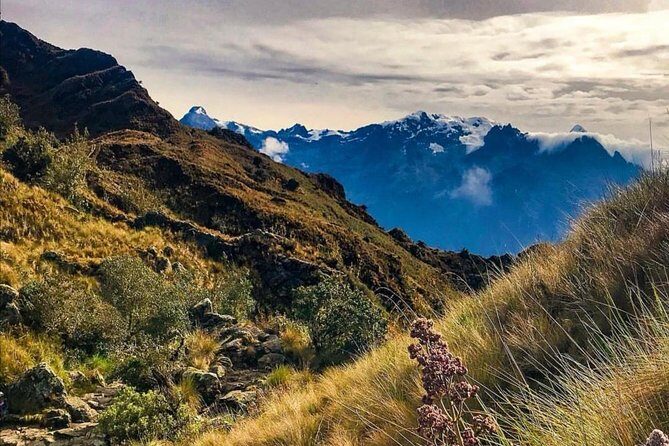
You’ll walk toward the highest point of the trek, reaching around 4,250 meters. Along the way, the Inca Trail’s big trick shows up: microclimates. You can experience shifts in weather and temperature even within the same day, so layers matter more than you think.
After about five hours of walking, you cross Warmiwañusca, often called Dead Woman’s Pass. This is the moment where you feel both achievement and relief. That’s not just dramatic storytelling—at this altitude, the effort feels long, and the top is a psychological finish line.
Then you drop down toward Pacaymayo (your lunch point) and overnight at a campsite around 3,600 meters. This is where the day becomes manageable again. Descents can still be hard on your knees, but the altitude is slightly lower and the air feels less thin than the pass.
A practical note: Day 2 is where your trekking rhythm and hydration really show. The package supports you with boiled water and has hot water for washing later, but you still need to pace yourself and drink consistently. If you go too fast too early, you’ll feel it by the pass.
Also, plan for weather swings. Rain gear is listed as recommended, and on these passes you’ll likely appreciate having your rain jacket and waterproof trousers ready quickly. Warm gloves or a thicker layer might help too, since night at camp can be cold even if daytime feels bright.
Day 3: Runkurakay, Sayacmarca, Phuyupatamarca, and Wiñay Huayna
Day 3 is often the most satisfying day, because it mixes physical challenge with a dense run of archaeological sites. It’s the longest feeling day too, with more changing scenery and a transition into cloud-forest conditions.
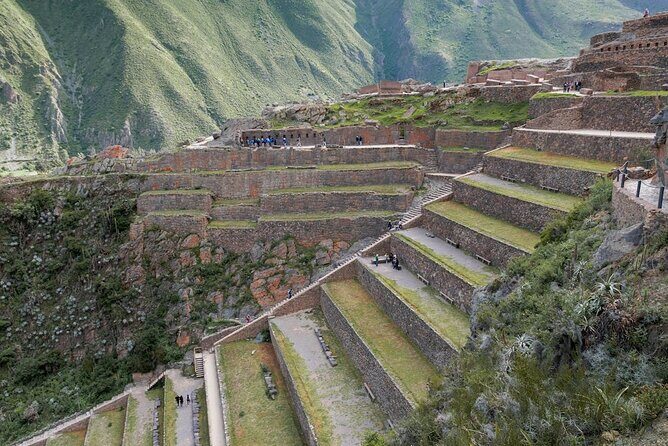
You start after breakfast, hike toward the second major pass at about 3,950 meters, and then layer in the history stops. On the way, you’ll have a guided visit to the archaeological complex of Runkurakay. That helps because the Inka Trail is not just a scenic track; it’s tied to real ruins and routes the Inka built and used.
After that, you cross the second pass and visit Sayacmarca, another key Inka site on the route. Then you hike onward to Phuyupatamarca, often called the cloud-level town. This is where the trail starts to feel like you’re walking into thicker air and softer light.
Lunch happens around this section, then you continue down to Wiñay Huayna, meaning Forever Young. The campsite for the night is right next to Wiñay Huayna, which is a huge advantage. You don’t only see the site once; you leave your belongings, then the guide takes you through the complex.
Dinner is at camp, and there’s a meaningful wrap-up moment: the guide organizes a small party to thank the porters and cooks. That’s one of those details that turns the trek from a transaction into a shared effort, because you’ll be spending days relying on the crew to make it all work.
Food deserves a quick practical callout. The tour offers vegetarian or special menus with no extra cost if you advise at booking. Still, if your diet is complex (for example, you avoid certain meats or have strong preferences), I recommend re-confirming your specific restrictions a day before hiking starts and again at the start briefing. One traveler had an issue where preferred choices weren’t followed, and that’s exactly the kind of avoidable mistake you can prevent with clear confirmation.
Day 4: Inti Punku sunrise, two hours inside Machu Picchu, then train to Cusco
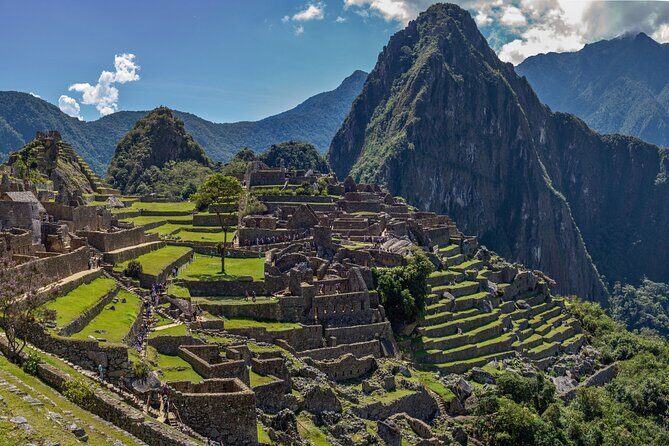
Day 4 starts very early so you can reach Inti Punku in time for sunrise. This is the moment many people remember most clearly, because you’re walking through cloud forest toward a dramatic viewpoint as the day opens up.
After about an hour and a half, you arrive at the Gate of the Sun with the best panoramic view of Machu Picchu. Then you move into the citadel. Your guided tour inside takes around two hours, covering the main sites and monuments.
Machu Picchu itself sits at about 2,400 meters, and the experience shifts from trekking pace to walking-and-looking pace. It’s also a good day to keep your camera charged. Cold conditions can drain batteries faster, and you’ll likely want photos in the early light and then again when you’re back out for views.
After the guided circuit, you get free time to wander on your own. This is where you can slow down and choose the spots that matter most to you, instead of trying to keep up with a group pace.
Then it’s transit time. You’ll take a bus down to Aguas Calientes, and from there you catch the train back to Cusco or to Ollantaytambo (based on what your train ticket says). With the arrival, your adventure ends and you return to your starting meeting point in Cusco with the listed transfer.
A small logistics tip that will save headaches: confirm which train timing you have and what station transfer you’re receiving on return. The trip includes a transfer from Ollantaytambo train station to your Cusco hotel, but it’s worth checking the exact wording in your ticket information so you know where you’ll be dropped off.
Gear that actually matters (and what you can skip)
You don’t need to be a mountaineer for this trek, but you do need the right base gear. The essentials listed include rain protection (rain jacket and waterproof trousers), sturdy trekking shoes, and warm layers for camping nights. Even if the days feel manageable, cold nights can hit hard.
Key items to plan for:
- Passport (original) and any required student card (ISIC) if you’re using a discount
- A small day rucksack for the hour-to-hour stuff
- Flashlight/headlamp with batteries (night in camp is dark)
- Sunscreen and sun protection (hat/cap)
- Insect repellent (minimum 20% DEET is recommended)
- A water bottle you can refill (boiled water is provided for refilling)
- Optional but helpful: swimsuit for the thermal baths in Aguas Calientes
About sleeping: a sleeping bag is not included. If you don’t already have one, rent it through the operator options listed. If you don’t like being cold, don’t assume you’ll be fine with layers alone.
Also, the package includes bio-degradable hand soaps, hot water for washing, and boiled water for your bottle. That means you’re not stuck doing full “no water” hiking hygiene. Still, bring a small towel and basic toiletries so you feel comfortable using what’s provided.
Finally: keep an eye on weight. One duffle bag per person with up to 6 kg is your limit. That’s not a lot, so choose multipurpose items, not “just in case” extras.
Who should do this trek, and who should think twice
This trip fits you best if you:
- Want a classic route with permits and entry handled
- Enjoy guided context at archaeological sites, not just walking from point A to point B
- Are comfortable with a multi-day trek involving passes and long days
- Like the idea of camping with a more comfortable structure (personal tents)
You should think twice if:
- Your schedule can’t handle early starts and sunrise timing
- You have very strict dietary requirements and can’t take 10 minutes to re-confirm them before you go
- You’re not ready for altitude peaks around 4,250 meters
The trek explicitly calls for moderate physical fitness. That’s honest: you don’t need to be a runner, but you should be used to hiking and climbing. If you’re recovering from injury or you’re not confident with strenuous long climbs, it’s worth asking for guidance before booking.
On the bright side, the trek is capped at a max group size of 15, and it uses official guides in English. If you get a guide with strong storytelling and calm control, the history and trail rhythm can feel effortless. One named example in past trips is a guide called Sebastian, who brought both knowledge and consideration to the group experience.
Should you book the Classic Inka Trail trek?
If you want Machu Picchu without the stress of chasing permits, this is a very solid way to do it. The value comes from bundling your biggest essentials: Inca permit, Machu Picchu ticket, guiding, camping setup, meals, and your train ride back to Cusco. You also get the timing that many people chase—arriving at Inti Punku for sunrise and getting guided time inside the citadel.
I’d book it if you’re comfortable with long days at altitude and you’re willing to prepare your gear list carefully. Before you go, do two simple checks: confirm what you should bring (especially sleeping bag options) and confirm your exact return drop-off location and timing so the last leg matches your expectations.
If you want the “just show up and everything is perfect” experience, this package is designed for that. Just bring your questions to the start briefing early, and you’ll get the payoff the Inka Trail is famous for: the kind of arrival at Machu Picchu that feels earned.
FAQ
What time does the tour start in Cusco?
The activity meeting time is 6:00 am, with an early pickup from your hotel.
How long is the trek?
It’s a 4-day experience with 3 nights camping, approximately.
Is the Inca Trail permit and Machu Picchu entrance included?
Yes. The package includes the Inca Trail Permit and entrance fee to Machu Picchu, plus the ticket to visit Machu Picchu.
Are meals included during the trek?
Yes. Meals included are breakfast (4), lunches (3), and dinner (3), plus a daily morning snack.
Do they provide vegetarian or special meals?
Yes. Vegetarian or special menus are available at no extra cost if you advise at booking.
Is a sleeping bag included?
No. A sleeping bag is not included, but you can rent one (including a deluxe package option) if needed.
What train is included for the return trip?
The tour includes a train ticket from Aguas Calientes to Cusco (Expedition Service), with the specific return destination (Cusco or Ollantaytambo) indicated on your train ticket.