REVIEW · CUSCO
City Tour in the city of Cusco 1/2 Day
Book on Viator →Operated by Machu Picchu Road Trip · Bookable on Viator
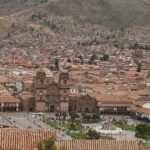
Golden stone meets Inca power in Cusco. This half-day city loop is a smart way to see major Inca sites plus the sun-temple legacy of Qorikancha without burning your whole day.
I especially like how the route hits five archaeological stops in about 5.5 hours, and the guide support (English and Spanish) makes the stone feel like it has context, not just views. The main drawback is simple: entrance tickets are not included, so your final cost depends on what you purchase at each stop.
The tour runs with hotel pickup and group transport, maxing at 18 people. One guide I saw named Bladimir got standout praise for professional, enthusiastic explanations, but pace can vary when a guide is handling multiple languages—so build in a little patience for the first hour.
In This Review
- Key highlights and what they mean for you
- A tight 5.5-hour Cusco loop that still feels like a full day
- Price and value: the $23.81 deal comes with separate entrance tickets
- Meeting point chaos: how to start the day without losing time
- Stop 1: Qorikancha turns the sun temple into a layered art stop
- Stop 2: Sacsayhuaman shows how Cusco defended itself
- Stop 3: Q’enqo is smaller, but the stone hints at ritual life
- Stop 4: Puka Pukara brings color, plus defense and water systems
- Stop 5: Tambomachay, the Inca Bath, ends with water and channels
- Guides and pacing: English help, but speed can vary
- Extra bits that can make the day feel better
- Who this tour is best for
- Should you book this Cusco city tour?
- FAQ
- How long is the Cusco city tour?
- What time does the tour start?
- Where do I meet the group?
- Is hotel pickup included?
- Are entrance tickets to the archaeological sites included?
- How big is the group?
- What’s the cancellation policy?
Key highlights and what they mean for you
- Qorikancha’s Golden Court story: Sun-temple worship layered with Renaissance convent architecture and artwork
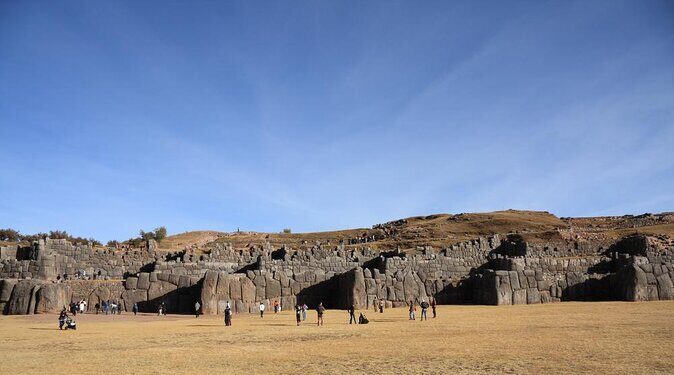
- Sacsayhuaman’s massive terraces: Fort-like engineering with huge granite blocks and long stone walls
- Q’enqo’s ritual clues: Carvings, holes, steps, and channels that point to ceremonial use
- Puka Pukara’s red iron tones: A different angle on defense and infrastructure, with aqueducts and fountains
- Tambomachay’s Inca Bath: Water-cult focus, with channels and waterfalls fed by springs
- Hotel pickup + guided pace: You get transport and interpretation, but you’ll pay extra for sites’ entry tickets
A tight 5.5-hour Cusco loop that still feels like a full day
This is the kind of tour that makes sense when you want the big Cusco hits early, but you also don’t want to lose your afternoon to long transit. With hotel pickup and group transport, you spend more time looking at sites and less time figuring out buses, taxi logistics, or where to stand.
The itinerary is designed like a sequence of “why this place mattered.” You start at Qorikancha, the most important sun cult site, then shift to Sacsayhuaman for military architecture. After that, you move into ceremonial spaces (Q’enqo), a red-tinted fortress complex (Puka Pukara), and finish with Tambomachay’s water-focused ritual setting. Even if you only have one free morning, this order helps you see Cusco’s different sides: sacred, strategic, and ceremonial.
You can also read our reviews of more city tours in Cusco
Price and value: the $23.81 deal comes with separate entrance tickets
At about $23.81 per person, this tour price is the low-friction way to get a guided route with transport. The tradeoff is that entrance tickets are not included. That matters because it can change what feels like a bargain.
A useful reality check: plan to budget additional money for tickets at each stop. One clear signal from real-world booking feedback is that people often end up needing to purchase tickets for the sites, with an overall estimate of about 90 soles mentioned. Since that number can vary depending on which tickets you buy and current pricing, I recommend treating the tour fee as the start, not the total.
The value story is still strong if:
- you want a guided explanation for multiple sites in one run, and
- you’re okay paying entrance fees directly on the day.
If you hate paying at each stop or you’re hoping everything is bundled, you’ll feel the extras.
Meeting point chaos: how to start the day without losing time
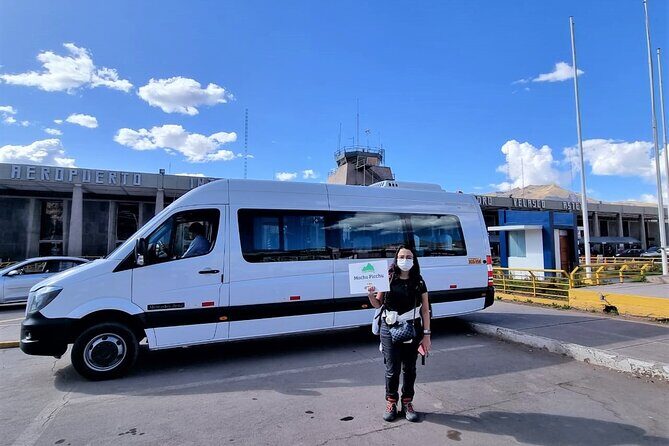
You meet at Plaza Regocijo (same spot at the end), with a start time of 9:00 am. Hotel pickup is included, which is great, but it doesn’t erase the fact that several tour operators use the same general area. The practical move is to arrive a bit early and keep your phone ready so you can quickly confirm your group.
Also note the guide is listed as English and Spanish. That’s usually helpful, but it can affect pace. If your guide is switching languages at each stop, don’t expect every stop to feel leisurely. You’ll still get meaningful time at each site—just keep your expectations aligned with a half-day schedule.
Stop 1: Qorikancha turns the sun temple into a layered art stop
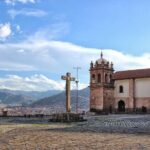
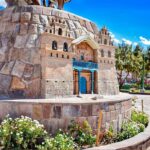
Qorikancha (also spelled Qoricancha) is often described as the Golden Court, and it’s easy to see why. This was the most important site for the cult of the sun god, and the site’s identity is now layered: the convent is built on top of the sacred space, and the polished stone structures still communicate the original power of the place.
What I find especially compelling is the mix of architectural eras. You’re not only looking at Inca planning—you’re also seeing a Renaissance-style cover and a unique Baroque tower, plus an impressive collection of paintings from the Cusco school. That makes Qorikancha feel like a living timeline. One moment is about sunlight and worship. The next moment is about how later periods reshaped the same ground.
Two practical notes:
- This stop can feel crowded, so if you like quiet viewing, you’ll want to pause, pick a line of sight, and listen for the key points your guide emphasizes.
- Admission is not included, so expect to pay entry here (and likely at other stops too).
Stop 2: Sacsayhuaman shows how Cusco defended itself
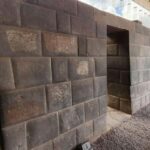
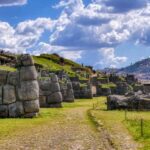
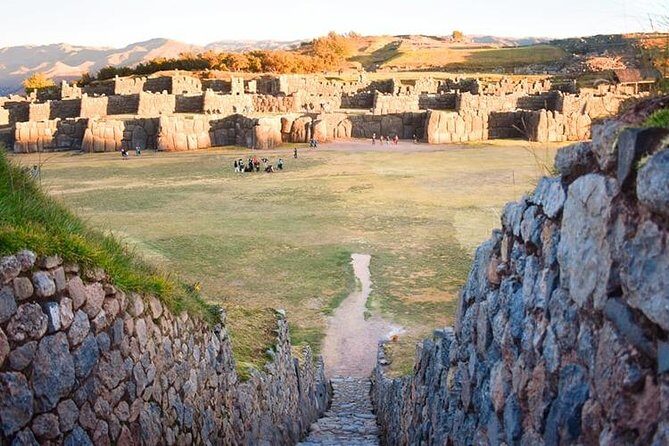
Sacsayhuaman means satisfied hawk in Quechua, and it’s a fortress in the classic Inca sense: built to protect. The big draw is how the site is constructed with massive granite blocks, including pieces reaching around 5 meters high and weighing up to 350 tons. That’s the kind of scale where your brain needs a minute to catch up.
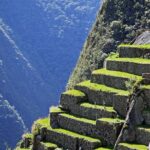
The layout is also worth your attention. The fortress consists of three large terraces bordered by colossal stone walls stretching up to 300 meters long. Even though you’re seeing ruins, the terraced design and long wall runs help you understand the defensive logic rather than just admiring the rocks.
One extra layer that makes Sacsayhuaman more than a photo stop: because it was close to Cusco, it was also used as a quarry for parts of colonial construction. That means you’re standing in a place that later generations literally mined for building material. It’s a reminder that power and practicality often share the same stones.
Admission is not included here either, so budget for another ticket.
You can also read our reviews of more tours and experiences in Cusco

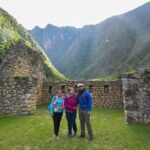
Stop 3: Q’enqo is smaller, but the stone hints at ritual life
Q’enqo (Qenqo) is a ceremonial center with tunnels and platforms used for religious rituals. It’s not trying to impress you with giant blocks like Sacsayhuaman. Instead, it communicates spirituality through details carved into the stone.
Look closely at the carvings: holes, steps, and channels. These features are thought to relate to deposits of chicha, a corn-based drink, during Inca rituals. That’s the kind of detail that makes the site feel specific. It’s not just sacred space in general; the design suggests actual ceremonial actions.
You’ll likely get around 40 minutes at this stop, which is enough time to see the key sections without feeling rushed in a worst-case way. But since the day is compact, your best approach is simple: listen first, then look. When you know what the stone might have been used for, even brief viewing gets more interesting.
Stop 4: Puka Pukara brings color, plus defense and water systems
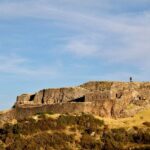
Puka Pukara is nicknamed the red fortress because of the iron-rich stones that turn reddish over time. That color shift isn’t just a visual detail—it gives you a different sense of place compared with the gray granite you see elsewhere.
This stop is more than a single structure. You can see other archaeological elements including aqueducts, enclosures, and fountains. Because it’s close to Tambomachay and shares characteristics, it’s believed to have played a strong military defense role in that area.
For me, the value here is how it broadens your understanding of Inca design. You’re not only looking at walls. You’re seeing how systems—water and layout—fit into how places worked and how people defended them.
Like the others, admission tickets are separate.
Stop 5: Tambomachay, the Inca Bath, ends with water and channels
Tambomachay is known as the Inca Bath and it’s dedicated to the water cult. It’s also described as a resting place of the Inca monarch, so this is both spiritual and political in meaning.
The setting is built from carved rocks that form channels and waterfalls fed by springs. If you want a finish that feels calmer than the fortress stops, this is the one. The water-focused design is easier to grasp with your eyes than with explanations alone.
Even if your morning started with fast pace, this ending often helps people reset. You get a sense of how Inca planning could be both functional (channels, flow) and ceremonial (water cult).
Admission tickets are not included, so plan on paying here too if you want to enter.
Guides and pacing: English help, but speed can vary
The tour includes a professional guide in English and Spanish. That’s a real advantage because your time at each stop is limited, and context matters. When the guide is strong, you’ll leave with a mental map of how Inca sites connect—sun cult, defense, ritual, water worship—rather than five separate dots on a map.
One standout name tied to strong impressions is Bladimir, praised for professionalism and clear historical storytelling. If you’re lucky, you’ll get a similar level of enthusiasm and explanation.
Here’s the consideration: when a guide needs to cover two languages at each stop, the day can feel rushed. If you’re very particular about slow, relaxed sightseeing, you might feel this more at the first busy stop (Qorikancha is often the hardest to focus in when groups cluster).
My practical advice: at each stop, pick one or two things to focus on. Let the guide’s main points land first, then use your eyes to confirm what you heard.
Extra bits that can make the day feel better
You may also notice that some itineraries can include an extra quick stop, such as a brief look at Blanco Christo, when time allows. It’s not something you should assume will happen every time, but it’s a reminder that the route isn’t only rigid sightseeing—it can flex slightly based on timing.
Also, check whether any small inclusions promised by the operator are actually given. There’s at least one case where a water bottle wasn’t delivered as expected. It’s a minor hiccup, but easy to avoid: bring your own water if you can, especially for a morning tour.
Who this tour is best for
This works well if you:
- want a guided run through the key Cusco sights without planning transport between them
- like archaeology and want clear interpretation, not just a quick walk-through
- have limited time and want to cover five major sites in one morning-to-early-afternoon window
You might want to rethink it if:
- you’re an English-only speaker who prefers guides that stay in one language without switching constantly
- you hate ticket-on-arrival costs at multiple stops
- you’re sensitive to crowds at the most popular site (Qorikancha can get packed)
Should you book this Cusco city tour?
I think it’s an easy yes if your goal is value: low tour cost + transport + guided explanations across five important sites. The structure is smart for first-time Cusco visitors who want the headlines—sun temple, fortress engineering, ceremonial carvings, red fortress defenses, and the Inca Bath.
Book it with two expectations set:
- Bring extra money for entrance tickets, since they’re not bundled.
- Be flexible about pacing, especially if interpretation is happening in both English and Spanish.
If you want a half-day that teaches you something at every stop and keeps you moving with minimal hassle, this is a strong choice.
FAQ
How long is the Cusco city tour?
The tour runs for about 5 hours 30 minutes (approx.).
What time does the tour start?
The start time is 9:00 am.
Where do I meet the group?
The meeting point is Plaza Regocijo (Cusco 08002, Peru). The tour also ends back at Plaza Regocijo.
Is hotel pickup included?
Yes. Pickup from the hotel is included.
Are entrance tickets to the archaeological sites included?
No. Entrance tickets are not included for the places visited.
How big is the group?
The tour has a maximum of 18 travelers.
What’s the cancellation policy?
You can cancel for a full refund up to 24 hours before the experience’s start time. If you cancel less than 24 hours before, the payment is not refunded.