REVIEW · CUSCO
Sacred Valley & Machu Picchu 2D1N
Book on Viator →Operated by Alpaca Expeditions · Bookable on Viator
Two days, two regions, one perfect plan. I like how this tour links Sacred Valley Inca sites, alpaca-and-weaving culture, and then a guided Machu Picchu circuit, while the trains and buses are handled for you. It’s the kind of itinerary where you get context first, then the big moment hits harder.
I also enjoy the local, indigenous guide approach. Guides such as Saul Palma, Victor, David, and Walter are praised for turning the ruins into stories you can actually picture, not just facts on a sign. Small groups of up to 10 travelers help keep the pace calm and questions possible, too.
The main thing to consider is the schedule moves fast: it starts with an 8am hotel pickup, day 2 involves an early rise for the bus up to Machu Picchu, and Huayna Picchu costs extra ($75 each) and must be booked in advance. Also, the trip needs good weather, and if it’s canceled for poor weather you’ll be offered a different date or a full refund.
In This Review
- Key things that make this Sacred Valley + Machu Picchu plan work
- Sacred Valley and Machu Picchu in 2 days, without the usual headaches
- Price check: what your $550 includes (and where the extras show up)
- Day 1 from 8am: Awanacancha Alpaca Farm and the “start with culture” moment
- The Sacred Valley Lookout Point: where photos and orientation meet
- Pisaq Inca Archaeological Site: mountain ruins you approach with a guide
- Ollantaytambo: the living Inca village stop before you leave the valley
- A 3-star hotel night in Machu Picchu town, plus meals that keep you going
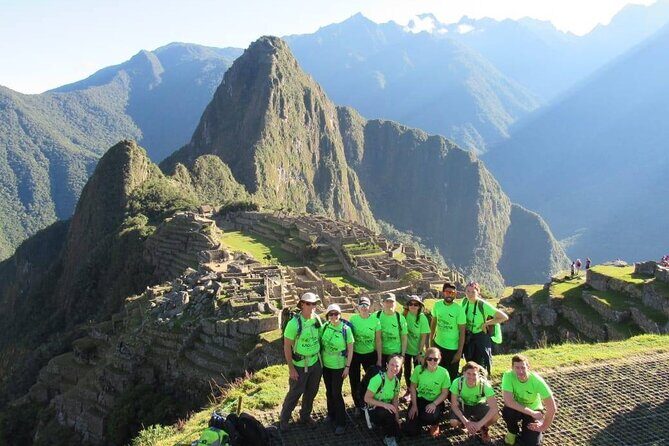
- Day 2: bus up through cloud forest and a guided Machu Picchu circuit
- Huayna Picchu is optional, but you need to plan for it
- Lunch, the return train, and getting back to Cusco
- Guides on this tour: story-tellers, not just sign readers
- What to pack and how to handle the tight timing
- Who should book this tour, and who might prefer a different style
- Should you book the Sacred Valley & Machu Picchu 2D1N tour?
- FAQ
- What time does the tour start on day 1?
- Is lunch and dinner included on day 1?
- What’s included for Machu Picchu on day 2?
- Is Huayna Picchu included?
- What transportation is included during the tour?
- What happens if the weather is poor?
Key things that make this Sacred Valley + Machu Picchu plan work
- Small group size (max 10) keeps the day feeling personal instead of rushed
- Awanacancha Alpaca Farm introduces llamas, alpacas, viñuna, and guanaco plus weaving and natural color work
- Pisaq on the mountain gives you a proper Sacred Valley lead-in before Machu Picchu
- Ollantaytambo train connection reduces the stress of figuring out timing on your own
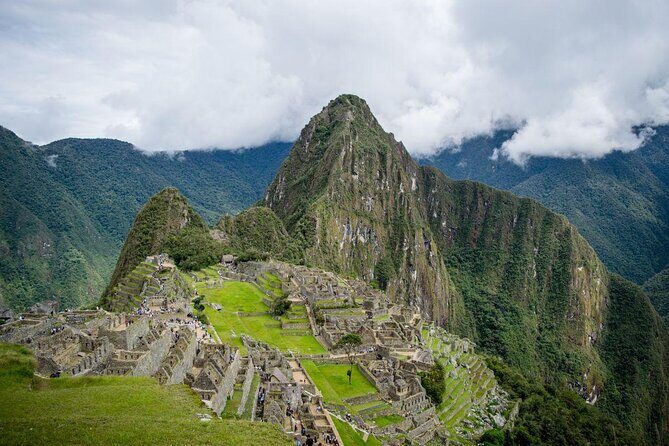
- Machu Picchu guided tour (~2 hours) plus optional Huayna Picchu hike if you book early
- Meals and key entry fees included means fewer surprise costs once you arrive
Sacred Valley and Machu Picchu in 2 days, without the usual headaches
Machu Picchu is famous for a reason, but it can feel like a one-day stamp if you come straight from Cusco with no context. This tour fixes that by feeding you the story in the right order: Sacred Valley first, then the citadel.
What makes the plan feel smart is that it’s not just driving you between famous stops. You’re guided through multiple layers of Inca life and landscape use, then you hit Machu Picchu with a guide explaining how what you’re seeing fits together. The pacing is designed to keep you moving, but not frantic.
And the logistics matter. With pickup from your hotel, private transportation for day 1, and the return transport already arranged, you spend less time chasing tickets and more time paying attention.
You can also read our reviews of more tours and experiences in Cusco
Price check: what your $550 includes (and where the extras show up)
At $550 per person, the value isn’t just about getting into sites. It’s about removing the time-cost of planning and ticket juggling.
Here’s what’s included:
- Experienced English-speaking guide for the guided portions
- All entry fees for Sacred Valley and Machu Picchu
- Meals: lunch and dinner on day 1, plus breakfast at your hotel on day 2
- Private transportation during the Sacred Valley portion
- Round-trip tourist-class train between Ollantaytambo and Machu Picchu town
- Round-trip bus ticket to Machu Picchu
- A night at a 3-star hotel
- Fully guided tour at Machu Picchu (about 2 hours)
The clear extra to plan for is Huayna Picchu. If you want that viewpoint hike, it’s an additional $75 each and you need to book in advance. Tips are optional, travel insurance is recommended, and your hotel outside the tour dates isn’t included.
If you’re someone who hates logistics—especially in a place like Machu Picchu where timing is everything—this bundled approach is often worth paying for. If you’re the DIY type with lots of buffer time and you enjoy figuring out transit on the fly, you might feel the package is more structure than you need.
Day 1 from 8am: Awanacancha Alpaca Farm and the “start with culture” moment
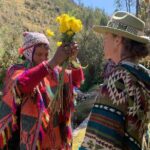
Your day begins with an 8:00am hotel pickup. From there, the first big stop is Awanacancha Alpaca Farm. This isn’t just a photo stop with animals in the background. You get to see the animals the Inca world relied on—llamas, alpacas, viñuna, and guanaco—and you learn how wool is woven and colored.
Why this matters: a lot of people arrive in Peru thinking Machu Picchu is only stone and altitude. The alpaca-and-weaving stop shifts your brain into the idea that the Inca world was also textiles, materials, and craft knowledge. Even if you don’t buy anything, it helps you understand why certain colors and fibers mattered.
There’s usually an opportunity to buy good-quality alpaca wool. If shopping isn’t your thing, just treat it like a window into how trade, craft, and everyday life connect.
A practical note: you’ll want to wear layers. Farms and early morning travel can shift from cool to warm fast, especially as you start rising toward higher viewpoints later.
The Sacred Valley Lookout Point: where photos and orientation meet
After Awanacancha, you head to El Mirador del Valle Sagrado, the Sacred Valley lookout point. This is one of those stops that feels simple, but it sets your bearings fast. You get strong views for photos and a clearer sense of how the valley works—why settlements cluster where they do and what “sacred” geography looks like in real life.
From there, the day continues toward Pisaq, and the ride through the valley helps you get a sense of scale. One section of the itinerary includes around 45 minutes of valley driving, which is enough time to see patterns without you feeling stuck in a bus all day.
Drawback to know: this is a guided day with multiple transitions. If you hate changeovers—walk, ride, walk, ride—keep that in mind. The upside is you’re always moving toward something with meaning attached.
Pisaq Inca Archaeological Site: mountain ruins you approach with a guide
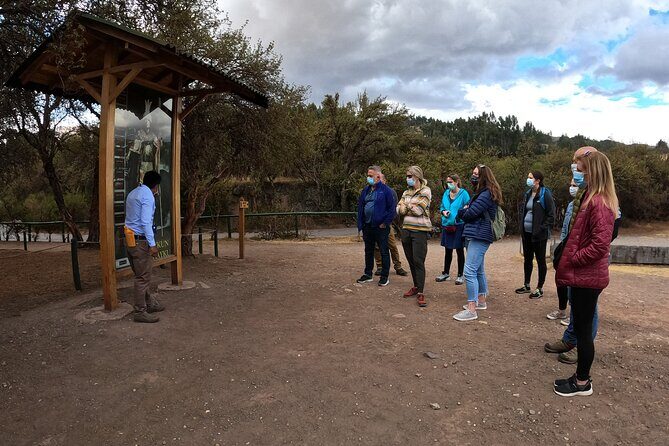
Next comes Pisaq Inca Archaeological Site, up on Pisaq Mountain in the Sacred Valley. You don’t just arrive at a ruin and read a sign. Your guide brings you to the most impressive spots, which is a big deal here because Pisaq can look like “more stone” if you don’t know what to look for.
You’ll likely spend several hours through this portion of the day, with admission included. The benefit of having a guide in place is that the site becomes readable. You start noticing how different pieces relate to the site’s function and location, and your earlier cultural stop (alpacas and weaving) makes the experience feel connected rather than random.
If you’re the kind of person who likes to linger for photos, build in a little patience. The guide is steering time toward the key moments, so “just one more picture” can become “and now we’re late.” That said, the pacing is generally described as well-run and not rushed, which helps.



Ollantaytambo: the living Inca village stop before you leave the valley
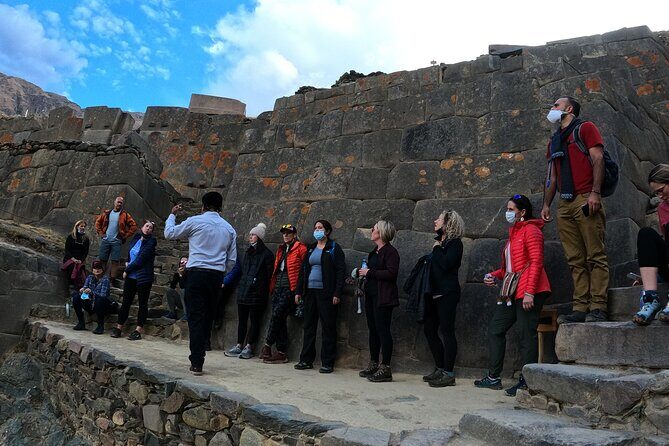
The tour includes Ollantaytambo, described as a 3,500-year-old living Inca village and Inca ruins. This is a smart inclusion because Ollantaytambo is a hinge point: it’s where the Sacred Valley story leads you back toward Machu Picchu.
Why it works: Ollantaytambo isn’t only an impressive ruin. It’s also a place with a sense of continuity, so you’re not just looking at history behind glass. You’re seeing how the Inca legacy still fits into a real town.
Then you move on by train from Ollantaytambo to Machu Picchu town (Aguas Calientes). The train link matters because it turns a complicated transit puzzle into a smooth one. Your package also includes the tourist-class round trip train, which is good news if you want the travel done without upgrading games.
A 3-star hotel night in Machu Picchu town, plus meals that keep you going
After day 1, you stay the night at a 3-star hotel. Dinner on day 1 is included, and breakfast is included for day 2.
This is a practical win. Machu Picchu days can start early and run long, so you don’t want to be spending time hunting for food or paying for meals that weren’t budgeted. The itinerary’s meal structure also helps you keep energy up for the next morning’s bus ride and guided walk.
The hotel is part of the value equation: it’s not just “we’ll see you there.” You’re given a place to rest so you can focus on Machu Picchu rather than logistics and fatigue.
Day 2: bus up through cloud forest and a guided Machu Picchu circuit
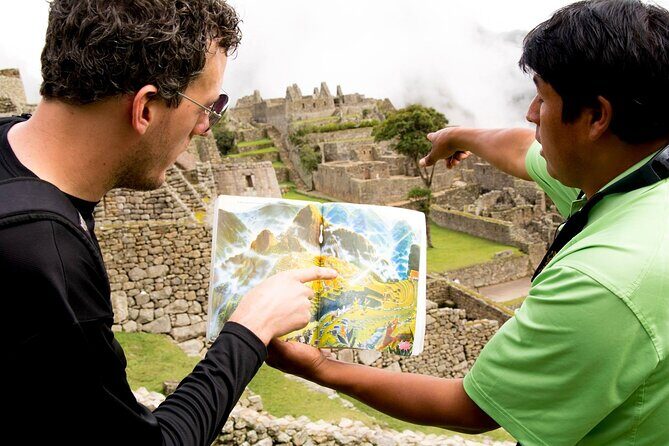
Day 2 begins with an early breakfast, then pickup to go to the bus station. The bus ride up takes about 25 minutes and includes views of the cloud forest. That ride is often the mental switch from travel mode to site mode.
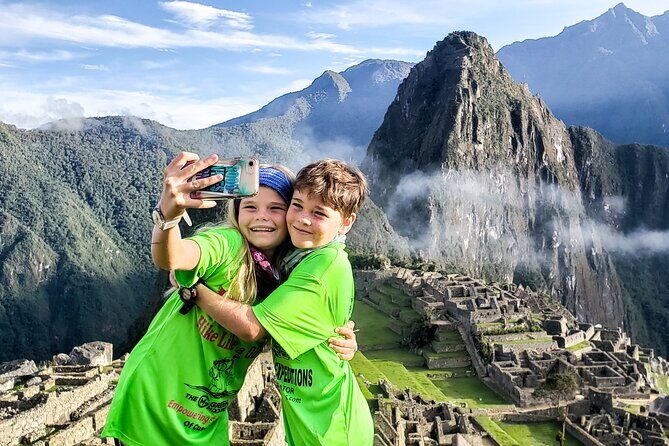
Then you meet your guide for a full guided tour of Machu Picchu. The guided portion lasts about 2 hours. This is where the tour’s strategy shows: after Sacred Valley context, Machu Picchu stops looking like random structures. Your guide explains what you’re seeing along the way, so you’re not just walking between points—you’re building meaning as you go.
Huayna Picchu is optional, but you need to plan for it
If you purchased Huayna Picchu tickets in advance (the tour notes it’s $75 each), you’ll have the extra hike after the main guided tour. The guide finishes the tour and then will wait for you at Aguas Calientes.
If Huayna Picchu is on your bucket list, don’t wait. The extra ticket is optional, but it’s also time-sensitive. Booking in advance avoids the most common disappointment people face with Machu Picchu add-ons.
Lunch, the return train, and getting back to Cusco
After Machu Picchu, you’ll have lunch, then head to the train station to catch your train back to Ollantaytambo. Your driver then picks you up and drives you back to Cusco, dropping you off at your hotel.
This matters more than it sounds. The hardest part of Machu Picchu logistics is often the return part—getting down, getting out, and getting back to sleep. This plan keeps that chain connected: bus up, guided visit, lunch, train back, then direct transport to Cusco.
Also, the tour uses a tourist-class train for the included round trip. That’s a comfortable middle ground for travelers who want value without turning the train into a separate research project.
Guides on this tour: story-tellers, not just sign readers
This is one of the most praised parts of the trip. Guides like Saul Palma, Victor, David, and Walter are highlighted for combining clear explanations with a genuine love for Inca culture.
I like this style because it changes the pace inside your head. Machu Picchu can feel overwhelming at first. A good guide helps you slow down enough to see patterns—how the site is organized, what different areas might have meant, and how the Sacred Valley stops connect to it.
The guides also tend to handle questions in a way that feels respectful, especially when you’re trying to wrap your mind around what you’re seeing.
What to pack and how to handle the tight timing
You don’t get a “half day off” buffer on this itinerary, so small choices help a lot.
Bring:
- A light jacket or layers (cloudy and cooler conditions can show up, especially early)
- Comfortable shoes for guided walking at ruins
- Sun protection (the bus ride and the site can be bright even if it feels cool)
Planning tips that can save your day:
- If you want Huayna Picchu, book it in advance as soon as you can
- For photos, remember you’re sharing time with the group and guide stops, so be ready to capture on the move
- Start early with your hotel pickup in mind—8:00am is not a suggestion
And weather: the tour requires good weather. If poor weather cancels the plan, you’ll be offered a different date or a full refund. That’s good protection for your main investment, even though the non-changeable nature of the booking still means you should lock it in with confidence.
Who should book this tour, and who might prefer a different style
Book this if you want:
- A hassle-free way to connect Sacred Valley to Machu Picchu in 2 days
- Private transportation for the Sacred Valley portion
- A guided Machu Picchu visit (about 2 hours) rather than a self-directed rush
- Meals, train, bus, and key entry fees handled in one package
Consider something else if:
- You want lots of independent time at each stop and don’t like set meeting points
- You’re hoping to swap activities on the fly (this itinerary is built to run on schedule)
- You’re traveling in a period when weather disruptions are a serious concern for you personally
Should you book the Sacred Valley & Machu Picchu 2D1N tour?
If you’re visiting Peru for the first time and you want Machu Picchu without turning your vacation into a logistics project, I think this is a strong pick. The $550 price works best when you value certainty: guide-led sites, included entry fees, a 3-star hotel night, and the train and bus links handled cleanly.
The biggest reason to book is the flow. Sacred Valley doesn’t feel like a separate sightseeing day—it becomes the setup that helps Machu Picchu land with more meaning. Just go in knowing it’s a packed schedule, and if Huayna Picchu matters to you, plan that ticket early.
FAQ
What time does the tour start on day 1?
The start time is 8:00 am, with hotel pickup included.
Is lunch and dinner included on day 1?
Yes. Lunch and dinner are included on day 1.
What’s included for Machu Picchu on day 2?
You get an early breakfast, round trip bus ticket to Machu Picchu, and a fully guided tour of the Machu Picchu citadel (about 2 hours). Admission is included.
Is Huayna Picchu included?
Huayna Picchu is optional. If you want it, you need to purchase the ticket separately ($75 each) and book in advance.
What transportation is included during the tour?
You’ll use private transportation during the Sacred Valley portion, plus a round-trip tourist-class train between Ollantaytambo and Machu Picchu town, and round-trip bus tickets to Machu Picchu.
What happens if the weather is poor?
This experience requires good weather. If it’s canceled due to poor weather, you’ll be offered a different date or a full refund.