REVIEW · CUSCO
2 Days Shared Inca Trail to Machu Pichu
Book on Viator →Operated by AB Expeditions · Bookable on Viator
The Inca Trail feels different in just two days. You’ll walk part of the classic route, reach the Machu Picchu area through the Sun Gate, then get a guided visit focused on history, geology, and biodiversity.
What I love most is the small-group size (max 8) and the way the day one timing gives you fewer crowds at key viewpoints like Sun Gate. I also really like the setup around food and comfort: meals are included with vegetarian options, plus a hot-springs window in Aguas Calientes.
One thing to consider: this is an early, physical hike (moderate fitness recommended), and weather can mean cold rain along the trail—pack rain gear.
In This Review
- Key highlights worth planning around
- Why this 2-day Inca Trail plus Machu Picchu combo makes sense
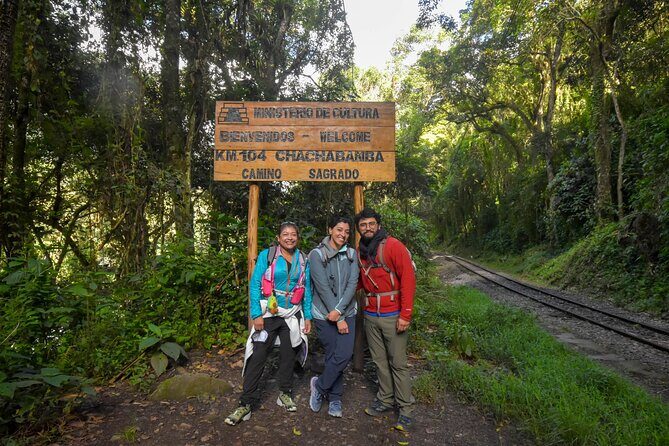
- Day 1: Cusco at 4:00 am, train to km 104, then a 15 km classic Inca walk
- Wiñay Wayna picnic and Intipunku energy without a full-day grind
- Afternoon at Sun Gate: iconic views and a smoother route into Aguas Calientes
- Day 2: 5:30 am bus to Machu Picchu, passport check, then a guided 2-hour visit
- Optional Huaynapicchu: only if you booked the separate ticket
- Aguas Calientes time: hot springs and real dinner energy
- Price and value: what $670 really covers, and what costs extra
- Guides can make or break this trip: the AB Expeditions pattern I’d bet on
- Who should book this shared hike to Machu Picchu
- Practical tips: rain gear, photo timing, and pacing smart
- Should you book this 2-day Inca Trail to Machu Picchu route?
- FAQ
- How long is the 2-day shared Inca Trail and Machu Picchu experience?
- Where does the trip start and how early does it begin on day 1?
- How much hiking is included?
- Is Machu Picchu guided, or is it self-guided?
- What time is the Machu Picchu visit on day 2?
- Are meals included?
- Are entry tickets included for the Inca Trail and Machu Picchu?
- Is Huaynapicchu included in the ticket?
- How big is the group?
- What if bad weather affects the trip?
Key highlights worth planning around
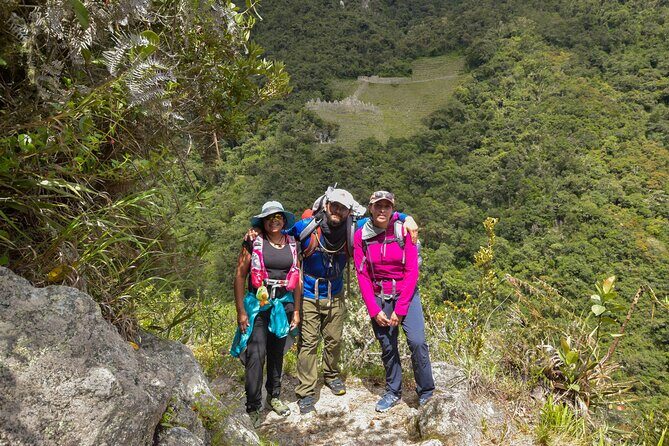
- Sun Gate photo time that’s timed for better views with fewer crowds
- Wiñay Wayna mountain-view picnic breaks up the hike in a memorable way
- Aguas Calientes free time so you can choose hot springs or just relax
- Guided Machu Picchu covering history, geology, architecture, and biodiversity
- Optional Huaynapicchu hike for extra views if you book the separate ticket
Why this 2-day Inca Trail plus Machu Picchu combo makes sense
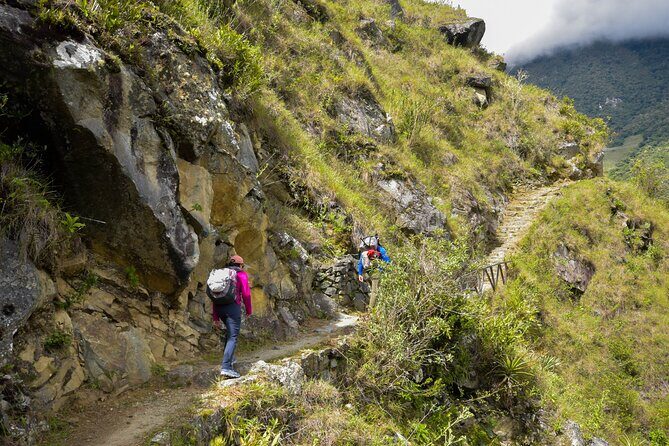
Two days is short for the Inca Trail, which is exactly why this route works. Instead of spending a week building endurance, you get the core experience: Inca path energy, misty cloud-forest feel, and then a proper Machu Picchu visit the next morning.
This is also a great value style of trip because a lot of the usual headaches are handled for you. You’re not piecing together train times, admission lines, and meal planning. The schedule is designed around early entry into Machu Picchu and good pacing, with a small group that keeps things calmer.
And if you care about photos, the timing on day one matters. Hitting the Sun Gate with fewer tourists (not empty—just better) gives you a real shot at iconic angles without wrestling for space.
You can also read our reviews of more tours and experiences in Cusco
Day 1: Cusco at 4:00 am, train to km 104, then a 15 km classic Inca walk
Day one starts with a serious early departure from Cusco at 4:00 am. You’ll ride about 1.5 hours to Ollantaytambo for breakfast, then take the train to km 104, where the hike begins. That train segment is one of the smartest parts of this itinerary: it reduces the total time on your feet while keeping you on a real Inca-aligned route.
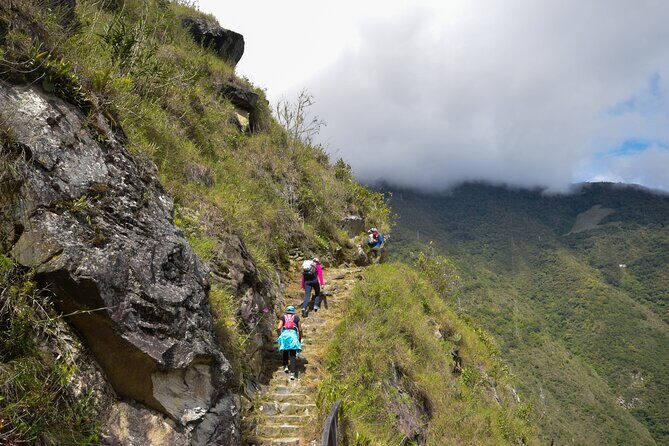
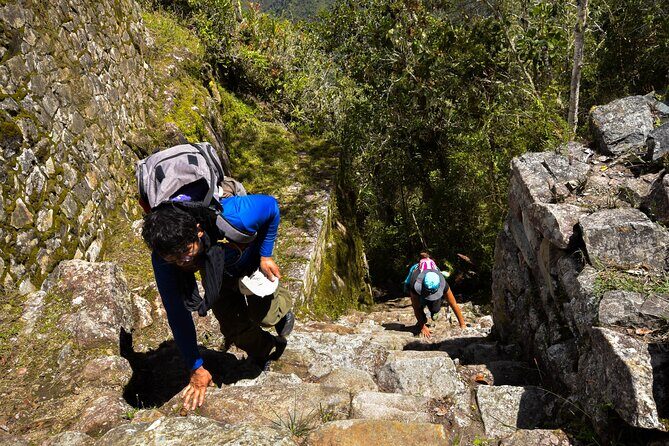
Once you’re walking, you cover roughly 15 km through the Sacred Valley area. This isn’t just “walk and hope for views.” The trail passes Inca sites and moves through changing plant life—from warmer valley tones to the cooler cloud forest mood. That variety is where the hiking feels alive, especially if you like spotting birds and seeing how the greenery shifts with elevation.
The vibe here is simple: steady effort, small moments of wonder, and stops that keep you from getting lost in the big picture. You’re moving toward Wiñay Wayna with the awareness that you’ll be rewarded later with big scenery.
Wiñay Wayna picnic and Intipunku energy without a full-day grind
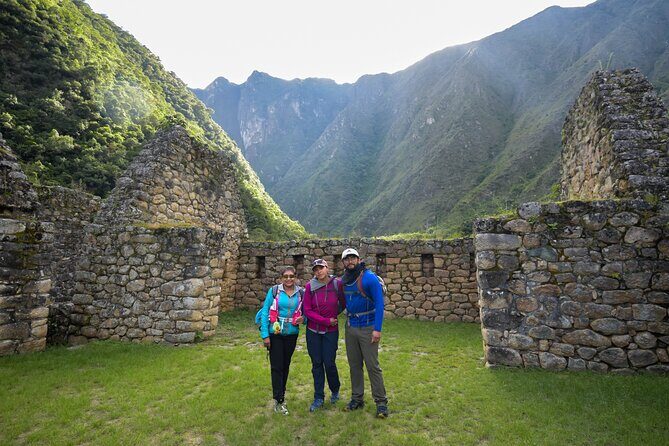
One of the most praised moments on this route is Wiñay Wayna, and it’s not just because it’s scenic. You’ll enjoy a mountain-view picnic there, which is a nice reset for your legs and your head. After the morning’s walking and elevation changes, food with a view makes the day feel celebratory, not just exhausting.
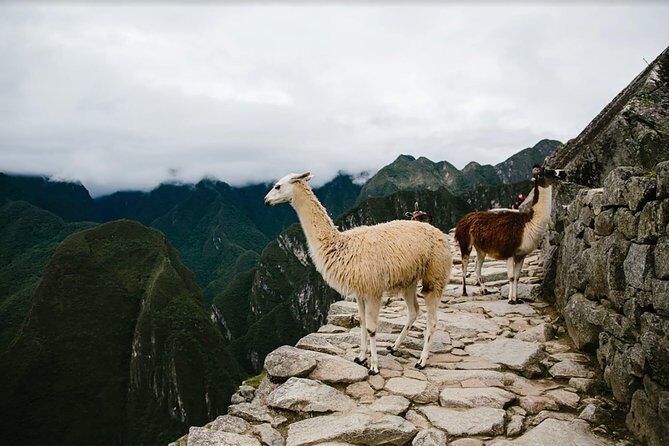
This stop also helps you feel the gradual transition from “trail day” to “arrival day.” Wiñay Wayna sits right in the stretch where the Inca path begins to feel like a living timeline. The cloud-forest atmosphere can also shift quickly, which means you may get dramatic lighting for photos or a sudden misty veil. Either way, it’s part of the Inca Trail character.
If you’re the type who likes learning while walking, this is a good time for your guide’s storytelling. The experience is built so the history doesn’t wait until the end.
Afternoon at Sun Gate: iconic views and a smoother route into Aguas Calientes
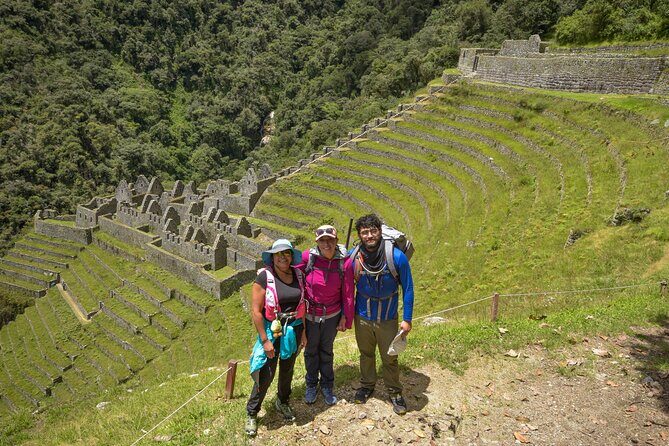
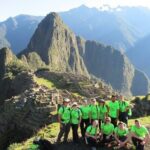
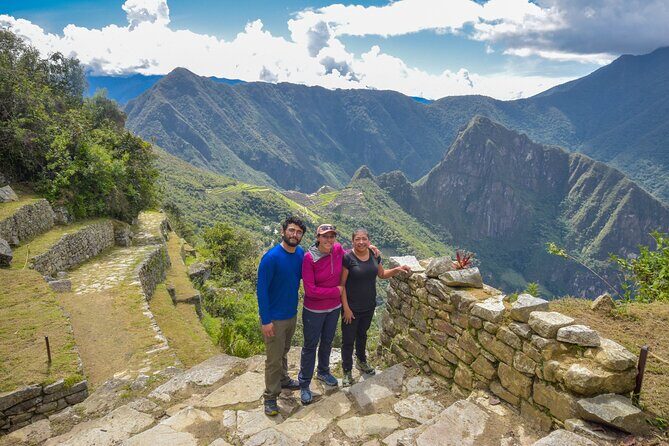
In the afternoon, you reach the Sun Gate, which is one of the emotional payoff points of this itinerary. The view toward Machu Picchu area is the kind of moment that makes the early wake-up feel worth it. It’s also timed so you generally get better photo options than you would later in the day when crowds pile in.
After the famous “Guard House” photo moment, you won’t be marching any farther up the mountain. Instead, you’ll take a bus down to Aguas Calientes. That transfer matters more than it sounds. By keeping the afternoon from turning into a second hike, you arrive with enough energy to actually enjoy your evening.
You’ll have free time in Aguas Calientes until dinner, with a built-in option to dip in the hot springs. This is a practical choice, not a gimmick: after a day of walking on uneven trail, soaking can help you feel more human the next morning.
Day 2: 5:30 am bus to Machu Picchu, passport check, then a guided 2-hour visit
Day two is all about an early start for a reason: you need time to get inside, get oriented, and enjoy the site without rushing. You’ll get picked up from your hotel, walk to the bus station, and depart at 05:30, with about a 30-minute ride up to Machu Picchu.
At the sanctuary, you’ll go through a passport and Machu Picchu checkpoint before your guided visit begins. Then you spend around 2 hours touring with a guide who focuses on more than just “what you’re looking at.” The emphasis is on history, geology, architecture, and biodiversity, which gives the stones context and the plants meaning.
A big advantage of a guided approach here is that it helps you understand why the site is built the way it is. Machu Picchu isn’t random. Once you connect the geography and engineering choices to the natural setting, the whole place starts to make more sense.


Optional Huaynapicchu: only if you booked the separate ticket
After your main Machu Picchu visit, there’s an optional hike to Huaynapicchu Mountain, but it requires a separate entrance ticket. The price listed is $65 per person, and you’ll need to have it booked ahead of time.
This option is worth considering if you want a more dramatic perspective beyond the core viewpoints. Just be realistic about your stamina. Even if day one was manageable, day two includes another active climb option layered onto a morning already filled with walking, steps, and early transport.
If you don’t want the extra altitude and climbing, you can still enjoy Machu Picchu fully without Huaynapicchu. This is more about preferences than a must-do.
Aguas Calientes time: hot springs and real dinner energy
Aguas Calientes is where your trip shifts from “trail logistics” to “take a breath.” After day one, you’ll have free time before dinner, which is a great chance to soak in the hot springs if you feel up for it.
Hot springs in this context are practical recovery. When you’re walking on mountain trails, the legs can feel it. Even a shorter dip can make day two feel less brutal.
Then comes the rhythm shift on day two. You’ll return to Aguas Calientes for lunch after Machu Picchu, which prevents the common mistake of spending the whole day hungry and rushed. Lunch is included, which matters when you’ve already paid for a schedule that moves early.
After that, you’ll head to the train station for the ride back to Ollantaytambo, then a driver brings you back to Cusco with drop-off at your hotel around 19:30.
Price and value: what $670 really covers, and what costs extra
At $670 per person for about 2 days, this option is priced like a guided, admission-inclusive experience, not a bare-bones transport plan. The biggest value piece is that you get fees covered for the Inca Trail and Machu Picchu, plus meals (including 2 breakfasts, 2 lunches, and 2 dinners) with a vegetarian option.
You’re also getting the “moving parts” managed: air-conditioned vehicle, train segments, bus transfers, and the hotel overnight in Aguas Calientes as part of the day flow. When you compare that to DIY planning, the price starts to feel more like convenience plus access handling.
What costs extra is the Huaynapicchu entrance ticket ($65 per person) if you want it. That’s a straightforward add-on, not a surprise. Just decide early so you don’t end up in the situation where you’re at Machu Picchu but locked out of the mountain hike.
If you’re trying to keep your costs predictable, this tour is designed that way. Most of the major expenses are built in.
Guides can make or break this trip: the AB Expeditions pattern I’d bet on
This experience is built around guides who explain what you’re seeing and keep the group moving well. I saw a clear pattern in how the guides get praised for being funny, friendly, and able to answer questions with real confidence.
Names that came up include Aiben, Bernie/Bernabe, and Maiki, plus William for cooking and meal prep. You’ll also see that support staff names like Daniel and Jesus were linked to the Wiñay Wayna picnic experience. That matters because food quality and calm organization are a huge part of whether a two-day hike feels inspiring or stressful.
A good guide also helps you get the most out of time windows. With early starts and photo moments like Sun Gate, you want someone who knows how to manage timing without turning the day into a sprint.
Who should book this shared hike to Machu Picchu
You’ll likely enjoy this if you want a big bucket-list experience but don’t want to commit to a long trekking schedule. The moderate fitness level requirement makes it a good choice for people who can walk uphill and handle uneven steps, even if you’re not training for a marathon.
It also suits you if you like learning while you move. The guided focus on history, geology, architecture, and biodiversity fits travelers who want more than a highlight reel.
And if you prefer a small group, this hits the sweet spot. With a maximum of 8 travelers, you’re less likely to feel like you’re in a crowd stampede. That also tends to make questions easier to ask and harder to ignore.
Practical tips: rain gear, photo timing, and pacing smart
Bring sufficient rain gear. Rain shows up in the region, and mountainous weather can turn quickly. Even if it’s not pouring, wet trail surfaces can make the hike feel more demanding, so pack gear that actually works.
Start thinking about photos on day one. Sun Gate is timed for better photo options, and you’ll also want to shoot from the Guard House viewpoint. If you plan to keep your hands free, bring a small day bag with secure closures so you’re not juggling your camera every time you stop.
Finally, manage expectations for day two. Machu Picchu is rewarding, but it’s still a morning with lots of movement. You’ll be walking, waiting for transport, and then touring for about 2 hours, with an optional climb afterward.
If Huaynapicchu tempts you, decide based on how your body feels after day one. Don’t force it just because it’s an add-on.
Should you book this 2-day Inca Trail to Machu Picchu route?
If you want Inca Trail flavor in a compact format, I think this is a smart booking. It combines the classic feeling of a trail hike with the payoff of Machu Picchu the next morning, plus real built-in support: meals, guided explanations, and the key transitions handled for you.
I would book it if you value small-group energy, want expert storytelling, and like the idea of a day-one finish that includes Aguas Calientes and possible hot springs recovery. It’s also a good choice if your time is limited but your curiosity isn’t.
Skip it (or at least think twice) if you hate early wake-ups or you don’t want any chance of wet, cold trail conditions. Two days can feel intense when you factor in the early start, the walking time, and the optional mountain hike.
FAQ
How long is the 2-day shared Inca Trail and Machu Picchu experience?
It runs for about 2 days (roughly 10 hours each day based on the provided schedule details).
Where does the trip start and how early does it begin on day 1?
Day 1 begins with an early departure from Cusco at 4:00 am, with transportation to Ollantaytambo for breakfast before taking the train to km 104.
How much hiking is included?
Day 1 includes about 15 km of hiking on the Classic Inca Trail.
Is Machu Picchu guided, or is it self-guided?
It includes a guided Machu Picchu visit of about 2 hours, with commentary covering history, geology, architecture, and biodiversity.
What time is the Machu Picchu visit on day 2?
You depart for Machu Picchu at 05:30 and the bus ride takes about 30 minutes.
Are meals included?
Yes. You’ll receive 2 breakfasts, 2 lunches, and 2 dinners, and there is a vegetarian option.
Are entry tickets included for the Inca Trail and Machu Picchu?
Yes. Access fees for the Inca Trail and Machu Picchu are included. The Machu Picchu admission ticket is marked as free within the tour details.
Is Huaynapicchu included in the ticket?
No. Huaynapicchu requires a separate entrance ticket costing $65 per person, and it’s optional.
How big is the group?
The maximum group size is 8 travelers.
What if bad weather affects the trip?
This experience requires good weather. If it’s canceled due to poor weather, you’ll be offered a different date or a full refund.