REVIEW · CUSCO
Humantay Lake and Salkantay Pass Trek – 2 Days / 1 Night
Book on Viator →Operated by Salkantay Trekking · Bookable on Viator
Two days, two passes, and one long wow. You’ll start with an early climb toward Humantay Lake, then push to the Salkantay Pass area via Abra Salkantay at 4,630 m, with glacier views hanging over the whole route. I love that the trek is compact enough to feel doable, yet still delivers the big-ticket scenery. I also like the Sky Camp night setup and the way meals and gear are handled so you can focus on walking and breathing.
The main drawback is the combo of early starts and altitude. You begin at 4:30 am, and if you arrive in Cusco late or you’re not feeling strong that day, the climbs can feel harder than the photos suggest.
In This Review
- Key reasons this 2-day trek works
- Why this 2-day Humantay Lake and Salkantay Pass plan is so popular
- The 4:30 a.m. launch: what to expect before you even start hiking
- From Mollepata to Challacancha: the Inca channel start you’ll remember
- Humantay Lake: turquoise water and glacier views that feel close enough to touch
- Soraypampa Sky Camp: what it’s like to sleep at altitude (and actually sleep)
- Day 2 morning: breakfast at Sky Camp and the start of the Salkantay climb
- Abra Salkantay summit area and the big view moment
- The return ride to Cusco: why the last hours feel different
- Food, gear, and included comfort that actually helps
- How hard is it really, and who should (and shouldn’t) do it
- Altitude, weather, and guide quality: the stuff that changes your day
- Price and value: is $310 fair for 2 days, 1 night?
- Should you book this Humantay Lake and Salkantay Pass 2-day trek?
- FAQ
- What time does the trek start?
- How long is the experience?
- What’s included in the price?
- Is dinner included on both days?
- What accommodation do you get at night?
- How many people are in the group?
- Do they provide gear like trekking poles and sleeping bags?
- Can I get vegetarian or vegan food?
- What if the weather is bad?
Key reasons this 2-day trek works
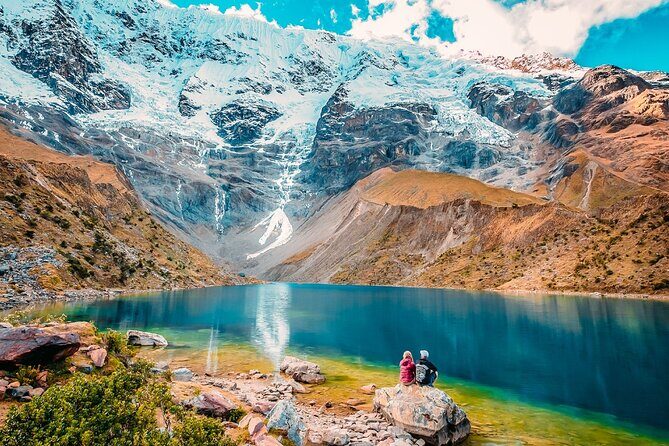
- Humantay Lake’s turquoise color comes with glacier backdrop, not just a viewpoint
- Abra Salkantay (4,630 m) is the altitude headline, tied to the Path of the 7 Snakes
- Soraypampa Sky Camp includes sleeping gear and a simple, comfy base for the night
- Small group size (up to 12) keeps the experience more controlled on steep sections
- Practical safety support is included: oxygen and a first aid kit available, plus walkie-talkies
Why this 2-day Humantay Lake and Salkantay Pass plan is so popular
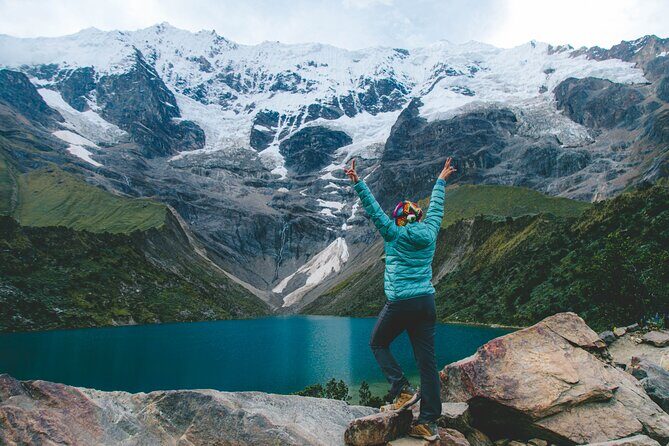
If you want the Salkantay vibe but can’t spare a full week, this route is a smart compromise. You get two major “wow” zones—Humantay Lake and the Abra Salkantay summit area—without losing days to transit or extended hiking.
The pacing also matters. A 2-day trek means you’ll feel the altitude faster, so you need to go in with a steady mindset: slow steps, short breaks, and good hydration. Done well, it feels like a sprint to the best parts, not a grind through every possible trail.
And yes, the views are the point. But what makes this trek worth your money is how much of the logistics are handled—transport, meals, gear basics, and safety gear—so you’re not piecing together a high-altitude adventure at the last minute.
You can also read our reviews of more evening experiences in Cusco
The 4:30 a.m. launch: what to expect before you even start hiking
Your day begins early: meet-up at 4:30 am. Before the climbs, there’s time in the morning for Cusco-to-Andes driving and a tour pass through picturesque villages. Then you head toward Mollepata for breakfast before you start hiking from Challacancha.
This is one of those trips where the morning schedule is a feature, not a bug. Starting early helps with cooler temperatures and gives you more control over timing at Humantay Lake and the next day’s Abra Salkantay push.
Practical tip: if you’re the type who hates being cold, bring layers even if you think it’s “warm enough” when you set out. At altitude, morning air can feel sharp fast.
From Mollepata to Challacancha: the Inca channel start you’ll remember
After breakfast at Mollepata Village, you begin the hike from Challacancha. The route follows ancient Inca channels, and that detail isn’t just trivia—it changes how you experience the trail.
Those channels are a reminder that this landscape has been worked for centuries. You’ll likely notice how intentional the path feels, even when you’re focused on not huffing too loudly. It’s also a good warm-up before you hit the biggest view payoff later.
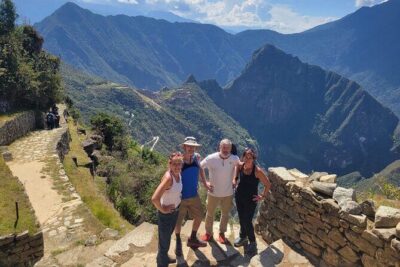
You’ll be surrounded by snow-capped peaks, so even before the famous turquoise water, you’re already in the Andes “main character” zone.
Humantay Lake: turquoise water and glacier views that feel close enough to touch
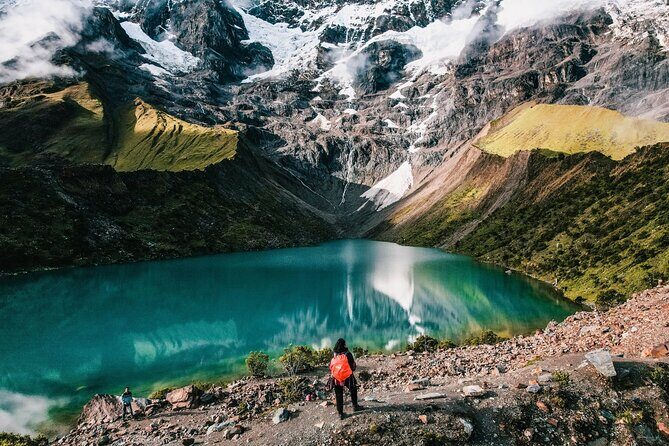
In the afternoon, you ascend to Humantay Lake. This is where the trek earns its reputation: the lake’s turquoise water sits under a ring of dramatic mountains, with glacier views in the background.
This part of the hike is the emotional peak of Day 1 for many people because it’s visual and immediate. You climb, you turn a corner, and suddenly the lake is right there—wide, bright, and surrounded by steep snow-streaked walls.
What I like about this pacing is that you’re not rushing straight to the lake at the first light. You’ve had breakfast, you’ve started the day gradually, and then the trail “rewards” you in a way that feels satisfying rather than frantic.
And if the optional horseback ride is offered on your day, it’s a way to reduce effort for some travelers. Keep in mind it’s optional, so you should still be ready to walk the primary route.
Soraypampa Sky Camp: what it’s like to sleep at altitude (and actually sleep)
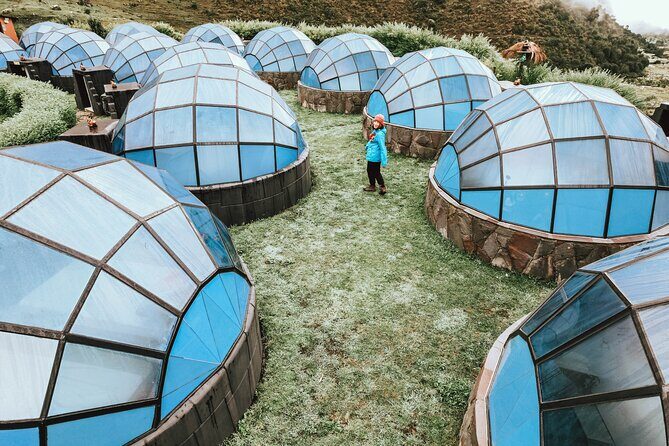
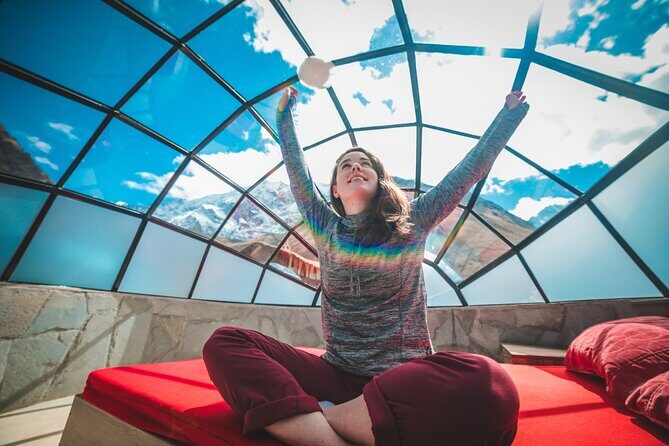
After Humantay Lake, you return toward camp. You’ll have dinner, then rest overnight at Soraypampa Sky Camp, described as panoramic igloos.
This is not just a place to stash your bag. It’s your reset button. Having a proper camping setup helps on a trek where your body is busy adapting to altitude and your legs are busy complaining.
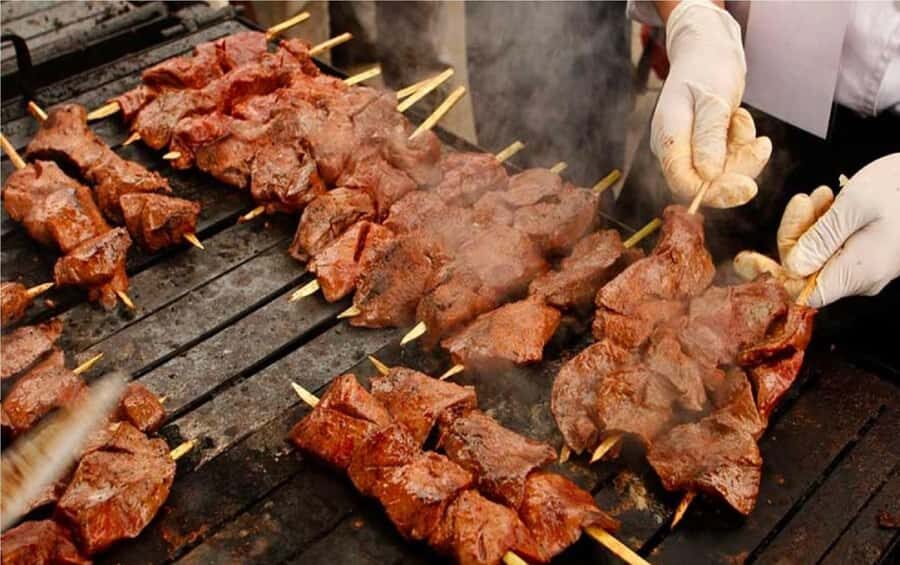
You also get small touches that make a difference. The trip includes wake-up tea, water, snacks on the trail, and scheduled meals (with breakfast and lunches on Day 2, plus lunch during the day). Gear like sleeping bag support and basic hiking equipment is part of the deal, which means less stress when you arrive tired.
And the best night benefit is simple: the sky can be unreal. One of the strongest mentions from past trekkers is how starry the night is, especially after a well-run dinner.
You can also read our reviews of more hiking tours in Cusco




Day 2 morning: breakfast at Sky Camp and the start of the Salkantay climb
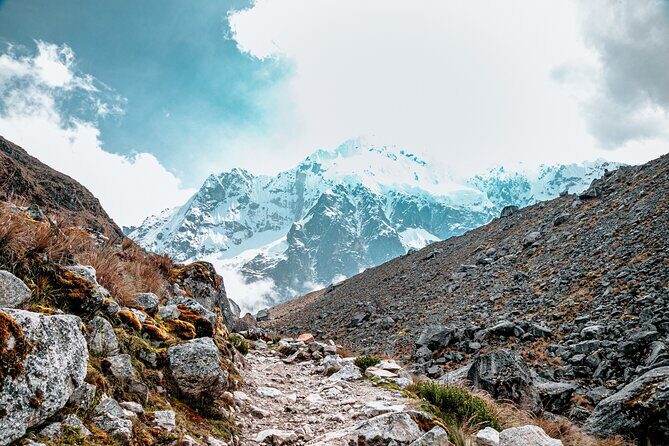
Day 2 starts with an early breakfast at Sky Camp. Then you begin the ascent toward Abra Salkantay, following the winding Path of the 7 Snakes.
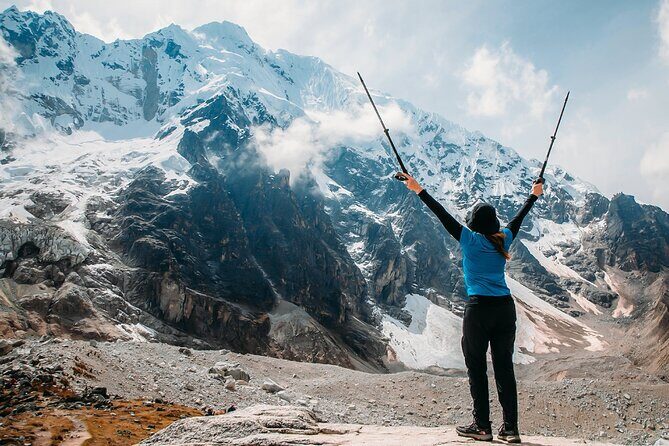
This part is the crux of the trip. It’s not long in “hours on the trail” compared to longer treks, but the elevation makes every step feel like it matters. You’re pushing toward 4,630 m, and from there you’re rewarded with snow-capped peaks and glacier-dominated views across the horizon.
What I appreciate here is the guide and support structure. The included setup includes experienced mountain guides, walkie-talkies, oxygen, and a first aid kit available at all times. That doesn’t mean you can ignore altitude. It does mean the operation is prepared for what mountains can throw at you.
Abra Salkantay summit area and the big view moment
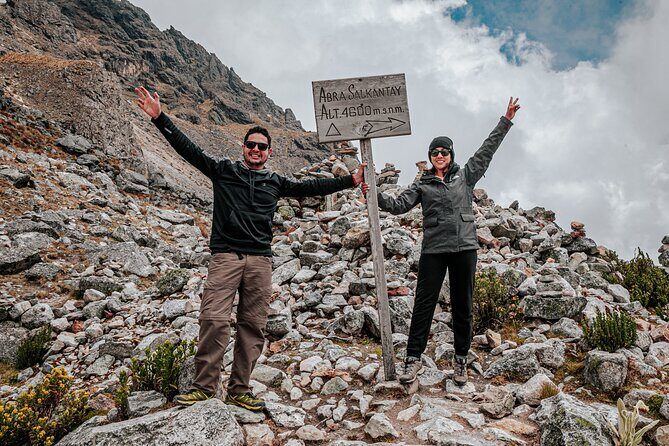
Once you reach Abra Salkantay, you pause to take it in. This is the moment your effort is for: glaciers, bright snow, and a sky that feels huge.
Celebrating your achievement makes sense here. Even if you’re not a “trophy photo” person, the summit area is where you get a real sense of the Andes scale. It also puts the rest of the trek into perspective—Humantay Lake was your first headline, Abra Salkantay is your second.
Then you descend back to camp for lunch. The downhill is usually easier physically than the ascent, but at altitude it still requires attention to footing and pacing.
The return ride to Cusco: why the last hours feel different
After your lunch at camp, you relax on the trip back to Cusco. There’s time to watch the valley change color as you travel.
That last section can be surprisingly calming. You’re not climbing anymore. You’re not trying to “make time.” You’re just getting back into motion and letting your body cool down from the effort.
It’s also when you can start processing what you just did—especially if you came in worried about the altitude. If you handled the early morning pace and kept breaks sensible, it often feels like a win that sinks in slowly.
Food, gear, and included comfort that actually helps
This trek is built around comfort where it counts, not luxury for luxury’s sake.
Included:
- Dinner (Day 1) plus breakfasts and lunches across both days
- Wake up tea, water, tea time, and snacks on the trail
- Poncho rain gear and a backpack cover
- A personal duffel bag for travel gear (up to 5 kg / 11 lb)
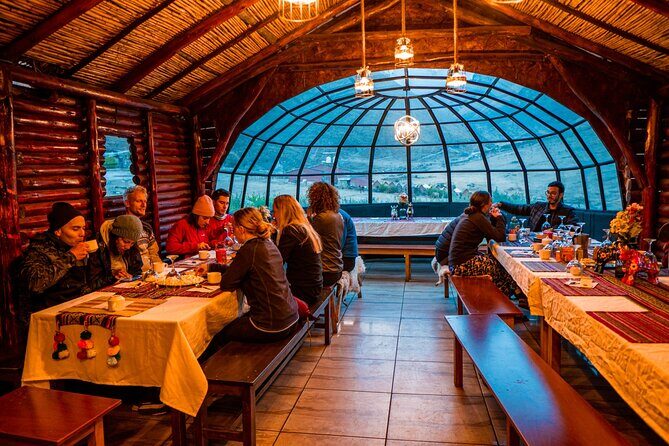
- Private camping facilities: dining room, kitchen, tables, and chairs
- Basic hiking equipment: sleeping bag, trekking poles, and a hand towel
- Walkie-talkies, oxygen, and a first aid kit available at all times
Not included:
- Dinner on Day 2
- Hiking clothing and personal equipment
The “gear included” part is big value. If you show up without trekking poles or you don’t have a plan for staying warm at night, you’ll spend money you didn’t budget. Here, you’re starting with at least the basics handled.
One more practical detail: the tour notes vegetarian and vegan options are available if you request them at booking. If food matters to you (it should), do that early so you don’t end up eating whatever’s easiest instead of what you need.
How hard is it really, and who should (and shouldn’t) do it
This is a challenging trek. The trip is best for people with strong physical fitness and a willingness to walk uphill at altitude.
A two-day plan can trick you. It’s short, so you might assume it’s light. But you’re hitting high elevation fast, and Abra Salkantay at 4,630 m is not a casual stamp. Plan on feeling it.
You should also think about timing in Cusco. The recommendation is to arrive at least 2 days before the trek to adjust to altitude. That alone can be the difference between feeling “tired but fine” and feeling “tired and panicky.”
If you’re worried about communication or pacing, small group size helps. This experience has a maximum of 12 travelers, which generally means you won’t be lost in a huge crowd if you fall behind.
Also note: service animals are allowed. Children aged 10 and over can join with an accompanying responsible adult.
Altitude, weather, and guide quality: the stuff that changes your day
Weather matters. This experience requires good weather, and if it’s canceled for poor conditions, you’ll be offered a different date or a full refund.
Altitude matters too. Even with guide support, your body decides how the day goes. The trek’s early start, plus the height of Abra Salkantay, means you should treat hydration and pacing as part of the plan—not an afterthought.
Guide quality is another factor. In the stories connected to this trek, names like Jordan and Jackson show up with praise for being organized and flexible, especially when people are behind pace or dealing with altitude timing issues. If your guide has that calm, patient style, it can turn a tough day into a memorable one instead of a stressful one.
Still, be aware there’s at least some mixed feedback about organization and staff friendliness in a few cases. That doesn’t mean the trek is unsafe or chaotic, but it does mean you’ll want to go in with reasonable expectations and a “problem-solving” attitude if communication isn’t perfect on the day.
Price and value: is $310 fair for 2 days, 1 night?
At $310 per person, you’re paying for more than hiking scenery. You’re buying a whole bundle: private transport and transfers, entry tickets to Salkantay Trek and Humantay Lake, camping facilities and equipment, guide support, and key gear items like sleeping bag support and trekking poles.
For short treks in Peru, that bundled structure is often the difference between a smooth trip and a messy one. Here, the inclusion of safety items (oxygen and first aid kit available), plus rain protection and trail snacks, makes the price easier to justify.
I also like that the trip is small-group capped. Even if you don’t care about “group vibes,” fewer people can mean more manageable pacing and less waiting around at the viewpoints.
If you already have trekking poles and you know you won’t need much gear, you might think you could DIY it cheaper. But you’d still be paying in your time and effort to coordinate entry, camp basics, meals, and altitude logistics. In that sense, the $310 is less about convenience and more about reducing risk.
Should you book this Humantay Lake and Salkantay Pass 2-day trek?
Book it if:
- You want Humantay Lake plus Abra Salkantay without a week-long commitment
- You’re physically fit and okay with altitude challenges
- You like the idea of Sky Camp night comforts rather than roughing it
- You want a guided, structured plan that handles gear, meals, and key logistics
Skip it (or choose a different option) if:
- You’re arriving in Cusco with less than 2 days to acclimatize
- You’re unsure about your ability to handle steep climbing at high altitude
- You prefer slower schedules and lots of buffer time to rest
One last practical note: if you’re also planning Machu Picchu, remember that those spots sell out quickly. Plan that part early too, so you’re not scrambling after the trek.
FAQ
What time does the trek start?
The meeting time is 4:30 am.
How long is the experience?
It’s about 2 days and includes 1 night.
What’s included in the price?
Your package includes an experienced mountain guide, private transport and transfers, entry tickets to Salkantay Trek and Humantay Lake, poncho rain and backpack cover, wake-up tea and trail snacks, camping facilities and equipment, 1 night at Sky Camp, hotel pickup and drop-off, a pre-departure briefing, and basic hiking equipment like a sleeping bag, trekking poles, and a hand towel. Breakfast and lunch are included (2 breakfasts and 2 lunches), and dinner is included on Day 1.
Is dinner included on both days?
Dinner is included on Day 1, but dinner on Day 2 is not included.
What accommodation do you get at night?
You’ll stay overnight at Soraypampa Sky Camp, described as panoramic igloos.
How many people are in the group?
This experience has a maximum of 12 travelers.
Do they provide gear like trekking poles and sleeping bags?
Yes. Basic hiking equipment is included: a sleeping bag, trekking poles, and a hand towel.
Can I get vegetarian or vegan food?
Vegetarian or vegan options are available if you request them at booking.
What if the weather is bad?
The trek requires good weather. If it’s canceled due to poor weather, you’ll be offered a different date or a full refund.