REVIEW · CUSCO
Classic Inca Trail 4 Days to Machu Picchu
Book on Viator →Operated by Vidal Expeditions · Bookable on Viator
Four days later, Machu Picchu still hits hard. This Classic Inca Trail route out of Cusco stitches together major Inca stops like Llactapata and the Sun Gate approach, with bilingual guides who explain what you’re seeing rather than just ticking boxes. You get the big day-to-day climbing rhythm, plus the fun of exploring ruins right when the views and light are at their best.
The main drawback is simple: the altitude is real. You’ll top out around 4,216 meters on Day 2, and you’ll sleep near 3,600 meters, so you need a body that can handle hard hours and thin air. Weather also matters for this kind of trip.
In This Review
- Key highlights you’ll feel on the trail
- Why this Classic Inca Trail route feels truly old-school
- Cusco start, Sun Gate arrival, and the return that actually makes sense
- Day 1: Llactapata and the moment the trail starts telling you a story
- Day 2: The highest pass (4,216 m) and the calm after Pacaymayu camp
- Day 3: Puyupatamarca to the last pass (3,660 m) and the Machu Picchu mountain reveal
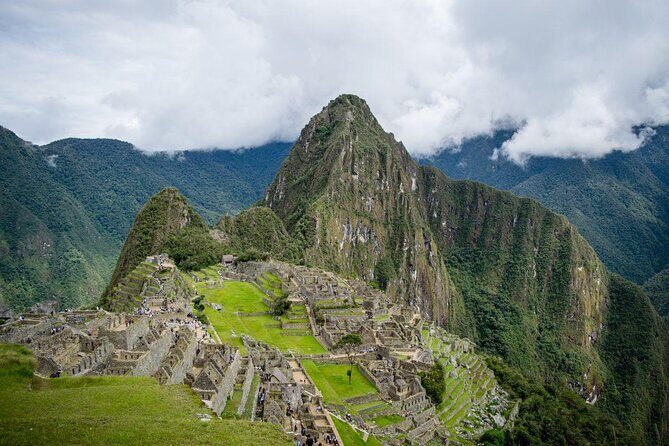
- Day 4: Sun Gate (Inti Punku) first, then Machu Picchu the way it should be
- Camping, meals, and porters: the comfort you actually get
- Price and value: does $820 buy you what matters?
- Altitude and fitness: what moderate fitness really means here
- The small-group factor with Vidal Expeditions
- Should you book this Classic Inca Trail?
- FAQ
- How long is the Classic Inca Trail to Machu Picchu?
- What is the meeting point in Cusco?
- What does the tour cost?
- How challenging is the hike?
- What group size is this trek limited to?
- What’s included in the price?
- What meals are not included?
- Do I need a sleeping bag?
- How do you get back to Cusco after Machu Picchu?
- When will I receive confirmation?
Key highlights you’ll feel on the trail
- A small group (max 8 travelers) keeps the pace human and the vibe calm
- Day 2’s highest pass at 4,216 m is the toughest day and the biggest payoff
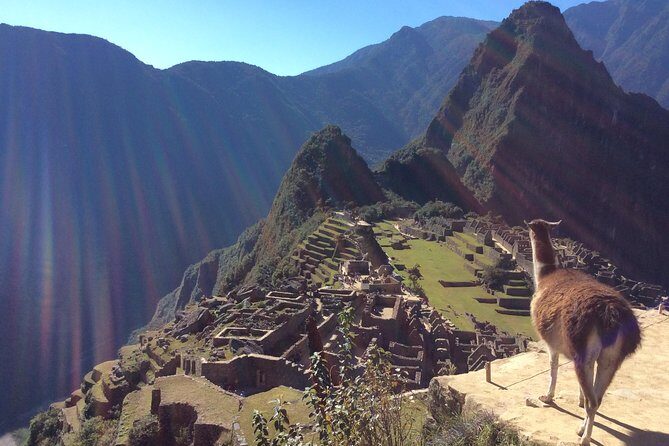
- Sun Gate first view of Machu Picchu gives you that classic arrival moment before the main site
- Camp cooking and porters included, so you’re carrying yourself, not the whole camp
- Admission tickets included for the Inca sites tied to each day
- Train back from Aguas Calientes to Ollantaytambo plus bus to Cusco finishes the trip efficiently
Why this Classic Inca Trail route feels truly old-school
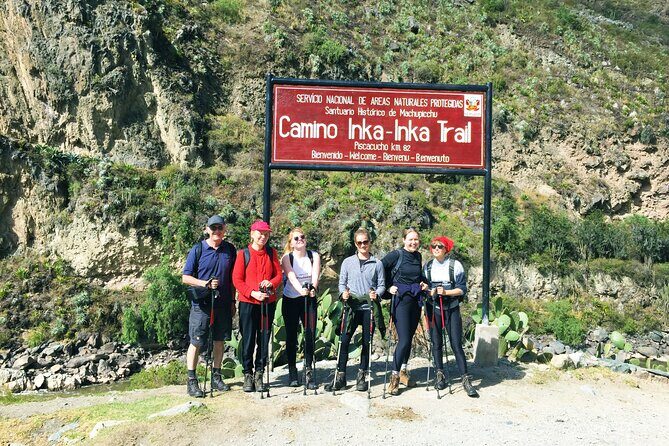
If you want Machu Picchu, you’ve got options. But the Inca Trail is different because the path itself is the experience. This one runs you from the Cusco area to Machu Picchu over 4 days with major high points and Inca ruins that make the walking feel like a guided story told in steps.
What I like most is how much you’re doing while it’s still daylight and you still feel fresh enough to look closely. You’re not just marching toward the final photo. You stop at meaningful places like Llactapata on Day 1, then you spend Day 3 exploring more ruins with impressive viewpoints, and finally you reach Machu Picchu from the Sun Gate side on Day 4. That pacing makes the whole trip feel earned.
The other thing that matters is the guide setup. You get a professional bilingual guide for the trek and the Machu Picchu visit. On a route like this, good guiding changes everything: the history makes sense, and you move smarter because you know what the next stretch is going to ask of you.
You can also read our reviews of more tours and experiences in Cusco

Cusco start, Sun Gate arrival, and the return that actually makes sense
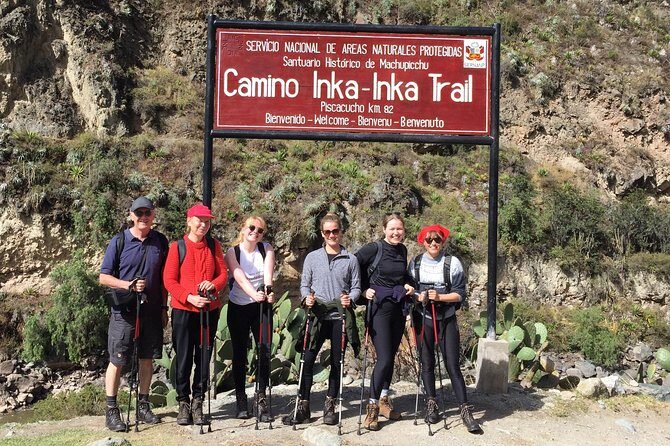
The trip starts in Cusco with hotel pickup. From there, you drive to km 82 and go through the checkpoint before beginning the hike. That early structure matters because the trail starts feeling real fast, and you don’t waste your first day guessing logistics.
On the way back, you get a train connection: after your Machu Picchu day, you descend to Aguas Calientes for lunch, then in the afternoon you take the train to Ollantaytambo. From Ollantaytambo, there’s a bus back to Cusco. The value here is timing. Instead of scrambling to line up transport after a long day, the trip closes the loop for you.
One more practical note: this experience needs good weather. If weather forces a change, you’re offered a different date or a full refund based on the trip terms.
Day 1: Llactapata and the moment the trail starts telling you a story
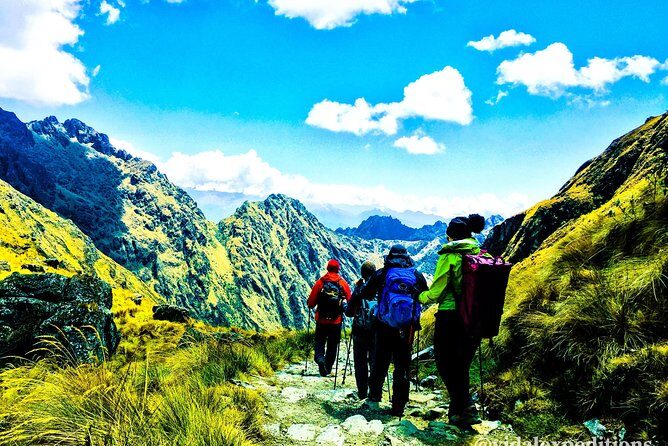
Day 1 is your on-ramp. You’re collected from your hotel, ride out to the checkpoint at km 82, and after that you start hiking toward your first Inca archaeological stop.
Llactapata Archaeological Zone is the focus of the day. You hike to reach the first site, then you take time to explore it and get explanations from your guide before lunch. After lunch, the day continues to Llactapata itself, which is where you’ll feel that classic Inca-trail mix of stonework, history, and big views.
Why Day 1 feels good (when it’s planned right): it doesn’t try to turn you into a marathoner on day one. It gets your legs working, introduces the style of explanation you’ll get all trek, and gives you early ruins to anchor your attention. That makes the later, harder passes feel more meaningful instead of just brutal.
Practical consideration: you’ll still be walking under Andean conditions from the start, so bring layers and plan to move slowly early on. The best early strategy is to save your energy for Day 2.
Day 2: The highest pass (4,216 m) and the calm after Pacaymayu camp
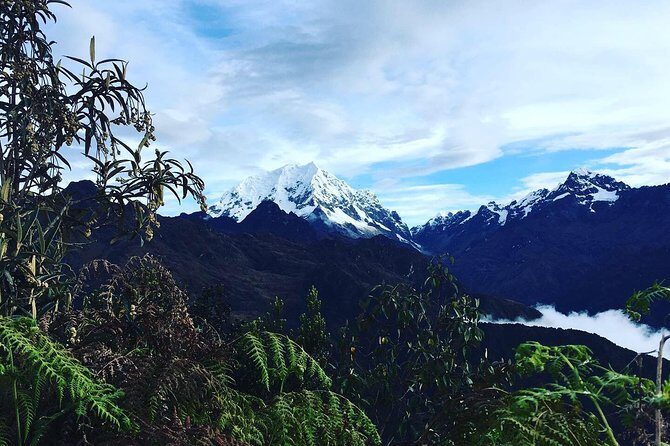
Day 2 is the big one. This is the most challenging day, and it earns its reputation.
You hike the ancient Inca Trail section that takes about 5 hours to reach the highest pass at 4,216 meters / 13,828 feet. Once you reach the summit, you rest and take in the views. Then you descend for a few hours until lunch, and you continue on to the campsite at around 3,600 meters (Pacaymayu).
That sequence matters. The summit moment is part celebration, part survival. Resting there helps you reset, and then the descent becomes your recovery window. When you hit camp after lunch, you get free time to relax before the second night.
What I think you should watch for on Day 2: pacing and breathing. At altitude, speed is mostly wasted effort. A slower rhythm keeps you moving without burning out. If you feel yourself gasping, that’s your cue to step down your pace immediately.
Also, this is where small-group guiding makes a difference. With a max group size of 8 travelers, you’re less likely to get lost in a crowd during the climb and descents, which helps keep the day manageable.
Day 3: Puyupatamarca to the last pass (3,660 m) and the Machu Picchu mountain reveal
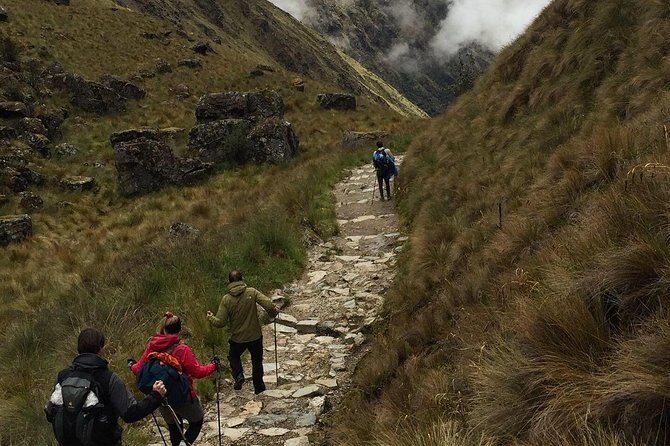
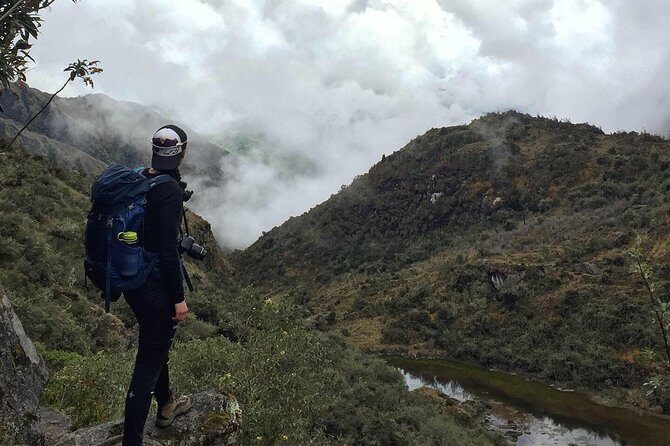
Day 3 is often described as beautiful, and it earns that. It blends higher mountain walking with cloud-forest feel as the route transitions.
You start after breakfast and begin what’s described as the most beautiful section of the trail. Morning includes hours of hiking up to the next pass at 3,960 meters, then down for lunch. Along the morning stretch, you explore an Inca site where your guide explains the history, which helps you keep paying attention even when your legs are tired.
After lunch, you gradually climb again toward the last pass at 3,660 meters. This is a key moment because from here you can see Machu Picchu mountain. That view is your mental checkpoint: you’re not guessing anymore. You know the finish is near.
Then you descend for a couple hours to reach camp, and in the afternoon you visit more Inca sites with impressive viewpoints. Dinner includes something special: your guide organizes a ceremony to say thanks to the team, and afterward you take another path toward town.
There’s also a second scheduled stop for the day: Runkuracay. This is where you take time to explore and capture photos after your guide explains the history.
What makes Day 3 valuable: it balances exertion with meaning. The trail is still working you, but you get multiple chances to look around, absorb context, and photograph the route as it opens up toward Machu Picchu.
Day 4: Sun Gate (Inti Punku) first, then Machu Picchu the way it should be
Day 4 is the payoff day, and it’s built for the classic arrival sequence.
You check the next control, then hike to Inti Punku (Sun Gate). The trail is described as going through dense high rain-forest, which means it can feel humid and cooler than the exposed sections. After a few hours, you arrive at the Sun Gate with the first view of Machu Picchu.
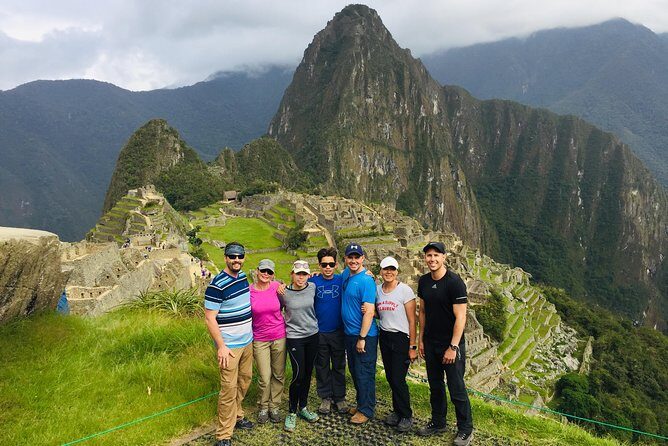
You get time for a snack and to pause so the view can land. Then you continue down to Machu Picchu. You’ll have time to capture photos from a classic spot, plus a break for restrooms or coffee before you head back in for more exploring.
The guide then leads you through outstanding areas with explanations. After a few hours at the site, you leave Machu Picchu and go down to Aguas Calientes for lunch and to say goodbye to your guide. In the afternoon, you take the train to Ollantaytambo, followed by a bus back to Cusco.
Two small practical realities for Day 4:
- Plan for time at altitude and in the rain-forest environment. Even if the sun shows up, it can still be damp.
- You’ll likely want to spend more time than you think you’ll have. The built-in breaks help, but don’t expect to rush once you’re there.
Camping, meals, and porters: the comfort you actually get
This trek includes camping accommodation: a tent for 2 people and a basic sleeping pad. Shared camping equipment is handled by porters and a cook. You’ll also have meals included: breakfast (3), lunch (3), and dinner (3) during the trek.
That matters because it changes what you carry. You’re not responsible for cooking gear or the bulk of camp setup. You can focus on moving, staying fueled, and keeping warm.
One of the best bits of reassurance comes from the way the chef and porters are described: they cook attentively, and the food is genuinely a highlight. In one account, the team even baked a cake for a birthday. That kind of care doesn’t mean every meal will taste exactly the same for every trek, but it does mean you’re more likely to feel looked after than ignored in a logistics blur.
What’s not included: a sleeping bag. That’s a big deal. If you don’t bring one, you’ll feel the cold more than you might expect at these elevations. Optional extra: an inflatable sleeping mattress is available for an additional $15 USD. If you know you sleep poorly on hard pads, it’s worth considering.
Also not included: bottled water. Bring a plan for how you’ll handle hydration (and make sure you follow any rules your guide gives about water use).
Price and value: does $820 buy you what matters?
At $820 per person for a 4-day trek, you’re paying for access, staffing, and the heavy lifting of logistics.
Here’s what’s included that usually costs money or takes time to arrange yourself:
- Train from Aguas Calientes to Ollantaytambo
- Professional bilingual guide for the trek and Machu Picchu
- Camping gear (tent for two and basic sleeping pad)
- Porters and cook for shared camping equipment
- Meals: breakfast 3x, lunch 3x, dinner 3x
- Admission tickets linked to the scheduled stops
The cost also reflects the fact that the Inca Trail requires careful coordination and operating within strict access rules. If you’ve ever tried to DIY a high-altitude multi-day trek, you quickly learn what you’re really paying for: the permits, the organization, and the team that keeps everything moving.
Not included items you should budget for:
- Day 1 breakfast and Day 4 lunch
- Bottled water
- Tips (optional)
- Sleeping bag
- Optional inflatable sleeping mattress ($15)
Value verdict: this price looks fair when you focus on what you get—guide quality, included meals, and camp handled by porters. The small group cap to 8 travelers is also a strong sign that you won’t feel like cattle at most stages.
Altitude and fitness: what moderate fitness really means here
The trek calls for moderate physical fitness. That’s a broad label, so translate it like this: you should be comfortable walking uphill for hours and handling long climbs without needing to stop every few minutes.
Altitude makes “moderate” turn into “serious” fast. You’ll be hitting high points up to 4,216 m on Day 2. You’ll also sleep around 3,600 m. The best way to prepare is to start training before you go and plan extra time in Cusco to acclimatize before you start walking (this trip begins with pickup in Cusco, so you shouldn’t rush your arrival).
Practical strategy on trek:
- Go slow on climbs and don’t chase other people’s speed.
- Take breaks when the guide says to rest.
- Eat and drink consistently even when you don’t feel hungry.
And pack for the weather swing. You’re walking through forest on Day 4 and hitting exposed high passes earlier. Layers beat one-size-fits-all clothing.
The small-group factor with Vidal Expeditions
This is where the experience feels personal rather than industrial.
The group size is capped at 8 travelers, and that changes your trek. You can hear your guide, ask questions, and keep your rhythm without feeling pushed around. It also helps safety and comfort because the team can watch the group more closely than if you’re in a larger group.
There’s also strong evidence of good planning and communication before you arrive in Peru. That’s not a luxury on the Inca Trail. When things are timed right—kit checks, expectations, and day flow—you spend more energy enjoying the hike and less energy solving surprises.
Should you book this Classic Inca Trail?
Book it if you want:
- The classic route with major stops like Llactapata and Inti Punku
- A trek where meals, camp gear basics, and porter support are part of the deal
- Small-group guiding (max 8 travelers) so the day feels manageable and personal
- A clear final sequence: Sun Gate first, then Machu Picchu with guided exploration
Skip it or rethink if:
- You know you struggle at altitude or you’ve had issues with high-elevation hikes before
- You’re not willing to bring a sleeping bag and dress in layers
- You need an easy schedule. This is not a stroll. It’s challenging, especially Day 2.
If you do book, my best advice is simple: prep your body before Cusco, pack for cold nights, and keep your pace conservative on the climbs. Do that, and you’ll be able to enjoy what the trail is really selling—ruins, views, and that hard-earned arrival.
FAQ
How long is the Classic Inca Trail to Machu Picchu?
The trek runs for about 4 days, with the final day including the Sun Gate approach and time at Machu Picchu before returning to Cusco.
What is the meeting point in Cusco?
Ticket redemption is listed at VIDAL EXPEDITIONS PERU, Urb, Santiago, Cusco 08007, Peru.
What does the tour cost?
The price is $820.00 per person.
How challenging is the hike?
You should have moderate physical fitness. Day 2 is described as the most challenging day, including the highest pass at 4,216 meters.
What group size is this trek limited to?
The maximum number of travelers is 8.
What’s included in the price?
Included items are the train from Aguas Calientes to Ollantaytambo, a professional bilingual guide, camping accommodation (tent for 2 people and a basic sleeping pad), porters and cook for shared equipment, and meals (3 breakfasts, 3 lunches, 3 dinners). Admission tickets are also included for the scheduled sites.
What meals are not included?
Day 1 breakfast and Day 4 lunch are not included. Bottled water is also not included.
Do I need a sleeping bag?
Yes. A sleeping bag is not included.
How do you get back to Cusco after Machu Picchu?
After Machu Picchu and lunch in Aguas Calientes, you take the train to Ollantaytambo and then a bus back to Cusco.
When will I receive confirmation?
You should receive confirmation within 48 hours of booking, subject to availability.