REVIEW · CUSCO
2-Day Tour: Sacred Valley and Machu Picchu by Train
Book on Viator →Operated by Machupicchu Latin America · Bookable on Viator
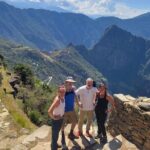
Machu Picchu hits different at sunrise. This 2-day Sacred Valley and Machu Picchu package uses train comfort and a guided day to stack the best sights without making you map every connection yourself. I especially like how day one blends real Inca context at Pisac and Ollantaytambo with a human-scale stop at the Pisac market. I also like the included overnight in Aguas Calientes, because it turns Machu Picchu day into something you can enjoy instead of just survive.
The main drawback is time and effort. You’ll be in a tight schedule, you’ll climb stairs at Machu Picchu, and altitude can still get your attention. If you’re prone to breathlessness, plan for slow pacing and smart breaks.
In This Review
- Key things to know before you go
- Why This Sacred Valley and Machu Picchu Train Plan Works
- Day 1: Awana Kancha Textiles, Taray Views, and the Pisac Market Energy
- Awana Kancha (textiles and animals)
- Taray lookout (classic photo time)
- Pisac Inca site (agriculture and water control)
- Pisac Market (souvenir time with real interaction)
- Urubamba lunch (on your own)
- Ollantaytambo Archaeological Park (the Wiracocha rock formation)
- Train to Aguas Calientes: Overnight Sleep Near Machu Picchu
- What you get in Aguas Calientes
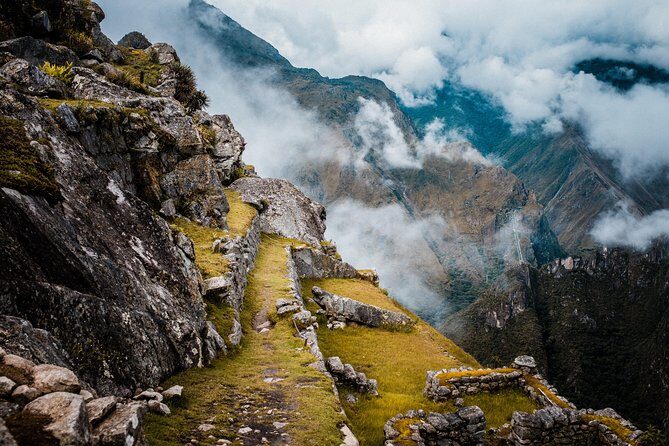
- Day 2: Bus Up to Machu Picchu, Guided Entry, Then Free Time
- Santuario Historico de Machu Picchu (guide first, then you explore)
- Weather reality check
- Lunch and the trip back down
- Train, Bus, and Baggage Tips That Keep You From Losing Time
- Checked baggage is not your friend on the train
- Shoes and sun protection matter
- Altitude planning is not optional
- Price and Value: What $469 Really Buys You
- Tickets and Machu Picchu Circuits: The Part You Should Treat Carefully
- Who This 2-Day Train Tour Suits Best
- Should You Book This Sacred Valley and Machu Picchu Train Tour?
- FAQ
- What time does the pickup start in Cusco?
- Is breakfast included?
- Where do you stay overnight?
- Are train tickets included?
- Is lunch included?
- What Machu Picchu ticket is included?
- Do I need to provide passport details before travel?
- Is baggage allowed on the train?
- How big is the group?
Key things to know before you go
- Small groups (up to 10) keep the pace human and the guide’s attention more reachable.
- Aguas Calientes overnight makes early Machu Picchu possible and cuts the travel scramble.
- Guided Machu Picchu + free time means you get the big picture first, then wander on your own.
- Circuit choice matters: Machu Picchu entry is included, but your circuit assignment depends on availability.
- Lunch is on you (both in Urubamba and later at Aguas Calientes), so budget ahead.
- Train baggage rules are real: checked bags are not allowed on the train.
Why This Sacred Valley and Machu Picchu Train Plan Works
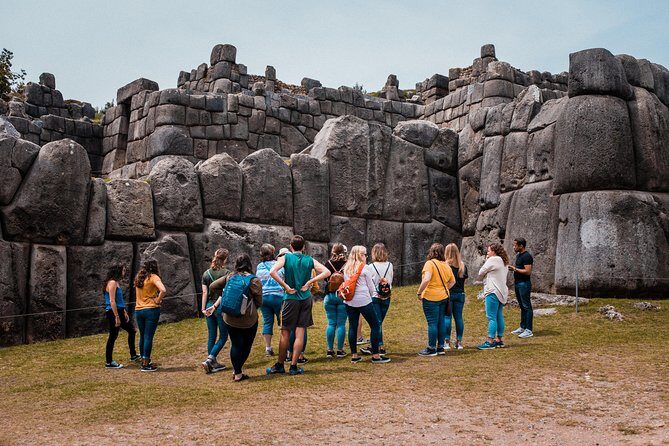
This is not just a transportation bundle. It’s built around the reality that Machu Picchu day is controlled by your ticket time and entry circuit. By sending you from Cusco into the Sacred Valley, then over the rail line, then back up early the next day, you avoid the classic mistakes: arriving too late for a good entry slot, losing daylight to transfers, or getting stuck figuring out where buses and lines actually start.
You also get structure where it counts. Your Sacred Valley stops are guided, not just “look at that rock and move on.” Then Machu Picchu gets a real guide first, so you’re not standing there trying to decode plazas, temples, and doorways from guesswork. After that, you’re given time to roam and take pictures without someone herding you every two minutes.
And yes, the train matters. The overnight in Aguas Calientes means you sleep near the base of Machu Picchu instead of commuting again from far away. In practice, that’s the difference between enjoying the view and just chasing the clock.
You can also read our reviews of more tours and experiences in Cusco

Day 1: Awana Kancha Textiles, Taray Views, and the Pisac Market Energy
Day one starts with an easy pickup in Cusco, typically between 7:30 and 7:45 am, and then a drive out of town. Even before you hit the “big name” sites, the route gives you the Sacred Valley context: you’re moving through the same general area the Incas used for farming, transport, and control.
Awana Kancha (textiles and animals)
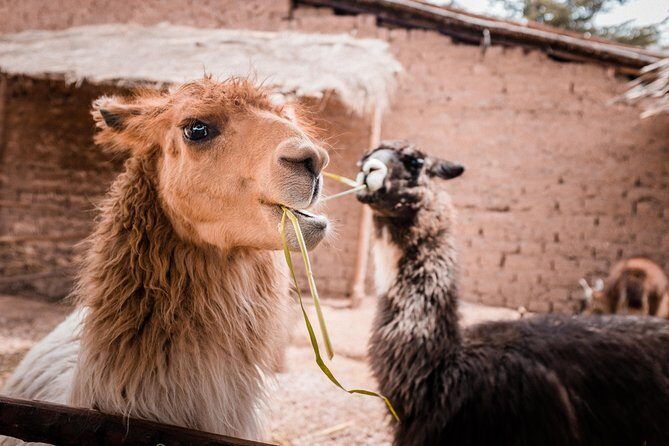
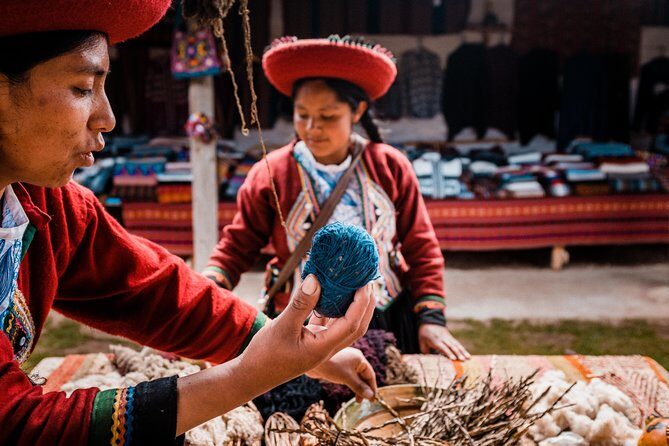
You’ll spend about 15 minutes at Awana Kancha to learn about weaving and textiles. The stop is short, but it’s useful because it gives you language for what you’ll see later in the market and in the way people talk about Inca-era materials. You also get a close look at llamas, alpacas, and vicuñas (and yes, you’ll likely take a few photos).
Practical note: wear something comfortable. Even short stops can involve some waiting and movement.
Taray lookout (classic photo time)
Then you get Taray, a quick viewpoint stop focused on the Sacred Valley terraces and the Urubamba River. This isn’t where you’re learning deep archaeology. It’s where you get your bearings fast and understand why this valley mattered.
Pisac Inca site (agriculture and water control)
Next comes Pisac, where you get about an hour to explore the Inca ruins with a guide. The big payoff here is the explanation of Inca agricultural methods and how the site ties together temples, residences, altars, and water channels. If you’ve ever looked at terrace farms and wondered how they survived time, Pisac is the kind of place that turns those questions into answers.
A common issue on tours like this is rushing past “views” to get to the ruins. Here, the ruins time is real, not just a photo stop.





Pisac Market (souvenir time with real interaction)
After the ruins, you head to the Pisac Market for about 45 minutes. This is the part that feels most like a living place, not a museum set. You’ll have a chance to interact with local people and browse for pottery and textiles.
Here’s the tip: go with a loose plan. If you walk in with only one item in mind, you’ll either overpay or end up stressed. Instead, browse first, then decide.
Urubamba lunch (on your own)
Urubamba is next for about an hour of lunch time, and lunch is not included. Many places offer buffet-style meals, so you’ll likely find something familiar enough to keep the day smooth. Budget time too: Peru moves at its own speed, and you don’t want to rush this meal.
Ollantaytambo Archaeological Park (the Wiracocha rock formation)
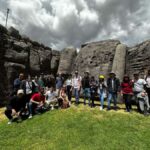
After lunch, you continue to Ollantaytambo for about an hour at the archaeological park. This is where you see major Inca constructions and a famous rock formation representing the Inca god Wiracocha. It’s also a strong lead-in to tomorrow, because Ollantaytambo is where your train departure happens.
Train to Aguas Calientes: Overnight Sleep Near Machu Picchu
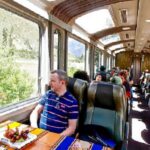
Later in the afternoon, you’re dropped at the train station in Ollantaytambo and board Inca Rail to Aguas Calientes. The ride is designed for the scenery along the Vilcanota River, and the train timing matters because it positions you for an early start on day two.
What you get in Aguas Calientes
Your tour includes one night in a 3-star hotel in Aguas Calientes, and check-in is set up so you can settle in quickly after arriving around 6:10 pm. In one of the standout remarks from the trip experience, people liked hotels close to the station, and some rooms were right near the rushing river. That can mean noisy charm outside your window. If you’re sensitive to sound, you’ll want to plan for it.
This is also when you should take care of the basics:
- Confirm your meeting place for the next morning’s bus up.
- Charge your phone and camera.
- Pack what you’ll need for Machu Picchu day (water, sunscreen, layers).
Day 2: Bus Up to Machu Picchu, Guided Entry, Then Free Time
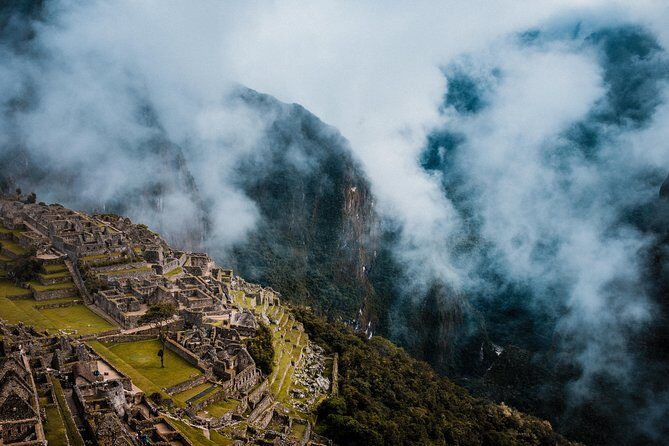
After breakfast, you’ll be picked up and taken to the bus station for the ride up to Machu Picchu. This is where early timing makes a big difference. One trip description notes they started around 6:00 am to help avoid heavy crowds, which is smart when your ticket time is tight and weather can shift fast.
Santuario Historico de Machu Picchu (guide first, then you explore)
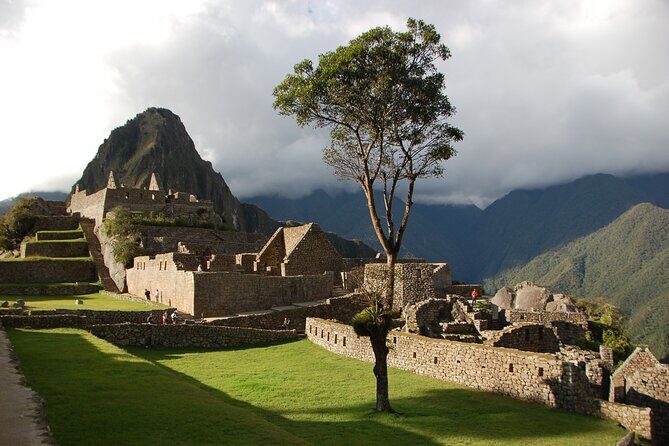
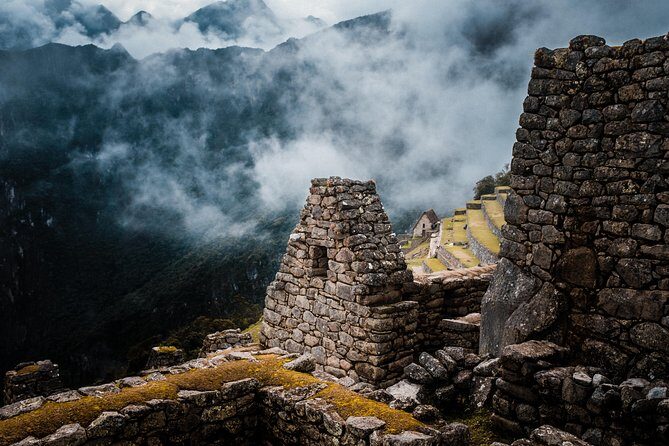
Once you arrive at the main entrance gate, you start with a guided tour led by your professional guide. The guide’s job here is to translate what you’re seeing: history, traditions, and the layout of the citadel.
After the guided portion, you get free time to explore on your own. That free time is where Machu Picchu becomes personal. You’ll be able to pause where your eye wants to pause, take photos without negotiating someone else’s camera schedule, and pick your own pace.
Weather reality check
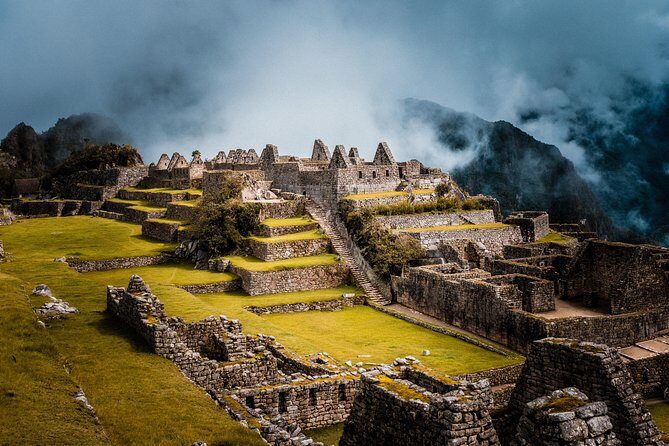
Machu Picchu weather changes fast. In rainy season, fog and light rain can show up, and one account mentioned waiting on top for about 45 minutes until the clouds shifted. If weather happens, don’t panic. The best strategy is patience and layers.
Lunch and the trip back down
After visiting, you ride the bus back to Aguas Calientes, where lunch is not included but free time is built in for shops and souvenirs. Then you take the train back to Ollantaytambo and ride the transport back to Cusco, aiming to arrive around 6:00 pm.
Train, Bus, and Baggage Tips That Keep You From Losing Time
This tour is efficient, but Peru has rules, and logistics can trip you up if you ignore the small details.
Checked baggage is not your friend on the train
For the overnight train segment, checked baggage are not allowed on the train. The info you’re given says they charge for excess items (notably, something like 50% extra each way), so most people keep it simple by leaving bigger bags in Cusco. Bring a small backpack or carry-on for the overnight.
Translation: pack light enough that you can handle it without turning your trip into a suitcase negotiation.
Shoes and sun protection matter
Machupicchu has lots of stairs and uneven steps. One account described the hike up as strenuous, especially for older visitors, and it’s easy to get out of breath at altitude. Wear hiking or tennis shoes.
Bring sunscreen even if it’s cloudy. That same advice came up strongly from people who got caught by unexpectedly strong sun.
Altitude planning is not optional
Cusco altitude is real, and Aguas Calientes is not a magic altitude shield. The practical takeaway: if you’ve had trouble with altitude before, arrive acclimated and go slow. Starting early also helps, because it gives you less time for your energy to crash.
Price and Value: What $469 Really Buys You
At $469 per person, this sits in the “not cheap, but not random” category for Machu Picchu packages. The value comes from what’s bundled:
- 1 night accommodation in Aguas Calientes (3-star)
- Breakfast included
- Round-trip train tickets (based on the class you choose)
- Machu Picchu admission included
- Hotel pickup and drop-off in Cusco (door-to-door if road restrictions allow)
What’s not included:
- Lunch and dinner (you’ll cover lunch in Urubamba and later in Aguas Calientes)
- Sacred Valley entrance fees are listed as not included (so you should double-check what you’re paying separately at the sites)
So is it worth it? For many people, it is, because the heavy lifting is done for you: you’re not booking trains, coordinating transfers, or trying to match Machu Picchu entry timing with bus rides. You’re getting a guided Sacred Valley day plus guided Machu Picchu, with the overnight in the exact place you want to be.
If you’re someone who loves total independence and already knows the bus timing and ticket circuits, you might compare DIY costs. But if your goal is less stress and better use of daylight, this package is built for that.
Tickets and Machu Picchu Circuits: The Part You Should Treat Carefully
Machu Picchu tickets get assigned by circuit. This tour includes Machu Picchu admission, but your specific circuit depends on availability at the time of booking.
You’re told that Circuit 2 is the first choice. If Circuit 2 is sold out, they assign Circuit 1 or Circuit 3 as next options. The advice is to try to book 2 to 3 months in advance if you want that best chance at Circuit 2.
Here’s what you can do as a smart shopper:
- When you book, ask what circuit you’re likely to receive.
- If circuit choice is critical for you, plan earlier rather than later.
Also keep your passport details ready. Your tour requires your passport name, number, and date of birth at booking time, and your passport must be valid for 6+ months. This is the kind of boring admin step that keeps you from having a dramatic day at the gate.
Who This 2-Day Train Tour Suits Best
This tour works best if you want:
- A guided introduction to Sacred Valley ruins (Pisac and Ollantaytambo are the backbone)
- A smooth train-and-bus plan to avoid the daily headache of figuring it all out
- Early Machu Picchu timing with a guide, then room to roam
It may be less ideal if:
- You need lots of downtime between stops. This is a packed two days.
- You struggle with stairs, altitude, or moving quickly through crowds.
- You hate any market stop, shopping time, or any opportunity where vendors are nearby.
On the plus side, the group size is capped at 10 travelers, which usually makes the whole thing feel manageable.
Should You Book This Sacred Valley and Machu Picchu Train Tour?
If you want Machu Picchu without turning your trip into a puzzle, I’d lean yes. The mix of Sacred Valley context, an overnight in Aguas Calientes, and a guided Machu Picchu visit with free time is a strong formula for value and sanity.
But don’t book this blindly if you’re very sensitive to altitude or you know you can’t handle lots of stairs. If that’s you, consider a slower-paced option or talk to your provider about what time and circuit might feel easiest.
My final advice: budget for lunch, pack light for the train, and plan to start early with patience. Machu Picchu rewards good pacing.
FAQ
What time does the pickup start in Cusco?
Pickup is scheduled between 7:30 and 7:45 am, with a start time listed as 7:30 am.
Is breakfast included?
Yes. Breakfast is included both days, with breakfast on the morning of Machu Picchu day.
Where do you stay overnight?
You stay for one night in Aguas Calientes at a 3-star hotel.
Are train tickets included?
Yes. Round-trip train tickets are included, and the exact options depend on the train class you choose.
Is lunch included?
No. Lunch is not included in Urubamba on day one or during your free time at Aguas Calientes on day two.
What Machu Picchu ticket is included?
Your tour includes Machu Picchu admission, and they assign a circuit based on availability. Circuit 2 is the first choice, with Circuit 1 or 3 as backups.
Do I need to provide passport details before travel?
Yes. You must provide passport name, number, date of birth, and country at booking, and your passport needs 6+ months validity.
Is baggage allowed on the train?
Checked baggage are not allowed on the train. You should bring a small backpack or carry-on, and the info notes that people often leave bigger bags at their Cusco hotel.
How big is the group?
The tour has a maximum group size of 10 travelers.