REVIEW · CUSCO
2-Day Machu Picchu Tour by Train with Salt Mines and Moray
Book on Viator →Operated by Machupicchu Latin America · Bookable on Viator
Machu Picchu, minus the wrestling match. This 2-day plan takes you from Cusco to the Sacred Valley (with Chinchero, Moray, and the Maras salt mines) and then downshifts into train-and-bus logistics so you can focus on the views instead of the calendar math. It’s a small group tour built for a smoother arrival at Aguas Calientes, with hotel pickup and drop-off included.
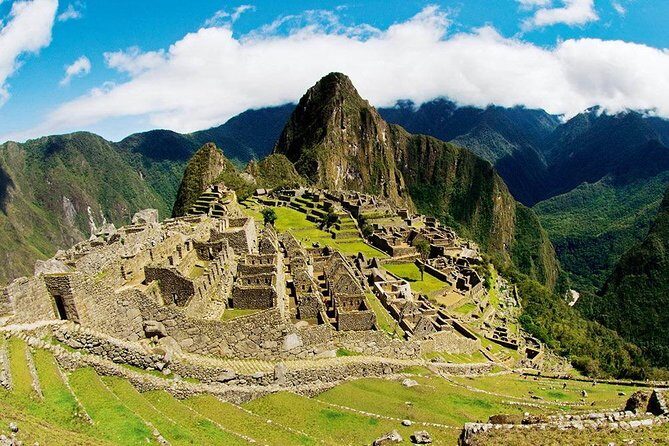
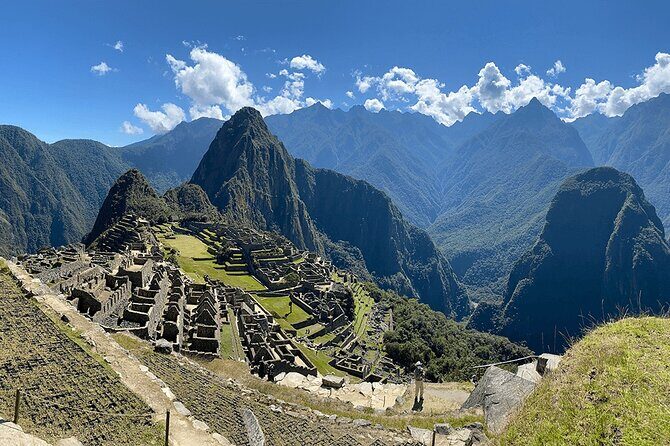
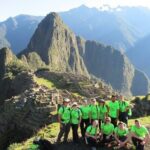
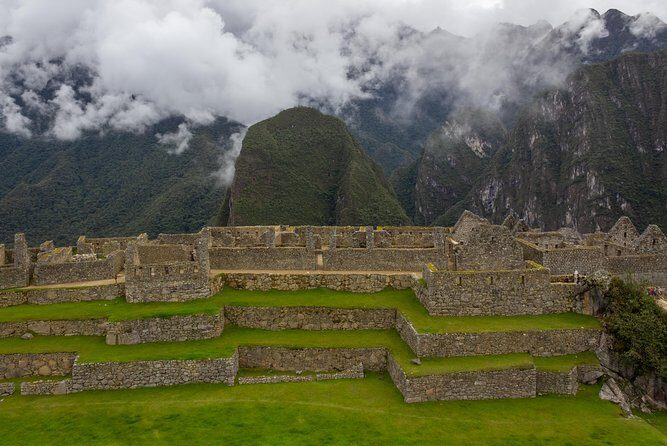
I also like that the route doesn’t force you to hike up to Machu Picchu. You get round-trip bus tickets on Day 2, plus a guided walk through the main highlights like the Main Plaza, Circular Tower, and the Sacred Solar Clock.
One thing to consider: your Machu Picchu entry circuit depends on availability at booking time (Circuit 2 is included if available). If your plan needs a very specific view, double-check what you’re actually assigned before you leave Cusco.
In This Review
- Key Things You’ll Really Care About
- Why This Train-Based Machu Picchu Plan Feels Easier
- Day 1 Sacred Valley Loop: Chinchero, Moray, and Maras Salt Mines
- Chinchero: Inca walls and textile culture
- Moray: the agricultural terraces experiment
- Salinas de Maras: 3,000 small wells with Inca roots
- Ollantaytambo to Aguas Calientes: The Train Ride Through the Vilcanota River
- Day 2 Sunrise and Circuit Time at Machu Picchu (Plus the Huayna Picchu Option)
- The guided highlights you’ll actually remember
- Huayna Picchu (Waynapicchu) is optional, and it’s not cheap
- Lunch and the ride back down
- Aguas Calientes Overnight: Hot Springs, Souvenirs, and Realistic Room Expectations
- Price and Logistics: What the $459 Really Buys You
- Guide Quality and Group Size: The Human Part of a Smooth Day
- Pack Smart: Rain, Luggage Rules, and Andes Reality
- Should You Book This 2-Day Machu Picchu Train Tour with Moray and Salt Mines?
- FAQ
- What’s included in the tour price?
- Is Machu Picchu accessible without hiking from Aguas Calientes?
- Which Sacred Valley stops are part of Day 1?
- How much are the Moray and salt mine admissions, and how do you pay?
- What about Huayna Picchu?
- What time do you return to Cusco on Day 2?
Key Things You’ll Really Care About
- Small group size (max 10) keeps the days calmer and easier to follow
- Cusco hotel pickup/drop-off reduces the usual last-minute chaos
- No hike to Machu Picchu: round-trip bus gets you up and back
- Day 1 hits the big Sacred Valley trio: Chinchero, Moray, and Maras salt mines
- You overnight in Aguas Calientes with breakfast included for the big early morning
- Optional Huayna Picchu costs extra and needs advance requests months ahead
Why This Train-Based Machu Picchu Plan Feels Easier
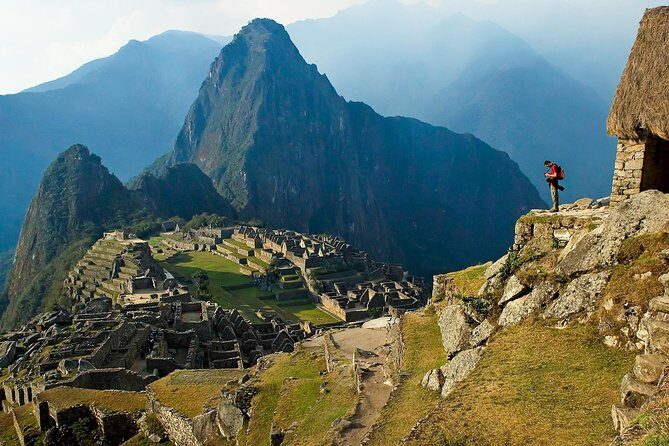
Machu Picchu is popular for a reason, but getting there can feel like a sport. This tour is designed to take the pressure off your schedule. You start with a Cusco pickup in the morning, spend Day 1 touring key Sacred Valley sites, then switch to train travel into Aguas Calientes for the night.
The value here isn’t just that you get to Machu Picchu. It’s the way the transportation is tied together: bus from Aguas Calientes to the entrance on Day 2, and a coordinated return by train back to Ollantaytambo. For first-timers, that matters a lot. You spend energy looking out the window and standing in the ruins, not hunting down platforms, ticket counters, or meeting points.
Also, you’re not arriving totally unprepared. You’ll have a guide with you during the transport-heavy parts, and the Machu Picchu day includes a structured guided circuit. Even if you love wandering on your own, it’s a relief to have the big picture in place when the clouds open and the stones start making sense.
You can also read our reviews of more tours and experiences in Cusco
Day 1 Sacred Valley Loop: Chinchero, Moray, and Maras Salt Mines
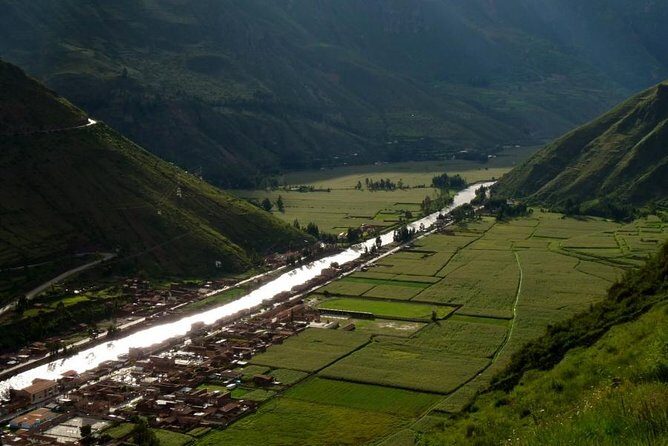
Day 1 is where the tour earns its name as more than just a Machu Picchu shuttle. After pickup in Cusco (typically around 7:00 to 7:30am), you drive through the Sacred Valley and stop at a set of Inca-connected sites that help you understand why this region mattered.
Chinchero: Inca walls and textile culture
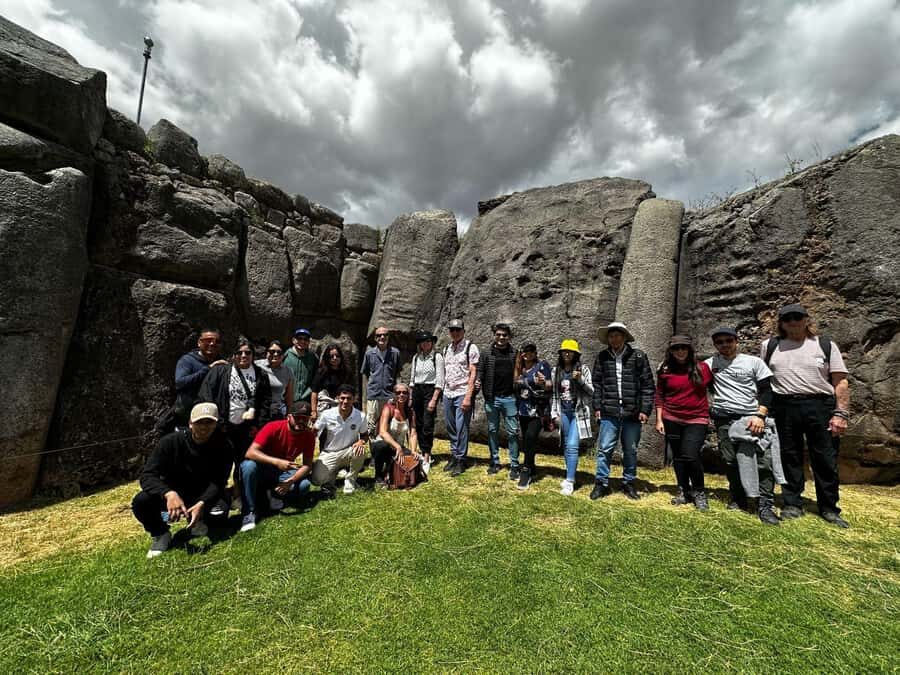
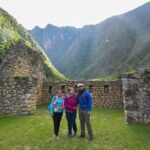
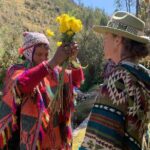
Chinchero is your first cultural hit. You’ll visit the Tupac Inca Yupanqui Royal House, including parts where original Inca walls are still well preserved. The stop also includes a chance to interact with local craft culture—there’s mention of Chinchero women in traditional dress connected to weaving or textile work at a center.
Why I like this stop: it gives you a human scale to the Inca story. You’re not only seeing stones—you’re seeing how tradition continues through clothing and craft. It’s a short stop (about 45 minutes), so it works best if you’re okay with a quick but meaningful introduction.
A drawback to keep in mind: this portion isn’t included in your tour price admission-wise, so you’ll want to plan for that extra cost if you’re counting every sol.
Moray: the agricultural terraces experiment
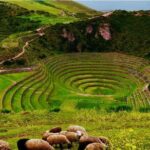
Next comes Moray, famous for its concentric circular terraces. The tour frames Moray as an Inca agricultural research center. The terraces create different micro-climates because of elevation, so crops could be experimented with across temperature variations.
This is the stop that often surprises people. It looks like a weird amphitheater at first. Then it clicks: the layout is functional. You’ll probably find it easier to enjoy if you imagine it as a lab built out of stone and weather.
Time is about 30 minutes—short enough that you won’t feel stuck, but long enough to appreciate the design before you move on.
Salinas de Maras: 3,000 small wells with Inca roots
Then you drive to the Salineras or salt mines at Maras. You’ll see roughly 3,000 small wells, an artisanal salt extraction system described as operating since Inca times. The salt wasn’t just a commodity—it was part of an economic exchange network.
This stop is physical in a good way: you’re walking around a landscape that looks almost engineered, even though it grew into place over centuries. It’s also a great contrast to the greenery of other Sacred Valley areas.
Admission is not included and is listed as payable in cash (90 Peruvian soles). If you’re coming from Cusco, it helps to have small bills or cash ready.




Ollantaytambo to Aguas Calientes: The Train Ride Through the Vilcanota River
After lunch (not included), you continue to Ollantaytambo. This is where your Day 1 becomes a transition into the Machu Picchu zone. You’ll visit the archaeological park there, including Inca constructions and a notable rock formation representing the Inca god Wiracocha.
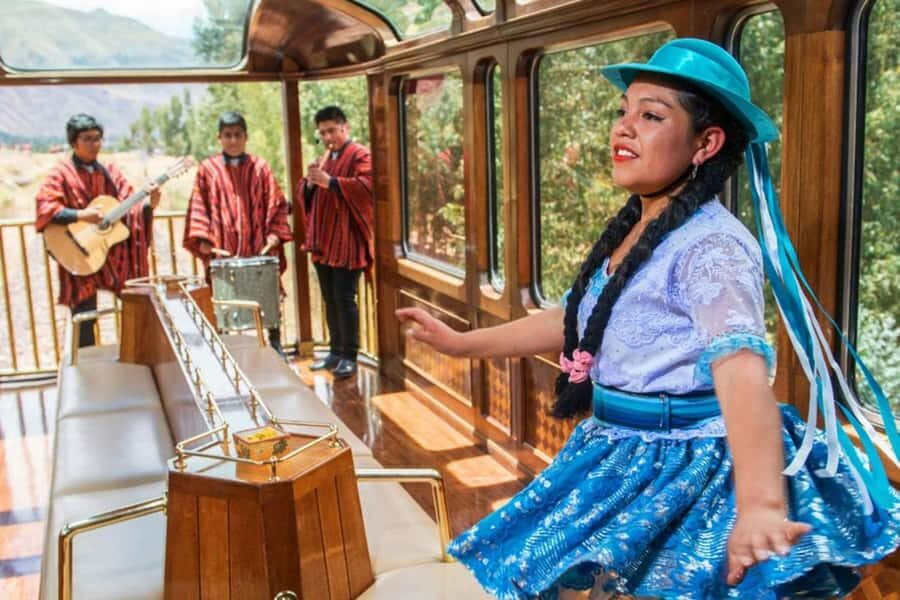
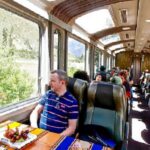
Then comes the train step: you reach the station in Ollantaytambo and ride to Aguas Calientes. The journey is listed at about 50 minutes and is described as scenic along the Vilcanota River.
Why this train matters: it’s the decompression time. After a day of drives and walking around ruins, you finally settle into a slower pace. You’re also naturally moving closer to the Machu Picchu morning rhythm, because Aguas Calientes is where the early bus logistics start.
When you arrive between about 5:00 and 6:00pm, hotel staff will walk you to your 3-star hotel for check-in. That means you’re not stuck playing phone tag or searching the dark for a front desk.
Day 2 Sunrise and Circuit Time at Machu Picchu (Plus the Huayna Picchu Option)
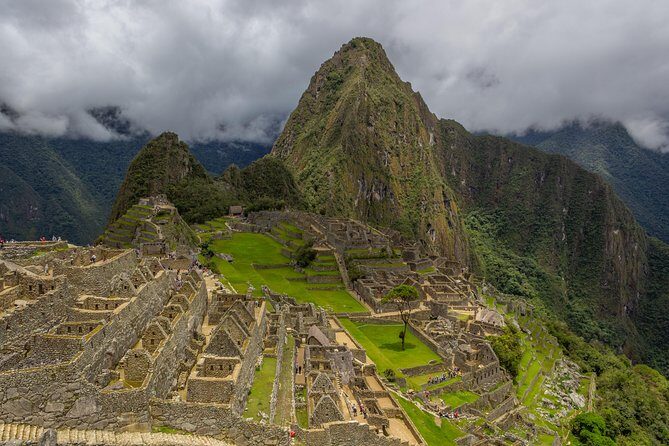
Day 2 begins with breakfast at your hotel, then your guide meets you and walks you to the bus station. You ride the bus up (about 30 minutes) to Machu Picchu’s entrance area.
The schedule is built for an early experience with sunrise. If you’ve ever been in a line when the sky changed from grey to gold, you know why this matters. Sunrise isn’t just about light—it’s about getting your first moments before the day gets crowded and chaotic.
The guided highlights you’ll actually remember
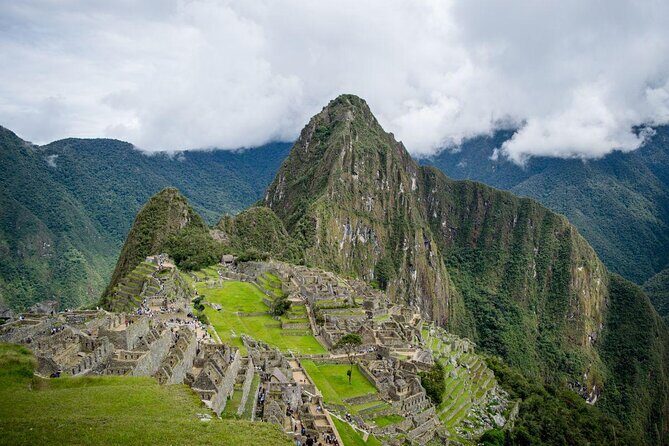
You’ll have a guided tour through key sites at Machu Picchu, specifically calling out areas like:
- Main Plaza
- Circular Tower
- Sacred Solar Clock
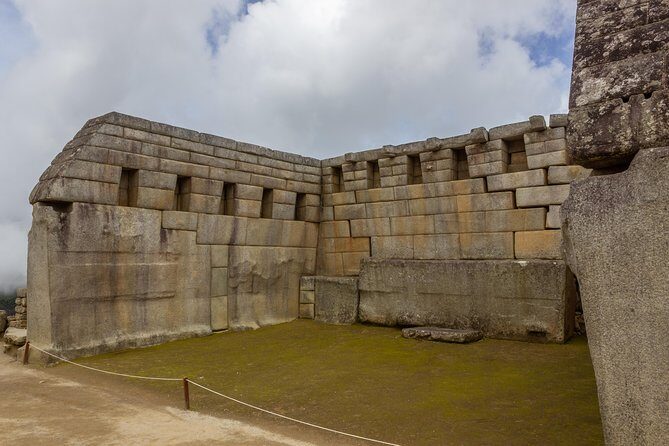
Even if you’ve read about Machu Picchu before, a good guide helps you connect what you’re seeing to how the complex functions as a whole. The terrain is confusing at first. The guide’s job is to make the layout feel navigable rather than random.
Some guides in this program are also praised for being proactive and helping with practical things like getting good photos. If you’re someone who cares about capturing moments, it’s worth asking your guide where to stand and when to shift position during the walk.
Huayna Picchu (Waynapicchu) is optional, and it’s not cheap
If you want the Huayna Picchu climb, it’s not included. The fee is listed at US$70, and you need to request it months in advance. The tour notes this as prearranged if you choose it.
Important reality check: adding Huayna Picchu turns the day from sightseeing into an endurance session. If you want to keep energy for photos and walking at Machu Picchu itself, treat Huayna Picchu as a separate commitment.
Lunch and the ride back down
After your guided time and some free time to enjoy the scenery, you descend back to Aguas Calientes for lunch (not included). Then you take the train back to Ollantaytambo (about 1.5 hours). A representative meets you with a sign and transfers you back to Cusco, arriving around 6:30pm.
This end-to-end schedule is one reason this tour works well. You get back before the day fully collapses into exhaustion, which matters when you’re traveling in the Andes.
Aguas Calientes Overnight: Hot Springs, Souvenirs, and Realistic Room Expectations
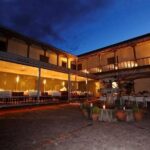
Your included overnight is at a 3-star hotel in Aguas Calientes. You check in the evening of Day 1 after arriving from the train station.
That town is built around Machu Picchu logistics, so you’ll find plenty to do in a low-stakes way. The tour gives you free time after check-in, and it also mentions hot springs as an option. Hot springs entrance fees are not included, and you can purchase or enter only once in Aguas Calientes.
A practical note: the hotel setup can be simple. In some experiences, people found rooms small and light on storage hooks or closet space. If you’re bringing a lot of stuff, plan to pack minimal and keep essentials easy to reach.
Also, this area is bug country. One caution that comes up is to use bug repellent in Aguas Calientes and Machu Picchu. Bites can be nasty and long-lasting, so treat repellent like sunscreen: you don’t want to be thinking about it mid-itch.
Price and Logistics: What the $459 Really Buys You
At $459 per person, this tour is not budget travel. You’re paying for the coordination: rail tickets, bus tickets, hotel, guide time, and Machu Picchu admission.
Here’s the value math as I’d frame it:
- The Machu Picchu day is the heavy lift. You’re paying for transport (bus up and down) plus a guided route plus admission.
- Day 1 is more than a filler day. You’re also paying for the Sacred Valley circuit that includes Chinchero, Moray, and Moray plus the Maras salt mines.
- You get an overnight in Aguas Calientes with breakfast included, which helps you avoid doing Machu Picchu on only one night and one early start.
Where the price doesn’t include things:
- Lunches and dinners
- Huayna Picchu fee if you choose it
- Maras–Moray and salt mine admissions (90 soles cash)
- Hot springs fees
- Tips
So the tour cost can feel high until you compare it to what it would cost you to assemble all the pieces yourself. If you’d rather pay for organization than spend your vacation time solving transport puzzles, this price can make sense.
Guide Quality and Group Size: The Human Part of a Smooth Day
This is a small-group experience, capped at 10 travelers. That matters because Machu Picchu logistics can get crowded fast, and smaller groups move more naturally.
The guides you might encounter can vary by day. Names mentioned include Luis, Fabrizio, Bernardo, Sergio, Guido, and Maria for different parts of the experience, and an organizer figure named Fredi shows up as a key contact for coordination. What you can count on from the tour structure is that a professional guide leads you through the main stops and stays involved during the timed segments.
One balanced note from real experiences: when you’re paying premium prices, you should expect more than friendly talk. If your guide spends the day on vague small talk instead of pointing out what you’re looking at, that can feel like wasted opportunity. The best fix is simple: ask your guide specific questions as you go, like what you should watch for at the Sacred Solar Clock or how the terrace layout in Moray works.
Pack Smart: Rain, Luggage Rules, and Andes Reality
There’s no avoiding the fact that weather in the Andes can be unpredictable. The tour information highlights rainy-season planning, and a common piece of advice that matched real experiences is to bring a raincoat. If it pours, a light poncho or rain jacket is the difference between enjoying the day and spending the next hour hunting shade.
Luggage size can also become a thing, especially for the overnight and train comfort. The tour doesn’t encourage hauling a huge suitcase. For most one-night plans in Peru, a smaller pack or carry-on style setup is easier.
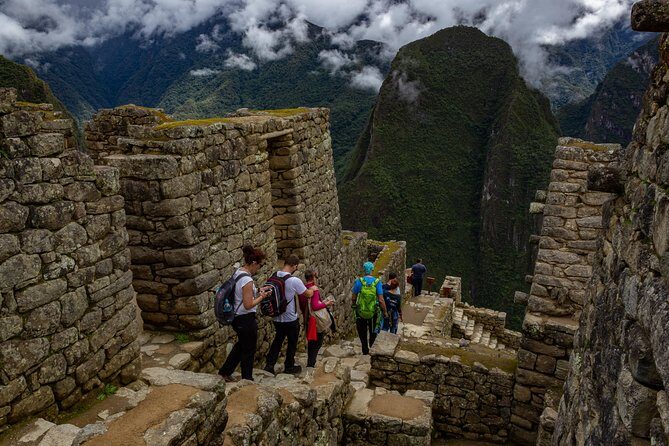
Finally, expect steps and hills. Even with bus assistance, Machu Picchu is still Machu Picchu—your legs will work. If you can, wear shoes with good grip and plan for your pace to be slower than in Cusco town.
Should You Book This 2-Day Machu Picchu Train Tour with Moray and Salt Mines?
You should book if you want:
- Machu Picchu without a hike up (bus handles that)
- A guided itinerary that ties Machu Picchu to the Sacred Valley in 2 days
- A plan with fewer moving parts to manage yourself
- A small group limit that helps the schedule feel controlled
You might want to think twice if:
- You’re very picky about Machu Picchu circuit details and want one exact view
- You hate early mornings and have zero flexibility for sunrise timing
- You’re trying to travel with only the smallest budget, since several key add-ons aren’t included (Huayna Picchu, salt-related admissions, hot springs, and all meals)
My practical take: this tour is best for travelers who want Machu Picchu to feel organized and meaningful, not improvised. If you show up with the right expectations, bring rain protection, and ask your guide to explain what you’re actually seeing, you’ll get a trip that feels like a story—from Moray terraces to Machu Picchu’s stone geometry—rather than a ticketed rush.
FAQ
What’s included in the tour price?
You get breakfast, 1 night in a 3-star hotel in Aguas Calientes, round-trip train tickets between Ollantaytambo and Aguas Calientes, round-trip bus tickets for Machu Picchu, hotel pickup and drop-off in Cusco (if the road allows), a professional tour guide, 1 bottle of water on Day 1, and Machu Picchu admission ticket (Circuit 2 if available at booking time).
Is Machu Picchu accessible without hiking from Aguas Calientes?
Yes. The tour includes round-trip bus tickets to Machu Picchu, so you don’t need to hike up on your own.
Which Sacred Valley stops are part of Day 1?
Day 1 includes Chinchero (Royal House), Moray, the Salinas de Maras salt mines, and the Archaeological Park in Ollantaytambo before the train to Aguas Calientes.
How much are the Moray and salt mine admissions, and how do you pay?
Maras–Moray and salt mines admission tickets are listed as 90 Peruvian soles, payable in cash.
What about Huayna Picchu?
Huayna Picchu (Waynapicchu) is optional. The entrance fee is US$70, and it needs to be requested months in advance.
What time do you return to Cusco on Day 2?
After your Machu Picchu day, you take the train back to Ollantaytambo and then transfer to Cusco. The tour notes arrival back in Cusco by about 6:30pm.