REVIEW · CUSCO
Lares Trek to Machu Picchu 4 Days
Book on Viator →Operated by Nig Adventures · Bookable on Viator
Fast mornings. Big views. Real Andean villages.
This 4-day Lares Trek to Machu Picchu balances remote walking with a classic Machu Picchu sunrise, all in a small group capped at 15. I like that the plan builds in cultural time—you’re not just hiking from point A to point B. The cooking team, horses, and mule support also take the edge off day-to-day logistics. One thing to consider: the trek includes serious altitude and a long high pass day, so you’ll want to arrive fit and treat the itinerary as demanding.
In This Review
- Key highlights before you go
- A Lares Trek that keeps the Andes feeling real
- Your 4-day rhythm: early starts, altitude, and small-group pace
- Day 1: Cusco to Cancha Cancha with mules, lunch breaks, and star stories
- Day 2: Quishuarani and the 4,500 m Pachacutec Pass you’ll remember
- Day 3: Lares Hot Springs, Maras salt mines, and Ollantaytambo to Aguas Calientes
- Day 4: Sunrise at Machu Picchu plus train back to Cusco
- Price and what you’re really paying for: $750 with transport, gear support, and Machu Picchu access
- What to pack (and what to rent) so you don’t hate day 2
- Who this Lares trek suits best—and who should reconsider
- Should you book Lares Trek to Machu Picchu with Nig Adventures?
- FAQ
- What time does the tour start in the morning?
- How challenging is the trek?
- What’s included in the Machu Picchu part?
- How do the train tickets work?
- What food is included during the trek and sightseeing days?
- What gear is not included, and what can you rent?
- What happens if weather is bad?
Key highlights before you go
- Small group (max 15): more human-sized than the big-crowd versions of Machu Picchu tours.
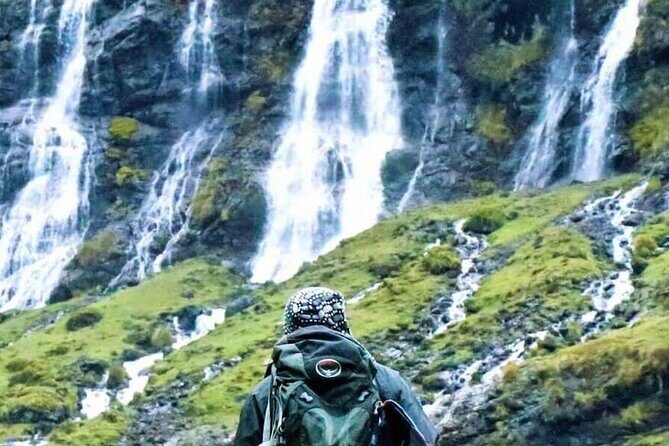
- Pachacutec Pass day at 4,500 m: the toughest stretch, with lagoon and glacier views and alpacas along the way.
- Cancha Cancha village time: an afternoon with a local family plus constellations tied to agriculture.
- Lares Hot Springs reset: natural pools after trekking, before you pivot into Sacred Valley sights.
- Maras Salt Mines: surreal salt pools still harvested using traditional methods.
- Sunrise Machu Picchu: early bus + about two hours inside the UNESCO site with a guide.
A Lares Trek that keeps the Andes feeling real
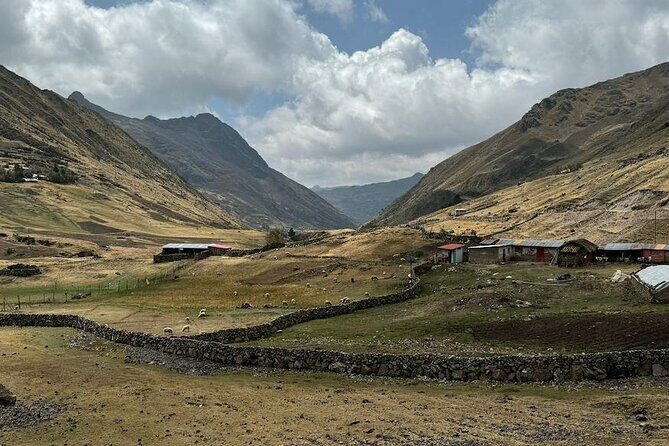
If you’re picturing a trail that feels like it belongs to the people who live there, this route is built for that. You start near Cusco, then spend real time moving through communities at high elevation—Huaran, Cancha Cancha, and Quishuarani—before you “step up” to the tourist headline: Machu Picchu.
I especially like the way this trip uses the trek to slow you down. Instead of just marching for views, you get meals cooked by a professional team, camp nights, and hands-on moments like learning local weaving traditions and daily life. Then, on top of that, you get a sunrise visit to Machu Picchu that’s timed for the famous light.
The other big plus is that it doesn’t try to cram in a thousand stops. It’s four days, but each day has a clear purpose: altitude and villages, a high pass challenge, Sacred Valley soaking and sightseeing, then Machu Picchu.
You can also read our reviews of more hiking tours in Cusco



Your 4-day rhythm: early starts, altitude, and small-group pace
This is not a casual walk. The itinerary asks for a strong physical fitness level, and the altitudes climb quickly enough that you’ll feel it. You’ll also deal with very early mornings: the meeting point is listed for 4:00 a.m., with day 1 departing around 5:00 a.m. and day 4 involving early buses up to Machu Picchu for sunrise.
The group size matters. With a maximum of 15 travelers, the trek feels more coordinated and less chaotic. You’re also supported by a team: guides, a professional cook and kitchen equipment, and pack animals that help carry gear.
What really helps is the mule support: horses and mules carry general equipment and up to 7 kg of your personal belongings. That’s a huge deal for comfort. Less weight in your pack means you can focus on footing and pacing, especially on steep or uneven parts of the trail.
One practical note: the tour is described as requiring good weather. If conditions are poor, the operator offers a different date or a full refund. So keep your schedule flexible if you can.
Day 1: Cusco to Cancha Cancha with mules, lunch breaks, and star stories
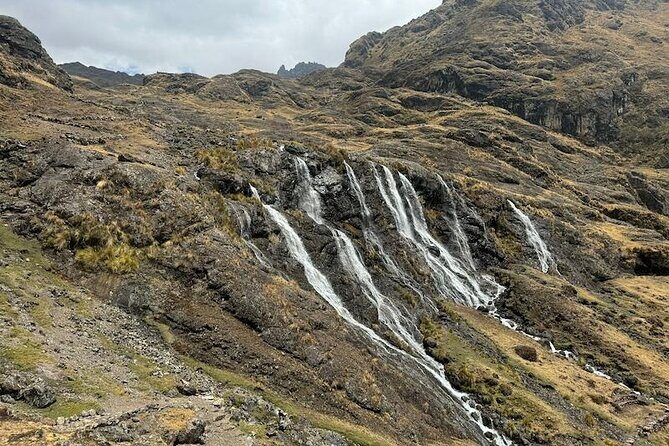
Day 1 starts in Cusco early and heads toward Huaran, a quieter village base for your first morning. You’ll have breakfast after arriving in Huaran, and you’ll meet the muleteers and horses that will be part of the trek support.
Then you begin a gradual 3-hour hike to Cancha Cancha at about 3,900 m. This first day is a “find your legs” day. The pace is far more manageable than the later high pass day, which gives you time to adjust to breathing at elevation and get used to your hiking rhythm.
Along the route, there’s a riverside lunch cooked by the trekking chef. That sounds simple, but it matters. After early departures and altitude, a planned meal break keeps the day from turning into a stress-fest of snack math.
The best part of day 1 is the afternoon with a local family in Cancha Cancha. You’re not just looking at a village from a distance—you learn about daily life and weaving traditions. Then, at night, your guide shares stories about Inca constellations tied to agricultural cycles like planting and harvesting. It’s a reminder that the Andes aren’t scenery. They’re a living system.
Potential drawback for day 1: you’ll still be at around 3,900 m, so even a moderate hike can feel harder than expected if you’re coming straight from sea level. Take it slow and let the crew set the pace.
Day 2: Quishuarani and the 4,500 m Pachacutec Pass you’ll remember
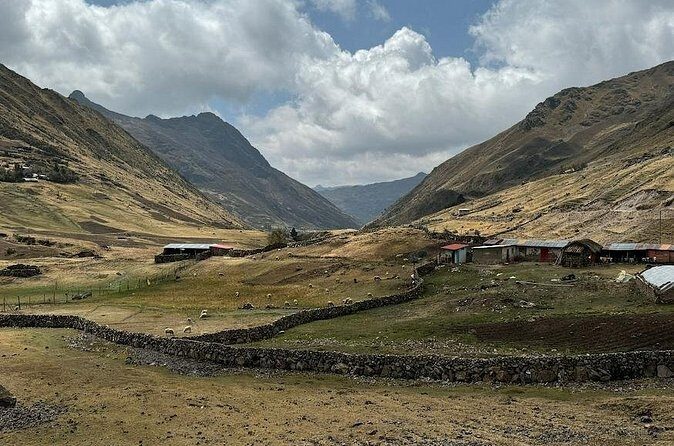
Day 2 is the big challenge day. You start with a warm cup of Andean tea or coffee while sunrise light hits the peaks. Then you tackle a 7-hour hike to Pachacutec Pass at 4,500 m.
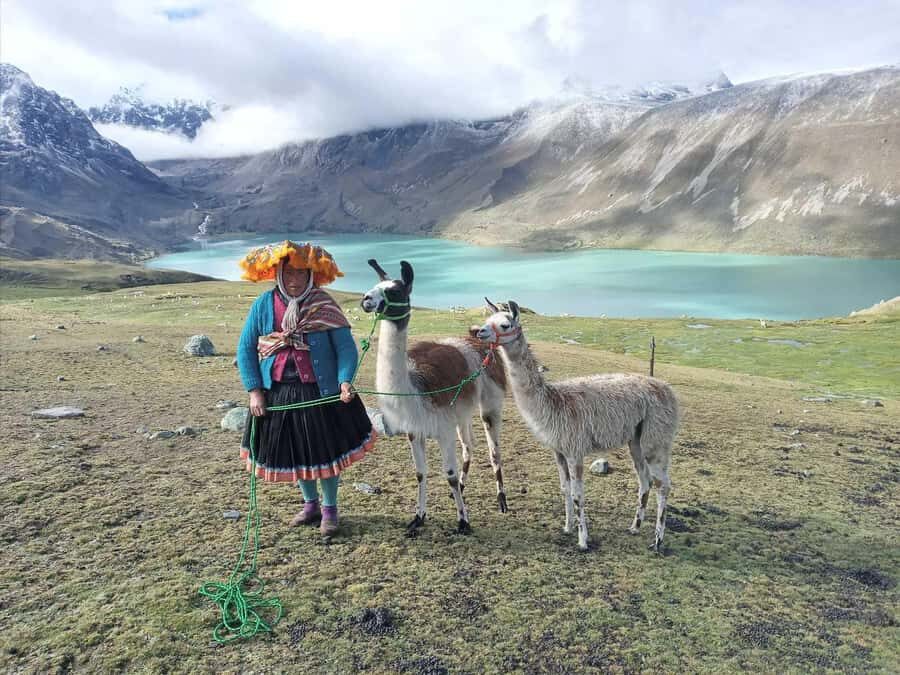
This is the day where the scenery gets dramatic: turquoise lagoons, glaciers, and herds of alpacas moving through the high country. The route also includes a descent on remote trails where locals still wear traditional clothing and speak Quechua. Your guide acts as a cultural interpreter, helping you connect what you’re seeing with living heritage rather than treating it like a photo stop.
One thing I like about this structure is that the challenge has context. A pass at 4,500 m is not just about accomplishment—it’s tied to how people travel, farm, and survive in the Andes. The altitude makes you pay attention to your body, and the guide helps you pay attention to the place.
You end the day at Quiswarani around 3,700 m, where your campsite and a night of rest are waiting. That altitude drop helps your legs a bit and makes sleep more realistic after such a long day.
Consideration: it’s a long day at high altitude. Even if you’re fit, you’ll want to manage pace. Don’t sprint early just because you feel okay. Save energy for the pass and the descent.
Day 3: Lares Hot Springs, Maras salt mines, and Ollantaytambo to Aguas Calientes
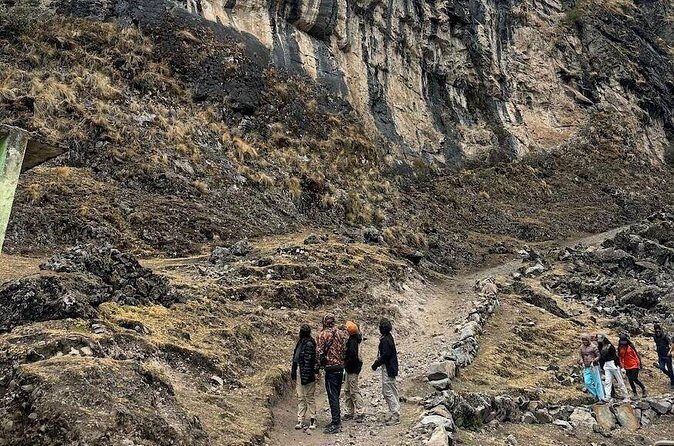
On day 3, you get a very practical reward: the trek cooking team says farewell in the morning, and you board private transportation to the Lares Hot Springs. You’ll spend about two hours relaxing in natural pools with views of the Andes.
This isn’t a luxury add-on. It’s the kind of recovery stop that can make the next day—Machu Picchu sunrise—feel possible instead of brutal. Warm water at altitude also helps your body loosen up after two trekking days.
After that reset, you head into the Sacred Valley of the Incas, arriving in Urubamba for a buffet lunch with fresh, locally sourced ingredients and traditional regional dishes. From there, you visit Maras Salt Mines, described as more than 3,000 pre-Inca salt pools still harvested using traditional methods. The whole place looks almost unreal—like a pattern etched into the hills.
Your final stop of the day is Ollantaytambo, a historic Inca town. You get free time to wander cobblestone streets and soak up the living sense of the town. Then dinner is included at a local restaurant, and you board the train to Aguas Calientes, the base town for Machu Picchu.
This day can feel like a transition day. You’re done with camping, but you’re not done with effort—travel and sightseeing still take time. If you’re the kind of person who gets grumpy when schedules shift, keep a calm mindset. It’s a build toward sunrise.
You can also read our reviews of more tours and experiences in Cusco

Day 4: Sunrise at Machu Picchu plus train back to Cusco
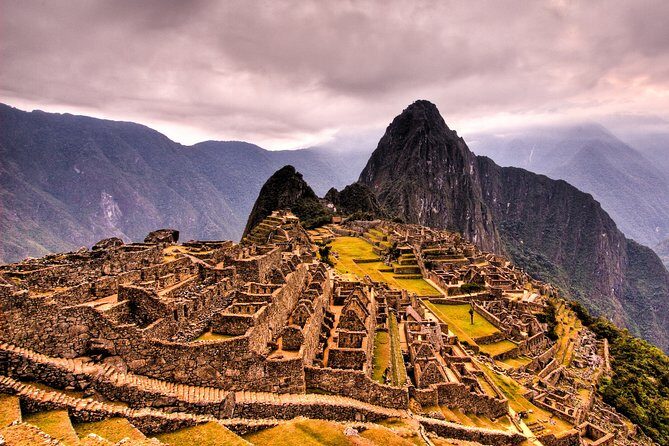
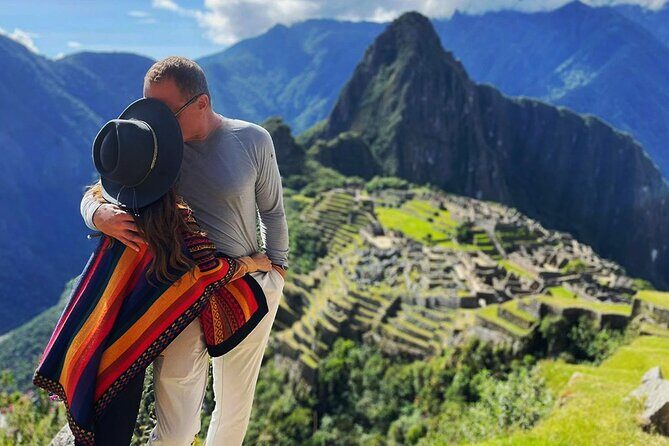
Day 4 is the payoff. You start early, taking one of the first buses up to Machu Picchu to catch sunrise. The goal is clear: light over the sacred mountains, with fewer minutes wasted on waiting.
When you reach the citadel, you’ll have about two hours of guided exploration. The guide covers agricultural, residential, and religious sectors, and you’ll learn about Machu Picchu’s history and spiritual significance, plus how the architecture worked with the environment.
A key detail: this is a guided experience with a set time inside. That’s helpful because Machu Picchu can overwhelm you if you’re wandering alone with limited time. The guide helps you notice the things that otherwise blur together.
After the tour, you return to Aguas Calientes. You get free time for lunch, shopping for souvenirs, or visiting a museum or hot springs (depending on what’s open and your energy level). Then you board the Expedition train back to Ollantaytambo, followed by a private transfer to Cusco.
Consideration: sunrise days mean you’ll be tired. Your best move is to treat the free time after the tour as optional. Don’t try to do everything in Aguas Calientes just because it’s there.
Price and what you’re really paying for: $750 with transport, gear support, and Machu Picchu access
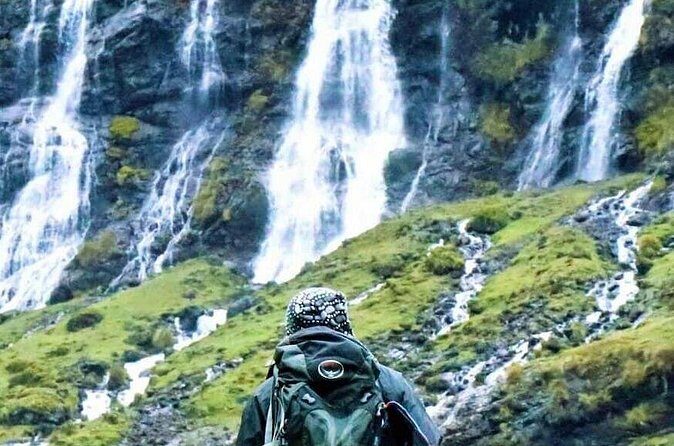
At $750 per person for about four days, the value comes down to what’s included. This isn’t just “a hike with a ticket.” It includes:
- Tourist transport
- Round-trip train ticket
- Machu Picchu entrance ticket
- Guided Machu Picchu visit
- A professional cook with full kitchen equipment
- A first aid kit with emergency oxygen tank
- Horsemen and mules to carry general gear and up to 7 kg of your personal belongings
- Meals: 4 breakfasts, 3 lunches, 3 dinners
That list matters because it removes the biggest cost and effort traps. You don’t need to coordinate separate logistics for the big train legs or worry about how meals and cooking are handled on the trek. The oxygen tank detail is also a serious comfort item at altitude, even though you hope you won’t need it.
What’s not included is mostly equipment and optional add-ons. The tour notes extras like:
- Sleeping bag ($15 pp)
- Inflatable mattress ($20 pp)
- Trekking poles ($15 pp)
- Personal tent ($30 pp)
- Huayna Picchu hike ($70 pp)
- Vistadome train upgrade (return only) ($65 pp)
So the real “cost reality” is this: if you already own quality camping gear and trekking poles, you may be closer to the $750 base price. If you need a lot of gear, expect extra charges.
What to pack (and what to rent) so you don’t hate day 2
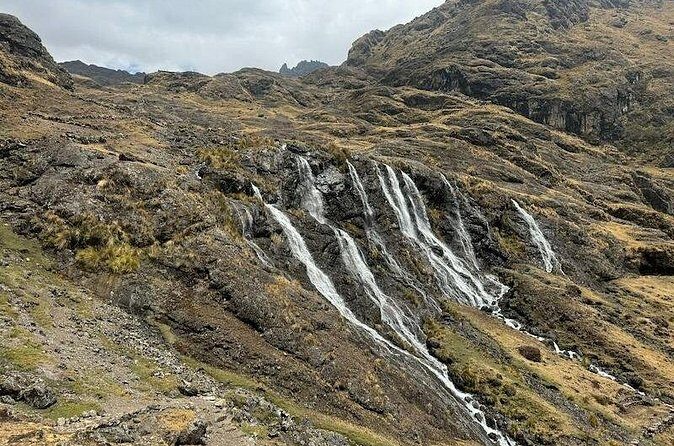
The itinerary itself is clear that you should come with a strong physical fitness level, but comfort depends on gear. The tour lists key items you can rent if you don’t have them:
- Sleeping bag
- Inflatable mattress
- Trekking poles
- Personal tent
Even if you don’t plan to use all of them, I’d still think about comfort strategically. On a long, high-altitude day like Pachacutec Pass, trekking poles can help your knees on descents. And on camping nights, a decent sleeping bag and insulation matter because high altitude nights can feel colder than you expect.
A smart approach is to decide which comfort items are worth paying for. If you’re traveling with limited weight, renting poles and sleep gear can actually be cheaper than buying. But if you already own solid gear, bring it. You’ll move more confidently and waste less time.
Also plan for early mornings. Between the 4:00 a.m. meeting time and the sunrise bus, your day will start before your brain is fully online. Bring layers so you can adjust as the sun climbs.
Who this Lares trek suits best—and who should reconsider
This is best for people who:
- Want a less crowded Andes experience before the Machu Picchu spotlight
- Are okay with tough hiking days, especially the 7-hour pass hike
- Like the mix of trekking and cultural stops (village time, Quechua language context, weaving traditions)
- Care about recovery stops like the Lares Hot Springs
It’s also a good fit if you’re a photography-minded traveler. The trek time gives you changing views: riverside lunch, star stories, high pass lagoons, alpacas, then hot springs and salt pools. You’ll be shooting at multiple altitudes, not just one.
Who should reconsider? If you’re not comfortable with altitude or long days on your feet, this will likely feel stressful instead of rewarding. The tour clearly states you should have strong fitness.
And if you hate early starts, the schedule is not going to negotiate. You’re meeting at dawn and aiming for sunrise at Machu Picchu. This trip is built around early light.
Should you book Lares Trek to Machu Picchu with Nig Adventures?
If you want a Machu Picchu trip that feels earned, this one makes sense. You get real trekking days, cultural contact with local communities, and a recovery-focused third day before a sunrise Machu Picchu visit. The included gear support—especially the mule carrying up to 7 kg—is the kind of detail that turns a “hard trip” into a manageable one.
I’d book it if you can handle:
- A high pass day at 4,500 m
- Long walking hours
- Early morning starts
I’d hesitate if you know you struggle with altitude, or if your idea of comfort is a relaxed schedule with minimal long days. Also do the math on equipment rentals. The base price is strong, but your final total depends on whether you need most of the sleep and hiking gear.
If you’re ready for a real Andean trek that still delivers Machu Picchu in a thoughtful way, this is a solid choice.
FAQ
What time does the tour start in the morning?
The meeting point is listed as 4:00 a.m. Day 1 then departs Cusco early in the morning at 5:00 a.m.
How challenging is the trek?
The trip includes a 7-hour hike to Pachacutec Pass at 4,500 m on day 2. The tour advises travelers to have a strong physical fitness level.
What’s included in the Machu Picchu part?
You get entrance ticket to Machu Picchu and a guided tour on site. You’ll also take early buses up to arrive for sunrise.
How do the train tickets work?
The tour includes a round-trip train ticket. On day 4, you return by train from Aguas Calientes to Ollantaytambo, then transfer back to Cusco.
What food is included during the trek and sightseeing days?
Meals included are 4 breakfasts, 3 lunches, and 3 dinners.
What gear is not included, and what can you rent?
Not included options listed are sleeping bag, inflatable mattress, trekking poles, and personal tent. There’s also an optional Huayna Picchu hike and optional Vistadome train upgrade.
What happens if weather is bad?
This experience requires good weather. If it’s canceled due to poor weather, you’ll be offered a different date or a full refund.