REVIEW · CUSCO
2-Day Inca Trail to Machu Picchu with Panoramic Train
Book on Viator →Operated by TreXperience · Bookable on Viator
Machu Picchu starts with a climb. This 2-day Inca Trail route takes you through classic Inca stops like Chachabamba and Wiñay Wayna, then delivers a first look from the Sun Gate before you officially tour Machu Picchu.
I especially like that you get Machu Picchu in two bites: an afternoon circuit on Day 1 and a morning-and-early-day visit on Day 2, guided and structured.
Two things I really like. First, the timing around Intipunku means you often see Machu Picchu with calmer crowds, plus your guide can help you line up the best viewpoints—names like Edy, Nilton, and Miguel Rozas Choque pop up in standout experiences. Second, the return on the Trem Vistadome panoramic train makes the whole trip feel smoother than bouncing back by bus alone.
One consideration: the Day 1 start is early (around 4:00 a.m.), and the hike still means uphill work plus changing weather. Bring layers and rain gear, because conditions can shift fast at altitude.
In This Review
- Key moments you’ll remember
- The big idea: a 2-day Inca Trail that still feels real
- Cusco to Ollantaytambo to Km 104: the long start that sets the day up
- Chachabamba: ceremonial structures and water channels
- Wiñay Wayna: the long uphill grind with a payoff
- Intipunku (Sun Gate): your first Machu Picchu reveal
- Aguas Calientes at night: dinner, a comfortable base, and a real reset
- Day 2 in the morning: buses up and the guided Machu Picchu circuit
- The Vistadome panoramic train: a gentler landing after two intense days
- Pace, weather, and what your guide is really doing
- Price and logistics: does $590 feel like value?
- Who should book this 2-day Inca Trail and panoramic train tour
- Should you book this TreXperience Inca Trail to Machu Picchu?
- FAQ
- What time do you get picked up in Cusco?
- How fit do I need to be for the Inca Trail portion?
- What meals and lodging are included in the price?
- Is Machu Picchu guided, or do I explore on my own?
- Do I need separate tickets for Huayna Picchu or Machu Picchu Mountain?
- What train do I ride, and what does it look like?
- What do I pack for Day 1 and what about luggage?
- If the Inca Trail is closed due to poor weather, do I get a refund?
Key moments you’ll remember
- Chachabamba with water channels: a well-preserved Inca site before the long uphill push
- Wiñay Wayna, meaning forever young: ruins + Andes views on a multi-hour climb
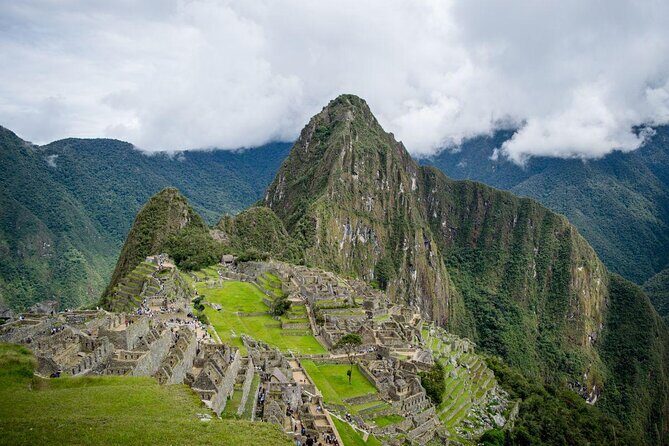
- Sun Gate first reveal of Machu Picchu: a major payoff moment for photos and first impressions
- Circuit 1 at Machu Picchu on Day 1: iconic viewpoints when you may find thinner crowds
- Early Day 2 bus to the ruins: guided highlights plus free time for optional hikes
- Panoramic Vistadome train home: big windows and a relaxing end to a demanding day
The big idea: a 2-day Inca Trail that still feels real
If you want the Inca Trail experience but 4 days sounds like too much, this version is built for focus. You hike the last portion of the trail, hit a sequence of meaningful Inca sites, then transition straight into Machu Picchu without losing momentum.
The trade-off is that 2 days still means effort. You’ll start your Day 1 very early, and you’ll spend a big chunk of time walking uphill through cloud-forest type scenery and Inca pathways. The good news is the structure: breaks are built in, meals are provided, and you’re not stuck planning logistics while your legs are on strike.
Another plus is the emotional arc. You don’t just arrive at Machu Picchu and move on. You see the approach—first from the Sun Gate area, then on the ground inside the Historic Sanctuary. That makes the site feel earned, not visited-on-the-go.
You can also read our reviews of more tours and experiences in Cusco

Cusco to Ollantaytambo to Km 104: the long start that sets the day up
Day 1 starts with a hotel pickup from Cusco around 4:00 a.m. (or 5:30 a.m. if you’re staying closer to Ollantaytambo). Then it’s to Ollantaytambo train station for the ride along the Urubamba River.
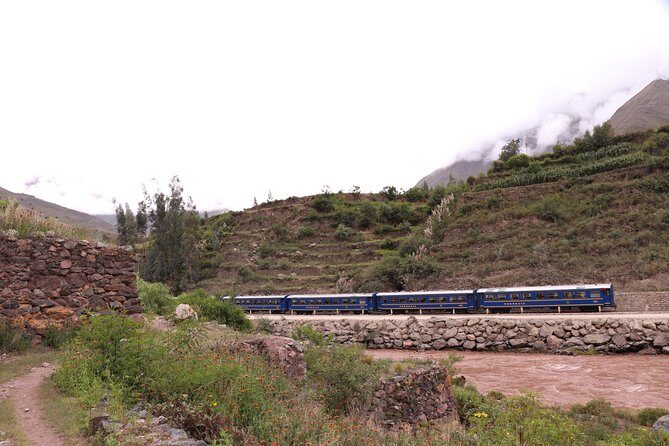
This train segment matters more than it sounds. It turns what could be an exhausting road grind into a calmer start with big-window views of valleys and mountain scenery. When the morning includes an early bus ride and a hike, it’s nice to have one part of the day that feels less like a chore.
After about two hours of train time, you reach Km 104 Station. This is where the day pivots from transport to trail. You check in at the trailhead with your passport, then get a picnic breakfast prepared by the tour chefs. That matters because you’re not hungry while you’re trying to settle into a hiking rhythm.
Practical takeaway: keep your daypack simple. You only need essentials for Day 1, and there’s support for luggage handling so you’re not dragging extra weight over uneven paths.
Chachabamba: ceremonial structures and water channels
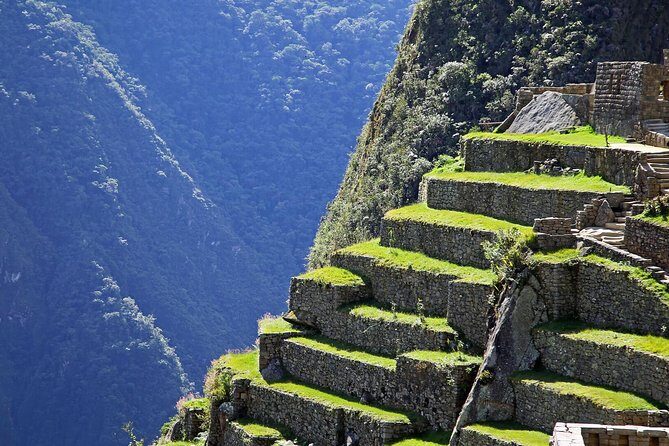
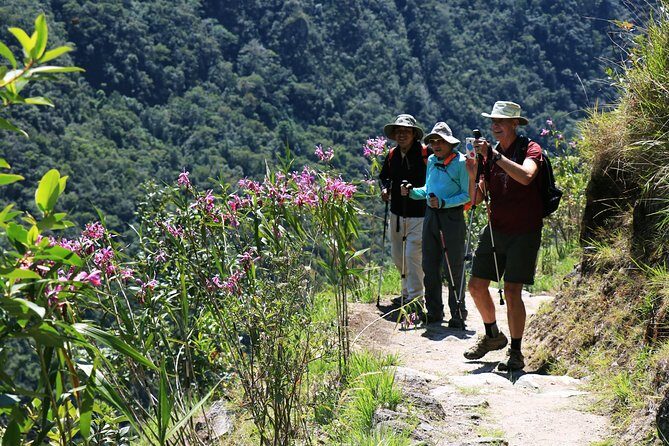
The first real Inca stop is Chachabamba. You’ll walk into a site that’s described as well preserved, with ceremonial structures and water channels. Even if you’re not a ruins-nerd, this kind of stop gives you context: the trail isn’t just a hiking route, it’s tied to how the Incas managed space, movement, and water.
From here you continue into an uphill walk through cloud-forest conditions. Expect birds, possible waterfalls along the way, and that cool, damp feel you associate with this elevation band.
Time on this segment is shorter than later climbs, so it works like a warm-up for the rest of the day. You’re building breathing rhythm, not trying to win a race.
Wiñay Wayna: the long uphill grind with a payoff
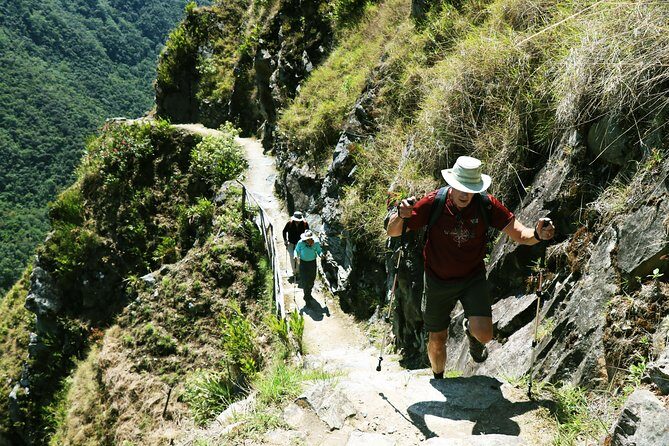
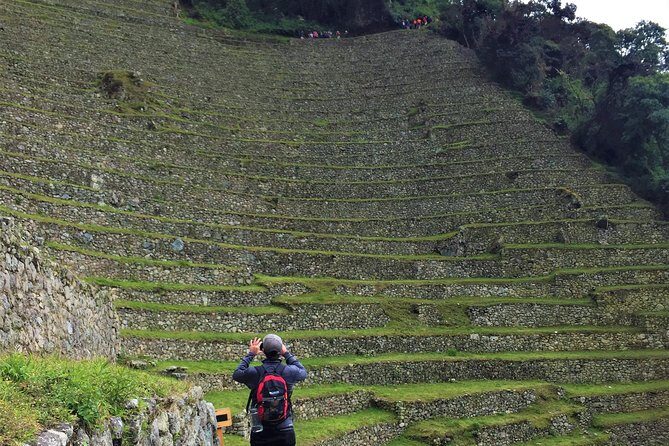
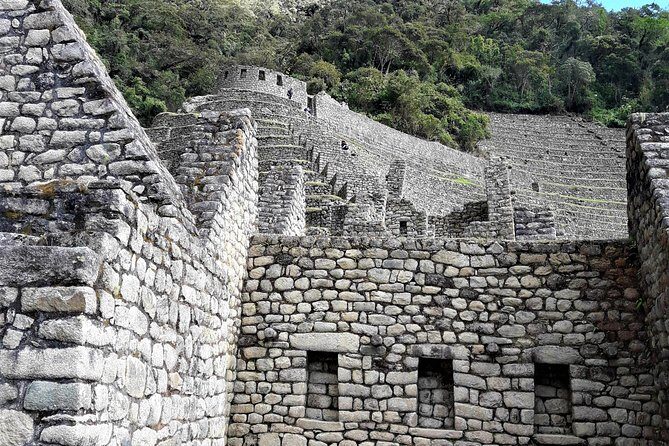
Next is Wiñay Wayna, a key Inca site whose name means forever young. This is where the hike asks for patience. After breakfast, you’ll face a gradual uphill stretch described as about four hours, and it’s a steady climb with ancient Inca trail segments.
What makes Wiñay Wayna special is the combination of ruins and views. You’re exploring a site while looking out over the Andes, so your brain gets two jobs: noticing architectural details and tracking the scenery.
After exploring Wiñay Wayna, you’ll eat lunch prepared by expert trekking chefs before continuing onward. I like that meals are not an afterthought. In a hike like this, food affects energy more than people expect—especially with altitude and early mornings.
Intipunku (Sun Gate): your first Machu Picchu reveal
After lunch you hike toward Sun Gate, also called Intipunku. This is the money moment on Day 1.
From the Sun Gate area, you catch what many people consider their first magical view of Machu Picchu. The afternoon timing can help too, because you’re not starting from the exact same crowd-heavy rhythm as some other itineraries. Your guide also helps with viewpoint timing for photos, which is a big reason people talk about guides like Juan de dios, Sebastian, and JJ being good at keeping the group moving without feeling rushed.
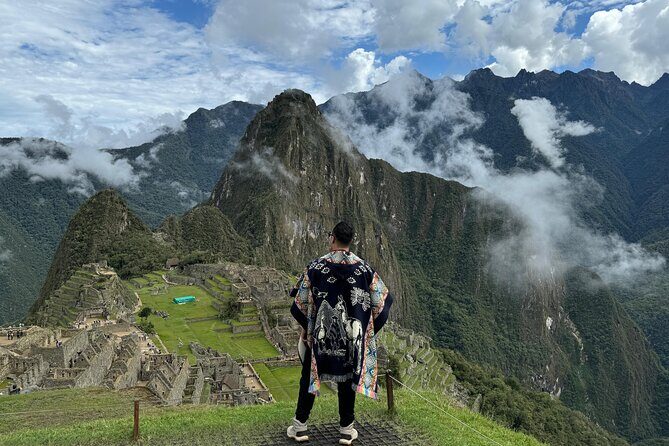
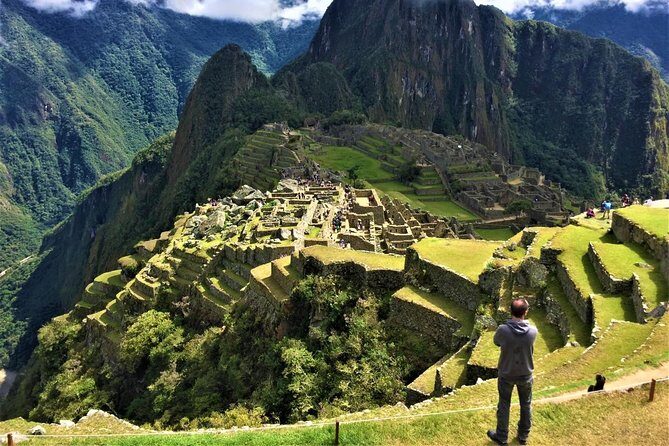
Then you walk down toward the Historic Sanctuary of Machu Picchu and follow Circuit 1, visiting the most iconic viewpoints. By this point in the day, you may feel the crowd level easing, which can change how you experience the site—less like a checklist, more like standing there and letting it soak in.
Practical tip: if you care about photos, your guide’s timing can matter as much as your camera.





Aguas Calientes at night: dinner, a comfortable base, and a real reset
After the Machu Picchu portion on Day 1, you descend by bus to Aguas Calientes. You’ll have dinner at a local restaurant and then sleep in a comfortable 3-star hotel with private bathrooms and breakfast included for the next morning.
This overnight is valuable because it protects you from the worst kind of Machu Picchu day: long day-of-travel exhaustion. The next morning, you’ll be able to go early again without feeling like you’re still recovering from a road marathon.
Also note: you’re moving between high-intensity hiking and tourist infrastructure. Having a proper hotel stop with private bathrooms and a bed makes a difference.
Day 2 in the morning: buses up and the guided Machu Picchu circuit
Day 2 begins in Aguas Calientes with breakfast, then you head out early to catch the first buses to Machu Picchu.
The tour gives you two modes, depending on weather. If conditions are clear, you might witness sunrise over Machu Picchu, described as a breathtaking start. If not, you still get an early entry and the structured guided tour.
You’ll then spend about 2 to 3 hours with your guide touring Machu Picchu—temples, palaces, terraces, and stories that put the site into context. This is where the best guides really shine: people share that guides like Nilton and Miguel Rozas Choque keep explanations clear and add real personality, from humor to careful photo direction.
After the guided portion, you get free time to explore on your own. You can also choose an additional hike up Huayna Picchu or Machu Picchu Mountain if you have tickets booked in advance.
When you’re done, you take the bus back to Aguas Calientes for lunch before returning by train.
The Vistadome panoramic train: a gentler landing after two intense days
After lunch in Aguas Calientes, you board the Vistadome Panoramic train back to Cusco. The pitch here is comfort and views: big windows let you watch the Sacred Valley scenery roll by as you decompress.
This is the part of the trip that feels like a reward. You’re not switching between buses and steep streets; you’re riding. If you’ve been hiking all day, that difference is more than pleasant—it’s practical recovery.
Once you reach Ollantaytambo train station, the TreXperience team escorts you back to your hotel in Cusco around 7:30 p.m. That gives you the evening back to eat something leisurely and actually relax.
Pace, weather, and what your guide is really doing
This trip runs on early starts and tight timing. That’s normal for Machu Picchu. The best part is that you’re not doing it solo. You’re in a group with guides who manage movement and timing so you can enjoy the site rather than chase it.
A few guide skills show up repeatedly in excellent experiences:
- Pacing that keeps the group together: assistants help maintain flow, not just speed
- Safety focus on a tough day: there’s safety equipment provided, including satellite phone, first-aid kit, and oxygen tank
- Photo help that goes beyond pointing: guides will suggest good spots and timing for views, including when clouds clear
Also, you should expect some primitive elements on the hiking day. One thing I’d plan for: basic bathroom conditions out on the trail. It’s not a reason to skip the trip, but it’s a reason to go in with the right expectations.
Weather is the other reality check. The itinerary includes long uphill segments, so rain can make surfaces slick and mornings colder. That’s why packing layers is not optional. Bring rain gear, even if the forecast looks friendly.
And if altitude affects you, don’t panic. The trip includes safety support, and you’re hiking at an elevation environment where guides tend to help people who struggle—encouragement, pacing adjustments, and sometimes carrying help.
Price and logistics: does $590 feel like value?
At $590 per person, the main value question is whether you’re paying for convenience or paying for real inclusions. Here, you’re getting more than a basic guided walk.
Your price includes:
- Inca Trail entrance tickets and Machu Picchu entrance tickets
- A guided Machu Picchu tour
- Train to Km 104 and the return panoramic train
- Buses between Machu Picchu and Aguas Calientes
- One night in a 3-star hotel with breakfast
- Dinner and lunch during the program (plus breakfast provided on Day 1)
- Safety briefing the day before, plus safety equipment and luggage storage support
So you’re not only buying a guide’s commentary. You’re buying a full system that covers transport, entry, food, and the schedule that makes Machu Picchu work.
Could you build something similar yourself? Maybe, but not without heavy coordination. And Machu Picchu is the kind of place where timing mistakes are expensive. For many people, this package price is the cost of staying sane.
Who should book this 2-day Inca Trail and panoramic train tour
This fits best if you:
- want an Inca Trail feel without committing to a full multi-day trek
- can handle an early 4:00 a.m. wake-up
- have moderate physical fitness and are comfortable with uphill hiking
- like having meals and logistics handled, so you can focus on the experience
It’s also a good option for couples and friends who enjoy a guided format. The group size is capped at 16 travelers, which tends to make for a manageable, social hike without feeling like a huge crowd.
It may not be for you if you:
- hate hiking stair-heavy uphill routes
- want zero-weather variability
- need a flexible day with lots of hanging-out time (this itinerary is structured)
Kids must be accompanied by an adult, and this isn’t presented as a stroller-friendly adventure. If you have mobility limitations, you’ll want to think hard about the uphill trail segments.
Should you book this TreXperience Inca Trail to Machu Picchu?
I think you should book it if Machu Picchu is your priority and you want to earn it with a real trail day. The combination of Inca ruins on Day 1, a guided Machu Picchu circuit, and the Vistadome panoramic train makes this more than a one-day sightseeing trip.
I’d book with extra care if you want Huayna Picchu or Machu Picchu Mountain. Those optional entrances are not included, so you need tickets booked ahead of time.
Finally, remember the trip depends on weather. The experience is described as requiring good weather, and there’s a plan if the trail gets closed.
If your goal is a structured, high-impact Inca-and-Machu-Picchu experience with strong guidance and solid value for what’s included, this is a very sensible choice.
FAQ
What time do you get picked up in Cusco?
Your pickup is around 4:00 a.m. from Cusco. If you’re staying closer to Ollantaytambo, the start time is about 5:30 a.m.
How fit do I need to be for the Inca Trail portion?
The tour is designed for travelers with moderate physical fitness. Day 1 includes walking on ancient Inca trails with uphill sections, including a gradual 4-hour uphill hike toward Wiñay Wayna.
What meals and lodging are included in the price?
You’ll have breakfast (2), plus lunch on Day 1 and dinner on Day 1. You also get one night in a comfortable 3-star hotel in Aguas Calientes with breakfast included.
Is Machu Picchu guided, or do I explore on my own?
Machu Picchu includes entrance tickets and an in-depth guided tour. You’ll also have free time afterward to explore on your own and optionally add Huayna Picchu or Machu Picchu Mountain if you have tickets.
Do I need separate tickets for Huayna Picchu or Machu Picchu Mountain?
Yes. Tickets for Machu Picchu Montaña or Waynapicchu are not included. If you already have them, you should let the operator know in advance.
What train do I ride, and what does it look like?
You ride the panoramic Vistadome train. It has large windows so you can enjoy views during the journey back to Cusco.
What do I pack for Day 1 and what about luggage?
Bring only a daypack with essentials for Day 1. A small carry-on bag can be sent to your hotel in Aguas Calientes, and there’s complimentary luggage storage support before the trip.
If the Inca Trail is closed due to poor weather, do I get a refund?
If cancellation happens due to poor weather, you’ll be offered a different date or a full refund. Outside of that, the experience is non-refundable and cannot be changed for any reason.
If you tell me your travel month and whether you’re interested in Huayna Picchu or Machu Picchu Mountain, I can help you decide which entry approach makes the most sense for your day at Machu Picchu.