REVIEW · CUSCO
Lares Trek to Machu Picchu 4 days with Panoramic Train
Book on Viator →Operated by TreXperience · Bookable on Viator
Quieter trails, big Machu Picchu payoff. This 4-day Lares Trek package pairs remote Andean scenery with a sunrise visit to Machu Picchu, then eases you back down with a panoramic Vistadome train ride.
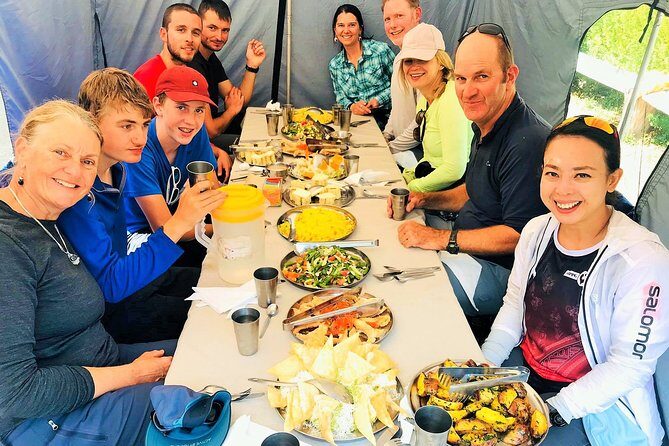
Two things I really like: you get that small-group feel (maximum 16) so your guide can actually work with you, and the trip treats food like part of the experience. You’ll also notice how much of the trekking gear is handled by horses and experienced muleteers, which helps you focus on walking.
One key consideration: you start early (meeting at 4:30am), and you’ll be at altitude, including Condor Pass at 4,750 m. On cold nights, warm clothes matter a lot.
In This Review
- Key Highlights You’ll Care About Most
- Why the Lares Route Feels Quieter Than the Classic Trails
- Day 1 in the Cusco World: Markets, Ancasmarka, and Rare Puyas
- Lares Hot Springs and Weaving With Natural Dyes
- Laguna, Kiswarani Waterfall, and the Blue Lagoon Night Under Stars
- Condor Pass at 4,750 m: The Trek’s Toughest Reward
- Canchacancha Community Night: Homes, School, and Team Energy
- Day 3 Gets You Back Toward Machu Picchu: Sacred Valley, Maras, Ollantaytambo
- Sunrise Machu Picchu: Classic Viewpoints and a Guided Walking Tour
- The Panoramic Vistadome Return to Cusco: Easy Legs, Big Windows
- Price and Value: Why $698 Can Make Sense for This Route
- Altitude Reality Check and Packing You’ll Actually Use
- Who This 4-Day Lares Trek Suits Best (and Who Might Not Love It)
- Should You Book This Trek to Machu Picchu?
- FAQ
- What does the package include for Machu Picchu?
- How many nights do you sleep in tents versus a hotel?
- What meals are included on the trek?
- Do I need to carry all my own luggage?
- How fit do I need to be?
- Are vegetarian meals available?
Key Highlights You’ll Care About Most
- Small-group pacing with more attention from your guide, not cattle-car trekking
- Lares Hot Springs + a women-led weaving stop focused on natural dyes and backstrap weaving
- Ancasmarka and Puyas de Raimondi: the kind of Inca-era detours most people miss
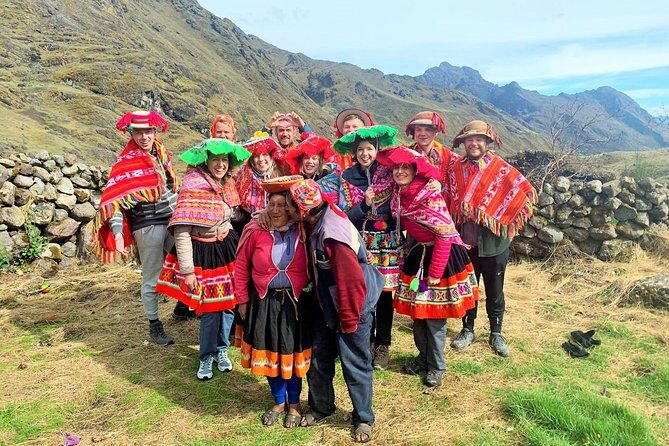
- Condor Pass views plus a traditional Apus offering ritual led by your guide
- Community time at Canchacancha, including a chance to visit homes and the school
- Sunrise Machu Picchu followed by a Vistadome return train for an easy, scenic wind-down
Why the Lares Route Feels Quieter Than the Classic Trails
If you’re choosing Lares over the most famous Inca and Salkantay routes, this is the main payoff: you trade predictable crowds for a more human pace. Your days are built around long views, high passes, and smaller places that still feel lived-in.
That small-group size (up to 16) also changes the feel of the trek. Your guide can point things out that you’d miss on a bigger group, and you’re more likely to get real conversation during walking breaks and at camp.
And Machu Picchu still delivers the big moment. You’re not giving up the “wow.” You’re just avoiding the crush earlier in the journey.
You can also read our reviews of more hiking tours in Cusco



Day 1 in the Cusco World: Markets, Ancasmarka, and Rare Puyas
Day 1 starts with pickup from Cusco or the Sacred Valley area near Pisac. Then you ease into the journey with Calca’s market stop, where vendors sell fresh produce and textiles—exactly the kind of local stop that helps you get your bearings fast.
Next comes Centro Arqueológico de Ancasmarka, an Inca site that’s less famous than the big headline ruins. You’ll see ancient terraces and storehouses tied to trade routes, then drive up to a higher plateau where you might spot Puyas de Raimondi—giant plants that flower only once in a century. That’s a “standing in front of something rare” kind of moment.
If you’re wondering what this does for your trek itself, it matters more than it sounds. Before you hike hard, you’re learning the region’s pattern: Inca infrastructure plus high-altitude life plus local traditions.
Lares Hot Springs and Weaving With Natural Dyes
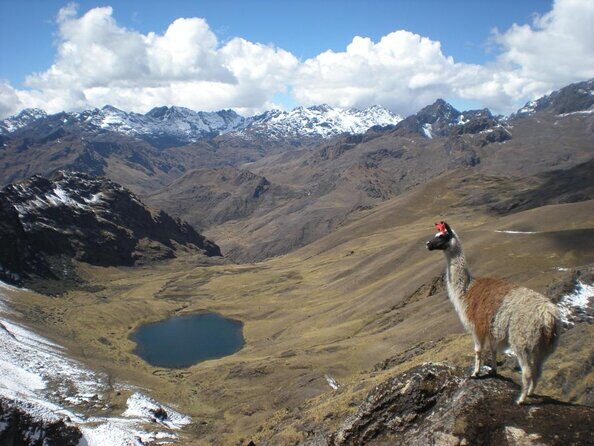
Later on Day 1, you descend into Lares and relax in thermal baths surrounded by the Andes. This is one of those stops that’s not just relaxing—it’s strategic. You’re loosening up before the bigger uphill effort later, and you start building stamina without feeling like every minute is “work.”
After the baths, you get breakfast and then visit a women-led weaving cooperative. You’ll learn about natural dyes and see traditional backstrap weaving techniques passed down through generations.
This stop adds depth without turning into a lecture. It connects what you’re seeing in the landscape (mountain plants used for dye, local fiber work) to real daily life. And on trips like this, that’s the kind of cultural detail you’ll remember long after the trekking photos fade.
Laguna, Kiswarani Waterfall, and the Blue Lagoon Night Under Stars
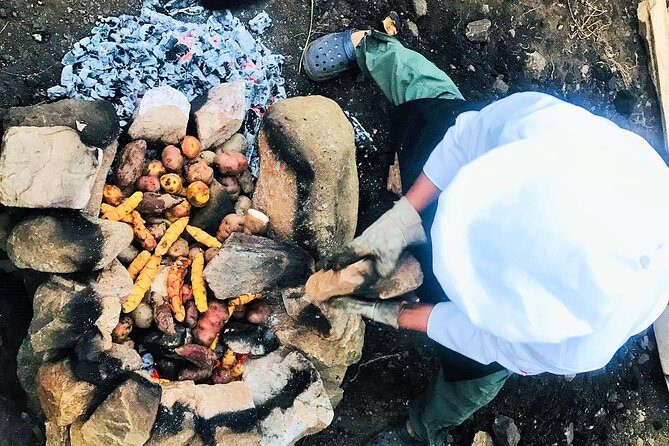
The afternoon and evening of Day 1 moves from valleys to water to a high camp. You pass through Pamparrocal area, then head toward Kiswarani for a freshly prepared meal before the scenic hike.
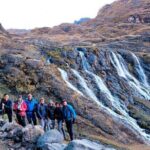
You’ll be walking through quieter valleys where llamas and alpacas graze. As you climb, you reach Kiswarani waterfall, tucked deep in the Andes—dramatic and very “you’re far from town” in feel.
Then you continue up to the Blue Lagoon campsite around 3,900 m. The plan is simple: a cozy tent, warm tea, and a sky packed with stars. The cold can creep in at altitude, so bring warm layers even if you think you’re “prepared.” One review highlight that’s consistently helpful: warm clothes for nighttime, because it can get cold even for people used to winter weather.
This is also the part of the trek where your body starts adjusting. If you take it slow on the climbs and don’t rush camp chores, you’ll sleep better and feel better for Day 2.
Condor Pass at 4,750 m: The Trek’s Toughest Reward
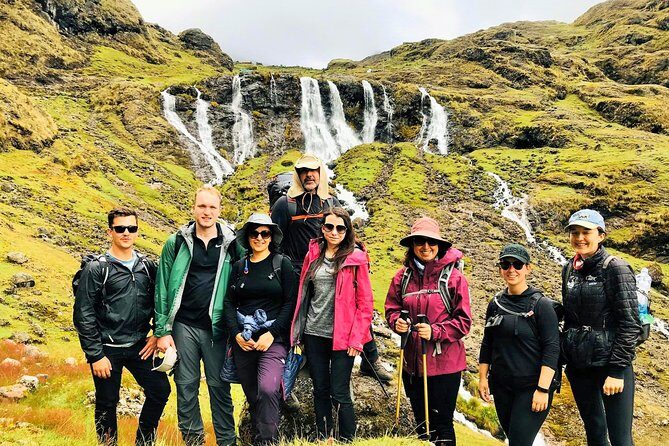
Day 2 is the hardest yet most satisfying day. You’ll wake up to a warm cup of coca tea or coffee delivered to your tent, then begin a steady uphill hike through highland valleys dotted with turquoise lakes.
You’ll hike past alpacas and Andean geese (Wallatas). Then you climb to Condor Pass at 4,750 m, the highest point of the journey, with 360-degree views of the Andes.
One of my favorite parts here is the cultural element you get right at the summit: a traditional offering to the Apus (sacred mountain spirits) guided by your leader. It’s not a “random ritual stop.” It’s tied to the meaning of mountains in local belief, and it gives your big physical milestone a local context.
After that, you descend to Acopata for lunch, then keep walking downhill through dramatic valleys toward camp.
If you’re keeping expectations realistic: this day asks for effort. But the design helps—steady hiking, planned breaks, and hot coca tea at the summit keep you moving.
You can also read our reviews of more tours and experiences in Cusco

Canchacancha Community Night: Homes, School, and Team Energy
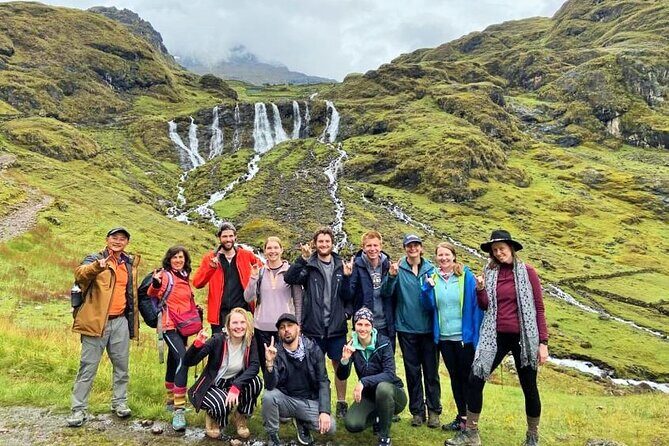
You arrive in Canchacancha around 3,750 m and camp near local homes. This is a night where you’ll feel the trek turn from “nature trip” into “community experience.”
In the evening, you may have time to meet villagers, play soccer with children, practice a few Quechua words, or just relax while the mountains set the scene. On some trips, you may also connect with the local school and learn how donations help—one group experience included visiting and coordinating notebook, pen, or toy donations.
On Day 3, the community time continues with breakfast views and more chances to visit homes and the school. That second touch matters. It’s not a one-and-done cultural stop; it’s more like you’re being folded into the routine for a short while.
If your idea of “authentic” means fewer tourist-style walls and more real human interaction, this is one of the best parts of the itinerary.
Day 3 Gets You Back Toward Machu Picchu: Sacred Valley, Maras, Ollantaytambo
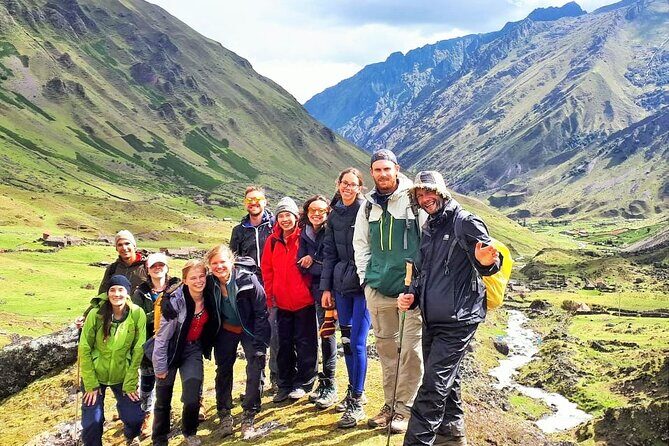
Day 3 starts with a gentle descent through fertile Sacred Valley terrain. You’ll see the shift from highland crops like potatoes and beans to crops like corn and avocado.
You’ll reach Huaran at 2,700 m for a scenic picnic lunch. Then you say farewell to the muleteers and chef—an important moment because these are the people who make the trek possible. It’s also a good time to look back at what worked: the camp setup, the meals, and the steady gear support.
After that, you head to the Salt Mines of Maras (Salineras de Maras), with thousands of salt pools harvested since Inca times. Even without a long explanation, the sheer geometry is hard to forget.
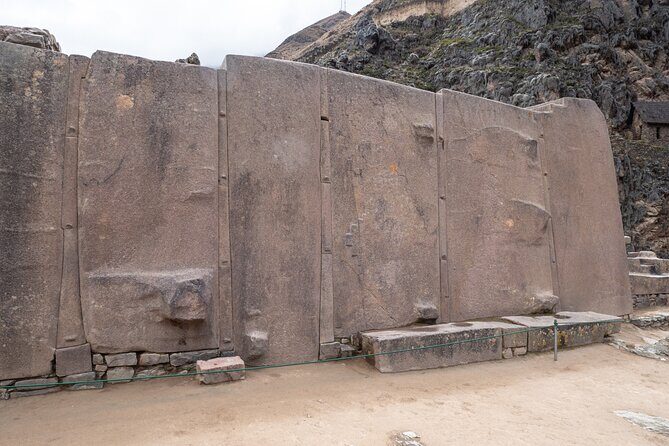
Then it’s on to Ollantaytambo, often called the last living Inca town. You’ll explore stone streets and water canals, and you’ll have dinner in town.
Finally, you ride the evening train to Aguas Calientes, check into a cozy 3-star hotel, and get a chance to rest before Machu Picchu. This is a smart pacing choice: after two nights in tents, the hotel night helps you arrive fresh for sunrise.
Sunrise Machu Picchu: Classic Viewpoints and a Guided Walking Tour
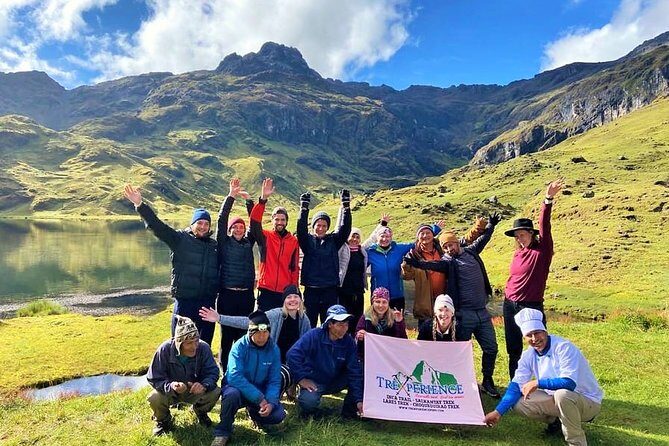
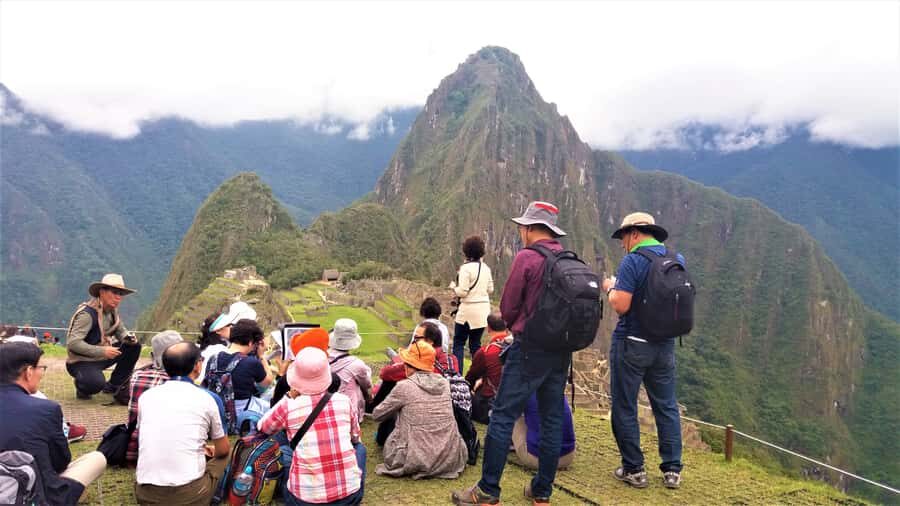
Day 4 begins with early breakfast at your hotel, then a bus up to Machu Picchu timed for sunrise. Watching mist lift over the citadel is the kind of moment that makes all the earlier hiking feel worth it.
You’ll have time for classic viewpoints for photos, then join your guide for a 2–3 hour walking tour through temples, terraces, and ceremonial areas. You’ll also learn how the Incas engineered and lived in this place—how daily life worked inside the design.
The tour includes your Machu Picchu entrance ticket. If you want extra hikes like Huayna Picchu or Montaña Machu Picchu, those optional tickets are not included and should be booked ahead of time. If you’re flexible, you can skip the steep add-ons and still get a full, satisfying day.
This is also where your guide really matters. Some groups have praised guides like Filio for excellent English and strong Inca history storytelling, while others highlighted guides like David who taught offering practices (like giving a kintu) and how to play instruments such as the pututu. You won’t know your exact guide in advance, but the guiding style is part of why this itinerary works.
The Panoramic Vistadome Return to Cusco: Easy Legs, Big Windows
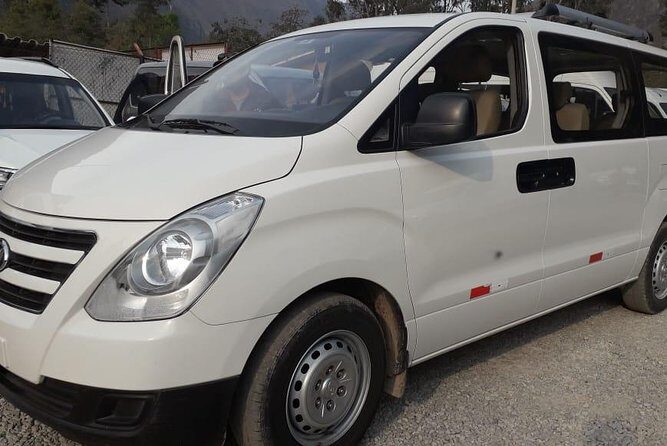
After Machu Picchu, you return to Aguas Calientes for free time and lunch at your own pace. Then in the afternoon you board the panoramic Vistadome train back toward the next stop (Ollantaytambo), followed by a private transfer back to Cusco.
This part is pure value: you don’t just “get home.” You get one more scenic experience without the stress of another long hike. The Vistadome train ride is built for views, so even though you’re tired, you’re not bored.
It also helps you close the loop emotionally. The trek has mountains and camps; the train gives you a smoother transition back into city life. You arrive in Cusco with that calm, slightly stunned feeling that comes from doing something hard and meaningful.
Price and Value: Why $698 Can Make Sense for This Route
At $698 per person, this is not a budget day trip. But when you compare what’s included, it starts to look like good value for a four-day package that hits both hiking and major sights.
You’re getting:
- Machu Picchu entrance, plus the bus up from Aguas Calientes
- Maras Salt Mines and Lares Hot Springs entries
- Vistadome train on the return side
- A mix of camp nights (2) and a 3-star hotel night (1)
- Guides, breakfast/lunch/dinner (3 dinners, 4 breakfasts, 3 lunches)
- Gear transport by horses and muleteers, with a duffel bag limit of 7 kg / 11 lb for your personal carry
In plain terms: you’re paying for logistics and support, not just walking. That matters because trekking to Machu Picchu is a chain of moving parts—food, tents, transport, and timed entry. The reviews consistently praise the food (with people saying you won’t go hungry and that meals are really strong), which is exactly what you want at altitude when your appetite is off and your body needs fuel.
If you want Machu Picchu with more breathing room during the journey, and you prefer support over self-planning, this package is priced like something you should take seriously.
Altitude Reality Check and Packing You’ll Actually Use
This trip asks for moderate physical fitness. The biggest altitude marker is Condor Pass at 4,750 m and a campsite around 3,900 m. Even if you’re fit, you’ll want to move at a steady rhythm and not compete with the person next to you.
Cold nights are a real factor. Reviews mention bringing warm clothes, and that’s good advice. Also note the structure: you sleep in tents for two nights, so you’ll feel temperature changes more than you would in a hotel.
Gear transport is a relief. Your personal duffel bag has a 7 kg limit, and the rest is carried by horses. Optional items like a mattress, sleeping bag, and trekking poles may be available as add-ons if you need them. If you’re unsure, ask ahead.
Finally, you start early—meeting at 4:30am—so plan for an early wakeup, and don’t treat the first day like a casual stroll. You’ll be in motion from the beginning.
Who This 4-Day Lares Trek Suits Best (and Who Might Not Love It)
This itinerary fits best if you want:
- a quieter path than the most crowded classic routes
- real culture stops (weaving cooperative, community time in Canchacancha, plus market and local towns)
- a guided trek with strong meal support
- sunrise Machu Picchu without trying to solve every logistics puzzle yourself
It may not be ideal if you want maximum comfort every night or if you’re not comfortable with cold tent camping and high-altitude exertion.
If you’re traveling with kids, the tour notes children must be accompanied by an adult. And if you’re hoping to add Huayna Picchu or Montaña, plan to secure those optional tickets ahead of time so you’re not scrambling.
Should You Book This Trek to Machu Picchu?
I’d book it if you want Machu Picchu, but you also care about the journey—not just the final postcard. The combination of hot springs, rare Inca-era stops like Ancasmarka, and community time at Canchacancha makes the route feel more grounded than a purely scenic hike.
I’d think twice if you hate early starts, cold nights, or big climbs at altitude. Also, if you’re set on Huayna Picchu or Montaña, remember those extra tickets are optional and not included—so timing matters.
If you match those two realities—early mornings plus mountain altitude—you’re very likely to feel like you did this the smart way.
FAQ
What does the package include for Machu Picchu?
Your Machu Picchu experience includes the entrance ticket, plus a guided tour through temples, terraces, and ceremonial areas. The bus up from Aguas Calientes and free time back in Aguas Calientes are also part of the plan. Optional add-on hikes like Huayna Picchu or Montaña Machu Picchu are not included and should be booked ahead if you want them.
How many nights do you sleep in tents versus a hotel?
You sleep under the stars for two nights in campsites, and then you stay one night in a cozy 3-star hotel in Aguas Calientes before the sunrise visit to Machu Picchu.
What meals are included on the trek?
The tour includes 3 dinners, 4 breakfasts, and 3 lunches. Food is also part of what the team is known for, including strong meals during trekking days.
Do I need to carry all my own luggage?
You carry a personal duffel bag limited to 7 kg / 11 lb. The rest of the gear is transported by horses and experienced muleteers, so you’re not hauling everything during the hikes.
How fit do I need to be?
The tour calls for moderate physical fitness, and you’ll hike up to Condor Pass at 4,750 m. Day 2 is the toughest day, with a steady uphill hike and long walking segments.
Are vegetarian meals available?
Yes. A vegetarian option is available, and you should advise your dietary requirements at the time of booking.