REVIEW · CUSCO
Cusco: Half-Day Historic City Tour
Book on GetYourGuide →Operated by MPTC GETS · Bookable on GetYourGuide
Cusco, compressed into one afternoon. You hit the Cathedral of Cusco and Qoricancha, then ride out to Sacsayhuaman and more Inca sites in air-conditioned comfort. It’s a practical way to see a lot without spending your whole day bouncing around town.
I love the two-era storyline, starting with Spanish-era church art and then switching to Inca Sun-temple meaning at Qoricancha. I also like that it’s built as a small-group outing (listed limit: 12), so the guide can actually steer the group.
One possible drawback: the day can feel a bit rushed, and there may be add-ons or sales talk along the way. If you dislike pressure, set your boundaries early.
In This Review
- Key things to know before you go
- How the 1:00 PM to 7:30 PM Cusco loop actually feels
- Cathedral of Cusco and Qoricancha: two eras, one tight start
- Sacsayhuaman: the big stone complex with a military story
- Qenqo: the labyrinth site tied to Sun, Moon, and stars
- Puca Pucara and Tambomachay: military complex vs. fresh water springs
- The craft center stop: learning vicuña wool basics before you shop
- Price and value: what $18 covers (and what it doesn’t)
- Small-group comfort: English guide, but read the room
- What to bring in Cusco: shoes, sun, cash, and weather gear
- Should you book the Cusco historic city tour?
- FAQ
- What time does the Cusco Half-Day Historic City Tour start and finish?
- What’s included in the tour price?
- What tickets do I need to pay separately?
- Is the tour guided in English?
- How big is the group?
- Is the tour suitable for wheelchair users or limited mobility?
Key things to know before you go
- Cathedral + Qoricancha first: you start inside Cusco with major UNESCO-level stops before the ruins loop
- Coach ride between sites: Sacsayhuaman, Qenqo, and Puca Pucara are reached by vehicle, not nonstop walking
- Sacsayhuaman’s 33-site complex: you’ll get a clear “what this was for” explanation
- Sacred calendar sites: Qenqo is presented as a ceremonial space tied to the Sun, Moon, and stars
- Craft center and vicuña basics: you’ll learn how to spot traditional garments made from vicuña wool
How the 1:00 PM to 7:30 PM Cusco loop actually feels
This tour runs in the afternoon, starting pickup at 1:00 PM from your hotel in the city center. You’re back around 7:30 PM, dropped close to Santa Catalina Street near the main square area. That timing is a sweet spot in Cusco: you can sleep in, eat a leisurely lunch, and then do your “big sights” before dinner.
The route is designed as a logical loop: you begin with indoor, high-impact stops (Cathedral and Qoricancha), then hop out to major archaeology sites around Cusco, and end with a craft-center stop before returning to town. Even with those multiple stops, the big advantage is that you’re not doing long, uphill taxi transfers back-to-back. You ride by coach (advertised as air-conditioned), then get time on-site to look, listen, and walk the paths at a human pace.
One practical point: pickup depends on where you stay. If your hotel is outside the city center, pickup is arranged from the Inka Ahy statue in the main square. If you’re staying nearer the center, you’ll wait at the hotel reception at the designated time. The whole day is easier if you’re ready to go right at pickup time.
You can also read our reviews of more city tours in Cusco
Cathedral of Cusco and Qoricancha: two eras, one tight start
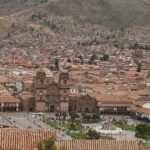
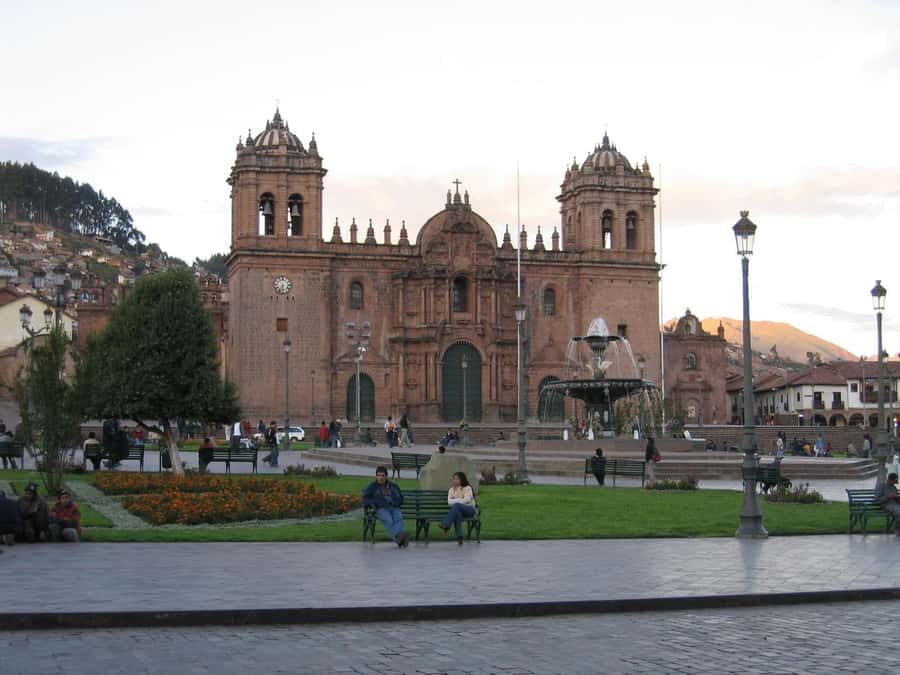
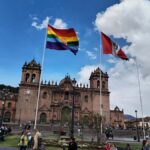
You begin with the Cathedral of Cusco, and it’s a good choice to do first. The tour starts you inside while the day is still fresh, and you’ll have a guided explanation of the carvings, paintings, and sculptures that fill the church.
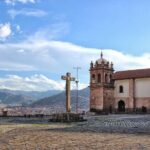
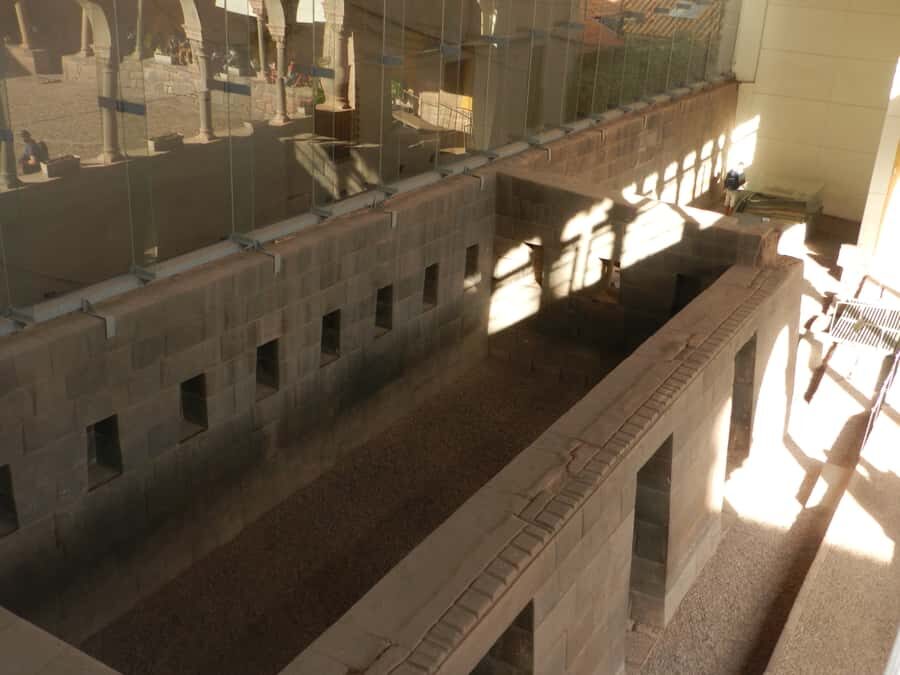
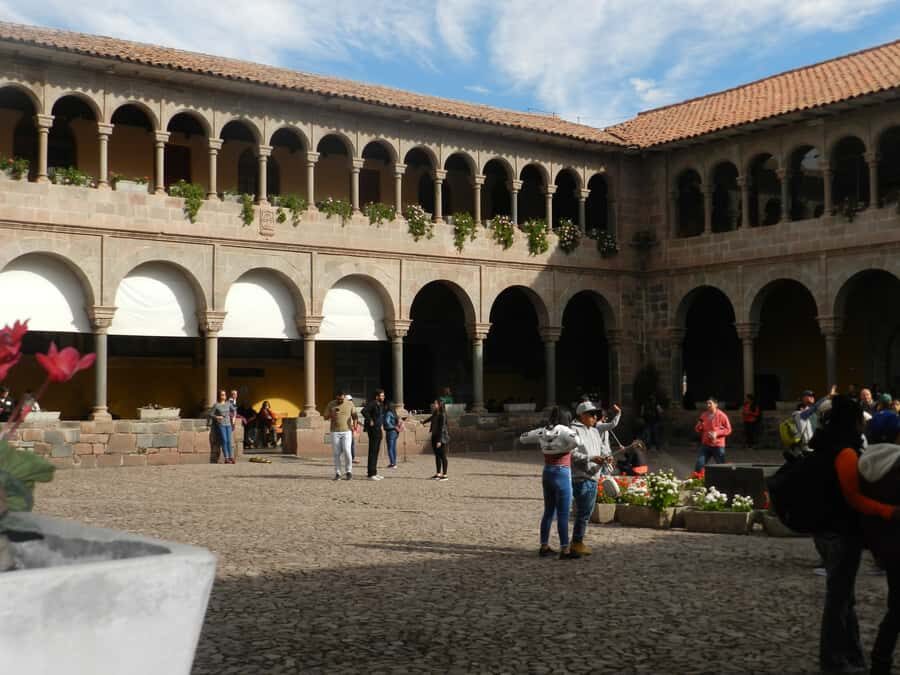
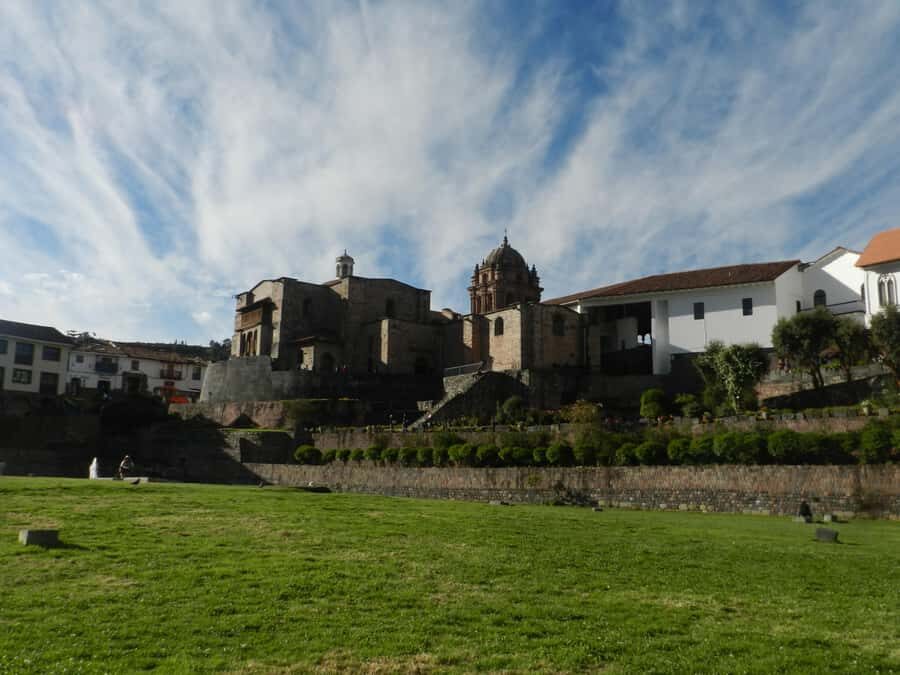
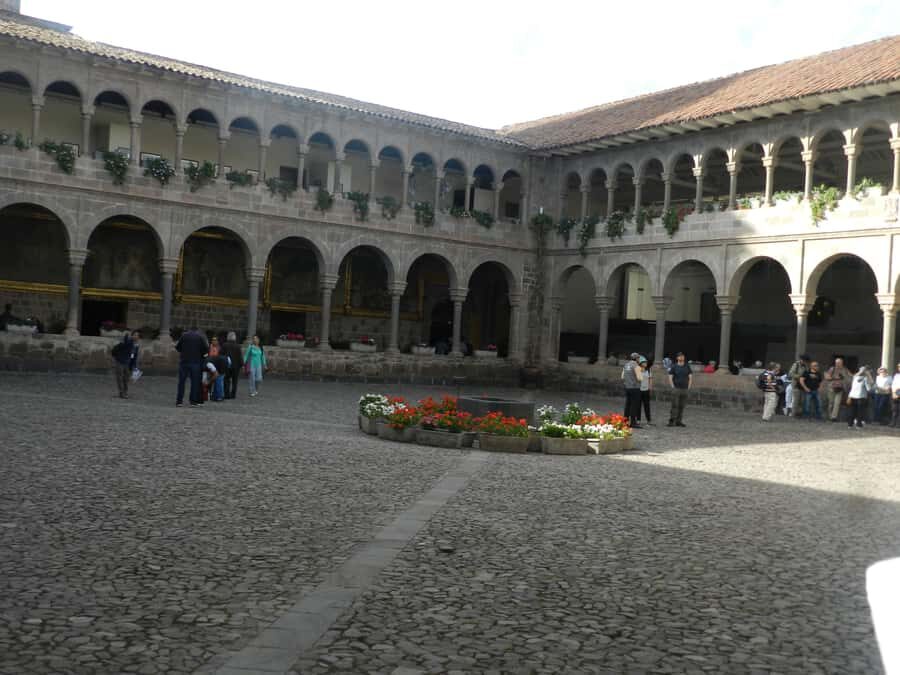
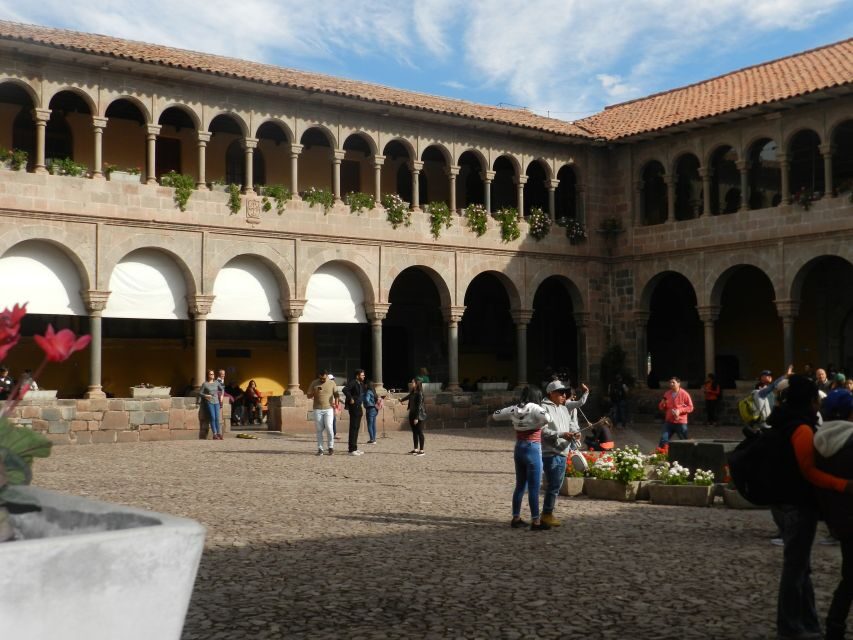
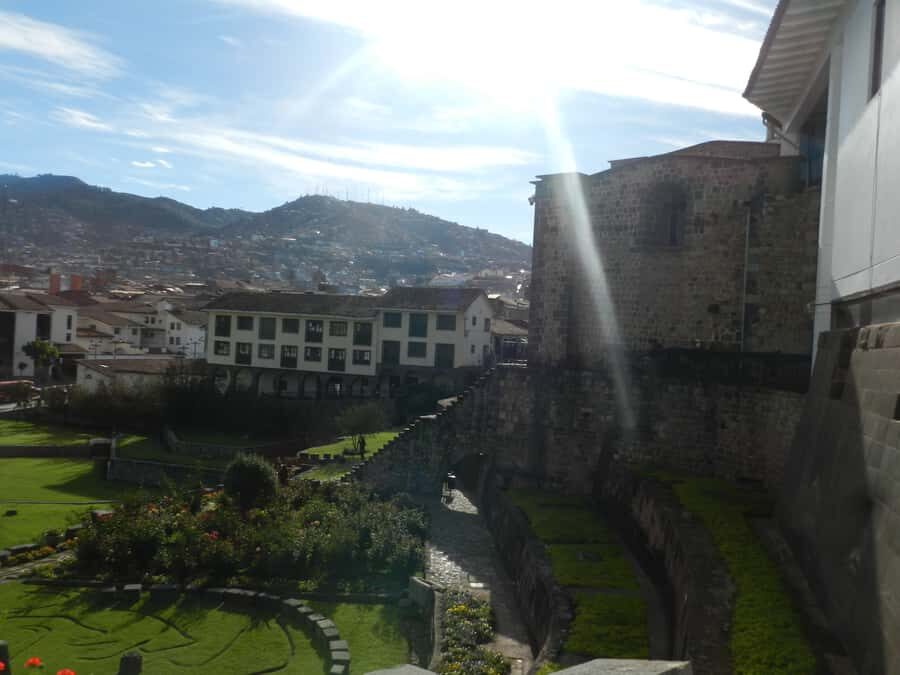
From there, you move to Qoricancha Museum. Qoricancha is not just “another stop.” It’s presented as the Inca-era temple built for worship of the Sun, and the museum visit helps you connect what you see today to the place’s original meaning. That switch—from Christian church art to Inca Sun symbolism—sets up the rest of the day. When you later visit ruins outside town, you’ll understand better that Cusco is layered: Inca planning and Spanish-era presence both shape what you see.
Tickets matter here. Entrance to both the Cathedral and Qoricancha is not included, and you should budget cash in local currency:
- Cathedral entrance ticket: 25 soles
- Qoricancha entrance ticket: 15 soles
So your $18 price isn’t paying for museum doors. It’s paying for the guided flow and the transport plan. If you’re the type who hates surprise costs, take a screenshot of these amounts and plan to have the soles ready.
Sacsayhuaman: the big stone complex with a military story
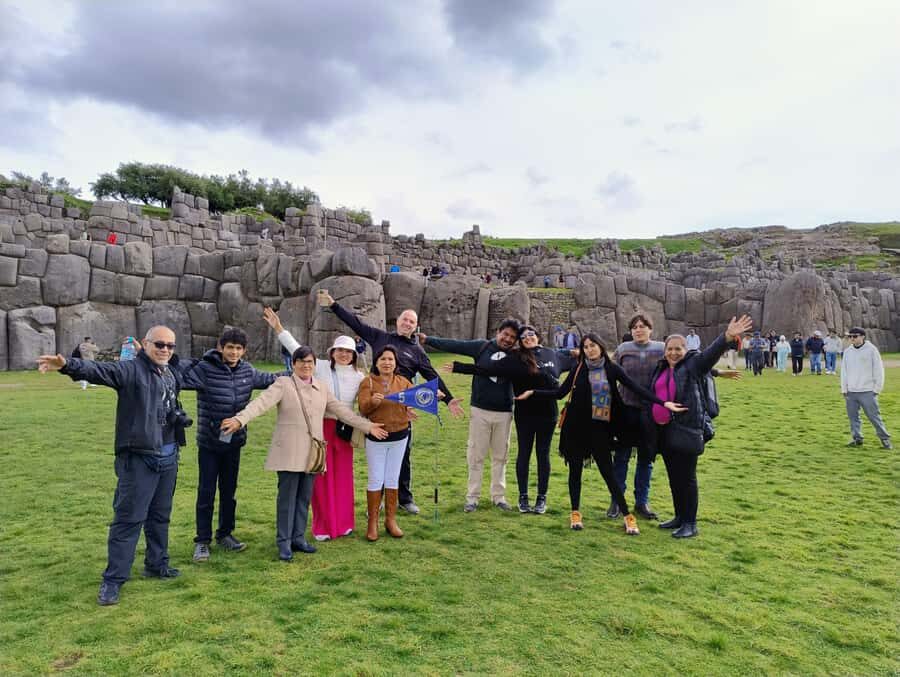
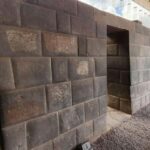
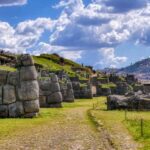
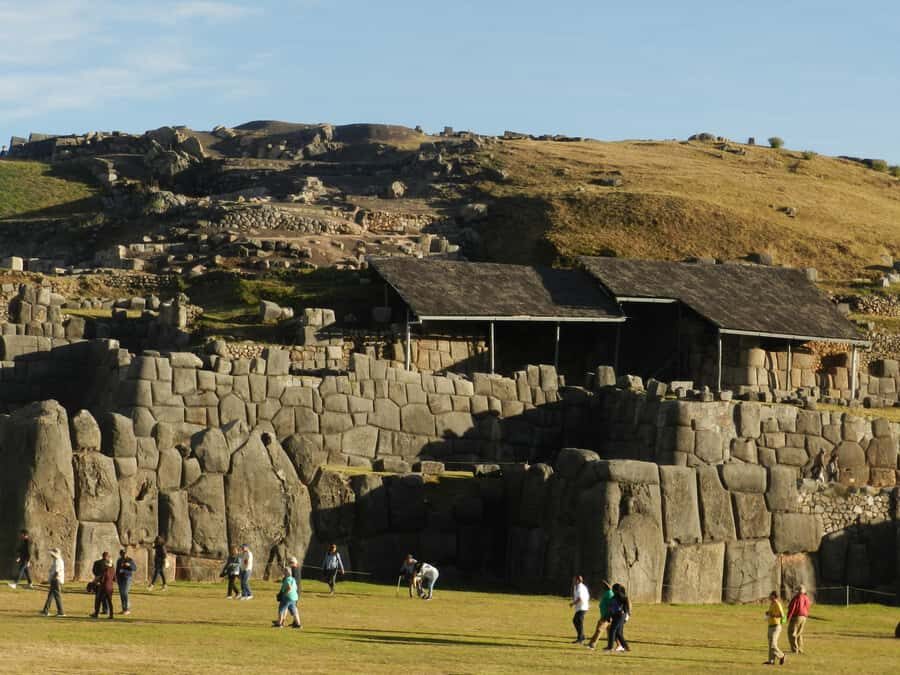
Next comes the ride out to Sacsayhuaman, described as a vast complex made up of 33 archaeological sites, believed to have been built for military purposes. It’s about 2 km from the city center, but the real distance is the mental shift. The stones look impressive on their own. The guide’s job is to help you interpret why they were built that way and how this area fit into Inca control of the Cusco region.
This is where a coach tour earns its keep. You get to see a major site without spending your afternoon arranging multiple transport legs. Once you’re on the ground, you’re not stuck staring at rocks from one spot either—you’re guided to understand the layout and then given time to walk and take it in.
Sacsayhuaman is a classic “yes, I get it now” stop. After the Cathedral and Qoricancha, you’ll feel the day turning toward Inca engineering and power—then it continues immediately into other sacred and ceremonial areas.
Qenqo: the labyrinth site tied to Sun, Moon, and stars
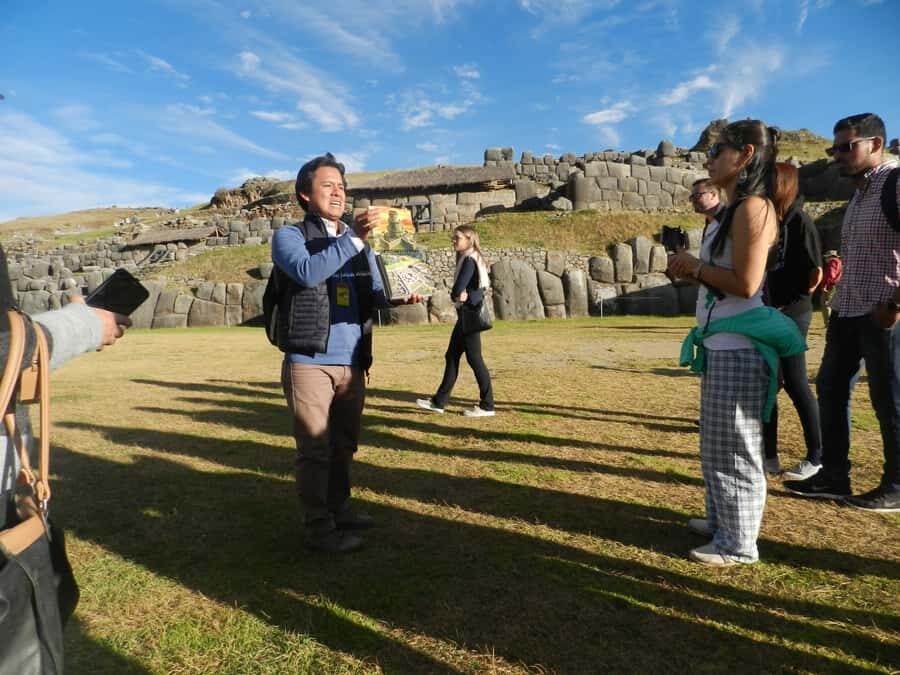
After Sacsayhuaman, the itinerary turns to Qenqo, also referred to as the “labyrinth.” In the tour framing, Qenqo is considered a sacred place where ceremonies were performed in honor of the Sun, the Moon, and the stars.
That detail matters because it changes how you look at the site. It’s easy to treat ruins like scenery. Qenqo is meant to make you think of astronomy and ritual—how the Inca used the sky as a calendar for religious life.
Expect a guided overview, then time to explore on your own. With a packed schedule, don’t wait for the guide to tell you where to stand. Look for the shapes, the steps, and any areas that feel designed for gatherings or ritual pauses. Then step back and try to picture a ceremony, not just a tourist photo.
If you love places with a strong “why,” Qenqo is one of the most engaging moments of the day.
Puca Pucara and Tambomachay: military complex vs. fresh water springs
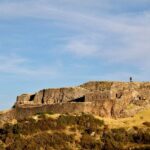
The tour continues with Puca Pucara, reached by traveling about 7 km from the city center. Puca Pucara is described as a complex of halls, inner plazas, aqueducts, watchtowers, and paths—believed to have been a military complex and also a place for food storage. Again, the guide helps you connect the dots: this isn’t only about defense. It’s about support systems that keep a region functioning.
After that you’ll visit Tambomachay, including its fresh water spring. This stop adds balance to the day. You move from military-style planning and storage explanations back to something practical and life-giving—water. Tambomachay is the kind of place that makes you appreciate how much Inca civilization depended on water management, not just stonework.
Even if your attention span starts to shrink mid-afternoon, these two stops are a useful contrast. Puca Pucara leans structural and strategic. Tambomachay leans natural resource and everyday survival.
You can also read our reviews of more historical tours in Cusco

The craft center stop: learning vicuña wool basics before you shop
The tour ends with a visit to a craft center, where a local guide explains the story of ancient Inca crafts. You also get practical guidance on how to identify traditional garments made from vicuña wool.
This is one of those parts that people either love or tolerate. If you’re shopping for textiles in Cusco, this stop can save you from easy mistakes—especially because the guide focuses on what to look for in “real” traditional items versus imitations. If you’re not shopping, you can still treat this as a cultural education moment: learn the language of fibers, and you’ll understand what sellers are referring to later in the city.
One caution: the day can include extra bus-side sales talk. If you’d rather avoid it, you can simply keep your focus on the guide’s explanations and decide calmly at the craft center whether anything is worth your money.
At around 7:30 PM, the coach returns you to the Santa Catalina Street area close to the main square.
Price and value: what $18 covers (and what it doesn’t)
On paper, the price looks like a steal: $18 per person for a 7-hour outing with pickup, transportation, and a local guide. The real question is value, not just cost.
Here’s what you’re paying for:
- Hotel pickup in the city center
- Transport around Cusco in an air-conditioned coach
- A live English guide
- A guided visit structure that keeps you from wasting time figuring out routes
Here’s what you should budget extra for:
- Cathedral entrance: 25 soles
- Qoricancha entrance: 15 soles
- Tourist ticket: 70 soles
So plan on using your $18 as the “service fee” and paying entrances separately. If you don’t like buying multiple tickets on the same day, this might feel annoying. If you’re okay with it, the value stays strong because you’re getting a guided loop that strings major sites together.
Also note: it’s listed as rain or shine, so you’re not betting on perfect weather to make the day work.
If you’re short on time in Cusco and want a guided sampler of the Cathedral, Qoricancha, and the main ruins outside town, this price-to-effort ratio can make sense.
Small-group comfort: English guide, but read the room
The tour is advertised as a small group (limited to 12) with a live English guide. In theory, that means more interaction and fewer time-wasters. In practice, the experience depends on the guide’s style and how quickly the group stays together.
Some departures can feel more rushed than you’d like. That’s mostly because the itinerary includes multiple sites plus an end-of-tour craft center. If you prefer slow looking, more Q&A, and longer breaks, you may wish you had chosen a longer option.
Language is another practical point. The tour is advertised as English, but if you’re sensitive to language quality, go in with the understanding that group dynamics can shift. If you need very specific explanations, ask questions clearly and don’t hesitate to request repetition when you miss a detail.
As for the shopping side: there may be sales pitches during the day. If that annoys you, keep your wallet closed until you’re ready, and treat the craft center as optional rather than a requirement.
What to bring in Cusco: shoes, sun, cash, and weather gear
Cusco weather can change quickly, and this tour runs rain or shine. Pack for comfort and safety on uneven ground. You’ll want:
- Hiking shoes (ruins paths can be rough)
- Sun hat and sunscreen
- Weather-appropriate clothing
- Cash for entrance tickets
- Passport or ID card
Also, bring simple expectations: you’re going to walk some, stand and look a lot, and move between stops without long buffers. If you’re coming right from altitude hiking or a busy travel day, consider eating and hydrating before pickup.
Pets aren’t allowed (assistance dogs are the exception), and the tour is not suitable for people with mobility impairments or wheelchair users. That’s important because multiple stops involve outdoor archaeology areas and routes that likely aren’t designed for wheelchairs.
Should you book the Cusco historic city tour?
Book it if you want a focused, guided overview of Cusco’s standout sights in one evening block—Cathedral + Qoricancha, plus major ruins like Sacsayhuaman, Qenqo, Puca Pucara, and Tambomachay—without sorting out transport yourself.
Skip it or consider something else if:
- you hate tours that feel time-compressed
- you’d rather not deal with sales talk during the day
- you need wheelchair-accessible routes
- you’re hoping the price includes entrance fees (it doesn’t)
If your goal is simple: get oriented fast and see the big names around Cusco with a guide steering the story—this one is a solid pick.
FAQ
What time does the Cusco Half-Day Historic City Tour start and finish?
Pickup starts at 1:00 PM, and the coach returns at about 7:30 PM to the Santa Catalina Street area near the main square.
What’s included in the tour price?
The tour includes hotel pickup from the city center, transportation, and a local guide.
What tickets do I need to pay separately?
You’ll need to pay for the Cathedral entrance ticket (25 soles), the Qoricancha Museum ticket (15 soles), and the tourist ticket (70 soles). These are not included.
Is the tour guided in English?
Yes, the tour includes a live guide in English.
How big is the group?
The tour is listed as a small group with a limit of 12 participants.
Is the tour suitable for wheelchair users or limited mobility?
No. The tour is not suitable for people with mobility impairments or wheelchair users.