REVIEW · CUSCO
2-Day Sacred Valley & Machu Picchu by Train – Small Group Tour
Book on Viator →Operated by Elvis Adventures Peru · Bookable on Viator
Machu Picchu is better with rail comfort. This 2-day small-group route strings together Sacred Valley highlights and a guided Machu Picchu citadel day without making you manage every ticket and transfer yourself. You get a morning start in Cusco, animal time at Awana Kancha, and a full day of classic ruins and viewpoints.
I also like that the experience leans on strong guide energy: guides like Rubén and Elvis have been praised for being friendly, helpful, and doing the history in a way that actually sticks.
One possible drawback to plan for: the schedule is tight and very early on day 1, and you’ll want to confirm timing clearly so you’re not guessing between train, bus, and the Machu Picchu entry process.
You’ll also have the kind of stops that feel real, not just check-the-box. Pisac gives you both the archaeological park and the market, and the Urubamba buffet lunch is a solid reset after a busy morning. The train segment to Aguas Calientes turns the day from frantic to smooth, and it matters more than it sounds when you’re traveling at altitude.
In This Review
- Key points at a glance
- Cusco morning: viewpoints and major Inca sites without the scramble
- Awana Kancha alpacas and the Taray viewpoint: the Sacred Valley warm-up
- Pisac archaeological park and Pisac Market: history plus real-life culture
- Urubamba buffet lunch and the run to Ollantaytambo
- Ollantaytambo to Aguas Calientes by train: the part that makes the trip feel easier
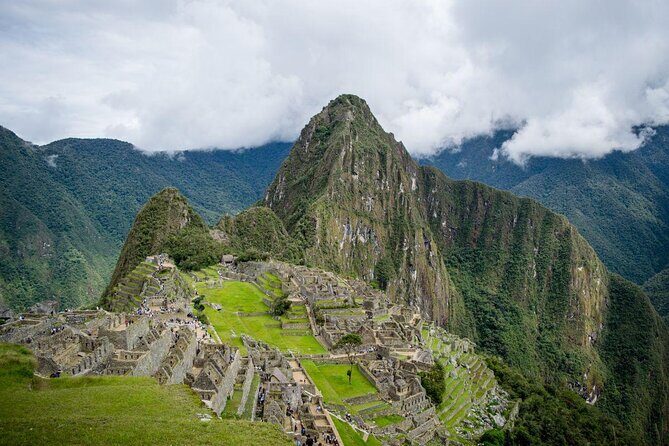
- Machu Picchu guided tour: temples, terraces, and time to breathe after
- Price and value: what you’re really paying for at $599
- Who should book this tour, and who might want a different plan
- Should you book this train-based Sacred Valley and Machu Picchu tour?
- FAQ
- What time does the tour start, and where do we meet?
- How many people are in the group?
- What’s included for the transport between Sacred Valley and Machu Picchu?
- Are Machu Picchu entrance tickets included?
- Is lunch included on both days?
- Do I get a guided tour inside Machu Picchu?
- Are the hot springs in Aguas Calientes included?
- Is an overnight stay in Aguas Calientes part of the plan?
- What should I do about optional add-ons like Huayna Picchu?
- Is cancellation free?
Key points at a glance
- Max 9 travelers for a more relaxed Sacred Valley pace.
- Awana Kancha alpaca farm visit for hands-on animal interaction, not just a photo stop.
- Pisac ruins + Pisac market in one day, so you get engineering and everyday culture.
- Ollantaytambo fortress before the train, which helps Machu Picchu feel like part of a bigger story.
- Guided Machu Picchu citadel tour plus spare time to wander afterward.
- Pick-up and drop-off in Cusco to reduce the stress of juggling connections.
Cusco morning: viewpoints and major Inca sites without the scramble
The day starts with hotel pick-up in Cusco, then a scenic drive that passes major Inca sites on the way out to the Sacred Valley. You’ll see Sacsayhuamán, Qenqo, and Pucapucara. If you like photos, there’s also an optional stop at the Cristo Blanco viewpoint—an easy way to get your bearings before the valley changes the scenery completely.
This opening stretch is more than sightseeing filler. Cusco is the altitude anchor for the whole trip, and getting a guided snapshot of nearby Inca sites helps you understand why people built where they did—stonework, landscape choices, and the way routes linked communities.
Timing matters here. The tour starts in the morning (meeting point at Plaza Regocijo around a 7:00 am start), and you’ll want to eat breakfast before pick-up so you don’t spend the first half of the day scanning for snacks. If you’re sensitive to altitude or nerves, this early start can feel like a lot, but it’s also what makes a two-day format possible.
You can also read our reviews of more tours and experiences in Cusco
Awana Kancha alpacas and the Taray viewpoint: the Sacred Valley warm-up
Right after the Cusco drive, you head to Awana Kancha, the alpaca farm stop. This isn’t marketed as a quick look-see. You get around 20 minutes with llamas, alpacas, huanacos, and vicuñas, plus time to feed the animals. It’s one of those stops that breaks up the archaeological focus with something tangible: textile traditions depend on this wool, so the animals connect directly to local craft.
Then comes the Taray viewpoint pause. You’ll get about 10 minutes to take in wide Sacred Valley views and see Inca terraces, villages, and the big mountain backdrop. The guide ties it back to Inca agriculture—how the valley’s fertile zones supported farming. For me, this is a useful reset because it sets expectations for what you’ll see later at Pisac: stone terraces weren’t decoration. They were working systems.
If you’re short on time, this is also where you can get your first real “I get it now” moment. Once you’ve seen the valley from above, the rest of the day clicks.
Pisac archaeological park and Pisac Market: history plus real-life culture
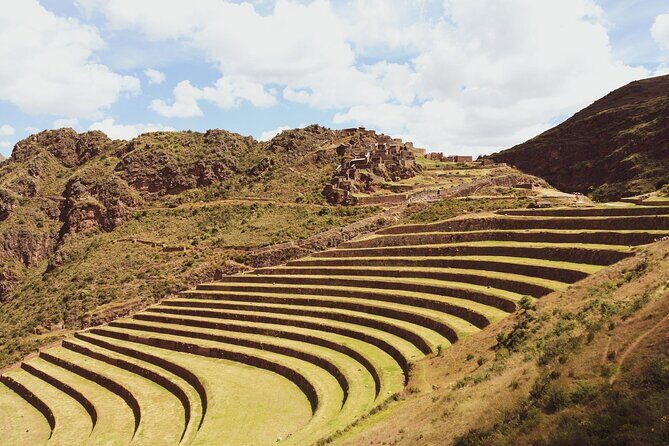
Pisac is two stops that work well back-to-back: the archaeological site and then Pisac Market.
At the Pisac archaeological site (about 45 minutes), you’re walking among agricultural terraces and stone structures perched above the valley. You’ll pass through areas that feel ceremonial—altars and water channels—while your guide explains how Inca engineering helped communities survive and thrive. The big benefit here is pacing: you’re not rushed through with a headset tour. There’s room to look up at the terraces and imagine the work that kept the system going.
Then you switch gears with the Pisac Market stop (about 15 minutes). This is your chance to browse traditional textiles, ceramics, silver jewelry, and small artisan items. It’s not just shopping time; it’s also the easiest way to see how everyday Quechua culture shows up in products you can take home.
The trade-off: the market stop is short. If you love shopping, go in with a simple plan—pick a category (scarves, small ceramics, or jewelry) and decide early, because you won’t have an hour to wander. This is where the “small-group” advantage helps: you can move together without the constant regrouping that happens on huge buses.
Urubamba buffet lunch and the run to Ollantaytambo
After Pisac, you’ll have lunch in Urubamba at a buffet that offers a wide range of options (over 50 dishes is part of the offering). This includes Andean and coastal-style choices like salads, soups, and traditional desserts, plus vegetarian options. The point isn’t just eating—it’s giving your body a breather before the late-afternoon train and the next day’s Machu Picchu.
Lunch at this stage also helps you avoid a classic Machu Picchu mistake: arriving at Aguas Calientes or the next day without enough fuel. If you tend to skip meals, this is your cue to load up calmly and drink water.
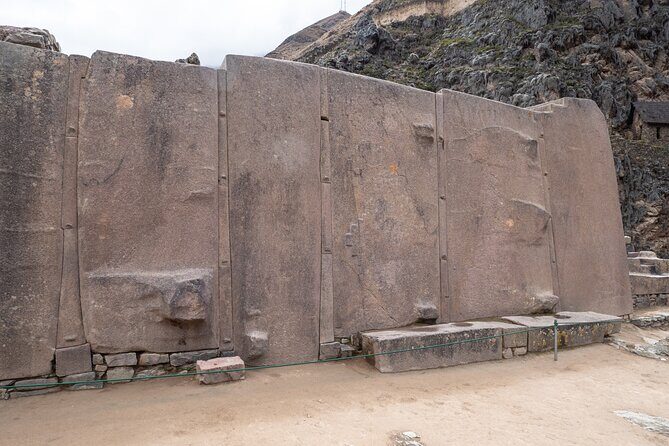
Then the day accelerates toward Ollantaytambo. You’ll visit the Ollantaytambo fortress and learn how it functioned as a stronghold—terraces and temples in a setting that looks dramatic because it was meant to be defensible and ceremonial. From there, you head to the station for the train to Aguas Calientes.
If you’re the type who hates tight transitions, this section can feel like a lot. But it also makes sense: you’re lining up Sacred Valley stops while your energy is higher, then saving Machu Picchu’s walking-heavy day for day 2 with a full start.
Ollantaytambo to Aguas Calientes by train: the part that makes the trip feel easier
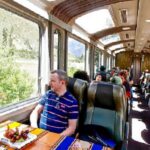
The train leg is a huge comfort factor in this style of tour. From Ollantaytambo you ride to Aguas Calientes along the Urubamba River. The exact car type can vary, but you’re typically looking at scenery of valleys and mountains as the train moves you toward the Machu Picchu gateway town.
This is also where an upgrade option sometimes comes up (the itinerary notes Expedition category and an upgraded Vistadome choice). If you care about views from the train, it’s worth checking what’s included in your exact booking.
When you arrive in Aguas Calientes, the tour team escorts you for hotel check-in. You get evening free time—time to stroll, grab a café, and sleep early. That part matters. Machu Picchu starts bright, and good rest in the mountain town beats trying to stay up scrolling on your phone.
Hot springs are listed as optional (not included), so you can decide later whether you want a soak or prefer to save energy for Machu Picchu day.






Machu Picchu guided tour: temples, terraces, and time to breathe after
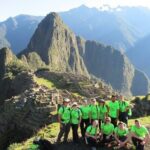
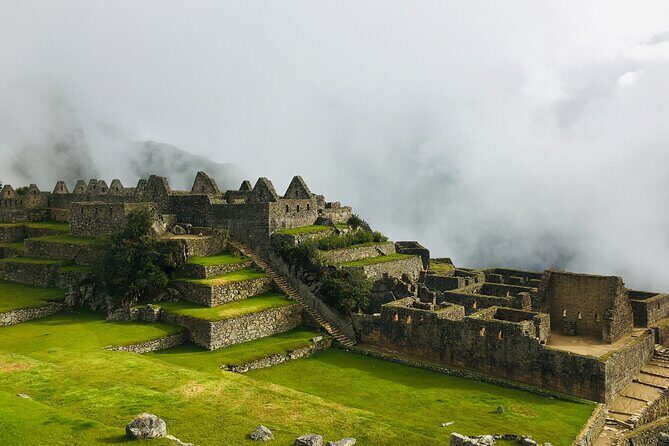
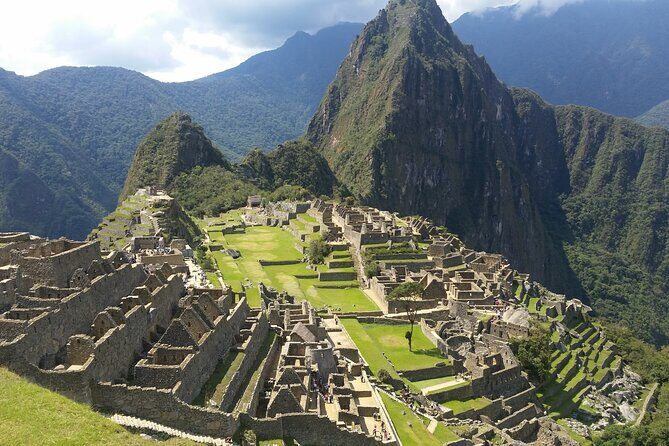
Day 2 is the main event: Machu Picchu. After breakfast, you go to the bus station for the ride up to the entrance. From there, you start with a guided tour of the citadel—temples, terraces, and the site’s hidden corners. The guide’s job here is to give you a map of what you’re seeing so you’re not just walking in circles with jaw dropped (which, admittedly, can happen anyway).
Once the guided tour ends, you get spare time to explore on your own before heading back down by bus to Aguas Calientes. Lunch on day 2 is not included, so you’ll want to plan for that—either eating where the tour allows time or using your own priorities.
Then you board the train back to Ollantaytambo at 2:00 pm, and private transport takes you back to Cusco. The expected arrival is around 6:00 pm, though travel timing can vary if connections get delayed.
One practical tip: build a little buffer for the Machu Picchu entry step. In at least one account connected to this general setup, the ticketing process involved noticeable waiting. You can’t control lines, but you can control your stress level by arriving on time, keeping your documents handy, and not treating every minute like a race.
Price and value: what you’re really paying for at $599
At $599 per person for a 2-day train-based Sacred Valley + Machu Picchu experience, you’re paying for three big things:
- Less logistics work. Pick-up, the train, the bus to the entrance, the guided tours, and private transport back are handled.
- Time-efficient routing. The itinerary strings Pisac, Urubamba, Ollantaytambo, and the train schedule into a tight window.
- Entrance and guide value. Machu Picchu citadel entrance is included, and the day 2 experience is guided.
So is it a bargain? It can be, if you value convenience and you like not having to piece together transport plus guide plus entry details yourself. If you’re the type who enjoys independent planning and already knows how train schedules work, you might find cheaper options—but they often trade away the simplicity that makes a two-day trip feel manageable.
Also think about what isn’t included. Optional add-ons like Huayna Picchu and Aguas Calientes hot springs can add cost. Lunch on day 2 is also not included. If you budget those items ahead of time, the price feels more honest. If you don’t, the trip can creep upward.
Who should book this tour, and who might want a different plan
This tour fits best if you want a classic Peru highlight route with minimal headaches. I’d especially recommend it if:
- You prefer small-group travel (max 9) over big bus crowds.
- You like guided context at ruins, not just wandering with a guidebook.
- You want both Sacred Valley culture and Machu Picchu without extending the trip.
You might consider a different plan if:
- You hate early starts and rushed transitions.
- You’re flying the next day and can’t tolerate the possibility of late arrival back to Cusco. (One account tied to this setup described a later-than-expected return.)
- You’re hoping for lots of free time to shop or linger. The market stop is brief, and the day moves.
The guide experience seems to be a major part of what people love. Names that come up in positive feedback include Rubén and Elvis, praised for kindness, help, and keeping things organized. Some guides are also described as finding calmer spots for appreciating Machu Picchu’s atmosphere, which can be great if you don’t love being pushed along at full speed.
Should you book this train-based Sacred Valley and Machu Picchu tour?
If you want Machu Picchu in two days without turning your trip into a spreadsheet, I’d say this is a strong choice. The combination of Pisac + Ollantaytambo + train comfort + a guided Machu Picchu citadel tour gives you the best odds of seeing the big stuff while staying sane.
My biggest booking advice is simple: confirm your exact pickup time and keep your documents ready. Then pack smart for a full schedule—water, layers for mountain temperature shifts, and a realistic mindset that the day is structured.
If that sounds like your style, book it and enjoy the fact that you’re letting someone else handle the hard parts.
FAQ
What time does the tour start, and where do we meet?
The meeting point is Plaza Regocijo F2M9+5X2 in Cusco, and the start time is 7:00 am.
How many people are in the group?
This experience has a maximum of 9 travelers.
What’s included for the transport between Sacred Valley and Machu Picchu?
You’ll take the train from Ollantaytambo to Aguas Calientes (Expedition category), then a bus from Aguas Calientes to Machu Picchu. On the way back, private transport takes you from Ollantaytambo to your Cusco hotel.
Are Machu Picchu entrance tickets included?
Yes. The entrance ticket to the Machu Picchu citadel is included. Huayna Picchu is optional and not included.
Is lunch included on both days?
Lunch is included, but the tour data specifies that lunch on the second day is not included. Day 1 includes lunch in Urubamba.
Do I get a guided tour inside Machu Picchu?
Yes. You’ll have a guided tour of Machu Picchu, and after the guided portion ends, you’ll have spare time to explore on your own before returning by bus.
Are the hot springs in Aguas Calientes included?
No. Hot springs of Aguas Calientes are optional and not included.
Is an overnight stay in Aguas Calientes part of the plan?
You arrive in Aguas Calientes in the evening and are escorted for hotel check-in, and breakfast is included for the next day, so the tour includes the overnight stay in Aguas Calientes.
What should I do about optional add-ons like Huayna Picchu?
Huayna Picchu tickets are not included, so if you want it, plan to purchase it separately. The same applies to hot springs.
Is cancellation free?
Yes. You can cancel up to 24 hours in advance for a full refund. If you cancel less than 24 hours before the start time, the amount paid is not refunded.