REVIEW · CUSCO
Cusco: Full-Day Sacred Valley History Tour
Book on GetYourGuide →Operated by PVTravel · Bookable on GetYourGuide
The Sacred Valley gets more real when you see it all in one day. This full-day route links Inca-built towns and ruins with views from high above, plus a practical stop for textile dyeing and weaving traditions in Chinchero. You get a lot of variety without needing to plan between stops.
I especially like the small group size (up to 15) and the bilingual English/Spanish guidance. It makes the history feel connected, not like a checklist of photo stops. The one drawback to keep in mind is logistics: pickup is supposed to start around 7:30AM, and timing can get a little messy, so build in patience for a long day.
Along the way, I like how the itinerary mixes stone architecture, agricultural engineering, and everyday village life. You’ll see Inca terracing and irrigation systems, then watch dye and knitting traditions firsthand. The day runs long (roughly 11 hours), so if you’re sensitive to long drives or don’t love early starts, this may feel like a big commitment.
In This Review
- Key Highlights You’ll Actually Care About
- Cusco to the Sacred Valley: What This Day Trip Is Really Like
- The Morning Pickup and First Stops Around Cusco’s North Road
- Pisac Market: Color, Crafts, and Inca-Era Agriculture
- Urubamba Lunch: A Midday Reset (Timing Matters)
- Urubamba River Drive: The Sacred Valley’s Working Geography
- Ollantaytambo Ruins: Rock, Power, and Wiracocha
- Chinchero Textile Dyes and Quechua Village Life
- Entrances, Tickets, and the Real Cost of Doing This Right
- How Long Is Too Long? The Timing Reality Check
- What Kind of Person Will Enjoy This Most?
- Should You Book the Cusco Full-Day Sacred Valley History Tour?
- FAQ
- FAQ
- What sites does the Sacred Valley history tour include?
- How long is the tour?
- Is hotel pickup included?
- What language is the guide?
- Is lunch included, and what kind?
- Are entrance fees included?
- Is the tour wheelchair accessible?
Key Highlights You’ll Actually Care About
- El Mirador viewpoint: A high start that gives you context for why the Sacred Valley worked so well for the Incas
- Pisac market time: Color, crafts, and Inca-era agriculture you can see in person
- Ollantaytambo ruins: Inca construction with a spiritual/architectural focus on Wiracocha
- Urubamba buffet lunch: A sit-down break in the middle of a long day
- Chinchero textile dyeing: Natural dyes and weaving know-how, plus Quechua-first village life
Cusco to the Sacred Valley: What This Day Trip Is Really Like
If you want the Sacred Valley as more than postcards, this tour gives you structure. You leave Cusco in the morning, climb into viewpoint territory first, and then work through a chain of places that show how the Incas used both water and elevation to feed and organize people.
The day is built around long road time, but it’s not dead time. Your guide uses the drive to explain what you’re seeing and why it matters—especially during the first stretch when you’re looking out over the valley. That early context makes later ruins and terraces easier to understand, even if you don’t consider yourself a history person.
Your group stays small—limited to 15 participants—so you’re more likely to hear explanations clearly. The guide is bilingual (English/Spanish), and on some departures you may get guides like Eddy or Manuel, who were singled out in past groups for being well informed and strong at communicating in more than one language.
Still, the day is long. You should expect a full 11-hour commitment with a return around 7:00PM. Comfortable shoes are non-negotiable because you’ll walk around market areas and archaeological sites.
You can also read our reviews of more historical tours in Cusco

The Morning Pickup and First Stops Around Cusco’s North Road
Pickup is included from hotels in the historic center of Cusco, generally starting around 7:30AM. One reality check: pickup can run a bit late depending on how the van handles stops, and you might spend extra time waiting on the transport side before you officially roll out. It doesn’t mean the tour is bad—it just means you’ll want to stay flexible early in the day.
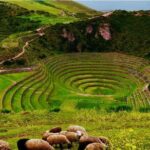
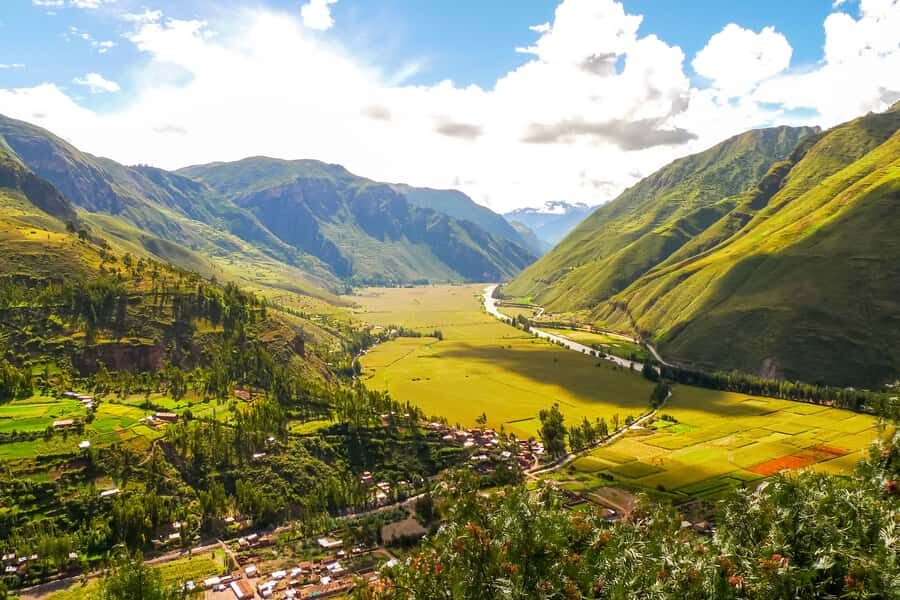
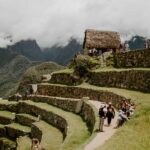
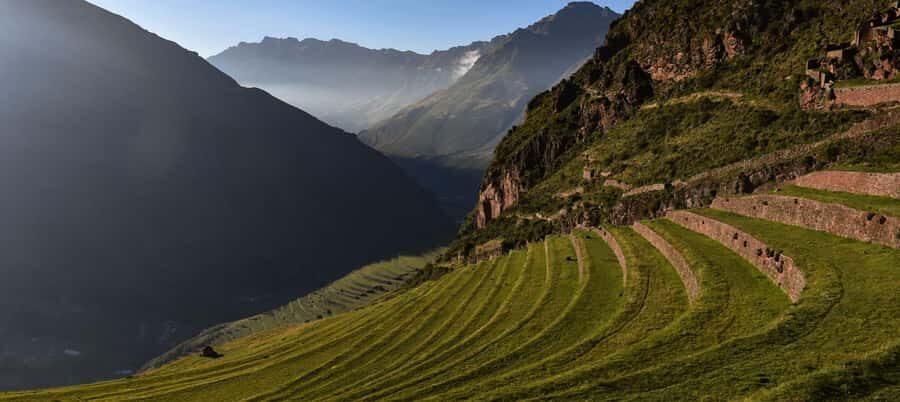
Once you’re moving, the route winds north of Cusco. The first key stop is El Mirador (Lookout Point). This is more than a scenic photo pull-off. From here, you can understand the Sacred Valley’s appeal: fertile areas at high altitude, with slopes and valley floors that made farming possible. You’ll also see contour terracing and irrigation channels left by the Incas—evidence that this was carefully engineered, not random “mountain agriculture.”
This is where I’d pay attention if you want to connect the dots later. When you’re looking at terraces later at Pisac or Ollantaytambo, it’s helpful to already have a mental map of how water and land were organized.
Practical tip: bring a light layer for the morning. Even in Peru’s dry season, altitude weather can change fast.
Pisac Market: Color, Crafts, and Inca-Era Agriculture
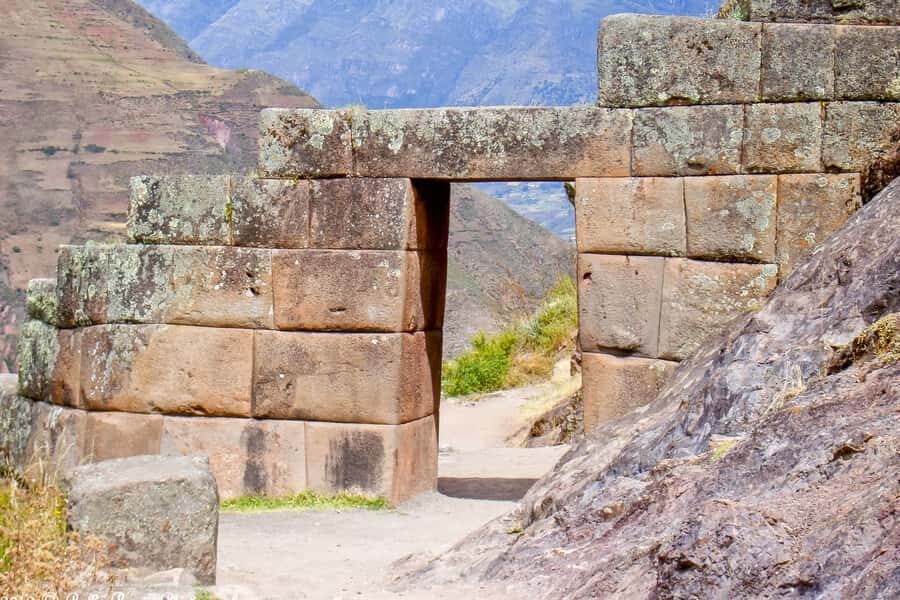
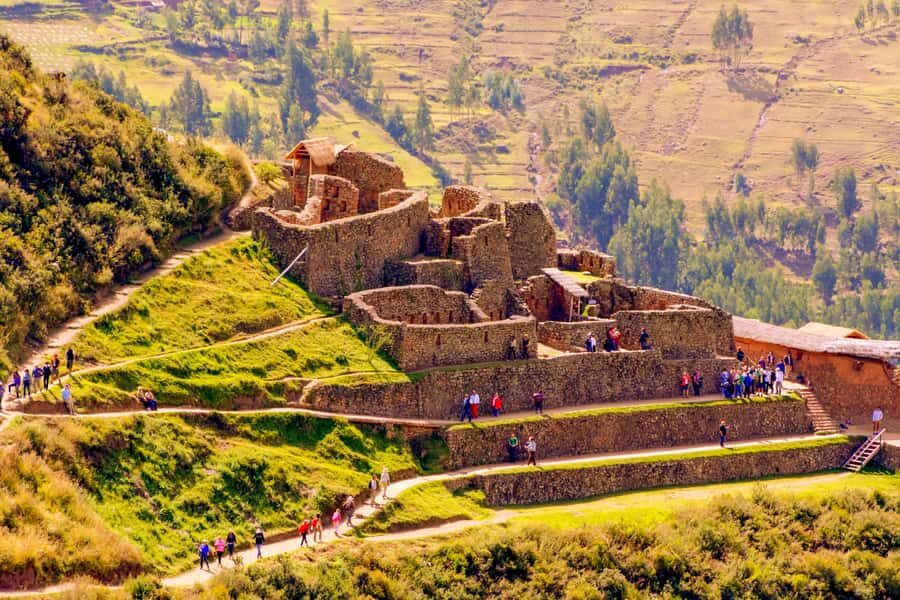
After the viewpoint, you head to Pisac, where you get time around the ruins area and the town. The standout is the colorful Pisac market. Even if you’re not shopping, you’ll get a strong sense of daily life—textiles, crafts, and the rhythm of people moving through the stalls.
What makes Pisac worth your attention goes beyond browsing. You’ll also learn about Inca culture and see impressive stonework and agricultural terraces. Pisac can feel busy, but the terraces give you a quieter layer to look at once you slow down and focus on the engineering.
Some departures also include an extra stop linked to local craftmaking—like jewelry demonstrations in the Pisac area. If that happens on your day, it’s a helpful reminder that “Inca history” isn’t only ruins. A lot of craft skills still reflect deep local tradition.
If you plan to buy textiles or souvenirs, bring cash. Some hands-on craft towns (especially Chinchero) are where cash becomes more important, and it’s easier to be ready across multiple stops.
Urubamba Lunch: A Midday Reset (Timing Matters)
Then comes Urubamba, where you’ll have a buffet lunch. The food is typically filling enough to keep you going, and the restaurant stop gives you a real break in the day—not just a quick snack.
Here’s the tradeoff: lunch timing can be later than you’d expect, and some groups found that the buffet duration stretched longer than they needed. The risk isn’t that lunch is bad—it’s that you might feel hungry on arrival and then still have to sit through a longer window.
So plan your day with this in mind:
- If you get hungry easily, eat a small breakfast before pickup.
- Bring water (if allowed) and keep an energy snack handy.
- Be ready to take your time with lunch, but don’t let it steal your energy for the afternoon.
The good news: by the time you finish lunch, the route sets you up for the most dramatic late-day site, Ollantaytambo.
Urubamba River Drive: The Sacred Valley’s Working Geography
After lunch, you drive along the Urubamba River toward Ollantaytambo. This part matters more than you might think. The river corridor is the “logic” behind the valley. You’re traveling through the same geography that made settlement and farming worthwhile.
As you move, keep an eye on how the valley opens and narrows. You’ll see how settlements cluster where water and flat land are practical, while higher slopes are shaped for terraces. This makes the later ruins feel less random and more like a functioning system.
If you’re the kind of person who likes to photograph details—irrigation lines, terrace edges, and town layouts—this drive gives you chances without even stepping out of the van.
You can also read our reviews of more tours and experiences in Cusco



Ollantaytambo Ruins: Rock, Power, and Wiracocha
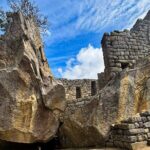
Next up is Ollantaytambo, one of the most important Inca construction sites you’ll visit. When you arrive, you’ll have time to explore the ruins and understand why this place mattered.
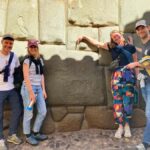
This is where you’ll see standout Incan architecture, including rock formations connected with the Inca god Wiracocha. That name may sound abstract, but it gives you a clue: these were not only buildings for everyday life. Sacred meaning and political power were built into how stone was arranged and how space was used.
Ollantaytambo also tends to feel more “lived-in” than some other ruin sites. It’s near a functioning town, and the mix of modern life next to ancient stone can make your brain take the site seriously in a different way.
One more timing note: some groups on the same van may have purchased other Peru itineraries, including plans to travel from Ollantaytambo onward by train toward Machu Picchu. That can slightly affect how the afternoon feels, since different people may head in different directions. Your tour may continue to Chinchero, while others may stay focused on the train connection.
Either way, it’s useful context: Ollantaytambo isn’t only a museum stop. It’s a hub.
Chinchero Textile Dyes and Quechua Village Life
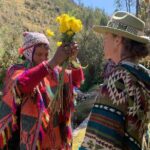
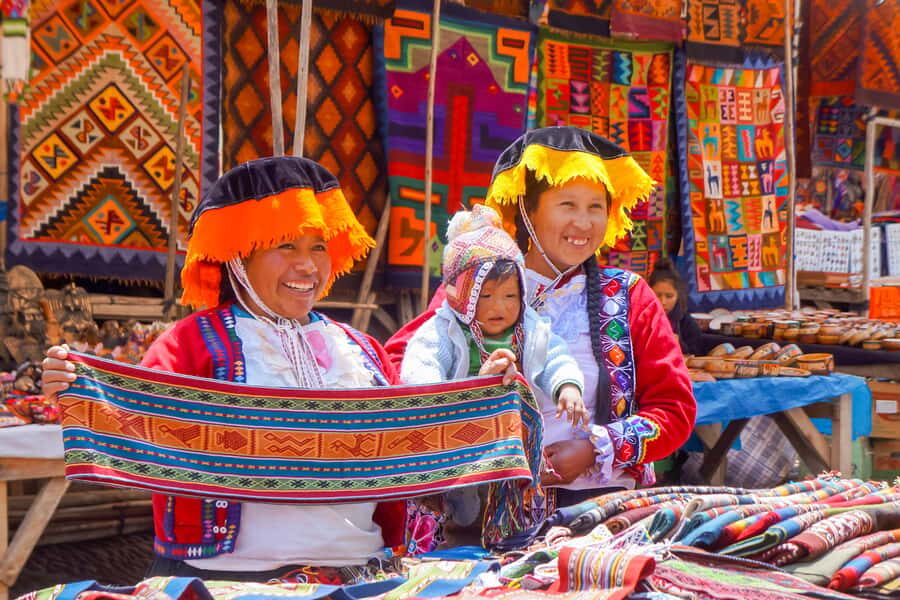
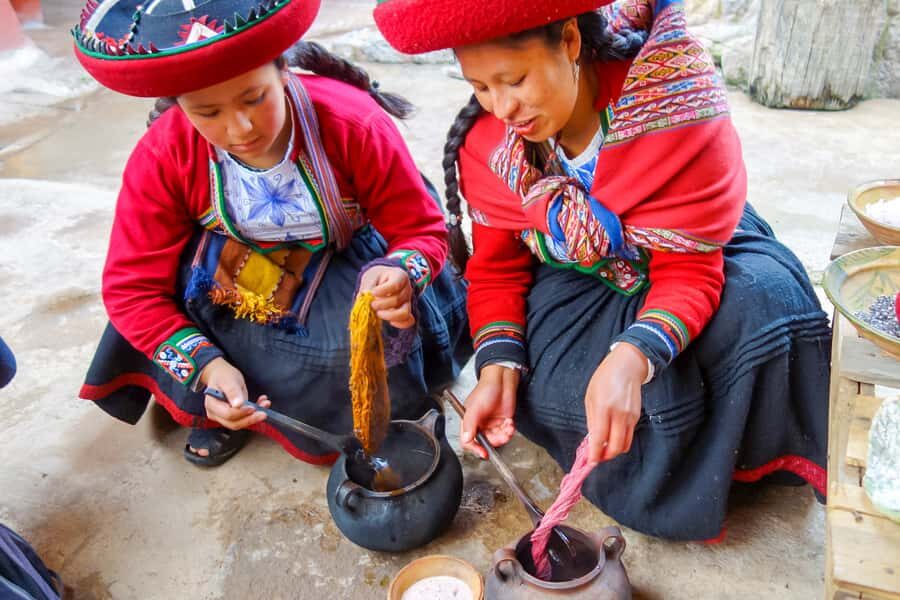
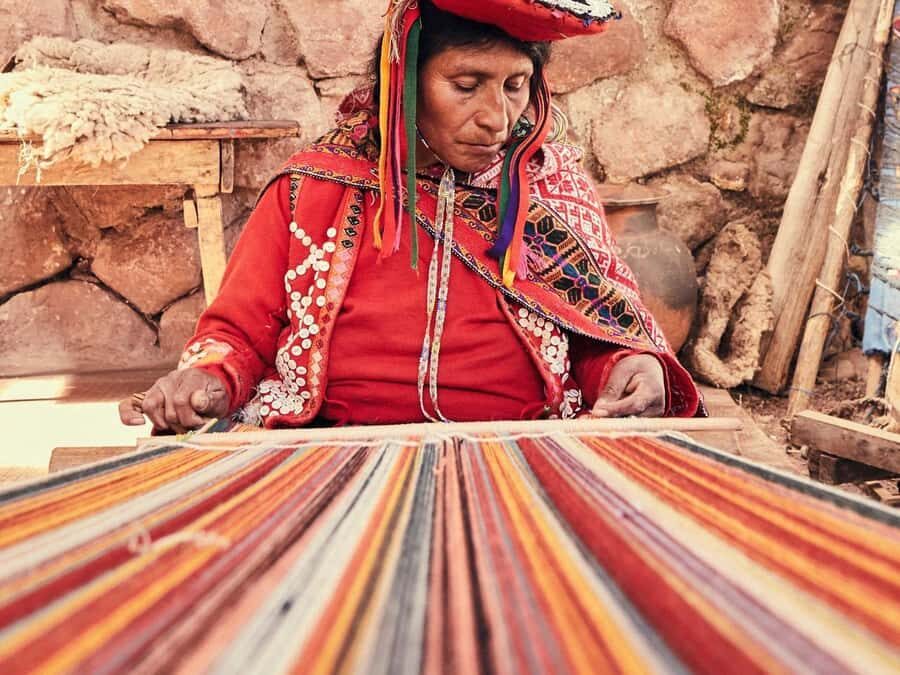
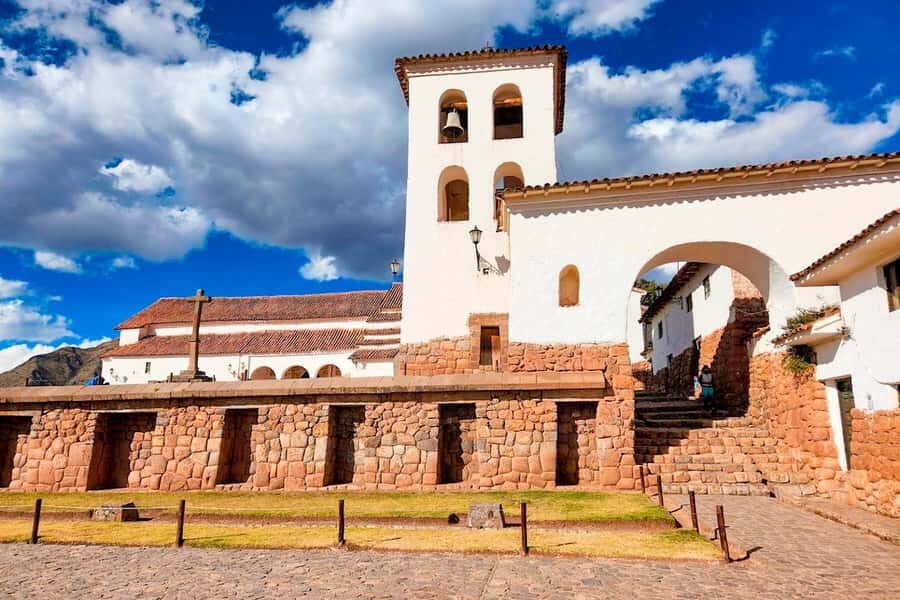
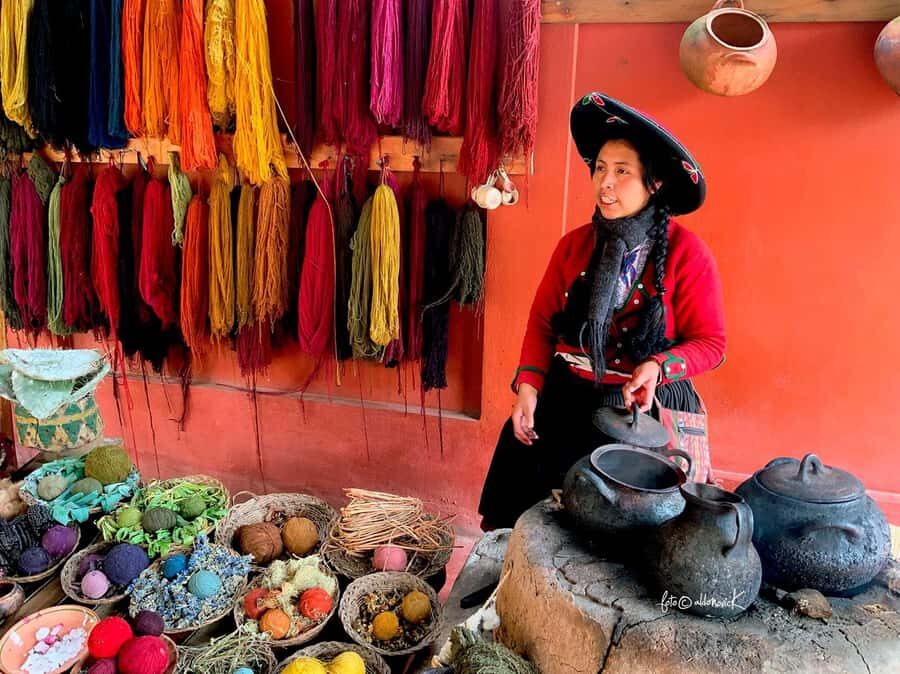
The last main stop is Chinchero, famous for natural dyes and textile traditions. This part is often the most memorable for people who care about how cultures create beauty from everyday materials.
You’ll learn how dyes are made for artisanal textiles, and you’ll see how weaving and dye knowledge fits into village life. The tour highlights that inhabitants use dwellings and living conditions similar to those of earlier times, and that many residents speak Quechua as their primary language. You’ll also notice the multicolored clothing and the continuation of age-old customs.
What I like about this stop is that it grounds the day’s earlier history. You spent the morning seeing terraces, irrigation, and stone design. In Chinchero, you see a different kind of engineering: turning fiber into thread, turning plant sources into dye, and turning skill into patterns that carry meaning.
If you want to shop, Chinchero is one of the places where it can pay to be ready with cash. Also, wear shoes that can handle uneven ground if you wander outside the main areas.
Entrances, Tickets, and the Real Cost of Doing This Right
The price is listed as $45 per person, and the tour includes a lot: pickup in Cusco’s historic center, transportation, a bilingual guide, and buffet lunch in Urubamba. That’s strong value for an all-day route with multiple destinations.
But do the math before you go. A separate touristic ticket (S/70.00 per person) is not always included. Entrances to ruins are included only if you selected the option that covers them. So depending on what you chose at booking time, you might pay extra on the day for site entry.
My practical advice: check what your ticket covers in your confirmation. Then, treat the rest as part of the day’s cost, not a surprise. In a long tour like this, surprises add stress fast.
Also remember: this tour is not suitable for wheelchair users, so if you need accessibility accommodations, you’ll want a different option.
How Long Is Too Long? The Timing Reality Check
The schedule is about 11 hours, with return to Cusco around 7:00PM. You’ll start around 7:30AM and stack multiple sites with transit time in between.
This is great if you love seeing a lot in one trip and you don’t mind the road. It’s less great if you:
- hate early mornings,
- get motion sick on windy mountain roads,
- need frequent long stops that aren’t built into a guided schedule.
The lunch sits in the middle and may run long for some people, which can be tough if you prefer quick meals. Still, it’s the built-in energy break you’ll need to make the afternoon sites enjoyable.
If you’re prone to getting tired at altitude, pace yourself. Hydrate, and don’t sprint from stop to stop.
What Kind of Person Will Enjoy This Most?
You’ll likely love this tour if you want:
- a structured Sacred Valley day with explanations,
- multiple Inca sites without the headache of planning transport,
- a mix of ruins and living culture (especially Chinchero’s textile focus),
- a small-group setting up to 15 people.
It’s also a good “first Sacred Valley day” because El Mirador sets context, Pisac adds market energy, Ollantaytambo delivers major architecture, and Chinchero closes with a human-scale tradition.
If you’re the type who wants to linger for hours in one place, this might feel too packed. You’ll get meaningful time at each stop, but you won’t have control over the flow.
Should You Book the Cusco Full-Day Sacred Valley History Tour?
I’d book it if you want a high-value, one-day introduction to the Sacred Valley that goes past ruins photos. The combination of El Mirador context, Pisac market + terraces, Ollantaytambo’s Wiracocha-connected stonework, and Chinchero dyeing and Quechua village life gives you a full picture of how this region functions.
I wouldn’t book it if you’re easily stressed by pickup timing or you need a very relaxed pace. The long day and possible wait before departure can frustrate people who hate uncertainty early.
Final practical move: wear comfortable shoes, carry some cash, and go in expecting a long but information-heavy day. If you do, you’ll walk away with a better grasp of why the Incas built here—and how local traditions keep the valley’s culture alive.
FAQ
FAQ
What sites does the Sacred Valley history tour include?
You’ll visit El Mirador, Pisac (including time at the market and nearby ruins/terraces), Urubamba for lunch, Ollantaytambo ruins, and Chinchero for natural dyes and textile traditions.
How long is the tour?
The tour runs about 11 hours. Pickup is around 7:30AM and you return to Cusco around 7:00PM. Starting times can vary, so check availability.
Is hotel pickup included?
Yes. Pickup is included from hotels in the historic center of Cusco.
What language is the guide?
The guide is bilingual, offering English and Spanish.
Is lunch included, and what kind?
Lunch is included as a buffet in Urubamba.
Are entrance fees included?
Not always. A separate touristic ticket is S/70.00 per person, and entrances to ruins are included only if the option is selected.
Is the tour wheelchair accessible?
No. The tour is not suitable for wheelchair users.