REVIEW · CUSCO
Cusco: Historic Walking Tour & Scenic Views with local drink
Book on GetYourGuide →Operated by Peru Cultour Experiences · Bookable on GetYourGuide
Cusco turns into a story when you walk it. This historic walking tour strings together the city’s key landmarks, street-level clues, and panoramic viewpoints, then ends with a traditional drink. I especially like how it pairs big-picture context with small details you can actually see with your own eyes.
Two highlights I really liked: the run of viewpoints through San Blas and the finish back near Plaza de Armas with a Pisco Sour (or similar local drink) included. The only real drawback: it’s mostly on foot and not suitable for wheelchair users, so you’ll want comfortable walking shoes and realistic expectations for walking time.
In This Review
- Key highlights that make this Cusco tour worth your time
- Walking Cusco with a plan: why 150 minutes feels like the sweet spot
- Starting at Plaza de Armas: the easiest way to get your bearings
- Cusco Cathedral and Coricancha: two stops that show the city’s layered spirit
- Calle Hatunrumiyoc and San Blas: streets you can read, viewpoints you’ll remember
- The luthier shop stop: the most memorable cultural pause
- Calle Siete Borreguitos and the aqueduct-era view of history
- Mirador de San Cristobal: where the city finally clicks
- The included drink at the finish: a small ending that feels right
- What to bring and how to make the route feel easy
- Price and value: a guide, a luthier stop, and a drink for about $1.20
- Who this tour is best for (and who might prefer something else)
- Should you book this Cusco historic walking tour?
- FAQ
- Where does the tour start?
- How long is the tour?
- What’s included in the price?
- What drink do you get at the end?
- What language are the guides?
- Is hotel pickup included?
- Are meals included?
- Is the tour suitable for wheelchair users?
- What should I bring?
- Is cancellation free?
Key highlights that make this Cusco tour worth your time
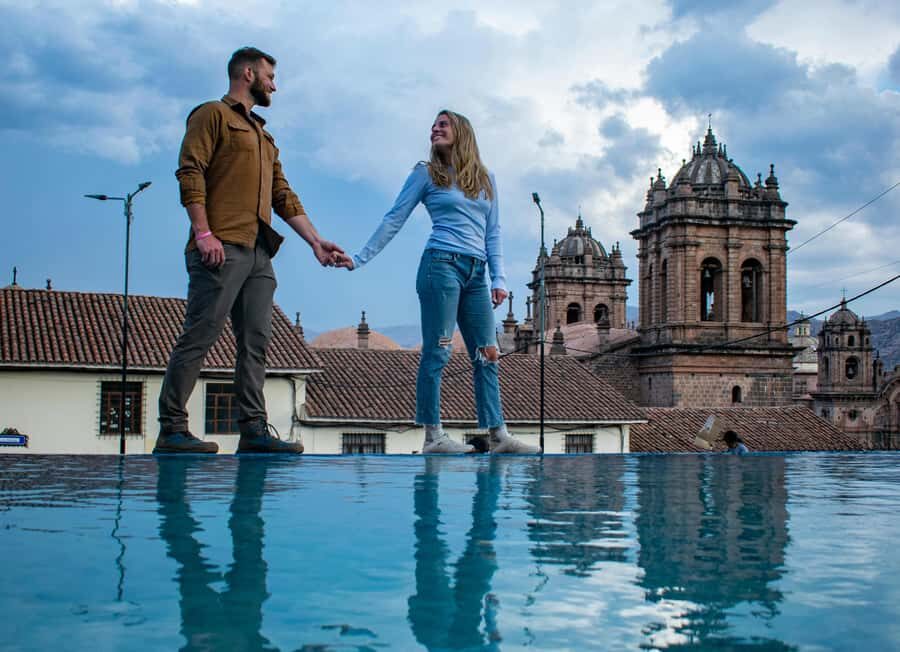
- Plaza de Armas to Mirador de San Cristobal in about 3 hours for an efficient city-center hit
- San Blas district stops with panoramic views and a museum focused on traditional Andean art
- Hands-on cultural pause at a local luthier shop, tied to traditional Andean musical instruments
- Inca + colonial layering on specific streets and ceremonial corners, including an aqueduct-era stop
- Optional weather-friendly moments thanks to the guide’s local problem-solving mindset
Walking Cusco with a plan: why 150 minutes feels like the sweet spot
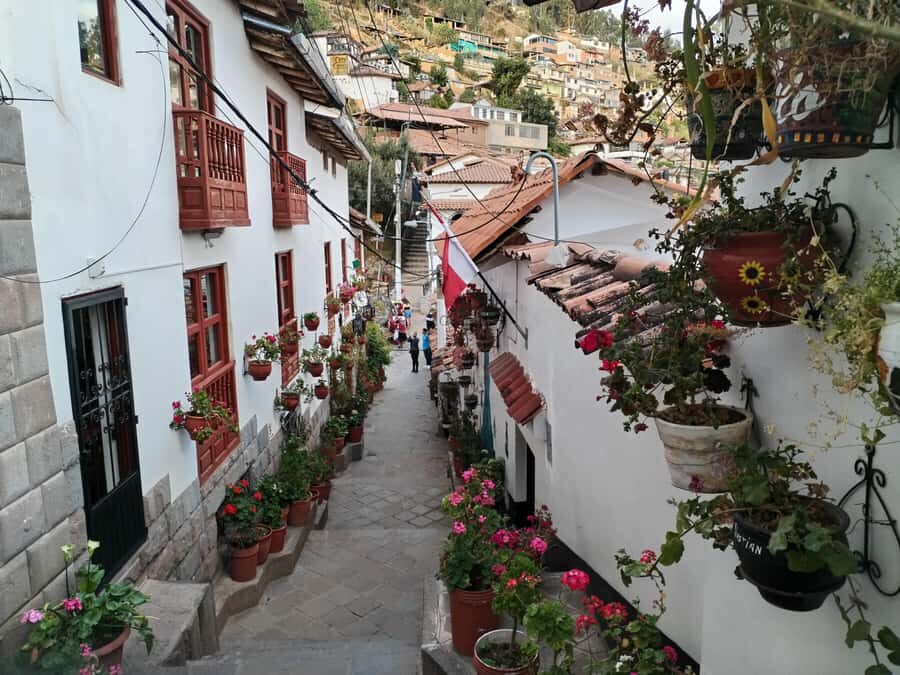
Cusco’s center is compact, but it can still feel confusing. The main value of this tour is that it turns a “look around” day into a route with purpose—so you leave with a clearer sense of how the city was built and why certain spots matter.
The timing helps. You’re out for about 150 minutes to 3 hours, which means you get viewpoints and landmark stops without spending the whole day stuck in one neighborhood. You also get a structured rhythm: short guided glimpses, then walking between areas, then a couple of intentional pauses for seeing the city.
This is the kind of tour that works best when you’re trying to connect dots fast—before you start wandering on your own. If you already have museum plans later, this walk acts like the “map in your head” that makes those museums click.
You can also read our reviews of more walking tours in Cusco


Starting at Plaza de Armas: the easiest way to get your bearings
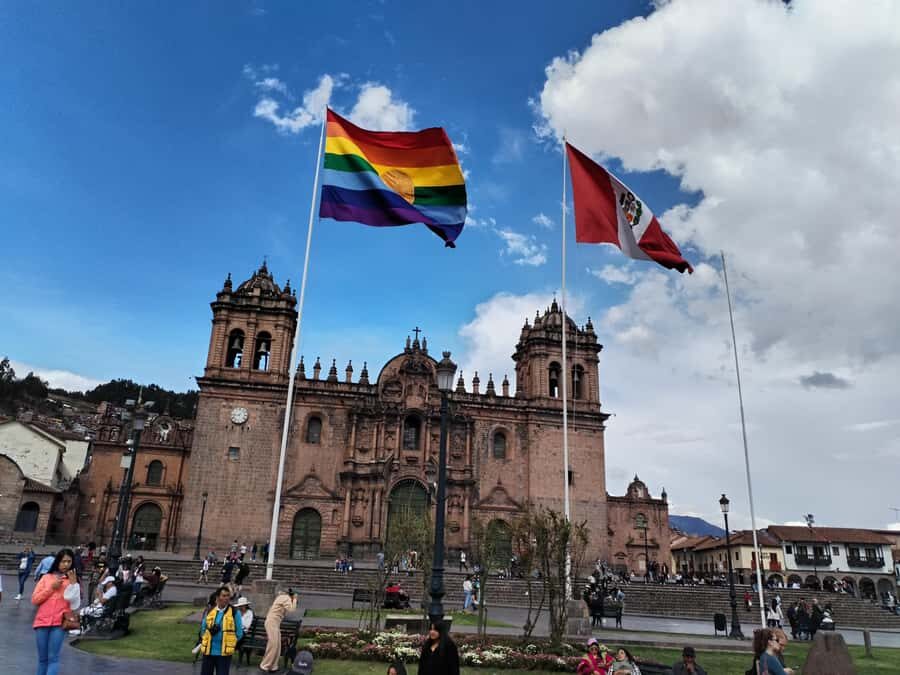
You begin at Cusco’s main square area—meeting points can vary by the option you book, including Plaza Mayor de Cusco/Cuzco or sometimes Cusco Cathedral. Either way, the tour starts where Cusco’s stories overlap: the square is your reference point for everything that comes after.
From Plaza de Armas, your guide frames what you’re seeing around colonial landmarks and Inca roots. That matters because Cusco doesn’t feel like one era. It feels like layers—stonework, religious space, street alignments, and re-used sacred or strategic locations.
If you’ve ever walked into a historic city and felt like you needed a decoder ring, this starting point solves that. Even the short “first impressions” become useful once you know what the guide is pointing out—like why the city’s layout matters or how public space shaped daily life.
Cusco Cathedral and Coricancha: two stops that show the city’s layered spirit
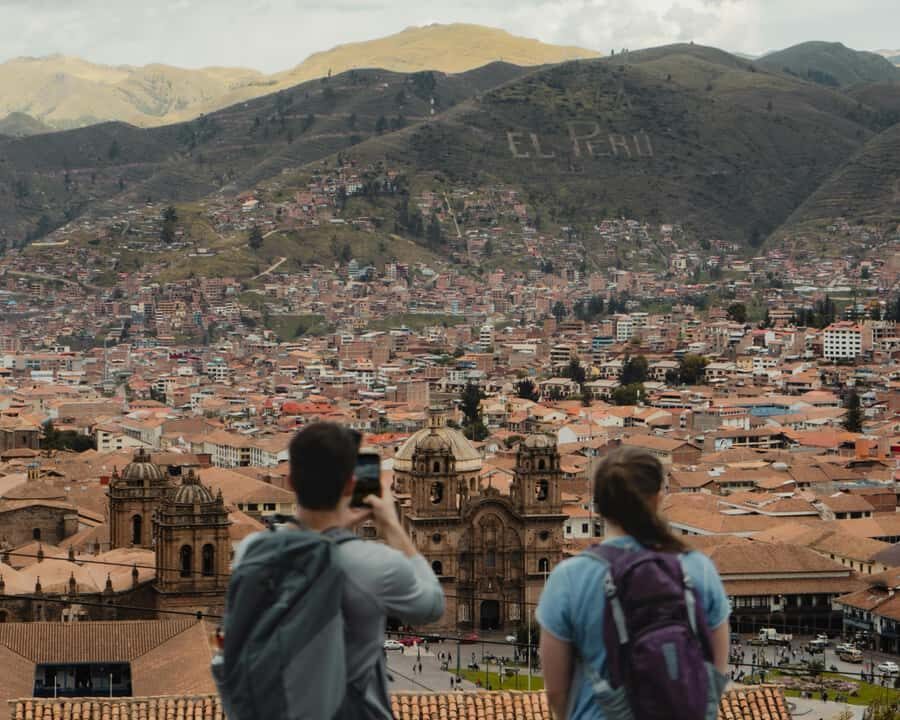
After the square, the route includes quick guided visits to Cusco Cathedral and Coricancha. These aren’t long museum sessions. They’re more like focused orientation stops where a guide helps you notice what you might miss if you showed up alone.
Why this works: you’re learning how Cusco’s spiritual and political centers shifted over time, and how later buildings sit next to earlier meanings. The tour’s highlights explicitly connect you to the history of the city’s streets and Inca ceremonial sites, and these stops support that theme.
The drawback here is also simple: you won’t get an in-depth, hour-long deep read at either location. If you want maximum time inside specific buildings, you’ll still need a separate plan. But as a first connection point on a walking route, these two stops do exactly what they should—give you context before you start moving into the streets.
Calle Hatunrumiyoc and San Blas: streets you can read, viewpoints you’ll remember
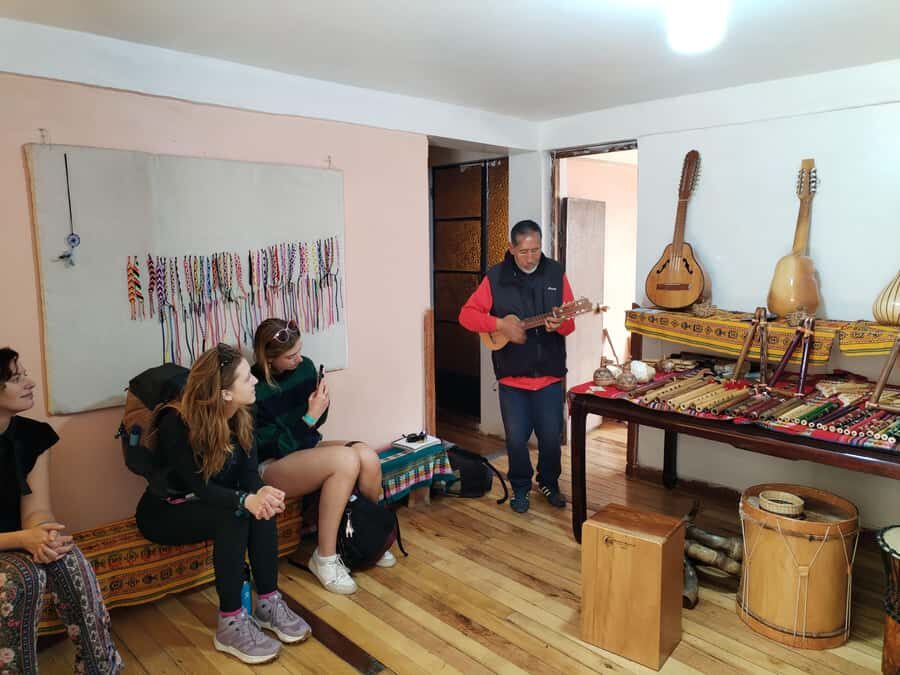
Next comes one of the classic “walk-and-learn” phases: Calle Hatunrumiyoc, then on foot to San Blas. San Blas is known for artisan life, and the tour leans into that atmosphere instead of rushing past it.
In San Blas, you get a guided visit plus time built in—around 30 minutes. There’s also a museum stop connected to traditional Andean art. This is a smart pairing with the walking portion: after you’ve been noticing architecture and street details, you get a chance to slow down and see how cultural expression continues through art.
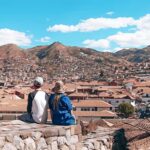
Then there are the viewpoints. The tour includes a sightseeing viewpoint during this middle stretch, so you’re not only walking through history—you’re also literally looking out at how Cusco sits in layers. It’s one of the best parts of the whole experience, because the city starts to make visual sense when you can see it from above.
One note: viewpoints can mean sun and wind. The tour includes time for sightseeing, so bring what the experience asks for—sun protection and water—so you’re not spending the best moments thinking about your thirst.
The luthier shop stop: the most memorable cultural pause
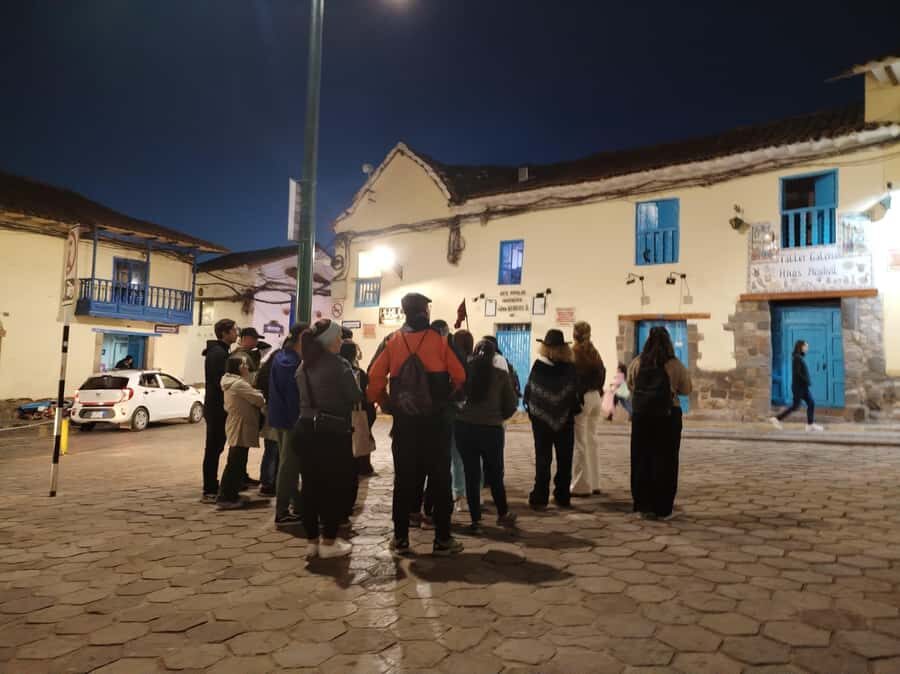
A standout part of this tour is the stop at a local luthier shop. Instead of treating music as background, the guide uses this time to show the craft behind traditional Andean musical instruments.
This is where the walk becomes more than “architecture tourism.” You’re learning that cultural heritage isn’t only stone and walls. It’s also sound, hands-on making, and everyday artistic practice.
And there’s a practical bonus: if weather turns, the guide can sometimes pivot the plan into a more comfortable cultural moment. One named example from a guide associated with these walks is Nilo, who has been noted for finding shelter during a thunderstorm in a traditional music shop and using that time to connect instrument learning to the surrounding culture. Even if you don’t hit that kind of weather, the key point is that the guide isn’t just reciting facts; they’re thinking like a local host.
If you care about craft—woodwork, sound, handmade processes—this stop is worth the price alone.
You can also read our reviews of more historical tours in Cusco
Calle Siete Borreguitos and the aqueduct-era view of history
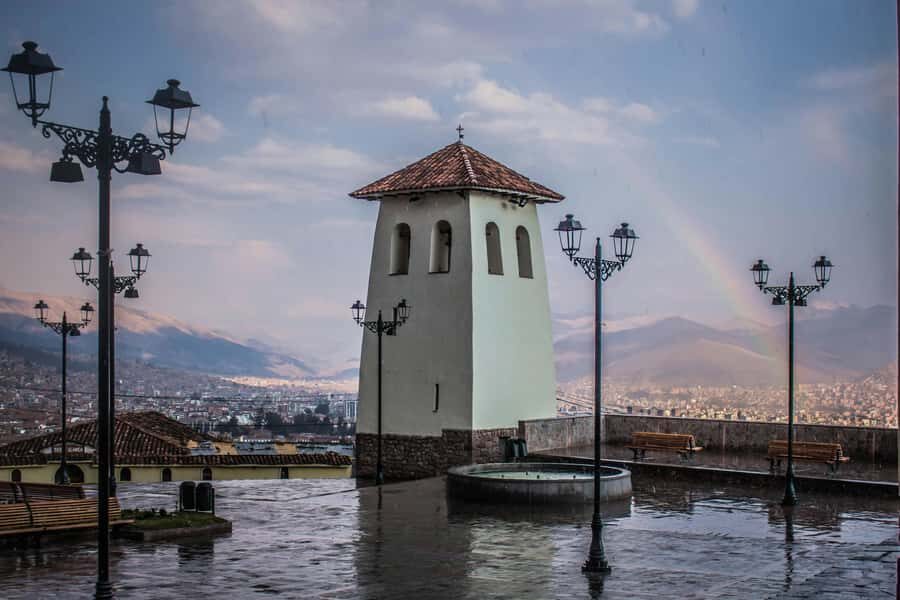
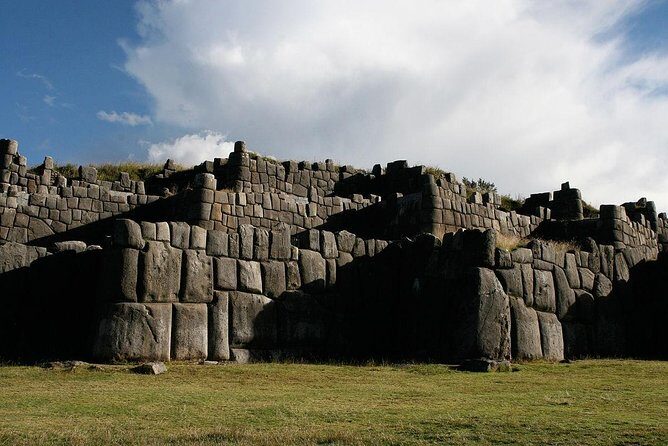
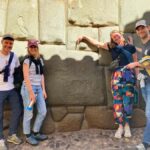
As the tour moves deeper into the historic streets, you reach a beautiful corridor of colonial architecture mixed with ancient Inca elements. This part of the route also includes a visit to one of the last surviving Inca ceremonial sites and a colonial-era aqueduct stop.
The street is Calle Siete Borreguitos, and the aqueduct-era stop is listed as Acueducto Colonial Fortaleza. The way this is handled feels practical: you don’t just point at old things. You learn what to look for and how the city’s layers show up in the built environment.
Why I like this section: it teaches you how history can be physically right next to you. A wall, a corner, a route between spaces—these become clues. And once you understand that idea, you’ll start noticing the same logic all over Cusco.
Potential drawback: this portion involves walking on older streets. It’s not described as difficult in any technical way, but “old town” usually means uneven surfaces. Stick with the comfortable-shoes advice and you’ll be fine.
Mirador de San Cristobal: where the city finally clicks
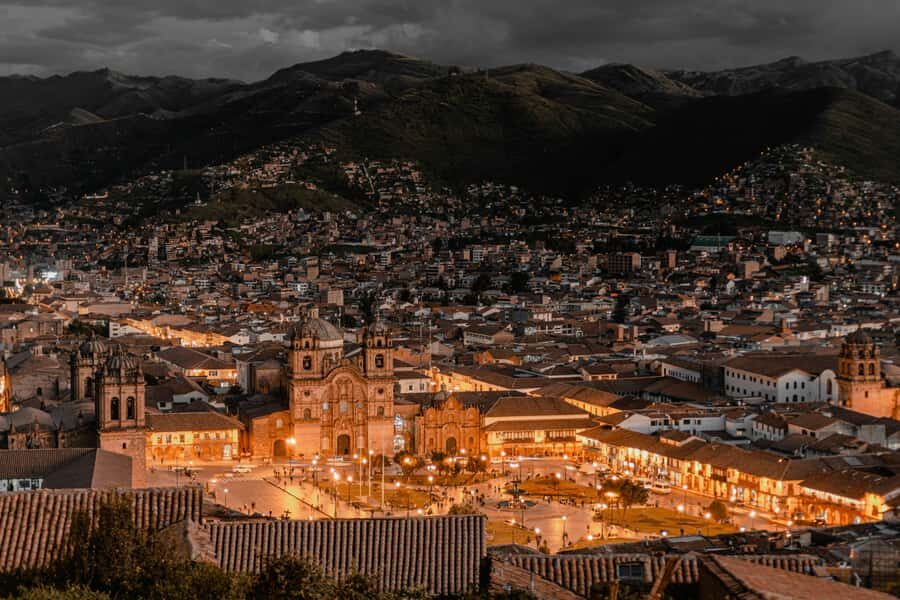
The tour culminates at Mirador de San Cristobal, with a guided visit and sightseeing time. This is a classic Cusco viewpoint, and the reason it works on this specific tour is timing: you’ve already walked enough of the city that the view stops being just pretty scenery.
Your guide uses the panorama to explain Cusco’s layout and how the city developed. That’s the missing piece for many first-time visitors. From street level, Cusco can feel like a maze. From this viewpoint, you can start linking the route you walked to the big picture.
There’s also a visitor center break around the time you reach the top stretch. So you get a short reset before the walk back.
The included drink at the finish: a small ending that feels right
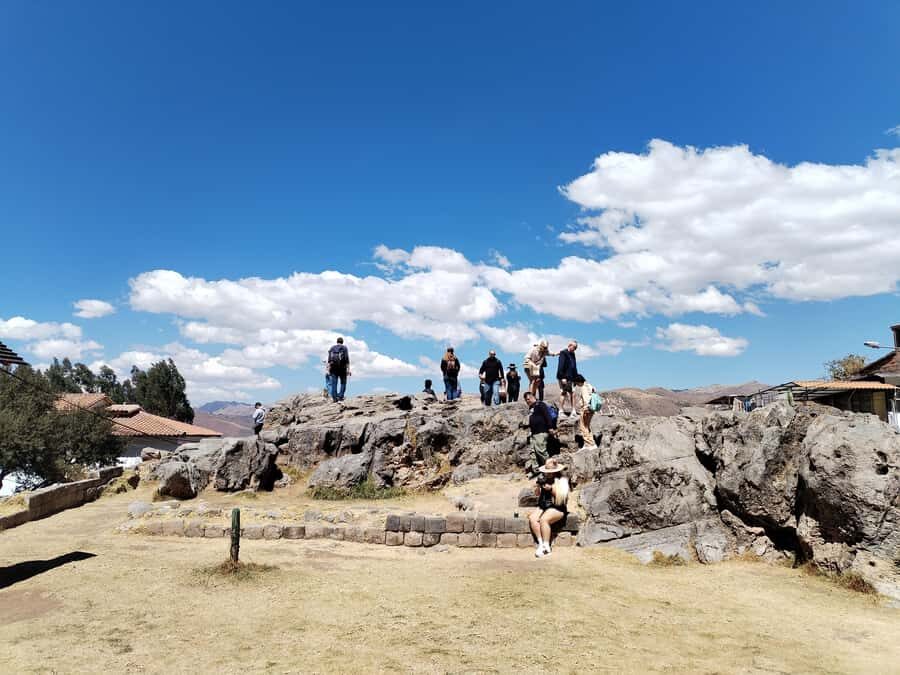
After the viewpoints and last ceremonial and aqueduct-era stops, you head back toward Plaza de Armas. The tour ends with included time for a traditional drink—typically a Pisco Sour or another authentic local option.
This matters more than you might think. Tours that only “end at the next landmark” leave you with a rushed, adrenaline-fueled feeling. Here, you get a proper decompression moment near the center of everything.
If you’re traveling with energy (or you’ve been walking in sun), this is a good payoff without turning the experience into a party. It’s cultural wrap-up: you’ve learned about traditions, craftsmanship, and sacred spaces, and you finish with a local drink that matches that cultural tone.
What to bring and how to make the route feel easy
This tour is short enough that you won’t need an intense daypack plan, but the basics matter. Bring comfortable shoes, sun hat, sunscreen, water, and your camera.
Here’s how I’d pace it if I were doing it for the first time. Start hydrated. Cusco can be sunny, and the tour includes multiple stretches where you’ll want to stop and look around. Then keep your camera ready for viewpoints, not only buildings—some of the most rewarding moments are looking back at the route you just walked.
Also, wear weather-appropriate clothing. One of the tour’s strengths is that the guide can adjust on the fly, but you still want to be comfortable enough to keep moving when the weather shifts.
Price and value: a guide, a luthier stop, and a drink for about $1.20
Let’s talk value without pretending the number doesn’t look surprising. At $1.20 per person, you’re getting a professional guide, a visit to a local luthier shop, and a traditional drink at the end—plus guided stops that cover Cusco’s main square area, key landmark sites, artisan neighborhoods, and two viewpoints.
Value like this usually comes down to one thing: the tour is efficient. It’s not trying to be a half-day bus ride with optional add-ons. It’s designed as a walking route where your guide does the heavy lifting—context, direction, and timing—so you don’t waste your limited first days in Cusco.
Also, the quality signal is strong: the tour is rated 5/5 with 45 reviews. That doesn’t automatically mean every moment is perfect, but it does suggest consistent guide performance and a route that lands well for most people.
One practical consideration: because it’s a very short, concentrated experience, you should be ready to walk and focus. If you want slow, long museum time or extended indoor visits, you’ll need to pair this with other plans.
Who this tour is best for (and who might prefer something else)
You’ll probably love it if you:
- Want a first-day or early-stay overview that connects landmarks to street-level meaning
- Enjoy walking through neighborhoods instead of only checking boxes inside buildings
- Care about local craft—especially traditional Andean instrument making
- Want scenic viewpoints without committing to a full day hike
It might be less ideal if you need step-free routes or wheelchair-friendly access, since it’s not suitable for wheelchair users. It’s also not designed as a slow, linger-at-every-corner kind of tour.
For families, the walking time is short enough that it can work, but only if everyone in your group is comfortable with steady walking. For couples and solo travelers, it’s a strong pick because you’ll get guidance plus breathing space at viewpoints and at the end.
Should you book this Cusco historic walking tour?
If you want a practical Cusco “starter course” that covers major sights, artisan atmosphere, and panoramic viewpoints in just a few hours, this is an easy yes. The included luthier stop and the finish drink turn it into more than a checklist walk.
I’d book it especially if you’re trying to understand Cusco’s layered identity—Inca ceremonial importance paired with colonial-era architecture—and you want a guide to point out what to look for as you go.
If your priority is long indoor time at specific attractions, you might treat this as your orientation plan and then choose separate activities for deeper study. Otherwise, this is a well-paced way to make Cusco feel coherent fast.
FAQ
Where does the tour start?
The meeting point may vary depending on the option booked. It can be Plaza Mayor de Cusco (or Plaza Mayor de Cuzco), and it may also start near Cusco Cathedral.
How long is the tour?
The tour lasts about 150 minutes to 3 hours.
What’s included in the price?
Included items are a professional tour guide, a visit to a local luthier shop, and a traditional drink at the end of the tour.
What drink do you get at the end?
You can expect a traditional Pisco Sour or another authentic local drink, depending on what the tour offers that day.
What language are the guides?
The live tour guide operates in English and Spanish.
Is hotel pickup included?
No. Hotel pickup and drop-off are not included.
Are meals included?
No meals are included.
Is the tour suitable for wheelchair users?
No, it is not suitable for wheelchair users.
What should I bring?
Bring comfortable walking shoes, a sun hat, sunscreen, a camera, and water.
Is cancellation free?
The experience offers free cancellation up to 24 hours in advance for a full refund.