REVIEW · CUSCO
Cusco Highlights Walking Tour: History, Culture, Traditions
Book on GetYourGuide →Operated by CuscoWalks · Bookable on GetYourGuide
Cusco history walks right past your feet. This 2-hour Cusco highlights walk links Inca and colonial landmarks with real local stops, from the Plaza de Armas area to views near Coricancha and the artisan lanes of San Blas. It’s a fast, friendly way to understand how Cusco got layered, one era on top of another.
I especially like the way the tour uses key sites to explain Cusco’s story, not just point at buildings. You’ll move from the old Inca core into Spanish-era power and then into the everyday neighborhood feel of San Blas, with stops built around photo moments and context.
One thing to consider: it’s a short walk, so some places are seen mainly from the outside, and the pace can be steady. If you want long lingering at a single landmark, you’ll need to pick a few favorites afterward.
In This Review
- Key points to know before you walk
- Starting at McDonald’s: the easiest place to meet and get oriented
- Plaza de Armas and the Cathedral: Inca core meets Spanish power
- Sun Street (Intikijllu) and the perfect Inca walls
- Plazoleta Nazarenas and the Palace of Inka Roca
- Hatun Rumiyoc and the 12-Angle Stone: the crowd favorite for a reason
- ChocoMuseo chocolate tasting: the sweet reset between history stops
- Coricancha: temple history even if you don’t go inside
- San Blas: cobblestones, artisan workshops, and a slower pace
- Sapantiana aqueduct: a quieter colonial survival story
- 7 Borreguitos Street: color, corners, and quick photo magic
- Amaru Cancha llamas and alpacas: a short break with local character
- Mirador de San Cristobal: a quick look out over the city
- Chicha tasting: optional, local, and very much about timing
- What I’d do with the rest of your day after this 2-hour walk
- Price and value: why $15 can make sense in Cusco
- Who this tour suits best (and who should pick something else)
- Quick tips for making the most of the walk
- Should you book this Cusco highlights walking tour?
- FAQ
- Where is the meeting point?
- How long is the tour?
- How much does it cost?
- What language is the guide?
- How big is the group?
- What places do we visit during the walk?
- Is Coricancha entrance included?
- What food or drinks are included?
- Is the tour difficult to walk?
- Is the tour wheelchair accessible?
Key points to know before you walk
- Small group (up to 10): easier questions and more personal attention as you navigate the center.
- Inca-to-colonial storyline: major stops help you see the city’s timeline in order, quickly.
- Chocolate and optional chicha: you’ll get at least one sweet taste, and sometimes more local flavor if the chicha vendor is around.
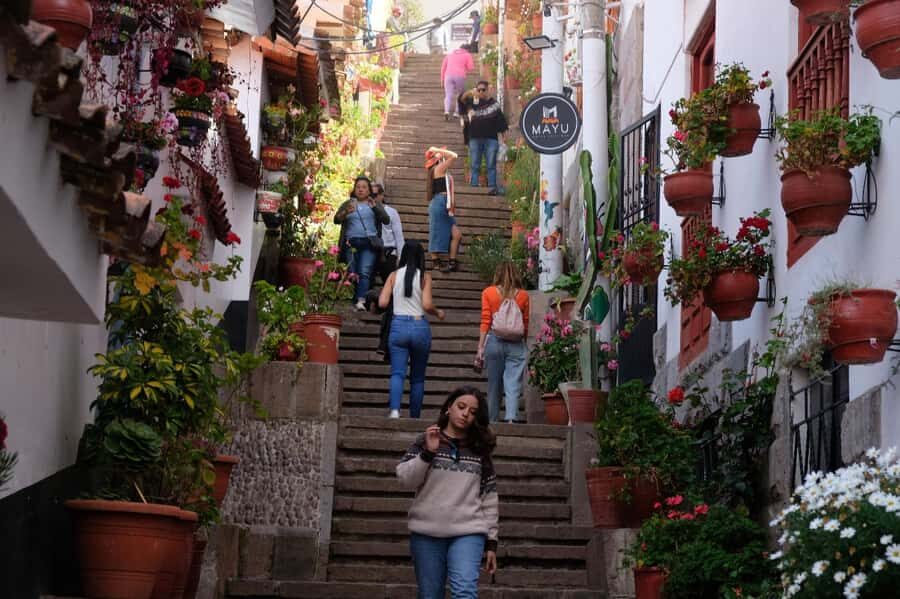
- San Blas artisan streets: cobblestones, workshops, and calmer corners that feel like a real neighborhood.
- Amaru Cancha llama and alpaca visit: a light break that’s still part of the cultural feel of the walk.
Starting at McDonald’s: the easiest place to meet and get oriented
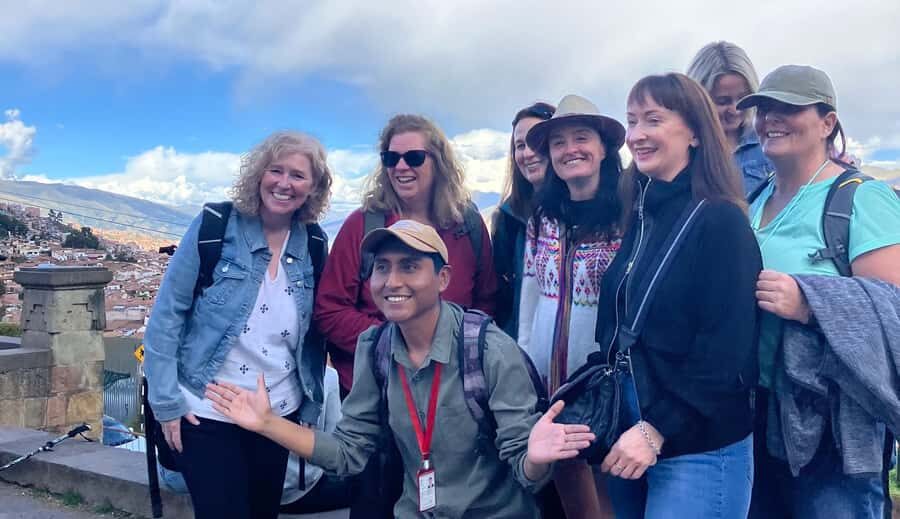
You’ll meet in front of McDonald’s in the main square area (Plaza de Armas). It sounds funny until you’re in Cusco and you realize how hard it can be to find the real meeting points inside winding historic streets. This one is simple: you’re right at the heart of the action.
From there, you’ll walk. Not sprint. Just enough to keep energy up and get you to several major landmarks in two hours. I like tours like this for first-day orientation because they show you where everything sits in relation to each other, so later you can roam without feeling lost.
The group stays small (limited to 10), and the guide is English-speaking. In the past, different guides have led this experience (you may see names like Waldo or Nilo), but the vibe is consistent: friendly, talkative, and ready to help you make sense of Cusco.
You can also read our reviews of more walking tours in Cusco
Plaza de Armas and the Cathedral: Inca core meets Spanish power
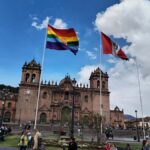
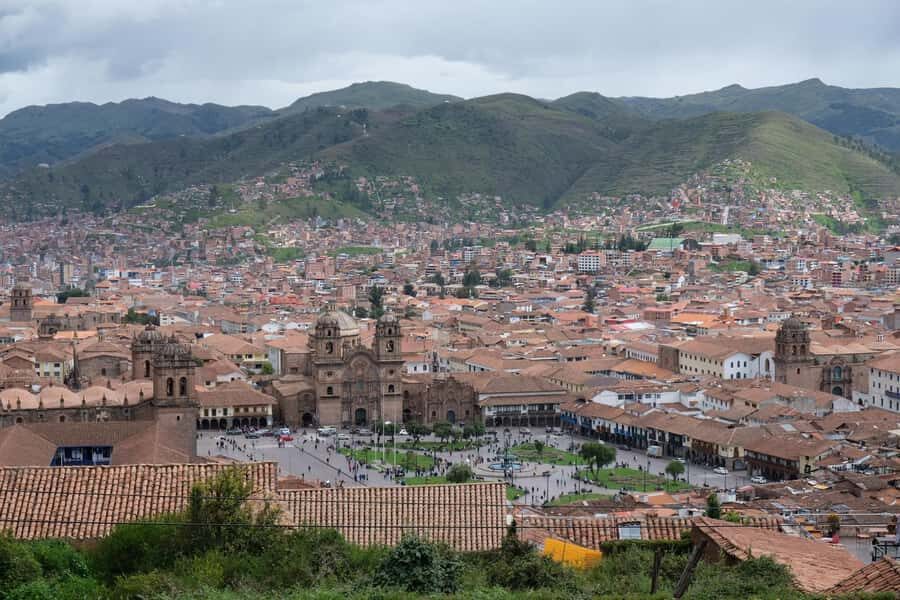
The tour starts with a photo stop and guided viewing at Plaza de Armas, Cusco, the ancient heart of the Inca Empire before Spanish rule shifted the city’s layout and symbolism. The key value here is the framing: you’re not just looking at pretty colonial buildings. You’re learning what changed, and what survived under the new order.
From the plaza, you’ll see major faith and power markers, including the Cusco Cathedral and the Church of the Society of Jesus (San Pedro / Jesuit church area). Even if architecture isn’t your hobby, these stops make one thing click: Cusco’s colonial look doesn’t replace everything—it layers over it.
Two short walking segments follow as you thread toward Inca-aligned walls and landmark corners. You may pass through areas like Calle Loreto and Kusicancha as part of the guided route. The point isn’t the street name. It’s what the guide ties to it—how the old city’s geometry and stonework influence what you see today.
Practical note: this is a good moment to drink water and steady your pace. Plaza de Armas sits at a comfortable “start here” rhythm, but Cusco’s stone streets then start asking for your attention.
Sun Street (Intikijllu) and the perfect Inca walls
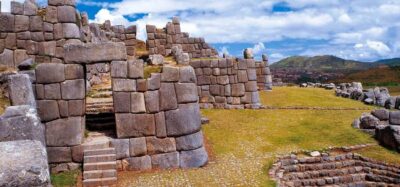
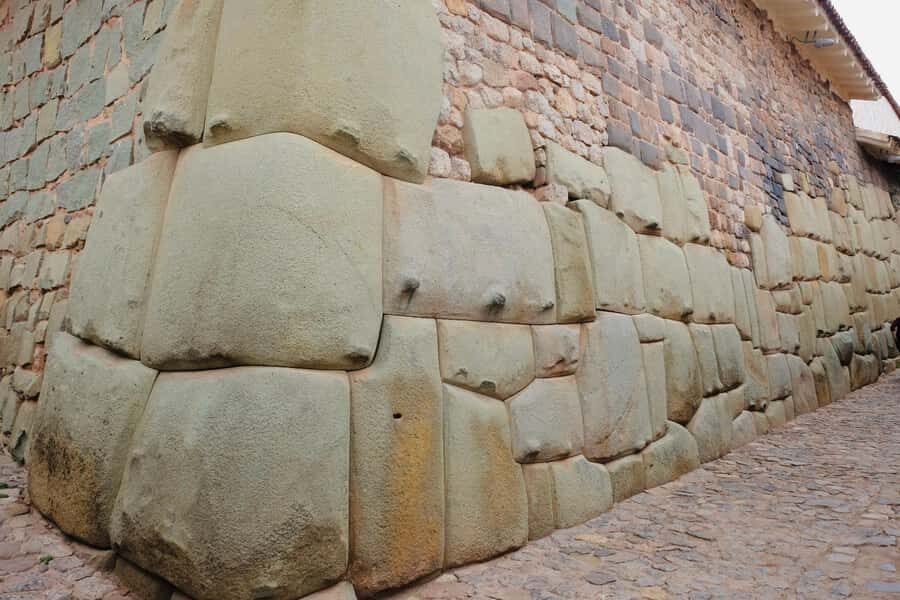
One of the most satisfying segments is Sun Street (Intikijllu). This is where the tour leans into the visual wow factor: you’ll admire Inca walls that are described as perfectly carved, right inside a street view you can actually walk past.
What I like about this stop is that it makes Inca engineering feel tangible. You don’t need museum explanations. You can see how stone was shaped to fit, how it holds together, and how it still shapes the street life around it.
As you continue, you’ll also pass by the historic girls’ convent area at Nazarenas. This part of the walk helps you compare two worlds: Inca precision and Spanish-era religious presence. The “culture” here isn’t abstract. It’s built into the stones and the architecture you’re standing near.
Plazoleta Nazarenas and the Palace of Inka Roca
At Plazoleta Nazarenas, you’ll be surrounded by elegant colonial buildings while hearing stories tied to Cusco’s noble past. This stop helps you slow down just a bit without making the tour drag.
Then you’ll move to the Palace of Inka Roca, another anchor point in Cusco’s story. You don’t need a background reading before you go. The guide connects it to what you’re seeing around you, so it feels like a living timeline rather than random facts.
This section also tends to work well for photos because the plaza framing and surrounding architecture give you natural angles. If you’re the type who always forgets to ask for a photo angle, this is a good place to do it. Guides in this experience have a habit of helping you set up quick, good-looking shots.
Hatun Rumiyoc and the 12-Angle Stone: the crowd favorite for a reason
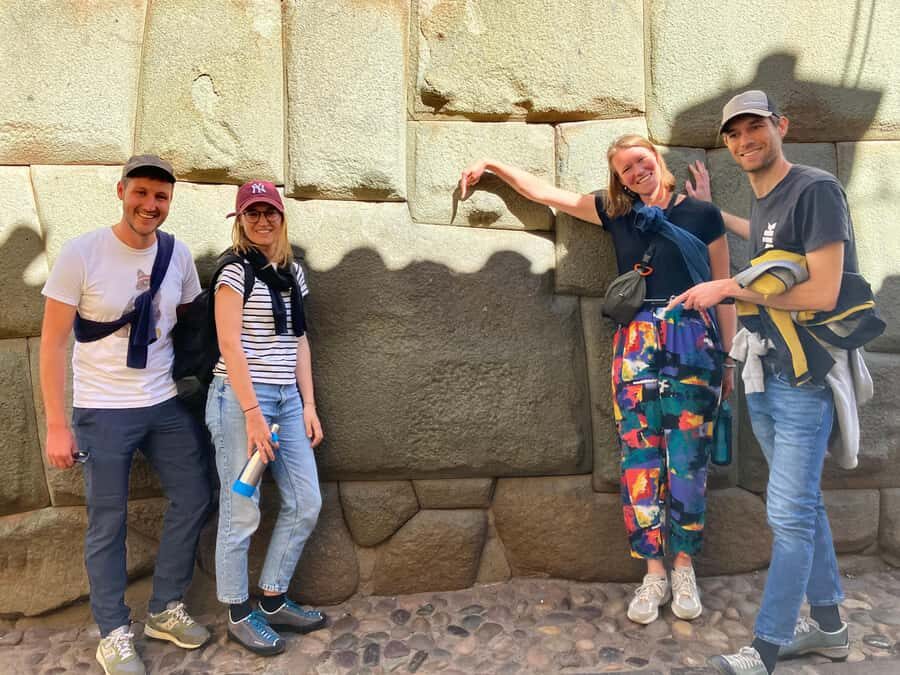
Now for the stop most people remember: the 12-Angle Stone on Hatun Rumiyoc Street. This is one of those Cusco details that you hear about even if you haven’t planned a single thing.
The reason it works inside a short tour is simple: it’s a concrete object you can anchor the entire Inca narrative to. When a guide explains why it’s special, the “how did they do that?” reaction is basically automatic.
Photo tip: take a couple shots from different angles, especially if the light is shifting. You’ll see more of the carving and edges that make it look slightly impossible.
If you walk Cusco on your own later, you’ll still want to know what you’re looking for. This stop gives you that mental hook.
You can also read our reviews of more historical tours in Cusco
ChocoMuseo chocolate tasting: the sweet reset between history stops
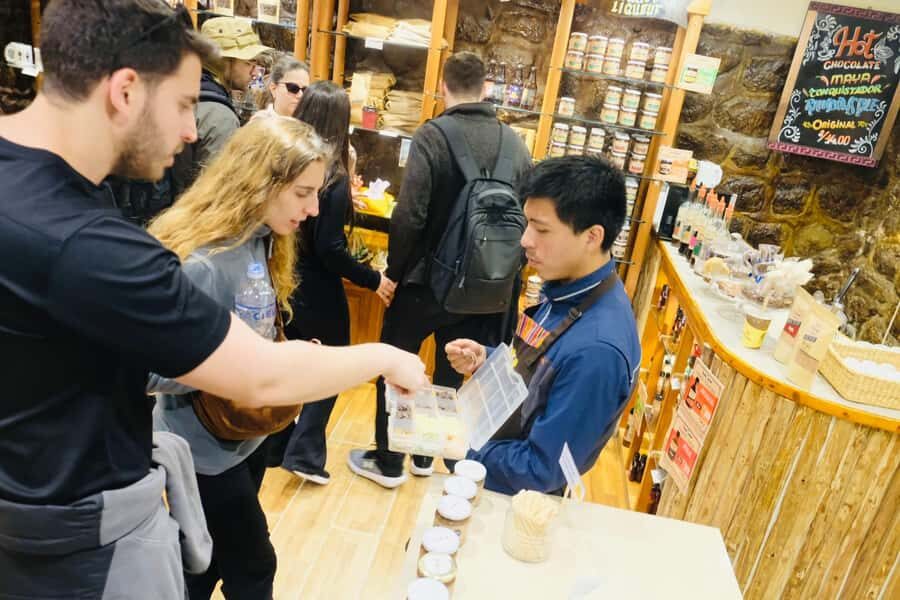
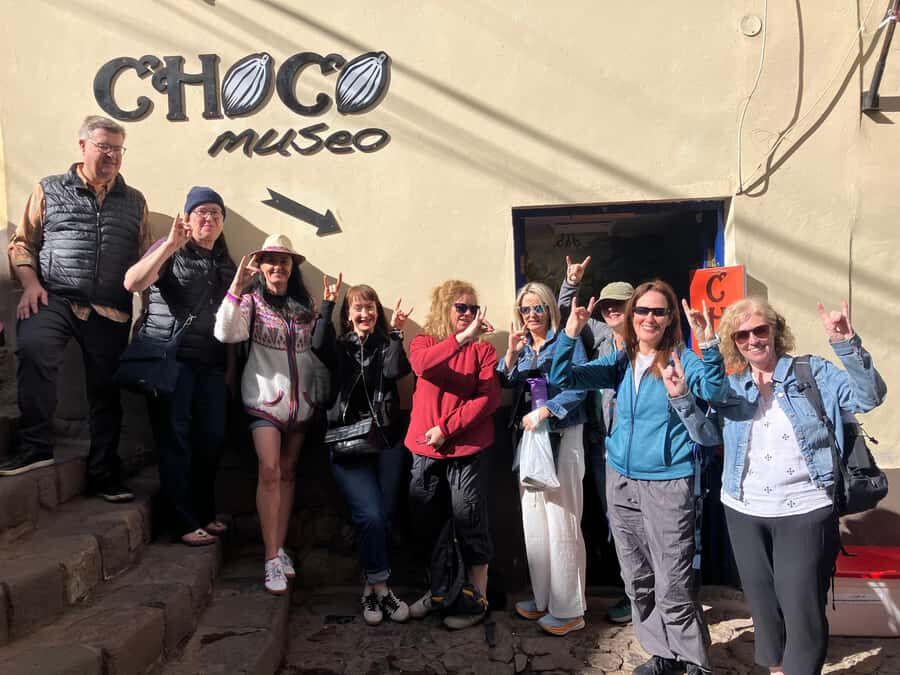
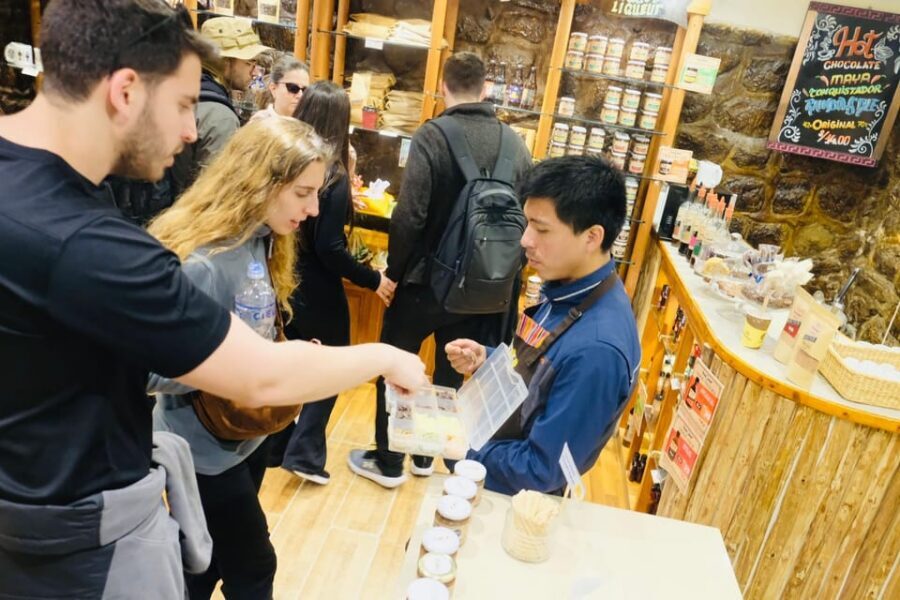
Right around this zone, the tour includes a stop at ChocoMuseo for locally made Peruvian chocolate tasting. It’s not just a snack break. It’s a useful pause that keeps energy up while you’re moving through dense historic streets.
I like that it’s built into the route rather than left for you to figure out. After a stretch of stonework and architectural details, chocolate gives you something sensory and immediate.
Also, it’s included as the main tasting option. Even if you’re not a huge foodie, this alone makes the tour feel like more than a sightseeing march.
Coricancha: temple history even if you don’t go inside
Coricancha (Temple of the Sun) is a major stop on this route. The important detail is what’s included: the tour does not include entrance, and you may mainly see Coricancha from outside or at viewing points.
That might sound like a letdown until you think about your time budget. In two hours, the bigger win is getting the overview and understanding why Coricancha matters so much—what it represented, and how it connects to the Inca and Spanish-era story happening across the center.
If you later decide you want to enter, this tour sets you up to appreciate it instead of walking in cold. You’ll recognize the context. You’ll know what to look for and why.
San Blas: cobblestones, artisan workshops, and a slower pace
Next, the tour shifts into San Blas, the artistic neighborhood known for cobblestone alleys and artisan workshops. This is where Cusco starts to feel less like a monument circuit and more like real street life.
The sidewalks can be uneven, so comfortable shoes matter. But the tradeoff is worth it. San Blas gives you softer, more human-scale moments—small doors, workspaces, and corners that feel calmer than the main square drag.
The guide also uses this stretch for story and context, which is helpful because San Blas can look like it’s just “cute streets” if you don’t know what you’re seeing. You’ll get the background while still enjoying the neighborhood vibe.
Sapantiana aqueduct: a quieter colonial survival story
One of the best surprises on this kind of tour is finding structures that aren’t the headline attractions. Here, that role goes to the Sapantiana colonial aqueduct. You’ll visit the area and walk through it as part of the guided path.
Why it’s valuable: aqueducts are the kind of infrastructure you usually skip when you’re only chasing the famous landmarks. But they explain how a city functioned—how water moved, how systems were designed, and why colonial Cusco still depended on planning and engineering.
It’s not flashy in the same way as the 12-Angle Stone. That’s why it can feel special: it’s the kind of thing you’d miss without a guide pointing it out.
7 Borreguitos Street: color, corners, and quick photo magic
Then you’ll walk through 7 Borreguitos Street, a well-known photogenic corner. The charm here is visual and immediate. You’re in a narrow, colorful street moment that makes the city feel playful after so much stone history.
This stop is also a reminder that Cusco isn’t frozen in the past. People live on these streets. Shops open and close. The city keeps moving while you’re reading its layers.
If you’re traveling with a camera or you just like good street photos, this is a good moment to slow down and frame your shots. Ask for help if you want someone to suggest where the light and angles are best.
Amaru Cancha llamas and alpacas: a short break with local character
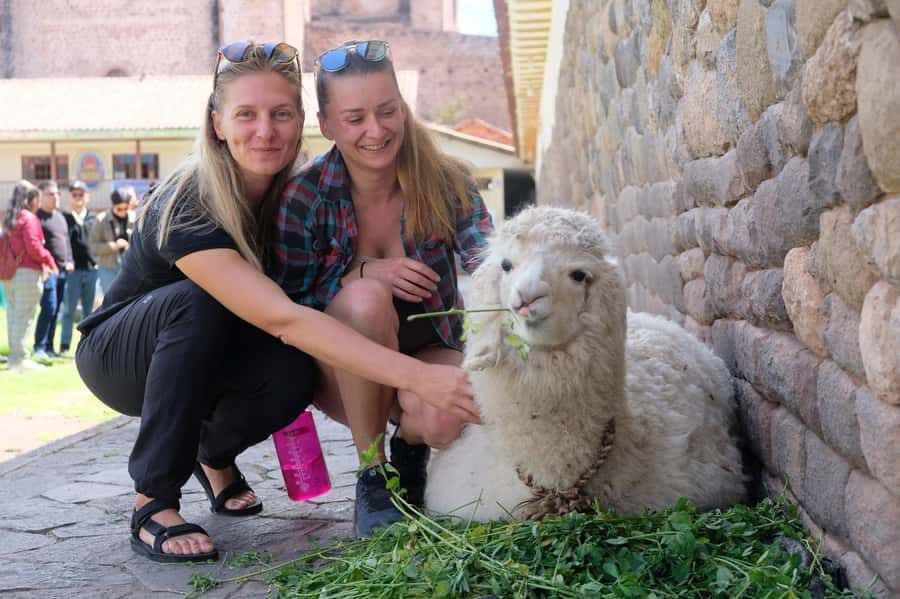
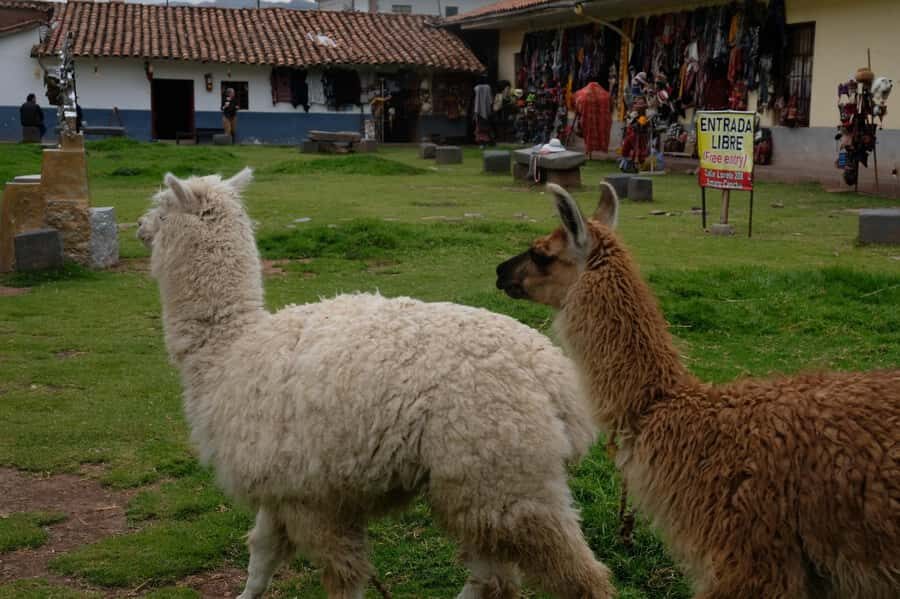
The tour includes a stop at Amaru Cancha, where you’ll see llamas and alpacas. This part works because it offers a change of pace. After stone streets and historic explanations, it’s a gentle, animal-centered reset.
It’s also a straightforward cultural moment. In Cusco, these animals are part of the visual identity of the region. Seeing them up close (as part of the walk, not a separate animal show) keeps the experience grounded.
I’d treat it as a quick break, not a long hangout. You’ve got more streets to cover, and you’ll still want to arrive fresh for the final photo point.
Mirador de San Cristobal: a quick look out over the city
You’ll finish with a photo stop at Mirador de San Cristobal. The tour info mentions sunrise/sunset timing, but in real life on a two-hour walk, think of it as a view stop you might catch depending on when you go.
Even if you’re not timing the sky perfectly, miradors in Cusco are worth it. They help you understand how steep the city is, how neighborhoods stack, and why the center feels compact at street level.
This is also a good spot to decide what you want next. Once you see the city layout, you can plan where you want to spend more time after the tour.
Chicha tasting: optional, local, and very much about timing
If the local chicha lady is around in San Blas streets, you may be able to try traditional fermented corn drink. The tasting is optional, which is honest and important: you don’t count on it as a guarantee.
What to expect based on the tour format: you’ll get a small taste, and the guide will explain what it is and why it’s part of local tradition. It’s not a long beverage session. It’s a cultural sample.
If you don’t see her, you’re still doing the core experience. The chocolate is the consistent included tasting, and the rest of the tour still hits major Cusco landmarks.
What I’d do with the rest of your day after this 2-hour walk
A tour like this works best when you treat it like a map lesson. You’ll leave with a mental checklist of what matters, where things are, and what you want to revisit.
Here’s a practical way to use the information:
- Pick 1–2 landmarks you want to return to later, especially if you’re the type who likes quiet time for photos.
- Use San Blas as your next wandering zone since you’ll already know the general streets and feel of it.
- Plan your longer excursions outside the center only after you’ve done this orientation, so you don’t waste time backtracking.
Also, because you’re walking through a lot of stone and curving streets, your energy matters. After this tour, keep your pace gentle. Save the big climbing for the hours when you’re feeling steady.
Price and value: why $15 can make sense in Cusco
At about $15 per person for roughly two hours, the value comes from three places.
First, you’re getting a tight guided route through some of Cusco’s most recognizable landmarks, including Plaza de Armas, Sun Street, 12-Angle Stone, and San Blas.
Second, you’re getting the human part: a guide who actively explains and helps with practical photo moments. In the past, guides like Waldo and Nilo have been praised for being friendly, answering lots of questions, and tailoring the feel of the walk—sometimes even making it feel close to private if the group is small.
Third, you get at least one included tasting: Peruvian chocolate. That turns a sightseeing tour into a small cultural experience.
If you’re on a budget, this is the kind of tour that helps you avoid spending more later just to learn where things are. If you want a slower, deeper museum-style day, you may still want separate time for that. But for getting oriented fast, the price-to-time ratio is strong.
Who this tour suits best (and who should pick something else)
This experience is a great fit if:
- You want an easy first-day plan in the center of Cusco.
- You like a guided explanation that connects Inca and colonial layers.
- You enjoy street-level wandering and don’t mind steady walking.
- You want simple food experiences, especially chocolate, and maybe chicha if it lines up.
It may not be ideal if:
- You hate walking on uneven cobblestones.
- You want long, in-depth time inside major sites like Coricancha, since entrance isn’t included.
- You prefer tours with fewer stops and more “sit and talk” time.
Quick tips for making the most of the walk
Bring the basics that actually help:
- Comfortable shoes for cobblestones and stairs.
- Water and sunscreen, since you’ll be outside for most of the tour.
- A phone with a good camera mode for quick street photos.
And don’t be shy about asking for photo guidance. The guides leading this walk tend to help with where to stand and how to frame shots, and that makes the experience feel more than just sightseeing.
Should you book this Cusco highlights walking tour?
I’d book it if you want a smart, compact way to understand Cusco’s center and taste a bit of local flavor without spending a day figuring things out. The route hits the landmarks most first-time visitors should know—Plaza de Armas, Sun Street, the 12-Angle Stone, and San Blas—and the guide work (often led by Waldo, and sometimes Nilo) has a strong track record for making the walk feel personable.
If you’re the type who wants a slower pace, deep site entry, and long museum time, you may want a different plan. But for getting your bearings fast and leaving with clear ideas for what to do next, this is a strong choice.
FAQ
Where is the meeting point?
You’ll meet in front of McDonald’s in the main square area of Cusco.
How long is the tour?
The tour runs for about 2 hours.
How much does it cost?
It costs $15 per person.
What language is the guide?
The tour is led by a live English-speaking local guide.
How big is the group?
It’s a small group limited to 10 participants.
What places do we visit during the walk?
You’ll see key landmarks in Cusco’s historical center, including Plaza de Armas and Cusco Cathedral area, Coricancha (viewing), 12-Angle Stone, San Blas neighborhood, Sapantiana aqueduct, 7 Borreguitos Street, and Mirador de San Cristobal. You’ll also have an animal visit at Amaru Cancha.
Is Coricancha entrance included?
No, entrance to Coricancha is not included, though you can see it from outside.
What food or drinks are included?
Chocolate tasting is included. Chicha tasting is optional if the chicha vendor is available.
Is the tour difficult to walk?
It’s a walking tour with a moderate walking condition. Comfortable shoes and good stamina help.
Is the tour wheelchair accessible?
Yes, the experience is wheelchair accessible.