REVIEW · CUSCO
Cusco: Historic Walking Tour with Pisco Sour and Local Music
Book on Viator →Operated by Real Cusco Free Walking Tours · Bookable on Viator
Cusco’s history comes with a drink. This 2 to 3 hour walking tour blends big-city landmarks with Pisco sour and a stop for Cusco local music, so you leave with more than photos. I like the way it starts right at the city center and turns into a real stroll through older neighborhoods.
What I also like is the mix of streets and viewpoints. You’ll wind through cobbled lanes in San Blas, then meet a luthier to learn how instruments fit into Cusco’s sound. The San Cristobal Plaza viewpoint is the payoff, with panoramic views that make the walk feel worth it.
One thing to watch: the tour depends on the day and the group. A small number of people reported issues like the drink or the keychain not matching what’s advertised, and the tour ending earlier than expected. Also, plan for a hill, and be ready to decide your own tipping level.
In This Review
- Key reasons this Cusco walk works so well
- Plaza de Armas Cusco: where your bearings click into place
- Hatunrumiyoc Street: classic stonework, explained at walking speed
- Plaza de las Nazarenas: a short stop with a payoff
- San Blas and the luthier: learning Cusco music with your hands in motion
- Siete Borrequitos Street: old lanes and artisanal moments
- San Cristobal Plaza viewpoint and Pisco sour: the grand finish
- Price and value: $14 for a guided story and a local drink
- Group size, pace, and your calf budget
- What’s included and what you should bring
- Who should book this Cusco walk (and who might not)
- Should you book this Cusco Historic Walking Tour?
- FAQ
- How long is the Cusco historic walking tour?
- How much does the tour cost?
- Where do I meet for the tour?
- What’s included in the price?
- Is there a non-alcoholic option instead of Pisco sour?
- Is bottled water included?
- What’s the maximum group size?
- Can most people participate?
- Can I cancel and get a full refund?
Key reasons this Cusco walk works so well
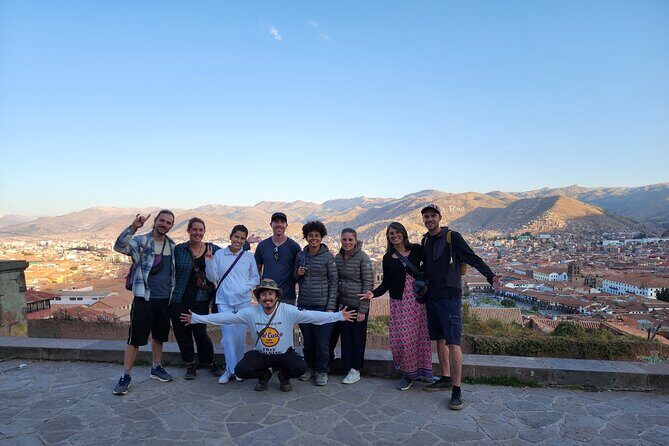
- San Cristobal Plaza viewpoint: the view is the finish line, not a random photo stop
- Pisco sour included (or non-alcoholic): a fun local taste without needing a separate stop
- San Blas cobblestones + adobe homes: you actually walk where people live and create
- Luthier visit for Cusco music: you’ll learn how instruments connect to local culture
- Small group size on paper: it’s set up for up to 10 people, which helps the pace
Plaza de Armas Cusco: where your bearings click into place
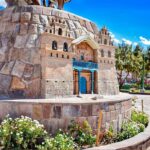
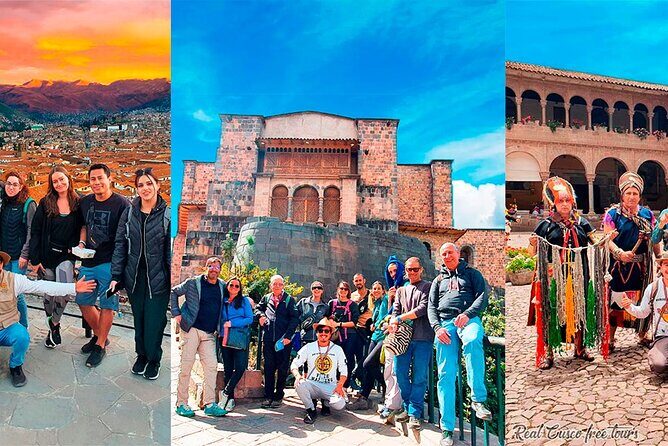
Your tour starts at the Inca statue in Plaza Mayor de Cusco, right where the city’s energy gathers. Plaza de Armas is the kind of place that looks obvious, but the guide puts it in context fast. You’ll get commentary on why this square matters, and how the buildings around it tie into Cusco’s identity.
This is a smart opening. If you’re arriving in Cusco for the first time, it’s easy to wander and miss the “why.” Here you learn what you’re looking at before you walk away from it. The stop is brief—about 15 minutes—so it sets the stage without turning into a lecture.
Practical note: this is also where you can recalibrate. If you’re already feeling the altitude, you’re not stuck for long. It’s a good reset point before the next streets get narrower and more uphill.
You can also read our reviews of more walking tours in Cusco

Hatunrumiyoc Street: classic stonework, explained at walking speed
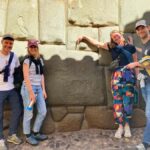
Next comes Calle Hatun Rumiyoc. This stop is about 25 minutes, and it’s designed for seeing details up close. You’ll follow your guide along a historic thoroughfare and learn what the street represents and why its architecture draws attention.
The value here is pace. Cusco’s streets can feel like a blur unless someone points out what to look for. This segment helps you spot patterns—how Cusco’s layers show up in the built environment—without turning the walk into a classroom.
What to expect: lots of looking up and around, then quick movement forward. Wear shoes that handle stone underfoot. Even when the path looks manageable, cobbles can trip you if you’re trying to rush or take big steps.
Plaza de las Nazarenas: a short stop with a payoff
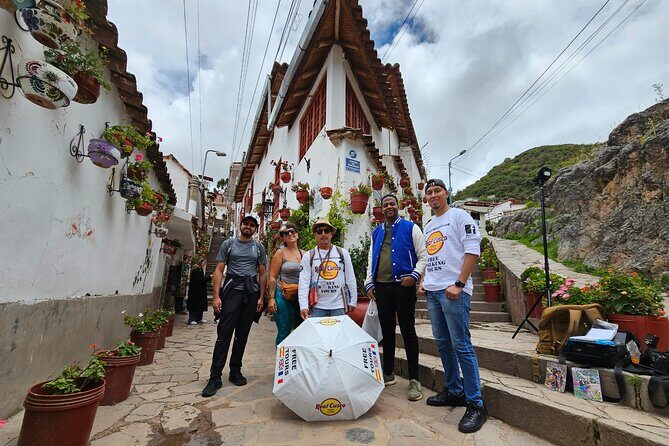
Then you head to Plaza de las Nazarenas for about 15 minutes. The guide’s job here is to give you the “why this square exists” story—its significance and the heritage that makes it more than just another scenic corner.
A square like this works well in a walking tour. You get a breather, you can regroup your photos, and you get a quick cultural framework before moving into the neighborhoods. It’s the kind of stop that makes the later streets feel connected, not random.
If you’re the type who loves architecture and religious landmarks, you’ll likely enjoy how fast this moment adds meaning. If you’re more practical—wanting to cover distance—don’t worry. It’s short enough that you won’t feel stalled.
San Blas and the luthier: learning Cusco music with your hands in motion
The tour’s heart moves into San Blas for about 40 minutes. This is where you’ll experience cobbled streets and adobe homes, and where the atmosphere feels very Cusco—less about monuments and more about craft and everyday life.
The standout part is the luthier visit. Instead of treating Cusco music like a concept, you get to see and learn how instruments connect to the local sound. It’s a great shift from plazas to something you can almost hear in your head: stringed instruments, local rhythms, and the idea that music isn’t just entertainment here—it’s part of identity.
Why this stop is valuable: after walking, your brain starts craving meaning. A luthier stop turns the “things I’m seeing” into “things I understand.” Also, it’s a memorable break in the middle of the walk. You’re not just watching; you’re learning.
Tip for you: ask questions. If the guide and luthier are open to it, this is where your tour can feel personal. If you’re not sure what to ask, a simple What kind of instruments are most common in Cusco? works well.
Siete Borrequitos Street: old lanes and artisanal moments
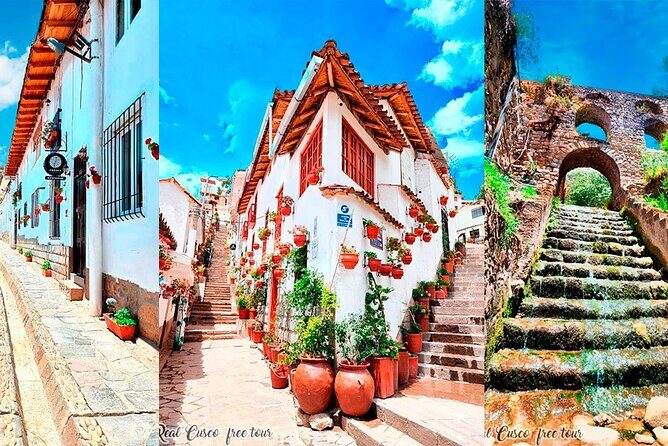
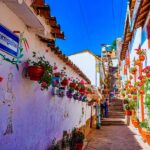
After San Blas, you’ll move to Siete Borrequitos Street for about 15 minutes. This is one of those Cusco streets that feels atmospheric—traditional architecture, a sense of history in the way the alley bends, and opportunities to spot small artisanal details.
This stop is shorter, but it adds flavor. It keeps the walk from becoming only “big sights.” It also helps you slow down for a moment. Cusco’s older lanes reward careful steps, not sprinting.
If you’re hoping to browse shops, keep your plan simple. You don’t want to get separated while everyone shifts locations. It’s best to treat this as a look-and-feel moment, then circle back on your own later if something catches your eye.
You can also read our reviews of more historical tours in Cusco

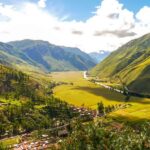
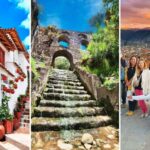
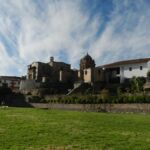
San Cristobal Plaza viewpoint and Pisco sour: the grand finish
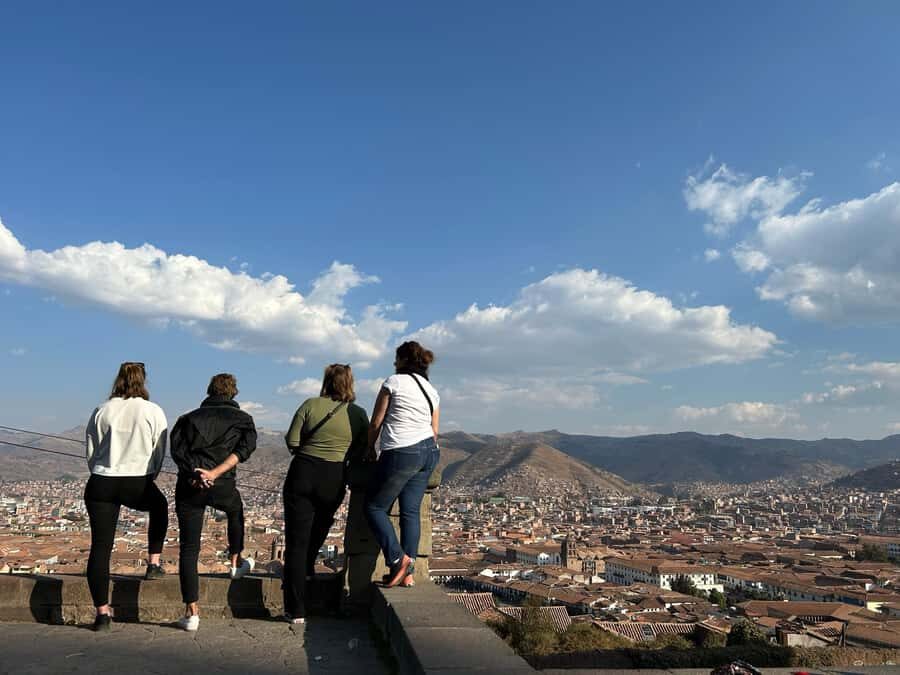
Finally, the tour climbs to San Cristobal Plaza and the viewpoint. This segment takes about 30 minutes, and it’s the moment the tour makes sense. The panoramic views of Cusco are the reward for the walk, and they also help you understand where everything sits in relation to everything else.
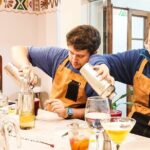
This is also where the Pisco sour enters the story. You’ll get a taste of Pisco sour on the way as part of the experience. And if you don’t want alcohol, there’s a non-alcoholic option instead.
A smart way to do this: take a slow sip, then look around. Cusco is easier to grasp when you can see how the streets and neighborhoods spill out from the center. The drink doesn’t replace the view—it pairs with it.
One more practical note: your energy might be lower here if you start the walk fast. Pace yourself in the earlier stops so you can actually enjoy the viewpoint.
Price and value: $14 for a guided story and a local drink
At $14 per person, this tour is priced like a “quick education” rather than a full-day production. And what makes the price feel fair is what’s included: a professional tour guide, a Pisco sour (or non-alcoholic option), and a complimentary souvenir llama keychain.
Also, the tour is structured around a lot of walking through places you can’t fully appreciate without context. Even when you could technically visit the same areas yourself, you’d miss the guidance that ties plazas, streets, and music together.
That said, pay attention to the small risk areas. A few people reported not getting what was promised—like the drink part or the keychain—or experiencing an earlier end time. Those aren’t universal experiences, but they’re enough to make you wise. If you book, show up with realistic expectations and be flexible.
Group size, pace, and your calf budget
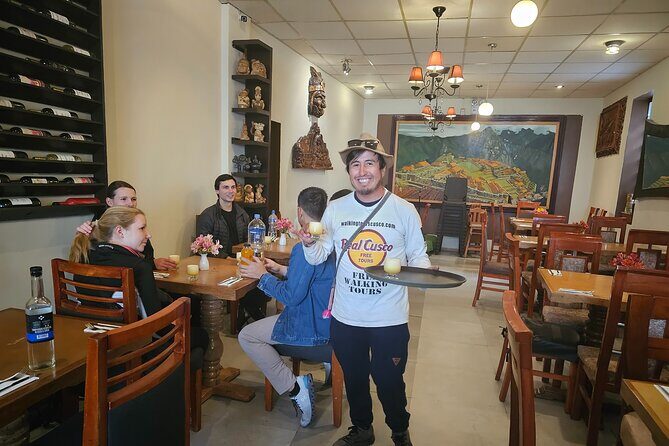
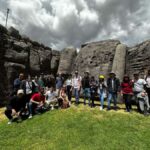
The tour is listed for a maximum of 10 travelers. In practice, group size can affect the feel of the whole walk—smaller groups move faster, feel calmer, and get more time for questions.
You should also plan for walking uphill. Multiple guides have led this as a comfortable 2-hour stroll, but the viewpoint climb means your legs will feel it. If you’re arriving from a high-altitude adjustment day, take it slow. Cusco altitude is real, and the best tour is the one you can enjoy without rushing your breathing.
Want a simple strategy? Bring water, wear supportive shoes, and keep an eye on your pace in the middle stretch through San Blas.
What’s included and what you should bring
Here’s what you can count on: a guide, the drink choice (Pisco sour or non-alcoholic), and the llama keychain. Most places you visit along the route won’t require extra ticket fees in this experience, since the itinerary lists admission tickets as free.
What’s not included: bottled water. So do yourself a favor and bring a bottle you can sip as you walk. Cusco can make you thirsty faster than you expect.
Also: the tour allows service animals, and it’s described as near public transportation. In other words, you’re not stuck in the middle of nowhere if you need to adjust your plan.
Who should book this Cusco walk (and who might not)
This is a great choice if you want a first-day-to-day-one Cusco orientation. It hits the classic center—Plaza de Armas—then follows with street-level exploration in Hatunrumiyoc and San Blas, ending with a viewpoint and a drink.
It’s also a good pick if you care about culture beyond statues. The luthier stop is the difference-maker for people who like learning how local traditions work in real life.
I’d be more cautious if you’re booking with tight timing. A couple of people reported the tour ending earlier than the listed window. If you’re trying to catch a very specific next activity, build a little buffer.
Should you book this Cusco Historic Walking Tour?
I’d book it if you want an affordable, guide-led Cusco intro with a real finish at San Cristobal Plaza. The combination of plazas, cobbled neighborhoods, a luthier music stop, and a Pisco sour taste makes it feel like a curated walk, not just sightseeing.
I’d also book it with two smart mindsets:
- Expect walking and some uphill work, even if the guide keeps the pace easy.
- Treat the drink and souvenir as part of the experience you’ll likely receive, but stay calm if anything feels off on the day.
If you get a guide who connects the dots—like names you might run into such as Nillo, Eric, Alcie, Ernesto, Kevin, or Pauld—you’ll leave with Cusco making more sense.
If you want to learn the city fast, this is one of the best $14 options on the blocks.
FAQ
How long is the Cusco historic walking tour?
The tour runs about 2 to 3 hours.
How much does the tour cost?
It costs $14.00 per person.
Where do I meet for the tour?
You start at the Inca statue in Plaza Mayor de, Cusco 08002, Peru.
What’s included in the price?
A professional tour guide, Pisco sour (or a non-alcoholic option), and a complimentary llama keychain.
Is there a non-alcoholic option instead of Pisco sour?
Yes. You can choose a non-alcoholic option.
Is bottled water included?
No. Bottled water is not included.
What’s the maximum group size?
The tour has a maximum of 10 travelers.
Can most people participate?
The activity notes that most travelers can participate.
Can I cancel and get a full refund?
Yes. You can cancel up to 24 hours in advance for a full refund. If you cancel within 24 hours of the start time, no refund is provided.