REVIEW · CUSCO
Cusco: Historic Walking Tour with Pisco Sour and Music Show
Book on GetYourGuide →Operated by Real Cusco Walking tour · Bookable on GetYourGuide
Cusco tells stories on foot. This 2-hour walk turns key sites like Qoricancha and the Cathedral into a simple route you can actually remember, then finishes with a proper taste of Peru: pisco sour or chicha morada. I also like the extra texture the guide adds as you pass local legends and oddball details like the 12 and 13 angled stones. One possible drawback: the Andean music stop is included, but if the venue is closed, you’ll need to roll with a guide swap and take what’s available.
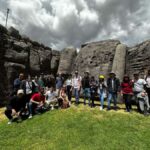
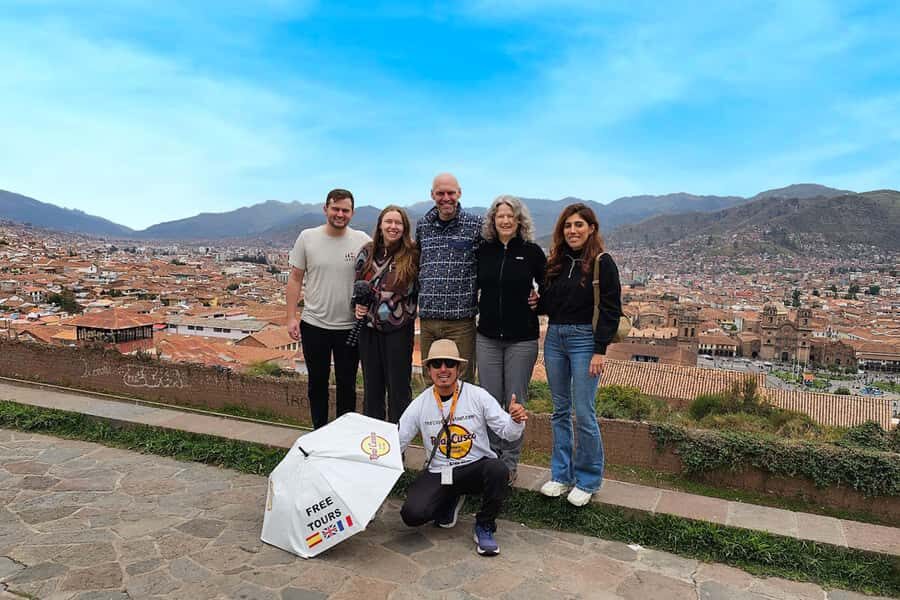
I like that this is a small group capped at 10 people, so questions don’t disappear into the crowd. Meeting point is easy too: next to the Inca Fountain in Plaza de Armas, where your guide holds a white umbrella.
If you’re lucky enough to get guides like Erick, Nilo, or Niki, you’ll likely feel the tour has real momentum and not just memorized facts.
In This Review
- Key things I’d plan around
- Where the tour starts in Plaza de Armas (and why it matters)
- Cathedral, Cathedral views, and the sweep of Cusco’s center
- Qoricancha and the “Inca art you can point to”
- How San Blas fits the story (not just the views)
- The luthier workshop: why an instrument maker belongs on a history walk
- 7 Borreguitos Street photos and the Manco Capac stop
- Pisco sour or chicha morada: the ending that makes sense
- Price and logistics: is $10 good value?
- Who this Cusco walk is best for
- Should you book this Cusco walking tour?
- FAQ
- Where do I meet the guide?
- How long is the tour?
- What languages are offered?
- What’s included with the price?
- Do I need to pay extra for museums?
- What do I get to drink at the end?
- Is the tour suitable for wheelchair users or people with mobility impairments?
- What’s the cancellation and payment flexibility?
Key things I’d plan around
- Small group of 10 or fewer keeps the pace friendly and makes it easier to ask questions.
- Plaza de Armas start means you get oriented right away, before you climb into the neighborhood lanes.
- Qoricancha plus symbolism: you’ll see the Sun Temple and learn what Inca art like the condor, puma, and snake refers to.
- San Blas and 7 Borreguitos Street give you the Cusco “postcard” moments without wasting time.
- Pisco sour or chicha morada is built-in, including a non-alcoholic option.
Where the tour starts in Plaza de Armas (and why it matters)
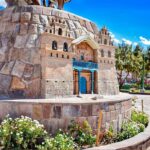
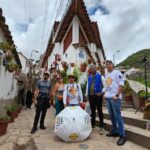
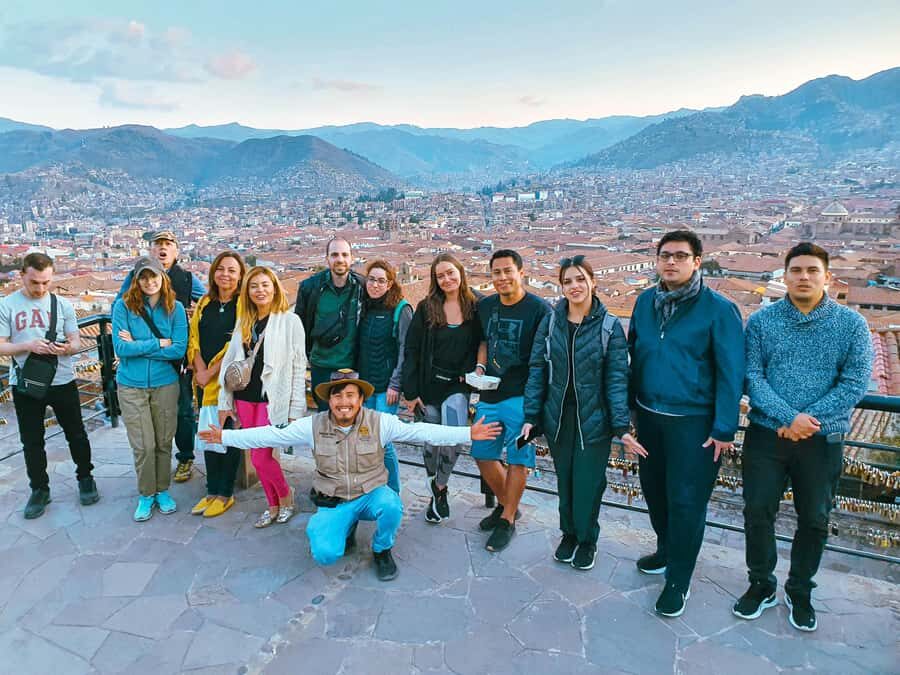
You meet next to the Inca Fountain in the Plaza de Armas. Your guide is holding a white umbrella, which makes the start point easy to spot even if the square is busy.
Why I like this start: you begin with Cusco’s main hub, not a random side street. In two hours, that matters. It means you’re learning the layout of the city center while everything is still fresh in your head.
The tour also moves at a pace that works for most people who can handle a walking itinerary. Just note it is not suitable for wheelchair users and it isn’t listed for mobility impairments.
You can also read our reviews of more walking tours in Cusco

Cathedral, Cathedral views, and the sweep of Cusco’s center
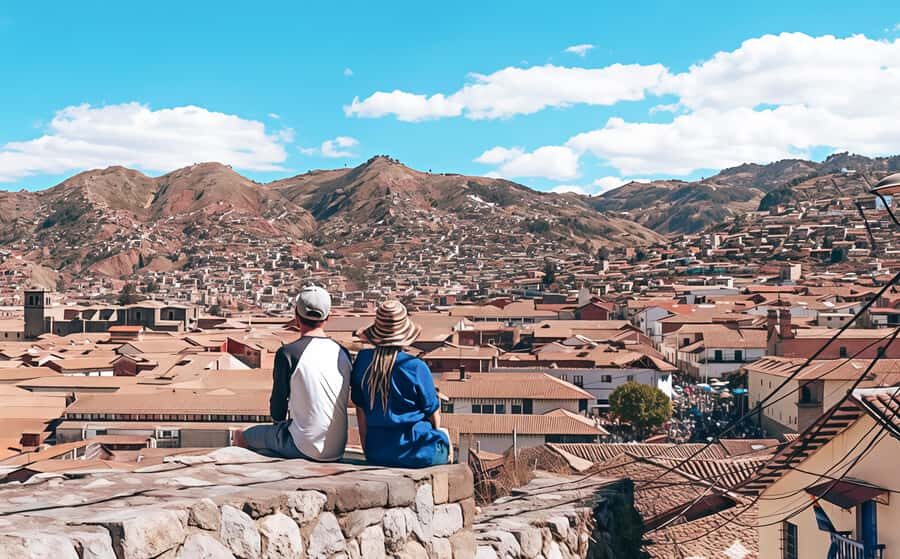
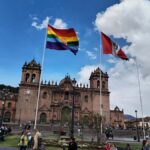
From the plaza, you’ll see major landmarks close together, starting with the Cusco Main Square and the Cathedral. This part is about context: the guide connects what you’re looking at to who built Cusco, and how Spanish influence shaped what you see today.
You’ll also stop by the Company of Jesus. It’s one of those locations that can look like just another church exterior until someone points out why it’s important in the Cusco story.
The best way to enjoy this segment is to look up as you walk. Cusco has visual surprises at street height, balcony height, and doorway height. That’s exactly what the route encourages.
Qoricancha and the “Inca art you can point to”
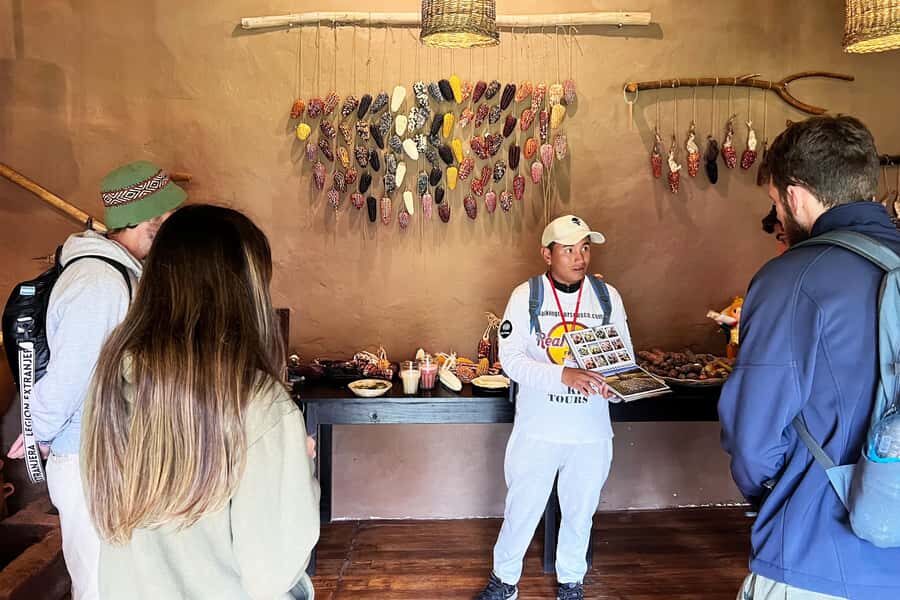
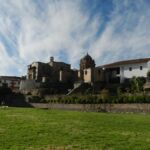
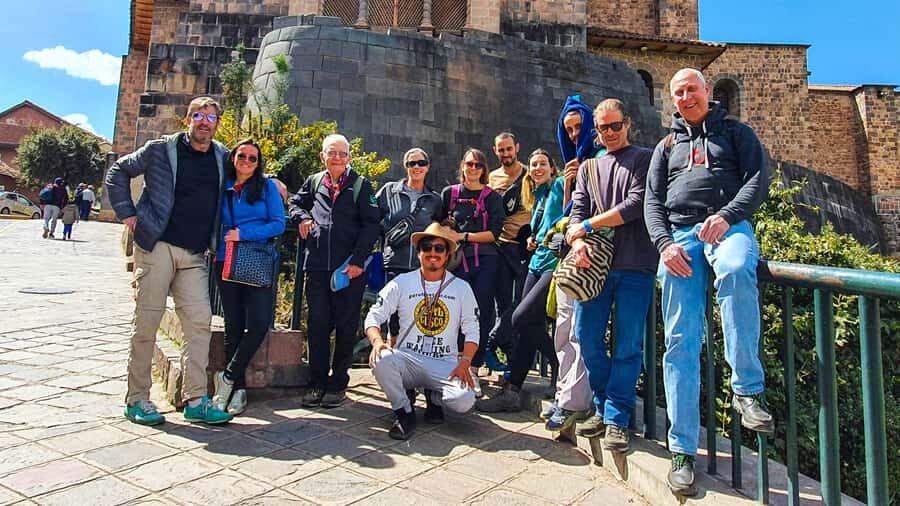
Next comes the Qoricancha, also called the Sun Temple. This stop is a big deal because it gives you a direct line to the Inca foundation beneath Cusco’s later layers.
You’ll also learn about the area through specific visual details rather than vague background. The tour highlights the Andean Trilogy—the silhouettes of the condor, puma, and snake carved into an Inca wall. Even if you don’t remember every interpretation afterward, you can still point at the imagery you were shown.
A couple of other classic Cusco details appear during this walk:
- the city’s most beautiful balcony (as the tour calls it)
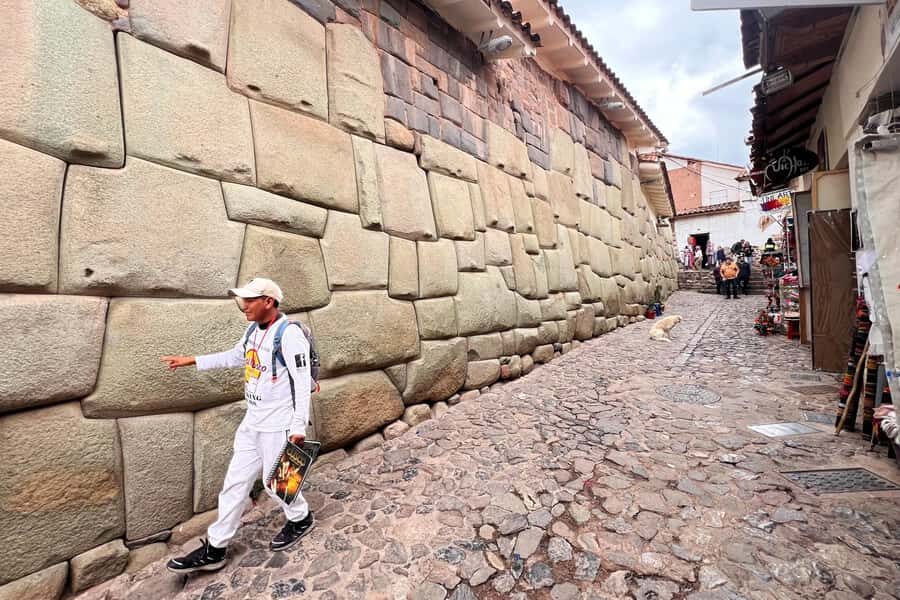
- the legendary 12 and 13 angled stones
The angled stones are the kind of stop that makes people go silent and then start asking questions. You’ll get the explanation as part of the route, which helps you see why the stones were placed the way they were.
How San Blas fits the story (not just the views)
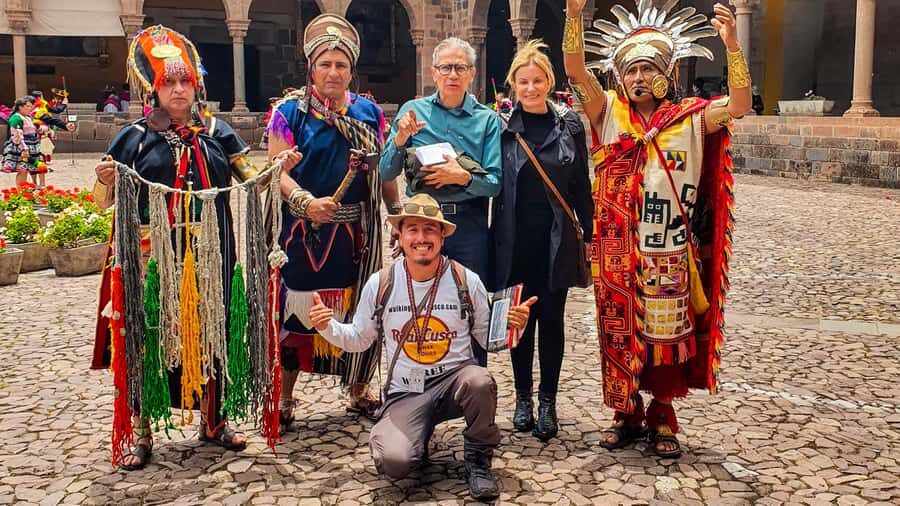
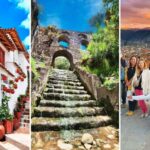
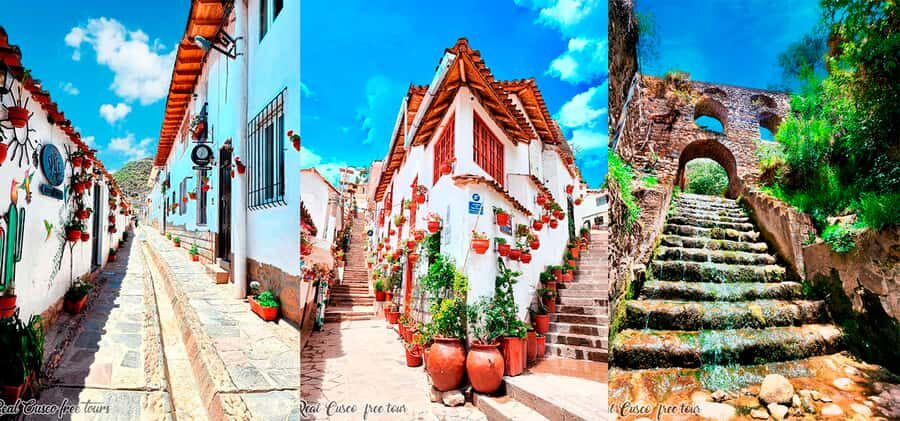
After you’ve covered the heavy hitters near the center, the route shifts to the San Blas neighborhood. The point here isn’t only photos. It’s how you move from monuments into the older-feeling streets where daily life happens.
San Blas is charming in a way that’s easy to understand on foot. You’ll stroll through its picturesque streets and pick up local rhythms as the guide keeps the history coming.
This is also where Cusco begins to feel more personal. Instead of bouncing from one landmark to the next, you’re walking through the texture of the city.
The tour also includes views from a viewpoint along the way. That helps break the walking into smaller chunks, so you’re not just staring at stone for two hours straight.
The luthier workshop: why an instrument maker belongs on a history walk
One of the smartest inclusions is the visit to a skilled luthier’s workshop. A luthier is an instrument maker, and this stop turns “Andean music” from a concept into something physical you can see.
Here’s what to look for: how craftsmanship relates to culture. If you care about history, you know that music and identity survive in the hands of people who build the instruments and keep the tradition moving.
From there, you’ll watch an Andean music show. This is part of the plan, and it’s one of the tour’s most memorable moments because it changes the whole tone of the evening from walking and looking into listening.
One practical consideration: the music vendor may be closed at times. If that happens, your guide can recommend an alternative local dance show after the tour, so you still end up with performance time instead of just a letdown.
You can also read our reviews of more historical tours in Cusco
7 Borreguitos Street photos and the Manco Capac stop
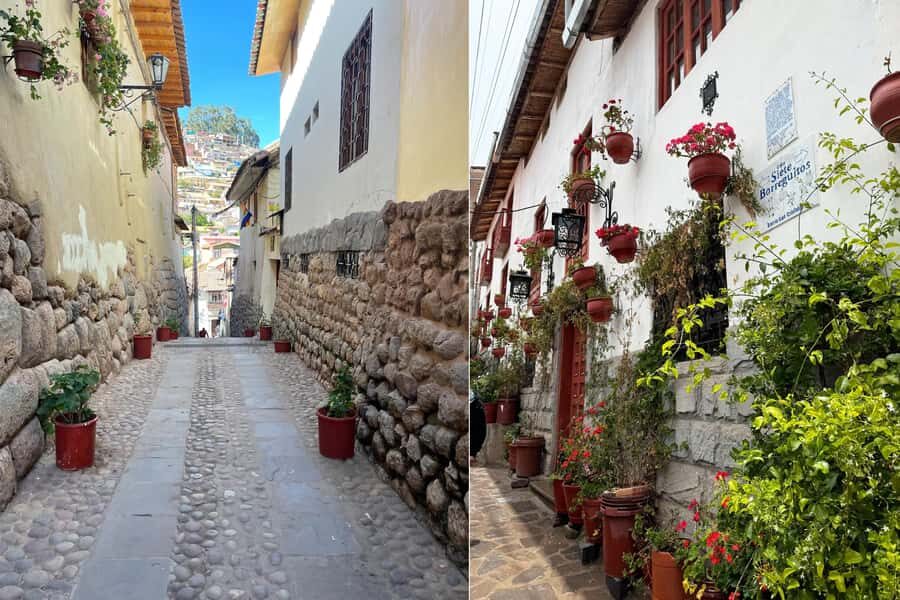
You’ll hit 7 Borreguitos Street next. It’s renowned as the most picturesque street in the city, and it’s exactly the kind of short stop that feels worth it because the street is instantly photogenic.
Then you’ll visit the Temple of the First Inca Ruler, Manco Capac. This is where the walk snaps back to the Inca thread one more time. If you’ve been trying to connect the symbols, the stones, and the major sites into one storyline, this final temple stop helps tie that together.
The route design matters here. You don’t just end on another street corner. You finish with a site that fits the tour’s overall theme: Cusco as a place where the past is visibly layered into the present.
Pisco sour or chicha morada: the ending that makes sense
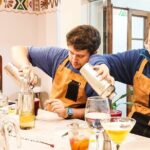
The tour finishes with a drink tasting. You can choose either a pisco sour, Peru’s national drink, or a non-alcoholic drink called chicha morada.
I like that the choice is offered at the end, not as a confusing decision at the start. It also keeps the tour social. Even if you’re not a pisco person, chicha morada is a great option and keeps the experience very Peruvian without requiring alcohol.
The tasting is included, and it’s a natural cooldown after all the walking. If you’ve just arrived in Cusco, it’s also a simple way to start learning what local flavors actually taste like.
Price and logistics: is $10 good value?
At $10 per person for a 2-hour guided walk with bilingual support, plus an included luthier workshop and a drink, this is strong value. The price isn’t just for walking past buildings—it’s for guided interpretation and a couple of concrete extras you can’t easily replicate on your own without planning.
A few details that make the cost feel justified:
- Small group max 10: less chaos, more attention from the guide.
- Included workshop and music show: you’re not paying separately for the cultural part of the evening.
- Included drink: pisco sour or chicha morada brings closure to the route.
Do keep expectations realistic about museums. Museum entry is not included, and the tour is designed around landmarks that don’t require extra ticketing.
Also, be aware the tour isn’t for everyone. If mobility is an issue or hearing is limited, this one may not match your needs based on the listed unsuitability.
Who this Cusco walk is best for
This tour makes sense if you want a guided route that covers the Cusco core in a manageable timeframe. It’s also a good fit when you like history that points to things you can see: the Qoricancha, symbolic carvings, angled stones, and specific streets.
You’ll probably enjoy it most if you:
- want an orientation to central Cusco
- like mixing monuments with neighborhood strolling in San Blas
- enjoy culture that includes music, not just sight-seeing
If you prefer heavy museum time, you might find two hours a bit short. But if your goal is to understand what you’re seeing and leave with clear mental landmarks, this is a practical choice.
Should you book this Cusco walking tour?
Yes, I’d book it if you want an easy-to-follow Cusco circuit with both major sites and the kind of local details that make a city feel like more than a checklist. The combination of Qoricancha, symbolic Inca art, San Blas walking, a luthier workshop, an Andean music show, and the included pisco sour or chicha morada ending is a well-rounded package for two hours.
I’d skip it only if you have mobility or hearing limitations, or if you know you can’t handle walking without support. And if you’re the type who needs the music performance to be guaranteed no matter what, keep one flexible mindset: it’s included, but venue changes can happen.
With an average rating around 4.6 from 65 reviews, this tour clearly hits its target for many people who want a guided Cusco start that doesn’t drag.
FAQ
Where do I meet the guide?
Meet next to the Inca Fountain in the Plaza de Armas. The guide will be holding a white umbrella.
How long is the tour?
The tour lasts 2 hours.
What languages are offered?
The tour is available in English and Spanish. For a French guided tour, there is a requirement of a minimum of four customers to proceed.
What’s included with the price?
You get a bilingual tour guide, a visit to a luthier’s workshop, and your drink tasting at the end (pisco sour or a non-alcoholic drink).
Do I need to pay extra for museums?
Museum entry is not included. The tour notes that museum entry is optional.
What do I get to drink at the end?
You can choose a pisco sour or chicha morada. Chicha morada is the non-alcoholic option.
Is the tour suitable for wheelchair users or people with mobility impairments?
No. It is not suitable for wheelchair users or people with mobility impairments. It’s also not listed as suitable for babies under 1 year or people over 95 years, and it’s not suitable for hearing-impaired people.
What’s the cancellation and payment flexibility?
You can cancel up to 24 hours in advance for a full refund. You can also reserve now and pay later, meaning you pay nothing today.