REVIEW · CUSCO
4 Days Multi-Day Tour in Inca Trail Jungle
Book on Viator →Operated by Machu Picchu Holiday Tours · Bookable on Viator
Four days of jungle legs, then Machu Picchu. I love the jungle adventure mix—downhill biking, rafting, zipline—paired with a guided walk at the ruins, and I like the small group size (up to 10) that keeps questions flowing. The trade-off is a lot of physical work, plus a 6:00 am start that might feel early on day one.
My strongest takeaway is how guides like Ebert and Eder focus on safety and pace; slow walkers get room to keep going without feeling pushed. You’ll also travel through big altitude swings, from a high Andean pass down toward the Urubamba River, so taking the schedule seriously pays off.
In This Review
- Key highlights you’ll feel fast
- The Cusco-to-Machu Picchu plan that mixes adrenaline and ruins
- Day 1: Abra Málaga biking, the Santa María drop, and Urubamba rafting
- Day 2: Jungle Camino Inka, Cocalmayo hot springs, and Santa Teresa recovery
- Day 3: Zipline, Hidroeléctrica, and walking the train tracks toward Aguas Calientes
- Day 4: Early rise to Machu Picchu, 3-hour guided ruins, then train back
- Guides, safety, and why a group of up to 10 feels different
- Food and sleep: what’s included (and what you still need to budget)
- Price and value: what $470 covers in real terms
- What to watch for: altitude swings and a hike-heavy day plan
- Should you book the Inca Jungle route to Machu Picchu?
- FAQ
- Where do we meet and what time does the tour start?
- How many days is the tour?
- Is Machu Picchu entrance included?
- What activities are included besides the hike?
- What meals are included?
- What is not included that I should budget for?
- Can I get a refund or change dates?
Key highlights you’ll feel fast
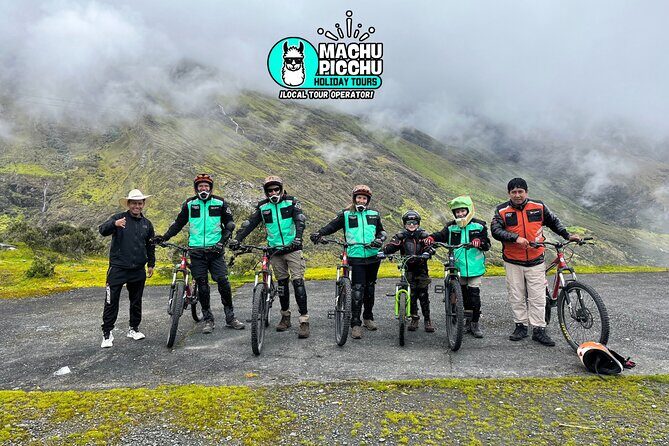
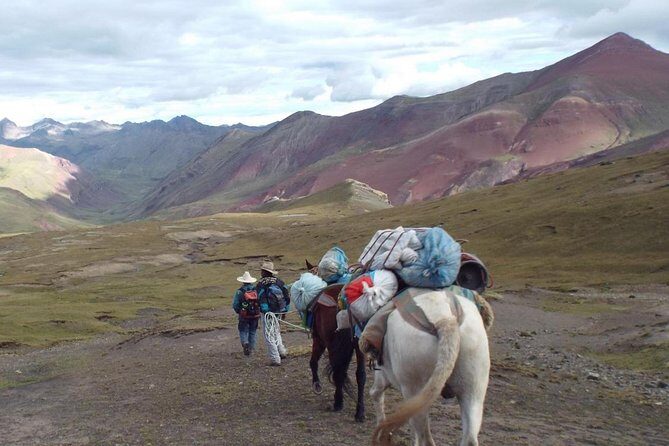
- Downhill mountain biking from Abra Málaga (4,316 m / 14,160 ft) before you even reach the jungle
- 55 km descent to Santa María (down to 1,430 m / 4,692 ft) with views that change by the minute
- Urubamba River whitewater rafting followed by a night in the jungle near Santa María
- Camino Inka + coffee tour vibes + Cocalmayo hot springs on day two, so muscles get a break
- Zipline, Hidroeléctrica, and walking the train tracks toward Aguas Calientes
- A guided 3-hour Machu Picchu visit (entrance included), then a train ride back to Ollantaytambo
The Cusco-to-Machu Picchu plan that mixes adrenaline and ruins
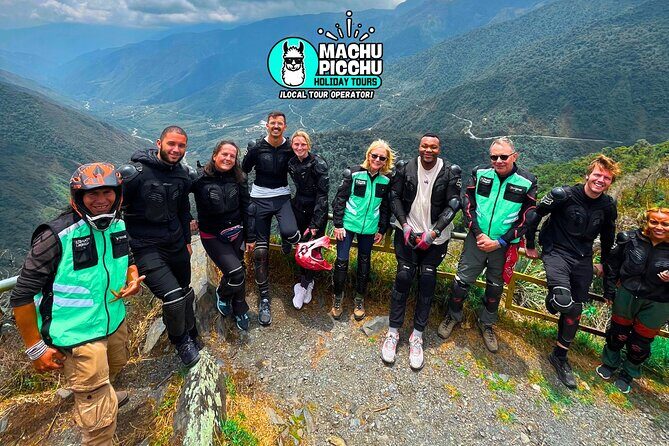
This route is built for people who like variety. Instead of doing only trekking, you bounce between active days and recovery time, then land on Machu Picchu with the payoff of a guided visit.
The practical idea is simple: you start in Cusco at early morning hours, hit high altitude quickly, then spend the next days working your way down into warmer, jungle-like zones before turning around again for Machu Picchu. That rhythm is part of the value. It keeps the trip from feeling repetitive, and it gives you different ways to experience the region—river power, cloud-forest hiking, and finally the Inca city.
One more practical note: this is a 4-day plan with a lot of steps. It’s not a sit-and-watch tour. If you’re strong physically, you’ll probably feel like you’re getting your money’s worth. If you’re average on fitness, you’ll want to be honest with yourself about what slow-and-steady means on trails.
You can also read our reviews of more tours and experiences in Cusco

Day 1: Abra Málaga biking, the Santa María drop, and Urubamba rafting
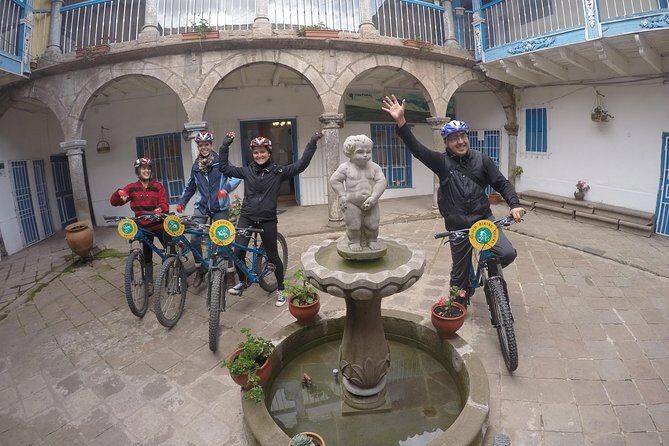
Day one starts with an altitude shock and an instant adrenaline hit. You leave Cusco early and head to Abra Málaga (4,316 m / 14,160 ft), where the program begins with about 2 hours of downhill mountain biking. That’s a serious warm-up—your body adjusts, your legs wake up, and your mind gets excited before lunch.
After biking, you have a short lunch break (about 30 minutes), then the day turns into a big change of scenery. You descend through roughly 55 km of winding roads toward Santa María, where you drop to about 1,430 m / 4,692 ft. The height change matters because it affects how you feel: air gets lighter on the high side, then warmer as you go down. The payoff is scenery that shifts quickly, so it doesn’t feel like you’re just traveling.
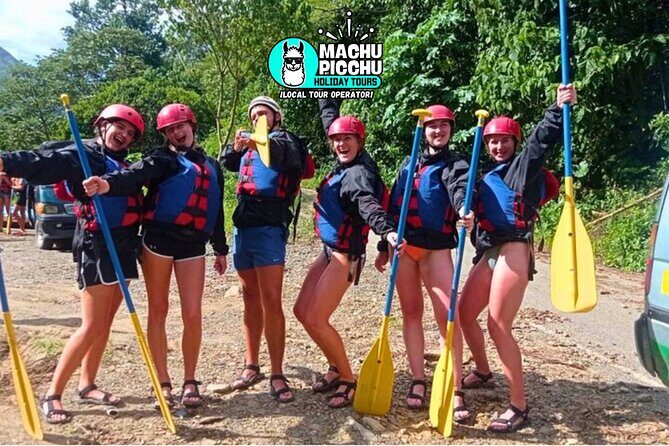
Then comes the river day. Once you reach the lower area near Santa María, you gear up for whitewater rafting on the Urubamba River. The point here isn’t just rafting for fun—it’s rafting in a dramatic setting, with mountain and jungle surroundings surrounding you while you handle the rapids. For many people, this is the day activity that feels most “real Peru,” because the river is forceful and the environment looks untamed.
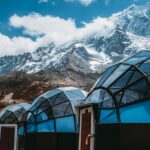
Night one is in Santa María jungle accommodations, and that matters for recovery. You’re not driving long distances late into the evening; you’re sleeping where the next day begins.
Potential drawback on day one: the altitude + early morning + action-packed schedule can feel like a lot if you’re sensitive to heights. If that’s you, take things slowly after the pass and drink water steadily.
Day 2: Jungle Camino Inka, Cocalmayo hot springs, and Santa Teresa recovery
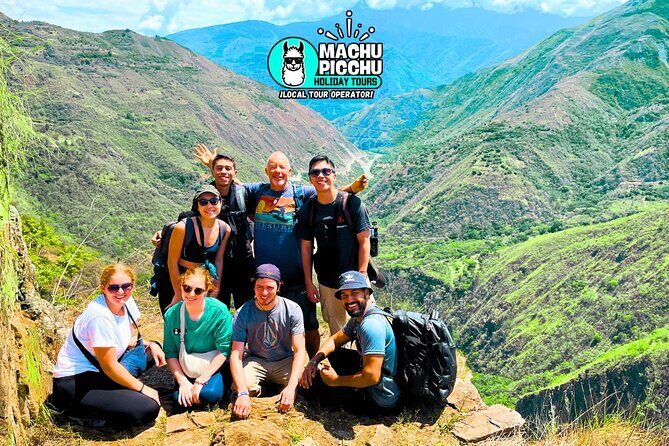
Day two is about switching gears from adrenaline to steady hiking and muscle care. The route runs Santa María – Cocalmayo Hot Springs – Santa Teresa and includes a 7 to 8 hour hike through jungle areas, described with Camino Inka + coffee tour time built in.
The reason this day works well is pacing. You still have a long hiking block, but you’re not doing high-intensity stunts back-to-back. You’re moving through jungle conditions, learning along the way, then getting the reward at the end: hot springs near Santa Teresa (Cocalmayo Hot Springs).
At Cocalmayo, you spend about 3 hours soaking in the thermal waters. Entrance to the hot springs is listed as not included, so you’ll want to plan for that cost. Still, the structure is smart: you hike all day, then your muscles get a chance to recover before you jump into more adventure activity the next morning.
Meals are handled for you on this day: breakfast, lunch, and dinner are included in the day-two portion. That helps on a day where you don’t want to worry about finding food during hiking hours.
You end in Santa Teresa (town) for the night. This matters because it sets up day three well. Santa Teresa is where you start shifting toward the Machu Picchu access route.
Day 3: Zipline, Hidroeléctrica, and walking the train tracks toward Aguas Calientes
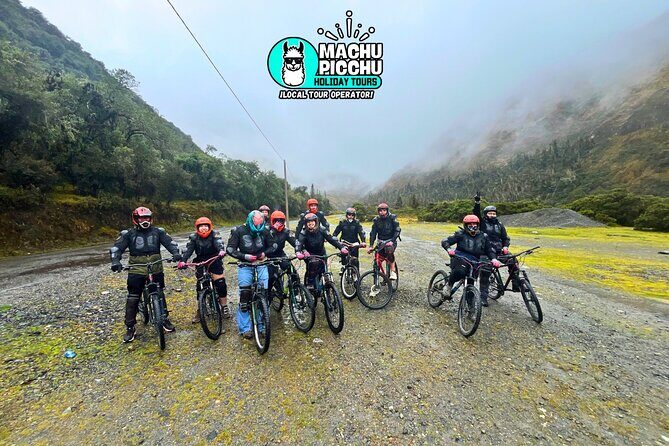
Day three adds one more “wow” activity, then builds anticipation for Machu Picchu.
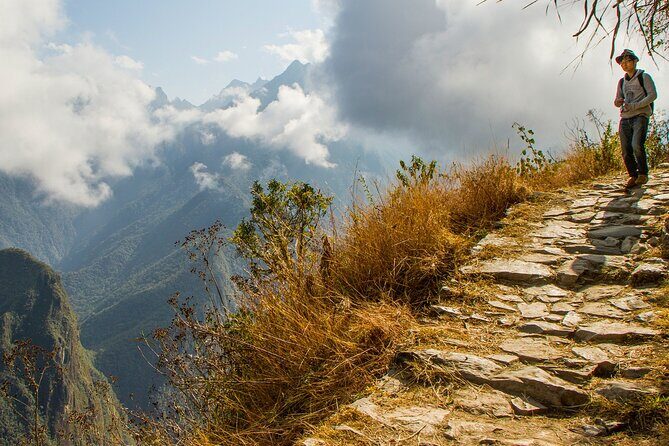
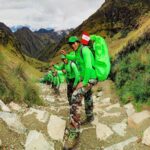
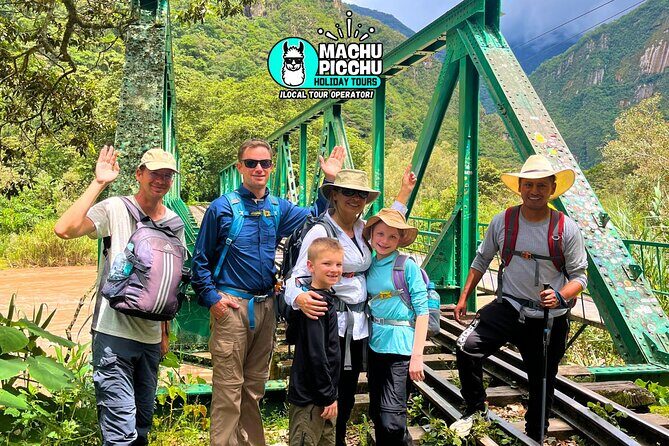
You begin with zipline activity as you head out from Santa Teresa toward Hidroelectrica. After that, the plan is mostly on foot. You arrive at Hidroelectrica and start hiking, with the key detail being that you follow a path parallel to the train tracks while the region opens up visually.
Along this part of the journey, you get mountain views tied closely to Machu Picchu’s zone—misty cloud-forest feel gets mentioned, and you also get a sense of the nearby peaks like Machu Picchu and Huayna Picchu from the trail approach.
When you reach Hidroelectrica, there’s a decision point: you can continue on foot or take the train for the final stretch to Aguas Calientes. If you choose to walk the tracks segment, you trade comfort for a more gradual approach and a closer feel for the route terrain.
That choice is where you’ll notice the tour style. It doesn’t just toss you around; it gives you options that affect your experience. For many people, the track walk is the best kind of quiet excitement—still moving, still noticing, and already mentally arriving.
Day 4: Early rise to Machu Picchu, 3-hour guided ruins, then train back
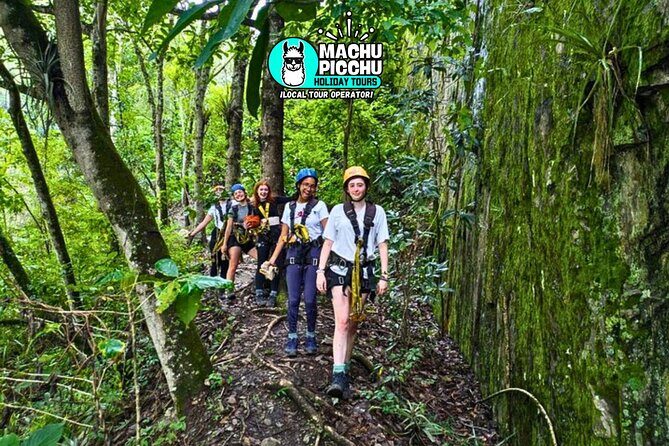
Day four starts early in Aguas Calientes. You have breakfast, then you move into the final approach: about 2 hours of ascent toward Machu Picchu.
This timing is important because it sets the tone. The morning push is physical, but it’s also when your day feels most focused: the destination is in front of you, not off in the distance.
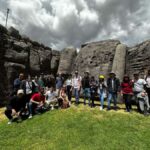
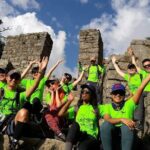
At Machu Picchu, you get the heart of the tour: entrance is included, and you have a 3-hour guided visit at the ruins. The guide is there to explain what you’re seeing in a way that makes the site feel less like random stone and more like Inca planning and daily life. Names from guide feedback include Ebert and Eder, both mentioned for strong explanations and friendly energy.
Once the guided time ends, you return to Aguas Calientes. There’s free time in town, giving you room to wander and reset before the journey back.
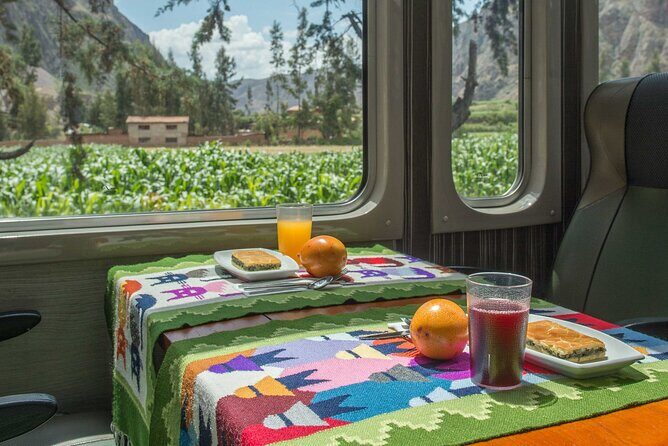
Then the logistics clock starts again—but in a simple way. From Aguas Calientes you take the train to Ollantaytambo, and a bus transfers you back to Cusco to finish at the original meeting point in the evening.
One good thing about ending this way: you don’t finish the story by hiking more hills. You get a clean transition from awe to travel comfort.
Guides, safety, and why a group of up to 10 feels different
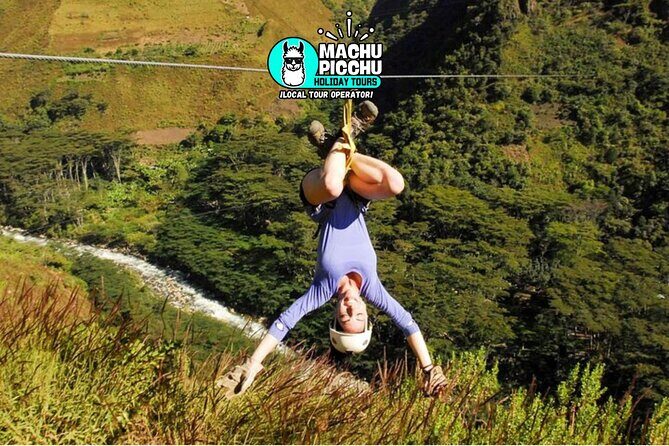
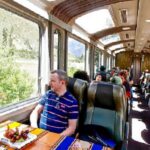
A tour can list activities, but the guide makes it work day after day—especially on a schedule packed with altitude, water, zipline, and long walking hours.
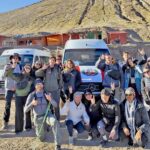
In feedback, Ebert and Eder show up with a consistent pattern: they bring lots of information about Peru and Inca culture, and they also keep the group comfortable. You’ll likely notice this in the way instructions are given in English, and in the general vibe of humor and clear communication.
Most importantly, there’s an emphasis on not rushing people. If you’re slower on trails, the tour’s style sounds like it can handle it without leaving you behind. That matters because a strict pace can turn a beautiful trek into a stressful one.
Also, the tour includes first aid and transportation, plus assistance with equipment handling during trekking. That won’t eliminate tiredness, but it reduces the small problems that can drain energy.
Food and sleep: what’s included (and what you still need to budget)
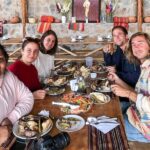
This trip includes overnight stays at designated locations along the route, plus most meals. The inclusions list shows 3 breakfasts, 3 lunches, and 3 dinners across the four days, and day two is explicitly listed with breakfast, lunch, and dinner as included.
The value of included meals is more than convenience. When you’re hiking for hours, you want predictable fueling. You don’t want to spend time hunting food between activities, especially when the schedule is tight.
On the other hand, there are exclusions you should remember:
- Hot spring entrance is not included (even though hot springs time is built into the itinerary).
- Cable car is not included.
- Bus tickets between Aguas Calientes and Machu Picchu are not included.
So while the essentials are covered, you should still plan small extra costs for the optional transport choices near the ruins zone, and for the hot springs admission if you want to use it fully.
Price and value: what $470 covers in real terms
At $470 per person for roughly 4 days, this tour is priced like an all-in adventure package. The value comes from the mix of paid activities and transport components that would cost real money if booked one by one.
Included highlights that add up:
- Bilingual guides over multiple days
- Downhill mountain biking
- Urubamba rafting
- Zipline
- Train tickets from Aguas Calientes to Ollantaytambo
- Bus from Ollantaytambo to Cusco
- Machu Picchu entrance and guided time at the ruins
- First aid and transportation
- Overnight stays
- Multiple meals
The main thing that keeps the price from feeling cheap is the effort: you’re paying for multiple activities and logistics, and you’ll work for it with long hike time and early starts.
The main reason this can still be a smart buy is the “route convenience.” You’re not piecing together biking, rafting, zipline, hot springs time, and Machu Picchu entry while also figuring out transport between zones. The tour handles the sequence so you can focus on experiencing it.
What to watch for: altitude swings and a hike-heavy day plan
This is where I’d be most honest with you.
You start at Abra Málaga, 4,316 m / 14,160 ft, then drop later to around 1,430 m / 4,692 ft on day one. That change can make you feel different quickly. Also, day two includes 7 to 8 hours of hiking, and day four includes a 2-hour ascent to Machu Picchu.
So the trip really fits a strong physical baseline. The tour specifically states travelers should have a strong physical fitness level.
Practical advice from the structure:
- Take day one seriously. Don’t treat the first day as easy sightseeing.
- For day two, expect you’ll need enough energy management to enjoy the hot springs at the end. If you go too hard early, soaking will feel less effective.
- For day four, sleep matters. The early wake-up routine is part of the schedule.
Also plan for excluded add-ons:
- If you’re thinking about cable car or specific buses around Machu Picchu, those costs aren’t included.
- Hot springs entrance needs extra budgeting.
Should you book the Inca Jungle route to Machu Picchu?
Book it if you want Machu Picchu, but you also want the journey to feel like an adventure—biking, rafting, zipline, jungle hiking, and hot springs time—all in one connected route. The small group size (up to 10 people), bilingual guides, and the focus on pacing and comfort for slower walkers are major pluses.
Skip (or choose a different style of trip) if you prefer easy days. This one is heavy on walking and it starts early. It’s best for active people who can handle altitude and a packed schedule without needing lots of downtime between activities.
If you do book, read the exclusions and budget for the hot springs entrance, cable car, and bus tickets around Machu Picchu. And keep in mind that this experience is listed as non-refundable and cannot be changed, so it’s smart to commit only when your dates are solid.
FAQ
Where do we meet and what time does the tour start?
You start at Plaza de Armas de Cusco (Del Medio 123, Cusco 08000, Peru). The start time is 6:00 am.
How many days is the tour?
The tour is 4 days (approximately).
Is Machu Picchu entrance included?
Yes. Entrance Tickets to Machu Picchu are included, along with a guided visit of about 3 hours at the ruins.
What activities are included besides the hike?
Included activities listed are downhill mountain biking, whitewater rafting, and zipline.
What meals are included?
The tour includes most meals, with 3 breakfasts, 3 lunches, and 3 dinners listed as included.
What is not included that I should budget for?
Not included items are hot spring entrance, cable car, and bus tickets between Aguas Calientes and Machu Picchu (and back).
Can I get a refund or change dates?
No. The experience is non-refundable and cannot be changed for any reason.