REVIEW · CUSCO
Cusco: Half-Day City Tour & 4 Archaeological Ruins
Book on GetYourGuide →Operated by sayariq travel · Bookable on GetYourGuide
Cusco packs a lot into six hours. This tour strings together Inca and colonial Cusco in a tight route: Qoricancha for sun worship, Sacsayhuamán for massive stone walls, then Qenqo and the water temples. I especially like the bilingual guide (English/Spanish), plus the way the views from Sacsayhuamán make the whole day feel bigger than the drive times.
The only real caution: plan on extra costs for admissions and the partial tourist ticket, and expect some walking and sun. Bring good shoes and a hat, because the route mixes viewpoints, rock steps, and outdoor breaks.
In This Review
- Key points at a glance
- How This Six-Hour Loop Shows Cusco in Small Steps
- Qoricancha First: Temple of the Sun Meets Colonial Cusco
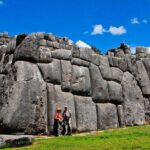
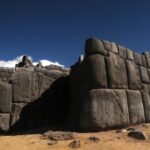
- Sacsayhuamán Fortress: Massive Walls and Panoramic Cusco
- Qenqo’s Rock-Carved Ceremony for Pachamama Offerings
- Puca Pucara and Tambomachay: Control and the Temple of Water
- Sapantiana Aqueduct: A 17th-Century Colonial Water Supply Stop
- Price and Tickets: What Your $20 Covers (and What It Doesn’t)
- Getting Picked Up, Riding the Van, and Staying Comfortable
- Who This Cusco Half-Day Tour Works Best For
- Should You Book This Cusco Half-Day City Tour?
- FAQ
- How long is the Cusco half-day city tour?
- What is included in the price?
- Do I need tickets or a tourist pass?
- Where does the tour start and end?
- Is there skip-the-ticket-line service?
- Can I cancel for a full refund?
Key points at a glance
- Qoricancha, the Temple of the Sun: see the Inca-era sacred site blended with later colonial influence
- Sacsayhuamán fortress views + 45-minute walk: big panoramic scenery over Cusco
- Qenqo for Pachamama rituals: a rock-carved ceremonial center tied to Earth Mother offerings
- Tambomachay water system focus: known as the Temple of Water, with original Inca channels still flowing
- Sapantiana Aqueduct for 17th-century engineering: a calmer, photo-friendly colonial stop
- Comfort and timing matter here: transport plus a guided plan that keeps you moving without feeling rushed
How This Six-Hour Loop Shows Cusco in Small Steps
Six hours is a sweet spot when you want multiple highlights without losing a whole day to transit and ticket lines. You’ll follow a loop that moves from sacred spaces to fortifications, then to ceremonial sites and water engineering—so Cusco feels like a system, not just a list of ruins.
The route is built around guided context. You’re not just looking at stones; you’re hearing what each place meant—sun worship at Qoricancha, offerings at Qenqo, water at Tambomachay. And between stops you get van rides with scheduled breaks, which helps when the altitude is still settling in.
This is also the kind of tour that works in either morning or afternoon (choose the timing that matches your energy). If you’re in Cusco for a short stay, you’ll appreciate how much ground you cover while staying organized.
You can also read our reviews of more city tours in Cusco
Qoricancha First: Temple of the Sun Meets Colonial Cusco
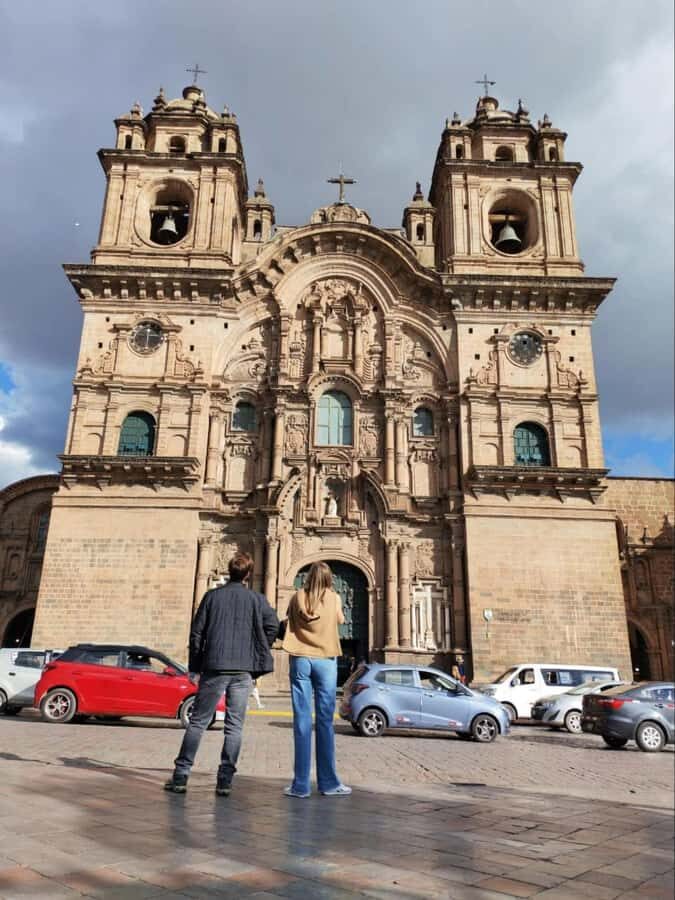
You start at Qoricancha, the ancient Temple of the Sun in Cusco. This is where the Inca worshipped the sun god, and the site is famous for the blend of Inca and later colonial elements. The guided portion is about an hour, with a photo stop early on—enough time to get your bearings and then actually understand what you’re seeing.
What I like about going here first: it sets the tone. You begin with a sacred place that explains how the Incas used space, light, and ritual. It also gives you a baseline for everything else, because later stops keep echoing the same idea: Cusco was designed for ceremony, observation, and seasonal life.
Practical note: Qoricancha admission is not included, so you’ll pay on top of the tour price. The good news is the tour includes skip-the-ticket-line, which saves time at the one place you’ll likely want to move quickly.
Sacsayhuamán Fortress: Massive Walls and Panoramic Cusco
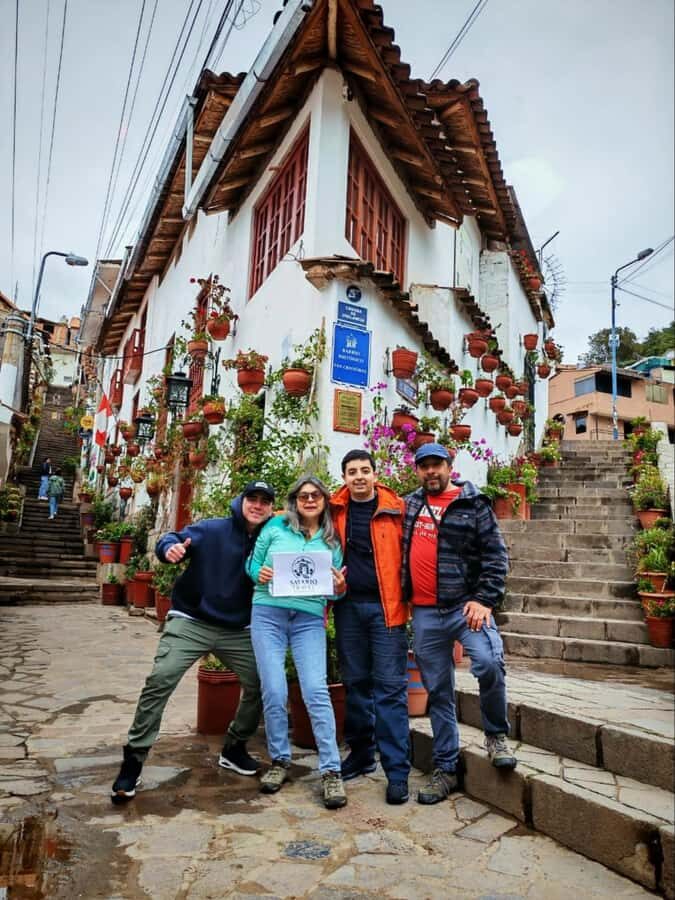
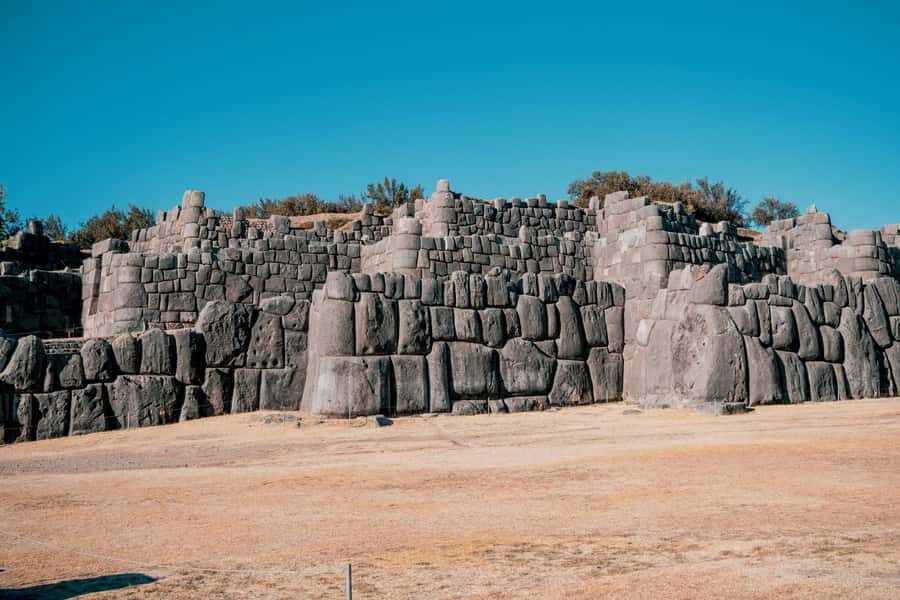
Next comes Sacsayhuamán, the imposing fortress overlooking Cusco. This is the stop that makes most people slow down. The massive stone walls are the main show, and there’s panoramic scenery over the city that you’ll want to enjoy from multiple angles.
Your schedule includes a guided visit plus free time. There’s also a walk time built in—about 45 minutes—so wear comfortable shoes and expect uneven ground. This isn’t a flat stroll, and you’ll feel it if you’re not used to Cusco’s slopes.
If you’re wondering whether this is worth it: yes, mainly because the viewpoint connects the dots. Cusco looks very different when you see it laid out below a fortress designed for control and defense. Even if you only care about photos, the structure of the visit gives you time to both learn and shoot.
Qenqo’s Rock-Carved Ceremony for Pachamama Offerings
From Sacsayhuamán you head to Q’enco, a ceremonial complex carved into rock. The focus here is the rituals associated with Pachamama, the Earth Mother. Your stop is shorter than Sacsayhuamán—about 35 minutes of guided time plus sightseeing and photo moments—but Q’enco is the kind of place where that’s enough.
Why I like Q’enco in this itinerary: it slows things down after the big fortress energy. You move from sweeping walls to something more intimate, carved into the earth itself. The ceremony theme also gives you a mental framework for other “earth and water” sites later in the tour.
One consideration: because it’s a rock-carved site, parts can feel a bit tighter and more uneven than you’d expect. Stick with the plan, pace yourself, and keep an eye on footing if you’re tired.
Puca Pucara and Tambomachay: Control and the Temple of Water
This is where the tour starts telling a more complete Cusco story.
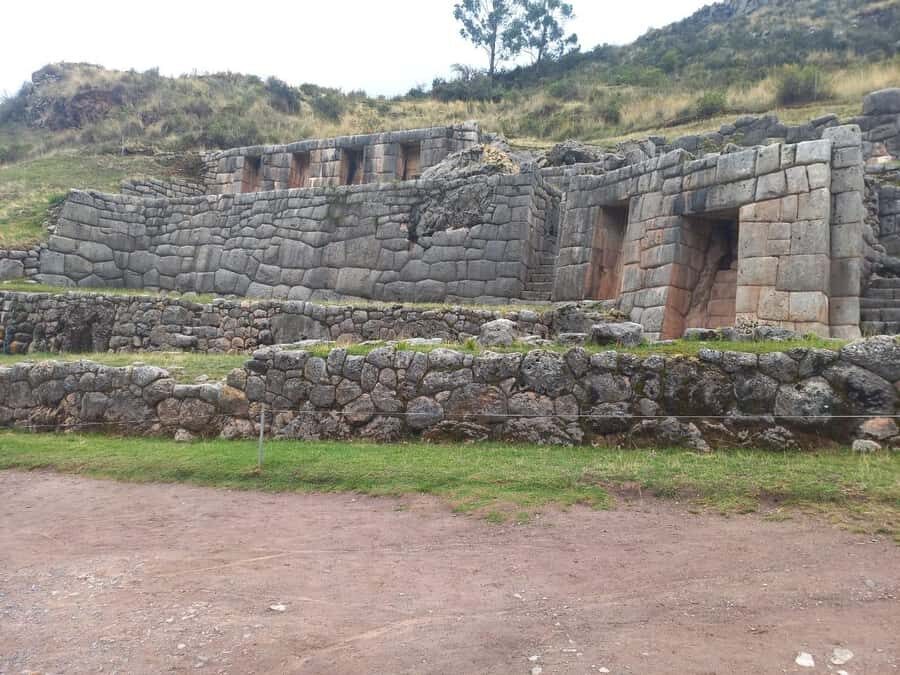
Puca Pucara is described as a military checkpoint, and it’s included as part of the route. Even without a long stop, it’s a useful contrast to the ceremonial places. It helps you understand that Incas weren’t just building religious spaces—they were also organizing land, movement, and protection.
Then you reach Tambomachay, often called the Temple of Water. The key detail here is that original Inca water channels still flow. That matters, because it turns the site from “old stones” into a living system you can actually sense.
You’ll have a guided visit and also free time for sightseeing and photos, with about 40 minutes assigned for this segment. Tambomachay is a good spot to catch your breath too—water sounds and greenery tend to make the area feel calmer than fortress walls do.
If you’re sensitive to sun exposure, plan for it. All of these stops are outdoors, and you’ll be in strong light for parts of the tour. Sunscreen and a hat aren’t optional here; they’re just smart.
You can also read our reviews of more tours and experiences in Cusco

Sapantiana Aqueduct: A 17th-Century Colonial Water Supply Stop
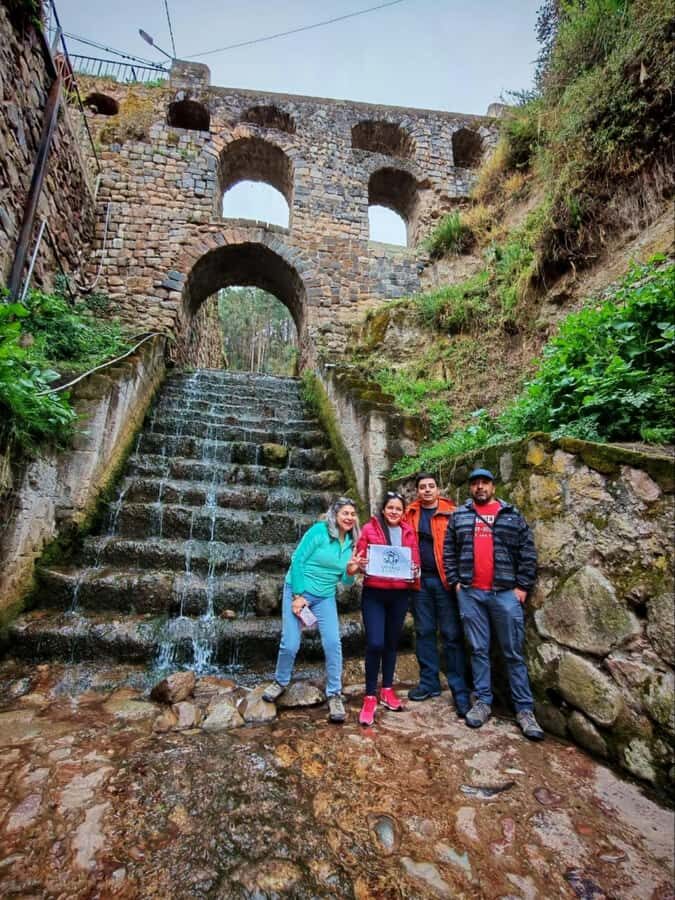
Your final major stop is Sapantiana Aqueduct, a colonial construction from the 17th century built to supply water to the city. This is one of the tour’s best “quiet moments,” with a break time, photo stop, and about 15 minutes of sightseeing at the end.
The aqueduct’s surroundings and stone arches make it an easy place to take photos without feeling like you’re fighting a crowd. It also rounds out the theme of water and infrastructure, especially after Tambomachay. You end the day with a reminder that water management was a priority across periods—not just in the Inca era.
Because this is near the end of the tour, you’ll also appreciate the lighter pace. When your legs are tired, short stops like this help you enjoy Cusco instead of just checking boxes.
Price and Tickets: What Your $20 Covers (and What It Doesn’t)
The tour price is $20 per person for a 6-hour experience, including hotel pickup from selected areas, tourist transport, and a bilingual professional guide (English/Spanish). You also get complimentary mineral water and personalized assistance, plus the benefit of skip-the-ticket-line.
Here’s the part you should budget for: the tour does not include the partial tourist ticket (S/. 70) or Qoricancha admission (S/. 20). So the true cost in practice is the tour price plus those ticket expenses.
Still, it can be good value. You’re paying for guided interpretation across multiple sites, van transport that stitches the route together, and a structured timeline that avoids wasted time. If you’d rather do things with a guide instead of piecing it together on your own, this tends to be a practical way to cover major areas efficiently.
Also, being with a guide matters in Cusco. The sites are real but scattered in meaning, and guidance helps you understand why each place exists—not just where it sits on a map.
Getting Picked Up, Riding the Van, and Staying Comfortable
Your pickup options include Centro Histórico, JW Marriott El Convento Cusco, and Hilton Garden Inn Cusco. That’s helpful if you’re staying central, since the tour is built around van transfers between stops.
The itinerary uses short van rides between areas, with breaks layered in:
- Qoricancha gets about an hour guided time
- Sacsayhuamán includes photo time, guided time, and free time, plus a walk of around 45 minutes
- Q’enco is a shorter guided/sightseeing stop
- Tambomachay includes guided time plus more free time
- Sapantiana Aqueduct is the final quick photo-and-sightseeing moment
This pacing is good if you like structure. It reduces decision fatigue, especially if you’re trying to hit a few key sights while also adjusting to altitude.
To stay comfortable, pack for outdoors and sun: comfortable shoes, sun hat, camera, and sunscreen. And keep your day flexible—heat and lighting can change your photo timing more than you expect.
Who This Cusco Half-Day Tour Works Best For
This tour fits best if you want a concentrated sampler of Cusco’s big themes: sacred sites, fortifications, ceremonial rock spaces, and water systems. It’s also a smart choice if you’re traveling solo or on a tight schedule, because hotel pickup and organized transport take the hard parts out of the day.
I’d especially recommend it if you like:
- a guided explanation (English or Spanish) rather than wandering alone
- panoramic viewpoints plus smaller ceremonial spots
- mixing major famous stops with a final colonial water-architecture finish
If you’re the type who hates walking, be aware of the Sacsayhuamán time on your feet. It’s not extreme for everyone, but it’s enough that shoes matter.
Should You Book This Cusco Half-Day City Tour?
I’d book it if you want an organized route that hits the right variety of Cusco in one go. The guide-led format and bilingual explanations help you connect the places, and the structure is designed to keep you moving without feeling chaotic.
Choose it confidently if you’re aiming to see Qoricancha, Sacsayhuamán, Q’enco, Tambomachay, and finish at Sapantiana Aqueduct without figuring out transport or ticket timing. Just go in knowing you’ll likely pay for the partial tourist ticket and Qoricancha admission on top of the $20.
If your plan is purely laid-back or you’re trying to minimize additional walking, you might prefer a slower, single-area tour. But for most first-timers, this hits the sweet spot between must-sees and meaningful context.
FAQ
How long is the Cusco half-day city tour?
It lasts about 6 hours.
What is included in the price?
The tour includes tourist transport, hotel pickup, a bilingual professional guide (Spanish/English), complimentary mineral water, and personalized assistance.
Do I need tickets or a tourist pass?
Yes. The partial tourist ticket (S/. 70) and Qoricancha admission (S/. 20) are not included.
Where does the tour start and end?
You’ll be picked up from options in and around Centro Histórico, JW Marriott El Convento Cusco, or Hilton Garden Inn Cusco. The tour finishes at Plaza Regocijo.
Is there skip-the-ticket-line service?
Yes, the tour includes skip the ticket line.
Can I cancel for a full refund?
Yes. You can cancel up to 24 hours in advance for a full refund.