REVIEW · CUSCO
4 Day Lares Trek to Machu Picchu 2024
Book on Viator →Operated by Inca Town Travel · Bookable on Viator
Cold mornings, big Andean payoffs. This 4-day Lares trek to Machu Picchu mixes warm hot springs, high mountain walking, and a sunrise arrival at the Inca citadel with a real guide and a pro chef. I like the way the route builds in altitude step-by-step, plus the fact you’re not expected to manage food, tents, or transfers on your own.
Two things I’d call out: you get time soaking in the Lares hot springs first, and camp life is set up for you with tents and meals that actually fuel the hike. A possible drawback: you’re reaching serious heights (including Condor Pass at 4,750m / 15,583 ft), and nights can be cold, so you’ll want to pack smart even if your basic camping setup is included.
Small group sizes matter here too. With a max of 10 travelers and a team that includes guides (often people like Soledad or Walter) plus cooks, you get support when your pace needs adjusting. With a tour starting at 5:00 am, you’ll also want to treat the schedule like a plan, not a suggestion.
In This Review
- Key moments that make this trek worth your time
- Why the Lares trek to Machu Picchu feels more real than a simple route
- Price and what $600 really covers (and what you’ll still pay)
- Altitude reality check: 3,900m camps to a 4,750m pass
- Day 1: Lares Hot Springs, Kiswarani Village, and a 3,900m campsite
- Day 2: Condor Pass at 4,750m, Quishuarani, and lakes all the way down
- Day 3: Sacred Valley descent, picnic lunch, Maras salt pans, and Aguas Calientes
- Day 4: Sunrise bus to Machu Picchu, guided citadel time, and the return to Cusco
- Camp life, meals, and why food is part of the itinerary
- Guides, chefs, and the team that keeps the trek friendly
- Who should book this 4-day Lares trek and who should think twice
- Should you book this Lares-to-Machu Picchu trek?
- FAQ
- FAQ
- What time does the trek start?
- How long is the experience?
- What is the price for this tour?
- How many people are in the group?
- What kind of fitness level do I need?
- What’s included for transportation and entry tickets?
- Is Huayna Picchu included?
- What camping gear and sleeping items are provided?
- Are meals included?
- Is the booking refundable if I cancel?
Key moments that make this trek worth your time
- Lares hot springs to loosen up before hiking
- Condor Pass (4,750m) and the hard-earned views that come with it
- Local stops like Kiswarani and visits that teach daily Andean life
- Picnic lunch in the Sacred Valley area after a descent
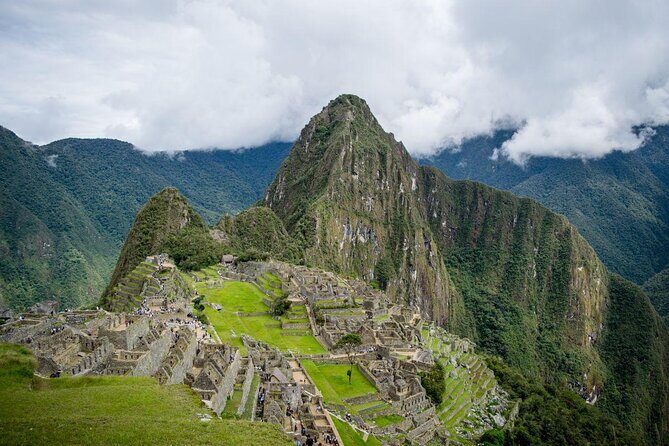
- Machu Picchu at sunrise with a guided highlights walkthrough
- On-the-ground camp comfort, with tents plus hot drinks and blankets mentioned by past guests
Why the Lares trek to Machu Picchu feels more real than a simple route
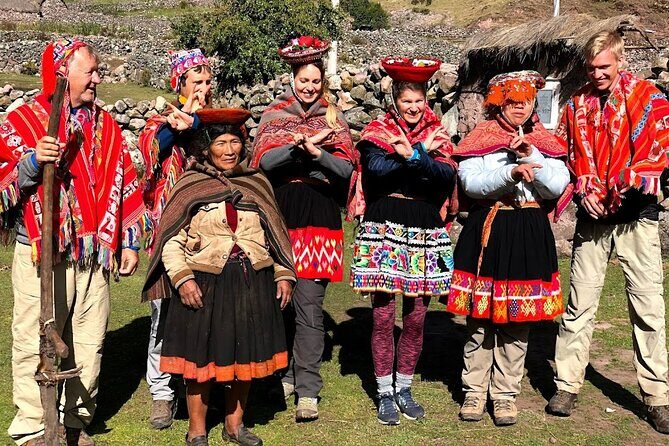
This is not just a line on a map from Cusco to Machu Picchu. The Lares side of the Andes is known for working communities, herders, and places where you’re walking alongside everyday mountain life rather than only ticking off classic sights.
On this kind of trek, you feel the altitude in your breathing, then you learn to manage it. That means your day becomes a mix of steady walking, short bursts of effort, and frequent moments to stop and look—especially around the passes and the lakes. If you enjoy travel that’s active but not chaotic, Lares fits well.
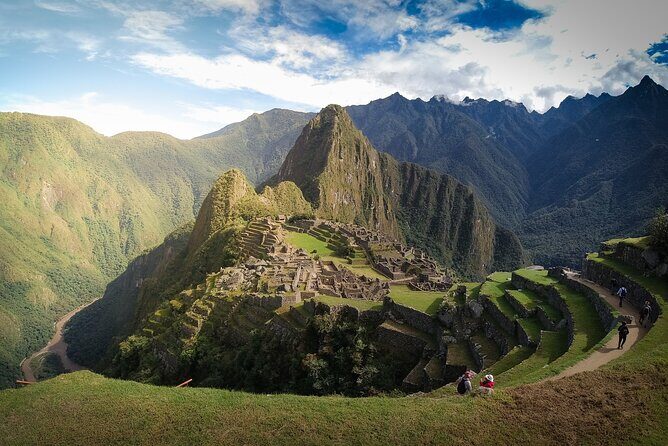
The Machu Picchu finish is also handled like a real day, not a rushed photo stop. You catch the first bus to the site for sunrise, then you get a guided 2–3 hour walk through the citadel highlights. After that, you have flexibility to explore more at your own speed or plan an extra hike if you want.
You can also read our reviews of more hiking tours in Cusco
Price and what $600 really covers (and what you’ll still pay)
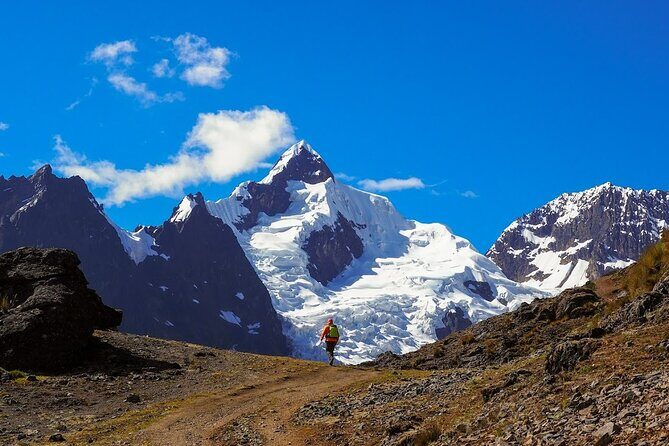
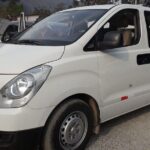
At $600 per person for a 4-day trek, the value comes from what’s packaged in. You’re not only buying the hike. You’re also getting the key logistics that usually cost time and headaches: private van transfers, Consetur bus transport, and an Expedition train segment back toward Ollantaytambo.
What’s included:
- All transportation: private van, Consetur bus, Expedition train
- Entrances: Machu Picchu archaeological site + Lares Trail
- Guiding and food: tour guide(s) for the full experience + professional chef
- Camping setup: tents, chairs, tables, and the core camp equipment
- Lodging mix: 2 nights camping + 1 night in a hotel
- Meals: Breakfast (4), Lunch (3), Dinner (3)
What’s not included (so don’t get surprised later):
- Huayna Picchu / Machu Picchu mountain: $50 USD
- Optional gear: sleeping bag ($20), air mattress ($20), trekking poles ($15)
- Gratuities for the team
- Lunch in Aguas Calientes on Day 4 is on your own
For me, the “hidden value” is the meals and camp setup. Past guests praised how well the food showed up at the end of tough days, and that matters because hiking is easier when your body doesn’t run on empty. If you’ve ever tried to pack camp meals yourself, you know it’s never as simple as it sounds.
Altitude reality check: 3,900m camps to a 4,750m pass
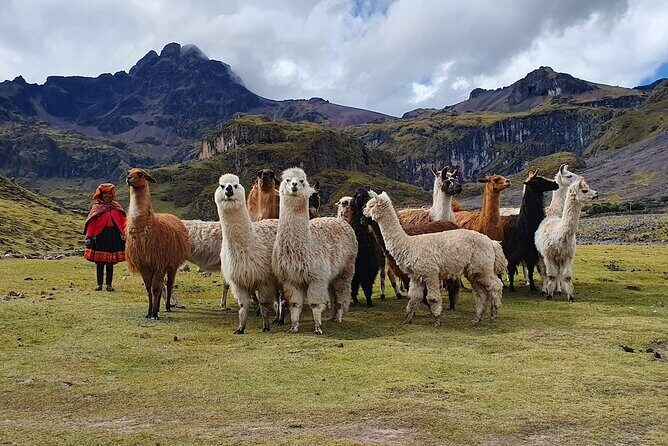
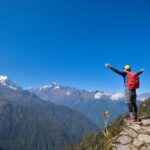
This trek targets classic high-Andes walking. You start Day 1 at about 3,900 m (12,795 ft) for the first campsite, then Day 2 pushes to Condor Pass at 4,750 m (15,583 ft) before descending to around 3,750 m (12,303 ft) for the night.
That’s the point where you’ll feel it most. The higher you go, the more your breathing changes and the slower you may walk even if you feel mentally ready. You don’t need to be an athlete, but you do need moderate physical fitness and the willingness to hike at altitude with breaks.
Cold nights are the other part of the equation. Even with tents, hot drinks, and blankets mentioned by past guests, the Andean temperature drop can be sharp. If you don’t have the right layers, you’ll spend less time enjoying camp and more time trying to stay warm. If you’re on the fence, renting a sleeping bag can be a smart decision because you’ll be less stressed and sleep better.
Day 1: Lares Hot Springs, Kiswarani Village, and a 3,900m campsite
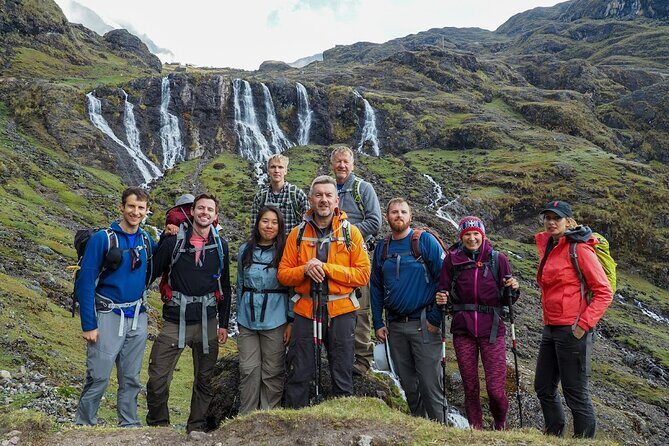
Day 1 starts with a 3-hour drive from Cusco to Lares hot springs, where you soak in natural pools with different temperatures. This is not just a nice warm-up. It’s also a pressure release after travel and altitude adjustment. Your legs feel better and your body wakes up in a gentle way before you start hiking.
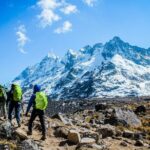
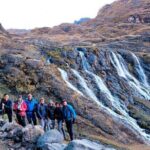
After breakfast, you hike for about 4 hours to the first campsite at 3,900 m (12,795 ft). This isn’t presented as a single brutal climb. Instead, you’re moving through scenic stretches with mountain views and waterfalls, and you also visit Kiswarani Village.
One of the best things about this day is variety. You’re not only “walking uphill.” You’re seeing how herders move through the area and spotting llamas and alpacas along the route. That mix makes the day feel fuller, and it helps when the air gets thin and your focus wants to narrow.
Possible consideration: Day 1 can still feel tough even though you only hike 4 hours. The altitude makes ordinary steps feel heavier. Give yourself permission to take more breaks than you think you need.
Day 2: Condor Pass at 4,750m, Quishuarani, and lakes all the way down
Day 2 is the big altitude day. You start with breakfast that might come with a warm cup like coffee or coca tea, then you begin a hike that totals about 7 hours.
The day’s rhythm:
- ~4-hour climb to Condor Pass (4,750 m / 15,583 ft)
- ~3-hour descent down to Canchacancha village (3,750 m / 12,303 ft)
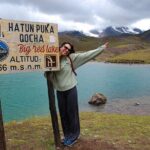
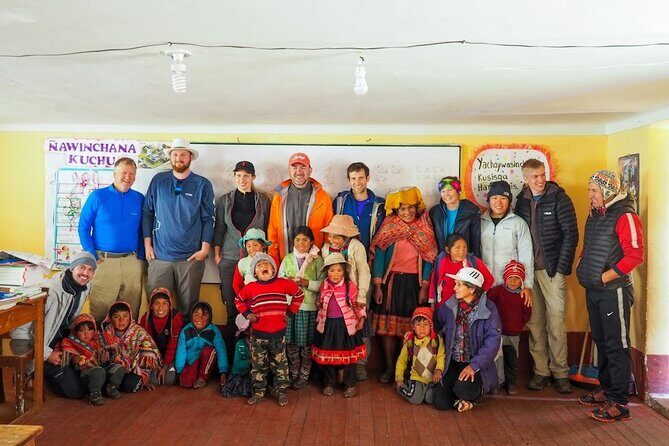
Along the way you pass lakes, enjoy mountain views of the Sacred Valley area, and spot birds, llamas, and alpacas. There are also moments for human connection: you’ll have a chance to interact with local children, which adds meaning beyond scenery.
At Condor Pass, expect the effort to feel real. This is where guides become valuable. The strong theme in past experiences is pacing support—people like Soledad adjusting to the group’s condition and speed. That kind of guidance helps you avoid the classic mistake: going too fast early, then paying for it later on the descent.
What can be tough: The pass is high, and your legs may burn even when you’re moving carefully. If you want to enjoy the pass instead of surviving it, keep your pace controlled and take breaks before you feel wiped out.
You can also read our reviews of more tours and experiences in Cusco

Day 3: Sacred Valley descent, picnic lunch, Maras salt pans, and Aguas Calientes
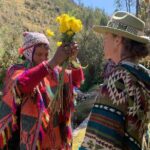
Day 3 starts with breakfast in your tent, then you visit local villagers to learn about daily life in the Andes. This is a nice pivot: after two more nature-heavy hiking days, you get context for how people live where you’re walking.
Then you hike down toward the Sacred Valley for about 4 hours. The highlight here is the combination of walking plus a change in environment. You’re moving from high, windy trails toward an area where the valley feels more inhabited and agricultural.
You’ll stop for a special picnic lunch, then continue with:
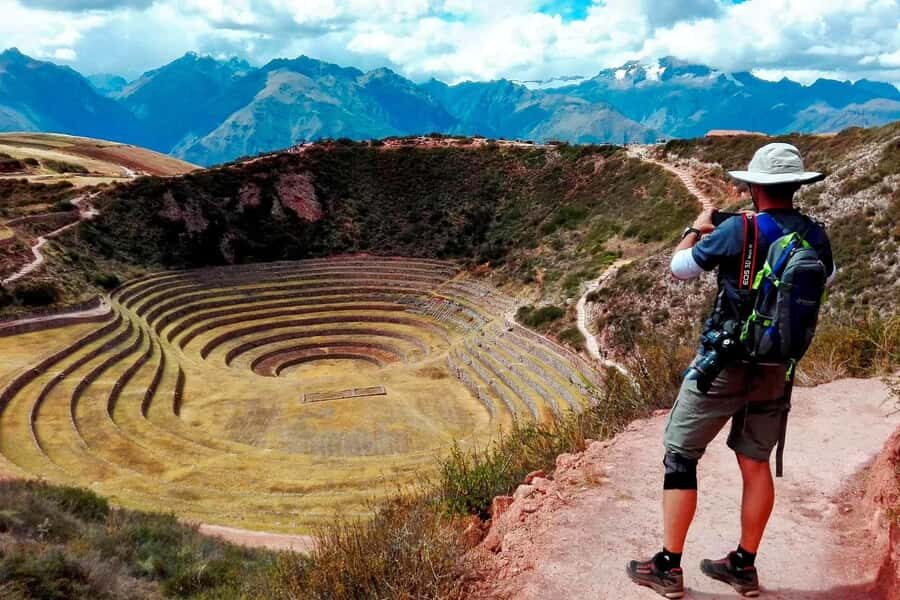
- Salineras of Maras (salt mines)
- Ollantaytambo
- Train to Aguas Calientes
This transition is also practical. Instead of making Day 3 another all-day grind, you’re earning your evening with real breaks in the form of sites and the train ride into Aguas Calientes.
Why this day matters: It’s often easier to connect the dots between Machu Picchu and the region’s geography. The salt pans and Ollantaytambo give you more to think about than a straight-to-ruins travel day.
Day 4: Sunrise bus to Machu Picchu, guided citadel time, and the return to Cusco
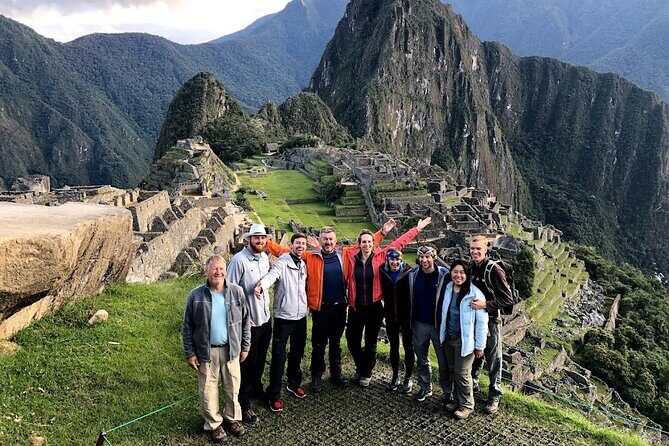
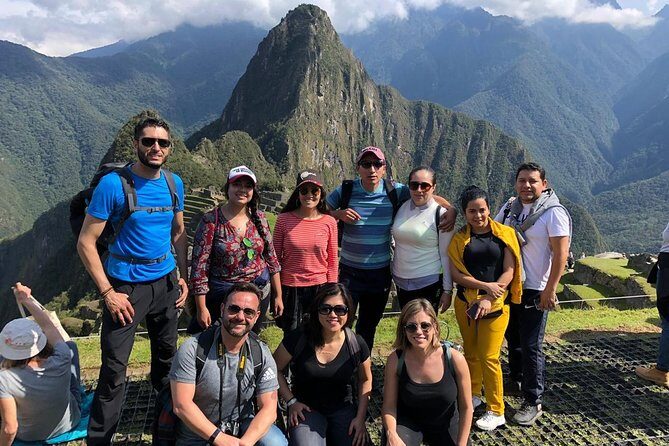
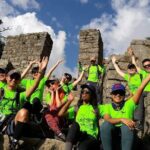
Day 4 is all about Machu Picchu done the right way: you get an early breakfast, then board the first bus to arrive for sunrise over the citadel. You pass through the checkpoint for Machu Picchu, hike to viewpoints, and then enjoy a guided tour of the citadel for about 2–3 hours.
This guided portion is worth your energy. The guide explains highlights, history, secrets, and how the site was engineered. Even if you’ve read about Machu Picchu before, a good guide helps you notice details you’d otherwise miss, like how the place was designed to handle water and how terraces fit into the broader system.
After the guided tour, you can explore independently. If you want, you can arrange additional hikes to:
- Huayna Picchu
- Montaña Machu Picchu
These extra options are not included and you must book far in advance. You’ll also be back on rails to keep the day moving: after visiting the citadel, you take a bus back to Aguas Calientes for lunch on your own, then board the train back to Ollantaytambo and a private vehicle to Cusco. Return is scheduled for around 7:30 pm.
Consideration: This is a long day. Even with the early start, the evening return means you’ll want to keep your energy steady and avoid over-planning extra hikes unless you’re sure you can handle it.
Camp life, meals, and why food is part of the itinerary
A trek like this lives or dies on what happens after you stop walking. Here, you get professional-chef meals, plus camping equipment like tents and camp furniture (chairs and tables).
Past experiences highlighted that meals were not just filling; they felt restaurant-level at camp ends, including hearty items like pachamanca in some programs. Whether that’s on your exact menu or not, the key idea is that you’re not stuck eating plain trail snacks for 4 days. You get 3 dinners, 3 lunches, and 4 breakfasts, which supports your energy and your mood.
Camp is also designed to make the cold manageable. Tents plus hot drinks and blankets were specifically called out, which tells me the team anticipates how temperature drops at altitude. That matters because staying comfortable at night is what lets you wake up and actually hike the next day.
If you’re thinking about what to pack, prioritize:
- warm layers for evening camp
- a plan for sleeping warmth (sleeping bag rental is an option)
- water strategy (you’ll be at altitude and walking steadily)
Guides, chefs, and the team that keeps the trek friendly
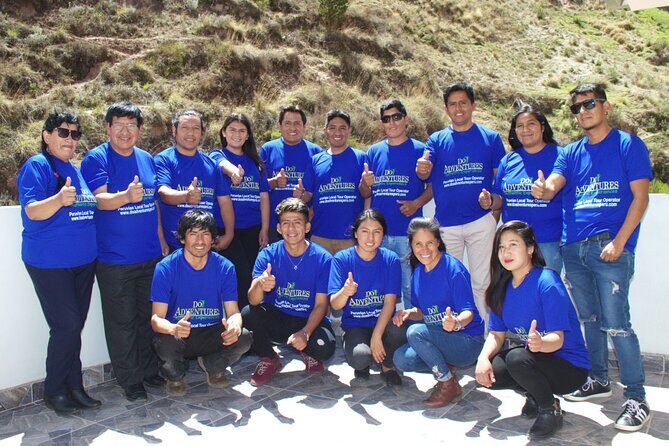
The tour is built around a full team, not a solo guide with a radio and hope. The guide leads the day, supports pace, and ties the walking to culture and history. In past experiences, names like Soledad, Walter, and Wilian show up as strong leaders who keep things fun and organized without losing safety focus.
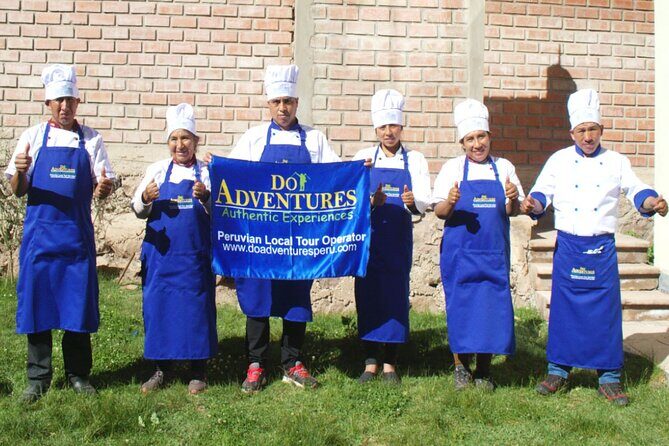
Food leadership also stands out. Cooks such as Alejandro, Florencia, and German were praised for turning camp meals into something people looked forward to. You’ll also have help carrying and managing your move through camps and logistics—porters and support riders show up as part of how the trek stays workable.
Even the horseman support gets attention in these accounts. People mention roles like Segundino handling transportation of things with care, which helps the walking days feel smoother.
For you, the practical takeaway is this: a team that communicates and adjusts pace turns a “hard trek” into a “hard trek I can actually enjoy.”
Who should book this 4-day Lares trek and who should think twice
This trek suits you if you:
- want an active trip that includes hot springs, villages, and major Andean sights
- enjoy guided history at Machu Picchu, but still want time to explore on your own
- can handle altitude hiking with moderate fitness
- prefer small groups (max 10 travelers)
You might think twice if you:
- hate early mornings (Day 4 starts with an early breakfast and the first bus)
- want a very light hiking schedule with minimal altitude impact
- don’t plan for cold nights and high passes
If you’re the type who wants everything effortless, you’ll probably feel the altitude. But if you want something meaningful and well run, this hits a good balance.
Should you book this Lares-to-Machu Picchu trek?
I’d book it if you value real structure: transport, tents, meals, and guides are handled, and you’re walking through a mix of high Andean passes and local community stops before the Machu Picchu finale. The sunrise citadel visit with a guided walkthrough is a big plus, especially if you want to understand what you’re seeing instead of just taking photos and rushing on.
I wouldn’t book it if you’re chasing a low-effort vacation. This is a hike with real altitude work (including 4,750m at Condor Pass). But if you’re ready to earn your view and you plan for cold and elevation, it’s a strong use of time in Peru.
FAQ
FAQ
What time does the trek start?
The start time is 5:00 am. You also have an early morning on the Machu Picchu day for the first bus.
How long is the experience?
It lasts 4 days (approx.).
What is the price for this tour?
The price is $600.00 per person.
How many people are in the group?
The tour has a maximum of 10 travelers.
What kind of fitness level do I need?
You should have moderate physical fitness. The route includes high altitude hiking, including Condor Pass at 4,750m.
What’s included for transportation and entry tickets?
You get private van, Consetur bus, and an Expedition train. Entrance is included for the Machu Picchu archaeological site and the Lares Trail.
Is Huayna Picchu included?
No. Huayna Picchu or Machu Picchu mountain is not included and costs $50 USD.
What camping gear and sleeping items are provided?
Camping equipment such as tents, chairs, and tables is included. Sleeping bags and an air mattress are not included, though they can be rented for $20 each.
Are meals included?
Yes. You receive 4 breakfasts, 3 lunches, and 3 dinners during the 3-night/4-day schedule (with 2 nights camping and 1 night hotel).
Is the booking refundable if I cancel?
No. This experience is non-refundable and cannot be changed for any reason.