Machu Picchu, minus the long hike. This short route strings together the best Inca highlights you’d hope for—Sun Gate views, Wiñaywayna, and then Machu Picchu at sunrise—without requiring a multi-day slog. I like that it’s built around early starts and smooth transport: train from Cusco area to Km 104, then bus links all the way to Aguas Calientes and back.
Two things I really like: you get guided time at Machu Picchu (so you’re not just wandering), and you’re fed along the way with breakfast, lunch, and dinner included. One drawback to think about: this still climbs at high altitude and it’s paced early and tightly, so you’ll want moderate fitness and a good sense of timing.
In This Review
- Key moments to notice before you go
- How the short Inca Trail schedule really feels
- Day 1: train to Km 104 and the long view toward Intipunku
- Chachabamba and Wiñaywayna: smaller stops that do real work
- Intipunku to Aguas Calientes: the panoramic pay-off
- Day 2 sunrise at Machu Picchu: what the guided tour actually buys you
- Your optional hikes at Machu Picchu (and why tickets matter)
- Value for $670: what’s included, and what you still need to budget
- What fitness level and comfort you should expect
- Should you book the Short Inca Trail to Machu Picchu?
- FAQ
- How long is the Short Inca Trail to Machu Picchu?
- How much does it cost?
- Is pickup included?
- What language is the tour guide?
- Do I need to be physically fit?
- What’s included for meals and lodging?
- Are the Huayna Picchu and Machu Picchu Mountain hikes included?
- What should I budget for that’s not included?
Key moments to notice before you go
- A very early start on Day 1, with train time built in from Ollantaytambo to Km 104.
- Chachabamba checkpoint and a short stop with Inca worship context before you reach the bigger ruins.
- Wiñaywayna + box lunch at altitude, giving you a breather before the Sun Gate push.
- Intipunku for the panoramic reveal of Machu Picchu from the traditional gateway area.
- Day 2 sunrise access with an early bus and a full 2–3 hour guided walkthrough.
How the short Inca Trail schedule really feels
This is a “short” Inca Trail version, but it still means altitude, walking, and early timing. Day 1 is your travel-and-walk day: you’re moving from Cusco to the start area, then doing key archaeological stops along the way, then ending with a hotel night in Aguas Calientes. Day 2 is built around Machu Picchu timing: early breakfast, a first-bus ride to the site, and a guided tour before you head back down.
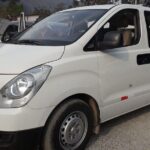
The big practical advantage is that your logistics are handled: hotel pickup/drop-off, train to Km 104, buses at both ends of Machu Picchu, and the return train to Ollantaytambo. You’re not figuring out schedules or booking separate transfers while your phone battery struggles at altitude. The tour is also private—only your group—so you can keep questions coming without feeling rushed by strangers.
One more thing I’d plan for: you’re at changing elevations all day. You go from Cusco-area conditions up through checkpoints around 2,170–2,745 meters, then down to about 2,040 meters in Aguas Calientes. That’s why pacing and hydration matter even on a shorter itinerary.
You can also read our reviews of more tours and experiences in Cusco.
Day 1: train to Km 104 and the long view toward Intipunku
Your Day 1 begins very early in Cusco, with transport to Ollantaytambo. You’ll have free time for breakfast at the train station, then board the tourist train to Km 104 (using either Expedition or Voyager, depending on what’s assigned).
From there, the trek starts with an Inca checkpoint visit at Chachabamba (listed around 2,170 masl / 7119 ft; the general altitude for the Chachabamba area is given around 2,250 meters). This is not the biggest site you’ll see, but it sets the mood. You’re stepping into a route that was designed for movement and ceremony, not just sightseeing.
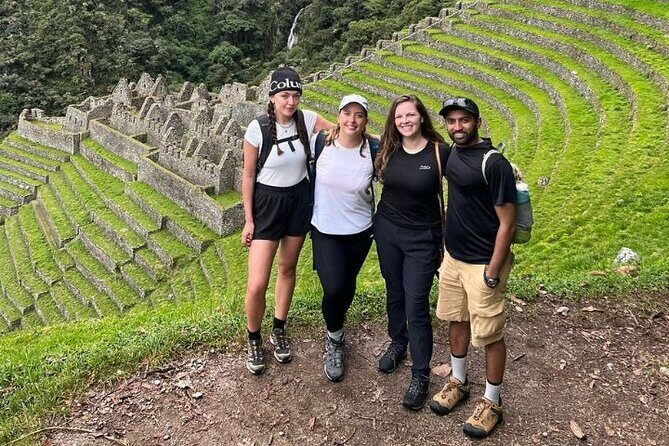
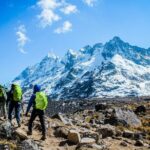
Next comes the climb to Wiñaywayna (about 2,650 masl / 8,692 ft). This is where you get your scheduled box lunch and a resting point before the last push toward the Sun Gate area. Then you continue up to Intipunku (Sun Gate), at roughly 2,745 masl / 9,005 ft.
After that scenic high point, you descend along a path to the main checkpoint area. A tourist bus takes you down to Aguas Calientes (about 2,040 masl / 6,692 ft). From there, you check into your selected comfortable 3-star hotel and rest up—this is a real “get your legs back” night.
Chachabamba and Wiñaywayna: smaller stops that do real work
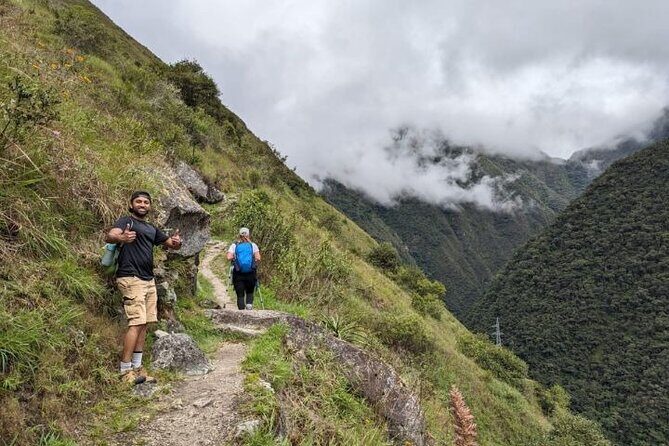
Chachabamba is quick (about 20 minutes), but it’s worth paying attention. The site is tied to Inca worship and rituals, likely focused on agriculture and fertility. Even when you don’t know the details of every stone, you can feel why the Inca placed religious stops along the way: the trek wasn’t only about reaching Machu Picchu. It was about what you did on the route.
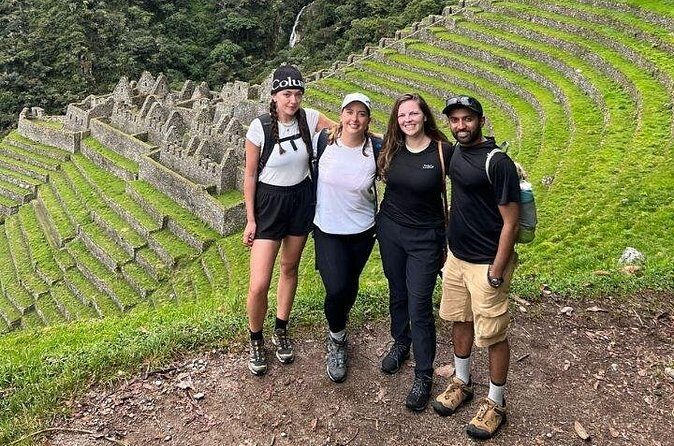
Then Wiñaywayna (about 40 minutes) becomes the calmer checkpoint in the middle of the day. The name is explained as Forever Young in Quechua, which gives you a nice lens for what you’re seeing. It’s a stop that pairs well with the box lunch—because you’re not just eating at random. You’re breaking at an intentional place along the historic route.
The drawback with stops like these is timing. Since you’re moving early and ascending, you might feel a bit behind if you linger too long. My advice: treat Chachabamba and Wiñaywayna as “slow down, look, then keep going.” You’ll enjoy the final payoff more when your energy is still there.
Intipunku to Aguas Calientes: the panoramic pay-off
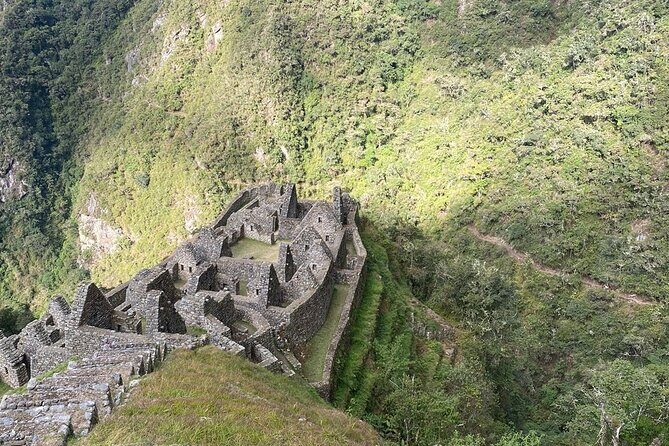
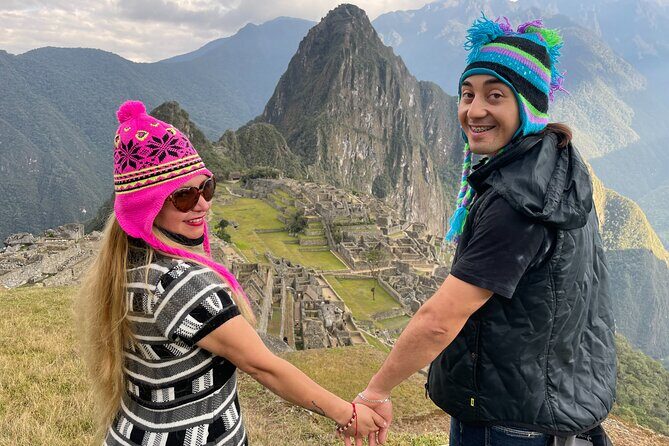
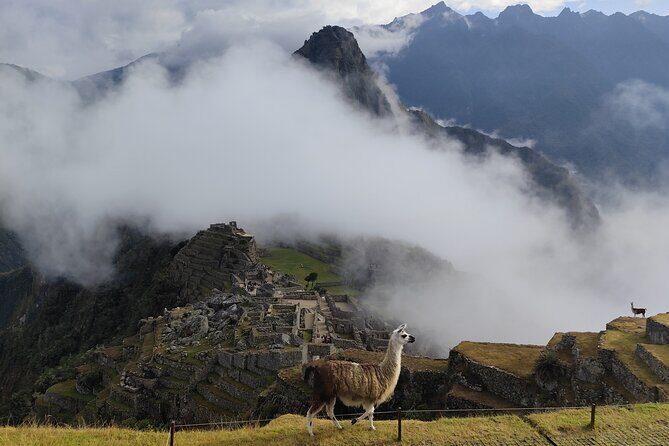
Intipunku—the Sun Gate area—matters because it’s presented as the traditional gateway view before reaching Machu Picchu. The tour gives you time here (about 20 minutes) and specifically calls out that panoramic angle looking toward the citadel. This is the moment when your brain finally connects all the walking with the famous place you’ve been picturing.
The practical note: you’re at your highest point before the big descent, so you’ll want a steady pace. If you’re prone to rushing, altitude will humble you fast. Keep it simple: short steps, steady breathing, and a few quick photos rather than trying to turn it into a studio shoot.
Once you reach the main checkpoint, the bus takes you to Aguas Calientes (and that’s your transition from “trail mode” to “town mode”). You’ll then head to your hotel for the night. Dinner is included on this itinerary, which helps a lot because Aguas Calientes can be a little tricky after a long travel day. You’re not scrambling for food while you’re tired.
Day 2 sunrise at Machu Picchu: what the guided tour actually buys you
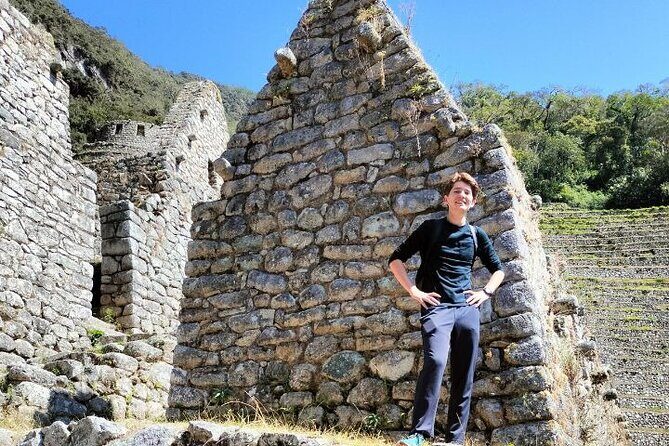
Day 2 starts with an early breakfast at your hotel, then a bus to Machu Picchu timed for sunrise. You’ll be on one of the first buses, and the tour includes a full guided tour of 2–3 hours through the most important sections—temples, plazas, and terraces—with explanations of cultural significance and history.
This guided portion is where you get value. Machu Picchu can feel like a puzzle if you’re just walking. With a guide, you can connect functions of buildings, the layout of terraces, and why certain viewpoints mattered. You’re also better equipped to ask questions in plain language, like how spaces were used and what to look for next.
After the guided tour, you get free time to explore on your own. You can also choose an optional hike to either Huayna Picchu or Machu Picchu Mountain, but the tickets need to be booked well in advance. Then you descend by bus back to Aguas Calientes for lunch.
One more practical detail: you’ll be doing a lot of moving on Day 2, even though it’s shorter than classic trekking. Plan to take breaks when offered, and don’t treat Machu Picchu like it’s a checklist. The first sunrise window is special, but the site’s layout rewards slower attention later too.

Your optional hikes at Machu Picchu (and why tickets matter)
The itinerary gives you the option to add time with a hike—Huayna Picchu or Machu Picchu Mountain—after your guided tour. The key detail is timing and ticketing: you must book those hike tickets well in advance. If you don’t, you can still enjoy Machu Picchu, but you’ll miss that extra “third angle” on the ruins.
If you’re deciding between hikes, choose based on your energy and comfort with steep paths. The tour itself doesn’t include those tickets, so you’ll want to budget for them. Also, keep expectations realistic: you’re already spending the day at altitude, and you’ll likely want to enjoy your free time rather than push to the point of exhaustion.
Even without the extra hike, the combination of sunrise timing plus guided core areas gives you a strong first visit. The free time is the buffer that turns a schedule-heavy day into something that still feels like a vacation.
Value for $670: what’s included, and what you still need to budget
At $670 per person for a 2-day experience, the main question is whether this price buys real convenience and core experiences—or just transport. In this case, it does. You’re getting a lot bundled together:
- Hotel night in Aguas Calientes (3-star)
- Breakfast, lunch, and dinner
- Train to Km 104 and return train to Ollantaytambo
- Buses tied to Machu Picchu access (including the Day 2 bus ride)
- Entry tickets to the Inca Trail and Machu Picchu
- Pickup and drop-off, plus a safety briefing the day before
- A professional guide in English (and also Spanish/Portuguese depending on assignment)
You’re also not paying separately for the “bridge pieces” between the trail and the fortress. For many people, the hardest part of Machu Picchu planning is not the ruins—it’s the chain of buses, trains, and the timing that gets you into the right places when you’re supposed to be there.
What’s not included is also clear: tips and travel insurance. Tips are the one extra cost that can vary by your style of travel, and travel insurance is strongly advisable for any high-altitude trip.
For a tight timeline (average booking about 7 days in advance), this price can feel fair if you want a guided, packaged approach with a minimal amount of planning headaches.
What fitness level and comfort you should expect
The tour asks for moderate physical fitness. That means you should be comfortable with uphill walking at altitude and moving on a schedule. This isn’t described as a gentle stroll, especially on Day 1 when you’re climbing toward higher points like Intipunku.
If you’ve been hiking in the hills before, you’ll probably feel more at home. If you’re coming straight from sea level with no acclimation, give yourself a bit of respect for the altitude. You’ll still go at a manageable pace, but “manageable” doesn’t mean “easy.”
Comfort-wise, you also have a recovery stop: you reach your hotel in Aguas Calientes on Day 1 evening. That helps. If you tend to get wiped out by long days, the dinner and included lodging remove two big stressors.
Finally, remember the tour is private. That’s good for comfort, but it also means the group moves with the schedule. If you need constant flexibility, you’ll want to be upfront so your guide can help manage expectations.
Should you book the Short Inca Trail to Machu Picchu?
Book this if you want the classic Machu Picchu payoff with a shorter, more structured Inca Trail experience. I especially recommend it if you like the idea of sunrise access, a guided walkthrough of Machu Picchu’s key areas, and you’d rather spend your energy looking at ruins than decoding transit plans.
Skip or choose another style if you know you dislike early starts and tight timing. This route is early by design: early pickup, early train day, then an early bus for sunrise. It’s also still altitude-heavy, even with the “short” label.
If you’re on the fence, pick your priorities: if your top goal is Machu Picchu done right—with transport handled and guidance included—this itinerary matches that goal cleanly. If your goal is more freedom to wander slowly without structure, you might prefer a less scheduled approach.
FAQ
How long is the Short Inca Trail to Machu Picchu?
It runs about 2 days.
How much does it cost?
The price is $670.00 per person.
Is pickup included?
Yes. The tour includes hotel pickup and drop-off. It also describes an arrival welcome at the Cusco airport with a sign with your name and a private transfer to your hotel in Cusco.
What language is the tour guide?
English is offered, and the tour lists guides in English, Spanish, Portuguese.
Do I need to be physically fit?
The tour advises travelers should have moderate physical fitness.
What’s included for meals and lodging?
You get breakfast, lunch, and dinner, plus one night in a comfortable 3-star hotel in Aguas Calientes.
Are the Huayna Picchu and Machu Picchu Mountain hikes included?
The main itinerary includes free time after the guided Machu Picchu tour, but the optional hikes require tickets that must be booked well in advance.
What should I budget for that’s not included?
Tips and travel insurance are not included, though travel insurance is advised.