REVIEW · CUSCO
Classic Inca Trail 4 days to Machu Picchu
Book on Viator →Operated by Quechuas Expeditions · Bookable on Viator
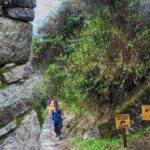
Foggy jungle steps lead to Machu Picchu. This Classic Inca Trail trip bundles key logistics like permits, camping gear, meals, and transport from Cusco, so you can focus on the hike and the final sunrise-spot moment at Machu Picchu—then get home with a set route back by train and bus.
I especially like the clear “camping with support” setup: tents, air mats, cooking space, plus porters who carry the group gear and food. Second, the human factor matters here, and it shows—guide Freddy is known for solid cultural context, and chef Armando turns camp meals into something you actually look forward to.
The main drawback to weigh is consistency on the back end. One experience didn’t include the level of comfort you’d expect around water treatment, and the Machu Picchu day had a handoff that left the traveler doing part of the Aguas Calientes connections on their own. If you need everything fully escorted end-to-end, verify that plan before you pay.
In This Review
- Key things to know before you go
- From Cusco to km 82: getting started without the hassle
- Camping on the Inca Trail: tents, air mats, and porter help
- Meals: mostly handled, with a few intentional gaps
- Trekking in the dense jungle with a guide-led pace
- Sun Gate to Machu Picchu: the UNESCO finish line
- After Machu Picchu: train from Aguas Calientes to Ollantaytambo
- Packing for altitude nights, wind, and rain
- Price and value: what you’re really paying for at $1,050
- Who should book this Classic 4-day Inca Trail
- Should you book Quechuas Expeditions for the Classic Inca Trail?
- FAQ
- FAQ
- How long is the Classic Inca Trail 4 days to Machu Picchu tour?
- Where do you start the Inca Trail trek?
- Are Inca Trail permits and Machu Picchu tickets included?
- What kind of meals are included?
- Does the tour include camping equipment?
- Are porters included?
- How do you get back to Cusco after Machu Picchu?
- What is the maximum group size?
- What gear should I bring based on the tour’s recommended packing list?
- What is the cancellation policy?
Key things to know before you go
- Small group size (max 16), which usually means a more manageable hiking rhythm.
- Trailhead transfer to km 82 from your Cusco hotel area, so you’re not figuring logistics out alone.
- Camping setup is included, from tents to air mats to cooking tents and portable seating.
- Permits and Machu Picchu tickets are covered, including the Inca Trail paperwork.
- Vegetarian meals are included with no extra cost, with most meals handled by the camp kitchen.
- Return transport is planned via train from Aguas Calientes to Ollantaytambo, then bus back to Cusco.
From Cusco to km 82: getting started without the hassle
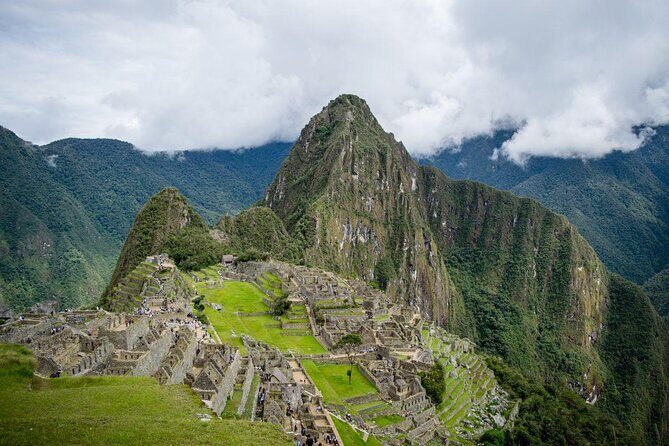
This Classic 4-day Inca Trail starts with a Cusco hotel pick-up and a transfer to the trailhead at km 82. That detail matters more than it sounds. When you’re doing a high-effort trek, losing time (or energy) to last-minute transport and ticket wrangling becomes a stress you don’t need.
Once you’re at the trailhead, your day-to-day rhythm shifts from city planning mode to hiking mode. You’ll hike with a guide, and you won’t be the one carrying the camp gear. That’s the practical advantage of a supported Inca Trail trek: you can walk, eat, and sleep, rather than manage the whole operation.
You can also read our reviews of more tours and experiences in Cusco

Camping on the Inca Trail: tents, air mats, and porter help
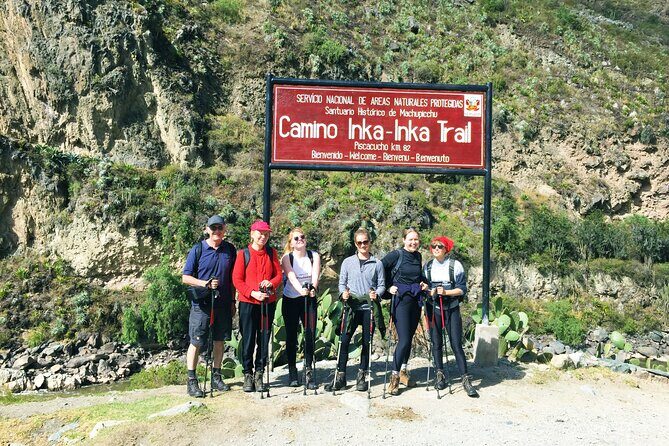
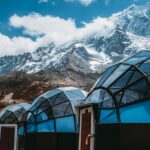
This is not a backcountry solo setup. You’re in a real trek-camp system. Camping equipment is included, including tents, air mats, and cooking tents plus portable chairs and tables. For many people, that turns “roughing it” into something closer to “organized camping,” especially on colder nights.
Porters carry the camping equipment and also the food. So your personal pack is mostly about what you need for the day: layers, rain gear, water, and personal items. This kind of support is why the Inca Trail remains a popular choice for people who want the experience but don’t want to carry camp weight.
The group size cap at 16 also tends to keep the camp working smoothly. Bigger groups can mean more waiting, more noise, and more chaos at meal times. A smaller group usually feels calmer, and you spend less energy tracking what’s happening.
Meals: mostly handled, with a few intentional gaps
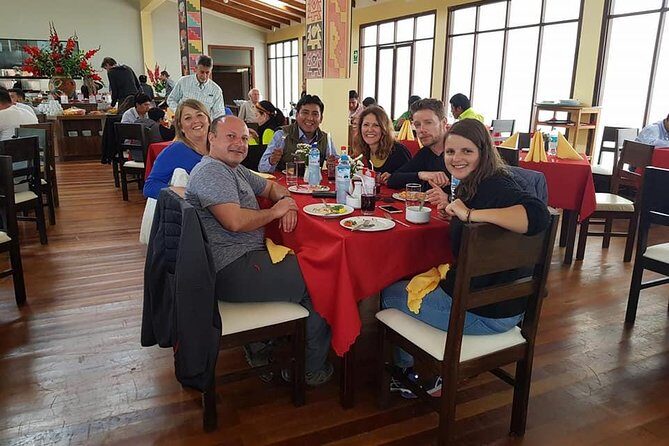
Meals are included for most of the trek: 4 breakfasts, 4 lunches, 3 dinners. There’s also a vegetarian option at no extra cost, which is a big deal if you’re used to trekking tours that quietly charge extra.
Two meals aren’t included: breakfast on day 1 and lunch on day 4. Plan to buy or pack something for those windows. That’s also a good reminder to double-check what you’ll eat before hiking starts and what you’ll do when you’re wrapping up the final day.
If you’re the kind of person who needs a solid breakfast to feel human, treat the included breakfasts as your anchor and handle day 1 breakfast separately.
Trekking in the dense jungle with a guide-led pace
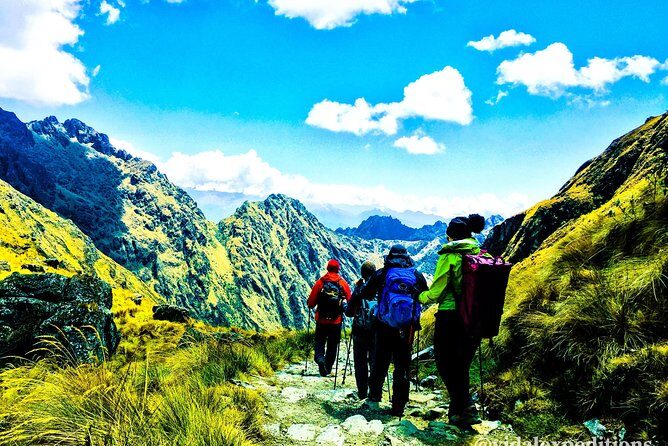
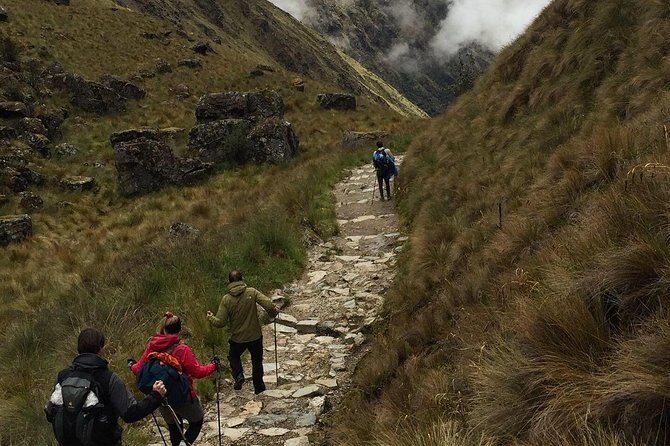
The tour is designed for guided walking through jungle and along Inca-connected sites. In the real world, “guided” isn’t just about telling you where to step. A good guide shapes how you experience the trail: what you notice, how you pace yourself, and what stories you connect to what you see.
Freddy is specifically cited for his knowledge of Quechuan history and culture. That’s useful in a practical way. When your guide explains context while you’re walking, you’re less likely to treat the trek like just a workout. You start seeing the route as part of a living culture, not a checklist.
Your guide also keeps the group moving as a unit. On the Inca Trail, that matters because timing and ticketed site entry at the end are strict. Even if the walk feels physical, the best guides keep you from burning out too early.
Sun Gate to Machu Picchu: the UNESCO finish line
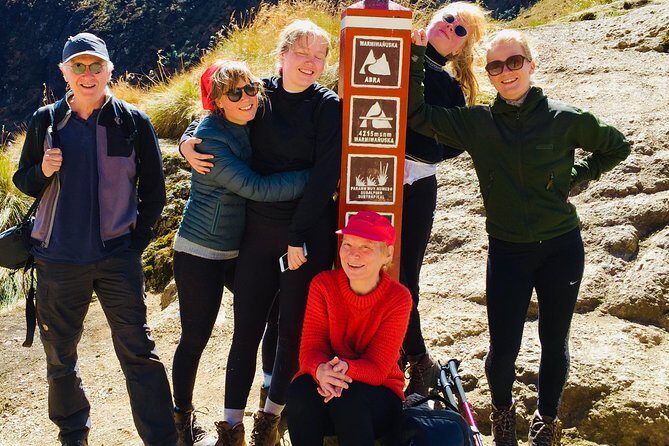
The end goal is UNESCO-listed Machu Picchu, reached after walking the Inca Trail and entering through the most beautiful Sun Gate approach. That phrasing is promotional, but the core idea is solid: you’re not just arriving at Machu Picchu—you’re arriving after a hike, with anticipation built in.
This part of the experience is about more than views. It’s about timing. You’re going to want your body and your attention to be in the right place when you enter.
Here’s how to make the most of that final day:
- Go slow with your photos early. You’ll be tempted to shoot constantly. Pick a few must-capture angles first, then save your later photos for calmer moments.
- Expect crowds and plan your movement. Even on a guided schedule, Machu Picchu can have lines and bottlenecks at entry and key viewpoints.
- Listen when your guide talks. At Machu Picchu, small bits of interpretation help you understand what you’re looking at instead of just admiring stone.
Machu Picchu is stunning, but your real value comes from the buildup and the context that lands right when you’re standing there.
After Machu Picchu: train from Aguas Calientes to Ollantaytambo
Once the trek finishes, the logistics shift again. The plan is a train expedition back from Aguas Calientes to Ollantaytambo, then a bus back to Cusco. This is the right structure for most people because it saves you from trying to piece together your own connection in a town that’s built around short stays.
However, there’s an important caveat from a real-world experience: the guide was not scheduled to accompany the group the full way from Machu Picchu to the hotel. The handoff meant more self-direction around getting a bus ticket to Machu Picchu Pueblo (Aguas Calientes), locating equipment left by porters there, and then handling the train connection. In that case, the guide still stayed long enough to help with getting on the train, but the earlier steps were on the traveler.
My practical advice: before booking, confirm whether your guide stays with you through the full post-site transfer process, including the Aguas Calientes step and equipment handoff. If the schedule allows for a full escort, great. If it doesn’t, at least you’ll go in knowing you may need to manage part of it quickly.
Packing for altitude nights, wind, and rain
This trek can bring cold and wet conditions, and the included prep assumptions show up in the recommended gear list. You’ll want a system of layers, not just one warm item.
Here are some of the key items you should plan on having:
- Sleeping bag rated to -11 C / 12 F. This is a serious rating. Don’t bring a thin summer bag and hope.
- Rain protection: rain poncho or rain jacket, plus wind/rain pants (Gore-tex or similar).
- Warm layers: a poly/fleece wind stopper jacket, a lightweight sweater, and fleece pants.
- Foot and hand protection: trekking boots that have been worn before, plus wool or synthetic socks, gloves, and a hat.
- Night visibility: a headlamp.
- Trekking support: 2 walking poles.
- Sun and bug defense: UV-protecting sunglasses, sunblock, and insect repellent.
The list also points out sterilizing tools: water sterilizing tablets (Micropur). Even though the tour handles many essentials, you should still treat water safety as your responsibility. In at least one reported experience, there wasn’t treated or filtered water provided at the level you’d expect, and that traveler relied on their own filter. I’d follow the packing guidance closely and bring what the list recommends, even if you think you’ll be covered.
One more practical note: you’re hiking for multiple days. Bring clothes you can rinse and dry enough to keep moving comfortably. Cold and damp are what make trekking feel harder than it has to.
Price and value: what you’re really paying for at $1,050
At $1,050 per person, you’re not just buying a walk. You’re paying for a highly regulated route, the planning burden, and a lot of “infrastructure” that solo hikers don’t get.
Here’s what your money covers:
- Transport from Cusco to the trailhead at km 82
- A professional tour guide
- Camping equipment (tents, air mats, cooking tents, portable chairs/tables)
- Porters for camp gear and food
- Permits and tickets for the Inca Trail and Machu Picchu
- Meals across the trek (with specific exclusions)
- Return transportation by train and bus (Aguas Calientes → Ollantaytambo → Cusco)
That combination is why the price is what it is. The Inca Trail is not a free-for-all. Permits, timing, and the machinery of camp operations add cost even when you’re trying to keep the trip “simple.”
So when does it feel like good value? When you want someone else to handle the permits, camp setup, and most of the eating and moving between points. If you have experience hiking with gear and you’d rather self-manage every detail, you might not feel the value as strongly.
Who should book this Classic 4-day Inca Trail
This tour fits best if you want:
- A supported Inca Trail experience with camping gear handled for you
- A guide who can add context while you walk (Freddy’s cultural knowledge is a clear strength)
- A realistic meal plan with vegetarian included
- A structured finish with planned transport back from Aguas Calientes
It might be less ideal if you:
- Want a fully escorted experience from Machu Picchu to lodging with no handoffs
- Are extremely sensitive about water treatment and sanitation arrangements
- Prefer to manage every connection yourself and you don’t mind extra effort on the final day
Also, the trek asks for a strong physical fitness level. That doesn’t mean you need to be an ultra-runner, but it does mean you should be ready for multiple days of sustained hiking and changing conditions.
Should you book Quechuas Expeditions for the Classic Inca Trail?
If you’re mainly buying the essentials—permits, camp setup, porters, meals, and a guided approach to the route—this trip makes sense. The guide and camp team details (Freddy and Armando) sound like real strengths, and the inclusions reduce a lot of the stress that can drain the joy out of a trek.
My caution is about consistency on the last-day logistics and basics like water and comfort. Before you book, message the operator with two very practical questions:
1) Will your guide accompany you through the full Machu Picchu → Aguas Calientes transfer steps and train boarding?
2) How is drinking water handled on each trekking day?
If they answer clearly and you’re prepared with the gear list (especially rain and a properly rated sleeping bag), then this is a strong way to do the Classic Inca Trail to Machu Picchu without getting buried in logistics.
FAQ
FAQ
How long is the Classic Inca Trail 4 days to Machu Picchu tour?
It runs for approximately 4 days.
Where do you start the Inca Trail trek?
You get picked up from your Cusco hotel and transferred to the trailhead at km 82.
Are Inca Trail permits and Machu Picchu tickets included?
Yes. The tour includes the Inca Trail and Machu Picchu permits and tickets.
What kind of meals are included?
Meals included are 4 breakfasts, 4 lunches, and 3 dinners. Vegetarian options are included at no extra cost. Breakfast day 1 and lunch day 4 are not included.
Does the tour include camping equipment?
Yes. Camping equipment is included, including tents, air mats, cooking tents, and portable chairs and tables.
Are porters included?
Yes. Porters carry the camping equipment and food.
How do you get back to Cusco after Machu Picchu?
You take a train from Aguas Calientes to Ollantaytambo, then a bus back to Cusco.
What is the maximum group size?
The tour has a maximum of 16 people.
What gear should I bring based on the tour’s recommended packing list?
You should plan to bring a sleeping bag rated to -11 C / 12 F, rain gear (poncho or jacket), wind/rain pants, warm layers, trekking poles, a headlamp, UV sunglasses, gloves, and a hat. The list also includes items like socks, trekking boots, a day backpack, and water sterilizing tablets.
What is the cancellation policy?
This experience is non-refundable and cannot be changed for any reason.