REVIEW · CUSCO
2-Day Tour from Cusco: Sacred Valley and Machu Picchu by Train
Book on Viator →Operated by FLY CUSCO Perú Travel Agency · Bookable on Viator
Machu Picchu starts before the crowds. This 2-day Cusco trip strings together Sacred Valley stops like Chinchero weaving and Maras salt ponds, then delivers you to Machu Picchu on a guided Circuit 2 morning shift. I especially like the small-group feel and the way the company handles the moving parts so you spend less energy on tickets and transfers.
You’ll also get a real sense of the Incas working with the land, not just posing for photos. The Moray terraces explain how microclimates were used, and the Ollantaytambo ruins put you near the old routes toward Machu Picchu. One consideration: the overnight in Aguas Calientes can be a mixed bag in comfort, so I’d pack for a basic night and plan to focus on the morning ruins.
In This Review
- Key highlights worth caring about
- Cusco to Machu Picchu without the stress spiral
- Day 1 Sacred Valley: Chinchero, Moray, Maras, and Ollantaytambo
- Chinchero: weaving that feels personal
- Moray: Inca agriculture as science
- Salinas de Maras: thousands of salt ponds
- Lunch at a colonial-style restaurant
- Ollantaytambo: ruins, routes, and a train gateway
- Train choice on the way up: pick the views you care about
- Aguas Calientes: the overnight that sets you up for an early Machu Picchu
- Day 2 Machu Picchu: guided Circuit 2, then your own time
- Ticket details you should know before you go
- The practical value of “everything handled for you”
- Timing, comfort, and small things that can change your mood
- Build in snacks and water
- Toilets in Machu Picchu area
- Exhaust fumes and waiting time
- Shoes and weather
- Who this tour fits best
- Should you book this tour?
Key highlights worth caring about
- Door-to-door pickup and drop-off in Cusco to keep the day from turning into a scavenger hunt
- Chinchero weaving visit with real people, alpacas and llamas, and traditional natural dye techniques
- Moray + Maras combo that explains Inca agriculture and still-in-use salt production
- Train experience included on the Ollantaytambo–Aguas Calientes route, with options like panoramic or observatory
- Guided Machu Picchu first, free time after, so you get context before you explore on your own
- Circuit 2 ticket included (subject to availability), with shifts scheduled between 6:00 AM and 10:00 AM
Cusco to Machu Picchu without the stress spiral
The best part of this tour is how it compresses what’s usually a messy, multi-transport day into one clean flow. You start with hotel pickup in Cusco, then spend the ride time seeing places that actually matter before you ever reach the train platform.
I also like the practical rhythm: you travel, you stop, you eat, you move again. Then on day 2, Machu Picchu is the main event with a guided walk that helps you read the stones instead of just staring at them.
You can also read our reviews of more tours and experiences in Cusco
Day 1 Sacred Valley: Chinchero, Moray, Maras, and Ollantaytambo
Your day begins with a morning pickup from Cusco (start time is 7:45 a.m.). The pacing is designed for a full day, so if you’re the type who needs to linger, consider bringing a small snack for gaps between meals.
Chinchero: weaving that feels personal
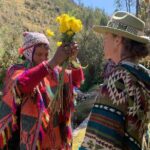
Chinchero is one of those stops that turns history into something you can see and touch. You visit a local family who keeps Andean weaving traditions alive, meet alpacas and llamas, and feed them.
What makes this stop valuable is the dye story. You’ll learn about traditional natural dyeing techniques used to create handmade textiles. It’s not just a craft demo; it helps you understand why these materials and colors were worth the work.
Moray: Inca agriculture as science
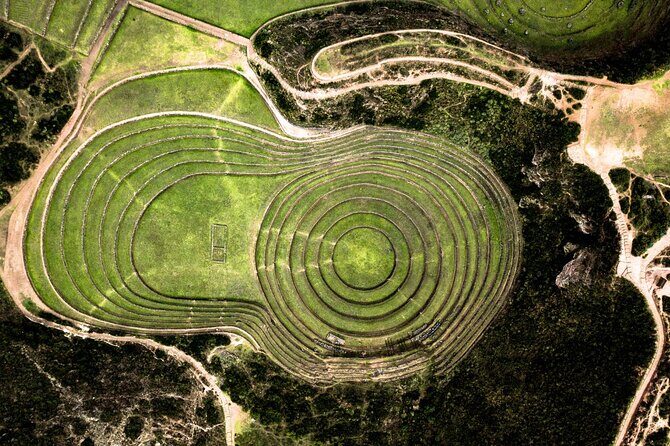
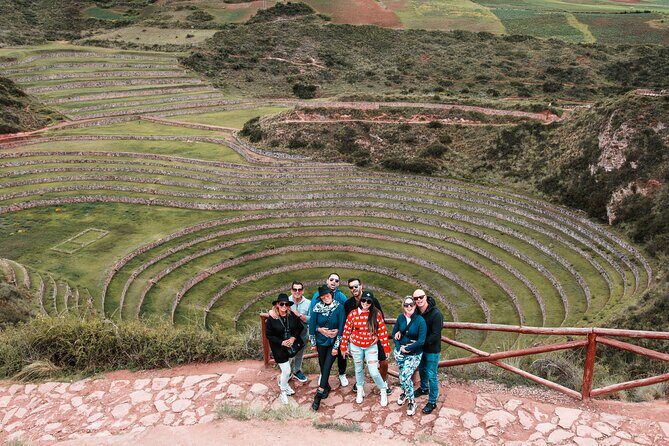
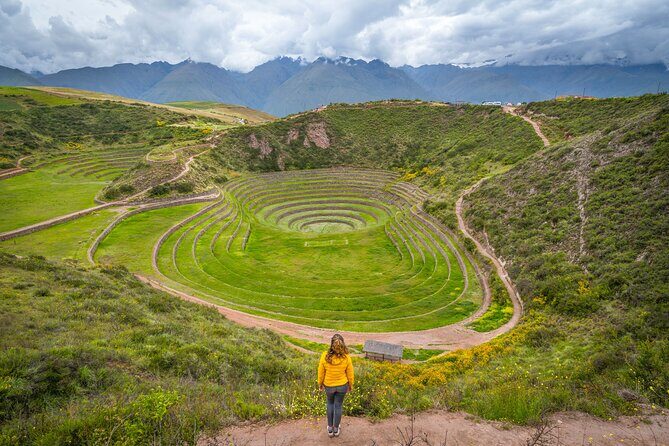
Moray is famous for its circular terraces, and your guide explains how the Incas used different microclimates to test crop growth. You’re basically standing in an outdoor experiment station built into the terrain.
Even if you’ve seen photos before, it lands better in person because the terraces shape the air and light differently. It’s one of the clearest examples of Inca engineering you’ll see on this route, and it pairs nicely with the rest of the day’s theme: land use and survival.
Admission here isn’t included, so you should plan for an extra ticket cost at the site.
Salinas de Maras: thousands of salt ponds
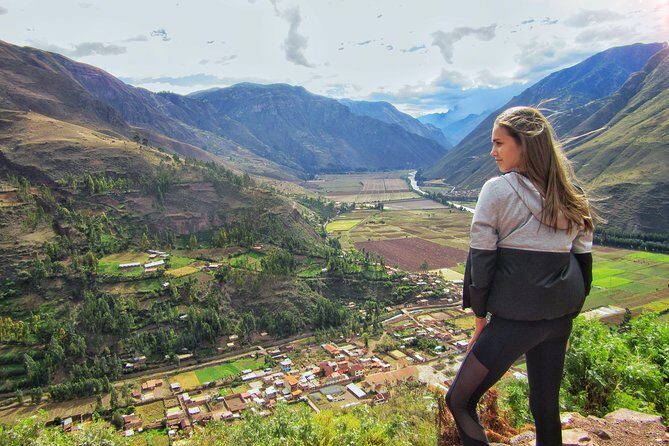
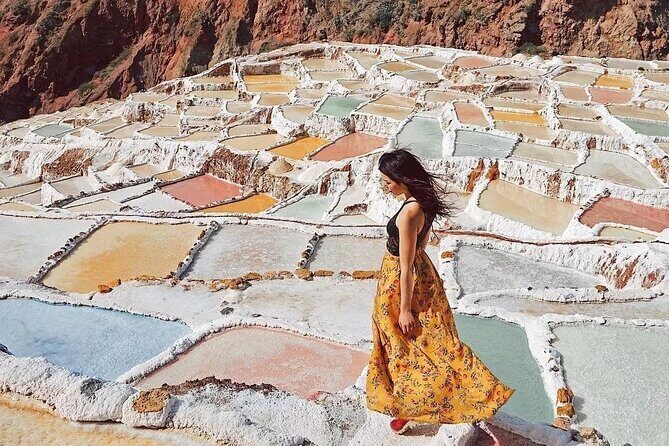
Then you reach Maras, with its thousands of salt ponds still producing salt today. The view is part of the point, but so is the continuity—Inca-era use has persisted, which is a rare kind of living history.
You also get a short window to take photos before lunch. If you’re sensitive to delays, be ready: this is a popular stop and timing can shift a little depending on the flow.




Lunch at a colonial-style restaurant
Lunch is a buffet at Restaurante Tunupa, described as serving more than 50 Peruvian dishes. Vegetarian options are available, which matters because Sacred Valley days can be tough for dietary needs if a place is limited.
This lunch stop is one of the included pieces that makes the tour feel like a full package. You’re not left hunting for food after a long string of viewpoints.
Ollantaytambo: ruins, routes, and a train gateway
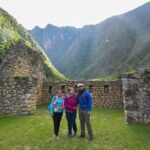
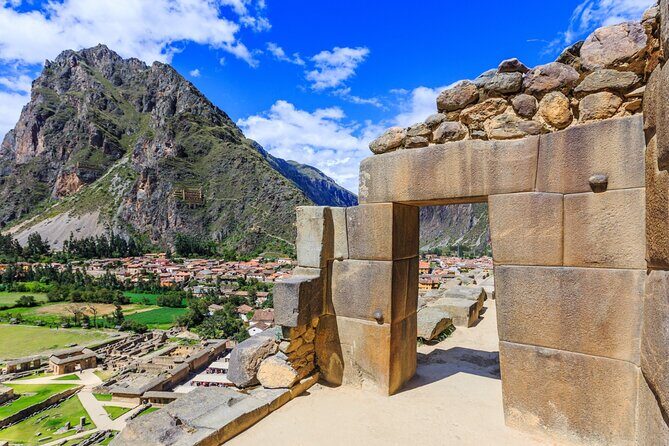
Ollantaytambo is where the day pivots from sightseeing to logistics. You’ll explore terraces and ruins that once functioned as a military, religious, and agricultural center, and it also guarded access toward the trail that led to Machu Picchu.
After the visit, you head to the train station and board your service to Aguas Calientes (your train ride is part of the value here, not something you have to arrange). The views of the Andes and the Urubamba River can be a real payoff, especially if you choose a class that gives more window time.
Train choice on the way up: pick the views you care about
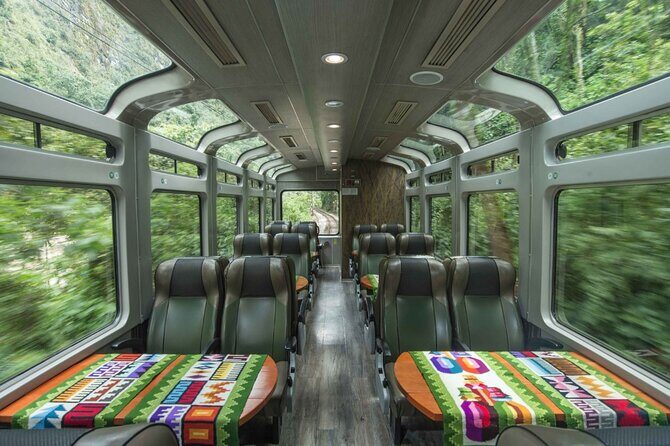
Your train runs Ollantaytambo → Aguas Calientes → Ollantaytambo across both days. On the way to Aguas Calientes, you’ll enjoy scenery along the Urubamba River, and you can select a train class at booking (regular, panoramic, or observatory).
From what I’d do if I were choosing again: if you care about photos and want the most comfortable window time, go for the option with the better views on the route to Aguas Calientes. One guide-level tip you’ll hear often in this region is to choose the panoramic experience on the ride up, because that’s when the scenery tends to be most dramatic.
Aguas Calientes: the overnight that sets you up for an early Machu Picchu

When you arrive in Aguas Calientes, the tour staff escort you to your hotel. After check-in, you get the afternoon free, which is helpful because it gives you time to decompress, eat dinner on your own, and figure out bus logistics for the next morning.
Here’s the part to keep real expectations about: Aguas Calientes hotel reviews in this program can vary. Some people love the location and comfort, while others have complained about basics like smell, cleanliness, and mattress comfort. So I treat the hotel as functional—use it to sleep and recharge—then put most of your energy into the Machu Picchu morning.
Pack a small carry-on for overnight. The tour notes you can leave the rest of your luggage in Cusco at your hotel, and many hotels store items without extra cost.
Day 2 Machu Picchu: guided Circuit 2, then your own time
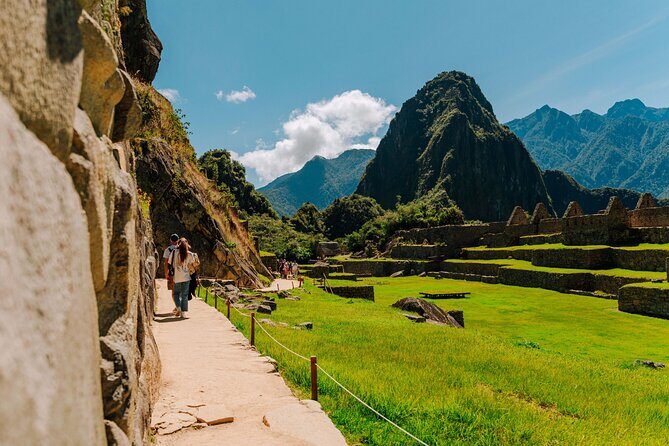
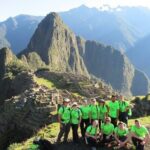
Machu Picchu day starts early. After breakfast, you meet your guide and head to the bus station to reach the main entrance of the Historic Sanctuary of Machu Picchu.
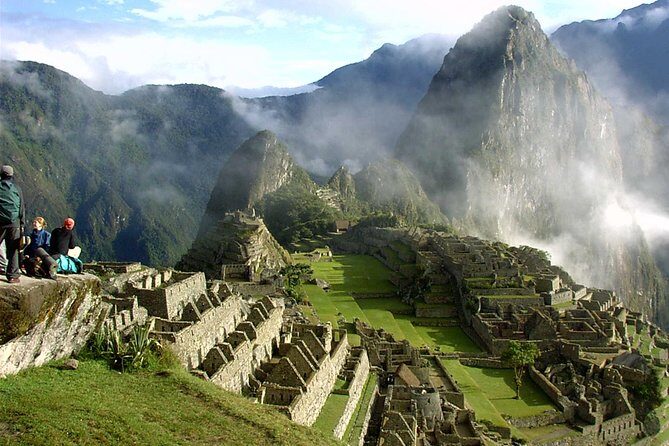
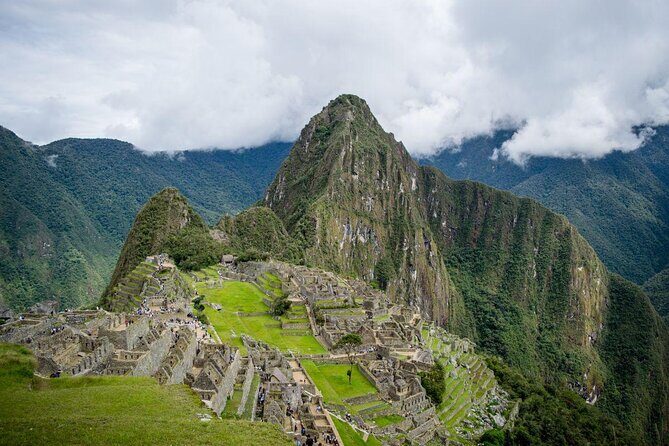
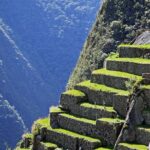
Your guided portion covers main areas of the citadel—plazas, temples, and the famous stone stairways. The guide’s job is to connect what you see to what it meant, including the spiritual and historical context that helps the site click.
Ticket details you should know before you go
This tour includes the Machu Picchu entrance ticket for Circuit 2, subject to availability. If Circuit 2 is sold out, you’re assigned Circuit 1 or Circuit 3.
Machu Picchu has timed entry shifts (6:00 AM to 3:00 PM), and this program schedules visits between the shifts from 6:00 AM to 10:00 AM. That early timing matters because it helps you experience the site with fewer people than you’ll see later.
You’ll also take the bus back to Aguas Calientes after the guided visit, with time for lunch on your own (lunch isn’t included on day 2).
The practical value of “everything handled for you”
For $429 per person, the price feels high until you compare it to the real cost of doing Machu Picchu logistics yourself. In one package, you get:
- hotel for 1 night in Aguas Calientes plus breakfast
- a buffet lunch day 1
- train tickets for the full round trip (Ollantaytambo to Aguas Calientes and back)
- round-trip bus tickets between Aguas Calientes and Machu Picchu
- guided tours for both the Sacred Valley day and Machu Picchu day
- an entrance ticket for Machu Picchu (Circuit 2 subject to availability)
- transfers and escorts that reduce waiting around and missed turns
What you’re really paying for is time and problem-solving. Machu Picchu tickets have limited capacity, and Sacred Valley sites come with separate admissions (like Maras Moray, and Sacred Valley entrance). If you want the cleanest route with the least guesswork, this package is doing that work for you.
If you’re a seasoned planner who enjoys sorting trains, buses, and circuits on your own, you might find a cheaper DIY approach. But if you’d rather trade some money for less stress, this is one of the more straightforward ways to do it.
Timing, comfort, and small things that can change your mood
A few practical notes can save your day.
Build in snacks and water
Water is provided (one bottle of water is included), but you may still want extra snacks. A common complaint with packed schedules is hunger timing, especially between viewpoint stops and lunch.
Toilets in Machu Picchu area
Toilets are available, but the tour experience notes people should bring toilet paper and a bit of change for access. It’s a small detail that can prevent an annoying interruption.
Exhaust fumes and waiting time
In Aguas Calientes and around transport windows, some guests mentioned heavy exhaust fumes, and they even recommended disposable masks if you’re sensitive. It’s not something you control, but you can prep for it.
Shoes and weather
Wear comfortable walking shoes and bring a hat, sunscreen, and sunglasses. A jacket helps because mornings can feel cold at elevation, and you may want waterproof clothing if you’re traveling in the rainy season (December to March).
Who this tour fits best
This tour fits best if you want to see a lot in two days without turning it into a logistics project.
- If you’re on a first Cusco trip and want Sacred Valley highlights plus Machu Picchu, this is a strong fit.
- If you value guided context, the Machu Picchu morning tour helps you understand what you’re looking at.
- If you dislike long, unplanned transfers, the door-to-door pickup and transfers reduce the “where do we go now” moments.
If you’re the type who needs lots of downtime, or you’re deeply sensitive to hotel quality, you might consider a more relaxed overnight strategy. This one is efficient.
Should you book this tour?
Yes, if you want an organized, guided path that gets you to Machu Picchu early with minimal friction. The Sacred Valley day is more than just driving through—it includes weaving at Chinchero, Inca agriculture at Moray, salt ponds at Maras, and ruins at Ollantaytambo, all before you sit down on the train.
I’d book with confidence if you’re okay treating the Aguas Calientes hotel as a practical overnight rather than a vacation highlight. Also, bring the small extras—toilet paper, a snack, and the right weather gear—so you stay comfortable while the day moves fast.