REVIEW · CUSCO
Full-Day Excursion to Sacred Valley, Pisac and Ollantaytambo from Cusco
Book on Viator →Operated by MACHUPICCHU TOURIST CONNECTION · Bookable on Viator
If you want Inca ruins without the big two-day chaos, this one-day loop is for you. It’s built to hit the Sacred Valley highlights alongside Moray and the Maras salt mines, then wrap with Pisac and Ollantaytambo, all with a professional guide and hotel pick-up. I especially like that the day is structured like a learning route, not just random stops. And yes, the buffet lunch is a real perk, with 30+ typical dishes in one go.
Here’s the trade-off: it’s a speed-run through major sites. Expect short visits, some long stretches on the road, and a few shopping detours that can chew up time if you don’t care for that part. Also, the early start is serious—this tour begins with pick-up between 6:30 and 6:55 a.m., and it runs about 13 hours.
In This Review
- Key takeaways before you go
- Sacred Valley in one day: what makes this loop worth it
- Early pickup in Cusco: the 6:30 a.m. wake-up call
- Sacred Valley of the Incas: tickets, timing, and the “five places” idea
- Chinchero (Complejo Arqueológico): Inca walls and colonial layers
- Moray: the farming terraces where altitude becomes a tool
- Salinas de Maras salt mines: pay your entrance and go slow on the terraces
- Urubamba lunch buffet: the 30+ dish spread (and what to expect)
- Ollantaytambo: walking a fortress-town layout
- Pisac archaeological park: astronomy on the slopes
- Transport, pacing, and the shopping detours reality check
- Guides can make or break a long day: AJ, Abel, Victor, and Jhon
- Price and value: the $47.90 rate plus entrance budgeting
- Who should book this tour, and who should skip it
- FAQ
- How long is the Sacred Valley, Pisac, and Ollantaytambo day trip?
- What time do I need to be ready in Cusco?
- Is hotel pick-up included?
- What’s included in the price?
- Is lunch included?
- Are entrance fees included?
- Do I buy tickets in advance?
- How many people are in the group?
- Is the tour suitable for everyone physically?
- What if I need to cancel?
- Should you book this Sacred Valley, Pisac, and Ollantaytambo tour?
Key takeaways before you go
- Sacred Valley in one day: you’ll see several of the valley’s top Inca-linked stops without needing multiple tours
- Moray terraces (included): 45 minutes at the farming terraces with admission handled
- Maras salt mines (paid): you’ll pay your on-site entrance for the salt deposits
- Urubamba buffet lunch: 1 hour with 30+ Peruvian dishes to fuel the rest of the day
- Small-group feel: max 20 travelers with a guide who stays with you all day
Sacred Valley in one day: what makes this loop worth it
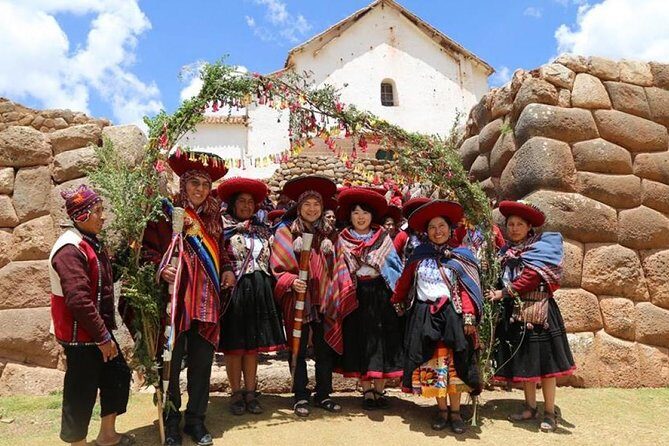
Cusco is your jump-off point, and the Sacred Valley is the warm-up act for the big-ticket Inca sites. This tour gives you the “greatest hits” in a single long day, which makes it smart if you’re short on time or you want to decide later if you want to return for a deeper visit.
The best part is how the route stitches together different sides of Inca life: agriculture (Moray), resources and industry (salt at Maras), and politics plus defense (Ollantaytambo). You don’t just walk ruins. You get context for why the Incas built where they built, and what those places were doing in real life.
The tour is also good value for the price point. You’re not paying extra for the guide’s narration, round-trip transportation, or lunch. That said, you do need to budget for entrances on certain stops.
You can also read our reviews of more tours and experiences in Cusco

Early pickup in Cusco: the 6:30 a.m. wake-up call
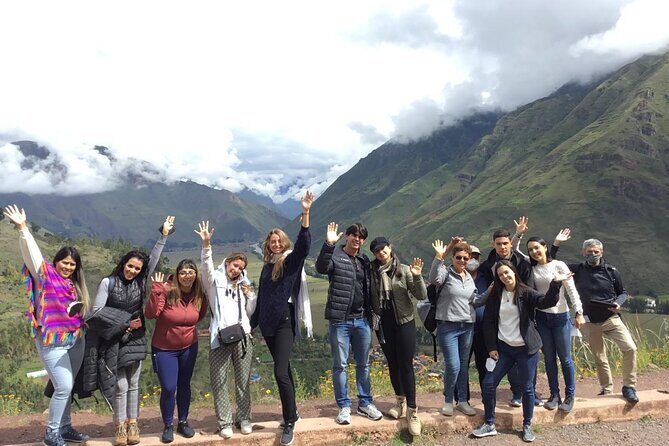
This tour’s schedule starts early by design. You get picked up from your Cusco hotel between 6:30 and 6:55 a.m., and the meeting point is Plaza de Armas (start time listed as 6:00 a.m.). In practice, that means you should be ready before dawn, especially if you’re staying a bit outside the center.
Why it matters: the Sacred Valley day is built around time. If you’re late, the whole rhythm slips, and you end up staring at the same scenery longer than you planned. If you’re organized, you’ll get the cleanest version of the day.
Comfort tip: wear layers. Morning in Cusco can be chilly, and later you’ll be in sun and altitude swings. Also, bring a small snack for the ride if you get hungry before the Urubamba lunch hour.
Sacred Valley of the Incas: tickets, timing, and the “five places” idea
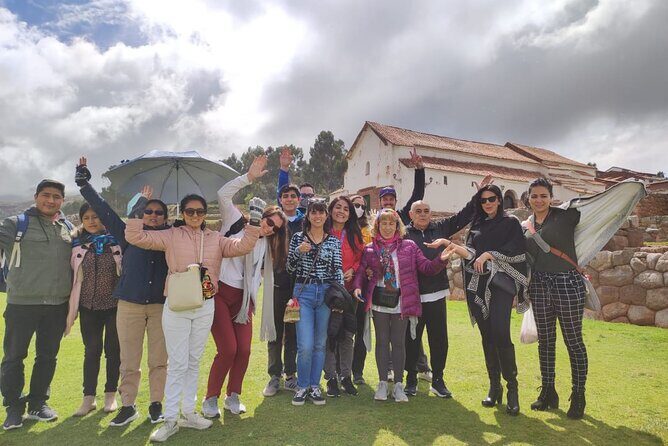
The first major block is Sacred Valley of the Incas. Your day begins with about 5 hours devoted to the valley highlights, with tickets purchased the same day at the first archaeological center.
Here’s the key detail for your planning: the tour lists 70 soles for the Sacred Valley tickets, plus an additional 10 soles related to salt deposits. Separately, the salt mines entrance is listed as 20 soles. Expect that you’ll pay for entrances on-site, and the exact breakdown may feel confusing until you’re standing at the ticket counter. The safe move is to bring cash and don’t count on every entrance being free.
What you actually get from this first stop: a quick but meaningful sampler of the places the Incas considered important. You’ll also hear the story behind the sites—how they connected culture, power, and daily life across the valley.
Potential drawback: because this is one-day packing, the time at each place is limited. If you want slow wandering and lots of photos without hurry, you might prefer a longer version or a second-day add-on later.
Chinchero (Complejo Arqueológico): Inca walls and colonial layers
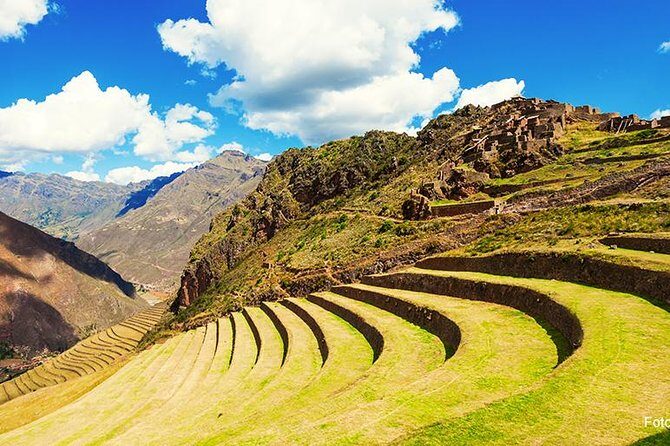
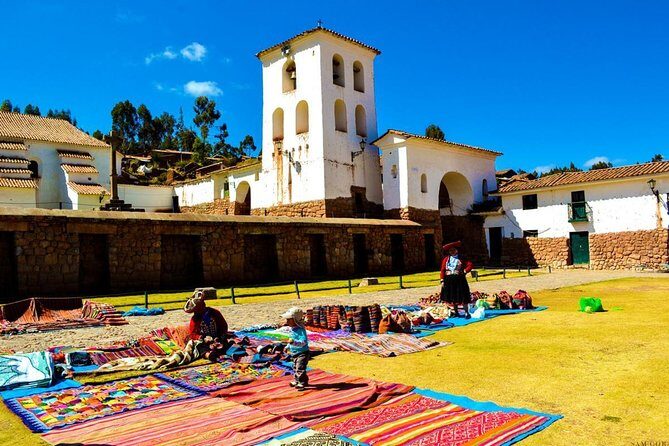
After the Sacred Valley segment, the route stops at Chinchero for about 1 hour. This place is special because you’re not just looking at one era. You’re seeing the overlap: preserved Inca wall work around the main square, plus a colonial temple built on top of earlier Inca foundations.
This is a great stop if you like architecture that shows change over time. You can literally read the site like a timeline—Inca structure, then later Spanish-era additions. And since admission isn’t included for this stop, keep in mind you’ll likely be paying on-site again.
If you’re sensitive to crowds, aim to keep your expectations realistic here. Chinchero is popular because it’s easy to understand and visually satisfying.
Moray: the farming terraces where altitude becomes a tool
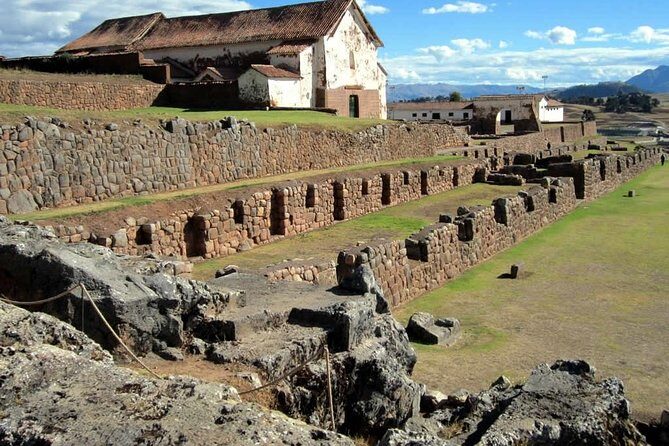
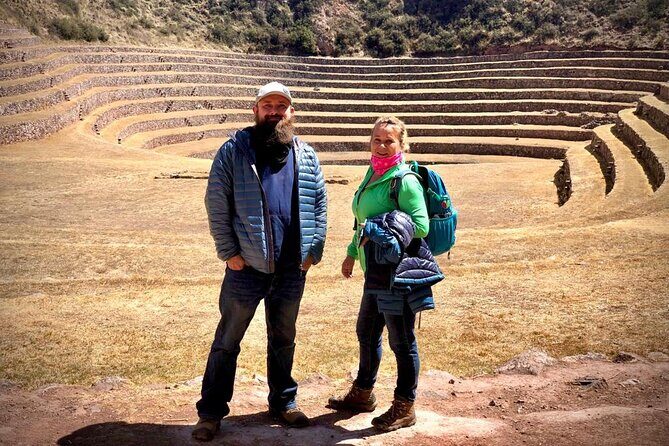
Then comes one of the tour’s best “get it because it makes sense” stops: Moray. You’ll have about 45 minutes, and importantly, Moray admission is included.
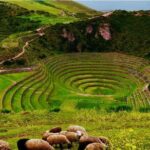
Moray is where the Incas turned geography into a system. The site is known for agricultural platforms arranged at different altitudinal levels. The idea is that the different levels mimic different growing conditions, which makes it a fascinating counterpoint to salt production and military sites later in the day.
Why I like this stop for a one-day itinerary: it’s not just ruins-to-look-at. It explains an actual Inca problem-solving approach—how to grow crops more effectively by using the environment.
Wear sturdy shoes. The paths can be uneven. And don’t rush your photos—Moray looks good from multiple angles, especially when you remember you’re walking through “experimental farming” space.




Salinas de Maras salt mines: pay your entrance and go slow on the terraces
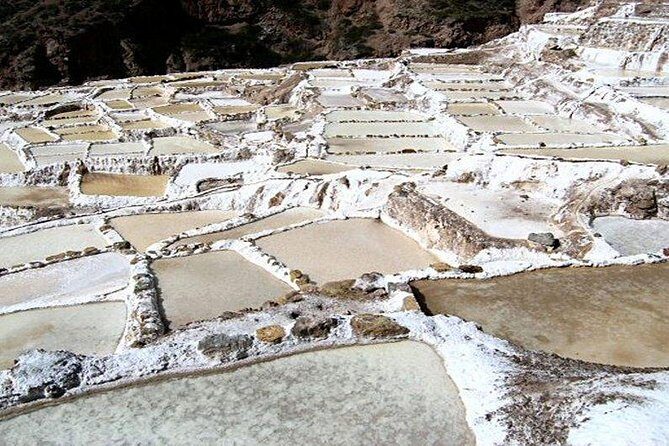
Next is Salinas de Maras, also about 45 minutes. This is the famous grid of salt deposits clinging to a hillside, and it always feels a little unreal in person—like someone mapped a pattern onto the mountain with a ruler.
The tour notes salt mines entrance fees as 20 soles, and the broader Sacred Valley ticket info also mentions a 10-sol component related to salt deposits. Again, don’t overthink it: just expect there will be on-site payment.
What you’ll get here is the industrial side of valley life. Salt was valuable, transportable, and useful for preserving and seasoning. Watching the deposits and the way the site is laid out helps the history click.
Photography tip: this is one of those places where midday light can be harsh. If the sun is brutal, take a few steps uphill or downhill to find better angles.
Urubamba lunch buffet: the 30+ dish spread (and what to expect)
Lunch happens in Urubamba, at a tourist restaurant with a buffet that lists more than 30 varieties of typical dishes from the area. You get about 1 hour, and lunch is included.
This is one of the tour’s strongest value points. A lot of day trips give you a quick meal and call it done. Here, you’re given enough time and enough choices to actually eat well without feeling forced into one or two safe items.
One practical caution: the buffet spread is designed for variety, not dietary tailoring. If you’re vegetarian, or you have a sensitive stomach, scan before you pile your plate. And if you’re the kind of person who gets travel-sick on bumpy roads, go lighter before you head back out.
Ollantaytambo: walking a fortress-town layout
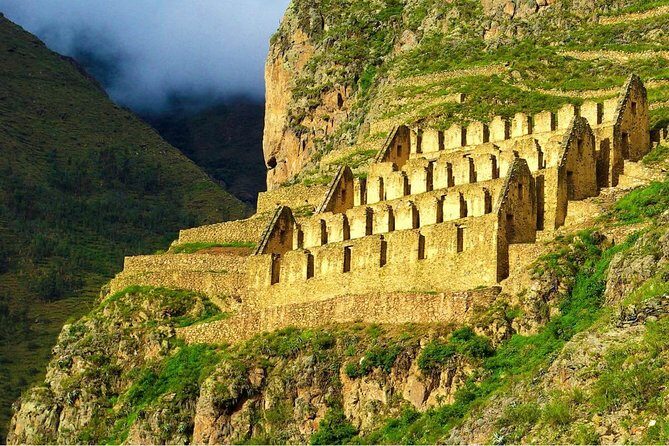
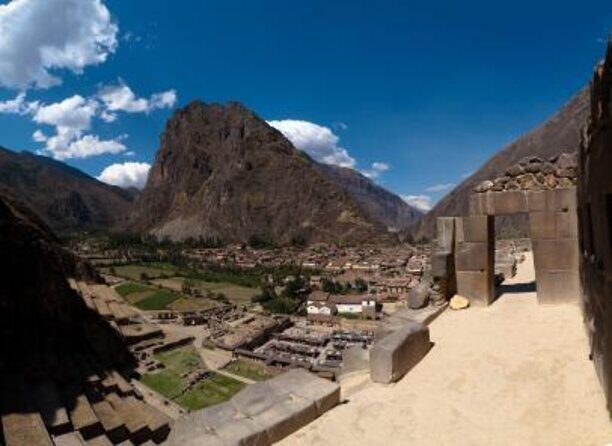
After lunch, you head to Ollantaytambo for about 45 minutes. The stop is described as an Inca military fortress protecting the entrance to this part of the valley.
Ollantaytambo works well on a one-day tour because the site isn’t only about standing in front of ruins. You can walk through streets and get a sense of how the settlement functioned as a military, religious, and cultural hub during the Inca Empire.
Admission for this stop is listed as free, which is nice because it reduces the “cash anxiety” part of the day.
If you like seeing “city planning” with your ruins, this is your payoff stop. The stonework and the layout give you a clearer picture of how people moved through the place, not just how it looked.
Pisac archaeological park: astronomy on the slopes
The last big stop is Parque Arqueológico Pisac, also around 45 minutes. Pisac is described as an Inca astronomical center, with platform groups and architectural structures scattered on the mountain slopes and higher up.
This is another stop where context helps. When you think of Pisac as a place that tracked sky patterns through built structures, it stops being only scenic. You start noticing the engineering and the deliberate placement.
Admission isn’t included for Pisac, so expect on-site payment again.
After Pisac, you return to Cusco around 7:30 p.m. and the transport leaves you close to the main square so you can grab a taxi or head straight to dinner.
Transport, pacing, and the shopping detours reality check
This tour is not designed for long museum-style visits. It’s designed for coverage. That makes it great when you want to sample the valley fast, but it can feel rushed if you’re the type who needs time to linger.
The transportation piece is another thing to take seriously. Some people have noted tight seating and hard seats on smaller vehicles. If you’re tall or you know you hate cramped rides, plan for it: bring a small cushion if you travel with one, and keep your water/snacks handy for the ride.
You may also hit short stops at shops that aren’t core sites. That’s part of the way many regional tours operate. If shopping is not your thing, treat these stops as time to use strategically—buy only if it matches your interests.
Guides can make or break a long day: AJ, Abel, Victor, and Jhon
A 13-hour day lives or dies by the guide’s ability to keep you moving and still make the information feel connected. The tour includes a professional guide with monitoring, and you’ll get both explanation and structure so you don’t feel like you’re lost in transit.
From the guide names associated with this experience—AJ/Abel, Victor, and Jhon—you can expect variety in style but the same goal: keep you on schedule and translate clearly if you’re English-speaking. Multiple guests specifically praised guides for staying with the group and maintaining a polished story in English and Spanish.
If you’re picky about guiding, here’s the practical advice: ask questions early (even in the first hour). A good guide will adjust and keep your interest level high.
Price and value: the $47.90 rate plus entrance budgeting
The listed price is $47.90 per person, which is low for a full-day route that includes round-trip transport, guide, and a multi-choice lunch. For many people, that’s the win.
But here’s the math that matters: several entrances are not included. You’ll likely pay for:
- Sacred Valley tickets: 70 soles (purchased same day at the first archaeological center)
- Salinas de Maras (salt mines): listed as 20 soles
- Chinchero: admission not included
- Pisac: admission not included
Meanwhile, Moray admission is included and Ollantaytambo is listed as free.
So the real “all-in” cost depends on what you need to pay on-site that day. Plan to bring enough cash or be ready to pay at each entrance. If you’re traveling with only a card and you run into cash-only moments, that can slow things down.
Who should book this tour, and who should skip it
This tour is a great fit if:
- you want Sacred Valley highlights without organizing transport yourself
- you like history explained while you walk, not only read later
- you can handle a long day starting early
- you want a full lunch with 30+ dish buffet value
You might skip it (or pick a slower alternative) if:
- you hate rushed visits and prefer deep time at fewer places
- you get uncomfortable in cramped seating for hours
- you’re sensitive to altitude and want more gradual pacing
Also, this tour lists moderate physical fitness as the baseline. You’re not doing hardcore trekking, but you will be walking on uneven ground and moving in and out of sites.
FAQ
How long is the Sacred Valley, Pisac, and Ollantaytambo day trip?
It runs about 13 hours.
What time do I need to be ready in Cusco?
Your pick-up window is 6:30 a.m. to 6:55 a.m. The meeting point is Plaza de Armas.
Is hotel pick-up included?
Yes. Pick-up from your Cusco hotel is included in the tour.
What’s included in the price?
The tour includes round-trip transportation, a professional guide, a buffet lunch with 30+ typical dishes, and ongoing monitoring.
Is lunch included?
Yes. Lunch is included and served as a buffet with 30 varieties (listed as 30+) of typical Peruvian dishes.
Are entrance fees included?
Some are not. Sacred Valley entrance fees (listed as 70 soles) and Salinas de Maras (listed as 20 soles) are not included. Chinchero and Pisac entrance fees are also not included. Moray is included, and Ollantaytambo is listed as free.
Do I buy tickets in advance?
For Sacred Valley, the ticket is purchased on the same day of the tour at the first archaeological center.
How many people are in the group?
The tour has a maximum of 20 travelers.
Is the tour suitable for everyone physically?
The tour notes moderate physical fitness is required.
What if I need to cancel?
Cancellation is free up to 24 hours in advance for a full refund.
Should you book this Sacred Valley, Pisac, and Ollantaytambo tour?
If you’re in Cusco for a short time and you want a strong first look at the Sacred Valley, I’d book it. The combination of guide-led context, a real Urubamba buffet lunch, and the big stops like Moray, Salinas de Maras, and Ollantaytambo is exactly what this one-day format is good at.
Just go in with the right expectation: it’s packed, you’ll move fast, and you should budget for entrance fees you’ll pay at the sites. If that fits your travel style, this tour is a solid, efficient way to get your bearings fast in Peru.