REVIEW · CUSCO
Lares Valley Trek with Hot Spring 4-Day, 3-Night
Book on Viator →Operated by Alpaca Expeditions · Bookable on Viator
Hot springs, high passes, and Machu Picchu in one trip. This Lares Valley Trek with Hot Spring packs real Andean village time with an Inca-culture focus, then lands you at the gate of one of the world’s big historic sites.
I like that it keeps groups small (max 14) and runs with a team approach: certified English-speaking indigenous trekking guides, porters, and chefs working as one unit.
I also love the practical support baked into the hike: you get a personal porter up to 7k per person, plus drinkable water, first-aid gear, and even an oxygen tank and satellite phone for safety. That matters when you’re dealing with cold mornings and altitude.
The main thing to think about is effort and gear. This is described as moderate to strong fitness level, and the high pass can hit hard—plus sleeping bag, trekking poles, and air mats aren’t included, so pack smart.
In This Review
- Key Things to Know Before You Go
- Cusco Start: the early pickup that sets the tone
- Day 1 to the Hot Springs Area and Kiswarani village: uphill, then culture
- Day 2: Kiswarani views, Condor Pass (Pachacute), and the first hard push
- Day 3: village time, Inca-style farming, and the shift toward the Sacred Valley
- Day 4: Machu Picchu by bus, a guided 2-hour citadel tour, then train back
- Food, comfort, and the crew machine that makes it work
- Is the $650 price a good value for this trek?
- Who this Lares Trek fits best (and who should rethink it)
- The local company angle: your trip supports more than sights
- Quick gear and readiness checklist
- Should you book this Lares Valley Trek to Machu Picchu?
- FAQ
- How long is the Lares Valley Trek with Hot Spring?
- Where does the tour start in Cusco?
- What time does the tour start each day?
- Is Machu Picchu included on the itinerary?
- Is the Machu Picchu guide part included?
- Do I need to buy tickets for Huayna Picchu?
- What meals are included?
- Do I need a sleeping bag or trekking poles?
- What safety items are included?
- What is the cancellation policy?
Key Things to Know Before You Go
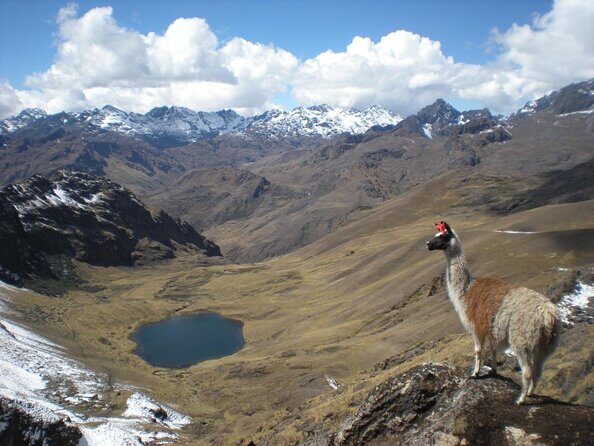
- Condor Pass (Pachacute) is the big climb moment, with a summit pass you’ll feel in your legs
- Quechua village visits bring daily life into the trek, including time to explore and learn
- Llama traditions with llameros add a cultural layer beyond just walking through scenery
- Cold-night readiness is a real factor on camping days, and warm comfort helps
- Machu Picchu guided time is built in, not a rushed grab-and-go scramble
- 100% local, indigenous company support means your trip is tied to community jobs and projects
Cusco Start: the early pickup that sets the tone
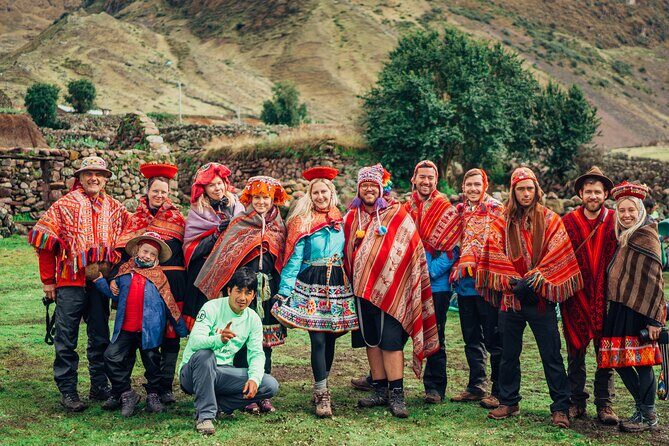
You’ll start in Cusco with a hotel pickup, and you’ll want to confirm where you’re staying so the transfer is smooth. You also get a briefing the night before at 6:00 pm at the operator’s office—use that time to ask gear questions and get your packing organized.
The early start (meeting time is listed as 5:00 am) is part of why this itinerary can move through altitude and still make room for Machu Picchu. If you do best on structure, this format works. If you hate mornings, set a sleep plan early in Cusco.
You can also read our reviews of more evening experiences in Cusco
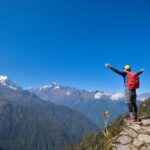

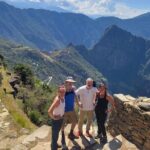
Day 1 to the Hot Springs Area and Kiswarani village: uphill, then culture
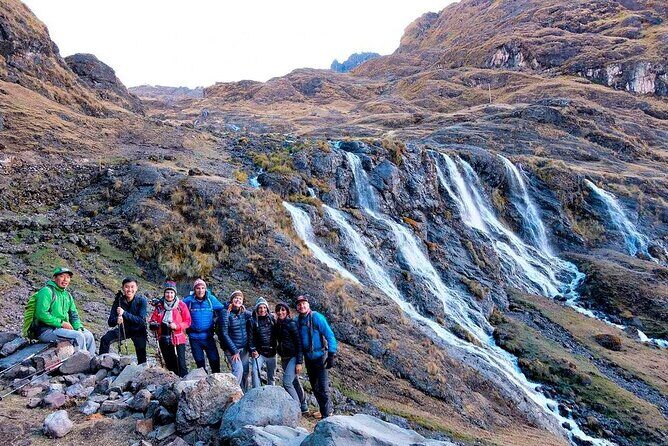
Day 1 begins with a two-hour gradual uphill hike. You’re heading toward Kiswarani for lunch, and the trail is framed as the potato valley section—an area where local farming shapes how people live.
What I like here is that it’s not just a workout. Your guide points out indigenous medicinal plants along the way, and lunch is prepared by your trekking chef. In other words: you’re walking, learning, and eating in rhythm with village life rather than treating the trek like a straight line of milestones.
After lunch comes one of the itinerary’s standout cultural stops: a ceremony with llamas, led by the llameros. The tour explanation connects llamas to Inca sacred status and the economy—plus notes that they’re disappearing due to breeding with smaller animals. One thing to keep in mind: you’ll be participating in a cultural moment, not just observing. You’ll get better results if you bring curiosity (and a calm attitude) rather than expecting a “show.”
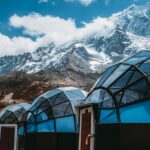
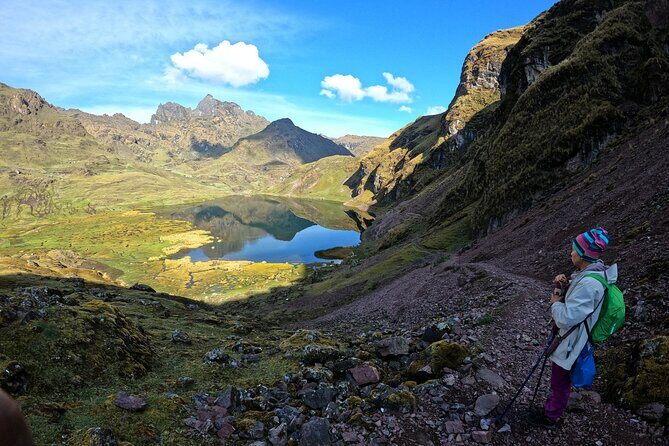
Then you camp. The campsite is described as next to a small lagoon, and that’s the kind of detail that changes how you remember the trek. After a day of hiking, having that visual payoff helps you settle into camping mode.
Practical note: Day 1 is long enough to feel like a trek, but it also functions as your acclimation ramp-up. The gradual uphill start helps.
Day 2: Kiswarani views, Condor Pass (Pachacute), and the first hard push
You’ll wake around 5:00 am with hot drinks. Expect a cold start—high Andean mornings can be sharp. Breakfast comes once you’ve packed your gear, and then you’re off.
This day is about the big altitude climb. You’ll begin with spectacular views over a colorful lake and the Kiswarani valley area, and you’ll see locals already moving with llamas and alpacas grazing. That early-morning sight is a great reminder that this trek follows living routes, not just tourist paths.
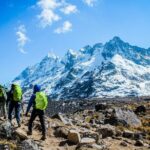
The ascent to the summit is described as a 3- or 4-hour climb to Pachacute, also called Condor Pass. Then you descend for about 3 hours to Canchacancha Village, where you camp.
In the reviews, the second day is often called the toughest. That fits. Even if you’re fit, altitude changes the effort level quickly. Plan to hike slower than your normal pace and keep breathing steady. Your guide will manage the group rhythm, but your job is simple: take the altitude seriously.
Day 3: village time, Inca-style farming, and the shift toward the Sacred Valley
Morning starts with hot drinks again, followed by time to pack and breakfast. This is also your cultural-and-community day.
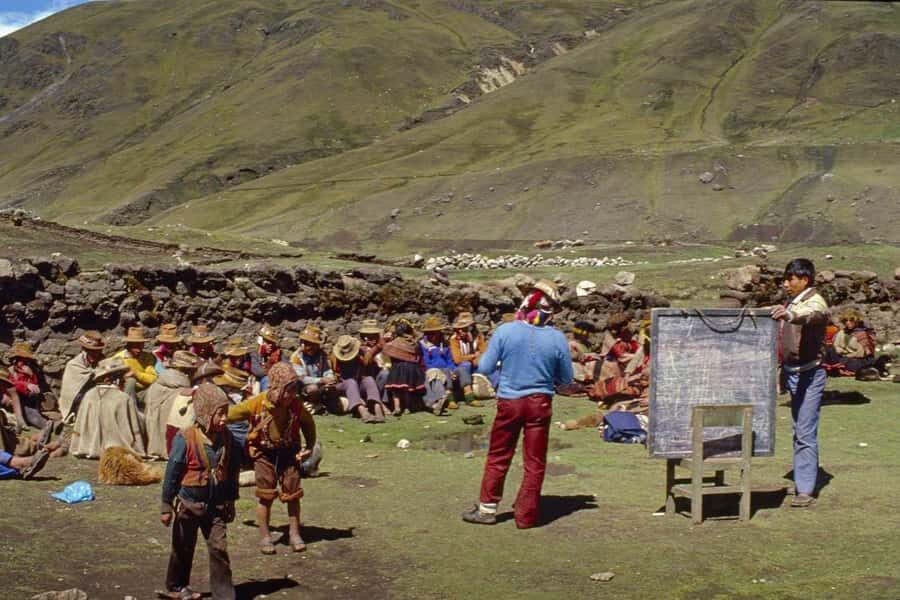
You’ll have time to explore the village and visit a local elementary school. After that, the last leg of the Lares trek begins: around 4 hours of walking downhill along a path that passes farms and traditional crops.
This is where the tour brings agriculture into the story. You’ll see potatoes, fava beans, and other traditional crops grown by hand using traditional Inca tools. You’ll feel the change as you descend—your itinerary describes a micro-climate shift, and you’ll start seeing crops that look different from what you saw higher up.
Then you transition out of trekking mode and into the Sacred Valley timing. From there, you take the train to Aguas Calientes, where you stay overnight (that hotel night is part of the trip’s 3 nights total: 2 camping nights, 1 hotel night).
One of the fun human details that shows up in the feedback: some groups mention small glimpses of village life at the campsite or home visits, like guinea pigs kept around the living space. It’s those real-life moments that make the trek feel like more than exercise.
Day 4: Machu Picchu by bus, a guided 2-hour citadel tour, then train back
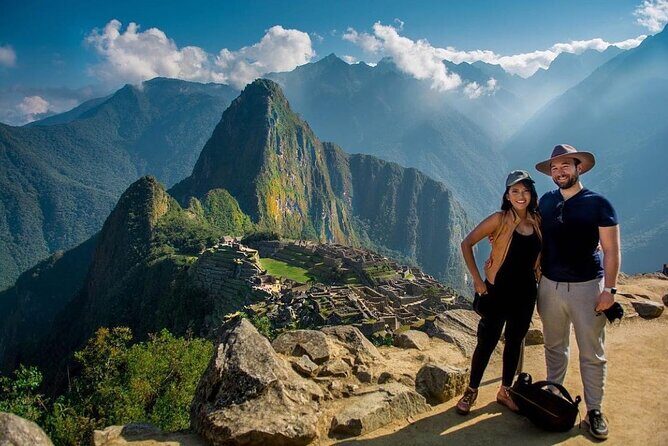
You’ll have an early breakfast and then head to the bus station. The ride is about 25 minutes, and the views pass through cloud forest conditions. Once you arrive, your guide runs the guided tour of Machu Picchu Citadel for about 2 hours.
This is important: you’re not left to wander with a tired map. A good guide makes the stonework easier to understand—why certain areas matter, how the site was used, and how the layout connects to the Inca worldview. The tour structure also helps you stay on track with the timing of entry and the train later.
There’s an optional upgrade if you purchased Huayna Picchu tickets in advance (listed as $75 each). If you have those, you’ll do that extra hike after the guided tour. Since those tickets need advance booking, don’t assume you’ll add it last minute.
After your visit and lunch, you return to the train station and catch your train back to Ollantaytambo. A driver then picks you up and drives you back to Cusco, dropping you at your hotel.
You can also read our reviews of more hiking tours in Cusco
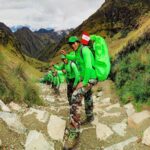

Food, comfort, and the crew machine that makes it work
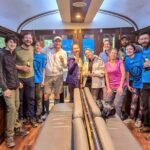
This trip is built like a traveling camp: porters move your duffle (you’ll receive a duffle bag during the briefing), chefs cook, and the crew sets up and breaks down camp efficiently.
Meals are included all the way through:
- Lunches (3)
- Dinners (3)
- Breakfasts (4)
You’ll also have drinkable water along the trek.
In reviews, food is a major highlight. More than one person describes meals as excellent and varied, including vegetarian options. The takeaway for you: you’re not surviving on dry snacks. You’re getting proper fuel, which matters when altitude is already taking calories and oxygen.
Comfort-wise, camping nights can be cold. Some groups mention warm touches like thick alpaca blankets and hot-water bottles. Those aren’t listed as a guaranteed item in the core inclusions, but it’s a good sign that the team thinks about warmth in real conditions.
Is the $650 price a good value for this trek?
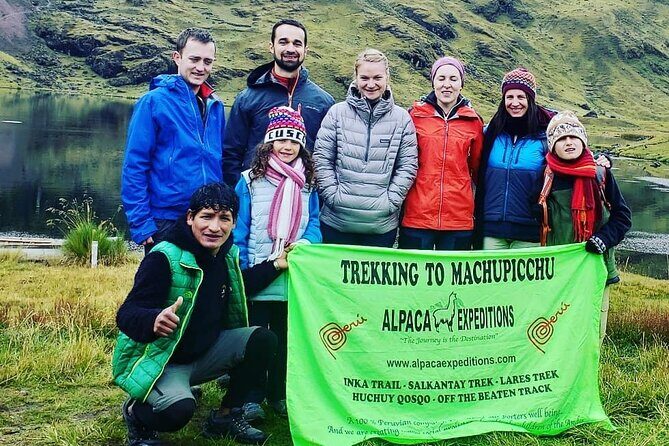
At $650 per person, this isn’t a budget shuffle. But it also isn’t just “you hike, good luck.” The price is doing real work for you.
Here’s what you’re effectively paying for:
- A full guiding team with certified English-speaking trekking guides
- Professional chefs plus porters
- A personal porter up to 7k (so you hike with less weight)
- Round-trip expedition tourist-class train
- Entrance fees for the Lares Valley and Machu Picchu
- Meals (breakfasts, lunches, dinners)
- Safety gear including a first-aid kit, oxygen tank, and satellite phone
- Transport during the tour, plus hotel in Aguas Calientes
When you compare that to piecing together separate services (guides, camping logistics, meals, permits, train and site entry), the packaged value becomes clearer. You’re also getting small group pacing, which usually means better attention when someone needs a breather.
My balanced take: it’s priced like a higher-service trek, not a DIY experience. If you want comfort, guidance, and cultural context, it’s reasonable.
Who this Lares Trek fits best (and who should rethink it)
This trek is a strong match if you want:
- Quechua village interaction as part of the journey, not just a passing photo stop
- A guided approach that helps you understand what you’re seeing
- Small-group pacing (max 14)
- A route that balances trekking with Machu Picchu’s big-day logistics
It may be less ideal if you:
- Hate early mornings and can’t handle long hiking days
- Are sensitive to altitude and haven’t acclimated well
- Don’t want to do cold camping (you’ll want to rent or bring what’s missing: sleeping bag, poles, air mat)
The itinerary also says “traveler should have a moderate physical fitness level” and also “strong physical fitness level.” In practice, treat it as: moderate trekking effort, but high altitude makes it feel tougher.
The local company angle: your trip supports more than sights
One part I appreciate is the stated mission: a 100% local, indigenous company that supports local communities with jobs, training, education, healthcare, and reforestation projects.
That doesn’t erase the reality of tourism, but it does change the direction of where money goes. You’re also more likely to experience the trail through local knowledge because the company is built around local guides and staff.
Quick gear and readiness checklist
Not included items are listed clearly: sleeping bag, trekking poles, and air mats are available for rent. So plan to travel with either rentals arranged or your own gear.
Also plan for:
- Sturdy hiking shoes
- Weather-ready layers (rain and colder nights are realistic in the Andes)
- A mindset for slow hiking on Day 2’s pass climb
From the feedback, waterproofs and shoes are a recurring theme. Pack to stay dry because wet feet turn altitude hikes into suffering fast.
Should you book this Lares Valley Trek to Machu Picchu?
If your priority is a trek that connects you to Andean culture, not just a stamp collecting route, this is a solid choice. The combination of village time, llama traditions with llameros, a high pass day, and a guided Machu Picchu tour hits a sweet spot for people who want the “real Peru” feel while still getting strong logistics.
I’d book it if:
- You’re comfortable with early mornings and a challenging Day 2 climb
- You want a guided Machu Picchu experience
- You value a small-group team setup with safety gear
I’d think twice if:
- You’re not ready for altitude and cold camping
- You’re hoping to avoid trekking days entirely
Overall, for the money, you’re paying for organization, guidance, meals, and safety—not just distance. And that’s what turns this trek from a memory you take home into one you actually feel.
FAQ
How long is the Lares Valley Trek with Hot Spring?
It runs for 4 days and 3 nights, with 2 nights camping and 1 night in a hotel in Aguas Calientes.
Where does the tour start in Cusco?
You get picked up from your hotel in Cusco. You should share where you are staying so the pickup can be arranged.
What time does the tour start each day?
The listed start time is 5:00 am. Day 2 and Day 3 mornings also include waking up around 5:00 am with hot drinks.
Is Machu Picchu included on the itinerary?
Yes. You’ll take the bus up to Machu Picchu, get a guided tour of about 2 hours, and then return by train back to Ollantaytambo.
Is the Machu Picchu guide part included?
Yes. The tour includes a full guided tour of the Machu Picchu Citadel (about 2 hours), with time for you to be back at Aguas Calientes afterward.
Do I need to buy tickets for Huayna Picchu?
Huayna Picchu is not included. If you want it, you’ll need tickets in advance, listed at $75 each.
What meals are included?
Breakfast is included for 4 mornings, and lunch is included for 3 days. Dinner is included for 3 nights.
Do I need a sleeping bag or trekking poles?
Sleeping bag, trekking poles, and air mats are not included, but they are available for rent.
What safety items are included?
The tour includes a first-aid kit, an oxygen tank, and a satellite phone for safety.
What is the cancellation policy?
The experience is non-refundable and cannot be changed for any reason. If it’s canceled due to poor weather, you’ll be offered a different date or a full refund, and if the minimum number of travelers isn’t met, you’ll be offered a different date/experience or a full refund.