REVIEW · CUSCO
City Tour and Machu Picchu 3 Days – 2 Nights
Book on Viator →Operated by Aremika Travel · Bookable on Viator
If you like your days to run on time, this plan fits perfectly. You get a Cusco ruins loop with real Inca sites, then a very early start for Machu Picchu that’s run like a checklist.
I especially like the full logistics package: airport-to-hotel handling, guided stops, and the train-and-bus flow to Machu Picchu. I also like that the Machu Picchu time is guided first, then you get about an hour to slow down inside the sanctuary.
One thing to consider: not every entrance in Cusco is included, so you’ll want a little extra cash ready for tickets like Qoricancha and the partial admission for the 4 ruins.
In This Review
- Key highlights worth knowing
- Quick snapshot: what you’re paying for in Cusco and Machu Picchu
- Day 1 at 1:40 pm: Cusco without the rush, then a focused ruins circuit
- Cusco Cathedral and the Plaza Mayor area, then Qoricancha’s sun-centered story
- Tambomachay: the Bath of the Ñusta and water that never stops
- Sacsayhuamán: huge stones, tight joints, and Inti Raymi’s setting
- Q’enqo: ritual space where sacrifices happened
- Puka Pukara: terraces, aqueducts, and a military control vibe
- Day 2: the 4:00 am run to Machu Picchu (and why it’s worth it)
- From the train to the citadel: bus ride, tickets, then guided circuit
- Your own time inside Machu Picchu: about one hour to breathe
- Evening return: train back to Ollantaytambo and Cusco drop-off at Plaza San Francisco
- Day 3 options: airport farewell, or add a market visit if you depart late
- Logistics and small costs: tickets, meals, and how to avoid surprises
- Who should book this tour, and who should consider other options
- Should you book City Tour and Machu Picchu 3 Days – 2 Nights?
- FAQ
- What time does the tour start?
- What’s included for Machu Picchu?
- How long is the guided visit inside Machu Picchu?
- Where will I stay for the 2 nights?
- Are Qoricancha entrance tickets included?
- Is there an extra ticket for the Cusco city sights?
- What if my Cusco departure is late in the evening?
Key highlights worth knowing
- Up to 30 people keeps the pace feeling organized instead of chaotic
- Machu Picchu entrance + bus ticket included, plus the round-trip train
- About 2.5 hours guided at Machu Picchu, then ~1 hour on your own
- English or Spanish guides for the city loop and the Machu Picchu visit
- Airport-to-hotel-to-airport transfers take the stress out of day-to-day movement
- Carina and Tomas are names that pop up in strong feedback for guidance and reservation help
Quick snapshot: what you’re paying for in Cusco and Machu Picchu
This is a 3-day / 2-night package built around two goals: see key Inca-and-Spanish highlights in Cusco, then do Machu Picchu with tickets, transport, and a guide handled for you. The price is $379.00 per person, which is less about “cheap tour” and more about bundling the big-ticket pieces that usually cost you time and coordination.
Here’s what you get without having to chase details:
- Professional guide in English or Spanish
- Train: Ollanta → Machu Picchu → Ollanta
- Machu Picchu entry plus the bus ticket at Machu Picchu
- Transfers: airport ↔ hotel and Cusco ↔ Ollantaytambo ↔ Cusco
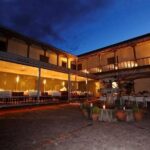
- 2 nights in Cusco at Killaly Inn or Kunan hostel
What’s not included (and where small costs can add up):
- Qoricancha entrance (PEN 20.00 per person)
- A partial tourist ticket for admission to City tours 4 Ruins (PEN 70.00 per person)
- Food (meals are not included), unless you coordinate timing in advance
Value-wise, this is the kind of package that works best when you want structure. If you love wandering solo in between sights, you might feel timeboxed. But if you want the Machu Picchu logistics handled cleanly, the bundle makes sense.
You can also read our reviews of more city tours in Cusco
Day 1 at 1:40 pm: Cusco without the rush, then a focused ruins circuit
The day begins gently. You’re met for reception at the airport and transferred to your hotel to acclimatize before the first guided service. Then the city tour kicks off at 1:40 pm, starting from the Plaza Mayor area.
The Cusco portion is built like a “greatest hits” route, moving through spiritual sites, waterworks, fortress walls, and ceremonial spaces. The stop lengths are short enough to keep energy up, but long enough that you’re not just walking past stones.
You’ll also notice the approach here: the stops are paired with what they were used for. That matters because Inca architecture is easier to appreciate when you know whether you’re looking at ritual space, a water system, or a defensive position.
Cusco Cathedral and the Plaza Mayor area, then Qoricancha’s sun-centered story
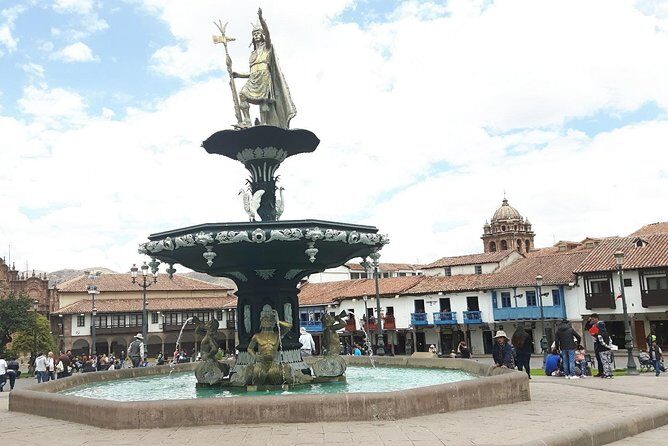
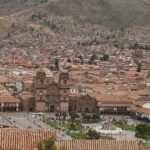
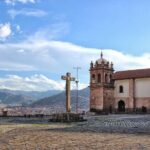
The tour’s first stop is Cusco Cathedral, and from there you move through the heart of the city. From the Plaza Mayor / Huacaypata area, you also visit Qoricancha Temple, built on Inca foundations tied to the worship of the sun.
This is a smart way to start because it sets the theme for the rest of the day:
- Inca walls and layouts are still visible
- The religious meaning isn’t abstract; it connects to real ceremonies, including how Inti Raymi begins at this kind of location
Drawback to flag: Qoricancha admission is not included (PEN 20.00 per person). So I’d plan for at least that extra ticket cost if it’s a must-see for you.
Tambomachay: the Bath of the Ñusta and water that never stops
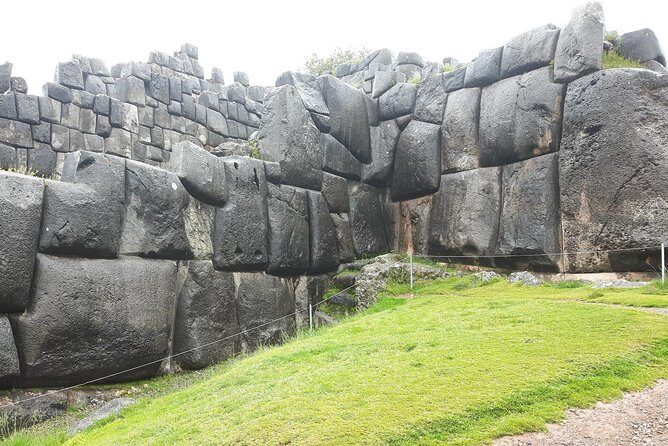
Next is Tambomachay, a limestone structure with polygonal stonework. The name many people use—Bath of the Ñusta—comes from the fact that two aqueducts carry crystal-clear water all year.
What I like about this stop is that it breaks the pattern of “temple, ruins, repeat.” You’re seeing infrastructure. Inca engineering can be easy to admire from a distance, but Tambomachay makes it feel practical because water control is part of the site’s purpose.
Again, admission tickets for this stop are listed as not included, so if you’re budgeting, remember that the Cusco ruins ticket situation may involve the optional/partial city ticket noted later.
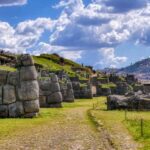
Sacsayhuamán: huge stones, tight joints, and Inti Raymi’s setting
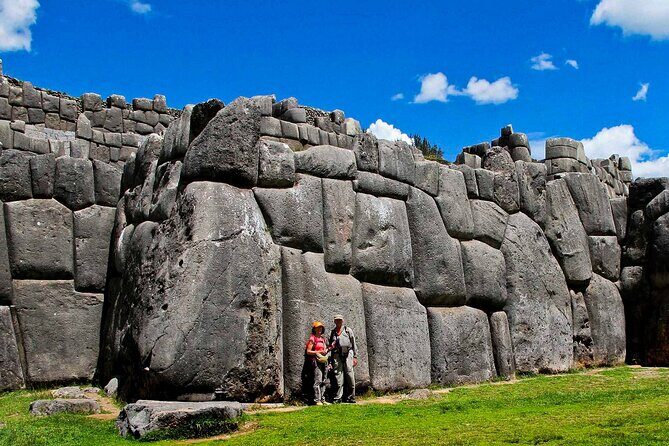
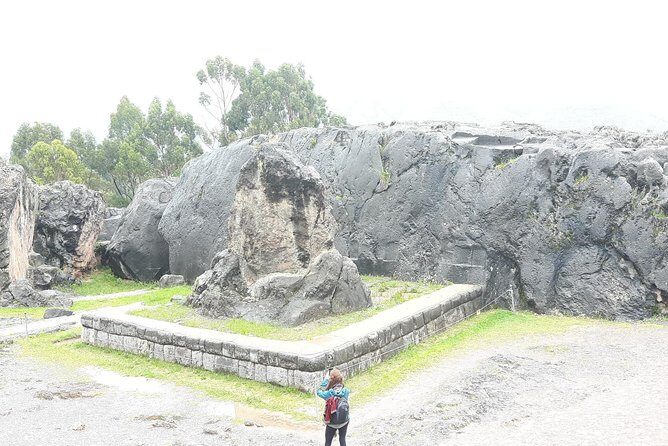
Then comes Sacsayhuamán, a major ceremonial and offering location tied to the Sun God. It’s also famous for June 21 Inti Raymi celebrations.
The standout detail here is size and precision:
- Some stones are described as up to 9 meters high
- With a weight noted at 350 tons
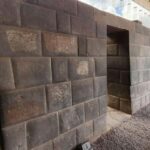
- And the joining is so precise that it’s described as impossible to insert a needle into the joints
Even if you don’t measure stones yourself (please don’t start carrying needles), that description points to what to watch for: the stone edges and the way the walls sit together with no obvious gaps.
It’s one of those places where your eyes stop wanting explanation and start noticing pattern. The guided commentary helps you get there faster.
You can also read our reviews of more tours and experiences in Cusco


Q’enqo: ritual space where sacrifices happened
Q’enqo is a shorter stop, but it’s the kind that benefits from knowing what you’re looking at. This is described as a mystic temple where religious sacrifices were made.
When a stop is only about 30 minutes, the guide’s role matters more. You’ll want someone to point out what looks ceremonial versus what looks like everyday structure. If you enjoy meaning behind the setting—rather than just photos—Q’enqo is a good use of time.
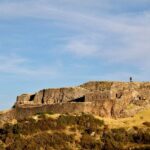
Puka Pukara: terraces, aqueducts, and a military control vibe
The final City Day 1 stop is Puka Pukara, also described as a military center. The site includes:
- superimposed terraces
- aqueducts
- plazas
This is where the tour shifts from sacred to controlled. You’re seeing how space could be organized for observation, movement, and defense. It’s also a good “closing chapter” after Sacsayhuamán because it keeps the theme of Inca power, just expressed differently.
Day 2: the 4:00 am run to Machu Picchu (and why it’s worth it)
Day 2 is early. The meeting point starts at 4:00 a.m., with a bus transfer to the Ollantaytambo train station.
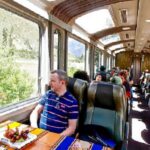
You’ll board the bus at that early hour, then travel by train to Machu Picchu. The train ticket is included as Ollanta → Machu Picchu → Ollanta, so you’re not piecing together schedules yourself.
A practical note: this is not a slow morning. If you’re the type who needs extra time to wake up, set two alarms and keep your phone charged. The whole plan is built around catching the right timing.
From the train to the citadel: bus ride, tickets, then guided circuit
After arriving in Machu Picchu, you transfer to the Consettur bus station to board the bus to Machu Picchu.
At the control gate of the citadel, you enter together with your tour guide. This small detail is more important than it sounds. Machu Picchu access is ticket-driven, and being guided through that checkpoint saves you from last-minute confusion.
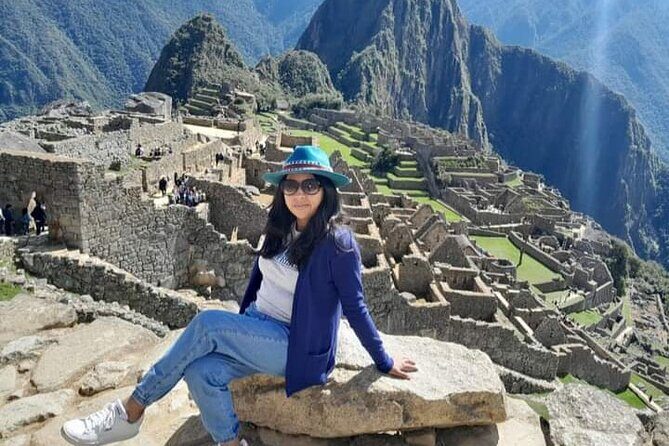
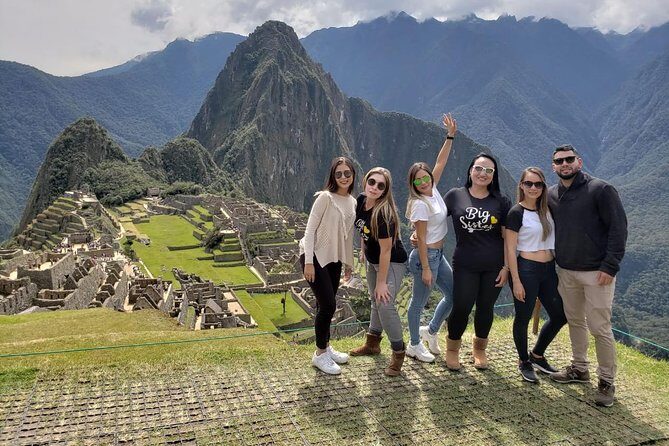
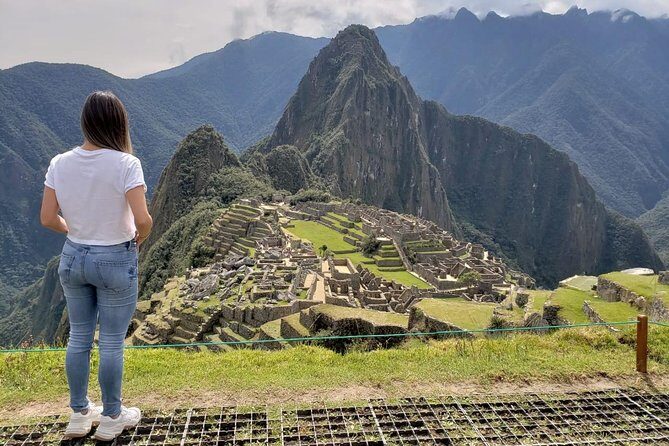
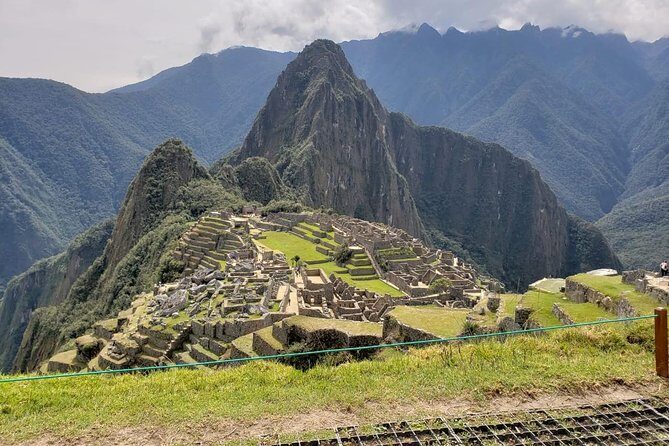
Once inside, you get a guided walk for about 2.5 hours visiting key areas, including:
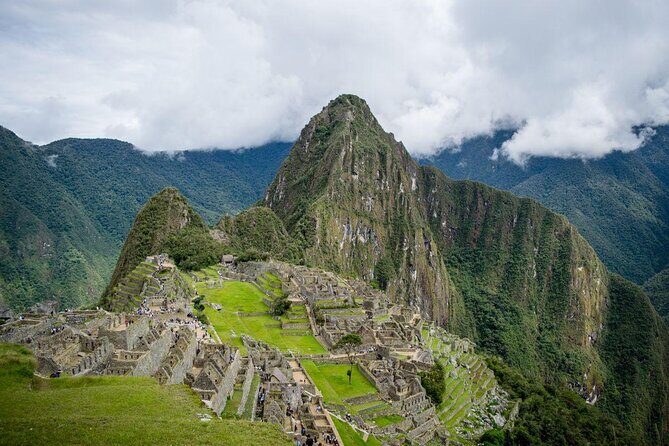
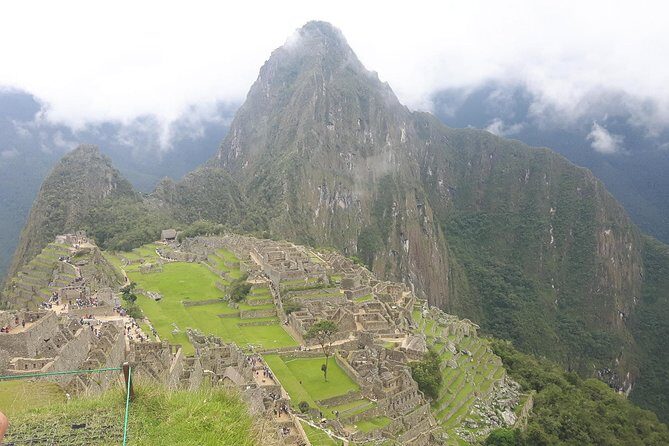
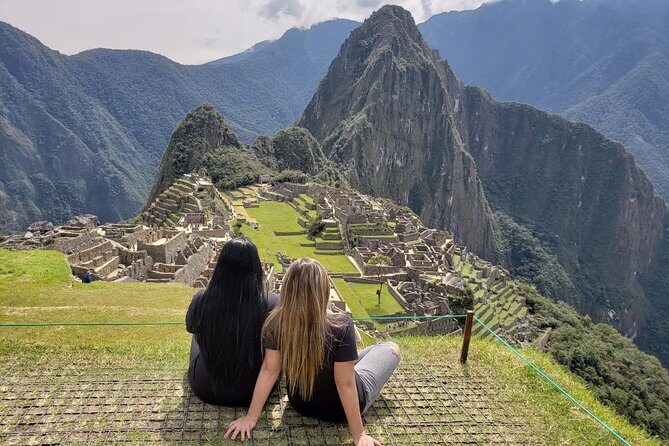
- Guardian’s House (panoramic view of Machu Picchu alongside Huanapicchu)
- stone quarry
- Temple of the Sun
- Temple of the Three Windows
- agricultural area
- urban area
This is a strong pacing approach: you see the major landmarks with context, then you’re not stuck trying to interpret everything alone.
Your own time inside Machu Picchu: about one hour to breathe
After the guide finishes the circuit, you get about an average hour to rest inside the historic sanctuary. Then you take the bus back to the town of Machu Picchu.
I like this structure because it gives your brain a break. The guided part is for orientation and meaning. The free time is for photos, slow walking, and just standing somewhere quiet for a minute.
If you’re traveling with family, this is also the time where kids (or adults who hate rushing) can manage energy without the guide moving you every few minutes.
Evening return: train back to Ollantaytambo and Cusco drop-off at Plaza San Francisco
The return timing is set:
- 8:20 pm train from Machupicchu to Ollantaytambo
- then a transfer waiting to take you back toward Cusco (Plaza San Francisco)
- tour ends around 10:00 pm
Plaza San Francisco is the drop-off point, from where you can take a taxi to your hotel.
This late finish is worth planning around. I’d avoid scheduling anything stressful the same night, because you’ll likely be happy just to eat, shower, and sleep.
Day 3 options: airport farewell, or add a market visit if you depart late
Day 3 starts with breakfast at the hotel.
If your departure from Cusco is in the evening hours, the tour can schedule an additional-cost service for a look at the imperial city visit plus the traditional market of San Pedro. If you’re not feeling it, you can take the day off instead.
Then your farewell is either at the airport or the land terminal, depending on how you’re leaving.
This flexibility is one of the quieter perks. A lot of Machu Picchu packages lock you into an activity even when your flight timing doesn’t match. Here, you get a choice.
Logistics and small costs: tickets, meals, and how to avoid surprises
The main thing to budget for is the separation between Machu Picchu and Cusco entrances.
- Machu Picchu entry and the bus ticket are included, so you shouldn’t pay for those separately.
- Qoricancha entrance is not included: PEN 20.00 per person.
- There’s also a partial tourist ticket for admission to City tours 4 Ruins: PEN 70.00 per person.
Meals are not included. Food is only mentioned as something you can arrange prior coordination with the guest, so don’t assume lunch or dinner is part of the plan.
A few more logistics notes based on how the experience is run:
- Transfers are included (airport ↔ hotel; Cusco ↔ Ollantaytambo ↔ Cusco), so you’re not navigating between stations.
- The maximum group size is 30, which usually keeps the pace controlled.
- Service is described as being handled with attention and punctual timing—this shows up in strong feedback names like Carina (guide) and Tomas (reservation support).
One fun-to-know detail: there’s mention of music played through speakers on the bus during the trip. It’s a small touch, but it adds to the feeling that the ride isn’t just transportation.
Who should book this tour, and who should consider other options
This fits best if you want:
- a guided Machu Picchu day with the train, entry, and bus handled
- a Cusco loop that hits multiple key sites without you planning the sequence
- solid logistics support (airport pickup, hotel transfers, scheduled drop-off)
You might want to think twice if:
- you dislike starting very early (the 4:00 a.m. pickup is non-negotiable)
- you strongly prefer fully self-guided days with lots of spontaneity
- you’re trying to keep your budget extremely tight, since Qoricancha and some Cusco ruins admissions cost extra
If you’re traveling with family, the structure tends to help. If you’re solo and love being in control of your pace, you might feel the schedule pulling you along.
Should you book City Tour and Machu Picchu 3 Days – 2 Nights?
Yes, if your priority is a clean, guided path that gets you to Machu Picchu without stress. The included pieces—train, Machu Picchu entry, bus ticket, 2 nights in Cusco, and transfers—cover the parts that usually create the most headaches.
I’d book especially if you value punctual execution and you like having someone explain what you’re seeing. Strong feedback points to attentive staff and guides (including Carina) plus helpful reservation support (Tomas), and that kind of support matters on a tight schedule.
Before you commit, do two quick checks:
- Add up the extra Cusco entrances you might pay (Qoricancha and the partial city ruins ticket).
- Accept the early start on Day 2 as part of the deal.
FAQ
What time does the tour start?
The meeting point start time is 4:00 am.
What’s included for Machu Picchu?
You get the train ticket (Ollanta → Machu Picchu → Ollanta), entrance to Machu Picchu, and the bus ticket in Machu Picchu.
How long is the guided visit inside Machu Picchu?
With your guide, you’ll spend about 2.5 hours touring Machu Picchu, followed by about 1 hour of time to rest inside the sanctuary.
Where will I stay for the 2 nights?
You’ll stay for 2 nights in Cusco at Killaly Inn or Kunan hostel.
Are Qoricancha entrance tickets included?
No. Qoricancha entrance is PEN 20.00 per person and is not included.
Is there an extra ticket for the Cusco city sights?
Yes. A partial tourist ticket for admission to the City tours 4 Ruins is PEN 70.00 per person and is not included.
What if my Cusco departure is late in the evening?
If your departure is in the evening, you can schedule an additional-cost service for an imperial city visit and the San Pedro traditional market, or you can take the day off.