REVIEW · CUSCO
3-Day Eco-Sustainable Private Tour Manu National Park
Book on Viator →Operated by Manu Tour Operator Expediciones Vilca · Bookable on Viator
Manu in three days feels fast, and that is the point. You pack in boat time, rainforest trails, and night walks with a guide who uses telescope and binoculars to help you spot wildlife.
I like the hands-on pacing: you get walking (usually 2 to 3 hours at a time), plus rowing on wooden rafts and a boat ride on the upper Madre de Dios River. I also like the operator’s responsible angle since the 1993, with solar recharging, rubber hiking boots, a first-aid kit, and support for the local community.
One thing to think about: the schedule starts early (pickup between 5:30 and 6:00 AM on Day 1), and the rainforest does not slow down for your comfort. If weather is rough, wildlife sightings can still be great, but not guaranteed in the way your imagination wants.
In This Review
- Key highlights I’d circle before you book
- Why this 3-day Manu plan works from Cusco
- Cusco morning to Kosnipata Valley cloud forest: tombs, birds, and early starts
- Atalaya, the Madre de Dios River, and the thermal-bath break
- The parrot clay lick: one last wildlife moment before heading back
- Wildlife spotting with binoculars and a telescope (and how to use it)
- Eco-sustainable touches that are actually practical
- Where the comfort level really sits: lodging, meals, and day-to-day energy
- Price and value: is $389 a fair deal for a private Manu tour?
- Who this tour is best for (and who should consider other options)
- A small guide-to-spotting tip you can use immediately
- Should you book this 3-day eco-sustainable Manu tour?
- FAQ
- What time does the pickup happen in Cusco on Day 1?
- Where does the tour start and end?
- Is the tour private?
- What meals are included, and what is not?
- Do you get binoculars or a telescope?
- How much walking is involved?
- Is there free cancellation?
Key highlights I’d circle before you book
- Boat + wooden rafts on the upper Madre de Dios, plus raft riding on the Machuwasi lagoon
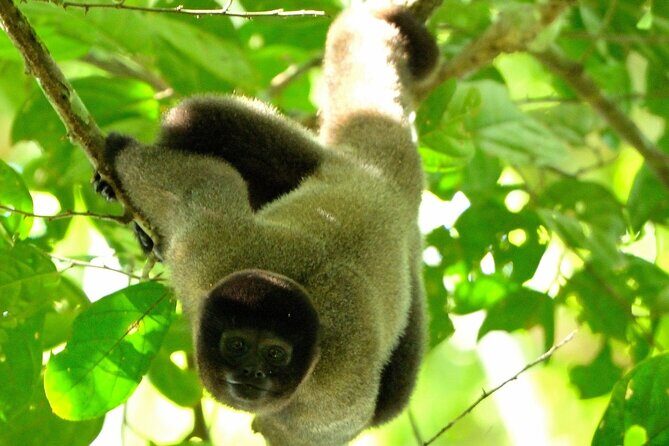
- Cloud forest birding for cock of the rocks and ketzales, with monkeys and other wildlife in the mix
- Night walks for armadillo, snakes, toads, and nocturnal monkeys
- Solar-powered battery recharging so you can keep your photos and maps alive
- Private guide gear: telescope and binoculars included
- Meals and lodging covered with hostels that have private bathrooms
Why this 3-day Manu plan works from Cusco
This tour is built for people who want a real rainforest experience without needing a full week. You’re not just doing one look-out and calling it done; you’re moving through different habitats—from cloud forest to river systems to jungle trails—so your chances for variety go way up.
Manu is famous for biodiversity, but the practical part is how you experience it. You’re given repeated chances to see animals: daytime birdwatching, river/lagoon time, and a night walk where the rainforest shows a different cast of characters.
And yes, it’s private. That means it’s designed around your group, not a big shuffle with strangers who all have different expectations for pace and comfort.
You can also read our reviews of more private tours in Cusco
Cusco morning to Kosnipata Valley cloud forest: tombs, birds, and early starts
Day 1 begins with pickup from central Cusco—your start point is Plaza de Armas. The timing is early: you’re collected between 5:30 and 6:00 AM from your hotel, airport, bus station, or the meeting point.
On the way out, you visit the funerary tombs of Ninamarca in the Paucartambo area. It’s not a long museum stop, but it adds a human layer before you go deep into nature. Then it’s on to the cloud forest region where the bird life becomes the headline.
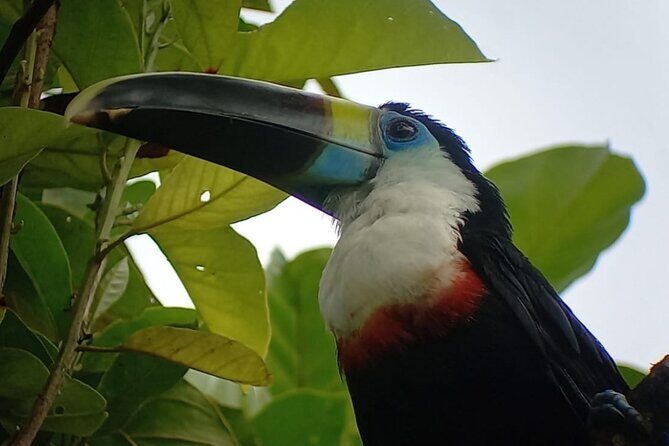
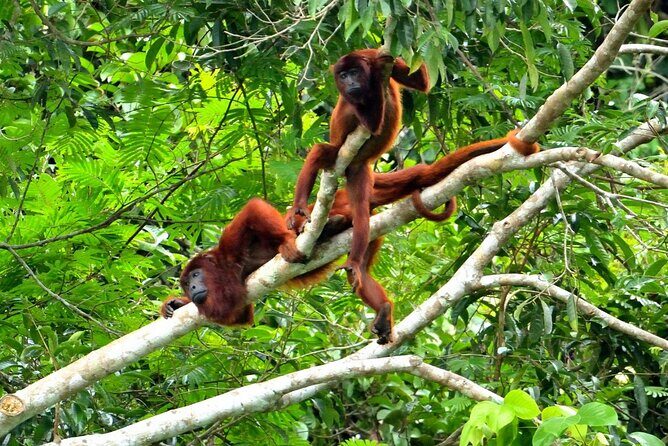
You’ll spend time in the forest around the Acjanaco area, and this is where the tour leans hard into classic Manu sightings. Expect chances for cock of the rocks, ketzales, plus other bird species and multiple monkey species. The walk time is around 2 hours, and the admission ticket for this day’s stop is included.
Small practical note: cloud forest mornings can feel cooler than Cusco daytime, even when skies look fine. I’d wear layers you can adjust quickly, since you’ll be walking and then pausing for wildlife.
Atalaya, the Madre de Dios River, and the thermal-bath break
Day 2 is where Manu starts to feel like a river journey, not just a hiking trip. You travel by bus for about 45 minutes to Atalaya, and along the way you’ll pass through a working landscape—fruit trees, coca plantations, bananas, and medicinal plants.
That matters because it frames what you’re seeing. You’re not going from city to “perfect wilderness” in one jump. You’re moving through a lived-in region, where agriculture and nature share space at the same time.
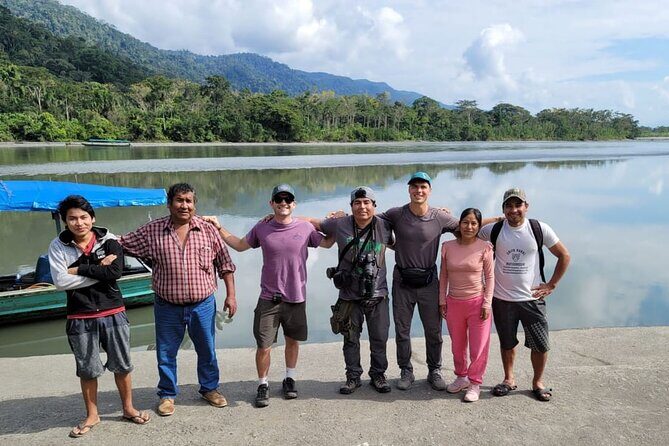
Then comes the fun part: you head out on the water. This tour includes sailing/boat time on the upper Madre de Dios River, plus wooden-raft rowing tied to the Machuwasi lagoon experience. You also get a break in the thermal baths, which is a smart design choice on Day 2. After early starts and rainforest trails, soaking helps your body recover without turning the trip into a rest-only day.
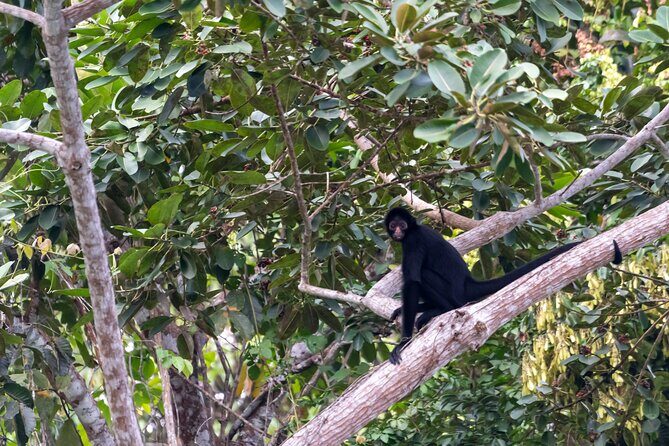
On land, you’ll take a trail walk for about 2 hours. This section is about slow looking: primary trees, insects, mammals, and the kind of birdwatching where your guide can redirect your attention fast. The tour specifically targets sightings like capybara, plus monkeys and even small alligators in the river-edge mix.
And then there’s the part I’d call the real “Manu magic switch”: the night walk. Day 2 includes a free night walk, which is where you may see armadillo, snakes, toads, nocturnal monkeys, and other creatures that mostly stay hidden in daylight.
A consideration: night walks mean you’ll be outdoors longer than you think, often with damp air and uneven footing. If you’re sensitive to mosquitoes or cold, plan your layers and bug strategy early.
The parrot clay lick: one last wildlife moment before heading back
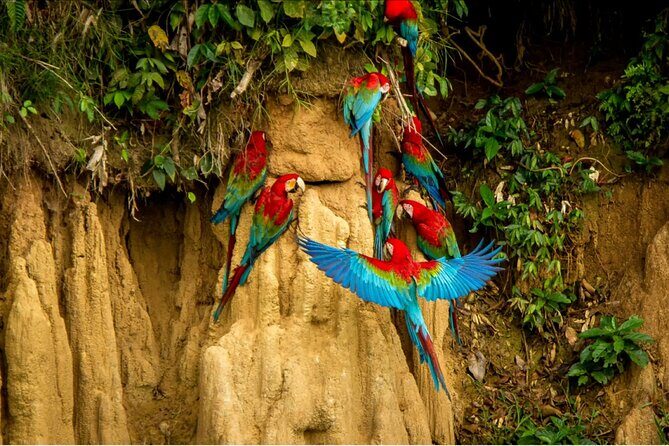
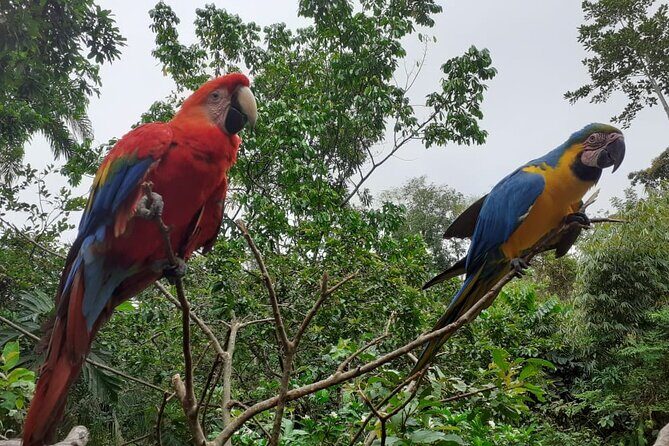
Day 3 starts with a targeted wildlife stop: the parrot clay lick. This is one of those places where timing matters—parrots come to mineral-rich clay, and the activity around it can be fast and loud. It’s a great way to end the tour with something that’s more predictable than random encounters, while still feeling wild.
After that, you return by boat back toward Atalaya. Then it’s bus back to Cusco, arriving around 5:00 to 6:00 PM.
This day is shorter on paper, but it often feels full in practice. Clay-lick wildlife moments can be time-sensitive, and you’ll likely spend extra time watching even after you think you’re “done.” That’s also where your guide’s timing and spotting skills matter—because the best views are the ones you catch in the moment.
Wildlife spotting with binoculars and a telescope (and how to use it)
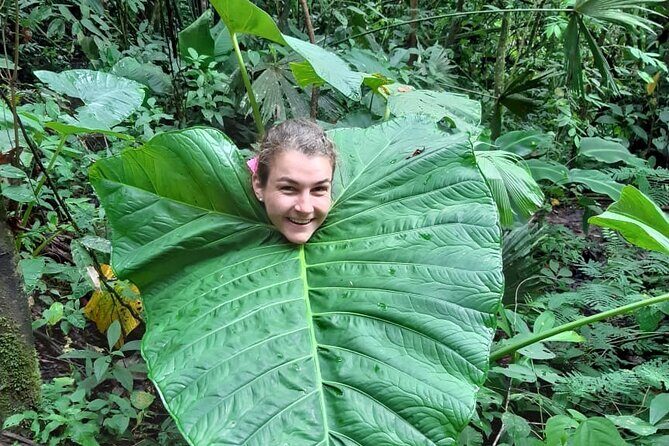
One of the smartest inclusions here is the specialized guide with a telescope and binoculars. Even if you have a decent phone camera, the difference between seeing movement and identifying a bird species often comes down to magnification and patience.
I’d use this setup the same way a photographer does:
- Pause first, then scan with binoculars.
- Once you locate motion or color, use the telescope for closer confirmation.
- Let your guide tell you what you’re seeing, then look again with the new context.
When you’re in jungle light—especially under forest canopy—your eyes need help. This tour is built for that, and guides who work wildlife all day tend to “read” the landscape quickly.
Also, this tour’s stated species list is ambitious: cock of the rocks, ketzales, multiple monkey species, plus mammals like capybara and small alligators. Night-walk targets (armadillo, snakes, toads, nocturnal monkeys) mean you’re not just chasing birds—you’re learning the rainforest’s full schedule.
You can also read our reviews of more tours and experiences in Cusco
Eco-sustainable touches that are actually practical
“Eco” can be a buzzword. In this case, some of the elements are directly useful, not just marketing.
You get recharging batteries with solar panels, which is a big deal in remote areas. You don’t have to hunt for power outlets or ration your photos like it’s a road trip in 2008. You also get rubber hiking boots, which helps on wet trails and reduces the chance you’ll show up with shoes that aren’t built for jungle mud.
The tour also includes a first aid kit, and it runs with responsible operations from an operator with experience since 1993. That long track record matters because rainforest logistics are unforgiving: water, timing, and safety depend on practiced routines.
Finally, the operator frames the trip as support for environmental sustainability and the native population of the area. I can’t verify impact numbers from a description alone, but I do like that the tour isn’t pretending sustainability is only about signage. It’s also about the way the trip is run on the ground.
Where the comfort level really sits: lodging, meals, and day-to-day energy
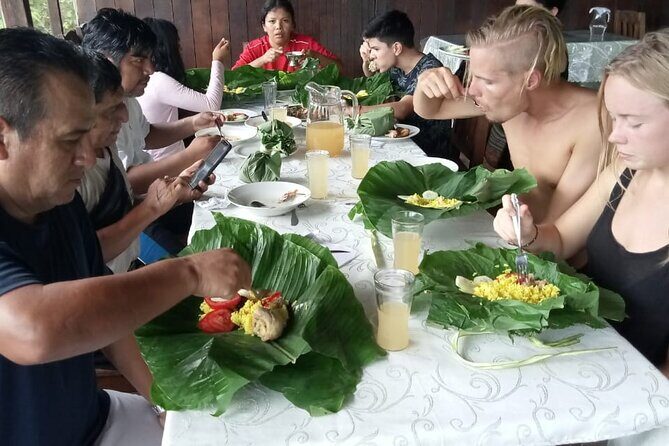
The tour includes lodging in comfortable hostels with private bathrooms, plus a professional cook. You’ll have meals covered: lunch (3), dinner (2), and breakfast (2).
Still, jungle trips come with trade-offs. One common theme in feedback is that accommodations and food are on the more “moderate but reliable” side compared with a resort. That’s not a flaw; it’s just the reality of remote jungle operations. The value is that you’re fed so you can keep moving.
From a planning standpoint, note what is not included:
- Breakfast on the first day
- Water on the first day
- Alcoholic beverages
If you’re the type who needs a morning drink or a caffeine ritual, handle that before Day 1 breakfast timing. And keep in mind that in the rainforest, water habits matter. The tour does include mineral water always (as stated), but it’s still worth being mentally ready for that Day 1 gap.
Price and value: is $389 a fair deal for a private Manu tour?
At $389 per person for three days, you’re paying for more than “a guide in the jungle.” You’re paying for transportation out of Cusco, park access, river and raft logistics, equipment support (binoculars and telescope), boots, meals, and lodging.
Here’s how the value stacks up:
- Private transportation reduces time wasted and keeps the schedule tight.
- Telescope/binocular guide gear helps you actually see what you came for.
- Meals + lodging reduce your daily spending in a place where options are limited.
- Solar recharging + boots solve real on-the-ground problems.
Would it be cheaper as a shared group? Probably. But for people who want control over pace and comfort—especially with wildlife-watching stops and night walks—private can be worth it.
Also, with a 4.7 rating and about 95% recommended based on the number of reviews provided, it looks like most people come away feeling the plan delivers.
Who this tour is best for (and who should consider other options)
This is a great fit if you:
- Want a classic Manu mix: cloud forest + river + clay lick + night wildlife
- Like wildlife interpretation, not just sightseeing
- Are comfortable with an active schedule and long travel days
- Appreciate practical eco touches like solar charging and included boots
It might be less ideal if you:
- Want a slow, lounge-style vacation
- Have trouble with moderate physical activity and forest walking
- Get stressed by early departures (pickup starts 5:30–6:00 AM)
The tour notes a moderate physical fitness level is recommended, which usually means you should be fine with hikes around 2 to 3 hours and night-walk conditions.
A small guide-to-spotting tip you can use immediately
When wildlife is active, you’ll often see motion before color. Here’s what works in practice on this kind of tour:
- Stop moving when you hear or spot something.
- Watch for repeated direction changes (birds circling, monkeys calling).
- Don’t stare only at the center of a tree—scan trunks, branch edges, and openings where light hits.
Your guide’s job is to tell you what you’re likely looking at. Your job is to give your eyes time to confirm it.
Should you book this 3-day eco-sustainable Manu tour?
If you want a compact Manu hit—boat ride, rafting, cloud forest birding, and at least one night walk—this tour makes a lot of sense. The inclusion list is strong for the price, and the private format helps keep the experience focused.
I’d book it if:
- You’re okay with an early start and active days
- You want expert wildlife support with binoculars and a telescope
- You like the idea of ending with a clay-lick bird moment before returning to Cusco
I’d think twice if:
- You need a high-comfort, low-activity vacation style
- You’re worried about moderate jungle walking and night-walk conditions
If that sounds like your trip style, this is a smart way to experience Manu without spending a week in transit.
FAQ
What time does the pickup happen in Cusco on Day 1?
Pickup for Day 1 happens between 5:30 and 6:00 AM, depending on where you’re being collected.
Where does the tour start and end?
The tour starts at the Plaza de Armas de Cusco area and ends back at the meeting point in Cusco, with arrival on Day 3 around 5:00 to 6:00 PM.
Is the tour private?
Yes. It’s described as a private tour/activity, with only your group participating.
What meals are included, and what is not?
The tour includes lunch (3), dinner (2), and breakfast (2). Breakfast the first day is not included, and water on the first day is also not included.
Do you get binoculars or a telescope?
Yes. The included specialized professional guide provides a telescope and binoculars.
How much walking is involved?
You can expect jungle trails around 2 to 3 hours, plus additional time for walking tied to specific stops. A moderate physical fitness level is recommended.
Is there free cancellation?
Yes. You can cancel up to 24 hours in advance for a full refund. If you cancel less than 24 hours before, the amount paid is not refunded.