REVIEW · CUSCO
Salkantay Trek Challenge – 3 Days / 2 Nights
Book on Viator →Operated by Salkantay Trekking · Bookable on Viator
Salkantay hits hard, then pays back big. This 3-day/2-night challenge links Cusco, the Salkantay Pass, and the cloud-forest way of life on the way to Machu Picchu. You get a mix of Andean highlands and warmer Amazon-side scenery, plus a guided Machu Picchu visit and train ride back.
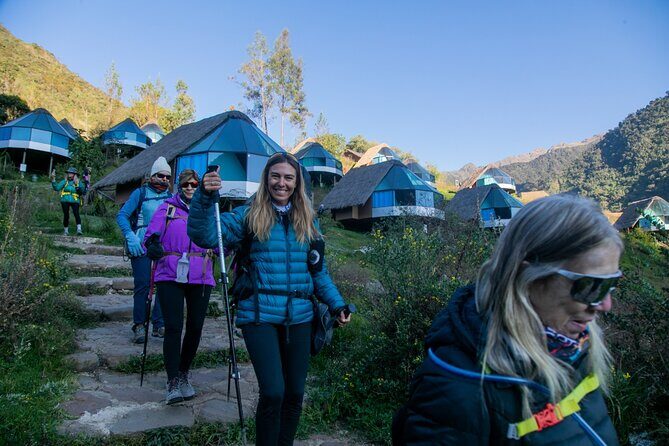
I especially like how much is handled for you: meals, tents/camp setup, safety gear, and even a horse to carry your duffel (up to 5 kg). I also like the human factor—guides such as Marco, Guido, and Cesar Quispe are repeatedly praised for keeping the group organized and feeling cared for on a tough route.
One drawback to plan for: it’s intense. The first day over the pass is challenging, and the schedule is early and full, so you should expect limited sleep and a workout-heavy trip.
In This Review
- Key Things That Make This Salkantay Trek Worth Your Time
- Cusco Pickup at 2:30–3:00 a.m.: Why the Start Time Matters
- Day 1 to Mountain Sky View: Soraypampa, Seven Serpents Trail, and the Pass
- Day 2 Through Santa Teresa Valley and the Lucmabamba Coffee Stop
- Day 3 Machu Picchu by Bus, Plus the Train Back to Ollantaytambo
- What You Actually Get For the $680 Price
- Included Gear and the Horse-Plus-Duffel System
- Pace, Altitude, and Sleep: The Reality Check You Need
- Who This Trek Fits Best (and Who Should Rethink It)
- The Machu Picchu Timing: Why the Circuit Choice Matters
- My Booking Advice: Should You Choose This 3D/2N Challenge?
- FAQ
- What’s included in the price?
- How early do I need to be ready in Cusco?
- Is this trek suitable for beginners?
- What about altitude? Should I arrive in Cusco ahead of time?
- Is there a vegetarian or vegan meal option?
- What happens if weather is poor?
Key Things That Make This Salkantay Trek Worth Your Time
- You move from hut life to hotel comfort in only two nights, which helps when the days get long.
- Machu Picchu is handled with a guided 2-hour tour once you arrive in Aguas Calientes.
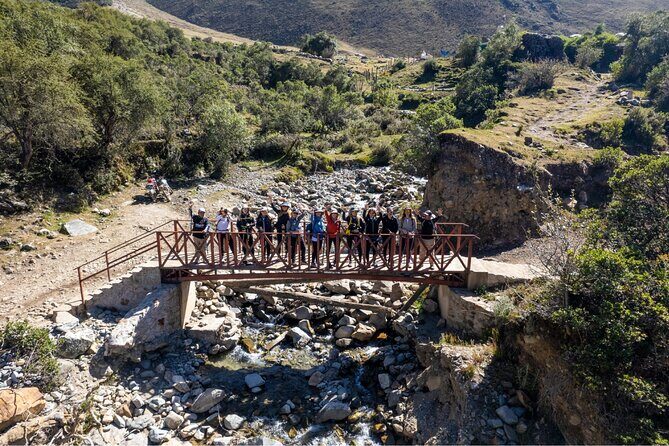
- Small group size (max 12) means less chaos and easier managing on steep parts of the trail.
- Your heavy gear is mostly off your back thanks to the duffel bag transfer by horse.
- Safety tools are included (first aid kit, oxygen supply, walkie talkies, emergency satellite phones).
Cusco Pickup at 2:30–3:00 a.m.: Why the Start Time Matters
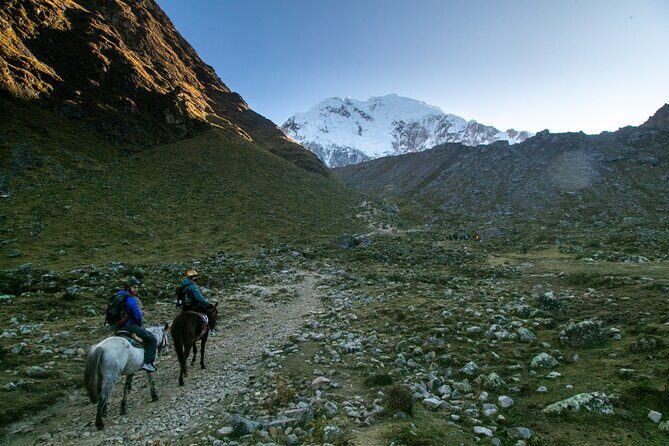
This trek starts absurdly early. The schedule lists pickup in Cusco at 2:30 a.m., with a stated start time of 3:00 a.m., so treat both as “be ready before your brain fully wakes up.”
Why it matters: you’re going to lose a little comfort on the front end, but it pays off by getting you onto the trail before daylight turns the high route hot and tiring. Also, the altitude is real from the start—going up fast means you’ll want to hydrate early and keep an easy rhythm right away.
You can also read our reviews of more hiking tours in Cusco
Day 1 to Mountain Sky View: Soraypampa, Seven Serpents Trail, and the Pass
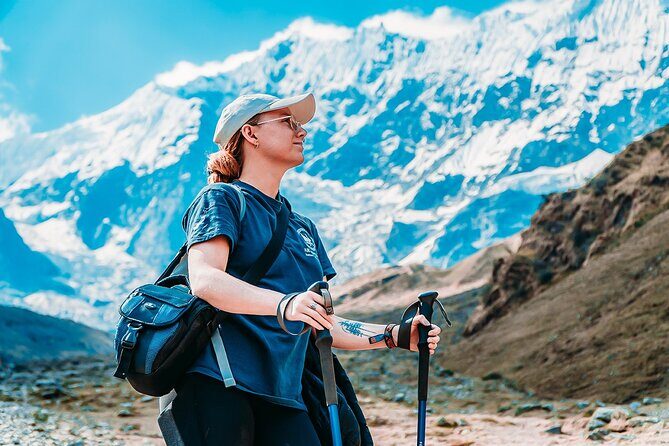
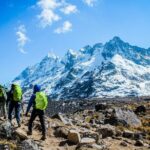
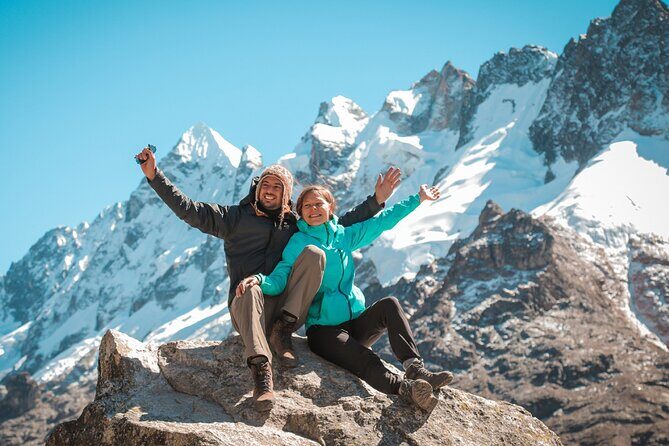
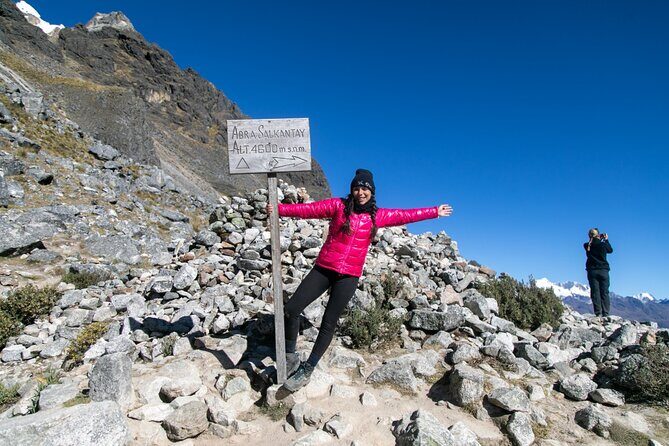
Day 1 is the big one. You start by traveling from Cusco to Soraypampa (3,900 m / 12,795 ft) and then shift into the climb along the 7 Serpents Trail toward Abra Salkantay (4,630 m / 15,190 ft).
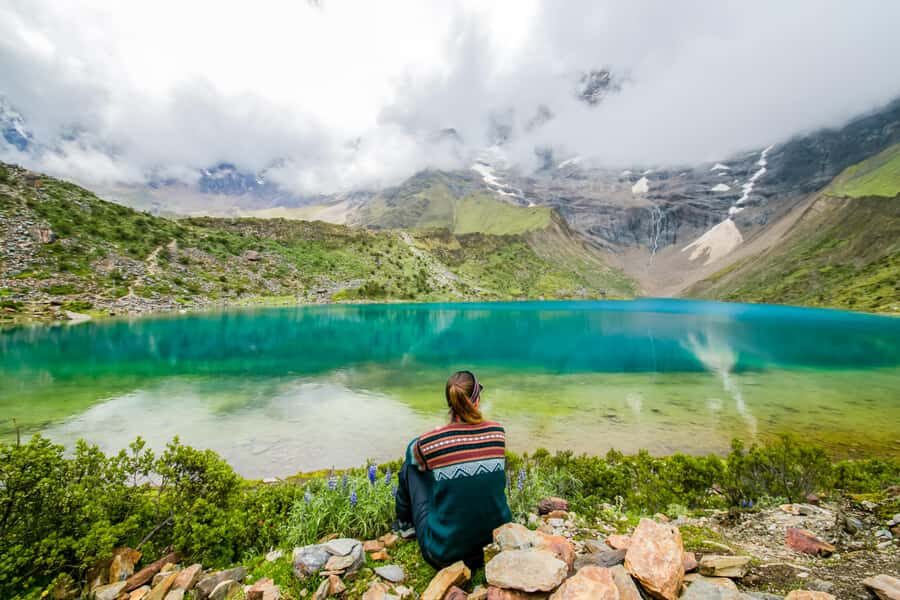
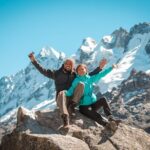
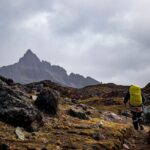
The pass segment is what people talk about for a reason. High altitude can slow your breathing and make every step feel heavier, but the payoff is the dramatic high-mountain scenery all around you. After Wayracmachay for lunch, you begin the descent and the air changes again—down into the high Amazon rainforest zone where temperatures feel warmer.
By the end of the day, you reach the Mountain Sky View camp (Collpapampa, 2,950 m / 9,678 ft). You’ll have dinner and time under the stars, which is a nice contrast after a tough day of altitude work. Still, keep expectations realistic: the day runs about 10 hours in total per the schedule, and you’ll feel it.
Day 2 Through Santa Teresa Valley and the Lucmabamba Coffee Stop
Day 2 starts at camp with a homemade breakfast, then you head into the Santa Teresa Valley with a more relaxed hike (about 1 hour). This is the day’s breathing room. You’re still trekking, but the pace gives your body a chance to reset after the hardest day.
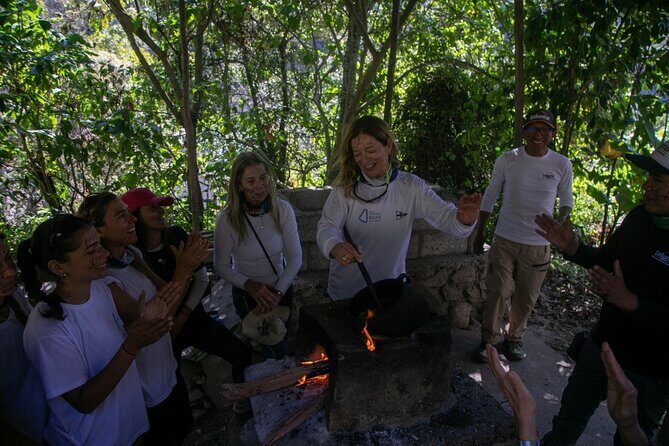
Next comes a standout change of flavor: Lucmabamba Coffee Experience. You walk through waterfall country and passing orchid-and-coffee plots, then continue to the village of La Playa. You’ll get lunch made with local products and a demonstration of artisanal coffee making.
That coffee stop isn’t just a break. It’s also a way to understand how people live in these warmer zones—how agriculture fits alongside hiking and river life. If you like small cultural moments that don’t steal your whole day, this part is a good use of time.
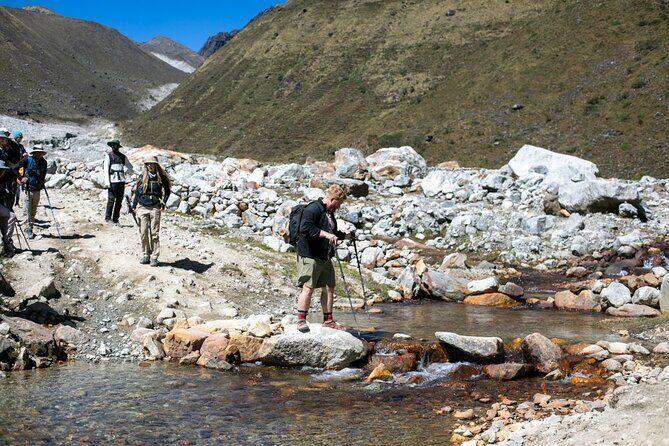
Then you shift to the “river and jungle” side of the route. You’ll travel to Hidroeléctrica, and from there continue on foot along the Urubamba River. This section takes about 3 hours and feels more tropical than day 1, which helps you mentally reset even if your legs are still tired.
Finally, you arrive in Aguas Calientes and check into a comfortable hotel. Dinner with the group helps you prepare for the Machu Picchu day ahead—because the next morning is built around an early start and getting into the lines-free mindset.
Day 3 Machu Picchu by Bus, Plus the Train Back to Ollantaytambo
Day 3 begins with light breakfast in Aguas Calientes, then a bus ride up to Machu Picchu. As you ascend through mist and cloud-forest air, the mood shifts from trek mode to ancient-citadel mode. It’s one of those moments where you’ll want to slow down and take in the approach.
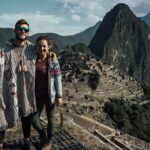
Once you arrive, you get a guided visit in the Historic Sanctuary of Machu Picchu with a 2-hour tour. The focus is on temples, terraces, and sacred sites—exactly the kind of overview that helps the place make sense beyond postcard views.
Ticket type is built into your booking plan. Your admission is listed as Circuit 2 for 3-month bookings. If that circuit isn’t available, it switches to Circuit 3, then Circuit 1. In plain terms: you still get Machu Picchu entrance included, but the exact walking route inside the site depends on what’s available when you book.
After the Machu Picchu visit, you have lunch back in Aguas Calientes. Then you take the panoramic train to Ollantaytambo. The schedule notes tourist-class service (Voyager or Expedition), and from Ollantaytambo you get private transportation back to Cusco. That final leg matters because it closes the loop without adding extra hassle while you’re worn out.
What You Actually Get For the $680 Price
At $680 per person, you’re paying for more than “being on a trail.” The biggest value is that this is a managed package: transport, entrance fees, guiding, meals, camps/hotel, safety systems, and key equipment.
Here’s what’s included that tends to cost extra if you plan on your own:
- Entrance fees to the Salkantay route and Machu Picchu admission
- Lodging: one night at the camp (Mountain Sky View) and one night in a hotel in Aguas Calientes
- Bus + train components: one-way bus Aguas Calientes to Machu Picchu, plus train Aguas Calientes to Ollantaytambo
- On-trail logistics: cooking setup, dining/kitchen tables and chairs, and a staffed team (guides, cooks, horsemen, porters)
- Gear that matters: sleeping bag and trekking poles, plus a backpack cover and rain poncho
- Food and water: multiple breakfasts, dinners, and trail snacks, plus tea time
You’re also getting practical safety support that’s hard to replicate as a solo traveler: first aid kit, oxygen supply, walkie talkies, and emergency satellite phones.
What’s not included is mostly your personal side. Your own hiking clothing and travel insurance are not listed, and meals aren’t fully covered on the very last day. If you want an easy checklist, I’d plan to bring your own day-pack essentials and budget for any last-day meals you’ll want.
You can also read our reviews of more tours and experiences in Cusco
Included Gear and the Horse-Plus-Duffel System
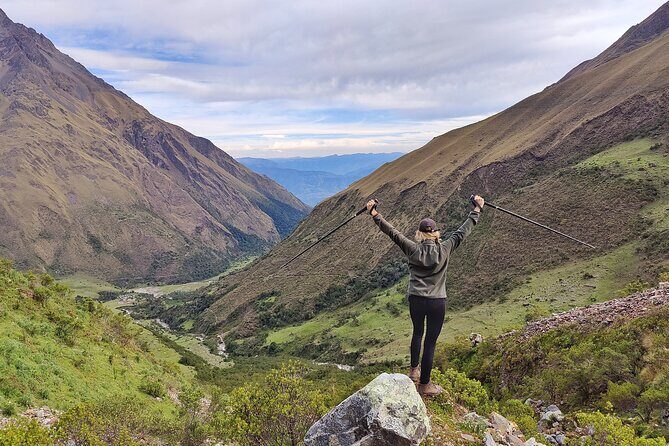
One of my favorite details here is the duffel bag allowance (up to 5 kg / 11 lb) carried by horses. That means you can pack smart and keep your hands and back from carrying everything.
Your included items also help you travel lighter:
- Sleeping bag
- Trekking poles
- Rain poncho
- Backpack cover
You’ll still want to bring your own hiking clothing that fits your body and your comfort level at altitude and in the warmer zones on day 2. The trek moves through different climates, so layers are your friend.
Pace, Altitude, and Sleep: The Reality Check You Need
This is a strong physical challenge. The tour info says you should have a strong fitness level, and the route itself confirms why—Day 1 climbs to 4,630 m at the pass and then drops into rainforest warmth.
A few things I’d take seriously:
- You need to handle altitude smartly. The guidance recommends arriving in Cusco at least two days early to adjust.
- Expect the first day to be the hardest. Even when the route is “only” 3 days, the pass is a heavy ask.
- Sleep may be limited. One review notes you won’t sleep much, which matches what usually happens on early starts and nonstop schedules.
The good news: you’re not doing it unsupported. There’s an experienced mountain guide, safety equipment, and a team for food and gear. If you take your time on the climb and focus on steady breathing, you’ll feel less like you’re fighting the mountain and more like you’re working with it.
Who This Trek Fits Best (and Who Should Rethink It)
This trip fits best if you want:
- A shorter Salkantay route that still reaches Machu Picchu
- A guided experience where logistics are handled
- A small-group feel (max 12)
You should rethink it if:
- You don’t feel comfortable with altitude and steep effort
- You’re expecting lots of downtime or easy walking
- You want a trip with heavy meal support on the final day (that isn’t included)
If you’re a beginner trekker, this can still work because the group moves with guidance and support. But don’t treat it like a casual hike. Plan for effort, hydrate, and don’t sprint the pass.
The Machu Picchu Timing: Why the Circuit Choice Matters
Machu Picchu is a ticket-driven site. Your included admission uses Circuit 2 if booked at least 3 months in advance. If not, it uses Circuit 3, then Circuit 1 depending on availability.
Why you should care: each circuit means different walking paths inside the sanctuary. You might end up with more steps on the inside depending on your circuit, even though the guided tour is about 2 hours either way. The best move is to book early so you have more flexibility in circuit assignment—this tour specifically notes Machu Picchu spots sell out quickly.
My Booking Advice: Should You Choose This 3D/2N Challenge?
Yes, I’d book it if you want a strong value “all-in” package that gets you to Machu Picchu fast without removing the real Salkantay challenge. The combination of hut night + hotel night, included gear, and guided Machu Picchu with train back to Ollantaytambo is exactly the kind of practical structure that makes this route feel doable.
I’d avoid it if you’re chasing a relaxed vacation rhythm or you’re unsure about altitude. The pass day is the deal-breaker for many people. If you can handle that, you’ll come away with that rare mix of earned effort and iconic arrival.
One last tip: pack for the earliest morning. Your alarm clock is going to be loud. Then you’ll look back at that pass and be glad you didn’t talk yourself out of it.
FAQ
What’s included in the price?
The tour includes Salkantay entrance fees, Machu Picchu admission (Circuit 2/3/1 based on availability), one night at Mountain Sky View and one hotel night in Aguas Calientes, private transfers, meals (three breakfasts, two dinners, and two lunches), one-way bus from Aguas Calientes to Machu Picchu, train from Aguas Calientes to Ollantaytambo, and a guided, safety-supported trekking setup. It also includes camping facilities and equipment, a duffel bag allowance carried by horse (up to 5 kg), and trekking essentials like a sleeping bag and trekking poles.
How early do I need to be ready in Cusco?
The pickup is listed at 2:30 a.m., and the meeting/start time is listed as 3:00 a.m. Either way, plan for a very early departure and be ready before the first pickup.
Is this trek suitable for beginners?
The experience is described as challenging and requires strong physical fitness. Some reviews suggest it can be doable even for less experienced trekkers with guidance, but you should still take the altitude and the first day over the pass seriously.
What about altitude? Should I arrive in Cusco ahead of time?
Yes. It’s recommended that you arrive in Cusco at least two days before the trek to adjust to the altitude.
Is there a vegetarian or vegan meal option?
Yes. Vegetarian or vegan options are available if you advise the provider at the time of booking.
What happens if weather is poor?
The experience requires good weather. If it’s canceled due to poor weather, you’ll be offered a different date or a full refund.