REVIEW · CUSCO
Ausangate and Rainbow Mountain Trek – 3 Days / 2 Nights
Book on Viator →Operated by Salkantay Trekking · Bookable on Viator
Ausangate’s high-country magic hits fast. This trek mixes crystal-lake scenery with big-mountain passes like Puca and Warmisaya, then tops it off with a Rainbow Mountain hike before the day gets busy. I especially like the convenience of hotel pickup/drop-off and round-trip transfers from Cusco, which keeps the morning stress low. I also like that you’re not shouldering everything—camp setup, meals, and even 7 kg luggage transport are handled so you can focus on the climb. The main consideration is altitude and cold: you’ll start at 5:00am, hike hard days, and sleep at high elevation near Ausangate.
There’s a real comfort-to-adventure balance here. The trip includes camping gear like a sleeping tent, sleeping bag, and air mattress, plus hiking poles and a rain poncho. And if you need extra support, there’s a first aid kit and an oxygen supply, which matters when you’re working uphill at altitude.
In This Review
- Key Highlights Worth Getting Excited About
- What This Ausangate + Rainbow Mountain Trek Really Delivers
- Day 1: Upis to Arapa Pass and Hatun Pucacocha (Ausangate at Your Feet)
- Day 2: Puca Pass, Glacial Lagoons, and the Warmisaya 360 View
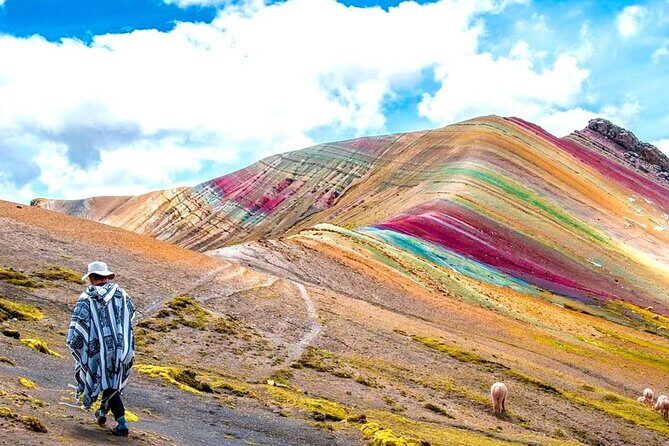
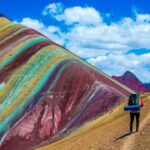
- Day 3: Vinicunca (Rainbow Mountain) Before the Crowds
- Camping Gear and Meals: Comfort That’s Actually Useful
- Altitude Reality Check (and the Smart Safety Net)
- Transportation and Logistics: Less Hassle Means More Trek
- Price and Value: Is $535 Worth It?
- Who Should Book This Trek (and Who Should Rethink)
- Should You Book This Ausangate + Rainbow Mountain Trek?
- FAQ
- What time does the trek start?
- How long is the Ausangate and Rainbow Mountain trek?
- What’s included in the price?
- Do I need to carry my own sleeping gear?
- Is horse assistance included?
- What level of fitness do I need?
- Is there an altitude safety plan?
- Can I get vegetarian or vegan meals?
Key Highlights Worth Getting Excited About
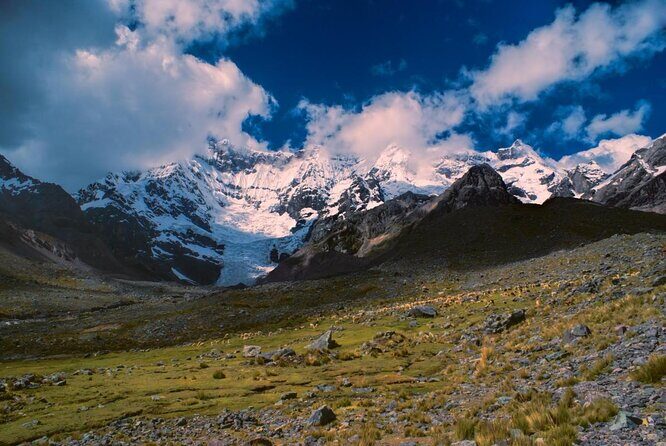
- Early start for Rainbow Mountain visibility so you can enjoy Vinicunca with fewer people around
- Two serious passes (Puca and Warmisaya) plus Arapa Pass on Day 1
- Camping that’s more comfortable than you expect with sleeping bags and an air mattress
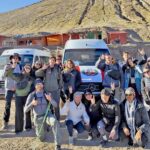
- A team setup built for remote treks—guide, chef, and horseman support the whole flow of camp and meals
- Altitude-minded safety touches like oxygen supply and a first aid kit
- Small group size (max 12) for a steadier pace and less chaos on the trail
What This Ausangate + Rainbow Mountain Trek Really Delivers
This is the kind of Andes trip that feels like it has two different moods. First, you get the wild quiet of Ausangate—cold air, thin light in the morning, and those high glacial waters reflecting the peaks. Then you shift to Vinicunca, where Rainbow Mountain pulls focus. The trick is timing: you’re aiming for Rainbow Mountain early, which makes the experience feel less like a chore and more like a moment.
The most valuable part, though, is how the whole setup supports you. You’re picked up and dropped off from your hotel in Cusco, and you get private transfers for the Cusco-to-trek logistics. That means less fumbling and fewer delays when you’re already dealing with altitude. Your guide also keeps the day structured, with hot drinks and planned breaks that make the climb feel manageable.
If you’ve ever done a trek where you spend the whole trip thinking about logistics, this one is different. Camp is built for you, food is cooked for you, and the team is focused on keeping things moving. In the experiences I saw shared for this route, people keep calling out the chef and horsemen alongside the guide, because that’s what makes remote nights actually work.
You can also read our reviews of more hiking tours in Cusco
Day 1: Upis to Arapa Pass and Hatun Pucacocha (Ausangate at Your Feet)
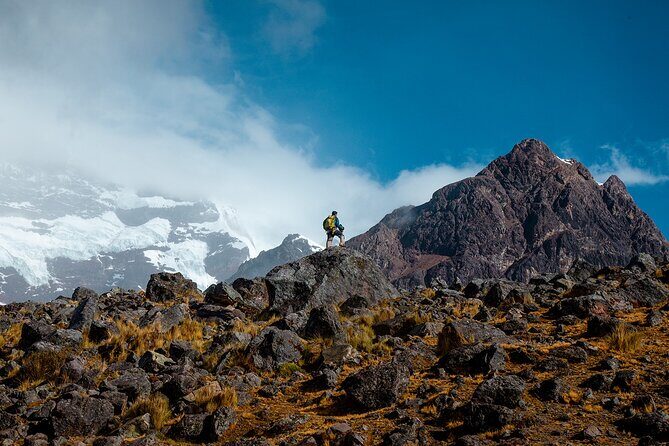
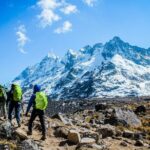
Day 1 starts early—your trek day is built around a bright, no-wasted-time start. You drive to the small town of Upis and begin hiking from there. The first stretch is about three hours to the lunch spot, and it’s where Ausangate starts to feel real. You’ll pass through scenery framed by the mountain, and lunch lands before the heavier part of the day.
After lunch, you get a short rest—exactly what you want after your first push at altitude. Then the route turns uphill toward Arapa Pass. The payoff is that you’re not just climbing for climbing’s sake. You’re moving through zones that change how the air feels and how the views open up, so your effort keeps translating into real scenery.
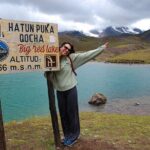
By late day you descend to camp at Hatun Pucacocha. This is one of the cool emotional beats of the trek: you’re sleeping at the foot of Ausangate, not off somewhere convenient and forgettable. You’ll have hot drinks and dinner, then settle in.
Why this day matters: it sets your rhythm. If you take it steady on the first big climb and don’t rush breathing, Day 2 will feel more “doable” instead of brutal.
Day 2: Puca Pass, Glacial Lagoons, and the Warmisaya 360 View
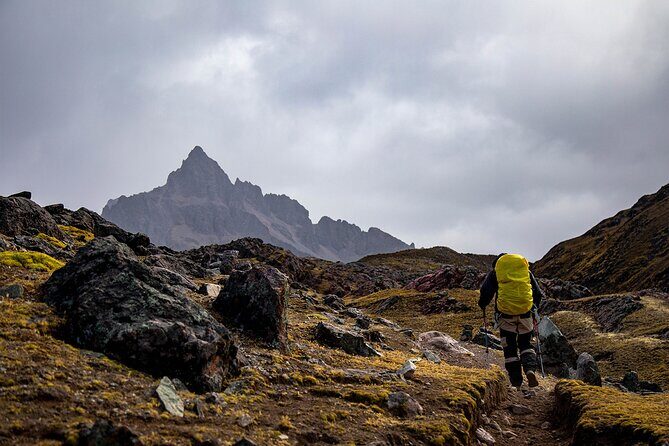
Day 2 begins with a pattern you’ll be grateful for: hot coca tea and breakfast before you start climbing. Then you head toward Puca Pass, where the scenery can look dramatic even when clouds and weather roll in. There’s also a chance for condors in the sky—nothing you can schedule, but it’s the kind of wildlife moment that makes the high Andes feel alive.
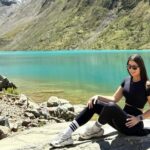
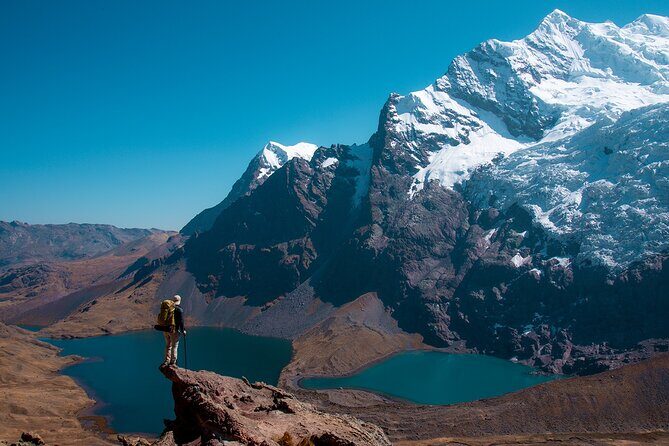
You’ll hike by glacial lagoons with strong photo potential. This is a good day for patience: pause, look, and let your eyes adjust. On steep terrain at altitude, it’s easy to just focus on the next step and miss what’s right beside you.
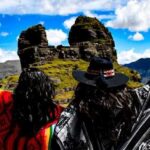
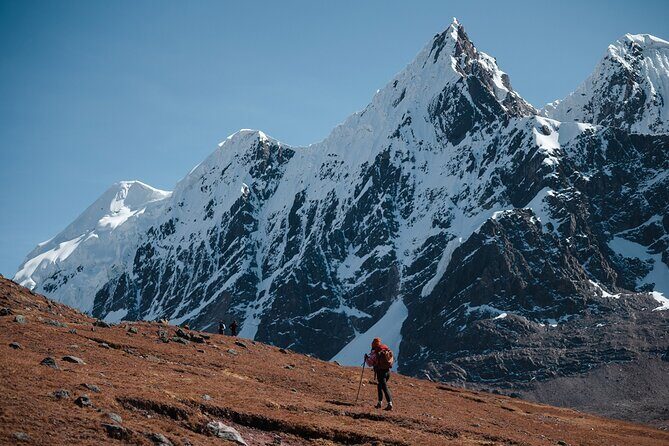
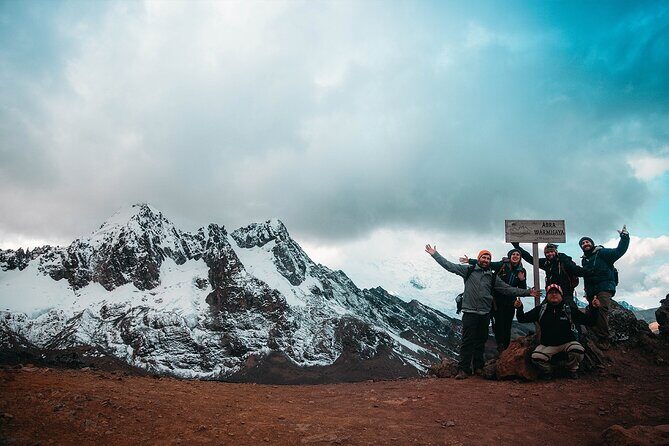
After reaching Anantapata for lunch, the day shifts again. You climb up to Warmisaya Pass for that 360-degree viewpoint moment—wide views of surrounding peaks and, when conditions cooperate, your first clear look toward Rainbow Mountain. Then you descend to camp at Surinecocha for dinner and rest.
What to watch for: this day includes two climbs in one—Puca Pass and Warmisaya Pass. The distance might look shorter than Day 1, but the altitude makes it feel serious. Your best strategy is steady pacing and short, consistent breaks rather than big bursts.
Day 3: Vinicunca (Rainbow Mountain) Before the Crowds
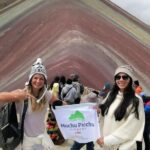
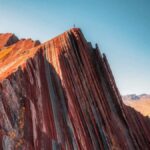
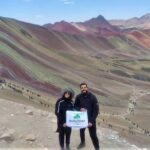
Day 3 is shorter on paper, but it’s your signature moment. You wake up early and head out to reach Rainbow Mountain (Vinicunca) before other tourists arrive. That timing isn’t just about crowd-free photos—it changes the feel of the place. You get quieter walking, better light for views, and more space to enjoy the moment without constantly turning around to dodge foot traffic.
You’ll stop along the first section for early views, then continue toward the mountain itself. The plan gives you time to be there, not just rush to a photo. You’ll also get some explanation of why the site matters and time to take in the surrounding Andean terrain.
When you’re done, you descend back to private transport. Lunch comes after the hike, then you’re driven back to your Cusco accommodation with door drop-off.
Why this works: by saving Rainbow Mountain for Day 3, you start feeling more acclimated from your previous night and you’re mentally ready for the final wow factor.
Camping Gear and Meals: Comfort That’s Actually Useful
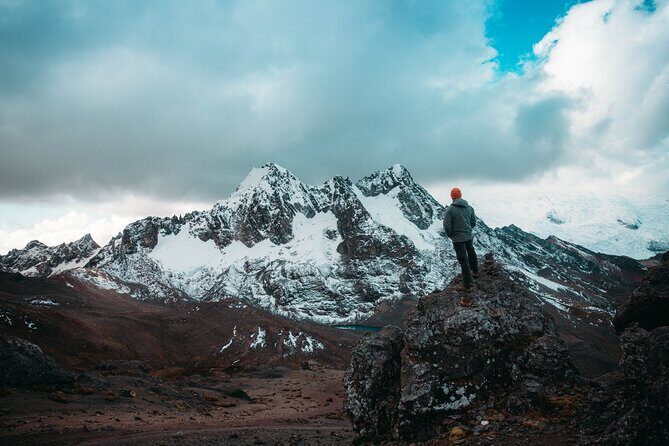
Remote treks often sell romance. This one earns comfort in practical ways.
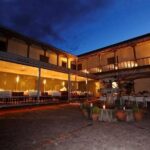
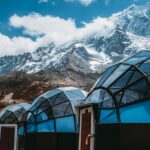
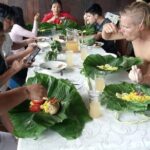
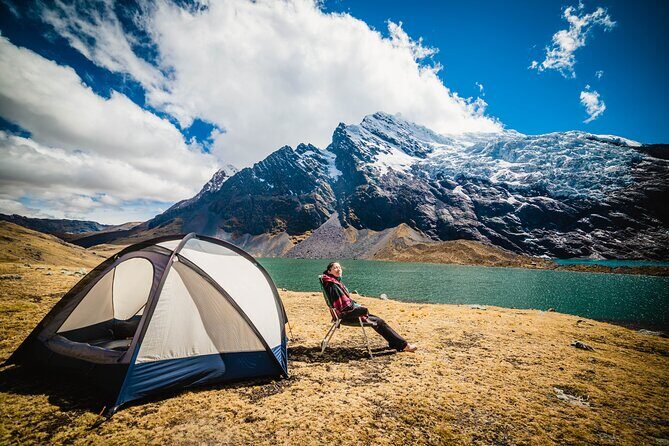
The included camping equipment covers the basics you’d otherwise have to rent or improvise: a sleeping tent, sleeping bag, and an air mattress. There’s also a dining setup with tables and chairs, which means meals don’t happen on the ground with your back against a rock. You’ll also get hot drinks at camp, and the food includes breakfast, lunch, and dinner across the three days.
In the experiences shared with this route, people repeatedly highlight that meals feel more than just survival food. A mountain chef is a big part of why that’s true, because cooking in cold conditions is a skill. If you’re worried about being freezing at night, the included sleeping setup plus the way the camp is managed makes a difference.
Also important: you’re given hiking poles and a rain poncho. That’s not a luxury. It’s the difference between steady traction when it’s cold and damp, and feeling unsafe when the ground gets slick.
You can also read our reviews of more tours and experiences in Cusco
Altitude Reality Check (and the Smart Safety Net)
Cusco altitude is real, and so is the trek altitude. This trip isn’t marketed as a gentle walk. The good news is that the operator builds in support: strong fitness is expected, but you also get first aid equipment and an oxygen supply if needed. There’s also a pre-departure briefing, which helps you avoid the common mistake of going in unsure.
You’re also encouraged to arrive in Cusco at least two days early. That’s a very practical guideline. It gives you time to adjust so your first hike day doesn’t feel like a punishment.
On the trail, you’ll want to take the same approach guides often encourage: slow your pace, drink water, and don’t treat altitude like a race. The altitude makes everything harder—every uphill step is more work than it looks on a map. If you’re the type who naturally pushes, you’ll probably need a little discipline on this trek.
Transportation and Logistics: Less Hassle Means More Trek
A lot of trekking value is hidden in the boring stuff. Here, the logistics are handled for you.
You get:
- hotel pickup and drop-off in Cusco
- round-trip transfers from Cusco
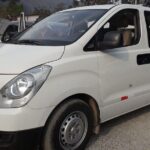
- private transport during the tour
- luggage transport on the hike for 7 kg
That last point matters. If you’ve tried a short trek with a heavy pack, you already know your energy goes fast. Having a cap on what you carry helps keep the climbing days from turning into a grind.
The small group size (maximum 12) also helps. It means the route and pace are less chaotic, and you’ll spend more time walking with your group and less time stuck behind slow-moving clusters. On Day 3 especially, early timing at Rainbow Mountain helps you experience it rather than just survive it.
Price and Value: Is $535 Worth It?
At $535 per person, this trek sits in the “serious adventure” category. The real question isn’t the number—it’s what you get for it.
You’re paying for a full package of hard-to-do components:
- experienced mountain guiding
- entry fees for Ausangate and Rainbow Mountain
- camping gear (including an air mattress and sleeping bag)
- meals for multiple days
- luggage transport on the hike (7 kg)
- private transfers and hotel pickup/drop-off
- safety supplies: first aid kit and oxygen supply
- rain poncho and hiking poles
For many travelers, the value comes from what you don’t have to organize yourself. Trying to replicate this on your own would require serious planning: permits/entry coordination, certified guides, camp setup support, and the logistics of getting you back to Cusco smoothly. Even if you’re experienced, the time and risk are high.
The biggest “value risk” is personal: if you’re not ready for altitude and challenging hiking, you might not feel like you got your money’s worth. But if you’re physically prepared and you want a structured, supported trek that hits Ausangate and Rainbow Mountain, this package is priced like the real deal.
Who Should Book This Trek (and Who Should Rethink)
This tour is a great fit if you want:
- a challenging high-altitude experience with structure
- camping that includes real sleep gear, not just a basic tent
- a focus on Ausangate’s crystal lakes and passes, not just Rainbow Mountain
- a team-supported trek where the guide and chef matter
It may not be the best choice if you:
- are unsure about your altitude tolerance or have significant medical limitations
- want a purely sightseeing walk with minimal climbing
- expect horse assistance included (it’s optional, not included in the base plan)
You should also know the trek expects solid fitness. If you’re coming from a low-altitude region and you’re new to real hiking at elevation, plan to arrive early in Cusco and go slow on day one. That alone can turn this from scary into manageable.
Should You Book This Ausangate + Rainbow Mountain Trek?
I’d book it if you care about two things: big Andean scenery over real passes, and a well-supported trek that makes camping and logistics feel taken care of. The early start to Rainbow Mountain is a strong advantage, and the Ausangate portion gives you a deeper experience than just chasing one peak.
I’d skip it if you’re hoping for an easy walk or if altitude is already a known issue for you. This route is meant for people who can hike uphill for hours, take it slow, and handle cold nights.
If you’re deciding right now, trust your fitness plan more than your excitement level. If your body can do the work, the scenery and the sense of accomplishment here can stick with you for years.
FAQ
What time does the trek start?
The start time is 5:00am.
How long is the Ausangate and Rainbow Mountain trek?
It’s 3 days and 2 nights.
What’s included in the price?
Included items are an experienced mountain guide, entry fees for Ausangate and Rainbow Mountain, camping equipment, luggage transport on the hike (7 kg), private transport and transfers, hotel pickup and drop-off, water and snacks, a first aid kit and oxygen supply, pre-departure briefing, hiking poles and a rain poncho, and meals (breakfasts, lunches, and dinners as listed for the days).
Do I need to carry my own sleeping gear?
No. Camping equipment is included, including a sleeping tent, sleeping bag, and an air mattress.
Is horse assistance included?
Horse assistance is optional and not included.
What level of fitness do I need?
The hike is described as challenging, and travelers should have a strong physical fitness level.
Is there an altitude safety plan?
Yes. The tour includes a first aid kit and an oxygen supply, and you’re advised to arrive in Cusco at least 2 days before the trek to adjust to altitude.
Can I get vegetarian or vegan meals?
Vegetarian or vegan options are available if you advise the provider at the time of booking.