REVIEW · CUSCO
Sacred Valley & One Day Inca Trail 3 Days
Book on Viator →Operated by Andean Path Travel · Bookable on Viator
Machu Picchu starts before dawn. I really like how this 3-day plan strings together Sacred Valley culture with an actually-hiking short Inca Trail experience, then lands you at Machu Picchu with guided time and room to explore. I also love the logistics style here: pickup at 4 a.m., a 6:10 train from Ollantaytambo, and careful pacing to hit major Inca sites like Wiñay Wayna. One drawback to think about up front is the altitude and the hike on day 2, since this trip expects moderate physical fitness.
The best part is that you’re not just chauffeured to ruins. You see Urubamba River views on the way to Km104, stop at key Inca locations along the trek, and you finish the day with dinner in Aguas Calientes at Indio Feliz. If you’re traveling with kids, older adults, or anyone who hates early starts, this is still doable, but you’ll want honest expectations about that first long day.
In This Review
- Quick Highlights
- Why the Sacred Valley and Short Inca Trail Combo Feels Smarter
- Day 1 in the Sacred Valley and Ollantaytambo: More Than a Scenic Stop
- Day 2: The Inca Trail Start at 4 a.m., Km104, and the Urubamba River Route
- Wiñay Wayna at 2,600 m and the Sun Gate Finish
- Aguas Calientes Dinner at Indio Feliz and Why Early Sleep Helps
- Day 3: Machu Picchu Sunrise, a Private 2-Hour Guide, and Huayna Picchu Time
- Price and Value: Is $850 a Good Deal for This Amount of Moving?
- Guides Like Domingo and Roneld Change How You Remember the Ruins
- Weather, Altitude, and Moderate Fitness: The Main Risk to Plan Around
- Who Should Book This Sacred Valley + Short Inca Trail Tour
- Should You Book This Tour?
- FAQ
- How long is the Sacred Valley and short Inca Trail experience?
- Where does the tour start and end?
- What’s included in the price?
- Is Machu Picchu admission included?
- Is dinner included?
- What time does Day 2 start?
- Where does the trek begin on Day 2?
- What happens at Wiñay Wayna?
- Can I climb Huayna Picchu on Day 3?
- What if weather is bad?
- How many people are in the group?
Quick Highlights
- Sacred Valley + Ollantaytambo stops that give you context before Machu Picchu
- 4 a.m. pickup and a 6:10 train from Ollantaytambo to start the Inca Trail day
- Wiñay Wayna lunch cooked for you at the campsite after the main hike
- Sun Gate timing after day travelers have left, so photos feel easier
- Machu Picchu sunrise with a 2-hour guided tour plus optional Huayna Picchu time
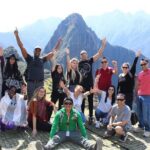
- Small group (max 8) with private transportation and an English-speaking guide
Why the Sacred Valley and Short Inca Trail Combo Feels Smarter
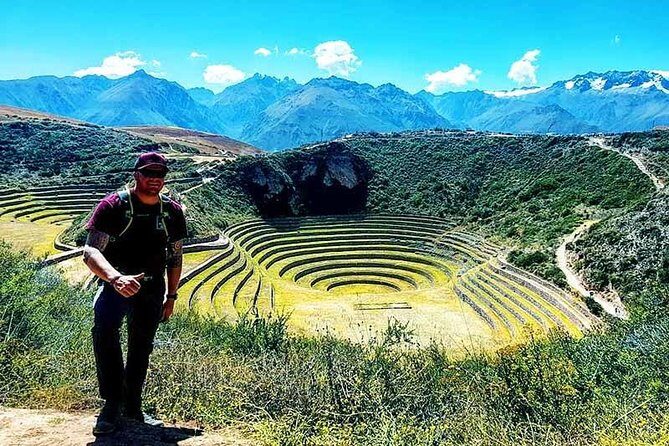
This tour works because it gives you the “why” behind the stones. Sacred Valley and Ollantaytambo aren’t filler stops. They set the scene for what you’ll later see at Machu Picchu, from Inca strategy and agriculture to the feel of Quechua culture in the high Andes.
Then you get the kind of momentum that a bus-and-boat day can’t match. Hiking toward Machu Picchu along the Urubamba River adds effort, and that effort makes the final pay-off hit harder. It’s not just a viewpoint day; it’s a full arc from Cusco region history to the iconic site.
One more reason I like it: the pace gives you multiple ways to experience Machu Picchu without wasting hours. Day 3 includes sunrise and guided time, and it also leaves space for personal wandering afterward. You’re not stuck in a rigid script.
You can also read our reviews of more tours and experiences in Cusco
Day 1 in the Sacred Valley and Ollantaytambo: More Than a Scenic Stop
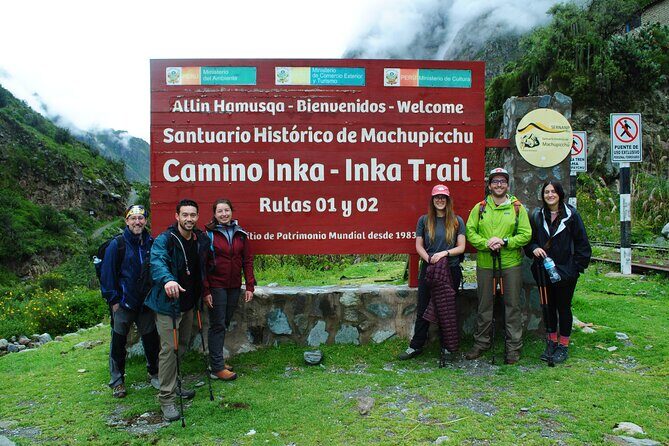
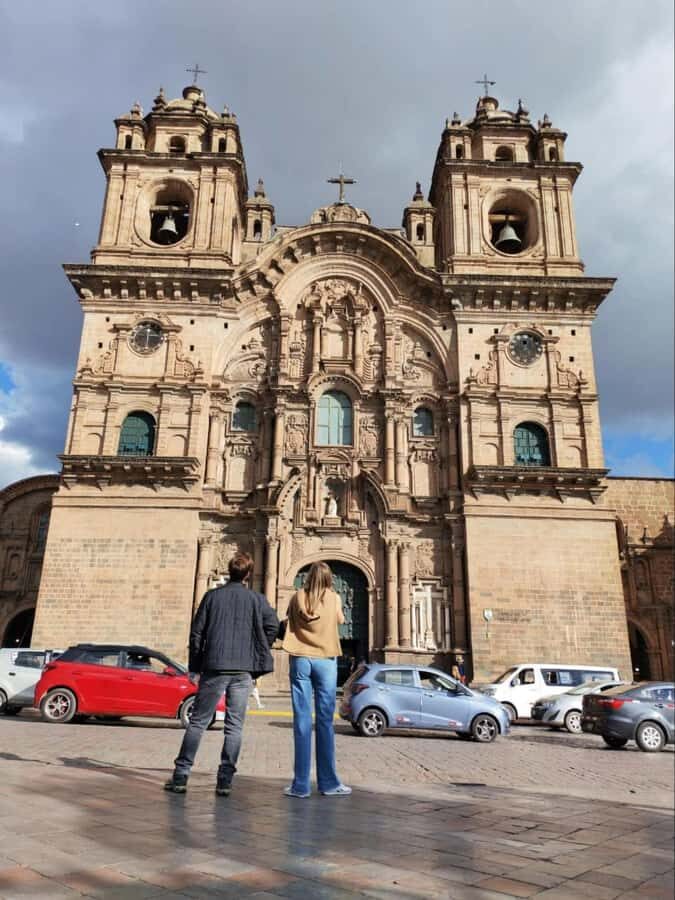
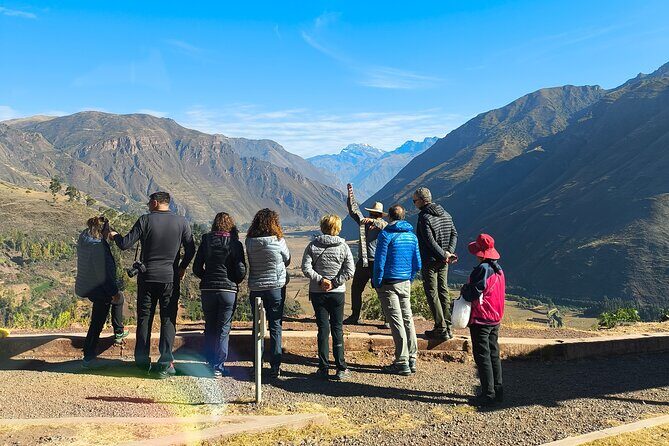
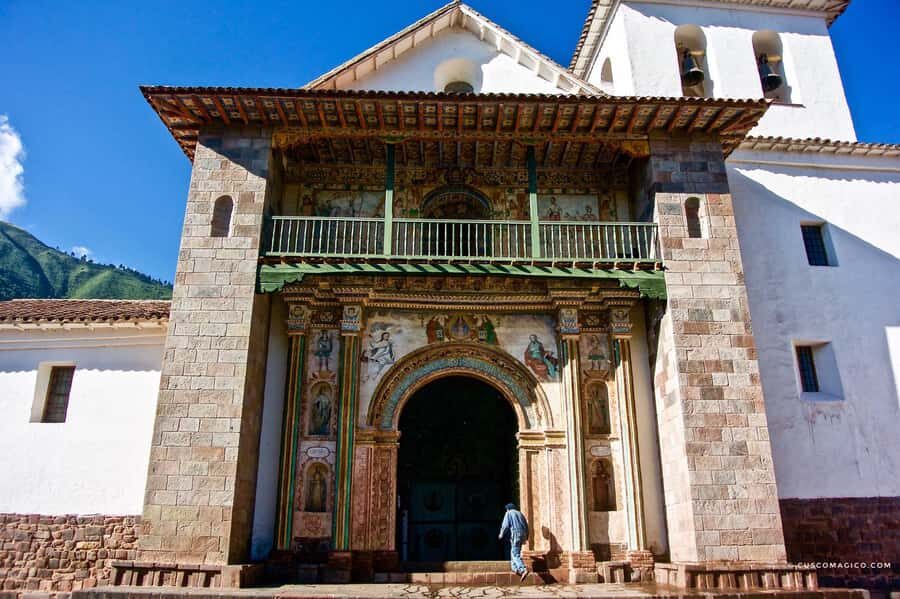
Your first day is all about setting context in the Andes. You start in the Sacred Valley area, tied to the heart of the Inca Empire. This region is described as a chain of historical market-village experiences, from Pisac through the stretch toward Ollantaytambo, with dramatic highland views all around.
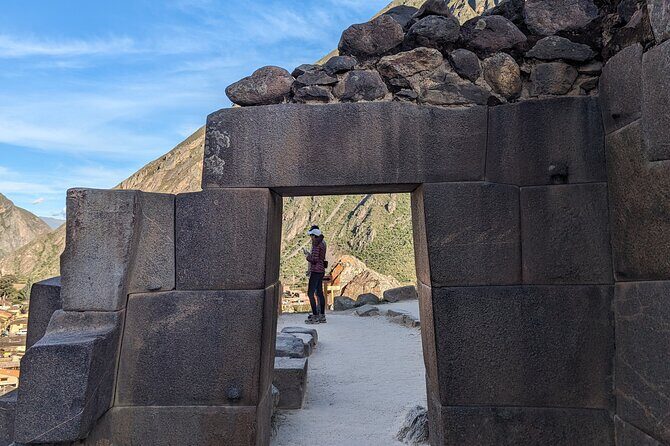
Then you head to Ollantaytambo, an archaeological complex that served as a strategic military, religious, and agricultural center. The architecture is one of the big reasons people remember this place. It’s not just ruins; it’s large, distinct, and clearly built for a purpose.
This is where guides matter a lot. In the feedback I saw, guides like Domingo, Roneld, and Yonathan are praised for explaining what you’re looking at, not just naming it. That kind of narration helps you spot details faster when Machu Picchu finally arrives.
Tip for how to experience it: try to slow down for the first hour. Don’t treat Day 1 as a warm-up. Treat it like your key that unlocks better understanding later.
Day 2: The Inca Trail Start at 4 a.m., Km104, and the Urubamba River Route
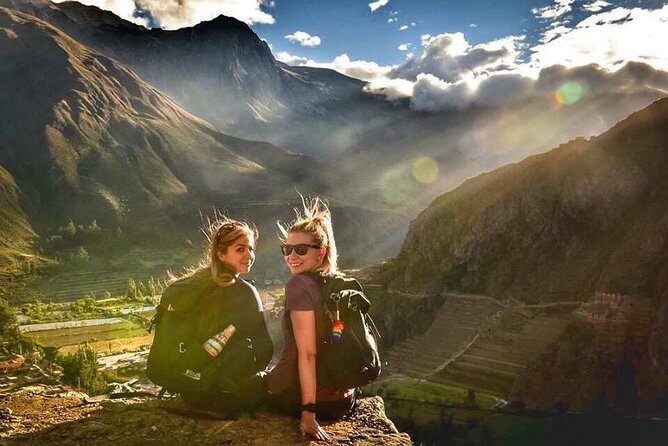
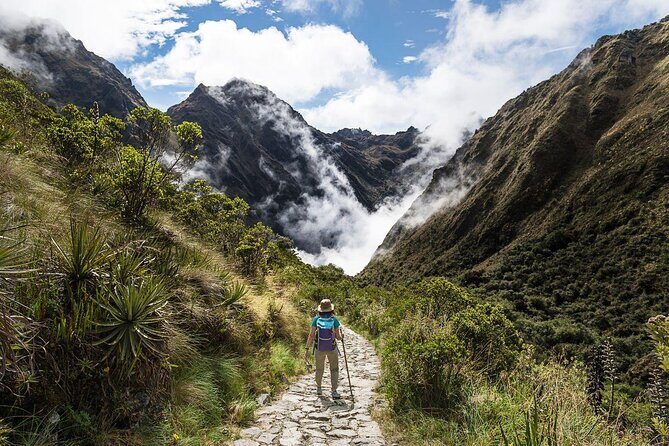
Day 2 is the engine of the trip, and it begins early. You’re picked up from your hotel at 4 a.m., then transferred to the train station in time to catch the 6:10 a.m. train from Ollantaytambo. After that, the route follows the Urubamba River for a long stretch—so even when you’re not on the steep parts yet, the scenery keeps you awake and engaged.
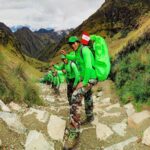
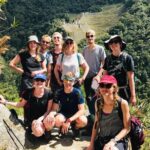
You’ll reach Km104 at about 2,000 meters, and that’s where the trek begins. Before you officially start climbing, the group gets snacks and a group photo, followed by your first Inca site visit. That sequence matters because it breaks the day into digestible chunks instead of throwing you into hiking immediately.
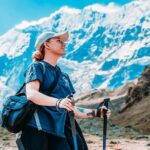
As you head for the classic Inca Trail, the plan is designed to balance views and stops. The tour description calls out farmland views, snow-capped mountains, and the Urubamba River itself. You’re not just looking at one thing; you’re watching how the highlands connect to Inca land use.
This day is also a reality check about altitude. One family described a tough climb and how their guide Roneld paced and supported them through it at key moments. If you’re prone to getting discouraged, choose this only if you’re comfortable taking it step-by-step.
Wiñay Wayna at 2,600 m and the Sun Gate Finish
About three hours into the trek, you reach Wiñay Wayna, listed at roughly 2,600 m (8,500 ft). This is a highlight because it’s an elaborate Inca water-and-temple setting with agricultural terraces. It’s the kind of stop most people miss on shorter routes, which is exactly why it’s included.
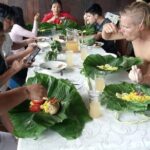
The lunch setup is part of what makes this feel worth the effort. After you arrive at Wiñay Wayna, you move toward the campsite area where people spending the classic Inca Trail night are staying. A hot lunch is provided, cooked right at the campsite by a chef, and you can refill water and rest afterward.
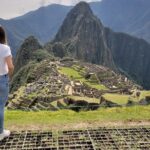
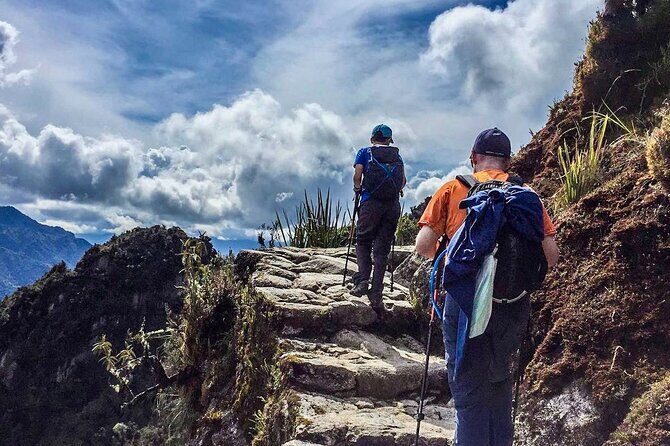
Then you continue on foot toward the Sun Gate. If the sky is clear, you’ll get big views of Machu Picchu and the surrounding Inca sites from above. The tour also points out a major advantage: by the time you reach Machu Picchu, many day-trippers have already left. That gives you a calmer experience and better odds for photographs without as much crowd pressure.
The best way to use the Sun Gate moment is simple: pause long enough that it feels real. Once you start descending, the day moves fast again.
Aguas Calientes Dinner at Indio Feliz and Why Early Sleep Helps
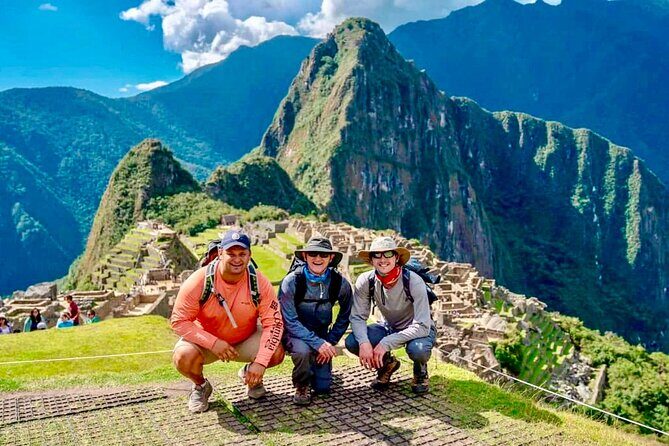
After you’ve taken photos at Machu Picchu, you ride the bus down to Aguas Calientes. From there, you go to your hotel and then head out for dinner at Indio Feliz, which is specifically mentioned as one of the best dining spots in town.
Food matters on a day like this. You’ve done a long, altitude-influenced hike, and you need fuel for the sunrise plan on Day 3. The itinerary recommends going to bed early after dinner, and I agree with that logic. Sunrise days reward sleep.
You’ll want to treat Aguas Calientes as a practical stop, not a destination to research. You’re there for the night, then back up again. One family also noted that the town can have loud partying around some hotels, so pick your sleep setup carefully if you’re sensitive to noise.
You can also read our reviews of more tours and experiences in Cusco
Day 3: Machu Picchu Sunrise, a Private 2-Hour Guide, and Huayna Picchu Time
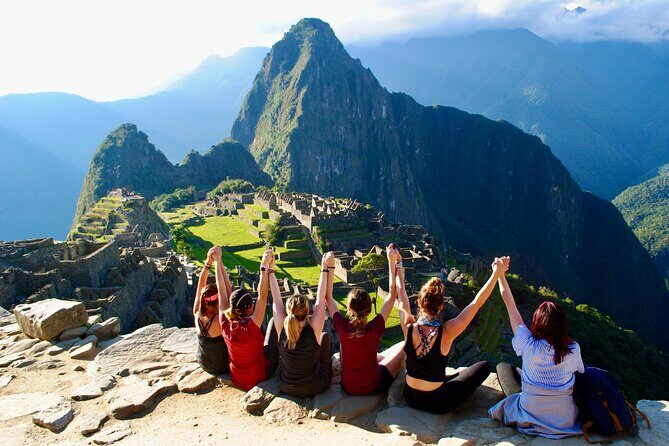
Day 3 is built around an early wake-up for sunrise at Machu Picchu. This is one of the best ways to experience the site: you see it when the light hits and when crowds are smaller than later in the day.
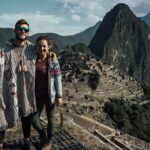
You get a guided tour of Machu Picchu that lasts about two hours with a private English-speaking guide. After that, you’re free to explore on your own. This mix is a good compromise. You get orientation, then you get to wander at your pace without constant “next stop” pressure.
If you have tickets for Huayna Picchu, you’ll have time to climb it. The climb is listed as about 1.5 hours round-trip. That means you can decide whether you want the extra altitude effort for the viewpoint.
After exploring, you can either take the bus or walk down to Aguas Calientes for a free afternoon. Then you return by train later that afternoon back to Ollantaytambo, and you’re driven back to Cusco.
That train timing is worth keeping in mind. This tour is structured around the Machu Picchu schedule, so you don’t have a “wander whenever you want” day. You still get freedom, but within the rhythm of trains and daylight.
Price and Value: Is $850 a Good Deal for This Amount of Moving?
At $850 per person, this isn’t a budget excursion. The value comes from what’s bundled: private transportation, train tickets, the Machu Picchu fee, hotel accommodations, and a tour guide. It also includes two lunches, plus the hot lunch at Wiñay Wayna during the hike.
Where you should focus is how much is handled for you. A 4 a.m. start, a specific 6:10 train, and two different Machu Picchu-access moments (sunrise plus later exploration) require solid logistics. In the feedback, people praise the drivers and the way logistics feel hassle-free, which is exactly what you’re paying for.
There’s one confusing detail you should check before you commit. The pricing notes say dinner isn’t included, but the day description also says dinner at Indio Feliz is included. Since your exact package can vary by departure, confirm what’s covered for dinner so you’re not surprised once you’re in Aguas Calientes.
If you want Machu Picchu and you also want the effort-and-reward feel of a short Inca Trail, the cost starts to make sense. You’re paying for access, transport, and guided interpretation, not just for a view.
Guides Like Domingo and Roneld Change How You Remember the Ruins
This tour leans hard on the guide experience, and the names show up again and again. Domingo is praised as accommodating and especially strong on Inca history. Roneld is celebrated for patience and for staying close when someone needed encouragement, and one review even notes he has been a National Geographic photographer, which helps explain how people felt the photo moments were handled.
Other guide names that came up include Sandro and David. Sandro is described as explaining Peruvian culture clearly, while David is called responsive and a big part of what made families feel comfortable with the plan.
What matters for you is the practical effect. When your guide connects place names to real functions—military, religious, agricultural—the ruins feel less like random rocks. You spend less time wondering and more time seeing.
Also, the “small group” size (max 8) makes it easier to keep the group moving together. If someone needs a moment, the guide can adjust without slowing a large crowd behind them.
Weather, Altitude, and Moderate Fitness: The Main Risk to Plan Around
This experience needs good weather. The rules say if it’s canceled due to poor weather, you’ll be offered a different date or receive a full refund. That’s not just legal fine print. Bad conditions can disrupt the hiking day and the sunrise timing.
Physical fitness is also part of the deal. The trip states you should have moderate fitness level. Day 2 includes several hours of hiking and significant altitude exposure, including reaching Wiñay Wayna at 2,600 m and climbing toward the Sun Gate.
If you’re unsure, decide based on how you handle steep walking and altitude. One family described a hike that felt brutal and steep when rain forced them onto a different route. Their guide stayed with them and adjusted support in the moment, which helped them finish.
So: this isn’t a “sit back and let the scenery do the work” trip. It’s a fair bargain if you’re ready to work a bit.
Who Should Book This Sacred Valley + Short Inca Trail Tour
This is a strong fit if you want a classic Machu Picchu visit but also want the extra meaning that comes from hiking. It suits travelers who like structure, early starts (at least one morning), and guides who explain what you’re seeing.
It can work well for families when everyone understands the hiking expectations. One family traveled with young adults and said the hike was difficult due to altitude, but their guide kept encouraging them. That support can matter a lot if someone struggles emotionally, not just physically.
If you hate early mornings, struggle at altitude, or want a fully relaxing trip with minimal hiking effort, you might prefer a different Machu Picchu route. This one gives you the full experience, and that comes with real exertion.
Should You Book This Tour?
Book it if your priority is Machu Picchu with context, plus a short Inca Trail day that includes Wiñay Wayna and Sun Gate. The guide quality in the feedback is a big deal, and the small group size makes the experience feel controlled instead of chaotic.
Hold off or confirm details if you’re sensitive to noise in Aguas Calientes hotels, need clarity on whether dinner is included, or you’re not comfortable with the moderate fitness hike and altitude on Day 2. If those concerns are manageable, this tour is one of the more efficient ways to combine Sacred Valley history with an Inca Trail-style arrival at Machu Picchu.
FAQ
How long is the Sacred Valley and short Inca Trail experience?
It’s approximately 3 days.
Where does the tour start and end?
It’s based in Cusco, with driving back to Cusco after the train returns you to Ollantaytambo.
What’s included in the price?
The included items listed are private transportation, train tickets, Machu Picchu fee, hotel, tour guide, and lunch (2).
Is Machu Picchu admission included?
Yes. The Machu Picchu fee is listed as included.
Is dinner included?
The day plan mentions dinner at Indio Feliz as included, but the pricing notes also state dinner is not included. You should confirm what’s included for your specific departure.
What time does Day 2 start?
You’re picked up from your hotel at 4 a.m., then you take the 6:10 a.m. train from Ollantaytambo.
Where does the trek begin on Day 2?
The trek begins at Km104, listed around 2,000 meters.
What happens at Wiñay Wayna?
You reach Wiñay Wayna at about 2,600 m (8,500 ft). The plan includes a hot lunch there, cooked at the campsite, plus time to rest and refill water.
Can I climb Huayna Picchu on Day 3?
If you have tickets for Huayna Picchu, you’ll have time to climb it, listed as about 1.5 hours round-trip.
What if weather is bad?
The experience requires good weather. If it’s canceled due to poor weather, you’ll be offered a different date or a full refund.
How many people are in the group?
The maximum group size is 8 travelers.