REVIEW · CUSCO
Horseback Riding: 4 Archaeological Sites
Book on Viator →Operated by HORSEBACK RIDING IN CUSCO GABRIEL´S RANCH · Bookable on Viator
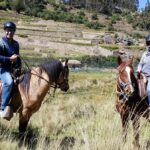
Cusco ruins, but on horseback. This half-day tour from Cusco mixes Peruvian Paso horses with stops at four archaeological sites around the city, run by Gabriel’s Ranch staff. You get round-trip transport from your hotel, so you spend less time figuring out logistics and more time looking at stone, sky, and mountains.
What I like most is how much you pack into one outing without turning it into a sprint. You’ll see four complexes—Saqsayhuaman, Q’enqo, Tambomachay, and Puka Pukara—with a bilingual guide and real help on the horses. It’s also capped at a small group of up to 20, which makes the whole thing feel calmer than the big-bus scene.
One thing to watch: the tour does not include the archaeological entry ticket for the sites. If you don’t have it sorted ahead of time, you may lose access to a stop—like Saqsayhuaman—unless the guide can work around it.
In This Review
- Key points before you go
- Horseback + four archaeological stops: the real appeal near Cusco
- The two departure times and how to plan the rest of your day
- Getting to the ranch: what’s included before the first step in the saddle
- Stop 1: Puka Pukara first—ease in, look around, get your footing
- Tambomachay next: a calmer pace for photos and explanations
- Q’enqo: moving from horse trails back into the ruins
- Sacsayhuaman finale: the famous stop—and the entry-ticket reality check
- Horses, safety gear, and what riding levels can look like
- Weather in Cusco: dress for wet trails and cold air
- Price and value: does $80 make sense for four sites and a horse ride?
- Who this tour suits best (and who should choose another option)
- Should you book this horseback tour with Gabriel’s Ranch?
- FAQ
- Do I need to buy an entry ticket for the archaeological sites?
- How long is the horseback riding tour from Cusco?
- What time does the tour start?
- Are there snacks and drinks included?
- How big is the group?
- Can I get a full refund if plans change?
Key points before you go
- Hotel pickup and drop-off included, so you don’t start your day hunting taxis
- Peruvian Paso horses plus protective gear for a more comfortable ride
- Four sites in about 3.5 hours, leaving your afternoon free
- Group size max 20, which helps everyone hear the guide and move at a human pace
- Snacks included, but drinks aren’t, so plan for water
- All-weather operation with staff who can help if conditions turn nasty
Horseback + four archaeological stops: the real appeal near Cusco
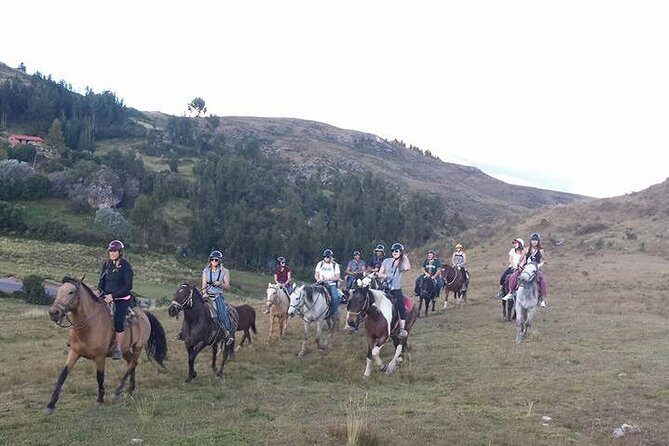
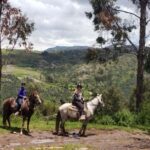
This is the kind of tour that makes Cusco feel less like a checklist and more like a day in motion. Instead of shuttling from ruin to ruin by van the whole time, you spend part of the experience in the saddle—on trails outside the city—so the ruins come with breathing room and views.
The “four sites” promise matters because it’s a time-saver. Cusco has plenty of must-sees, but half days are where you win if you’re also trying to enjoy the town afterward. For $80, you’re not just paying for riding; you’re also paying for guided interpretation at multiple stops, plus the logistics wraparound (transfer, gear, snacks) that usually adds up.
You’ll also feel the “small group” difference. With a maximum of 20 people, the guides can manage spacing on the trails and keep the historical stops from turning into a crowded scramble.
You can also read our reviews of more tours and experiences in Cusco
The two departure times and how to plan the rest of your day
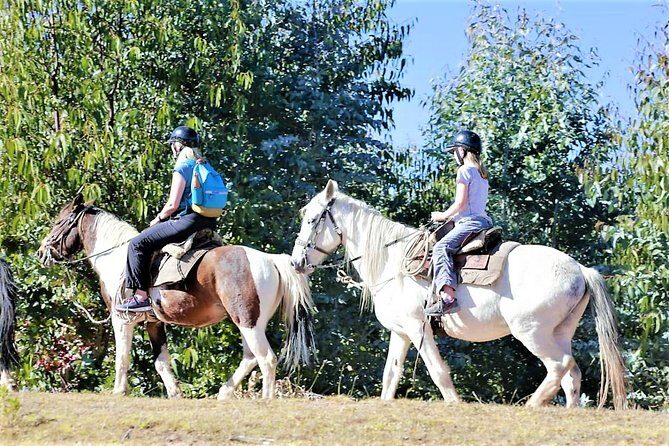
The tour runs twice: about 9:00 am or 1:00 pm, and it’s roughly 3 to 4 hours long (about 3.5 hours on average). That structure is ideal if you want one solid hit of countryside + ruins, then still have time later for markets, a slow lunch, or simply resting your legs at altitude.
If you’re sensitive to cold or rain (and Cusco can surprise you), choose based on your stamina. Mornings can feel crisp; afternoons can catch more weather. Either way, the tour operates in all conditions, so the real decision is whether you’re prepared with the right layers.
Also, note the rhythm: you’ll start with pickup, then ride and transfer between sites, then end back near town. In other words, this is not a “wander at your own pace all day” tour. You’ll move with the group and follow the guide’s flow.
Getting to the ranch: what’s included before the first step in the saddle
You’ll be collected from your Cusco hotel and driven to the ranch area, then later returned to town. That matters more than it sounds—Cusco traffic and finding meeting points can eat time, especially when you’re figuring out acclimation and altitude.
Once you’re at the ranch, you’ll be equipped with protective gear and introduced to the horses. This is where you should feel reassured. The experience is built around Peruvian Paso horses, and the guides handle beginners as well as experienced riders.
In one of the ride setups, you may experience a two-team approach: one person focuses on you and the horse, while another handles the transfers and gives the site explanations in English. That division of labor can make the day smoother, because you’re not trying to guess what you’re supposed to do next.
Snacks are included, which is a small but real value add. Still, plan on water. Drinks aren’t included, and you’ll want to stay comfortable on a windy, high-elevation ride.
Stop 1: Puka Pukara first—ease in, look around, get your footing
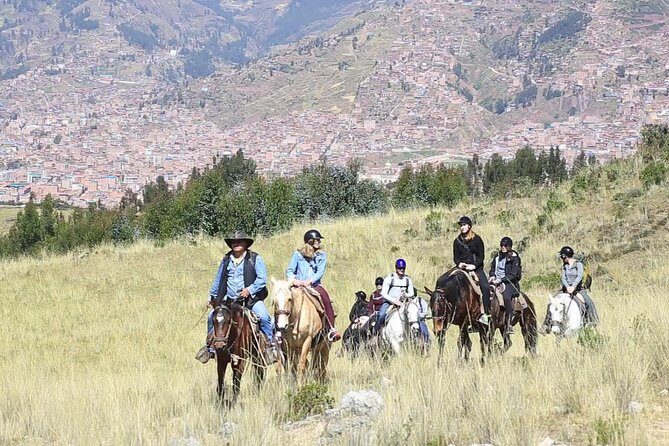
Puka Pukara is the first stop on the route. Starting here helps you settle into the day because you’re not jumping immediately into the most famous site. You’ll have a guided introduction and time to take in the ruins without feeling like you’re sprinting through the hardest part first.
Even if you’re not the type who memorizes site names, you’ll benefit from having the guide point out what to pay attention to. Archaeology tours can fall flat if you’re staring at stones without context, so plan to listen for the “why this matters” explanation at each stop—not just the “what you’re seeing.”
On the ride side, the first part also gives you a chance to find a rhythm in the saddle. If your horse is a bit cautious at the start, that’s not automatically a problem; the staff is set up to help you get confident.
Tambomachay next: a calmer pace for photos and explanations
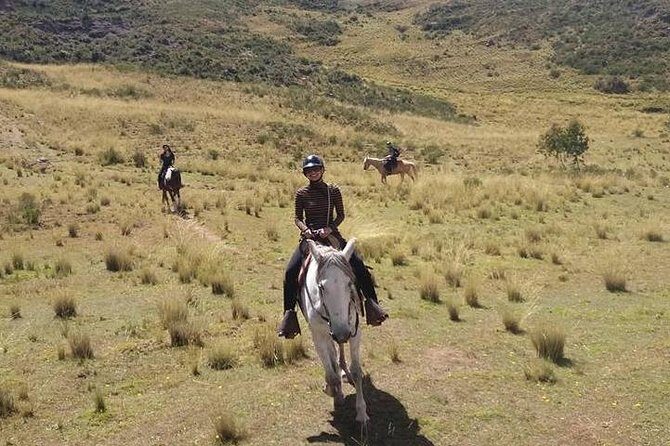
After Puka Pukara, you head to Tambomachay. This is the second site, which is a sweet spot in pacing. Early in the tour, everyone is still getting oriented. Later on, you may feel the day tightening a bit. Middle stops like this can feel like a breather.
Expect guided commentary here as well. The tour is designed so the history portion isn’t an afterthought; you should get a proper introduction at the sites, with the guide switching between practical information (how to move, what to look at) and background you can understand in English or Spanish.
One perk of this tour style is that you’re experiencing multiple complexes in a single thread. You’re not just hopping into a new venue; you’re following a route that connects the countryside to the archaeological zone.

Q’enqo: moving from horse trails back into the ruins
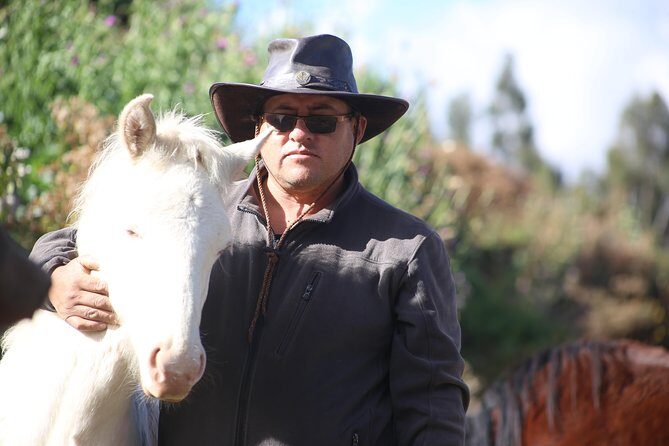
Q’enqo is the third stop. By now you’ve already ridden and you’ve already listened to the guide once or twice. That means you’ll likely start noticing the details the guide keeps pointing out—angles, stone features, and how the site sits in relation to the surrounding area.
This is also where the tour’s “both worlds” concept shows. The countryside motion changes how you take in the ruins. You’re not staring at stones all the time; you’re alternating between riding time, transfers, and on-site explanations, which helps the day feel more balanced than a full-day walking itinerary.
If you’re traveling with people who don’t love long history lectures, don’t worry. The guide’s job is to keep you oriented at each pause, not to drown you in details. You’ll still come away with a better sense of what you’re looking at.
Sacsayhuaman finale: the famous stop—and the entry-ticket reality check
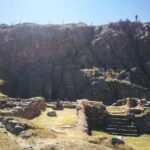
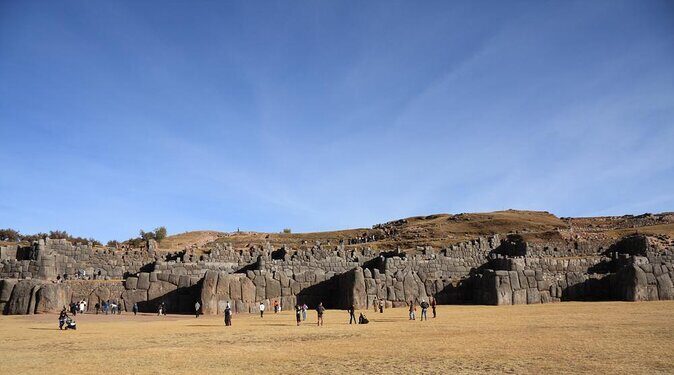
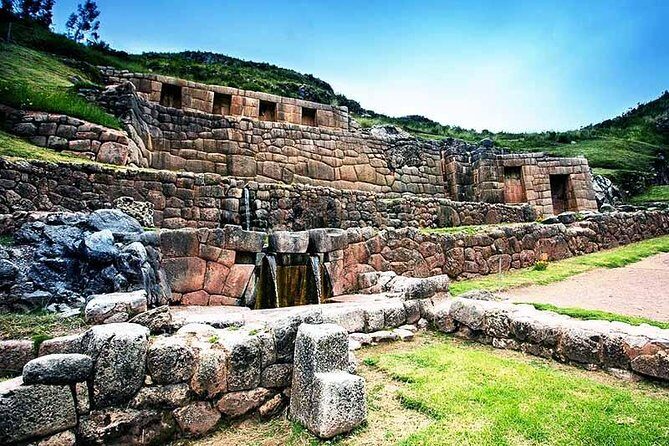
Saqsayhuaman is the last stop, and it’s the one most people are most excited to see. The tour is structured to end here, so you finish on a high note.
But here’s the key practical consideration: the tour price does not include the tourist ticket for archaeological centers. If you show up without the required ticket, you may not get access to a site like Saqsayhuaman. In at least one real-world situation, missing the entry ticket meant the group couldn’t see that stop on schedule.
My advice is simple: make sure your entry ticket is sorted before the tour starts. Don’t assume you can buy it last minute without delays. If you do have the ticket in hand, you’re much more likely to see all four sites as planned and keep your day on track.
Horses, safety gear, and what riding levels can look like
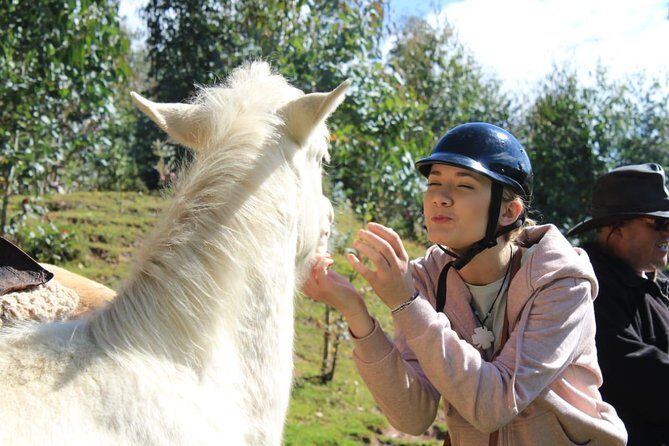
This experience is built around a supportive ride, not a stunt show. Protective equipment is included, and the staff is there to help you mount, adjust, and ride with confidence.
In terms of riding style, the horses are described as gentle and well trained. If you’re comfortable and have prior experience, you may have the option to ride with a faster gait than just walking. If you’re new, expect the ride to be controlled and steady.
If you’re bringing kids, the tour requires an adult with them, and staff support can start more hands-on and then loosen up once children feel confident. That’s a good sign if your group includes mixed skill levels, because it means the guides aren’t treating every rider the same.
Pay attention to the staff instructions. Even a calm horse will respond to your body position and cues. If you listen early, the whole ride feels easier.
Weather in Cusco: dress for wet trails and cold air
This tour runs in all weather conditions, including rain. That’s great for avoiding cancellations, but it means you should pack like you expect mud.
You should plan for wet ground and chilly air. Raincoats help. In one case, the staff even loaned jackets to guests when it was cold and wet, but don’t count on that. Bring your own layer options.
Also, remember you’ll be partly outside and partly on trails. Even if the ruins portion stays manageable, the ride time can feel colder once clouds roll in. Dress in layers you can move in.
Price and value: does $80 make sense for four sites and a horse ride?
At $80 per person, the value depends on how you measure what you’re getting.
Good deal if you want:
- One provider handling hotel transfers to the ranch and back
- Paso horses plus protective gear (so you’re not piecing it together yourself)
- A bilingual guide (English-Spanish) for the archaeology stops
- Four complexes in one half-day
Less of a deal if:
- You don’t like riding and will only tolerate a short saddle time
- You prefer wandering without a set route
- You already know you’re missing the entry ticket and will likely lose a stop
The entry ticket is the main add-on risk. Because it’s not included, double-check your plan so your $80 turns into four sites—not three.
Also, drinks aren’t included. If you rely on purchasing drinks at stops, budget for that too.
Who this tour suits best (and who should choose another option)
This is a strong fit if you:
- Want a half-day that still feels like an adventure
- Like the idea of countryside riding paired with archaeology
- Prefer small-group comfort over large crowds
- Have a mixed group (riders and non-riders) because the day is structured with guides and support
It may be less ideal if you:
- Hate being outdoors in bad weather (this tour keeps going in all weather)
- Need total freedom to move on your own schedule
- Didn’t plan for the archaeological entry ticket
If your group includes someone less interested in ruins, the horse part can still keep the day fun. If your group includes a history lover, the guided stops are set up so you’re not looking at stones with zero context.
Should you book this horseback tour with Gabriel’s Ranch?
Yes, I’d book it if you’re looking for a practical way to see four archaeology sites near Cusco without losing your entire day. The blend of a real horse experience, supportive staff, and guided explanations is a smart match for first-timers who want value and variety.
Do it especially if you like the idea of starting with a ranch ride and ending with Saqsayhuaman—but only if you handle the entry ticket beforehand. That one detail can make the difference between a complete half-day and a rushed workaround.
If you’re prepared for cold and wet weather, bring the right layers, and show up with your ticket plan squared away, this tour is one of the better ways to experience Cusco’s surroundings beyond the city blocks.
FAQ
Do I need to buy an entry ticket for the archaeological sites?
Yes. A tourist ticket to visit the archaeological centers is not included in the tour price. If you arrive without it, you might not be able to access every site.
How long is the horseback riding tour from Cusco?
It runs about 3 to 4 hours, with 3.5 hours being the typical length.
What time does the tour start?
There are two departure times: 9:00 am and 1:00 pm.
Are there snacks and drinks included?
Snacks are included. Drinks are not included, so plan to bring or buy what you need.
How big is the group?
The tour has a maximum of 20 travelers, which helps keep it manageable.
Can I get a full refund if plans change?
Yes. You can cancel up to 24 hours in advance for a full refund. If you cancel less than 24 hours before the start time, the amount you paid is not refunded.