REVIEW · CUSCO
Cusco : Sacred Valley & Inca Trail to Machu Picchu 3 days
Book on Viator →Operated by TreXperience · Bookable on Viator
Cusco is the perfect base for the Andes, if you plan smart. This 3-day trip links the Sacred Valley’s Inca sites with the Short Inca Trail and a sunrise entry to Machu Picchu. I especially like how it keeps your days active but not chaotic, with guides named Miguel and Edwar on the Machu Picchu days.
Two things I like a lot: small-group touring (max 16) and the built-in timing for Machu Picchu—sunrise arrival plus a guided walk with calmer afternoon light later. You also get real transport value, including the train to Km 104 and the Vistadome panoramic train back.
One possible drawback: the itinerary’s “touring” is strong, but the logistics can be uneven, including a reported permit/confirmation scramble and hotel standard surprises. It’s still a great experience—just go in with eyes open and confirm a few details before you leave.
In This Review
- Key points you’ll care about
- Sacred Valley Day: Pisac terraces, salt pans, and a living Inca town
- Moray and Salinas de Maras: Inca experiments and salt work still happening
- Ollantaytambo overnight: where the tour slows down and your body catches up
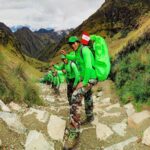
- Short Inca Trail from Km 104: Chachabamba, Wiñay Wayna, and the Sun Gate
- Machu Picchu guided time: sunrise calm, then photo light in the afternoon
- Trains, buses, and the real pace of the trip
- Guides versus logistics: the difference that can make or break it
- Price and value at $817: what you’re really paying for
- Should you book this Cusco Sacred Valley + Short Inca Trail + Machu Picchu tour?
- FAQ
- What time does the tour start?
- How long is the tour?
- Where do you spend the night during the trip?
- What meals are included?
- Are entrance tickets to Machu Picchu included?
- Do I need Machu Picchu Mountain or Waynapicchu tickets?
- What train rides are included?
- How big is the group?
- How fit do I need to be?
- What’s the cancellation situation if plans change?
Key points you’ll care about
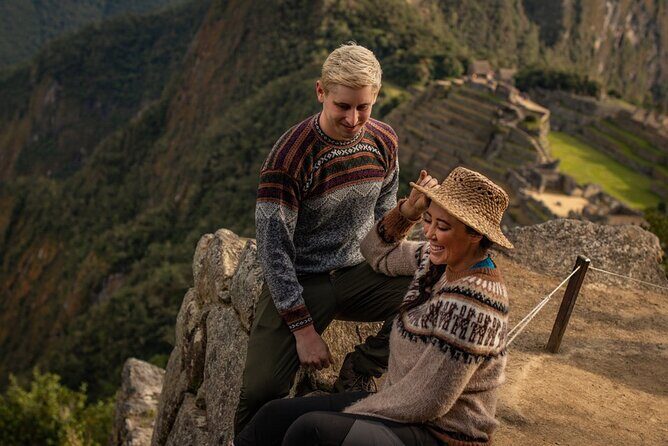
- Sunrise Machu Picchu entry gives you the most peaceful first view and better photos with fewer people
- Short Inca Trail route starts from Km 104 and includes Chachabamba, Wiñay Wayna, and the Sun Gate
- Sacred Valley stops hit the full mix: Pisac terraces, Alpaca Center culture, Moray farming circles, and Maras salt pans
- Guides make the difference—Miguel and Edwar (plus the Sacred Valley guide) were singled out for strong care and local passion
- Transport is mostly handled: train segments, Machu Picchu shuttles, and buses around the complex
- Hotels may feel basic at this price point, so pack for cool nights and simple rooms
Sacred Valley Day: Pisac terraces, salt pans, and a living Inca town
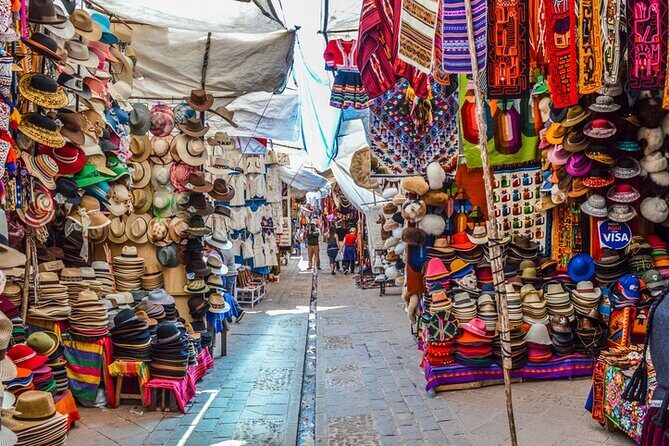
Day 1 is built like a greatest-hits tour of the Sacred Valley, and that’s the value. You’re not stuck bouncing between random photo stops—you get a logical flow of places with meaning: how people lived, farmed, traded wool, and organized water.
You start with a 7:00 a.m. pickup in Cusco, then head into the valley. The rhythm here matters: you’re on the road early enough to cover multiple sites without feeling like the day disappears. After the drive, your first culture stop is an Alpaca Center (Manos de la Comunidad), where you can feed and interact with llamas, alpacas, and vicuñas while learning about wool used for centuries in Andean culture. This isn’t just cute animal time. It helps you understand why these animals matter culturally and economically, before you move into Inca stonework.
Next comes Mirador Taray, a viewpoint over wide valley views and the Urubamba River. It’s short—about 20 minutes—but it’s a good “breather” and orientation moment. You’ll arrive at the big archaeological areas already understanding where everything sits.
Then you reach the heavyweight: Parque Arqueológico Pisac. The highlight is the hillside terraces, plus ceremonial areas and tunnels that hint at how the Incas engineered space. Even if you only know the broad story of the Incas, the terraces make it real: this was an intelligent food-and-water system carved into steep terrain. Expect about 1 hour here, with sweeping views that show why Pisac’s location was strategic.
After lunch, Day 1 turns into farming history and everyday Inca survival skills.
You can also read our reviews of more tours and experiences in Cusco
Moray and Salinas de Maras: Inca experiments and salt work still happening
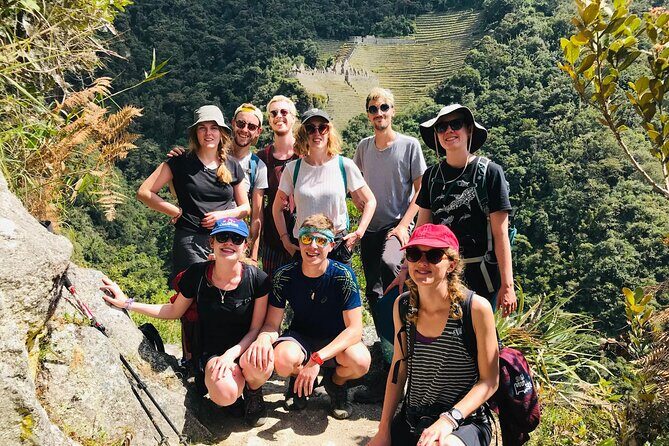
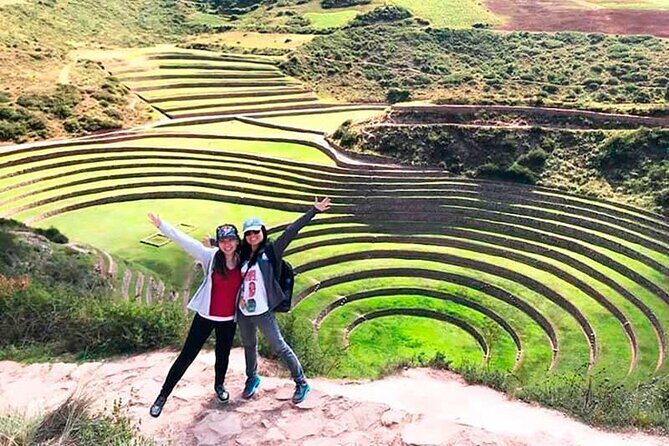
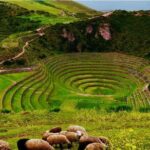
Moray is one of those places where you stop and think, wait, the Incas did this on purpose. You’re visiting ancient Inca agricultural terraces shaped into circular designs. The idea was crop experimentation using temperature differences created by the terraces’ structure. It’s a small site compared to bigger ruins, but it feels oddly modern—like a living lab.
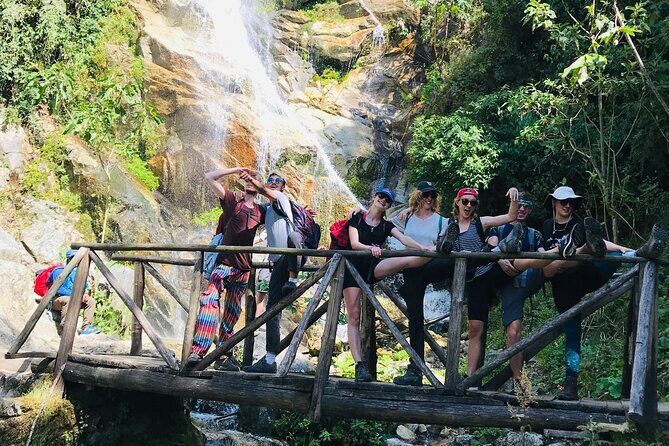
Right nearby, you’ll visit Salinas de Maras, the salt pans that local families keep harvesting by hand using traditional methods passed down for generations. This stop is special because it’s not just ruins. Salt is one of those “invisible ingredients” that shaped economies, food preservation, and trade. Standing among the patchwork of ponds, you understand why this valley mattered long after the Inca era.
Two hours for Moray and Salinas combined is enough time to see what’s unique about each, without burning your energy. If you tend to love technical details, Moray may be your favorite moment of the day. If you’re more into human-scale livelihoods, Maras will likely hit harder.
Ollantaytambo overnight: where the tour slows down and your body catches up
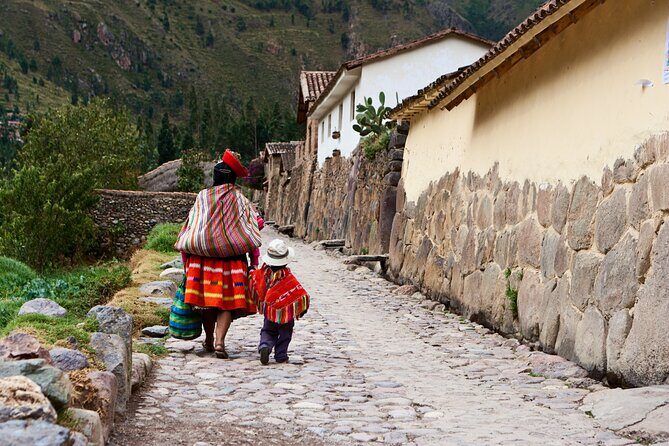
You finish Day 1 in Ollantaytambo, with a guided visit to the living town. The narrow streets and stone canals are still there from the 15th century, so you’re not just looking at history—you’re walking through a place people actually use.
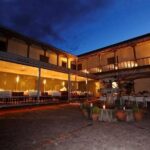
You also sleep here on Day 1, which is smart planning. After a full day with transport and multiple stops, you want a night where you’re not immediately rushing again. The tour includes one night in Ollantaytambo at a 2-star hotel.
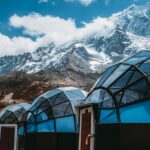
One important reality check: one participant reported that the Ollantaytambo hotel felt more like basic 2-star conditions, including cold rooms without heating or A/C. That doesn’t mean every room is identical, but it does mean you should pack for cool evenings and keep expectations practical.
Short Inca Trail from Km 104: Chachabamba, Wiñay Wayna, and the Sun Gate
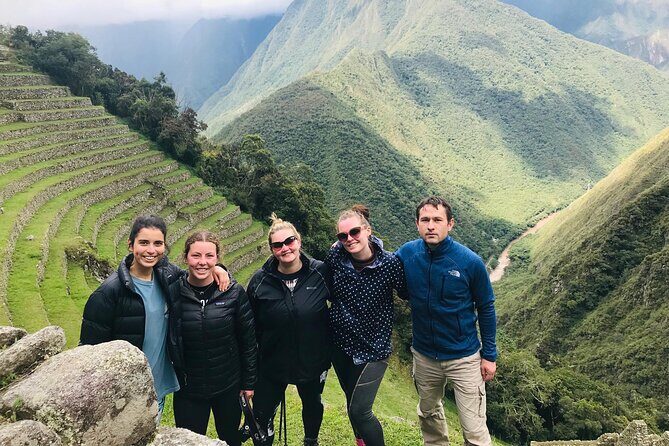
Day 2 is the “wow” day for most people, because it mixes hiking with dramatic Inca sites. After pickup from your hotel, you drive about 10 minutes to the train station and travel along the Urubamba River. The scenery shift—from higher terrain into greener cloud-forest style areas—is part of the emotional build-up.
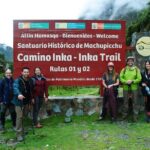
You start on Km 104 Station, where you register, have breakfast, and then cross a suspension bridge over the Urubamba River. Crossing that bridge is often where the trek stops being “a plan” and becomes real.
Then you begin the Short Inca Trail with stops that each add a layer of meaning:
- Chachabamba (about 40 minutes): carved stone structures and water channels that relate to sacred water and ceremonial use. It’s a “systems” stop—how water and ritual tied together.
- Wiñay Wayna / Winay Wayna (about 3 hours including your picnic lunch): temples, aqueducts, agricultural terraces, and waterfalls. This is a major site, and your timing matters here—you’re walking steadily, but you’re rewarded with a complex Inca landscape.
- Sun Gate (about 1 hour): your approach is described as a gentle climb, and then you get the first big view of Machu Picchu from the original entrance area.
What I’d watch on the physical side: this is listed as moderate fitness. The walking is steady, not a sprint, but you’ll still be moving at altitude. If you’re sensitive to elevation or you don’t walk much at home, plan to take your pace slowly and drink water early.
At the end of the day, you ride a bus down to Aguas Calientes, eat dinner, and sleep in a comfortable 3-star hotel (as included).
Machu Picchu guided time: sunrise calm, then photo light in the afternoon
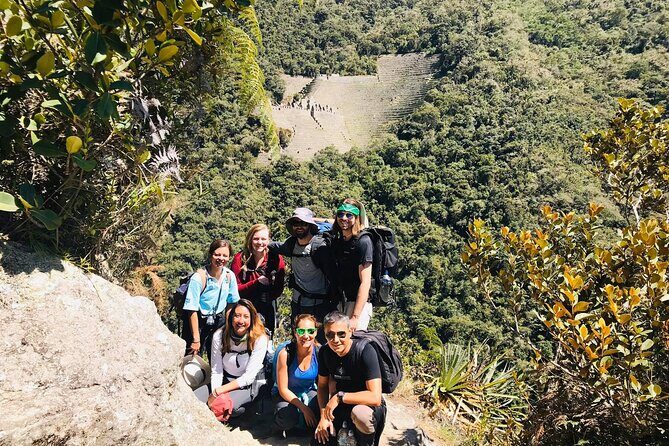
Day 3 is about Machu Picchu with the right order of events.
You take an early bus up from Aguas Calientes and aim for the first arrival before sunrise. That’s not marketing fluff. The early entry changes the whole experience: you get quieter photos, a calmer feeling at the terraces, and a sense that you’re seeing Machu Picchu the way it’s meant to be noticed—slowly.
Your guide leads a walking tour of about 2–3 hours, hitting major sections such as temples, ceremonial plazas, and the iconic terraces carved into the mountain. This part is why having a strong guide matters. In one case, guides Miguel and Edwar were praised for being highly attentive and for helping the group handle surprises like heavy rain and transport or movement issues.
After the guided time, you return to Aguas Calientes for lunch at your leisure. Later in the day, you board the Vistadome panoramic train back to Ollantaytambo, which is a comfortable way to reset your body after Machu Picchu. Then a private transfer brings you back to Cusco.

Trains, buses, and the real pace of the trip
This itinerary is built around transport that’s already scheduled for you, and that matters in Peru. A lot of stress disappears when trains, station timing, and Machu Picchu shuttles are handled in advance.
Here’s what’s included on the movement side:
- Train to Km 104 (for the Short Inca Trail start)
- Buses within the Machu Picchu complex (3 bus tickets included)
- Vistadome panoramic train for the return to Ollantaytambo
- Private transfer back to Cusco
You also have clear timing anchors:
- Day 1 pickup at 7:00 a.m.
- Day 3 early bus for Machu Picchu sunrise
The trade-off: because so much is “locked in,” you have less freedom to improvise if something small goes wrong. That’s where logistics quality shows up. If your operator communication is strong, you’ll feel smooth. If it’s weak, you’ll feel like you’re playing catch-up.
Guides versus logistics: the difference that can make or break it
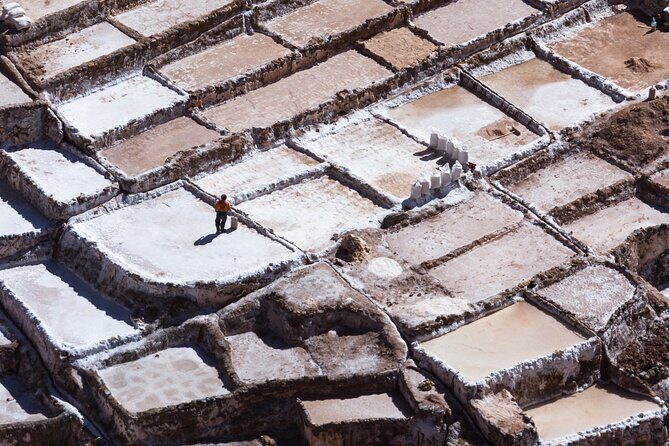
The most consistent praise is about the guides. A Sacred Valley guide (name not recalled) led Day 1 and then returned to Cusco while the group continued overnight in Ollantaytambo. For Days 2 and 3, guides Miguel and Edwar were specifically noted for strong local knowledge, care for every member, and practical problem-solving when things got messy—especially heavy rain and transport/luggage issues.
That’s the “tour magic” part. Even when logistics stumble, a good guide can keep the group moving with confidence and clarity.
But there’s also a clear warning signal from one participant: logistics support was weak in several areas. Examples included lack of permit readiness for Machu Picchu park access (requiring date changes), errors in copied phone numbers leading to delayed updates, and a briefing that didn’t happen as expected until the day of travel. There were also mismatches about whether certain items like dinner and a poncho were actually included, and hotel conditions that didn’t match the comfort level promised on paper.
So here’s how you protect yourself:
- Confirm what’s included in writing before you go (especially meals and any promised comfort items).
- Bring your own flexibility if a date or plan detail needs adjustment.
- If you can, send your passport info well in advance and double-check accuracy.
Price and value at $817: what you’re really paying for
At $817 per person for 3 days, you’re paying for more than sightseeing. You’re paying for a packaged solution where big costs are built in:
- Entrance tickets for major Sacred Valley sites (Moray, Maras, Ollantaytambo)
- Inca Trail access plus Machu Picchu access (circuits 1 and 3 are included)
- Guided tours for the Sacred Valley, Short Inca Trail, and Machu Picchu
- Train to Km 104 and Vistadome return
- Hotel nights in Ollantaytambo and Aguas Calientes
- Meals that include breakfasts (2) and lunch (2), plus dinner listed as included
In other words, you’re buying back planning time. If you tried to stitch this together yourself, you’d need to manage train schedules, entrance circuits, and the logistics of getting to Machu Picchu at the right time. That’s where packaged tours can be a win.
But it’s not automatic perfection. Hotel standards and day-to-day communication can vary, and one detailed complaint described basic conditions and cold rooms. So the “value” is real, but you should treat it as value-for-time, not luxury-for-price.
Should you book this Cusco Sacred Valley + Short Inca Trail + Machu Picchu tour?
I think it’s worth booking if you want a structured path to the best highlights, especially sunrise Machu Picchu plus the Short Inca Trail. The guide track record (Miguel and Edwar) and the fact that the trip is designed around key transport moves are strong reasons to say yes.
I would hesitate or book with extra caution if:
- You’re very sensitive to hotel comfort (the itinerary includes 2-star and 3-star stays, and at least one person reported poor conditions)
- You rely heavily on last-minute updates and don’t like uncertainty (the reported communication and permit mishaps are the red flag)
- You want very specific Machu Picchu add-ons like Machu Picchu Mountain or Waynapicchu—those are not mandatory and must be booked ahead if you want them
If you do book, send your details early, confirm included meals/items, and pack for cool nights and active walking. With the right mindset, you’ll get exactly what this trip is built for: Inca engineering, a hike with meaning, and Machu Picchu when it’s still quiet.
FAQ
What time does the tour start?
Pickup in Cusco starts around 7:00 a.m. for Day 1.
How long is the tour?
It runs for about 3 days.
Where do you spend the night during the trip?
You spend one night in Ollantaytambo and one night in Aguas Calientes.
What meals are included?
The tour includes breakfast (2), lunch (2), and dinner (listed as included). Meals not covered can be found in Aguas Calientes.
Are entrance tickets to Machu Picchu included?
Yes. Entrance tickets for Machu Picchu are included for Circuits 1 & 3.
Do I need Machu Picchu Mountain or Waynapicchu tickets?
No. Those add-on entrances are optional, not mandatory, and must be booked ahead if you want them.
What train rides are included?
You take an expedition train to Km 104 for the Inca Trail start, and a Vistadome panoramic train on the return to Ollantaytambo.
How big is the group?
The maximum group size is 16 travelers.
How fit do I need to be?
The tour calls for a moderate physical fitness level.
What’s the cancellation situation if plans change?
This experience is non-refundable and can’t be changed. If it’s canceled due to poor weather, you’ll be offered a different date or a full refund. If a minimum traveler number isn’t met, you’ll be offered a different date/experience or a full refund.