REVIEW · CUSCO
2D1N: Sacred Valley Tour and Machupicchu by Train
Book on Viator →Operated by Minkas Travel · Bookable on Viator
You’re building up to Machu Picchu the right way. This 2D1N Sacred Valley and Machu Picchu tour strings together major Inca sites and a guided walk at the UNESCO treasure, with a train ride that keeps the scenery moving. I especially like the round-trip hotel transfers in Cusco and the way the schedule uses trains and buses to reduce guesswork.
Two big wins: first, you get a guided Machu Picchu circuit (about 2 to 2.5 hours) plus entry fees, so you’re not stuck figuring out routes at altitude. Second, the Sacred Valley day is paced like a greatest-hits route, including Chinchero textiles, Moray terraces, and the Maras salt pans area. For the human touch, past groups have highlighted guides like Julio at Machu Picchu and coordinators like Irwin and Dario for keeping the day on track.
One possible drawback: meals beyond breakfast are not included, and entrance costs for certain add-ons (like hot springs) can add up fast. Also, Machu Picchu entry is tied to circuit availability, so what you see depends on the circuit you’re assigned.
In This Review
- Key highlights worth your attention
- Cusco to Aguas Calientes: how the train day actually works
- What to know before you commit your day to the schedule
- Sacred Valley stop-by-stop: what you’ll see and why it matters
- Chinchero: textiles, alpacas, and the living craft
- Moray: circular terraces and Inca climate experiments
- Salinas de Maras: salt pans with ancient roots
- Lunch stop with mountain views (and camelids)
- Ollantaytambo: a living Inca village before the train shift
- A realistic note on costs during Day 1
- VistaDome vs. standard: is the train upgrade worth it?
- Aguas Calientes: hotel check-in plus built-in downtime
- Hot springs: relaxing if you want a softer landing
- Machu Picchu guided circuit: what to expect in 2 to 2.5 hours
- Your guided entry and circuit reality
- What the guide adds to your first-time visit
- After the guided walk: train back and a late Cusco arrival
- Price and value: why $515 can make sense
- The costs not covered (and what they mean)
- Who this tour fits best, and who should think twice
- Booking sense-check: dates, weather, and ticket reality
- Should you book this tour?
- FAQ
- What is the total duration of the tour?
- How much does the tour cost?
- What’s included in the price?
- Are meals included?
- Is the hot springs included?
- Are the salt mines and Moray included?
- Does the Machu Picchu ticket include Waynapicchu?
Key highlights worth your attention
- Round-trip transfers from your Cusco hotel make the morning start and end far less stressful
- Train scenery all day: the route tracks valleys, terraced farmland, and river views on the way to Aguas Calientes
- Sacred Valley sites with the logic to match: Chinchero, Moray, Maras, and Ollantaytambo in one run
- Machu Picchu guide + entry included, with the walk geared to important zones and top viewpoints
- Optional VistaDome upgrade can be a smart move if you care about window views while traveling
Cusco to Aguas Calientes: how the train day actually works
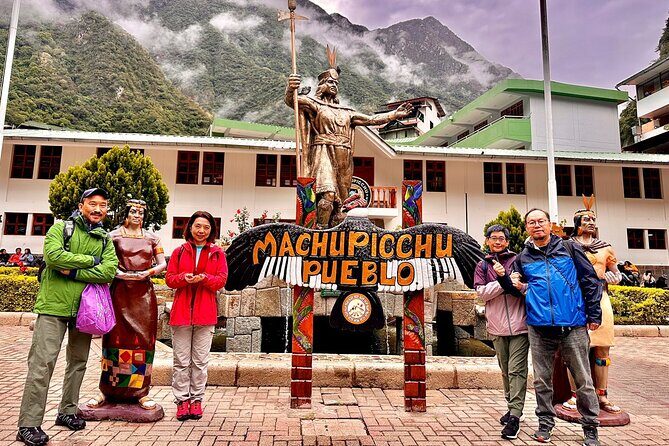
This tour is built around one simple idea: get you to Machu Picchu while spending less energy on logistics. You’re picked up from your Cusco accommodation between 07:00 and 07:10, then you head to San Pedro Train Station for a 7:30 departure toward Aguas Calientes (Machupicchu Pueblo).
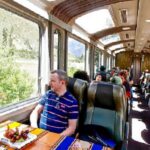
The train ride is a real part of the experience, not just transit. You’ll pass a mix of mountains and valleys, Inca farming terraces, and landscape changes as you get closer to the Ceja de Selva zone. The Vilcanota River runs alongside the route for long stretches, so you often feel like you’re traveling inside the Sacred Valley instead of just driving through it.
Arrival at Aguas Calientes is timed so you can sleep and recover for the big day. Your included transfer takes you from the train station to your hotel, and after check-in you get afternoon freedom to relax or explore.
You can also read our reviews of more tours and experiences in Cusco

What to know before you commit your day to the schedule
Machu Picchu is altitude + crowds + tight time windows. This tour leans into planning: it uses the train timing, bus timing, and a guided entry so you aren’t “figuring it out” while your energy is fading.
Just remember that lunch is not included on Day 1, and dinner is also on you. If you’re the type who gets cranky when your food plan is unclear, plan to budget for at least one decent lunch on the Sacred Valley day.
Sacred Valley stop-by-stop: what you’ll see and why it matters
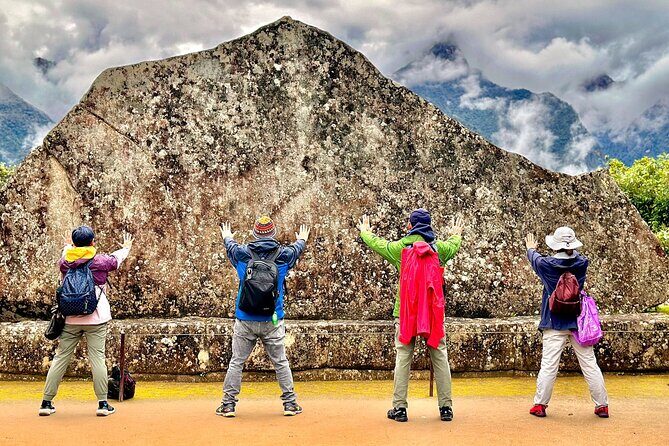
Day 1 is the Sacred Valley circuit, and it’s designed so each stop gives you a different kind of Inca know-how. The order also helps: you start with culture and craftsmanship, then agriculture engineering, then natural resources, then a culminating archaeological powerhouse at Ollantaytambo.
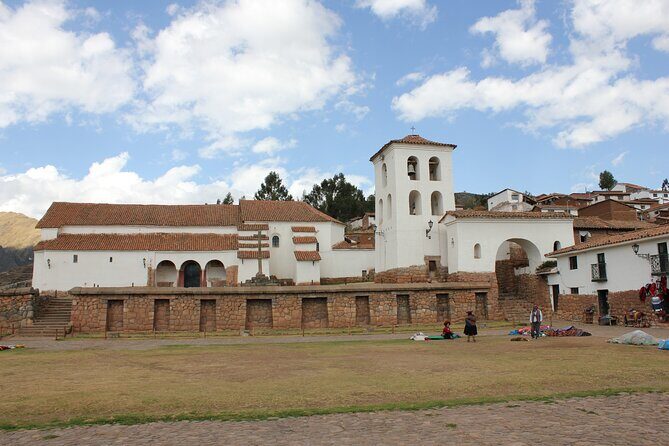
Chinchero: textiles, alpacas, and the living craft
You arrive at Chinchero and visit a local textile center. This is a hands-on style stop: you can meet alpacas and llamas, feed them, take photos, and learn about ancient dyeing techniques behind Andean textiles.
Why I like this stop: it gives you a cultural anchor before you get into ruins and stone engineering. It’s also quick—about one hour—so it doesn’t steal time from the bigger archaeology days ahead.
Moray: circular terraces and Inca climate experiments
Next up is Moray, described as an Inca agricultural laboratory with circular terraces. The value here is the concept: these terraces weren’t just pretty landscape design. They were a way to test microclimates so crops could be improved and food production could get more reliable.
Note: Moray’s entrance is listed as not included, so you’ll want to have cash or card ready for the site fee.






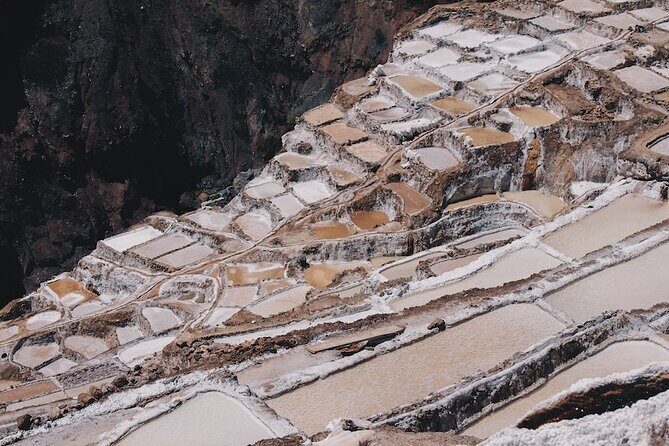
Salinas de Maras: salt pans with ancient roots
Then you reach the Maras salt mines area. Salt extraction from these pans is described as going back to pre-Incan times, and it’s considered an Intangible Cultural Heritage of Peru. The important part for your brain: this isn’t a museum stop; it’s a living industrial landscape tied to a product that still reaches national and international markets.
Just like Moray, entrance to the salt mines is not included (PEN20 per person). If you’re the type who hates surprise charges, this is one of the main “watch this” line items on Day 1.
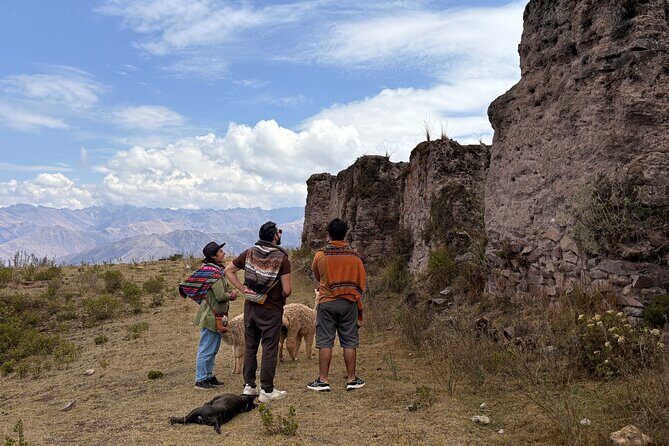
Lunch stop with mountain views (and camelids)
Around 12:00 to 12:30, you’ll stop for lunch near a mountain-view area. Lunch itself is not included, but the break is built to be more than a quick meal—there’s time to enjoy the views and an opportunity to interact with Andean camelids raised in the area.
Because the service is private, this can feel smoother than typical big-group tours where the lunch stop turns into a race. If you can, consider ordering something hearty; you’ll use the energy tomorrow.
Ollantaytambo: a living Inca village before the train shift
Your final major stop on Day 1 is Ollantaytambo. You’ll learn how it functioned as a military, religious, and agricultural center, and why it mattered as a strategic gateway into and out of the Sacred Valley.
This stop is also tied to your travel transition. After Ollantaytambo, you board a train toward Aguas Calientes. The ride is about 1 hour and 45 minutes, and you’ll enjoy views over the Urubamba River along the way.
Entrance to Ollantaytambo is listed as not included, so again, be ready for those site fees even if the overall tour is largely covered.
A realistic note on costs during Day 1
Between Moray and Maras being separate fees, plus lunch being on you, Day 1 has a few extras. The good news is that you’ll know what’s coming, and the tour still covers the heavy pieces: transport, guiding where it matters, and your rail/bus transport between key points.
VistaDome vs. standard: is the train upgrade worth it?
The tour overview mentions an upgrade to travel via the VistaDome train, designed for sightseeing. I think this upgrade is best if you care about how you travel, not just where you go.
Here’s the practical take: during long train stretches, you can look out more comfortably and spend less time craning your neck. If scenery is part of your vacation energy, VistaDome can feel like a bonus rather than an upsell.
But if your main goal is Machu Picchu itself, you might not need to pay extra for the train. The core value of this itinerary is that you’re moving efficiently to Machu Picchu and getting guided time at the site.
Aguas Calientes: hotel check-in plus built-in downtime
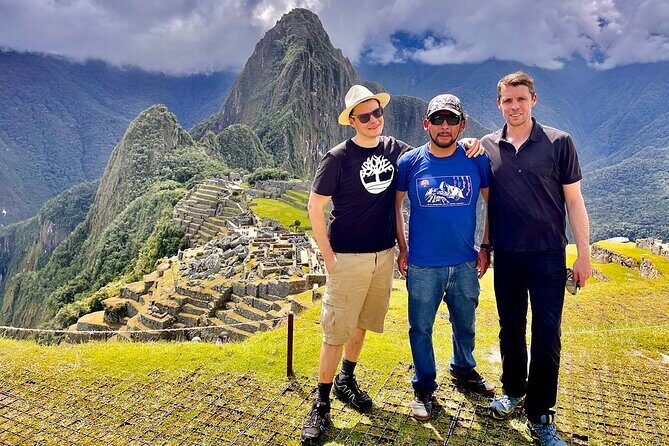
After your train arrives in Aguas Calientes, staff meet you and take you to your hotel (included). You check in, then you get the afternoon free.
That free time matters more than people expect. Machu Picchu day is early, and Aguas Calientes is where you reset your body. If you’re hungry, plan to grab something local since meals aren’t included beyond breakfast.
Hot springs: relaxing if you want a softer landing
If you want, you can visit the hot springs. The tour lists this as an optional add-on at $5 per person.
The timing makes sense: you’re not rushing to fit the hot springs between Machu Picchu and the train schedule. Instead, it’s a “cool down and unwind” option that can turn an intense travel day into something more restorative.
Machu Picchu guided circuit: what to expect in 2 to 2.5 hours
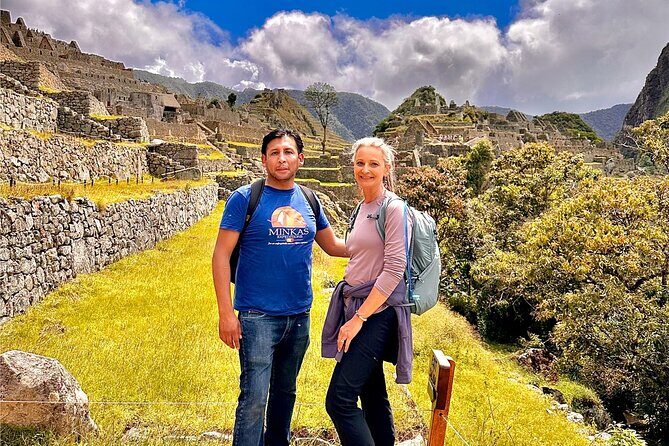
Day 2 starts with you in Aguas Calientes. After breakfast, your guide picks you up from the hotel and brings you to the bus station. The bus ride is about 25 minutes to the Machu Picchu entrance.
One helpful detail: the day before, your guide provides a briefing. That makes your morning feel less chaotic when you’re dealing with early timing and finding the correct entrance area.
Your guided entry and circuit reality
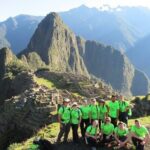
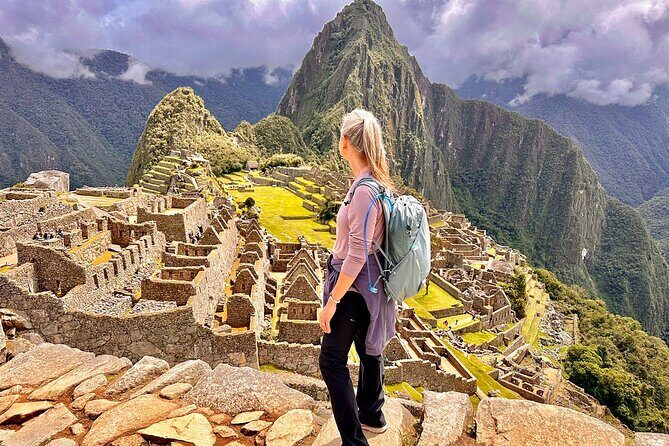
At Machu Picchu, you enter the Santuario de Machupicchu with your guide. The walk lasts about 2 to 2.5 hours, and the route covers important zones, temples, dwellings, top viewpoints, and other archaeological areas.
Here’s a key point: the tour includes Machu Picchu entrances, but they’re subject to circuit availability (1, 2, or 3). That means your exact experience can vary depending on what’s available for your date and reservation.
If you’ve heard people argue about which circuit is best, take that energy and turn it into flexibility. The tour is designed around the fact that circuits exist and you’ll follow the assigned plan with expert guidance.
What the guide adds to your first-time visit
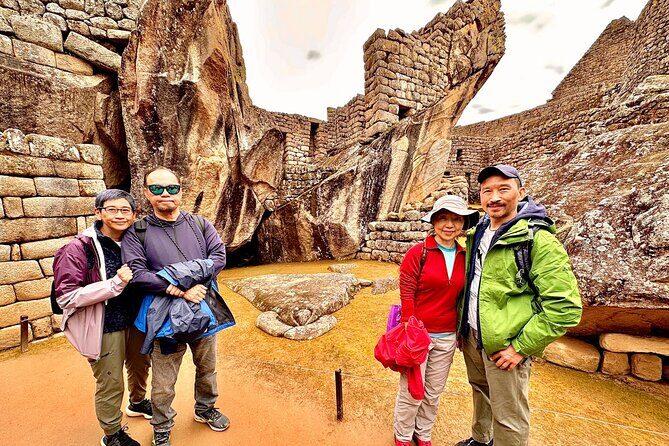
A great guide changes how you see Machu Picchu. Past experiences shared that guides like Julio offer clear explanations and know the spots where photos work best. That matters because there aren’t lots of easy placards to help you connect spaces on your own.
So even if you’ve seen photos online, your guide’s job is to put the site into context while you’re actually walking it.
After the guided walk: train back and a late Cusco arrival
When your guided time ends, you head back to Aguas Calientes by bus. The tour plan includes time to find the best lunch spot there.
Then you take the train scheduled around 3:20 p.m. (exact time confirmed after booking) to Ollantaytambo. From there, you get a van back toward Cusco, and you’re dropped at your hotel around 8:00 p.m..
It’s a long travel day, but it’s also complete. You don’t end up stranded wondering how to get from Machu Picchu into the rest of your Peruvian journey.
Price and value: why $515 can make sense
This tour costs $515 per person, and on average it’s booked about 22 days in advance. The price looks steep until you break down what it covers.
You’re getting:
- Round-trip train tickets from Cusco area to Aguas Calientes
- Round-trip bus between Aguas Calientes and Machu Picchu
- Hotel stay in Aguas Calientes
- Breakfast
- Guided Machu Picchu visit plus Machu Picchu entrance (with circuit assignment)
- Transfers from your Cusco hotel to the train station and back
In other words, you’re paying for the big moving parts that cost time and stress when you do them alone. Doing it DIY often means ticket hunting, figuring out bus times, and paying for separate transfers you didn’t plan for.
The costs not covered (and what they mean)
You still need to budget for:
- Lunch and dinner (Day 1 and Day 2 lunch are not included)
- Hot springs ($5 per person)
- Salt mines and Moray entrances (listed separately)
- A partial Tourist Ticket listed as PEN70 per person
- Optional add-on Waynapicchu Mountain for $65 per person
So value comes down to this: if you hate logistics, you’re paying to avoid that headache. If you’re comfortable managing buses, ticket circuits, and entry fees yourself, you might find a cheaper route. But if you want the day to run on rails, this package earns its keep.
Who this tour fits best, and who should think twice
This style of tour is best for people who want strong structure without being stuck in a huge bus.
It suits:
- First-time Machu Picchu visitors who want a guide-led circuit
- Travelers who prefer private service and clear timing
- People who like the idea of seeing the Sacred Valley before Machu Picchu so the site has context
It might not suit you if:
- You want a fully DIY budget with zero surprise site fees
- You’re extremely schedule-sensitive, since Machu Picchu days depend on timing and weather
- You’re trying to fit every add-on (Waynapicchu, hot springs) since they cost extra
Booking sense-check: dates, weather, and ticket reality
This experience requires good weather. If it’s canceled due to poor weather, you’ll be offered another date or a full refund. That’s a key thing to factor into your planning if your trip window is tight.
Also, Machu Picchu entry depends on circuits being available. Your plan is covered, but the final route details can shift based on what’s assigned for your date.
Finally, one practical point from real-world experience: some coordinators have helped people who were worried about ticket timing. If you’re booking close to your travel dates, it’s still smart to ask directly what’s confirmed for your circuit and entrances.
Should you book this tour?
I’d book it if you want your Machu Picchu trip to feel managed: transfers handled, train and bus timing set, and a guide taking you through the site in a way you can actually understand.
I’d hesitate if you’re counting every dollar and you’re fine handling entry/circuit and meals on your own. Since breakfast and the big transport pieces are included, the tour is most cost-effective when you value time and want fewer moving parts.
If you’re somewhere in the middle, this is the kind of itinerary that helps you enjoy Peru instead of juggling it.
FAQ
What is the total duration of the tour?
It’s listed as 2 days (approx.), with Day 1 covering Sacred Valley stops and the train to Aguas Calientes, and Day 2 covering Machu Picchu and the return to Cusco.
How much does the tour cost?
The price is $515.00 per person.
What’s included in the price?
Included items are breakfast, round-trip tourist train tickets, the tourist bus round trip between Aguas Calientes and Machu Picchu, Machu Picchu entrance (subject to circuit availability), guided tour in English, and transfers from your Cusco hotel to the train station and from the train station back to your hotel in Cusco.
Are meals included?
No. Snacks, meals, and beverages are not included. Lunch and dinner are not included (Day 1 lunch and Day 2 lunch are also not included).
Is the hot springs included?
No. Hot springs are not included, and the entrance is listed as $5 per person.
Are the salt mines and Moray included?
No. Entrance to the salt mines is listed as PEN20 per person, and Moray entrance is not included.
Does the Machu Picchu ticket include Waynapicchu?
Waynapicchu Mountain is not included. The optional cost listed is $65.00 per person.