REVIEW · CUSCO
Sacred Valley & Machu Picchu by Train: 2-Day, 1-Night Tour
Book on GetYourGuide →Operated by TreXperience · Bookable on GetYourGuide
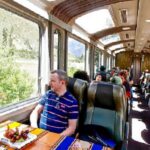
Train day, Inca night, sunrise on cue. This tour strings together the best Sacred Valley stops and Machu Picchu with an Expedition train between Cusco-area highlights and Aguas Calientes. I especially liked having expert guides who explain what you’re looking at, including names I heard firsthand like Herbert Vidal, Alex, and Oliver. The main consideration: the schedule is tight and dependent on train/bus timing, so delays can ripple through the day.
On Day 1, you’re not stuck in one big archaeological loop. You start with an alpaca/textile stop, then hit Pisac, Moray, Salineras of Maras, and Ollantaytambo before the overnight stay. Day 2 is built around an early Machu Picchu entry, followed by a guided tour of the key terraces and structures.
One more practical note: this is a non-refundable booking, and you must travel light. The tour does not allow luggage or large bags, so plan for a daypack only.
In This Review
- Key things that make this tour work
- Sacred Valley and Machu Picchu by train: less stress, more time on-site
- Day 1 in the Cusco region: alpacas, textiles, and a Sacred Valley viewpoint
- Pisac Inca site and Pisac Market: terraces you can read, and shopping time
- Moray terraces and Salineras of Maras: “science” farming meets real salt
- Ollantaytambo: the last standing Inca citadel before the train to Aguas Calientes
- The sunrise Machu Picchu plan: early bus, guided 3-hour circuit, and optional hikes
- Train timing and getting through the day smoothly
- Price and value: what $698 gets you in real terms
- Who this tour fits best
- Should you book this 2-Day Sacred Valley and Machu Picchu train tour?
- FAQ
- What is the duration of the Sacred Valley & Machu Picchu by Train tour?
- Where do I get picked up, and do I return to the same place?
- Is Machu Picchu entry included?
- Is Huayna Picchu or Machu Picchu Mountain included?
- What meals are included during the tour?
- Does the tour include train transportation?
- What documents and items do I need to bring?
Key things that make this tour work
- Guides with real patience: detailed explanations and answers (including Herbert Vidal, Alex, and Oliver)
- Alpaca farm + textile center: see animals and learn how natural colors are used in weaving
- Pisac Market time for shopping: ceramics, textiles, jewelry, instruments, and alpaca products
- Moray + Salineras of Maras in one run: terraces of experiments paired with working salt pans
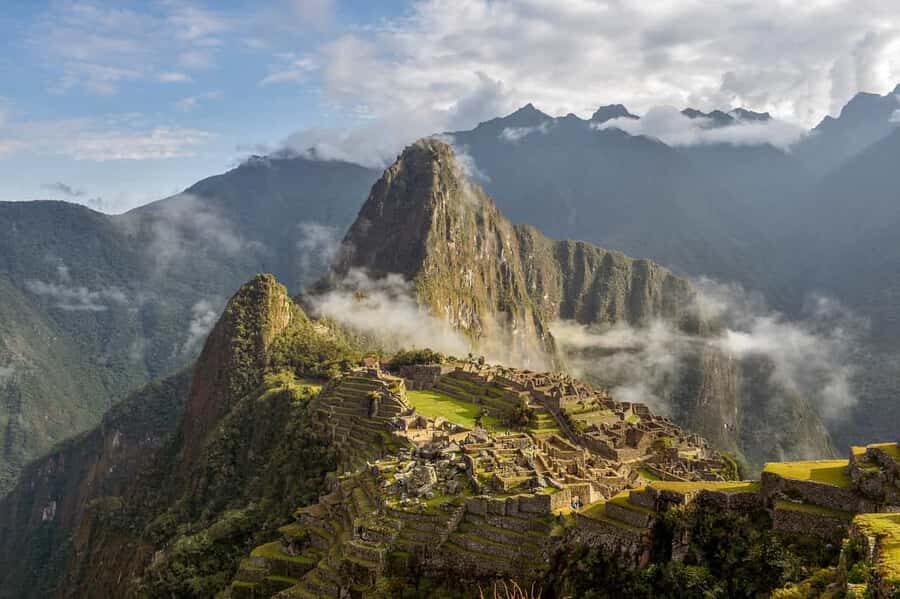
- Sunrise Machu Picchu with a guided circuit: about 3 hours focused on the major terraces, storehouses, temples, and palaces
Sacred Valley and Machu Picchu by train: less stress, more time on-site
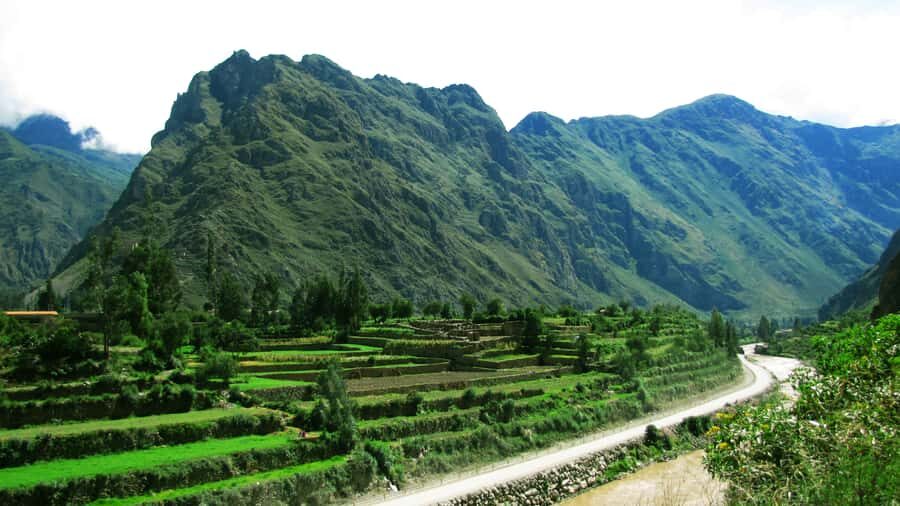
Machu Picchu is famous, yes. But the smart part here is how you get there. Instead of trying to juggle trains, buses, and transfers on your own, the itinerary builds the day around a round-trip on the Expedition train and a round-trip bus to the citadel area.
That matters because the Sacred Valley is not one stop. You’re moving through several sites where timing and connection points can get messy fast. On this route, you keep the “see it all” energy without having to constantly check schedules.
Also, the small group size (up to 16) changes the feel. You get a guided experience without feeling lost in a crowd, and you’re more likely to get your questions answered instead of hearing the same lecture on repeat. The guide quality is a standout theme, with people specifically praising how clearly the Inca story was explained and how patiently questions were handled.
You can also read our reviews of more evening experiences in Cusco


Day 1 in the Cusco region: alpacas, textiles, and a Sacred Valley viewpoint
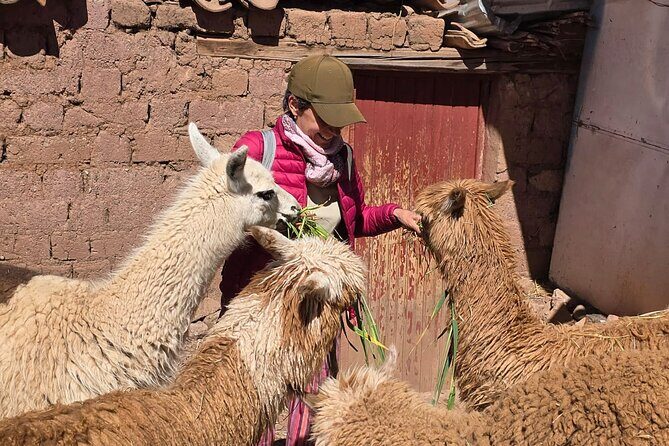
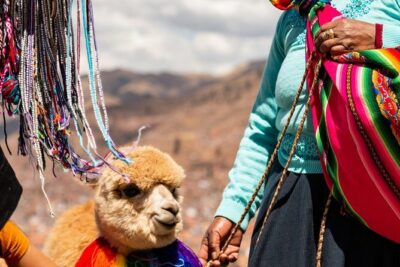
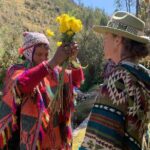
Day 1 starts with pickup from your Cusco hotel (or hostel/Airbnb) and a guide meeting. Then you drive to an alpaca farm and textile center. This isn’t just a quick photo stop. You get to see llamas, alpacas, viñuna, and guanacos, then watch how weaving works and how locals use natural colors in textiles.
If you like cultural stops that connect to what you’ll see later in Inca sites, this one clicks. The Andes weren’t only stones and terraces. They were also fibers, trade, and craft knowledge, and you get a lesson right where it’s produced.
After the alpacas and textiles, you head to a lookout point over the Sacred Valley. It’s the kind of view that helps everything later feel less random. You can see the Urubamba River area and the farming lands that the Incas built and worked with.
Then comes Pisac.
Pisac Inca site and Pisac Market: terraces you can read, and shopping time
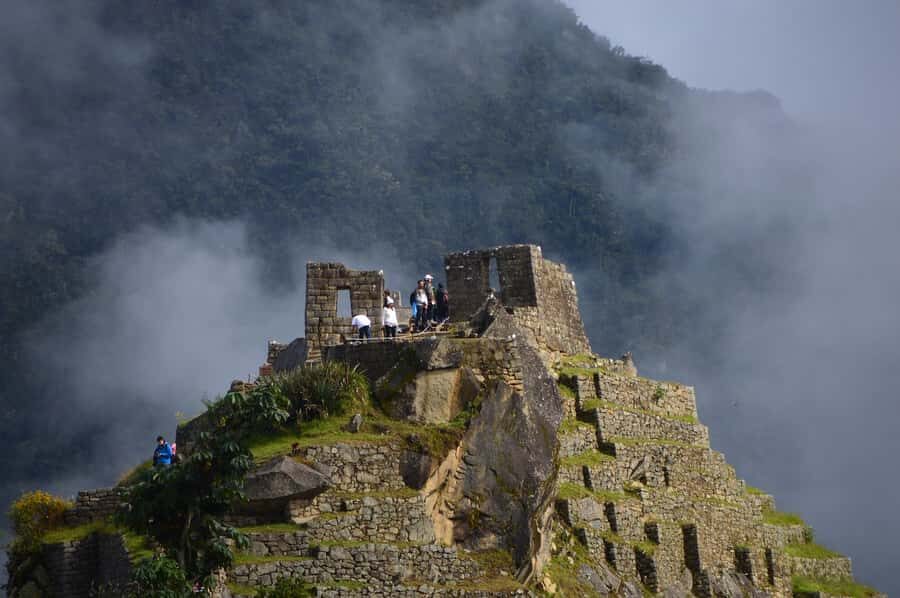
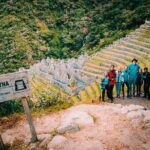
Pisac has impressive stonework and agricultural terraces. You’ll explore the site on the mountainside, including irrigation systems that show how the Incas managed water for farming. One reason this stop is worth your attention is that it’s not only ruins. The layout connects terraces, stone walls, and how the land was used.
You also get to see Pisac’s cemetery area, described as the largest in the Inca Empire. Even if you’re not a hardcore history person, that detail gives the place weight. It’s a reminder that these sites were tied to daily life and belief, not just monumental viewpoints.
Then you shift from archaeology to shopping. Pisac Market is where you’ll want energy and patience—because this is where you bargain. You can browse ceramics, textiles, jewelry, Andean instruments, alpaca products, and souvenirs. It’s a good moment to slow down and buy things you’ll actually use (or gift), not just a single “I was here” item.
Practical tip: keep your purchases in mind. Since you can’t bring luggage or large bags, plan what you’ll carry during the rest of Day 1 and onto the train.
Moray terraces and Salineras of Maras: “science” farming meets real salt
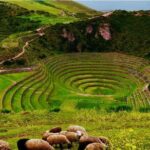
After Pisac, you move into the part of the Sacred Valley that feels different from the big scenic ruins. Moray is known for its terraces, and you’ll visit both Moray and the Salineras of Maras (the salt pans).
Moray’s terraces are often described as a place for agricultural experimentation. In plain terms, it’s where the Inca world used land engineering for practical outcomes. Seeing the terraces in person helps you understand why the Incas were so focused on water, farming, and careful design.
Then you go to Salineras of Maras. This is salt harvesting in a way you can visually grasp. Instead of one ruined monument, you see the working salt pans area—an active system that contrasts with the earlier stone-and-stone site feeling.
This pairing works because it balances two sides of how the region functioned:
- terrace farming and planning at Moray
- a working resource landscape at Salineras
It’s not just scenic. It’s functional, and that makes it easier to stay interested after a full day of driving.
Ollantaytambo: the last standing Inca citadel before the train to Aguas Calientes
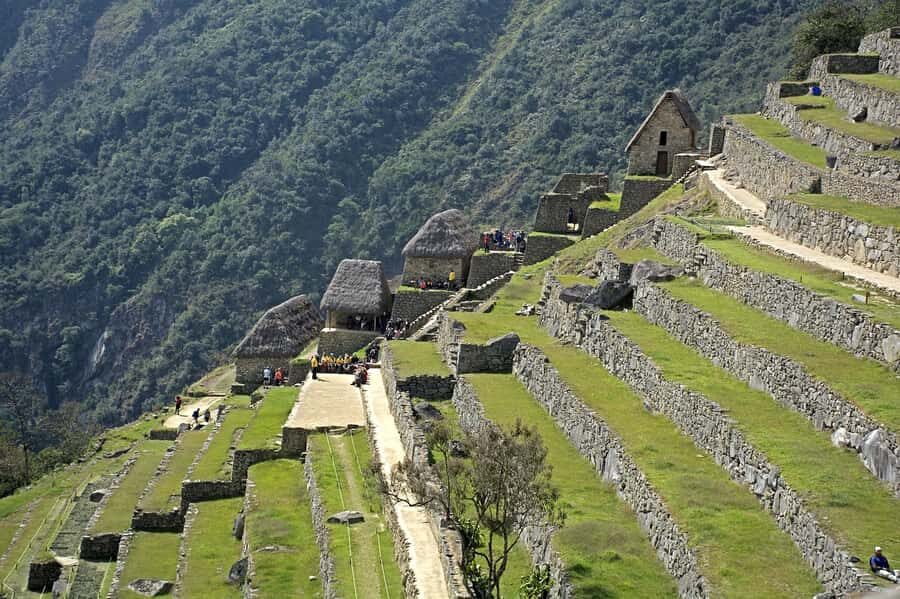
Next up is Ollantaytambo. This town sits above ancient Inca buildings, so even walking around can feel like moving over layers of time.
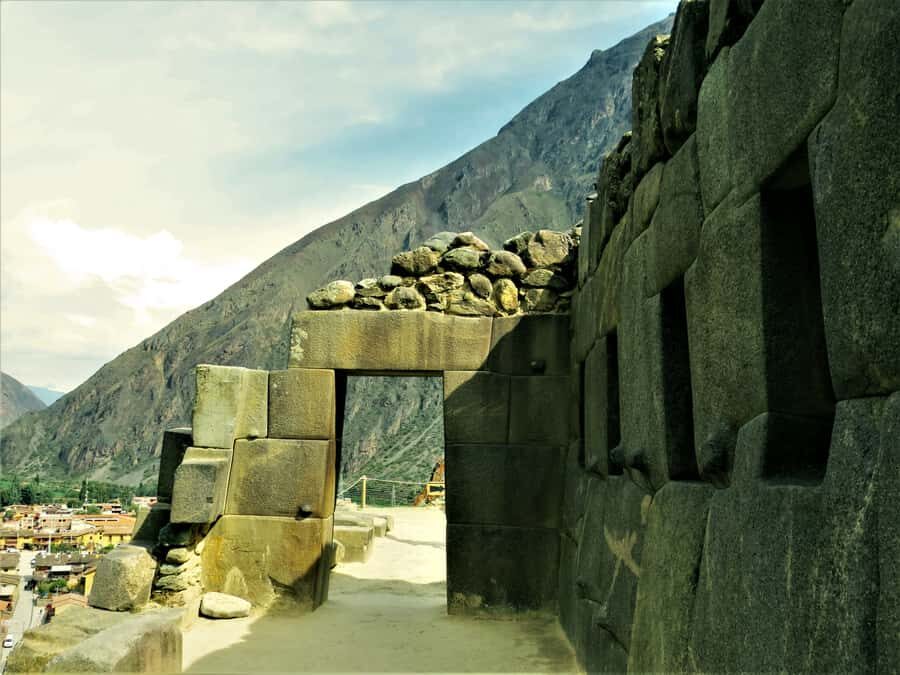
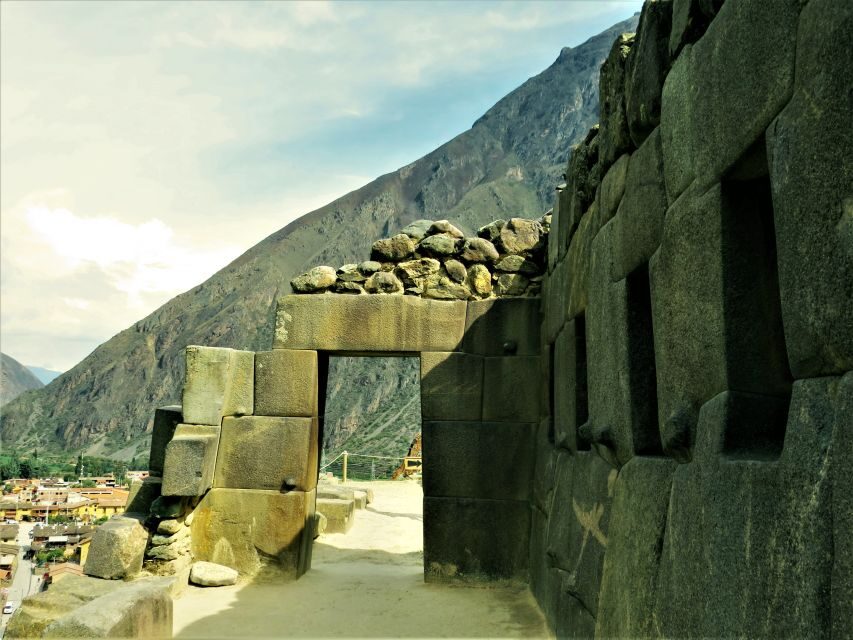
Ollantaytambo’s archaeological site includes temples, terraces, storehouses, and a large Inca monolithic. You’re looking at how the Inca built for long-term use: food storage, structured religious spaces, and stonework that still holds its shape.
This is also where dinner becomes part of the plan. The tour includes a day-1 buffet lunch in Urubamba and dinner in Ollantaytambo. That’s one of those “small” benefits that becomes big when you’re on a schedule—less time hunting for meals, more time keeping your brain in the right mode for the next leg.
After exploring Ollantaytambo, you board the Expedition train to Aguas Calientes and stay one night in a 3-star hotel. This overnight step matters. It puts you close to Machu Picchu early enough for the next day’s sunrise-style entry plan.
You can also read our reviews of more tours and experiences in Cusco
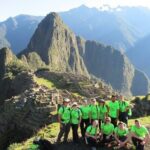
The sunrise Machu Picchu plan: early bus, guided 3-hour circuit, and optional hikes
Day 2 begins with an early wake-up. You’ll have breakfast at your hotel, then take one of the first buses up to Machu Picchu.
When you arrive, entry is handled by showing an original passport at the checkpoint. That’s your key document. If you forget it, this part can stall.
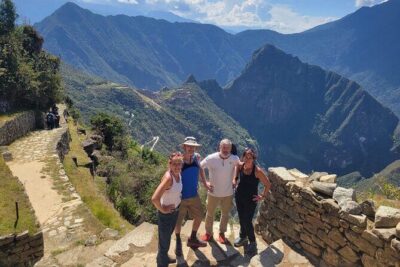
Then you get a guided tour for about 3 hours. The focus is on the most remarkable terraces, storehouses, temples, and palaces. If you care about understanding rather than just snapping pictures, this is the payoff. The best part of Machu Picchu visits is when someone helps you make sense of what you’re looking at—especially the layout and how the spaces connect.
After the guided portion, you can choose an extra hike to either Huayna Picchu or Machu Picchu Mountain. Those hikes are not included in the tour price, so you’d need to plan for added costs if you want them.
Then you take the bus back down to Aguas Calientes, handle lunch on your own if you want, and ride the Expedition train back. After that, a van takes you from Ollantaytambo back to your Cusco hotel.
Train timing and getting through the day smoothly
This tour is built around connections. That’s good when everything runs on time, and it’s the one place where things can feel tight if your internal clock hates early starts.
One review highlighted a lateness issue on the train to Machu Picchu, and another point came up about picking the right time of train for the trip. You can’t always control timing, but you can control your mindset. If you’re the type who panics at “minutes,” you’ll want to stay flexible with your expectations.
Also remember the luggage rule: no large bags or luggage. Bring a daypack and keep essentials with you. Anything you need for a checkpoint day (like your passport) should be easy to reach.
Price and value: what $698 gets you in real terms
At $698 per person for a 2-day, 1-night program, it’s not a cheap trip. But the value math is clearer when you list what’s actually included.
You get:
- pickup and return service in Cusco
- transportation across the full route
- entrance tickets to Pisac, Moray, Salineras de Maras, Ollantaytambo, and Machu Picchu
- the 1-night stay in Aguas Calientes (3-star)
- round-trip Expedition train tickets
- round-trip bus to Machu Picchu
- a guided tour at Machu Picchu (about 3 hours) plus guided time throughout the route
- day-1 buffet lunch in Urubamba and dinner in Ollantaytambo
- taxes and reservation charges
If you tried to assemble this yourself, the “stuff” you’d pay for (train seats, timed entrances, bus tickets, guides, and lodging near Aguas Calientes) adds up quickly. The real value is that you also remove coordination stress. You buy a plan that has been put together to connect the biggest sites in order.
The trade-off is that you’re locked into the schedule. Since the experience is non-refundable, you should book when you know your dates are firm and your energy level can handle an early Machu Picchu morning.
Who this tour fits best
This is a strong fit if you want:
- guided Machu Picchu with about 3 hours of interpretation, not a wander-only visit
- a packed-but-organized Sacred Valley route with Moray and Salineras of Maras included
- an easy logistics solution using the Expedition train and an overnight in Aguas Calientes
It’s also ideal if you don’t want to manage multiple tickets and transfers yourself. Pickup, transportation coverage, and included entrance fees remove a lot of unknowns.
You might want to think twice if:
- you hate early mornings and tight connections
- you need luggage storage or large-bag travel (since large bags aren’t allowed)
- you want total freedom to change plans mid-day
Should you book this 2-Day Sacred Valley and Machu Picchu train tour?
I’d book it if you want a guided, efficient route that hits the Sacred Valley highlights and delivers Machu Picchu at the right time of day. The best reason is the way the trip is built: train to Aguas Calientes, overnight close by, then an early bus and a guided circuit once you’re at the citadel.
The only real hesitation for me is timing sensitivity. If you’re traveling with a schedule that can’t flex, the train/bus dependencies could stress you out. Also double-check that you’re comfortable with the no-large-bags rule.
If those points are fine for you, this is one of the more practical ways to do this corridor between Cusco and Machu Picchu without turning your trip into a ticket-scan marathon.
FAQ
What is the duration of the Sacred Valley & Machu Picchu by Train tour?
It runs for 2 days and includes 1 night in Aguas Calientes.
Where do I get picked up, and do I return to the same place?
You’ll be picked up from your hotel in Cusco (or hostel/Airbnb) and then returned to your Cusco hotel after the tour.
Is Machu Picchu entry included?
Yes. The tour includes entrance tickets to Machu Picchu, plus a round-trip bus and a guided tour once you’re inside.
Is Huayna Picchu or Machu Picchu Mountain included?
No. Optional extra hikes to Huayna Picchu or Machu Picchu Mountain are not included.
What meals are included during the tour?
Day 1 includes a buffet lunch in Urubamba and dinner in Ollantaytambo. Other meals, like lunch on Day 2, are not included.
Does the tour include train transportation?
Yes. It includes round-trip travel on the Expedition train and takes you to Aguas Calientes and back.
What documents and items do I need to bring?
Bring your passport (original) and a daypack.